In February 2025 I posted a blog about coastal birds near Fort Bragg, on California’s north coast. This new blog shows birds from a recent (Oct, 2025) Fort Bragg trip, plus a trip this winter (Jan, 2026) to the Bolsa Chica Ecological Reserve in Huntington Beach, south of Los Angeles.
Mendocino
Brown Pelicans
Mendocino is a small town a few miles south of Fort Bragg. In October 2025 Roberta and I parked at the Mendocino Headlands State Park. Walking paths on the bluffs are 100 feet above the ocean. Tall rock towers are a short distance offshore. A thousand Brown Pelicans were roosting on these towers. I set my camera on a tripod and took over 2000 pictures.
Brown Pelicans hatch their young on secluded islands off of southern California (Anacapa and Santa Barbara) and Baja. In early summer they move north to feed on fish. After October they head back south. These birds stick to the coast; there are only three records of a Brown Pelican in Inyo County.
A Brown Pelican weighs 8 pounds and has a wingspan of 6.5 feet. Young birds are, well… brown. By age 3 years they have white heads, a yellow forehead, the bodies are a mix of grey and white, and the bills are partly red. They are lovely in the air, flying in lines of 5 to 25 birds, often skimming just above the waves.
Below is a Brown Pelican; this all-brown bird is a juvenile, about one year old.
The next photo shows an adult, with a white/yellow head, partly red bill, and body of grey and white streaks. A few birds, including this one, had a lot of red color in their bill pouch, which is part of their breeding outfit. They will soon move south to nest.
On land, the Pelicans preen their feathers frequently, to get them into shape for flying and swimming. As the morning went on, the birds took off in small groups to find fish.
In the next photo, a bird near the center has turned its lower bill pouch inside-out. Bad table manners.
The remaining images all show Pelicans in flight. They are easy to photograph in the air, as they are big and they fly in straight, predictable fashion.
Bolsa Chica
In January, 2026, we visited the Bolsa Chica preserve south of LA. This wetland hosts many species of coastal birds. There are a couple of miles of dirt road on embankments, so it is easy to walk about and find birds. The birds are protected and many of them know this; they allowed me to get surprisingly close. I sometimes had to back up to get the birds in focus with my telephoto lens. Snowy Egrets were so numerous and tame that I had to kick them out of the way. (Ok, full disclosure: I did not actually kick any birds.)
Pelicans
The American White Pelican is an enormous bird: 16 pounds, wingspan 9 feet. They are mostly an inland bird, fairly common near Bishop. There was a group of 7 birds feeding at Bolsa Chica and they did not seem to mind as people walked past.
One Brown Pelican cruised past.
Ducks
There were several duck species, including a Bufflehead:
Ruddy Ducks, which I always describe as a bowl of noodles with chopsticks sticking out:
A few Lesser Scaups:
Surf Scoters were cruising about. Males have a bill colored black, white, orange, red, and yellow. The female has a black bill.
Several American Wigeons appeared:
Northern Pintails are common migrants in Inyo County, but I have had poor luck finding them. Some birders have reported as many as 800 of these ducks at Owens Lake. At Bolsa Chica, I had the opportunity to collect images of this elegant duck; the males have striking colors. The reason for the name is obvious.
Grebes
Several species of Grebe were present. A Pied-billed Grebe was very close:
Horned Grebes were further away:
A Western Grebe was far off:
Double-crested Cormorants
These birds are common at the Pleasant Valley Reservoir near Bishop. They also show up at the Buckley Ponds. At Bolsa Chica, they were remarkably tame, allowing me to get detailed close-ups.
Great Blue Heron
The photos below show preening behaviors.
Egrets
There were a few Great Egrets, such as the one below:
One birder pointed out a single Reddish Egret. This was a new bird for me. This Egret has only been reported once in Inyo County. Sibley’s guide says there are only 5000 of these birds in North America. A lucky find.
The next 13 images show Snowy Egrets. I have photographed these birds near Bishop, but they are not terribly common. At Bolsa Chica there were a hundred along part of the walk. I selected a few images that show a lot of detail and interesting preening behavior.
I particularly liked the details of the eyelids in the next three pictures.
Curlew
Here is a Long-billed Curlew. The absurd bill seems like a joke.
A final comment:
A place like Bolsa Chica is special: 1) you can see many birds of several species in a short time and 2) you can get closer to the birds than in most other places. It functions as an open-air aviary. It might be nice if every region had a place like this where people could enjoy birds so easily in an outdoor setting. But doing this is expensive. It would be costly to provide the habitat and protection that the birds need; fencing, gates, water supply, nesting areas, vegetation, and so on. When we were at the Bolsa Chica, two young rangers were patrolling the walks, greeting visitors and making sure that people followed the rules. It would be costly to provide that level of security in many places. Many wildlife refuges do provide habitat for birds and are patrolled by rangers. But they are usually set up so that people can shoot birds; a different experience.
I bought a full-frame Nikon Z8 camera in the fall of 2024. In March of 2025 I sold my firstborn and bought a Nikkor Z 600mm f4 lens that has a built-in 1.4x teleconverter. Using this expensive gear I collected 5000 bird images by the end of 2025. I delete 90% of the pictures I take, so this means I took 50,000 bird photos in 9 months. That is equivalent to 1390 36-shot roles of 35mm film. Back in 1990, a roll of Fujifilm Velvia cost about $10, so the cost of 50,000 film pictures would have been $13,900. Developing the film would double that amount. Accounting for inflation from 1990 to 2025 adjusts the cost to $70,000 in today’s dollars. Digital images are obviously much cheaper than film photographs. Digital gear allows me to take photos in a profligate manner that would have been financially ruinous in the film era.
This blog is a collection of 72 wildlife photos taken near Bishop CA in the last 3 months of 2025. I took thousands of photos during that time, so at least some of these should be good.
Mule Deer
Hundreds of Mule Deer live within 50 miles of Bishop. In summer, deer are high up in the Sierra, but in winter they roam the floor of the Owens Valley. This buck was getting a drink at the Pleasant Valley Reservoir. Roberta spotted him as he crossed the road and ambled up the hill above us. They are named for their large, mule-like ears. Deer often have scrapes and scars on their fur, but this one looks as if he was groomed for a show.
Tundra Swan
A lone, migrating swan was at the Buckley Ponds for a few days.
Common Goldeneye
Goldeneye’s migrate through in winter. A few were hanging out at the Reservoir.
Surf Scoter
Below is a female Surf Scoter, which I photographed on Nov 12, 2025. This bird brought me 15 minutes of fame. I’ll explain below.
Some birders engage in a competition to count the greatest number of species in their area during each year. In the digital era, they report their findings to eBird, a website run by the Cornell Lab of Ornithology. During 2025, for example, Nancy Overholtz was the leader for Inyo County, with 301 different species that she saw in our county. Rosie Howard was close behind with 297, and Chris Howard was third at 284. These people are superb birders; in a year, they see more species than I’ve seen in my lifetime. (They also happen to be nice people who are happy to share their bird knowledge with others.)
On Nov 12, I spotted the Surf Scoter at the Reservoir and snapped a few images. I realized this was a female Surf Scoter, a bird that I have photographed on the coast. It sports a strange, bulging bill that seems ill-fitted to its face. This bird does not belong here, over 100 miles inland; they are rarely show up here. By luck, I was the first person to spot this bird species in Inyo County during 2025; or at least the report it. I posted my find to eBird and sent email messages to Nancy, Rosie, and Chris; before the sun set, they traipsed to the Reservoir and saw this bird. So I was briefly famous to a few people. OK, not actually famous, but at least notable?
Full disclosure: I was Inyo birder number 640 with just 12 species seen during 2025. In my defense, I don’t report the birds I see, I only made the report for Nov 12. If I were to report faithfully, I suspect I could break into the top 100 for Inyo County!
Double-crested Cormorant
California has only one inland cormorant species, the Double-crested. They are at Pleasant Valley Reservoir year-round. I try to get sharp images of their lovely feather patterns and colors. Their blue eyes look like buttons sewn to their faces. Look at the third photo below. Doesn’t it look as if there are yellow stitches around the eye?
Grebes
Below is an Eared Grebe. The “ears” are feathers that appear only during breeding season; so there are no “ears” in this photo
Pied-billed Grebes are smaller. The ones below have been at the Buckley Ponds for months, but these Grebes also appear at the Reservoir and in other locations. “Pied” means multi-colored, white and brown, or white and black; an old-fashioned word that people usually apply to horses.
Great Blue Heron
Three photos from the Reservoir and the Owens River.
Great Egret
Four images of Great Egrets at the Pleasant Valley Reservoir in late September. The first shows an Egret high up in a tree. It is common to see Egrets and Herons up in trees. I suppose they perch there for a location where they can take a break and be safe. But they always seem out-of-place to me.
Golden Eagle
Below is a Golden Eagle near Warms Springs Road in November. Sometimes we see what we expect, rather than what is there. I’ve seen Bald Eagles at this location and initially that is what I thought I had photographed. But on reviewing the pictures, I realized that the golden feathers on the neck and the long bill were not those of a Bald Eagle. In the third photo, a flock of Ravens (or Crows) tries to intimidate this Eagle.
Bald Eagle
The first photo shows a Bald Eagle on the basalt boulders above the Reservoir.
Another Eagle at the Reservoir.
The next two photos show a Bald Eagle on Gus Cashbaugh Lane near Bishop.
Birds have three eyelids; upper and lower lids, similar to those of humans, and a nictitating membrane, a translucent membrane that is under the eyelids. The nictitating membrane protects the eye in flight or from dust, but the bird can see through the membrane; sort of like a pair of goggles. It is common for me to photograph this membrane. Less common is to see the outer opaque eyelids, but you can see the eyelid over the bird’s right eye in the next picture.
Cooper’s Hawk
Their long tails and colorful eyes make these hawks stand out. The first four photos were taken at the Buckley Ponds. In the first two photos, the iris is more yellow than red, indicating that this is a young bird.
The next two pictures show a Cooper’s Hawk that was 100 feet south of my home. Sometimes these birds are in my backyard. To get these pictures, I just walked out my door and strolled down the street until I had a clear view.
Red-shouldered Hawk
We walk to the Pleasant Valley Reservoir on a paved road that was built when the Reservoir was constructed on the Owens River. The road is about 20 feet above the water. This lets me look down on some birds, an unusual view. In the first photo, a Red-shouldered Hawk flies below me along the Owens River.
As the bird lands, it flairs its wings and tail to slow down. The bird even lifts feathers on its back to reduce lift and speed. Note the white bands (called “windows”) near the end of each wing. You can see a badly damaged feather in the tail. All birds molt, replacing old feathers with new ones. Some birds molt all at once. Ducks will find a pond or secluded marsh where they can feed and renew all their feathers; for about a month they cannot fly. Hawks would starve without flight, so they shed and regrow just a few feather at a time.
At the last moment the bird throws out its feet for landing.
At the Conservation Open Space Area, a sequence of three photos shows a Red-shouldered Hawk making the same landing maneuvers:
Below, a Red-shouldered Hawk perches on a power line in my backyard. These birds hang out in my Bishop neighborhood. I often hear them calling while I edit bird pictures at my desk.
Red-tailed Hawk
Bald Eagles usually appear at the Buckley Ponds by December. But they did not do that in 2025. Instead, Red-tailed Hawks have been using the trees that are usually occupied by their bigger rivals.
The Red-tail below is crying out as it takes off.
When I got home and reviewed my photos, I found that the Hawk below was carrying breakfast; a rodent of some kind. The Hawk has a band on its leg.
Two more Red-tails in December
Below, a Red-tail takes off from a basalt boulder above the Pleasant Valley Reservoir. Red-tails vary a lot in color; this bird is quite dark.
Ferruginous Hawk
Ferruginous Hawks appear in winter. The first photo shows one on Warm Springs Road. This species has a stunning white chest. Feathers on the head look as if they have been combed back and kept in place with hair gel. The yellow lips extend far back under the eye, past the center of the pupil. The yellow corner of the mouth is called the “gape.” A large gape makes it easier for this bird to quickly swallow an entire rodent. If you scroll back to my pictures of Cooper’s, Red-shouldered, and Red-tailed Hawks, the corner of the mouth ends in front of the pupil.
The next three photos show a Ferruginous Hawk on Gus Cashbaugh Lane near town. There is red color on this birds nose, face, and feet. That ain’t lipstick.
Below is a list the average weight, in pounds, for the raptors I have shown. This gives you an idea of how varied they are:
Golden Eagle 10
Bald Eagle 9.5
Cooper’s Hawk 1
Red-shouldered Hawk 1.4
Red-tailed Hawk 2.4
Ferruginous Hawk 3.5
Greater Roadrunner
I see this bird twice a year, usually as it runs across a road ahead of me. Some books say they are uncommon in our area, but the sagebrush habitat seems ideal for them. I suspect they are just good at staying hidden. One of my photography goals is to get better images of this bird. The photos below show the iridescent colors of a Roadrunner near Warm Springs Road.
Belted Kingfisher
The first photo was taken at the Control Gorge Power plant on the Owens River, the next three at the Buckley Ponds. Lovely bird with a bad haircut.
Anna’s Hummingbird
In mid-December I joined two expert birders at the Conservation Open Space Area for the Christmas count. They heard, saw, and identified this bird before I knew it was there. I was finally able to see it and started taking pictures as it moved from perch to perch. It was gone in a minute.
American Dipper
The Dipper dives into streams and walks around under the water looking for stuff to eat. I took these photos along the Owens River near the Control Gorge Power Plant. The bolts in the first picture are part of the power plant’s structure.
Rock Wren
These tiny things hop about on the basalt boulders above the Reservoir. In the second photo, the bird is jumping up to grab an insect out of the air. These birds are small and are colored to match their rocky surroundings. They give themselves away by jumping and flitting about, and singing a loud song.
Common Yellowthroat
A Yellowthroat appeared at the Buckley Ponds in late September. I had less than a minute to take pictures. Fortunately, the bird perched in a well-lit spot.
Spotted Towhee
The spots are on the wings. Lovely color scheme and striking red eye. This bird was near the nursing home on Line Street.
Here is a collection of 90 wildlife photos taken during June-September, 2025. I picked images that appealed to me for a variety of reasons. We have a lot of wild creatures here.
Rabbits
Long legs, bodies, and ears characterize the Black-tailed Jackrabbit. Even the black tail is long. They are fast; I often see just a glimpse of movement as they disappear into the sagebrush.
The Desert Cottontail is more compact and has eyes that seem too big for its head. Here is one at the Conservation Open Space Area.
Cottontail below was at Mono Lake. Looks very young.
Cottontails below were at Airport Road.
American Beaver
The beaver drags its tail, leaving wavy marks on the dirt roads that we walk. For 20 years I mistakenly thought these were rare creatures, found only on some mountain streams. I was wrong. They are common, but elusive. On our local walks I see a beaver once a year. The beaver below was swimming in the Owens River, upstream from the Pleasant Valley Reservoir.
Coyote
They always look skinny. If you live by chasing rabbits, being fit and thin is advantageous.
Stripped Skunk
Usually presents as a crushed and pungent mess at the edge of a road. Fun to watch when seen alive.
Are pieces of grass stuck to its body? Or could they be porcupine spines? I cannot tell.
Chipmunk
These two animals were chasing each other in Lee Vining Canyon. I think they are Lodgepole Chipmunks. They would periodically stop for one second of sex, then run on.
Common Merganser
Mergansers are often found at the Pleasant Valley Reservoir. I think the birds in the photos below are all juveniles, born this Spring.
American White Pelican
A nine foot wingspan. This Pelican was at Pleasant Valley Reservoir.
California Gull
This bird was at Mono Lake, where thousands of gulls gather to mate and raise their young on islands.
Spotted Sandpiper
A young Spotted Sandpiper cruises over Pleasant Valley Reservoir.
Great Blue Heron
I have more photographs of this bird species than any other. They are colorful, common, and easy to photograph.
Herons near Airport Road.
A Heron shows its balancing talent along Warm Springs Road.
When Herons fly, they usually curl their neck. But the bird below, at Buckley Ponds, is like a runner straining to get part of their head over the finish line first.
Heron 3
The next 3 photos are all from Pleasant Valley Reservoir, where subdued light made the feather patterns stand out.
Note the mosquitos in the next photo.
Black-crowned Night Heron
About once a year I see a Black-crowned Night Heron. The bird below, on Bishop Creek Canal, is too young to have the black head color.
Note mosquitos
An adult bird with a black crown flew past in Lee Vining Canyon.
California Quail
A male posed north of Bishop.
Chukar
These are game birds introduced from Asia. This pair was at Pleasant Valley Reservoir.
Turkey Vulture
This bird locates food by detecting ethyl mercaptan, a gas released by decaying flesh. It can follow a gas plume back to a rotting carcass that is miles away. Using smell, the vulture can locate carrion that is hidden by snow or dense foliage.
A Vulture on Airport Road.
A TV at the Reservoir.
Northern Harrier
A female Harrier cruises past me on Airport Road.
Sharp-shinned Hawk
This raptor was at the Conservation Open Space Area near downtown Bishop.
Red-shouldered Hawk
This medium-sized hawk was at the Reservoir.
When this bird lands, it slows down by flaring its wings. Near the end of each wing, the primary feathers are partly white so that it looks as if the wings have a clear “window.” You have to use your imagination to think of these white areas as windows; they look like white bands to me. The next 3 photos all show these white “windows.” The first photo was taken at the Pleasant Valley Reservoir.
Next two photos from the Conservation Open Space Area.
Swainson’s Hawk
The Swainson’s below is probably a juvenile in its second year. It appeared in June and used a perch on Warm Springs Road for several weeks.
On June 19, a Western Kingbird harassed the Hawk. In the first photo the Hawk turns, in the second the Hawk ducks and almost flies away, in the third the Hawk settles down as the Kingbird flies past.
A month later, on July 19, a Northern Mockingbird harasses the same Hawk.
Finally, a peaceful moment.
Red-tailed Hawk
Red-tails are the most common hawk that I see near Bishop. They are big, which makes them easy to spot. If you see one or two birds circling high up on thermals, they are probably Red-tails. Young Red-tails don’t have red tails, as shown below in a photo from Warm Springs Road. This bird has bands on both legs; green plastic on the left leg, silver metal on the right. The left foot rests on a fragile branch and the right foot is balanced on one toe. This young bird is being a bit careless.
Then the bird literally fell off its perch. In the first photo, the fragile branch under the left foot gave way. The Hawk used its wings to stay up and both legs are on the stronger branch.
In the next 4 pictures, the bird struggles to get both feet onto the sturdy branch. It then looks around, probably thinking: “Wow, that was embarrassing. I hope no one saw me do that.”
On Sunland Drive a mature bird posed. Note the pattern of darker feathers across the middle of the bird; an avian cummerbund.
The next Red-tail on Warm Springs Rd has different coloration, but a similar cummerbund.
The Red-tail below, a juvenile, has almost no red in the tail.
American Kestrel
This small raptor is common in the Bishop area. After the Red-tail, I think this is our most common raptor. They are small birds, but if you look for their compact shape on top of small trees, they are there to be found. The first three photos show a male landing on a bare tree at the Buckley Ponds.
The shape and posture below are typical for this bird. A round ball. The tail sticks out and down, as if this is a capitol letter Q. With an added lump formed by the head.
In the next photo, a Kestrel takes off at Pleasant Valley Reservoir. The tail is out of sight, so he looks as if he forgot his pants.
Peregrine Falcon
Not common, but impressive when it appears. I show two photos taken five days apart in June. The first shows a Peregrine in flight at Bishop Creek Canal.
Below, a Peregrine displays its “executioner’s hood” on Warm Springs road. These photos may show the same bird.
Great Horned Owl
Two of these owls were on a dirt road north of Dixon Lane.
The next photo shows an unusual pose. This owl may be looking for its partner.
Doves
The Mourning Dove was first recorded in Inyo County in 1890. It was the dove for a century. But in the last two decades, counts have plunged. The photo below shows the blue eye ring and black spots on the feathers.
The Eurasian Collared Dove appeared in Inyo in 2002, the same year I arrived. It is now the most common Dove in Inyo. Photo below shows the collar on the back of the neck.
Northern Flicker
This woodpecker is common, colorful, and noisy. In the first photo the female is above. A male, with his red mustache, is taking off near Dixon Lane.
The next image shows a male at the Conservation Open Space Area.
The last photo shows a male in my neighbor’s yard.
Phoebe
The Say’s Phoebe has subtle colors. Bird below was at Mono Lake.
Next Phoebe is at Bishop Creek Canal.
Below, a mother feeds her child. The youngster looks big enough to find his own meal. But what mother would miss the chance to feed her child; “Come on darling, finish your peas.”
The Black Phoebe strikes a formal look in a tuxedo. Both shots at the Reservoir.
Western Bluebird
The colors of the adult male look unreal. Photo from Airport Road.
At the Conservation Open Space Area, a juvenile Western Bluebird displays softer colors and many spots on chest. Wing edges are flashy.
American Robin
Eating a caterpillar at Bishop Creek Canal.
House Wren
This Wren was at Convict Lake.
Green-tailed Towhee
Convict Lake is home to Green-tailed Towhees. In next six photos, a mature Towhee hops and swaggers.
At far end of the lake, a juvenile Towhee shows streaks, no red crown, brown-green feathers.
Savannah Sparrow
Savannah feeds at Airport Road. Note yellow eyebrow streak.
House Finch
This bird was feeding at the Conservation Open Space Area. Bird looks like it fell into a paint bucket.
Brewer’s Blackbird
The females are muted, the yellow-eyed males are garish. These pictures are from Mono Lake. To see these birds up close, sit at the tables in front of Schat’s Bakery. Stay alert or they will grab your pastry.
Bishop lies at 4000 feet in the sagebrush ocean. The landscape hosts Giant Sagebrush, Rabbitbrush, Sulfur Buckwheat, and other drought-tolerant plants. Precipitation averages 5 inches a year. Despite being a desert town, the nearby Sierra Nevada collects snow and rain, which fills local creeks and canals. We have ponds in the City Park and the Conservation Open Space Area. Within a ten-mile radius is the Pleasant Valley Reservoir, the Buckley Ponds, and Klondike Lake. Because of this water, we have waterfowl; Swans, geese, and ducks. Most birds that migrate via the Pacific Flyway pass west of the Sierra, over California’s great Central Valley. But a sliver of this migration passes on the east side of the Sierra, over the Owens Valley. This blog post contains pictures of twenty waterfowl species that I photographed within ten miles of Bishop in the last 5 years.
What are waterfowl? This is a North American term applied to swans, geese, and ducks. They have webbed feet and a spatula-like bill. In Britain, this group is generally called wildfowl. Another characteristic is that people think of these birds as food. They are hunted and eaten. Their down feathers are used in pillows.
I’ve sorted these birds into a few tribes. Within each tribe, I ordered them from heaviest to lightest and provide average weight information from Richard Crossley’s guide: Crossley R, Baicich P, Barry J. The Crossley ID Guide: Waterfowl. West Cape May, New Jersey: Crossley Books; 2017. I also give the seasons during which each bird is most likely to be seen, using data from Heindel TS, Heindel JA. Birds of Inyo County, California, Including Death Valley National Park. Camarillo, CA: Western Field Ornithologists; 2023.
Swans
1. Tundra Swan – 15 lb. Winter.
These big birds breed on the tundra of northern Canada. A few winter near Bishop. The photo below was taken at a small pond near Klondike Lake. The Swan’s foot looks like a scuba diver’s flipper. The blurry bird in the foreground is a Greater White-fronted Goose; it looks tiny compared with the Swan.
In the air, you can see that the belly feathers are stained by the muddy water.
The Swan below was on the Buckley Ponds in December. Note the yellow spot at the base on the bill, in front of the eye. This marking is diagnostic.
Geese
2. Canada Goose – 10 lb. Fall/Winter.
Honking flocks of geese announce the arrival of fall. One of my favorite sounds. The photos below were all taken from Airport Road south of Line Street. These birds are found almost everywhere in Canada and the US.
In December, a flock passes in front of the Wheeler Crest.
The remaining photos were taken in March.
This is a heavy bird; see below.
Goose honks at a Red-winged Blackbird.
3. Snow Goose – 6 lb. Fall/Winter.
Snow Geese often mingle in the air or on the ground with both Canada Geese and Greater White-fronted Geese. The pictures below were taken in winter along Airport Road.
A mixed flock of Greater White-fronted (dark) and Snow Geese (white).
Feeding near Airport Road.
Perching Ducks
This tribe consists of Wood Ducks and Muscovy Ducks; only the former visit Bishop. They are surface-feeding, woodland birds with sharp claws on their toes. They perch and nest in tree cavities.
5. Wood Duck – 1.3 lb. All year.
Seeing a duck in a tree seems like a prank. The first three photos were taken on Gus Cashbaugh Lane.
The next two pictures were taken at the Conservation Space Open Area (COSA). The plumage of the male Wood-Duck is garish or gorgeous, depending on your taste.
Dabbling Ducks (Puddle ducks)
Dabblers feed on or near the surface. They often tip themselves up so their butts are in the air while their heads are submerged. Their feet are located in a mid-position under their bodies, so they can walk about on land. Powerful wings let them explode almost vertically from the water into the air. To lift off, the first wing-beat of a Mallard usually pushes on the surface of the water. I find it hard to photograph dabbler take-offs because they are so fast. The outspread wings are decorated with a rectangular patch of colored feathers, called the speculum. This area of color is often bordered by a white band.
6. Mallard – 2.6 lb. All year.
The Mallard is the “Make Way for Ducklings” duck. To see this bird, visit the Bishop City Park. Or almost any place with water. They sometimes stroll across highway 395, our Main Street. A friend had to wait in traffic when a Mallard-pair copulated on the highway. Mallards are so common that I have more pictures of this bird than all other ducks combined. I picked over a dozen Mallard photos for this blog.
Two females and a male in the air in October. Note the blue speculum, bordered front and back by a white band.
Mallards waking up at Pleasant Valley Reservoir, November.
Mallards on ice, Conservation Open Space Area, December.
Dinner on Christmas day, Reservoir.
This bird may seem ordinary, because we are so familiar with them. But are striking creatures. COSA in January.
Flying past the Sierra, February.
Nap in City Park, March.
Strolling at the COSA, March.
Preening at City Park, April.
Make way for you-know-what at Buckley Ponds, May. Awww, mira que cute.
Mom and child, Reservoir. May.
Mother and teenagers, July. Reservoir.
Airborn at Reservoir. Males are in their “eclipse” (non-breeding) plumage, so males and females look similar. August.
Flying over the Reservoir, August.
7. Northern Pintail 2.1 lb. Spring & Fall.
I have only one photo of this bird, standing on ice at Buckley Ponds.
8. Gadwall – 2 lb. All year.
Not colorful, but delicate feather patterns. First two photos taken on Airport Road.
Shovelers crack me up. They look like they are wearing a fake nose.
In the air they look strikingly colorful. Next 4 photos all from the Reservoir.
When landing on water, the tails touch first, then the feet. The birds ski on this 3-point platform for a while, then settle on the water.
11. Cinnamon Teal – 0.9 lb. Spring & Fall.
Three different Teal species visit Bishop. Cinnamon Teals are the most common. In flight their colors seem to change with their position and the angle of the sun.
In the water or on land, the plumage is striking.
12. Blue-winged Teal – 0.9 lb. Spring & Fall.
This bird has a large blue area on the wing, plus a green speculum, and a wedge of white. If you compare this with the wings of Northern Shovelers, shown earlier, you can see the same pattern.
Teals are all small ducks, weighing less than a pound. The photo below shows a diminutive Green-winged Teal with a massive female Mallard.
Below, a small Green-winged Teal swims with male Mallards at the Reservoir.
The next 3 photos all show Green-winged Teals at the Reservoir in winter.
Diving Ducks (Bay Ducks)
This group of ducks can dive to 20 feet for food. Their powerful legs are positioned to the rear, so they swim well underwater, but have trouble walking. It is hard for them to take wing, as their bodies are heavy compared with the surface areas of their wings. To get into the air, they run on the surface, pushing on the water with their feet. Take-off requires a long runway and a lot of splashing. These birds have no speculum on the wings.
14. Merganser – 3.2 lb. Fall/Winter.
Mergansers have a long bill with a hook at the end. I find it hard to think of them as ducks, as they lack the spatula-shaped bill. In flight, they look long and narrow. Below, a fleet of Mergansers cruises on the Buckley Ponds. Males have sleek dark heads, females have messy red “hair.”
At City Park, a heavy Merganser bullies a Mallard. Both birds wear similar socks and shoes. Later the Merganser poses alone.
Male Mergansers patrol the Ponds. Adult females look similar to juveniles of both sexes.
Scenes at the Reservoir.
15. Canvasback – 2.7 lb. Fall/Winter.
A big duck. Below are 4 views at the Ponds, all in winter.
16. Redhead – 2.3 lb. Spring/Summer/Fall.
Color pattern similar to a Canvasback. Three photos from the Ponds in March.
17. Lesser Scaup – 1.7 lb. Fall/Winter/Spring.
Iridescent head, delicate feather pattern on back. Visits the Reservoir in winter.
This bird has the wrong name. The ring on the bill is obvious. The ring on the neck is obscure. This should be called the ring-billed duck.
A male at the City Park looks fierce when seen head on.
A female at the Park. She looks placid as she demonstrates that water rolls off a duck’s back.
At the Reservoir, a group of Ring-necked Ducks thrashes about as they try to take off.
Three images taken at the COSA. In the last photo you can see the ring on the neck.
19. Ruddy – 1.3 lb. All year.
These are called stiff-tailed ducks, as their tail feathers stick up. On a cold morning they sleep in, heads tucked away, tails pointed up. I think they look like a bowl of noodles with chop sticks inserted. Or a basket of yarn with knitting needles. The three photos below were taken in winter. First at the Reservoir, last two at the Ponds. Note the blue bill.
20. Bufflehead – 0.9 lb. Fall/Winter/Spring.
Small diving duck. Head iridescent in sunlight, black and white in shade. First 4 photos taken at the Reservoir.
Below you can see how a diving duck uses its feet to take off.
Last photo shows what a diving duck does to eat; it dives.
The Osprey is ubiquitous. They aren’t particularly common, but they are found on 6 continents. There are Ospreys in every state. If there is a pond, ocean, lake, stream, or river, an Osprey may be nearby.
An Osprey Family
Let’s meet a typical Osprey family in their rural home, a nest on a tufa tower in Mono Lake. The nest is a large pile of wood, about 6 feet across, constructed over many years. In the first photo, Dad is on the left; his chest is white, his eye yellow, and his feathers are brown. Mom is on the right. She wears a necklace of brown feathers on her chest and she is a bit bigger than Dad. Junior, about three months old, has black feathers outlined with white, giving him a scaly look. His eye is red/orange. All three birds have a chest and belly that is mostly bright white and a band of dark feathers that runs across the eye and down the neck to the back. Adults weigh 3.5 lb. Their 63” wingspan approaches the 80” of a Bald Eagle, but the Eagle weighs 3 times as much; a thuggish brute compared with the slender Osprey.
This cooperative family posed for more images. The next shot shows the size of the nest.
Mom flies off, leaving Dad and Junior to bond.
But after a minute, Dad departs with his lunch. Junior is left alone, a latchkey bird.
What Does “Osprey” Mean?
Most birds have a species label made from two or three words: Great Blue Heron, Say’s Phoebe, Yellow-headed Blackbird. A select few have a single moniker: Mallard, Killdeer, Merlin. The Osprey is one of these, but the name is a mystery. One theory is that the Latin “avis praedae” (bird of prey) became the French “ospreit” which evolved into the English “osprei” in 1460 — maybe, but why was this the “bird of prey” any more than some other Eagle, Hawk or Falcon? A second theory notes that the Lammergeier, an old world vulture, was called the “ossifragus” in Latin, which means bone-breaker. “Os” means bone (ossify, etc.) and fragus means break (or fragment). This bird likes to eat bones and breaks its preferred food items by dropping them from a height. Somehow “ossifragus” migrated to a different bird of prey, the Osprey, although Ospreys are not bone-eaters. Neither theory seems terribly satisfying.
What do Ospreys Eat?
There are reports of Ospreys eating mice, rabbits, ducks, even a baby alligator. These are exceptions. This bird prefers fish for breakfast, lunch, and dinner. Each meal has a fish appetizer, a main course with gills, fins, and tail, and a desert fish. If you ask an Osprey to eat out, they will suggest a Sushi bar or Legal Sea Food. Ospreys generally avoid carrion, even dead fish. They always ask, “Is the fish fresh?”
Ospreys at Mono Lake
Mono Lake is three times saltier than the ocean; consequently, it has no fish. So why are Ospreys nesting on the tufa towers that rise up above the water? The answer is safety. Tufa is calcium carbonate, or limestone. Tufa towers form below the lake surface, where freshwater springs emerge and mix their load of calcium with carbonate in the water. When Los Angeles Department of Water and Power diverted water from the Mono Basin, the lake level fell, exposing these offshore tufa platforms. After World War II, the towers rose above the falling lake waters and Ospreys built their nests on these protected spots. To get fish, the Ospreys commute to nearby Rush Creek or a bit further to Grant Lake.
In August of 2025, Roberta and I visited Mono’s South Tufa area. We counted 10 Ospreys, adults and juveniles. Here are photos of these birds:
Below an Osprey lands on a nest. Note the bands on both legs. In the third photo, the wings bend at the wrist, a common sight with these birds.
Below is the mother with one of the fledglings we saw in the first photo of this blog. This picture was taken July 14, while the first photo was taken Aug 6.
The next few photos show these birds on nests. They often make a racket — high-pitched cries of “PIERP! PIERP!”
The next photo shows a juvenile having a meal.
Canada Geese sometimes use Osprey nests:
A Taxi for Fish
After catching a fish, Ospreys usually point the fish head-first and zoom off to find a safe dining location. The fish has a final aerial ride, but gets little joy. It isn’t easy to hold a cold, wet, slippery, wriggling trout. To hang on, Ospreys can rotate one toe so that two talons are on one side of the fish, two on the other side. The talons are strong and have tiny barbs that help grip the fish. The pads of the toes and feet have sharp spikes. Below are photos showing this transport. The first picture shows an Osprey landing at a Mono Lake nest with a fish.
The following pictures are from the Pleasant Valley Reservoir in 2025. In the first and last photo, the Osprey uses only 1 foot to hold on. Rarely an Osprey will catch two fish at once, one with each foot.
The Catch
Ospreys cruise 20 to 100 feet over the Pleasant Valley Reservoir, looking for fish within four feet of the surface. When the dive starts, they use a head-first position, but in the last tenth of a second, the feet come forward with talons open for the catch. The splash is impressively noisy. The bird may submerge entirely. Then powerful wingbeats lift it, with a squirming burden, back up into the air. Observers have reported that 20 to 80% of dives are successful. Success depends on type of fish, water conditions, lighting, and so on.
The next three pictures show a dive that failed. The bird came up empty.
The next series of pictures shows a successful dive. First the bird spots a target.
Then the dive starts.
Head first now
Feet drop down and talons open.
Feet thrust forward in last split-second
Wham. Impact speeds up to 40 mph have been reported. The bird vanished right after the impact.
Head appears
Wings appear
The struggle to get into the air, using powerful wing muscles.
Success!
One footed hold
In the next shot, the bird throws its tail to the left, to shake out water. More about this shaking later.
The bird continues to use just one foot to hold the fish
On September 21, 2025, I filmed another dive. The first photo shows the start, with the bird well lit by the sun.
The next photo shows the bird lower down, wings in a “W” formation. This dive came to an end before the bird hit the water; evidently the fish moved.
Shake it Baby!
After diving for a fish, the osprey will often be soaked. Its feathers are oily and dense, to resist getting totally soggy. But the bird still needs to shed water to save weight, to allow the feathers to work properly, and to avoid losing heat. Getting dry makes flight faster and easier. Wet feathers waste energy and make the bird vulnerable. In one earlier photo, I commented that the bird was shaking its tail to get rid of water. Next I’ll show two sequences of this shaking behavior, both taken at the Pleasant Valley Reservoir.
Series A. A juvenile bird failed to get a fish. Three photos show water dripping behind and below the flying bird.
In the next picture the bird starts to swivel its head to shake it
Then the bird acts as if it is in the Exorcist. Fierce shaking throws off a cloud of water
Shaking stops, but feathers are disheveled
Just three seconds later, the bird looks smooth and orderly, as if it dried off with a little towel.
Series B. The bird below plunged into the water a little behind me. I heard the splash and started taking pictures as it rose up without a fish. Water drips from the feathers and the belly looks like a wet rag.
First the head starts shaking, followed by spasms of the body, tail, and even wings. A cloud of water flies off the bird. By the last photo the bird is so bedraggled that it is actually falling out of the air. This was all over in one second.
This shaking behavior of Ospreys is well-described in books. I’ve photographed other birds that shake themselves dry in the air: Belted Kingfisher, Double-crested Cormorant, Green-winged Teal.
Portraits
The next photos are Osprey portraits from several Bishop locations. First an Osprey takes off along Bishop Creek Canal.
Then two pictures from the Buckley Ponds. Ospreys in the air often bend their wings at the wrist, so they form a W (or M) shape.
Osprey at the Conservation Open Space Area (COSA)
The remaining portraits are from the Pleasant Valley Reservoir.
The Competition
Humans fish at the Pleasant Valley Reservoir. When we walk there, it is common to meet a half-dozen fishermen with gear that may include small rafts and up to five rods per person. Osprey are competing for fish with these humans. They are also competing with other birds, including the ones below, all photographed at the Reservoir:
Bald Eagles have been known to attack Ospreys in the air and steal their fish.
Double-crested Cormorants. Some cormorants are reported to be the most efficient fish-catchers of all birds; more ounces of fish per calorie of effort.
Common Loon
Common Merganser
Great Egret in the process of catching a small fish
Belted Kingfisher
Great Blue Herons, a group of three
Great Blue Heron with a large fish. These birds do not spear fish; they catch them between their mandibles. The heron had a lot of trouble choking down this fish.
Did a child invent this bird? The birds below were circling the Buckley Ponds on June 29, 2025. The iridescent green feathers, maroon body, decurved bill, red eye, and pink legs are suitable for Alice in Wonderland. Or a Florida theme park.
The name “white-faced” refers to the rim of white feathers that surrounds the eyes and base of the bill. This area is white in breeding season. After molting in the fall, the white border disappears and the bird looks grayer. Strange that the name describes a feature that is usually absent.
This bird is found throughout the US, except for a few regions in the east. I was clueless about its existence until Aug 13, 2022. An Ibis flock passed over the Buckley Ponds and I captured the three images below.
The three pictures above illustrate the difficulties of photographing this bird. They appear mostly as black silhouettes or blurry shapes. They move fast, they are far away, and they appear without warning (unlike Canada Geese and some ducks, who announce their approach with honking or quacking). The distinctive beaks give away their identity; I was able to search my bird guides and quickly figure out what I had photographed.
August, 2022
During August, 2022, I collected more Ibis photos as they migrated through the Owens Valley. The flocks often made large circles, so in some images the birds are moving south, but in others they are moving north. All these pictures were taken at the Buckley Ponds.
In the next two photos, the birds are flying south with the White Mountains in the background.
In the next two images, they are flying north. The first photo shows Mt Humphreys in the background.
In the next photo, part of Mt Tom and the Wheeler Crest are in the background.
Ibis weigh 1.3 lb, have a 3-foot wingspan, and the bills are five inches long. They winter in Mexico. They migrate north to breed in marshy areas of California, Nevada, and elsewhere. They like shallow fresh water, including wet agricultural fields, such as alfalfa fields and rice paddies.
To forage, they wade about, using their long bills to sweep the water or probe muck for insects, crayfish, and worms. In videos, their heads rapidly bob up and down like a feathered sewing machine, while their beaks probe for chow in muddy gunk. Imagine that you put on a blindfold, then stuck your head into a dumpster and tried to locate edible treats with your lips. Fortunately, for Ibis, my dumpster analogy is not quite right. The tips of Ibis bills have sensitive nerves and they have a reflex that makes the bill snap shut on food. So they are not wasting much thought about their culinary choices. Whereas you, in a dumpster, might pause before swallowing what might, or might not, be a hot-dog bun.
Spring 2023
The winter of 2022-23 brought record snow to the Sierra, so many Bishop fields were water-logged in spring. Ponds and marshes sprang up in the sagebrush. Ibis appeared along Airport Road in March. The birds were in breeding plumage, with maroon coloring, white faces, and pink lores. (The lore is the area between the eye and the base on the bill.)
In April, Ibis were in a field bordering Line Street in Bishop, along with a Great Egret and a Mallard.
Fall 2023
In the fall of 2023, large Ibis flocks passed overhead at the Buckley Ponds. Without a camera, or binoculars, I would mistake them for geese or ducks.
Owens Lake
On November 29, 2023, Roberta and I were prowling Owens Lake for birds. Where the Owens River joins Owens Lake, we found Ibis having lunch in casual non-breeding outfits; white faces absent, color grayer, green feathers, less maroon, legs now black. An annoying fence made it hard for me to get clear photos of the birds on the ground. Then the birds took off and circled; the Inyo Range and the Sierra appear in the backgrounds:
Summer 2024
In summer of 2024, a flock of Ibis flew over Airport Road. Some were still in breeding colors:
Spring 2025
In April and May of 2025, Ibis were at the Buckley Ponds. I now had a full-frame camera (Nikon Z8) and the quality of these images is better than the previous ones.
Summer 2025
On June 29, at 7am, Ibis circled us at the Ponds. Thanks to their flight path, I was able to shoot with the sun behind me. I had my Nikon Z8 with a Nikkor Z 600mm f4 lens, gear that proved itself that morning. Images are sharp and well-lit. The garish colors are obvious. In the future, I hope to get better photos of this bird on the ground.
Death Comes for the Agave
This little story has nothing to do with birds. It describes, with photos, the spectacular death of a Harvard agave in my backyard.
Valery Harvard (1846 to 1927) was born in France. He emigrated to the US as a young man and finished medical school at NYU in Manhattan in 1869. He served for decades in the US military, mostly in the American West, but also in Cuba and Manchuria. In 1906 he became faculty President of the Army Medical School. In addition, he was a botanist and studied plants in western Texas. In the 1880s he described the agaves in the Chisos Mountains along the Rio Grande. This plant was later named for him. The beautiful leaves and spines of a Harvard Agave appear in the two photos below, taken in the Chisos Range of what is now Big Bend National Park.
Mexican Jays, a gaudy bird, are common in Big Bend. Below, one perches on sharp agave spines.
I bought a Harvard Agave from the Bishop Nursery and planted it in our raised backyard beds in April of 2014. It survived summer heat and winter snow for years.
On May 5, of 2025, I noticed my Agave was putting out a new central stalk.
In less than 3 weeks the stalk looked like a ten foot spear of asparagus. Below, I posed a professional model in front of the plant, so you can judge the height. The model is 5’2”. She looks worried, probably thinking the stalk will topple over and clobber her.
During June and July, the stalk grew to over 15 feet and put out masses of flowers that were visited by bees.
The last photo, taken July 28, shows that the plant is dying at its base; all the nutrition in the big leaves was used to grow the stalk. The stalk was now between our power line and cable line. It weighed about 40 pounds.
With help from a friend I finally cut it down. I will miss that plant; it was a privilege to watch its spectacular death. I have seen thousands of dead, desiccated agave stalks on hikes in the Southwest. But I’ve never seen the entire cycle from robust health, to sudden growth, and suicidal blooming.
I recently printed some greeting cards with bird images. A friend looked at these and asked, “Do you crop your photos?” My answer was “Yes, almost always.” What is cropping and why do I do it?
Cropping a photograph means cutting away some of the image from the edges. Most cameras produce images that are rectangular or square. If you cut off material from one or more of the 4 edges, then you have cropped the photo.
Whenever you take a picture, many factors exclude material from the final image. The camera itself eliminates part of a potential image. Camera lenses create a round image. But camera sensors are rectangular or square. So the final photograph omits parts of the round image that was created by the lens. My full-frame digital camera has a sensor that is 35.9mm x 23.9mm. A little high-school geometry reveals that 31% of the circular image is omitted from the rectangular image on the sensor.
Your decisions affect what is in or out of a photo. Most cameras held in their default position (landscape mode) record a picture that is wider than tall. If you turn the camera 90 degrees (portrait mode) this cuts potential image material from the sides and adds material to the top or bottom. If you shift your aim from side-to-side, or up and down, this affects what is captured and what is omitted. If you step toward your subject, you exclude more peripheral material from the photo. If you have a zoom lens and increase the zoom power, you reject more from the final picture. A telephoto lens takes a narrow view, excluding more. Conversely, a wide angle lens includes more.
Cropping, however, refers to excluding some of a photo that has already been taken, either by cutting away part of a negative, trimming off part of a print, or omitting pixels from the edge (or edges) of a digital image.
Why would you crop a picture? Reasons include:
1. You want to change the aspect ratio (width to height ratio) to fit the photo to a frame or a computer monitor or a TV screen. Or you think a particular ratio is more attractive. You can turn a horizontal image into a vertical image.
2. You want to trim away a distracting or unattractive part of an image. For example, you might want to cut out a nearby street sign from a shot of a bird. You might crop to remove an overly bright reflection from the surface of a pond. After a bitter divorce, you might crop your ex-spouse out of your old vacation photographs.
3. You might crop to make a bird bigger in the image that remains.
4. You could crop to center an animal. Or to move the animal to one side.
5. You can crop to give more emphasis to the foreground. Or the background.
In short, you might crop if you think that removing part of the image will make what remains a better photograph for some purpose. Let me show some examples.
Swainson’s Hawk and Northern Mockingbird
Raptors often perch on the cottonwoods along Warm Springs Road: American Kestrels, Bald Eagles, Prairie Falcons, Peregrine Falcons, and Red-tailed Hawks use this road. In 2025, a few Swainson’s Hawks moved in from South America; one of them favors a dead cottonwood. Shown below is an unedited image taken on July 19. The hawk is in the center of the image; I usually shoot with a bird near the center to be sure the camera’s autofocus is on the bird.
I edited the picture a bit, making adjustments to exposure, and cropping to move the bird to the left, center the dead tree, and remove a lot of blank, boring sky.
As I was shooting, a Northern Mockingbird appeared, screaming at the hawk; see below. This is a family-oriented blog, so I will not repeat what the Meadowlark was yelling. Now the picture is lopsided; all the action is on the left, while the right side is just empty blue.
So I redid the crop, keeping the focus on the aggressive interaction, below:
It turns out that just one month earlier, on June 19th, the same Hawk on the same tree was harassed by a Western Kingbird. In the first image, the Hawk ducks and almost takes off. In the second photo, the Kingbird can be seen rocketing past; in that picture, the camera focused on the Meadowlark, leaving the Hawk unfocused. I used cropping to change both of these photos to portrait mode.
Mountain Bluebird
In March, a Mountain Bluebird rocketed past me on Gus Cashbaugh Lane. I tried to shoot this action and was rewarded with a few useful images. The background is blurred by my tracking of the fast bird and the narrow depth of field. Below is one of the images:
The photo above was underexposed and the bird looks pretty small. But I import my photos into Adobe Lightroom Classic on my computer. The software lets me correct some deficiencies in an image. I increased the amount of light in the photo, particularly in the darker areas. And I cropped away most of the picture to enlarge the bird. I put the bird just a bit above the photo’s center, producing the result below:
Green-tailed Towhee
These birds live above Bishop. You can find them in the eastside canyons of the Sierra, such as Lee Vining Creek, McGee, and Convict. On a walk around Convict Lake, I shot the bird below. While I love the buds on the tree, I think the background of unfocused leaves is a bit distracting.
So I cropped away most of the background, and produced the image below for a greeting card. Now the picture is highlights the bird, the branch, and the buds.
Western Meadowlark
These birds love to belt out a melody. The photo below is underexposed and the bird seems small.
But cropping and some exposure adjustment reveal a lot of detail. I love the way the feet balance on the barbed wire.
Savannah Sparrow
This sparrow posed on dead reeds along South Airport Road. In the unedited photo, below, he is a little underexposed and it is hard to see details. On a greeting card, using the entire image would produce a minuscule bird.
Making the image brighter and cropping brought out bird details for a card.
Northern Harriers
Two Northern Harriers, male and female, were hunting at the Buckley Ponds. They crisscrossed the sagebrush, searching for rodents. From time to time their flight paths intersected. I was tracking the female, getting photos like the one below.
Suddenly the male could be seen in the viewfinder. In the photo below, the brown female is on the left, the gray male on the right. This is the initial image, with no editing. The birds are underexposed because of the bright sky and bright clouds in the background.
The male came to a stop and fell downward to avoid colliding with his mate. I liked the photo below because both birds are close and positioned so that you can see details of each. But you can see the photo is too dark. The camera underexposed the picture because of the bright background.
In order to get a better image for a greeting card, I took the following steps:
A. Boosted the overall brightness
B. Toned down the white areas in the birds and clouds
C. Added a little sharpening
D. Trimmed away (cropped) most of the picture, just leaving the birds.
You can see the final result below. The gray-white male is falling to the ground. These acrobatics are child’s play for a Harrier. He recovered easily in the air and jetted away. A real show-boat.
Great Egret
A Great Egret flew by on South Airport Road in May, 2025. A white ghost. By now you know the drill. Initial image, below, is too dark and bird too small.
I cropped tightly, leaving just enough space to avoid cutting part of the bird. I usually prefer to leave more room around a bird. And, if possible, show the bird in some kind of context, as I did with the Green-tailed Towhee, shown above. But here I decided to showcase the bird against a featureless white sky. For me, the most interesting features are the wing bones, which can be partly seen though the translucent feathers.
My Approach To Cropping
Now you have seen what cropping can do. Plus adjustments to exposure, shadows, etc. One of the advantages of digital photography is that an amateur with a computer can make all sorts of adjustments and repairs to a digital image. When I photograph a bird, I don’t worry much about composition. I feel I have only a few seconds to capture the image. I put the bird right in the center of the viewfinder and try to get an image that is sharply focused and properly exposed. Some degree of underexposure (too dark) is fine, as this can be easily corrected using software. An overexposed image, however, may be hopeless, as bright areas may have so many fully exposed pixels that no detail can be recovered. Because of this approach, I usually end up cropping to improve the composition of the photo after it is taken. So with a bird, I shoot first, crop later.
When I photograph landscapes, I have a different approach. I often use a tripod and a zoom lens. This allows me to carefully position the scene as I want, making decisions about what to leave in and what to leave out before I push the shutter release. In addition, I may take several images, with different compositions and framing choices. After all, the landscape is not going anywhere soon. Later, I may have little need for cropping.
Poor cropping choices may produce an image that is unappealing. For example, the cropped Mockingbird image below looks weird. Why is the bird’s head stuffed into one corner?
In many of my cropped images, shown above, the bird is off to one side and faces toward the middle of the photo. That is a common choice for a bird photo. But I don’t always make that choice. For example, the Towhee and the Great Egret, shown earlier, face the edge of the picture. In January of 2025 I photographed a juvenile Bald Eagle as it took off from a limb. I cropped the picture to have much more width than height. I feel the Eagle looks as if it is trying to escape from the picture. And I liked the way the tree branches and the Eagle all bend toward the left. I printed this image and it hangs in a frame above Roberta’s desk.
Can Cropping Fail?
If the bird’s image is small relative to the total image, cropping to enlarge the bird a great deal may produce a poor picture. There may not be enough pixels to support a detailed image of the bird, so the result looks grainy and blurred. That is why photographers use big telephoto lenses; to magnify the bird sufficiently before the light reaches the camera’s sensor.
Ethics
Can cropping be unethical? Sure, if you are not honest about what you did. For example, I could take a photo of a Snow Leopard in a zoo. And then crop out anything that might be recognized as part of a zoo, such as bars or a feeding bowl. Then it might look as if I photographed the Leopard in the mountains of Asia. That would be a lie. The ethical failure, however, would not be due to cropping; it would be due to lying. As long as I reveal that the picture was taken in a zoo, I think the cropped photo is ethical.
I could be equally dishonest if I photographed the Snow Leopard using a telephoto lens that allowed me to omit any zoo objects from the picture, without any use of cropping. The dishonesty is not inherent in the photo; it arises if I claim the photo shows something which it does not.
Consider the previous picture of a Swainson’s Hawk being scolded by a Mockingbird. I could transfer that image to Adobe Photoshop and then remove most of the space between the two birds. If I then claimed that the Kingbird came within 6 inches of the Hawk, that would be a lie. I could be honest and reveal that I altered the photo to create a false impression of closeness; but why would anyone want to see a photo altered in this way?
Photographers can always make choices about how an image is created, either before or after taking a picture. Edward Steichen (1879-1973) was a pioneer of photography. In 1903 he took a portrait of J.P. Morgan, the banker. That photo is the most famous image of Morgan, reproduced in hundreds of books and articles. Morgan is staring right at the camera and he looks angry. His black suit merges with the dark background. His left hand grips the metal arm of a chair; but at first glance, it looks as if Morgan is holding a knife. The photo is famous for its drama. It makes Morgan look powerful and dangerous. This is achieved by leaving much of the image in darkness, underexposed or underdeveloped. Use Google to search for
edward steichen photo of JP Morgan
Then scroll down until you see the Wikipedia reference to this. (Some of the other websites crop away part of the chair arm.)
Consider a photo of an American White Pelican at Bishop City Park. Here the issue is not cropping, but exposure. The initial image from the camera shows a lot of feather detail and the reflected bill. Our attention is on the bird because the water looks almost black.
The next picture shows what happens when I hit Lightroom’s “Auto” button to change the exposure. The water is now brighter with a lot of detail, which draws attention away from the bird. This second image looks more like what I saw at 8am in April, when the Park was well lit. Which image is “best?” For what purpose?
Final Comments
Professional photographers and enthusiasts typically catalog and process their digital pictures using software on a home computer. Software choices include Capture One, Topaz, Affinity, Luminar, Snapseed, and more. The dominant applications are Adobe Photoshop and Adobe Lightroom. Photoshop was released in 1990; it is so well-known that the name became a verb, as in “she photoshopped that picture.” It is still popular among photographers and graphic artists. Lightroom appeared in 2017 and is more specifically aimed at photographers.
While the ability to process your own pictures is a gift, it requires a time commitment. On most mornings, Roberta and I go for a one-hour walk. I spend 5 minutes of that walk photographing birds. After a typical walk, I will have about 400 images. When I get home, I import the pictures into Lightroom Classic on my computer. Next I examine each photo. If an image is blurry, or boring, or otherwise useless, I delete it. If I have six images of a sparrow that look similar, I remove five. I do this quickly; in half an hour, just 100 images remain. Now I go back through the pictures, making adjustments. I may increase the overall brightness, darken areas that are too bright, bring out details in shadowed areas, and use commands that sharpen the picture. I almost always crop each image; I trim away unwanted parts and decide where to place the bird in the photo. I keep removing images that are substandard or repetitive. I whittle the results to 40 pictures. Then I electronically label the photos so that I can find them later; a typical label might say “bird, Bishop, Buckley Ponds, Great Blue Heron”. Finally, I rename the photos to something that indicates the location and time they were taken; “Ponds2025Feb.” I use a storage system based on location, such as Buckley Ponds or Mono Lake. In all, a one hour walk will usually mean one hour at my desk.
An Astronomical Endnote
Professional astronomers were early adopters of digital photography. They bought or built electronic light sensors that cost a small fortune. The expense could be justified because it increased the usefulness of big telescopes that were already, um, astronomical in price.
The world’s biggest camera started taking photographs in 2025 at the Vera C. Rubin Observatory in Chile. The camera weighs over 3 tons and has 3,200 megapixels. Earlier I mentioned that the camera I use for birds has a round lens barrel, the rectangular sensor of my camera ignores about 31% of the light that is collected by the lens. But astronomers do not want to waste a third of the photons that are collected by Rubin’s 8.4 meter primary mirror. Instead, the camera captures a nearly circular image using a grid of 189 square CCD sensors. Despite costing 168 million bucks, you cannot use this camera to photograph a bird. It won’t even take a selfie.
Sixty-five photos of birds taken near Bishop in April-May of 2025. Organized by location and species.
Buckley Ponds
A flock of White-faced Ibis flies north. The name refers to the white rim around their eyes and base of their beaks; this appears during breeding season. Their glossy feathers seem to change colors with the lighting.
Male Bufflehead flies over the Ponds.
The Red-winged Blackbirds are everywhere in the reeds in late winter and spring. A female is shown below.
Great Blue Herons were common in May.
Conservation Open Space Area (COSA)
A male Mallard looks outraged.
A Red-tailed Hawk landed on a post with a freshly caught rodent. Carnivorous birds have no teeth, so eating consists of tearing apart and choking down their prey. I used to think that if I died and could come back as another creature, I would want to be a bird. Eating like this make me reconsider that choice.
A female Wood Duck is not as gaudy as her male partner, but still a lovely bird.
Male and female Wood Ducks.
European Starlings are famous for their murmurations in large flocks. I also enjoy the colors of the individual birds. In winter they are covered in bright spots. In breeding season the spots fade, the bird develops glossy feathers, and the bill becomes yellow.
Western Bluebirds were often on a fence line in Spring.
Brewer’s Blackbirds lined up on a dead branch. The males, with their yellow eyes, bracket a female. These birds like to hang out in the Vons parking lot and near the tables at the Great Basin Bakery.
Below is a female House Finch. Her eye is swollen, red, and bulging. Her conjunctivitis is likely due to Mycoplasma gallisepticum, a bacteria that often infects poultry. This disease first appeared among House Finches in the mid-Atlantic states in 1994 and killed off about half of the House Finches in the area. The illness moved west, reaching California House Finches in 2006. Birds die due to lose of vision; they cannot feed themselves and are killed by predators. Will this bird survive her illness?
Airport Road
Northern Mockingbirds are common along the fence line of Gus Cashbaugh Lane. The second photo shows a bird with nest-building material in its beak.
A Savannah Sparrow perches on a reed. As a photographer, I am particularly fond of this photo, showing this tiny bird posed against a green background of new reeds.
The male Ring-necked Pheasant shown below was walking on Airport Road near the sewage ponds. I was excited to see this bird, a new species for me. This bird comes from Asia and was introduced to California around 1855. It was introduced to the Owens Valley for hunting in the early 1900s. The Fish and Game Department continued to spread these birds until 1977.
Ravens and Crows often harass other birds. Below a Common Raven torments a Turkey Vulture with the Sierra in the background.
I have many photos of Great Egrets in flight, but the pictures below were unusual. The sky was a bit overcast and the bird flew in front of darker clouds; this lighting made the wing feathers unusually translucent. Near the leading edge of each wing you can see some of the bone structure.
A male American Kestrel flies past.
A Bullock’s Oriole does a balancing act on some vegetation.
Pleasant Valley Reservoir
A Common Loon floats alone.
A male Common Merganser streaks over the water. In the second photo, the bird is moving away from us and the water looks green due to reflections from trees. I liked the reflections of the bird in both photos.
Rock Wrens are common along the Reservoir road. In the second picture, the Wren picks up a fly.
Two pictures of a Mallard and her family.
Owens Lake
For the third year in a row, Roberta and I attended the Owens Lake Bird Festival, sponsored by Friends of the Inyo. Each year we sign up for a photo shoot with Martin Powell; he grew up near the lake and has photographed birds there for many years. We cruise a network of gravel roads to get close to some birds. Drive and shoot, drive and shoot.
California Gulls are plentiful in the Spring and it is fun to see them flying and and feeding on the alkali flies.
In the image below, you can see the bird’s iris.
The black specks are alkali flies.
Waterbirds will often dip a wingtip into the water as they fly close to the surface. I used to think this was a minor flight error, like a car dragging its muffler. But I’ve seen this often with many bird species. My thought now is that the bird is tapping the water to assess or maintain its altitude, just as you might rest your hand lightly on a railing on a flight of stairs.
A long-billed curlew contorts itself to get food into its beak tip.
American Avocets.
Long-billed Dowitcher.
Green Gate road off of Dixon Lane
Two Great Horned Owls have been hanging out here. But no babies this year.
European Starlings showing their breeding plumage, particularly in the third picture.
Eurasian Collared Dove.
Bishop Creek Canal
Prairie Falcons are not common here and I had no good pictures of them in flight. This changed on April 8, when the bird below shot past me. The falcon headed north and then turned east. Flight was so smooth and predictable that I captured over 100 images with the bird in perfect focus.
The Falcon has fine white dots on the wings, something that was not known to me.
Western Meadowlark. The song of this bird is just as lovely as its feathers.
Red-tailed Hawks have a nest on Warm Springs Road. I managed to find two babies for pictures. They have already been banded.
Two photos of a young Red-tail near the canal. Note damage to feathers in both wings.
Loggerhead Shrike.
Roberta and I spotted 4 hawks that were flying close to each other near Warm Springs Road. They had white rumps and at first we thought they were Northern Harriers. But as we got closer, we realized these were something else. Later, looking at the photos, I decided they were Swainson’s Hawks. The first two photos below show a juvenile Swainson’s; the third photo shows a mature bird. These pictures were taken from the car. These hawks winter in locations from Mexico to Argentina. They come here to breed. They are not common here and I was happy to get photos with so much detail.
A Turkey Vulture was perched near the road. A bug (fly?) passed over the Vulture’s head and the Vulture turned to look at the bug; you can see this flying bug in the picture. The Vulture rolled its blue nictitating membrane over its eye, possibly for protection.
Miscellaneous
Chukars were introduced from areas that are now part of Pakistan. Like the Ring-necked Pheasant shown earlier, they were brought from Asia and turned loose to be hunted. The Pheasants like the habitat of agricultural fields. Chukars prefer dry rocky slopes. This bird was in Mazourka Canyon in the White Mountains. I got out of the car to get this picture. The Chukar did what they usually do. It ran off uphill.
The male House Finch shown below was singing like mad in my neighbor’s front yard. But his color is wrong; he should have bright red feathers on head and upper body. Instead he is yellow. Apparently this Finch cannot produce red feathers because his diet is deficient in certain chemicals that are needed.
Roberta spotted a Western Kingbird in a tree next to Ed Powers Road. The bird kept flying out to grab something in the air, then perching again.
A short comment
In this collection I showed two birds that were introduced from Asia so that people could shoot them in North America. This introduction of species for hunting is common. If you visit White Sands National Monument in New Mexico, you can also visit the nearby White Sands Proving Grounds. The Army tests missiles here. The visitor’s center has a missile museum, but surprisingly has heads of Oryx, a large African antelope, mounted on the wall. The State Fish and Game Department introduced 95 of these animals into the missile range between 1969 and 1977. Now the population numbers around 5000 and they are hunted as big game. They have also become a road hazard for motorists. On another trip, we were in the Davis Mountains of west Texas and saw a herd of what we initially thought were deer; but these were Barbary Sheep, imported from North Africa to be shot by hunters in Texas. These are all small, quirky examples of how humans have manipulated nature. For a more sweeping discussion, see Beth Shapiro: Life as We Made It: How 50,000 Years of Human Innovation Refined — and Redefined — Nature.
I selected bird pictures from the 2024-25 winter. All were shot in the Eastern Sierra, most close to Bishop. All were taken with my new full-frame camera, the Nikon Z8. I picked 60 photos that had some special appeal to me.
The Buckley Ponds
Horned Larks hang out in flocks of 30-40 birds. They hop about on the ground, scratch for food, and then take-off in unison to zoom about. They seem skittish, nervous, and hyperactive.
The Song Sparrow below was trying to find food on the ice. In the second image, the bird is executing a Hamill camel. If this term is not familiar, look up Dorothy Hamill.
A mature Cooper’s Hawk was in the trees on the Rawson Canal.
A Bewick’s Wren weighs 1/3 of an oz, but can bellow out over a dozen melodies. I often hear this bird, but cannot find it in thickets. Sometimes it poses politely, as shown below.
This Cinnamon Teal looks a little comical with his beak open.
The Ruddy Duck below looks calm and relaxed. I like the way his paddling churns up the water in his wake.
This Pied-billed Grebe also seemed tranquil, but then suddenly spit out water.
A male Redhead cruised by and then turned to fly over me.
The Eared Grebe below does not have the characteristic “ears” (tufts of feathers) that appear in mating season. It dives for food in the second shot.
Most of my flight photos of Red-tailed Hawks show the underside of this bird. But this hawk banked so that I captured a good view of its back and the red tail feathers. Note the messy white feather in the middle of the tail. Blackbirds will often chase and attack these hawks. Was the white feather partly pulled out by a Red-winged Blackbird?
Northern Harriers patrol low over open areas. I usually identify them by this flight pattern and the prominent band of white feathers where the tail meets the body. The white rump is easy to spot as the birds twist and turn over the sagebrush.
A Harrier couple was hunting at the ponds and in the surrounding desert. Back and forth, back and forth, over the brush. The female, seen below, wears a brown outfit.
The male sports a conservative gray suit, a dignified look.
I parked along the Rawson Canal, a little north of the ponds, and walked about, hoping to get more shots of the Harriers. I was tracking the brown female when the gray male came close, as seen below. I was pumped when I saw the encounter in the viewfinder. The camera was shooting 12 frames per second with a shutter speed of 1/2000. I wasn’t initially sure if I captured the action, or if the image was well focused. Later, when I saw the images on my computer, I was pleased. The camera caught sharp pictures of this split-second meeting.
In the next two pictures, the female hovered while the male plunges toward earth. But no bird hit the ground. These superb fliers were in control.
The next photo shows the female continuing her patrol of the desert.
The COSA
The COSA (Conservation Open Space Area) is a 25-acre plot of land right in Bishop, managed by the Bishop Paiute Tribe. It is just north of the Forest Service Office Building and the Hospital. On the east is a school and to the west is a health clinic. There are 1.2 miles of popular trails. Birds of all kinds frequent this area.
This winter a pair of Wood Ducks were often here. The colors of the male are so gaudy that they seem comical.
A Ring-necked Duck, below, was bathing itself in the pond.
Female Mallards have lovely feather patterns. I like the first Mallard photo for the reflection.
As we were leaving the COSA, we surprised two Mallards in a small drainage ditch. The ditch behind the female was in shadow, creating a portrait that reveals detail against a black background. A Mallard counterpart to Vermeer’s Girl with a Pearl Earring.
A Sharp-shinned Hawk yielded two photos that I liked.
A Great Egret lands, using wings to brake and legs to reach out for a perch.
A Red-shouldered Hawk.
European Starlings have intricate patterns.
A Song Sparrow.
A Ruby-crowned Kinglet weighs ¼ of an ounce. Hard to photograph because they won’t hold still. It is wearing spectacles.
A male House Finch looks as if it was dipped head-first in red powder.
I liked the feather detail in this image of a Eurasian-Collared Dove. This bird species originated in India, spread throughout Asia and Europe around 1600, arrived in North America about 50 years ago. They are now the most common dove in the Bishop area.
A Northern Mockingbird peeks around a branch.
Airport Road
The intersection of South Airport Road and Gus Cashbaugh Lane is a good place to find birds.
A flock of Canada Geese is heading south in March. The wrong direction!
Another flock of Geese heads north, with the Sierra in the background.
This Mountain Bluebird appeared in early March.
A male Northern Flicker.
Western Meadowlarks perch on the fences along the road. Their loud and lovely song is often heard here. In the first photo you can see the bird’s tongue. I managed to catch the bird in the air.
Pleasant Valley Reservoir
In winter the reservoir is used by all sorts of water birds, plus others.
The image below shows four Double-crested Cormorants. One thinks it is performing on Dancing with the Stars. The nearest bird is trying to ignore this display, while two other birds look on in shock.
A group of Ring-necked Ducks tries to take-off in a panic.
A Yellow-rumped Warbler displays the reason for its name.
A male Bufflehead tries to get airborne by pushing off the water with its pink feet.
The American Dipper (previously the Water Ouzel) was John Muir’s favorite bird. If you hike in the Sierra and take a break near a forested stream, you can watch this bird as it flies upstream and downstream near the water surface. It may dive into the water and re-emerge in another spot. When it lands on a rock, it bobs up and down as if it was doing squats. My favorite Dipper encounter was in Shinumo Creek in the Grand Canyon. I was wading down the creek bed; the clear water was about a foot deep, placidly flowing over a bottom of rock and sand. I watched a dipper that was walking about underwater searching for bugs. In the photo below, the Dipper was looking for food where the Owens River flows into the reservoir.
Miscellaneous places
Across the street from my house, a flock of male Brewer’s Blackbirds mingled with female Red-winged Blackbirds.
On Brockman Lane, a Red-shouldered Hawk was sounding off.
On Warm Springs Road, a Red-tailed Hawk was yelling.
A quartet of European Starlings rehearses with their conductor along the Bishop Creek Canal.
In January a couple of Sandhill Cranes spent three days feeding in a mowed alfalfa field north of the Bishop-Sunland Landfill. These Cranes are common on the West side of the Sierra. These two must have made a wrong turn.
A male American Kestrel perches on a power line near the Bishop Landfill.
A Great Blue Heron in a tree near Dixon Lane.
Another Great Blue Heron flies away from me at Klondike Lake, south of Bishop. Note missing feathers on right wing.
A male Bufflehead tries to take off from a pond near Klondike Lake.
Three Ruddy Ducks launching at Owens Lake.
Finally one of the Ruddy Ducks is in the air, its wing-tip dipping into the smooth water.
The Bald Eagle is low-hanging fruit for a photographer. These big birds (10 pounds, wingspan 6.5 feet) often perch on a bare limb. With just a smartphone you can capture a classic pose: the fierce bird surveying its realm. The distinct white head makes it simple for the casual observer to spot and identify this bird. Even when flying, getting a photo is not hard due to the bird’s large size and straight path.
Bald Eagles show up at the Buckley Ponds near Bishop in November and depart in February. People get excited if they spot an eagle. When they see me walking with my camera, they love to tell me about this bird. I try to cheerfully thank them, suppressing a grumpy urge to say that I’ve been photographing the bird for weeks. Eagles so excite the public that I own five guidebooks that feature a Bald or Golden Eagle on the cover: The Audubon Society Encyclopedia of North American Birds, Smithsonian Birds of North America, National Geographic Complete Birds of North America, The Crossley ID Guide Raptors, and Birds of the Great Basin: A Natural History. Publishers know that eagles sell.
In winter, Bald Eagles can be found in several areas close to Bishop: Airport Road, Warm Springs Road, north of Dixon Lane, the alfalfa fields near the dump. I’ve seen them year-round at the Pleasant Valley Reservoir. They show up near Big Pine, Tinemaha Reservoir, and Mono Lake. In summer they can be found at Sabrina Lake (9200 feet) and Convict Lake (7900 feet).
Classic Poses of Mature Eagles
I’ll start with photos that show mature Bald Eagles in a classic perched pose. These birds are impressive. They look muscular and fierce. You can think of them as gangsters of the avian world. The first eight photos were taken at the Buckley Ponds and were selected because they also show some of the surrounding landscape.
Take another look at the last two photos. They show the same bird. Did you notice the scattered white blotches on the back of the bird? This bird has excrement on its back, undoubtedly from another Eagle that was flying above it. This majestic bird needs a bath.
The next 6 photos show Eagles at the Pleasant Valley Reservoir. They dine on fish and sometimes other birds. The first photo, showing an eagle surrounded by tree branches, is one of my favorites.
The Eagle below is at Sabrina Lake in August. A nice fishing spot for Eagles and people.
Eagle below checks out the electrical grid north of Bishop.
The next five photos are all Eagle portraits taken at the Buckley Ponds. It is often possible to get fairly close to these birds. Of course a telephoto lens helps.
Bald Eagles Have White Heads, Right?
In February of 2022, I saw a mature Bald Eagle near the Bishop Creek Canal. Then Roberta spotted a dark-colored eagle nearby. I examined my photos and realized that the second bird was a juvenile Bald Eagle, with a pale belly and scattered white feathers on the neck. Until that encounter, I thought all Bald Eagles had white heads.
Bald Eagles take about 5 years to develop their dramatic white head and tail. In their first year, they have dark brown heads and bills that are black. This change with age was worked out by bird artist Charles Wilson Peale in 1797; by the 1820s this was well-known to bird experts. Two centuries passed before I got the message. I lived in Seattle for over a decade and saw many Bald Eagles. Not once did I notice a juvenile Bald Eagle; this shows that you see only what you look for. Young Bald Eagles can be distinguished from Golden Eagles by several features; a pale belly, no golden feathers on the neck, white wing pits, lots of white color under the wings, a tail with messy-white feathers, lower legs free of feathers, brown eyes that become yellow with age, dark beaks that become bicolored and then yellow, massive beaks with a sharp hook at the end. Bald Eagles hang out with other Bald Eagles. Bald Eagles favor water and prefer to eat fish. Golden Eagles like cliffs and rabbits. In 2022, looked through my photo library and realized every “Golden” eagle in my collection was a young Bald Eagle.
Below I show photos of Bald Eagles ordered, approximately, from age one year to age 4 years. If you are a birding expert and think my age estimates are off, let me know.
One year old
The massive, hooked beak, below, tells you this is a Bald Eagle.
Alfalfa fields near the Bishop dump, below.
Age two years
Age 3 years
Age 4 years. By now the head is almost white, the eyes yellow, the beak nearly all yellow.
Flight
Below, an Eagle over Convict Lake, October, looking for fish. This was one of my first eagle photos: 2018. I did not even need a telephoto lens.
White Mountain in the background below:
Below, a young eagle hunting at the Buckley Ponds. When the Eagle takes off, dozens of American Coots go wild trying to fly or swim away from the Eagle’s path.
In December of 2022, I was walking on Warm Springs Road. I saw two birds flying toward me and I started shooting. These were two young Eagles. As they flew past, one Eagle braked and slowed, while the other bird did a barrel-role and displayed its talons. This behavior is sometimes described as a mating ritual. Or were they were just having fun? These are some of my favorite photos. How I wish I could see something like this again.
Below are 4 photos that show a young Eagle landing in a Cottonwood at the Buckely Ponds. It overshoots a bit, failing to stick the landing; then it balances properly. In the last photo you can see the bird’s tongue.
A young Bald Eagle takes off at the Buckley Ponds and swoops low over the ground.
A young Bald Eagle soars above the Pleasant Valley Reservoir.
In January of 2025, a 4-year old Eagle takes off at the Buckley Ponds. One of my favorite Eagle photos.
Eating
Double-crested Cormorants catch fish at the Pleasant Valley Reservoir. The Eagle below caught a Cormorant. You can see the Eagle is tearing apart its prey.
The Eagle below was perched at the Buckley Ponds on Dec 18, 2021:
A few days later, on Dec 22, I walked alone at the Ponds. It was 26 degrees and the Ponds were mostly frozen. I rounded a corner and found a Snow Goose on the road. I was surprised and so was the Goose; it flew off before I could get a photo. An hour later I came back to my car and saw an Eagle eating on the frozen lake; the fluffy stuff on the ice is white down, the remains of the Snow Goose. Blood, flesh, and bones were mixed with the down.
The Eagle flew off. You can see it below and even make out blood on the beak and feet. Some snow is on the ground.
The next photo, below, shows the Eagle perched, with blood on beak and toes. Compare with the picture shown above for Dec 18. This is the same perch and probably the same Eagle.
A Northern Harrier then arrived and tried to steal some of the remaining flesh; the Eagle chased the Harrier off. Later in the day, I came back to the Ponds and found a Red-tailed Hawk had managed to get some of the Goose meat. So three raptors dined on Goose that day. I wondered if my sudden appearance caused the Goose to carelessly fly into the path of the Eagle?
Below are 2 photos of the Red-tail, with Goose feathers on its beak:
The next picture shows a young Eagle flying near the Buckley Ponds. The bird is clutching something and seems to be pecking or biting whatever was in its talons.
Miscellaneous
The photo below shows a group of Crows harassing a Bald Eagle near Airport Road. The Eagle looks downcast.
The next two photos show a Crow chasing a Bald Eagle.
The next 4 photos show a Bald Eagle cleaning its beak on a branch near the Buckley Ponds. The bird cries out in the last two pictures.
The final photo shows the talons of a young Eagle.
A Fictional Eagle
Kenn Kaufman’s new (2024) book, The Birds that Audubon Missed: Discovery and Desire in the American Wilderness, describes how John James Audubon created a fictitious bird which he called the “Bird of Washington, Falco washingtonii.” Audubon claimed that this was a newly discovered species of eagle, 25% larger than a Bald Eagle, with a wingspan over ten feet. He did this to sell subscriptions for his expensive book series, Birds of America, which was printed in Britain starting in 1827. Audubon knew that Eagles sell. Recently, historians discovered that Audubon’s painting of this counterfeit bird was plagiarized from an illustration of a generic raptor in a book by Abraham Rees.

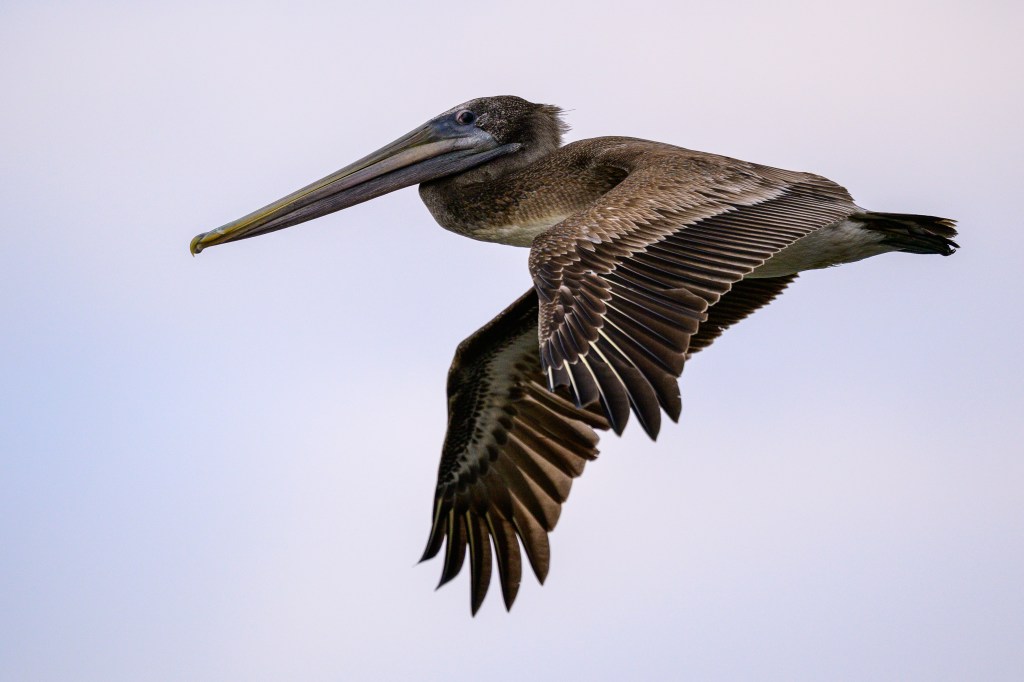
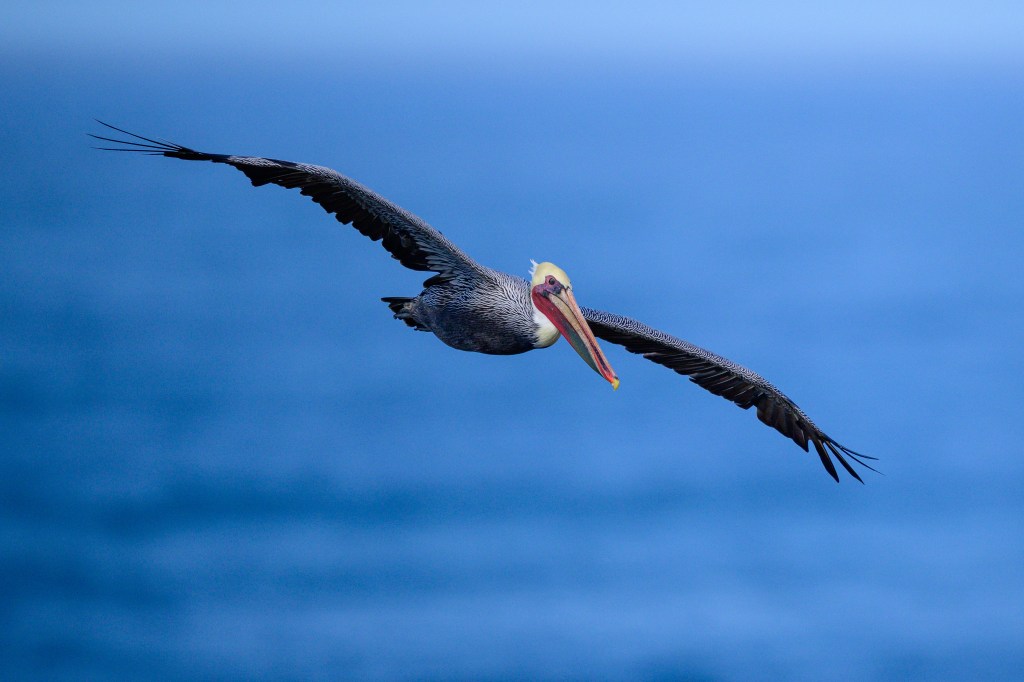
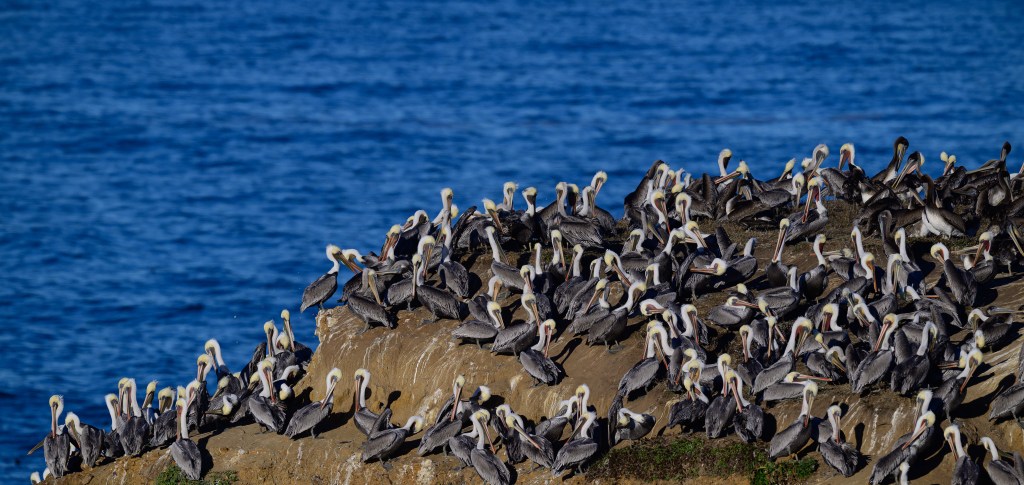
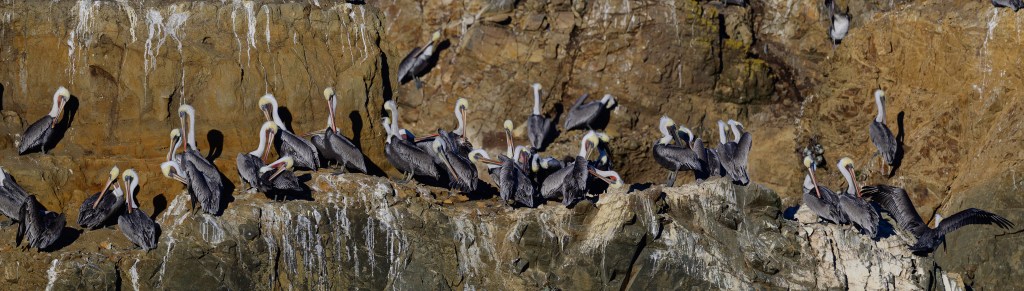
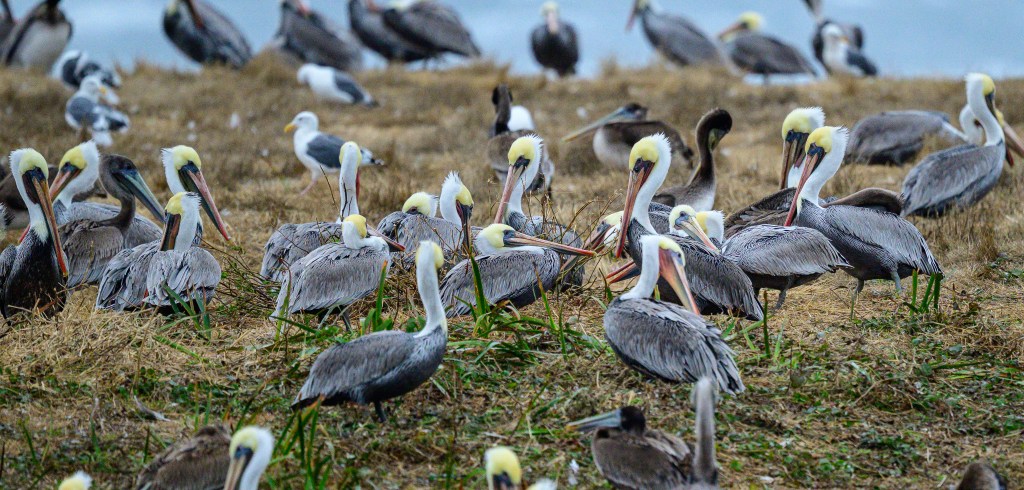
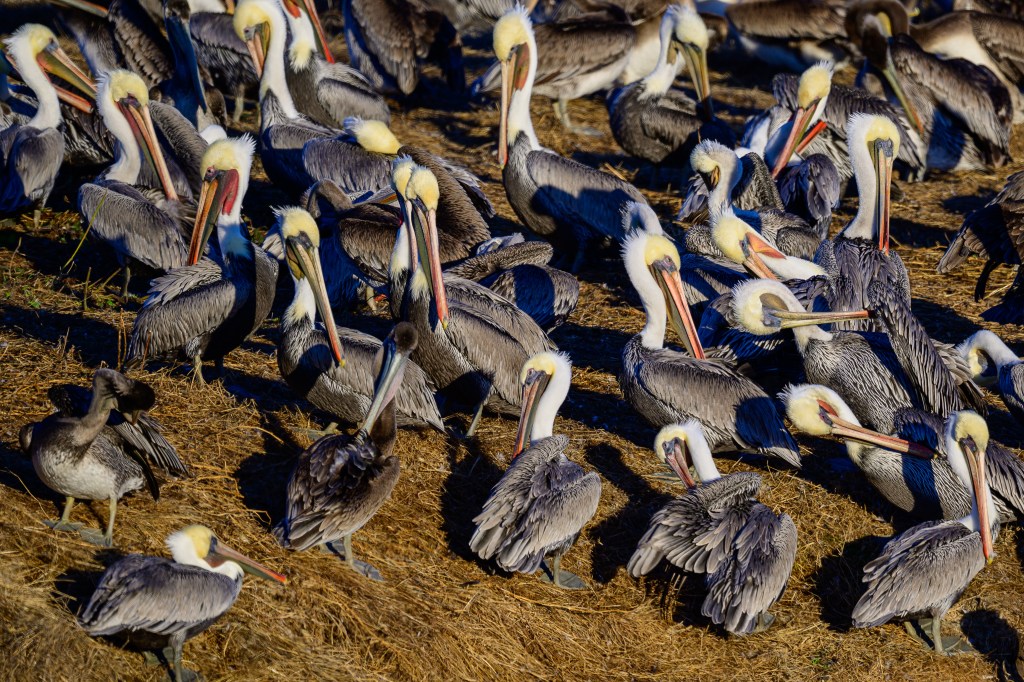
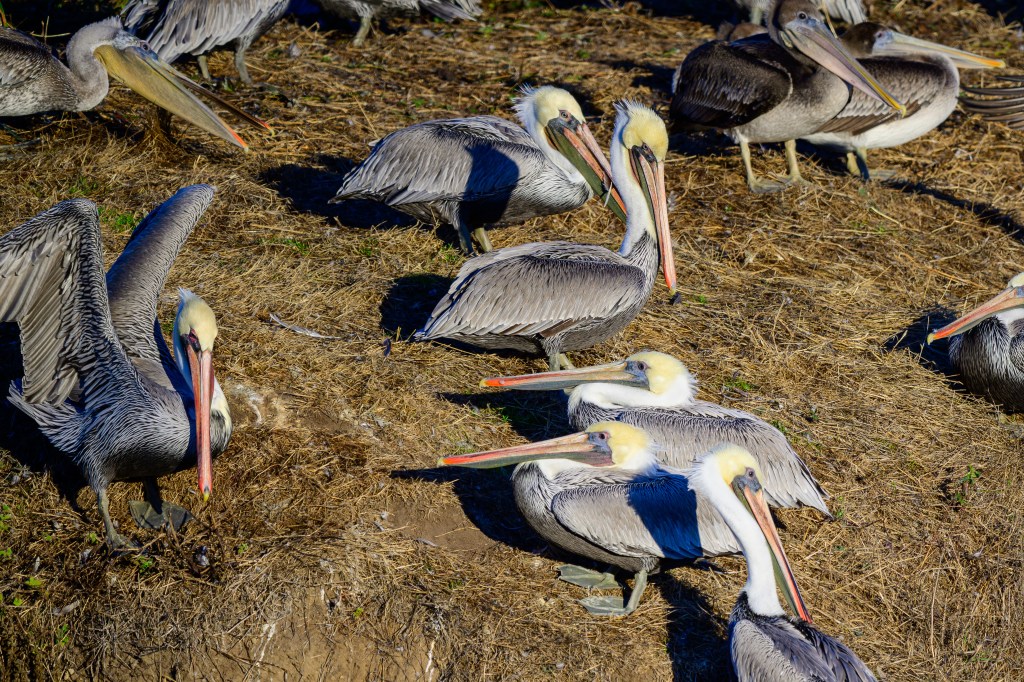
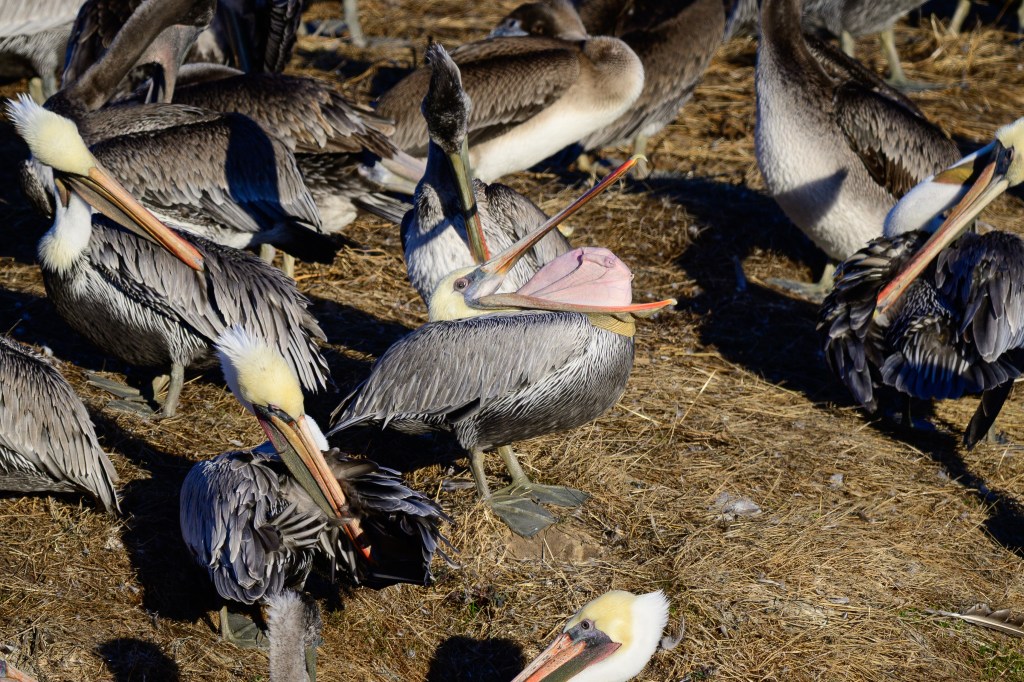
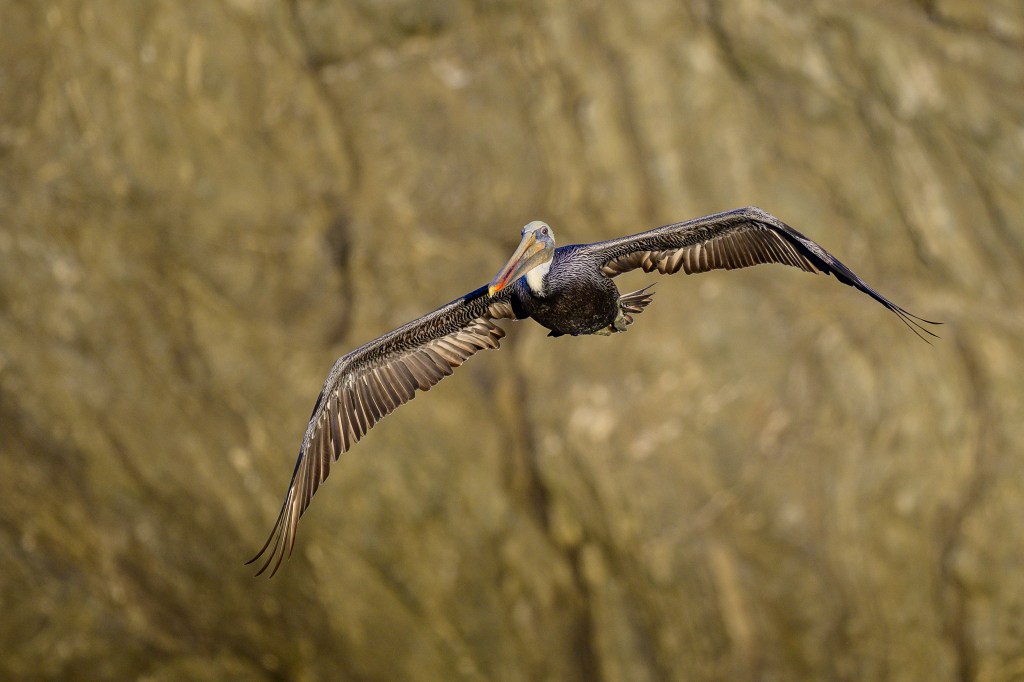
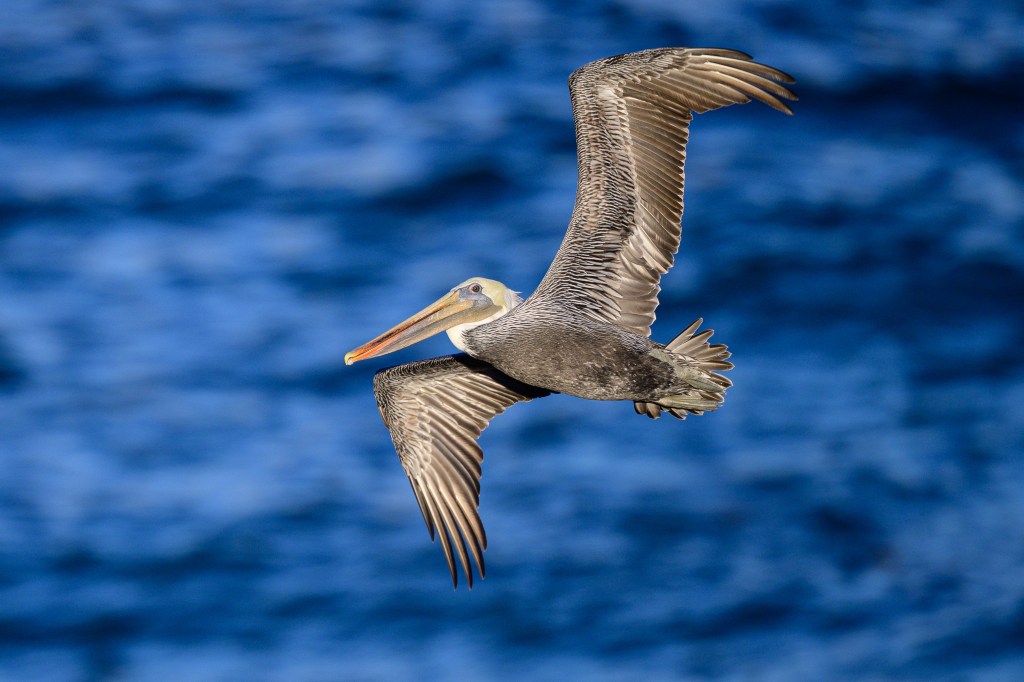
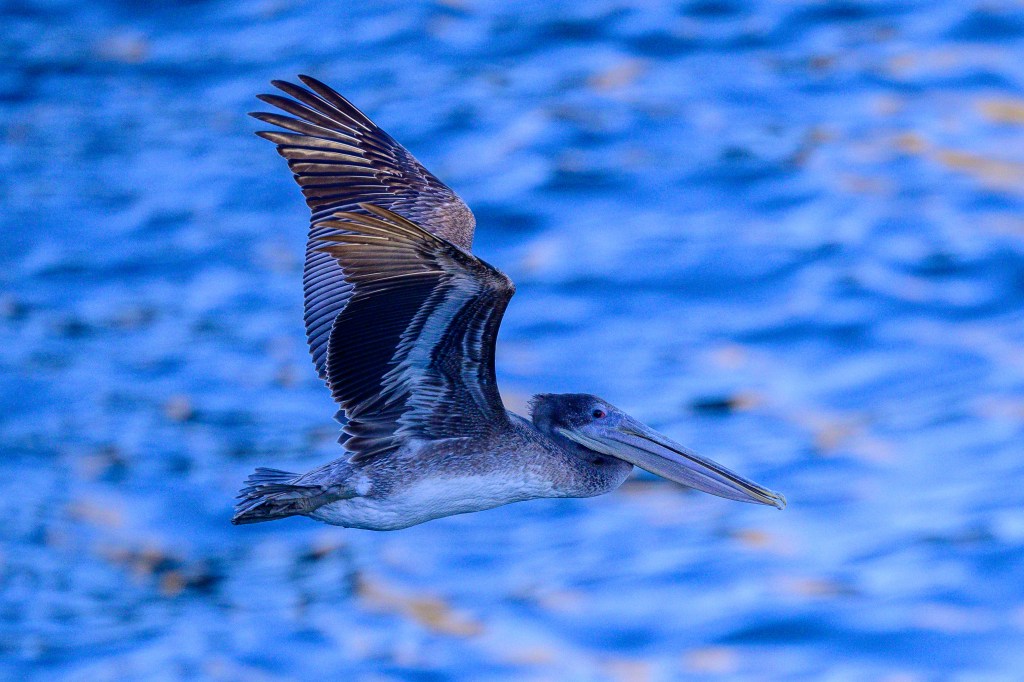
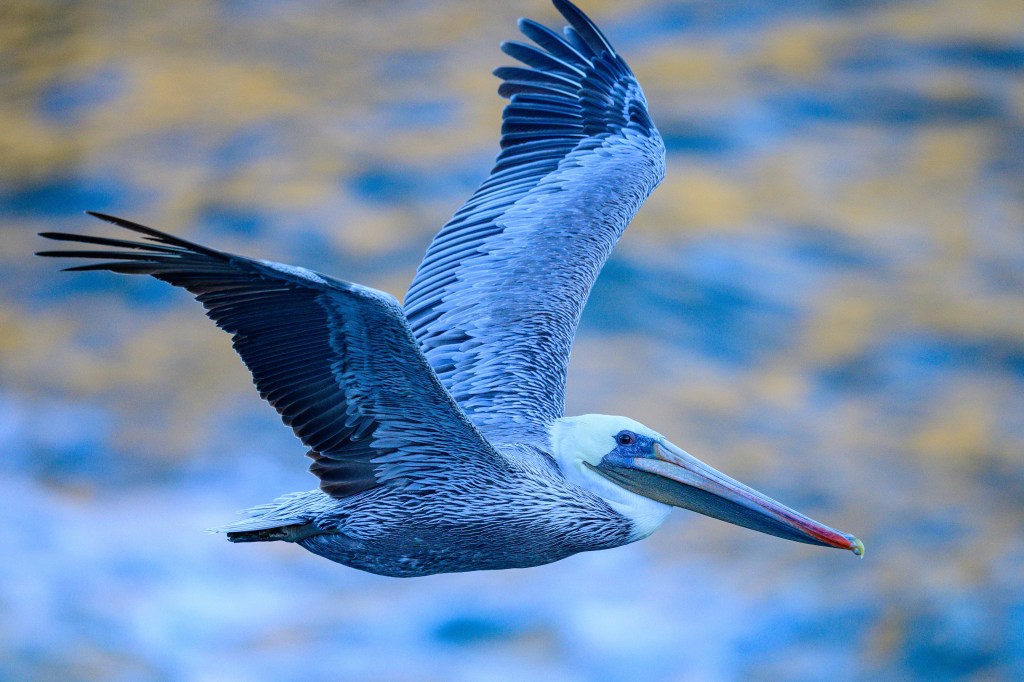
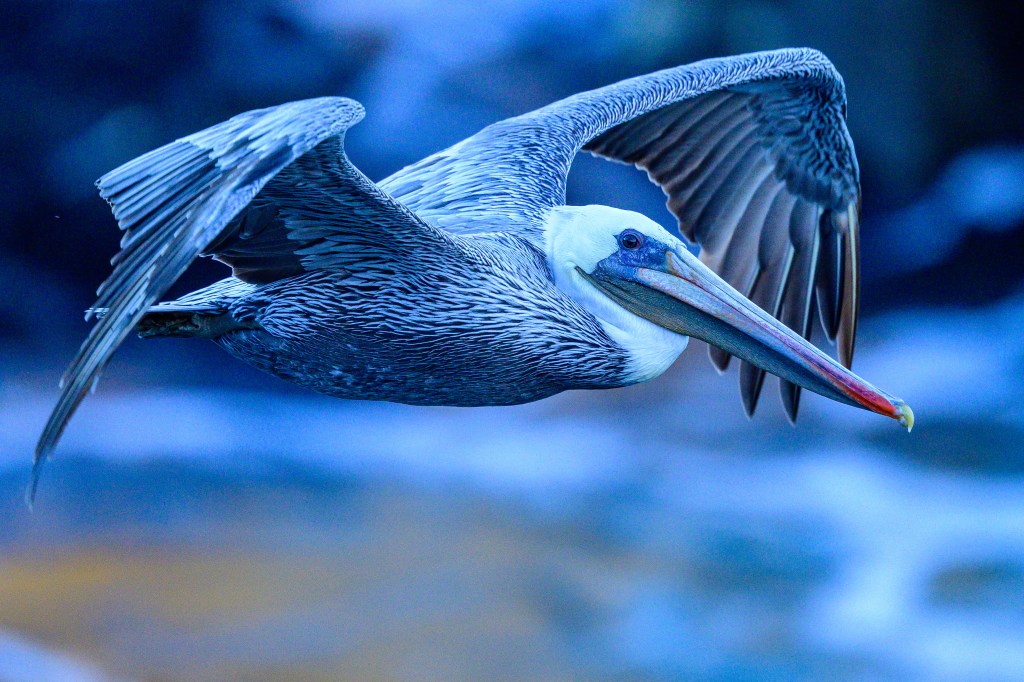
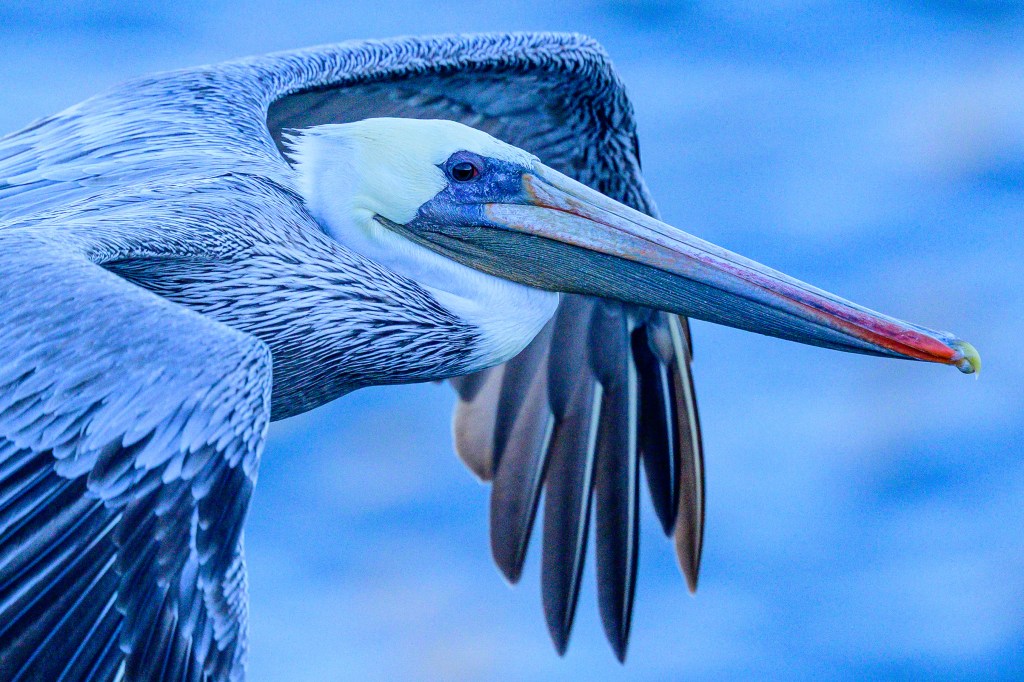
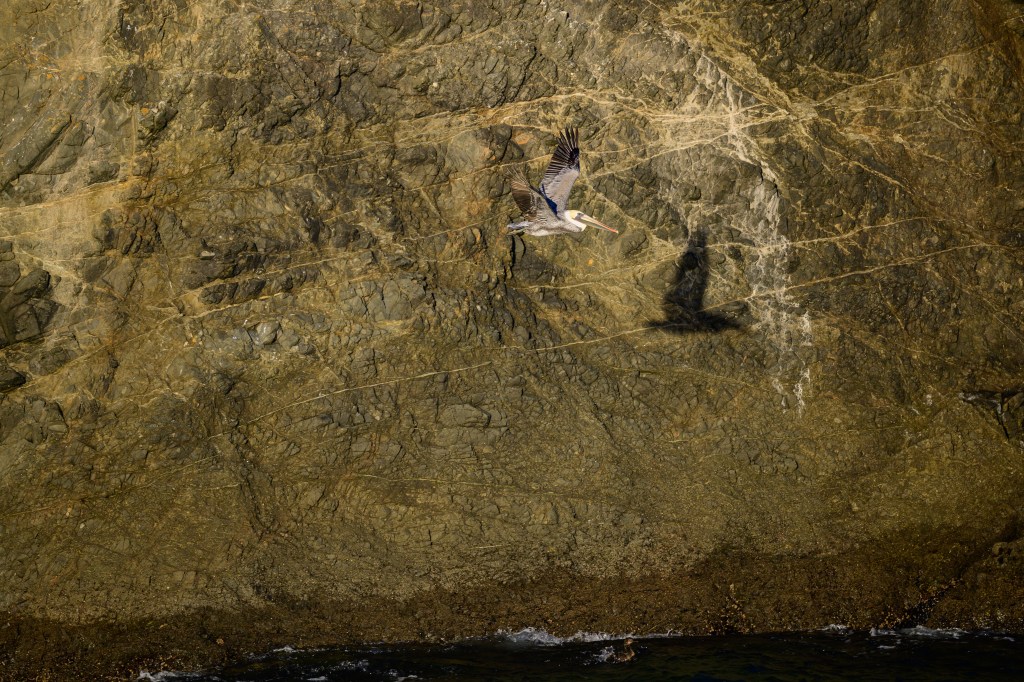
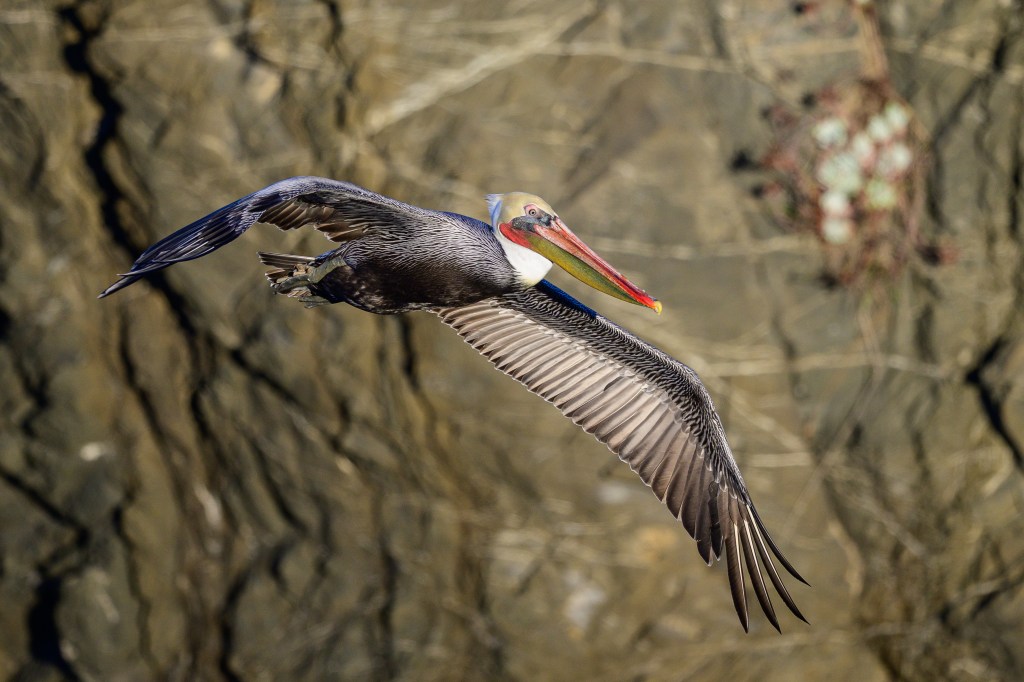
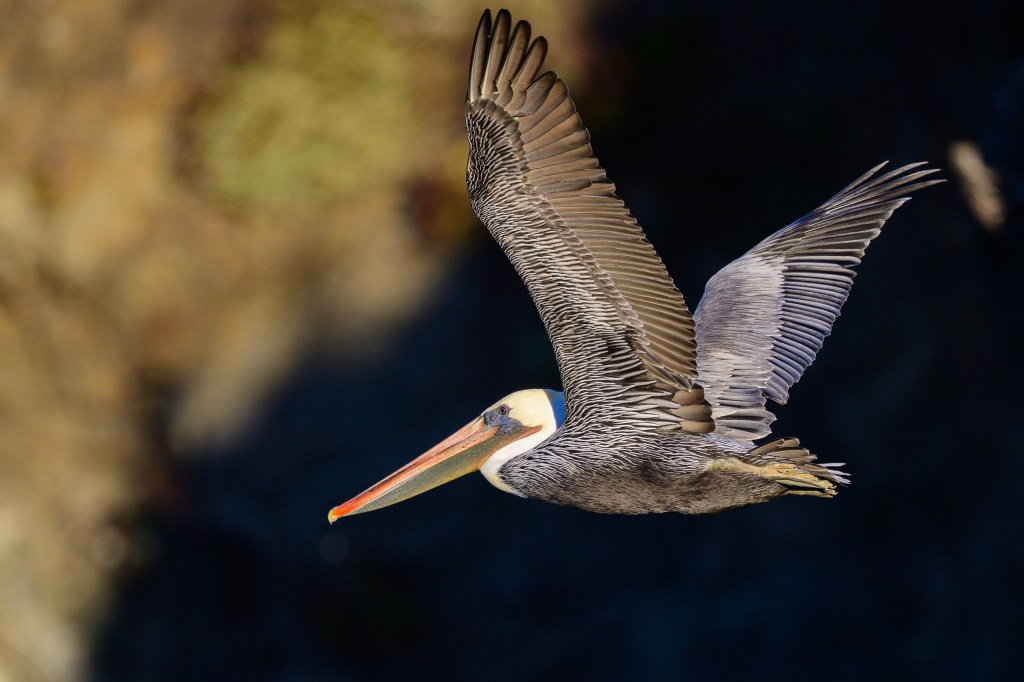
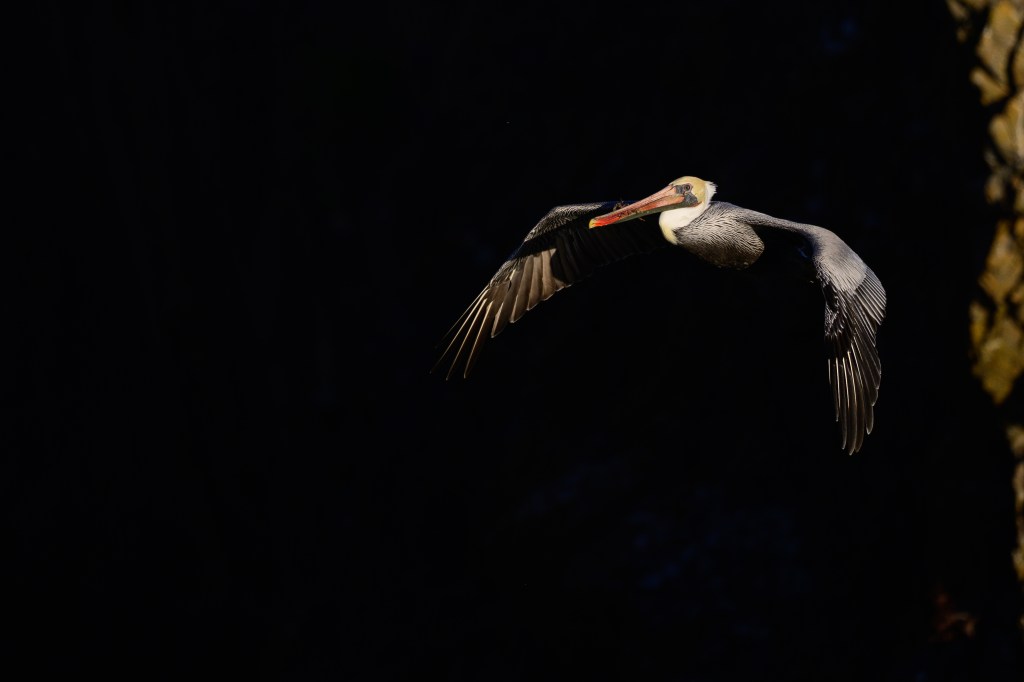
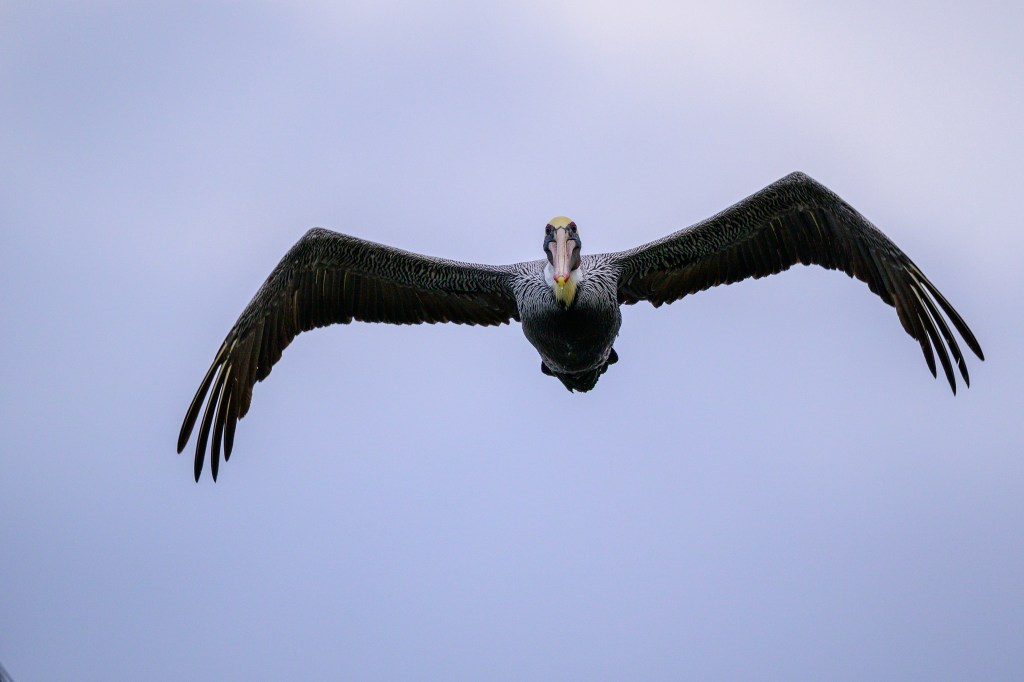
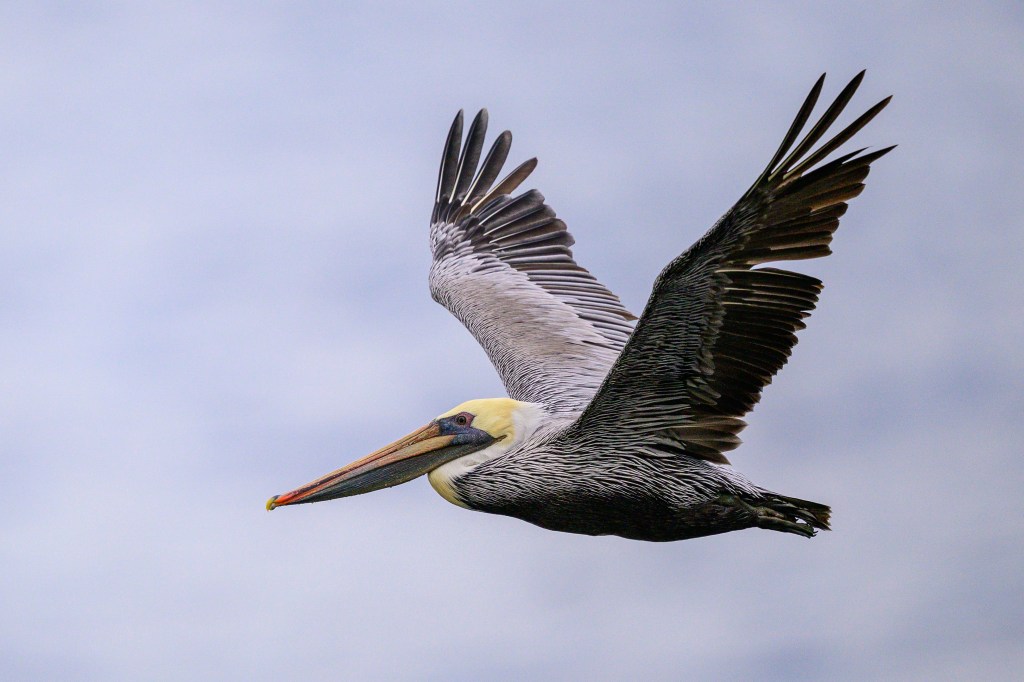
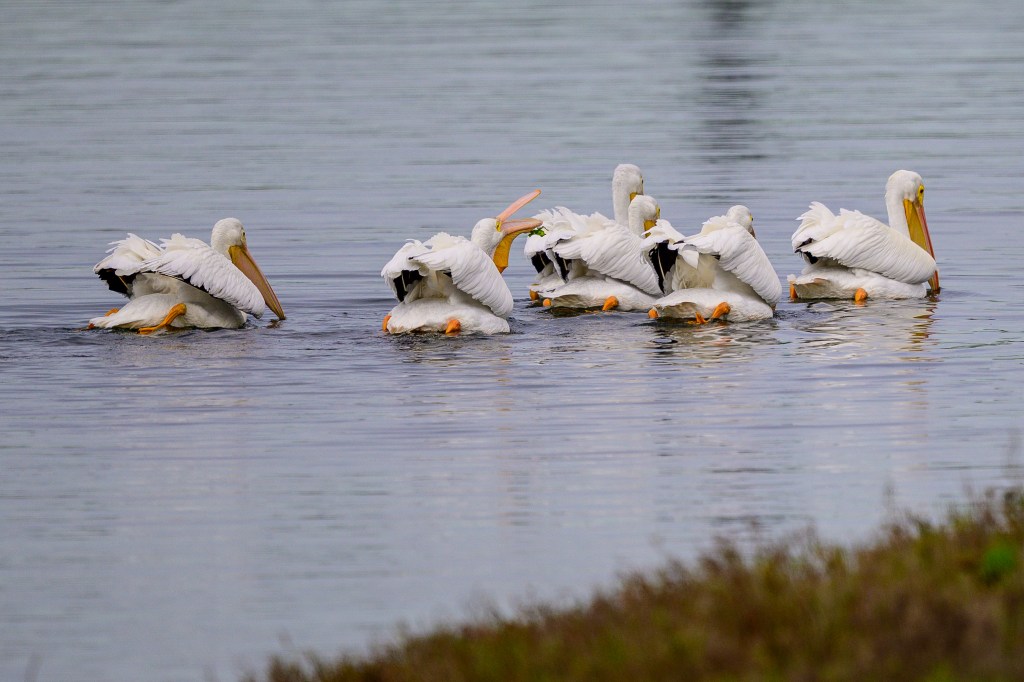
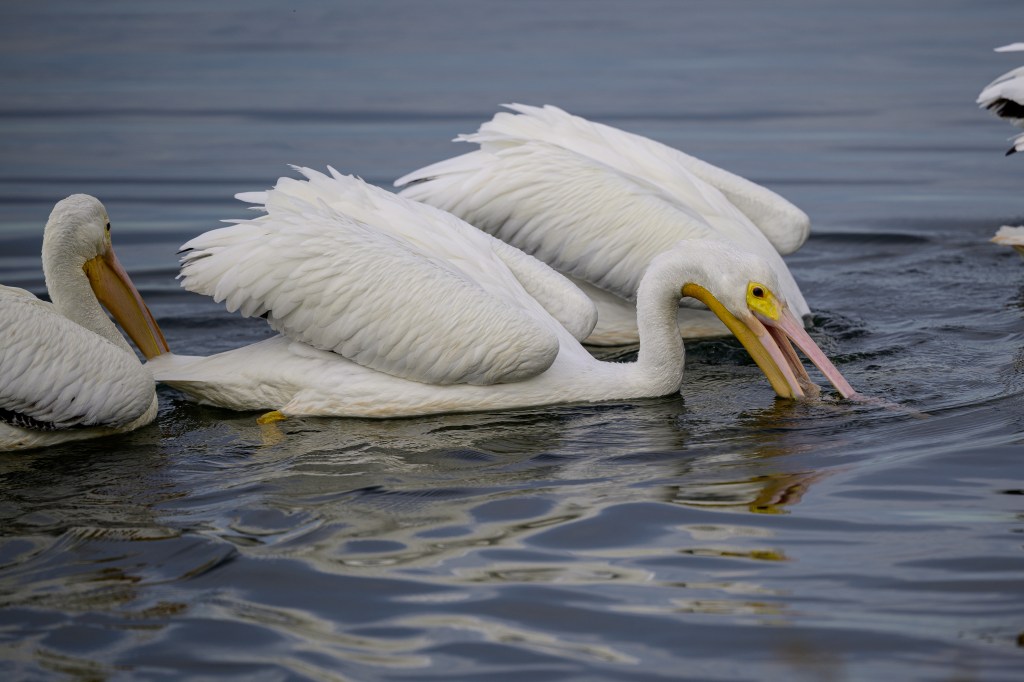
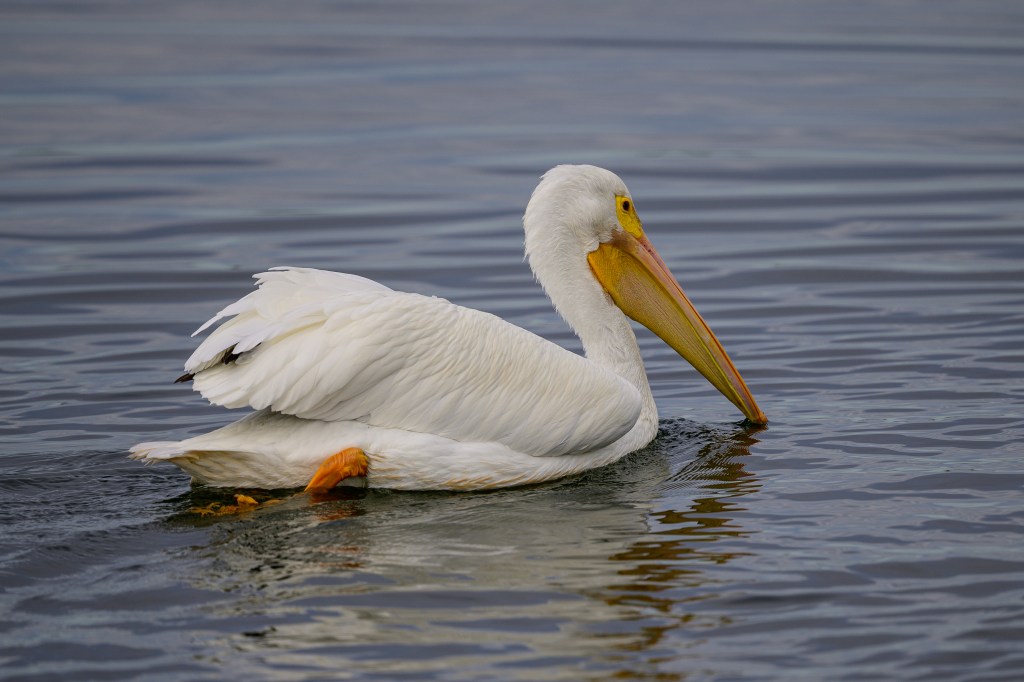
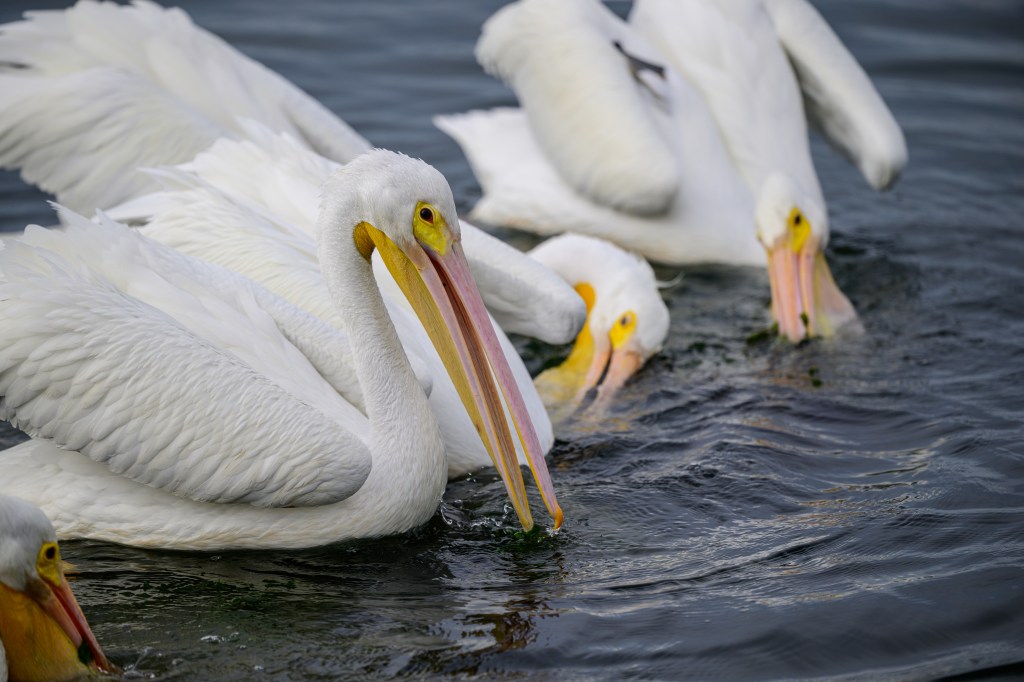
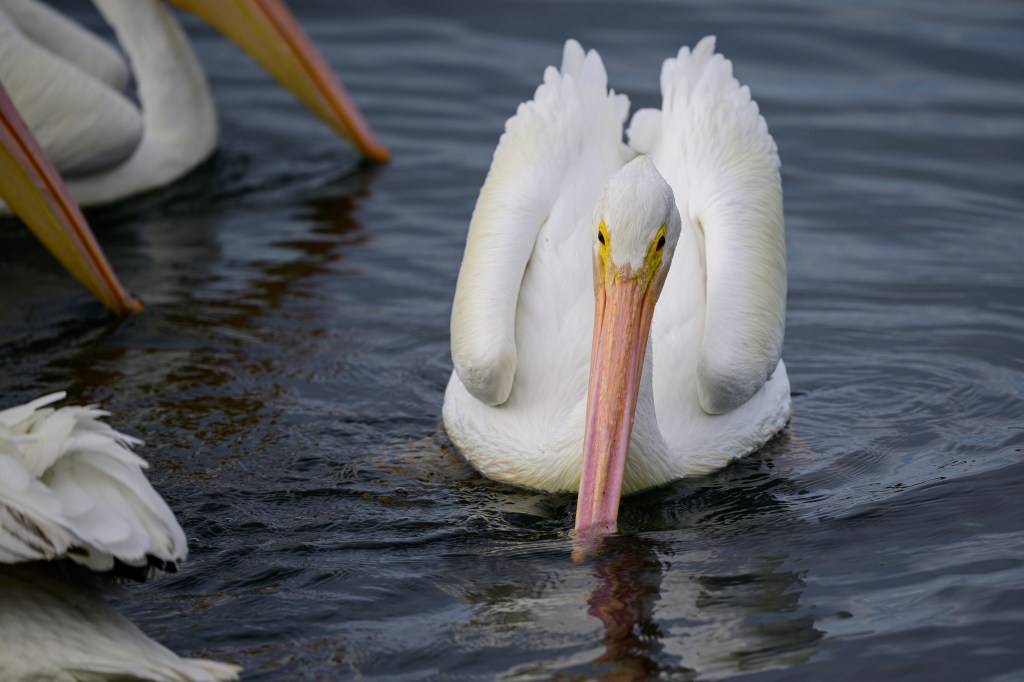
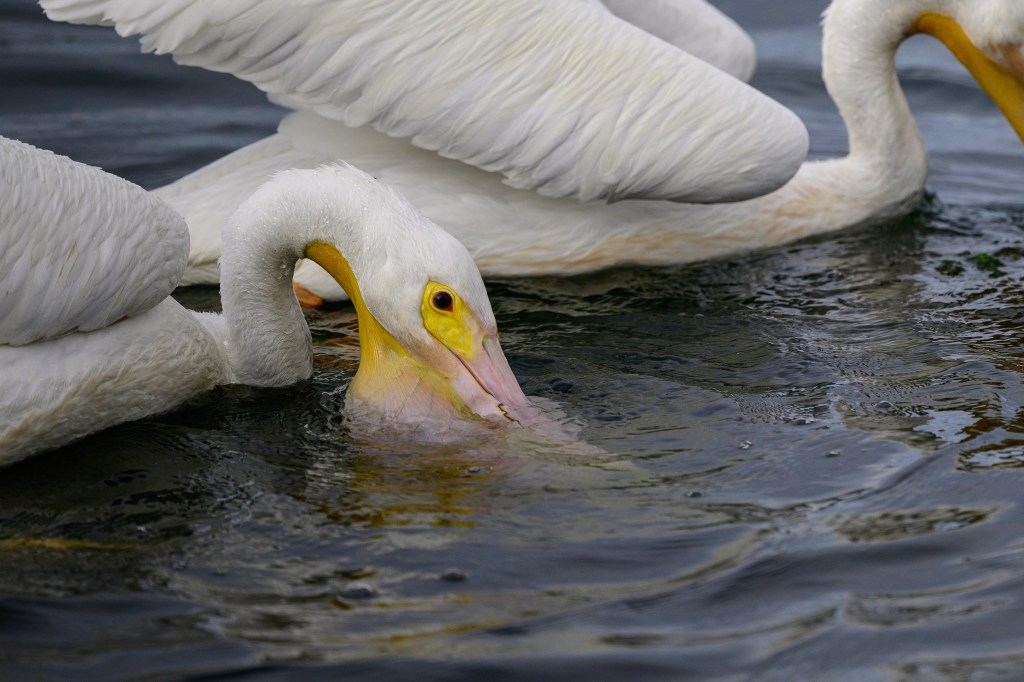
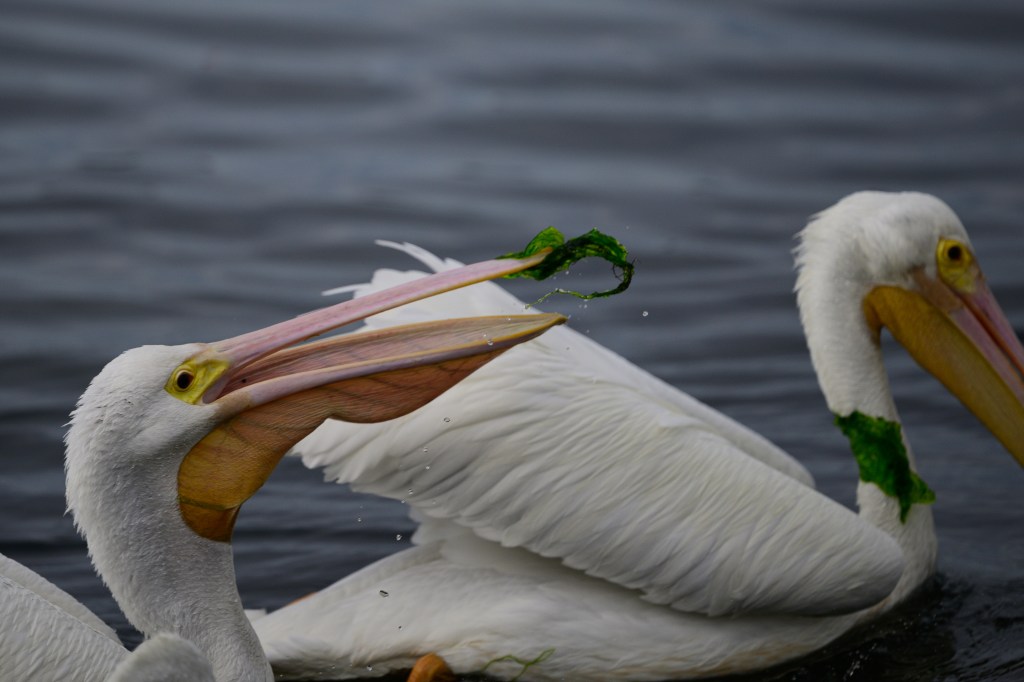
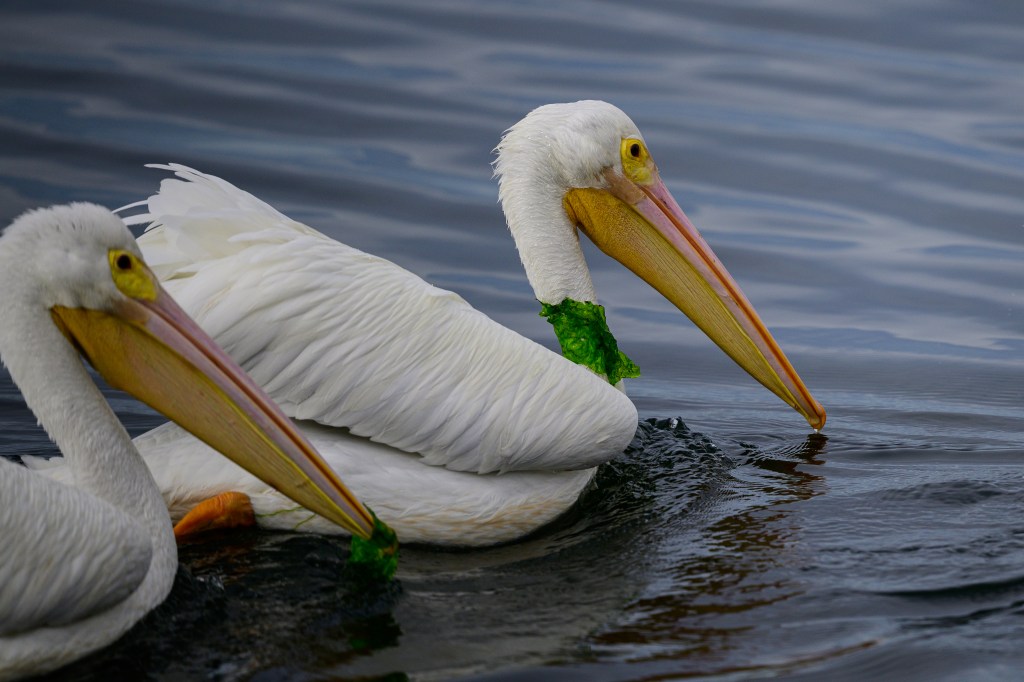
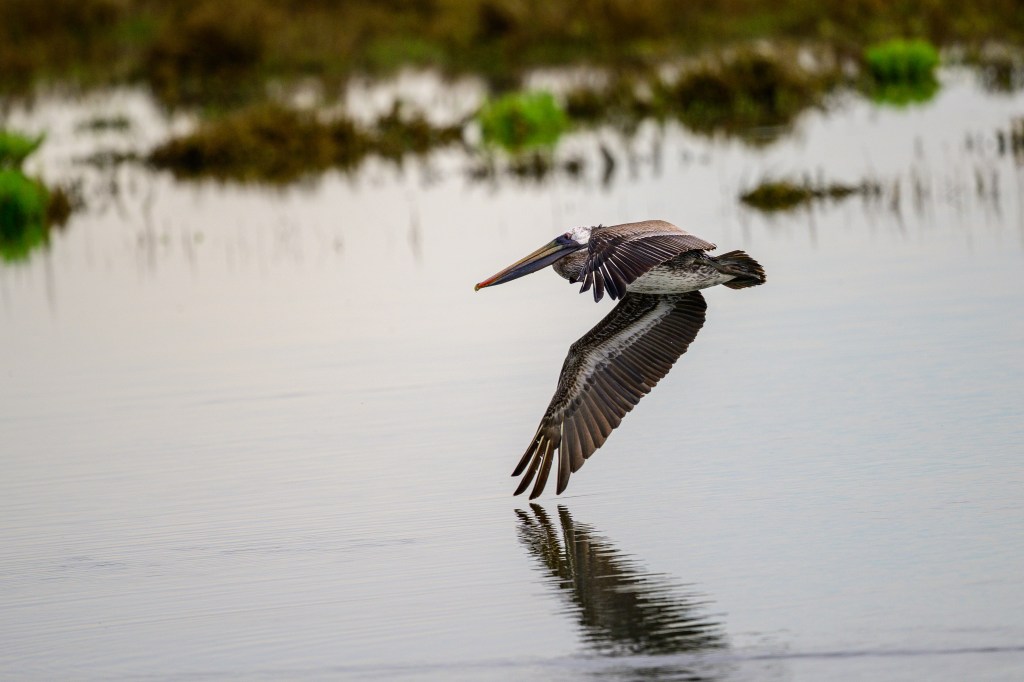
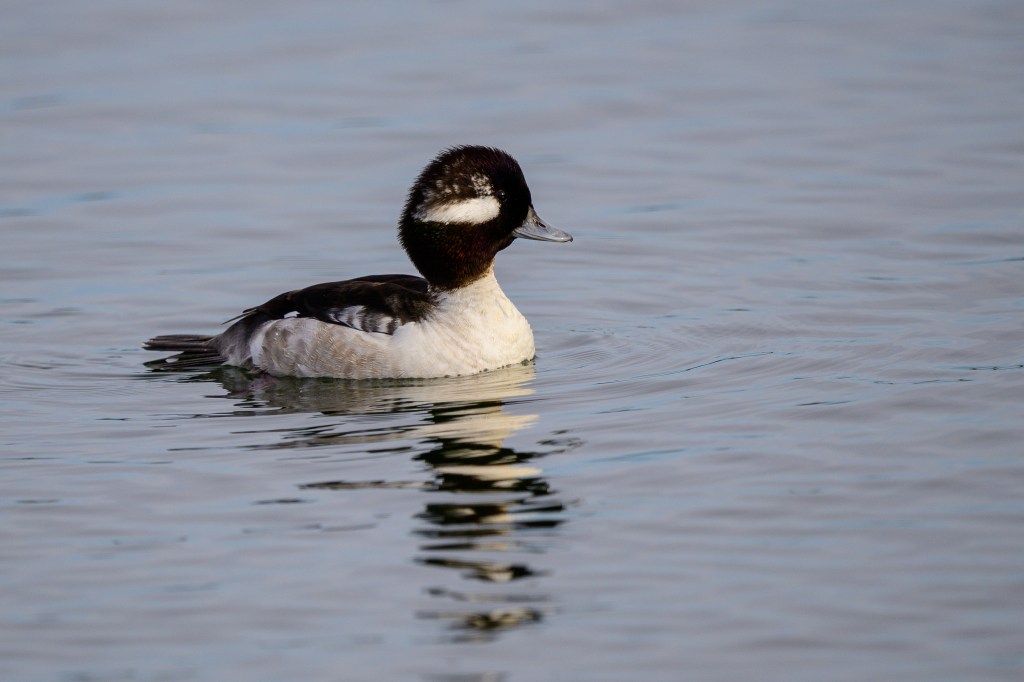
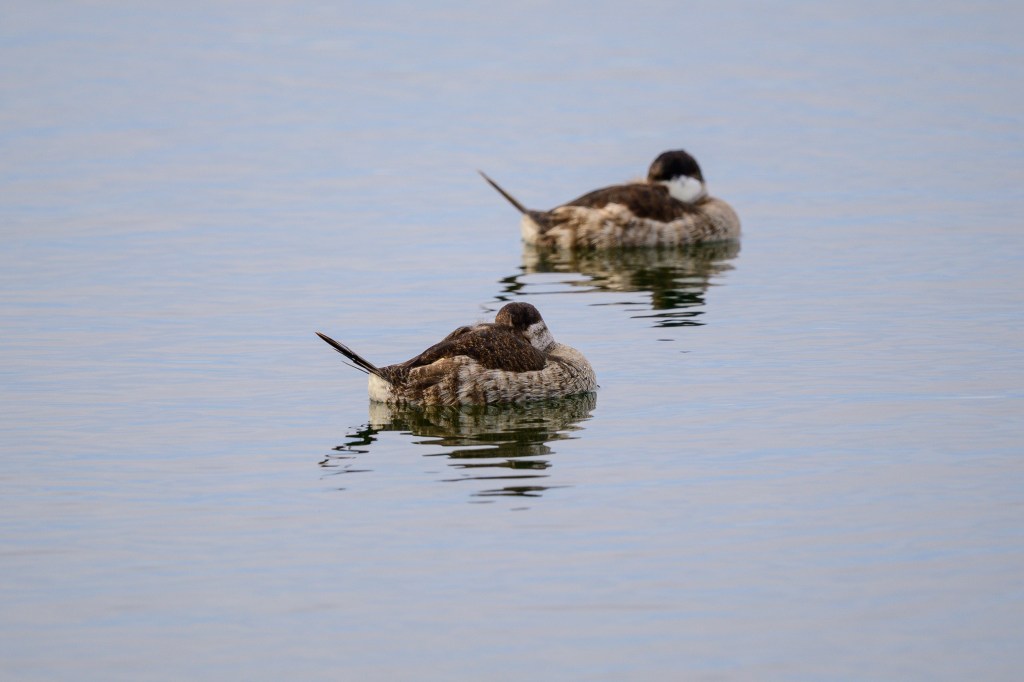
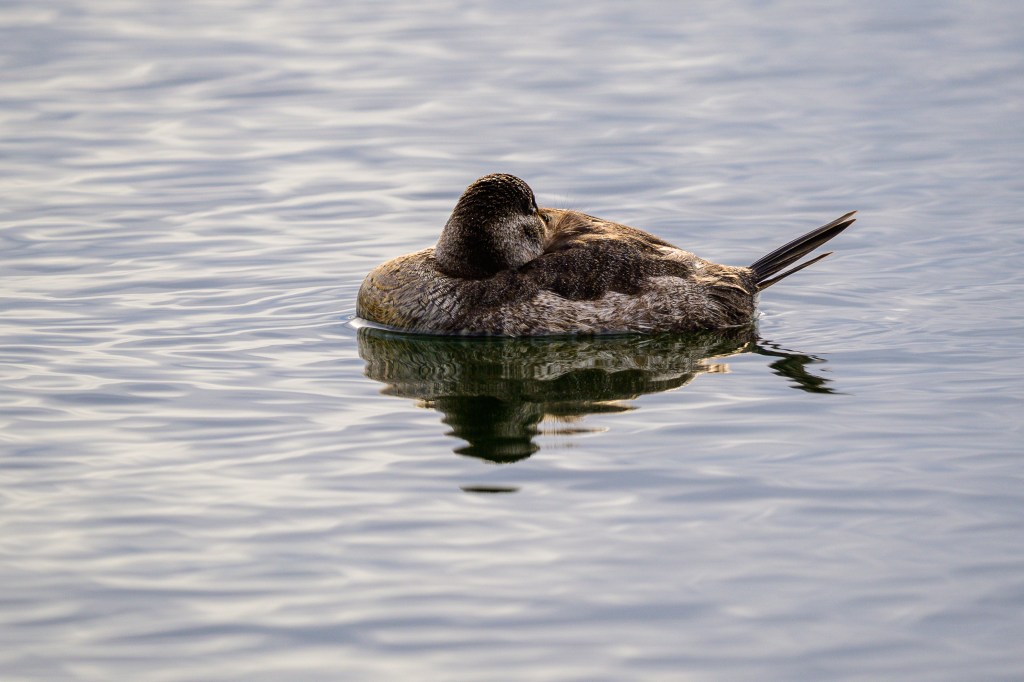
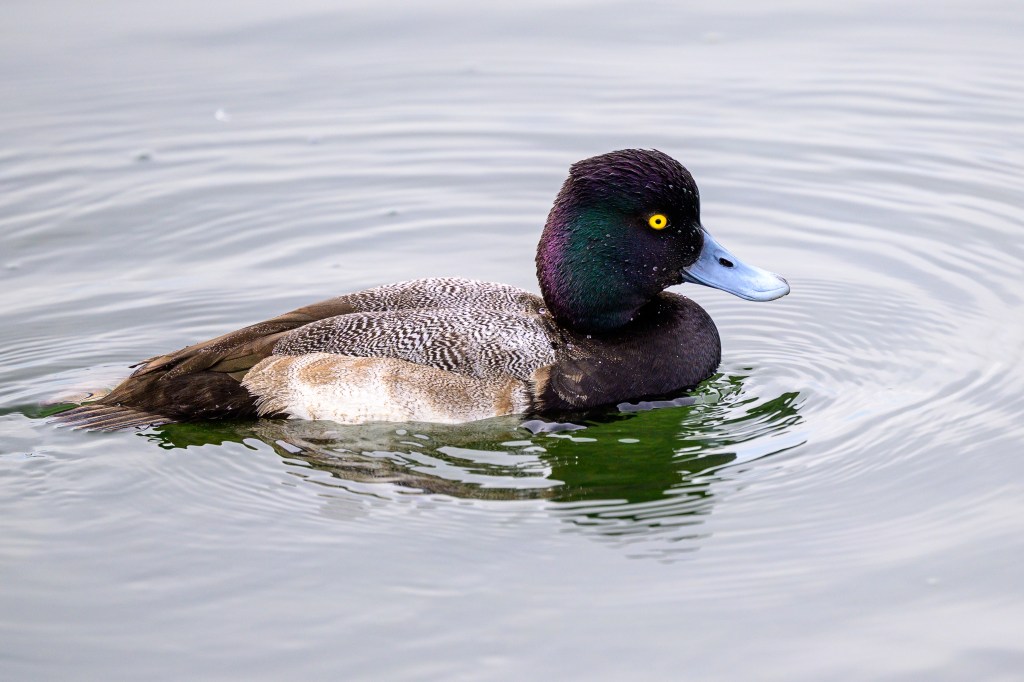
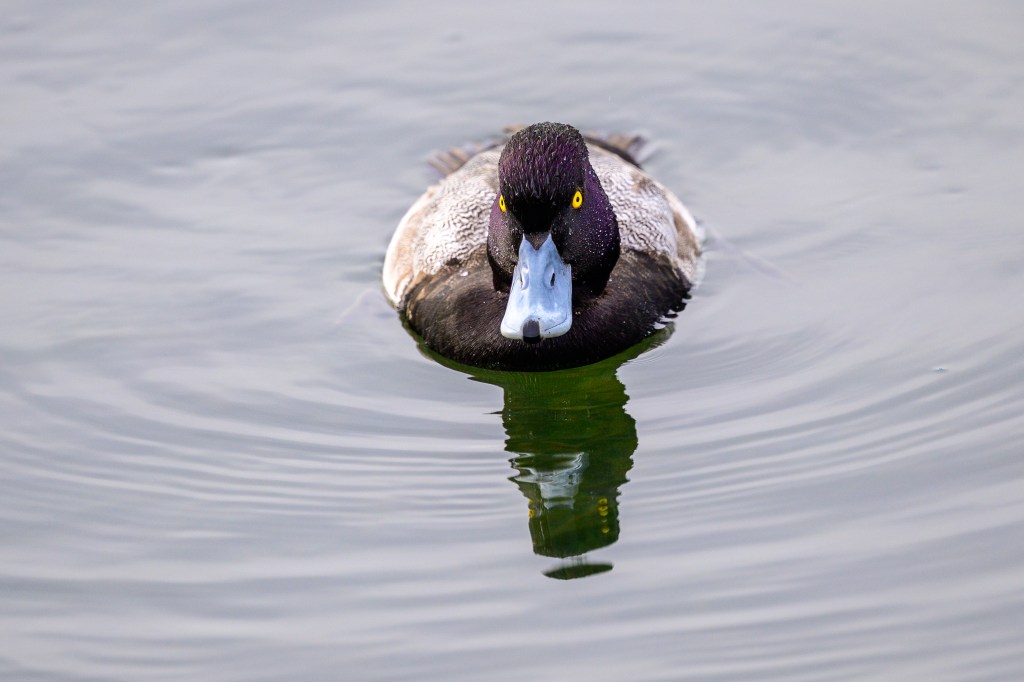
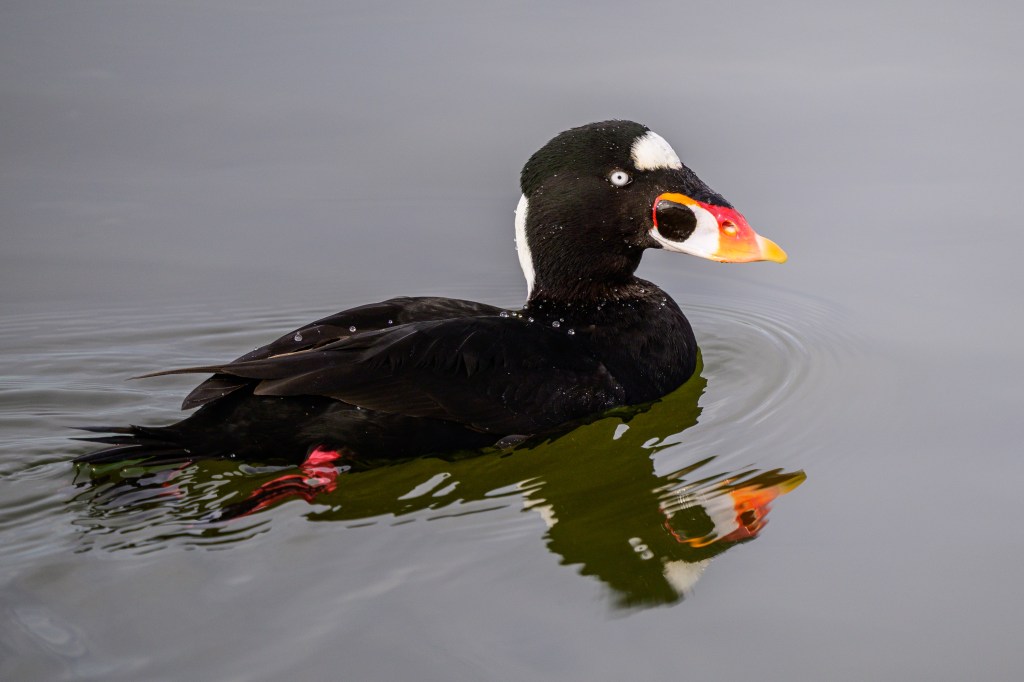
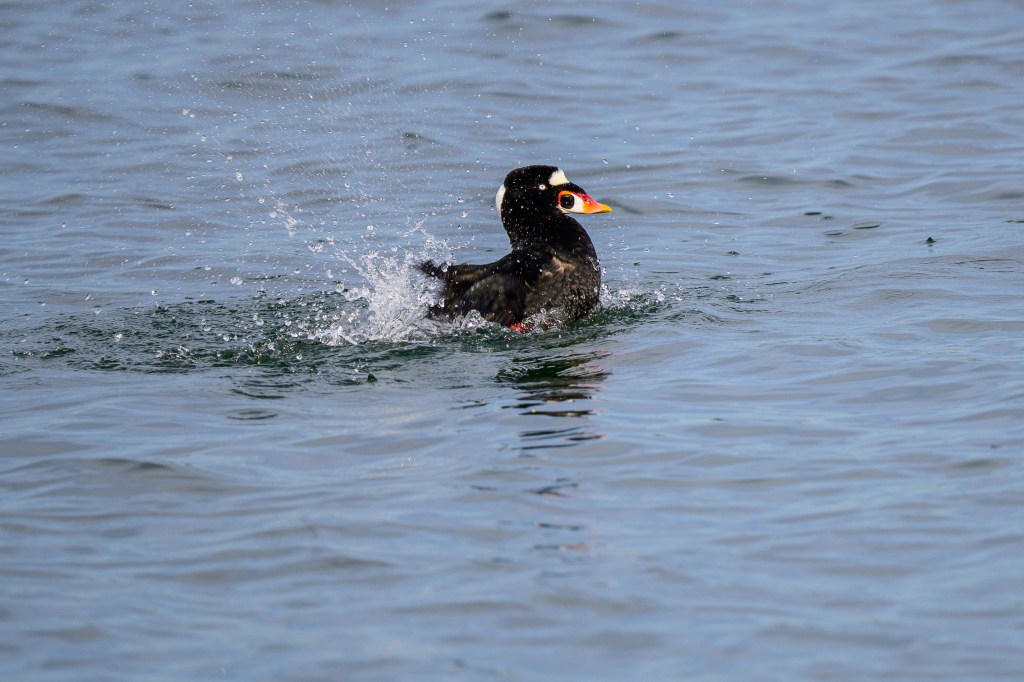
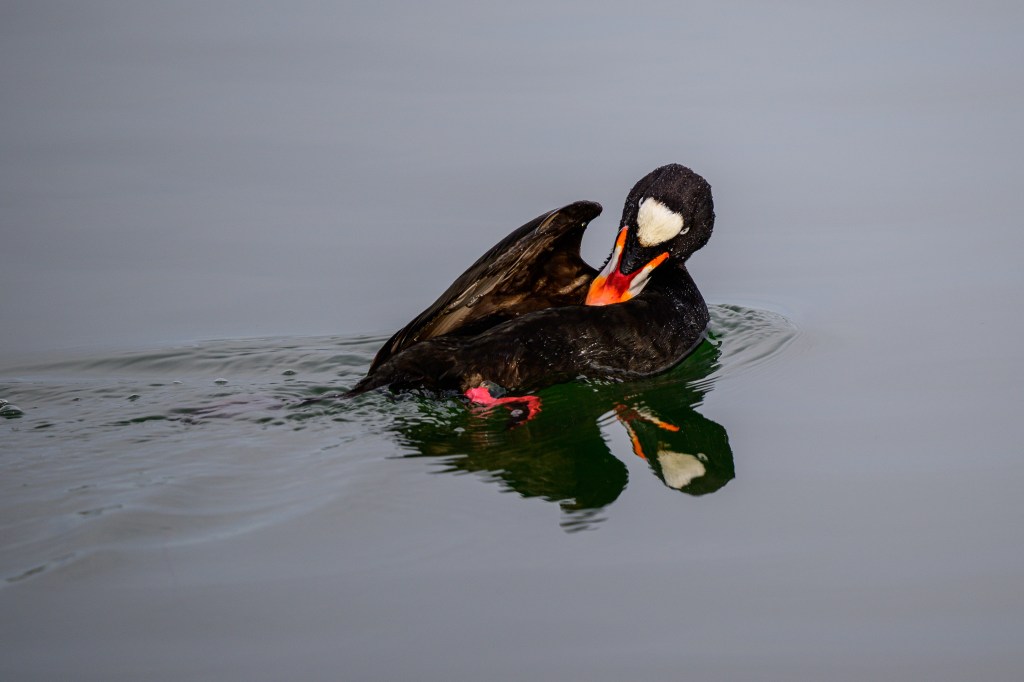
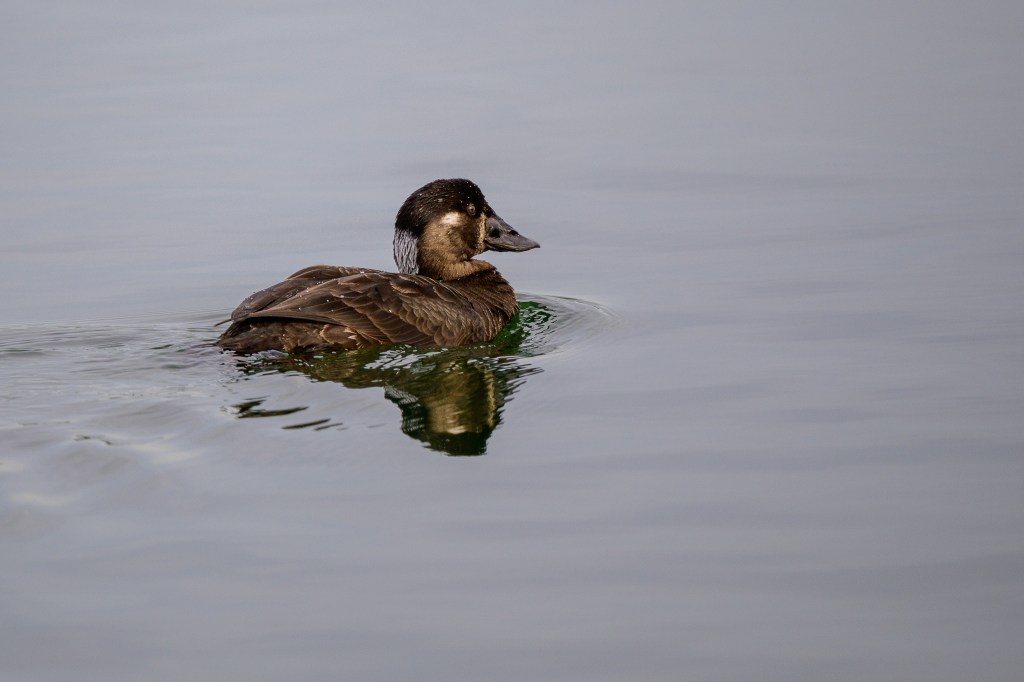
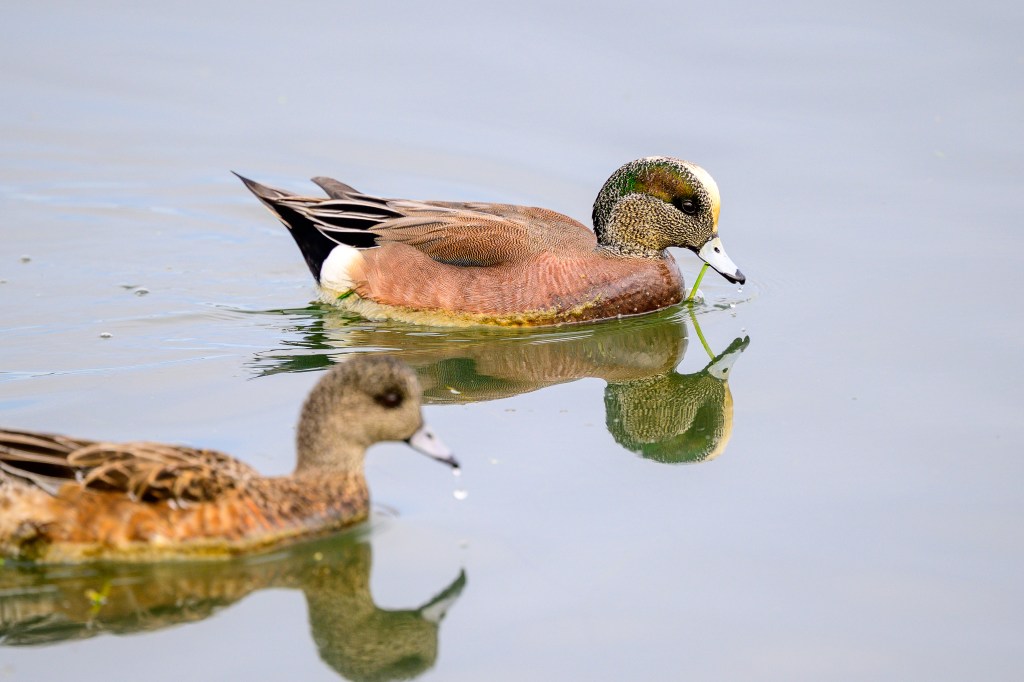
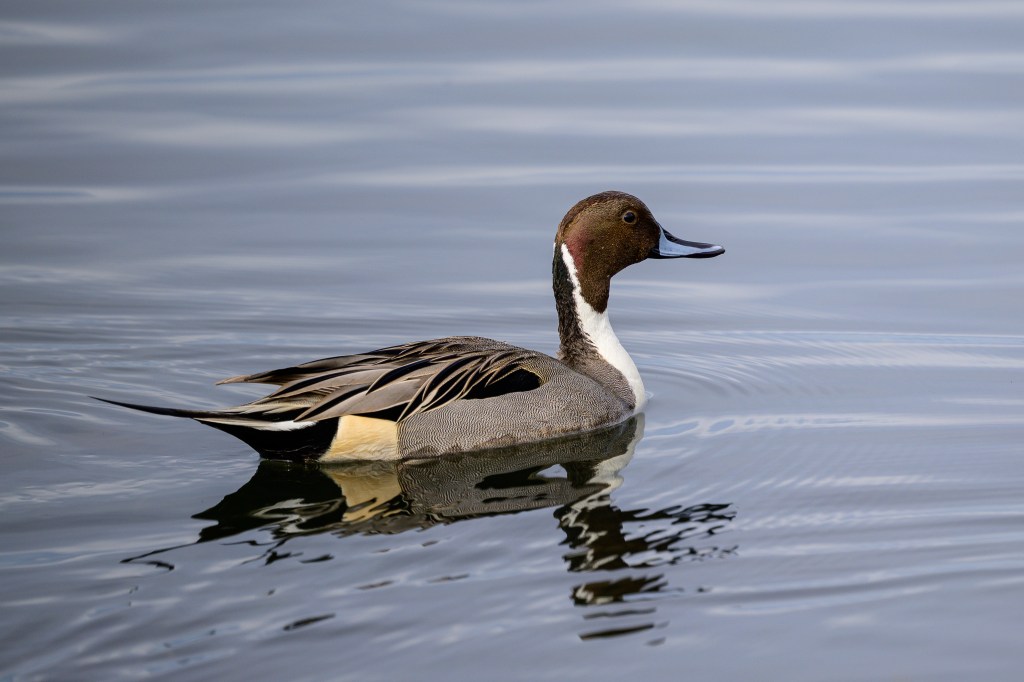
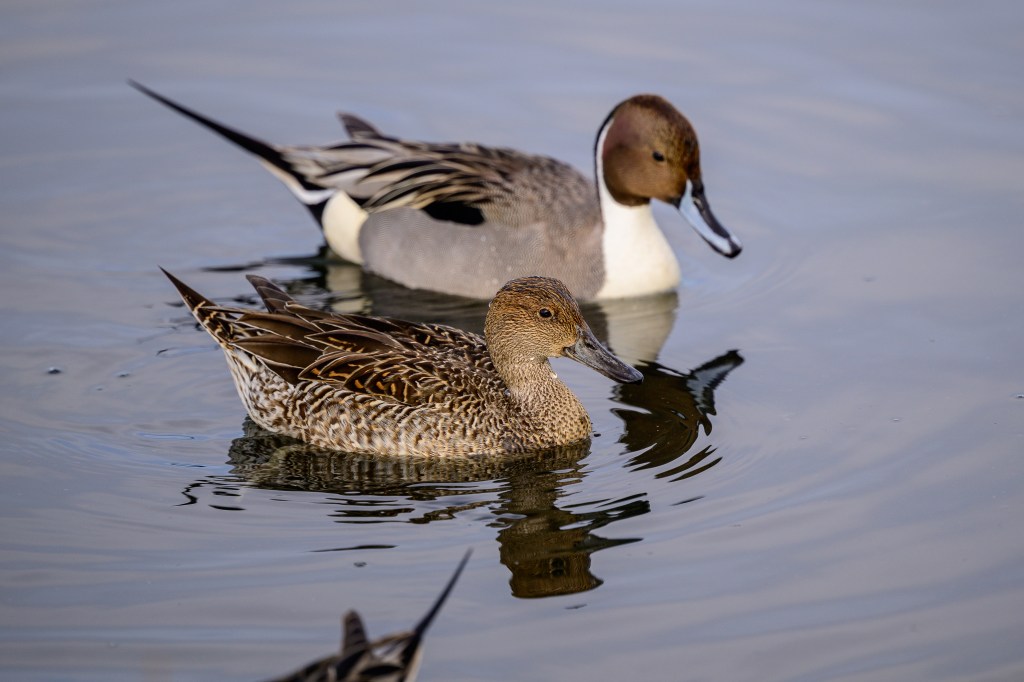
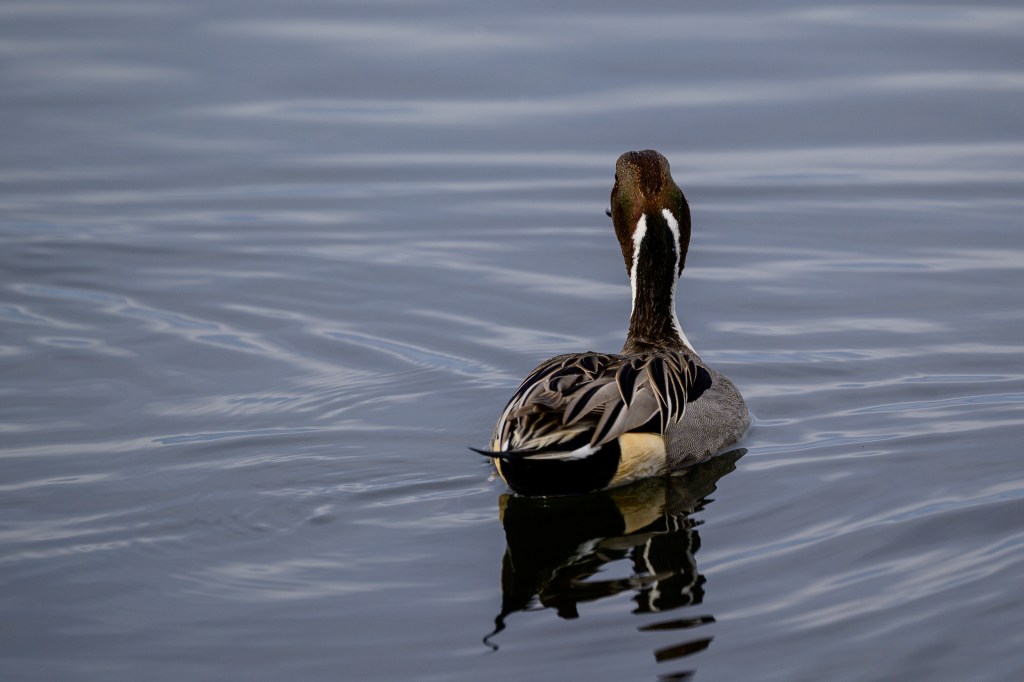
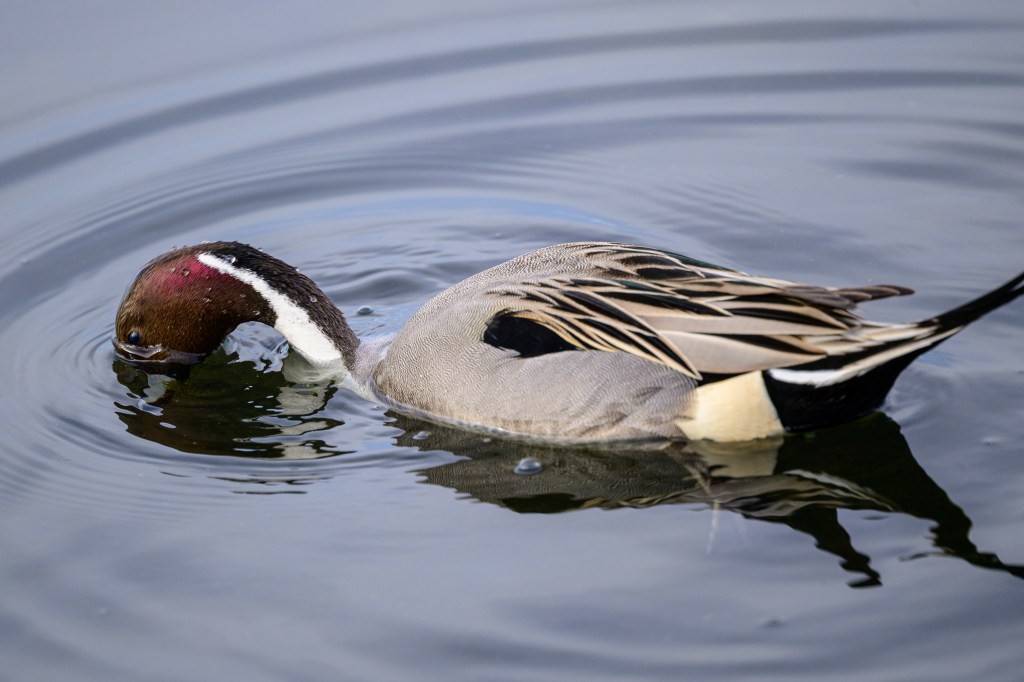
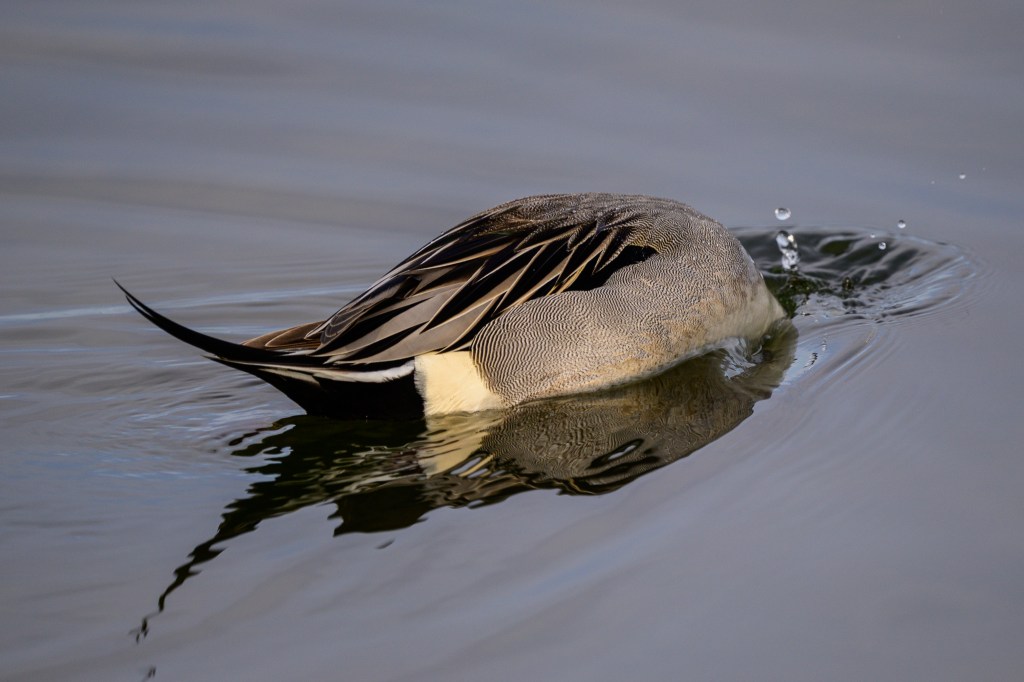
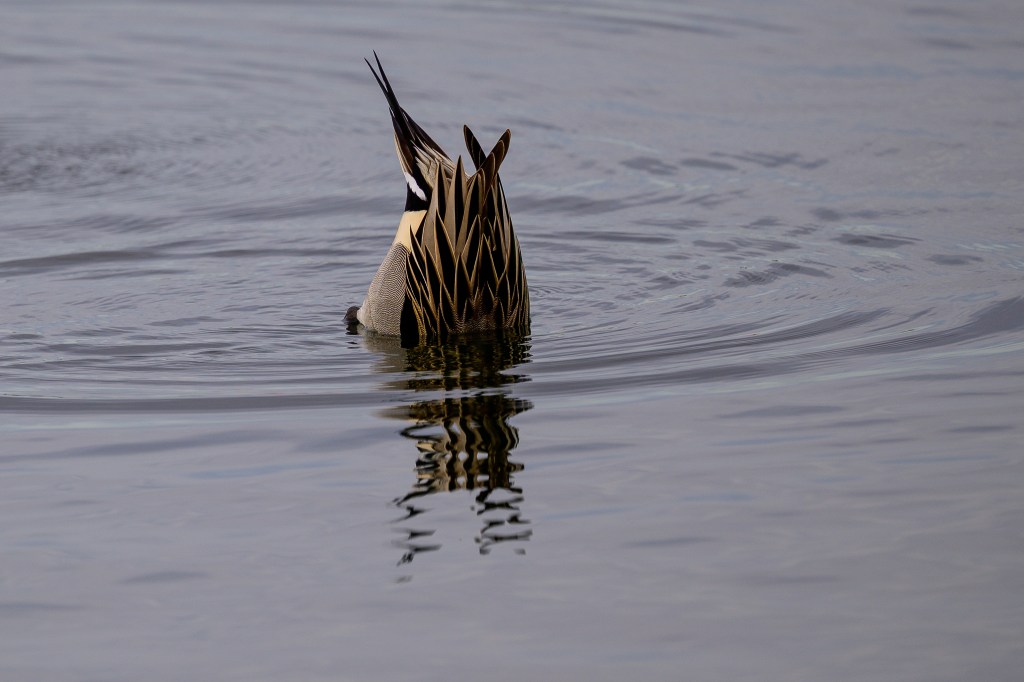
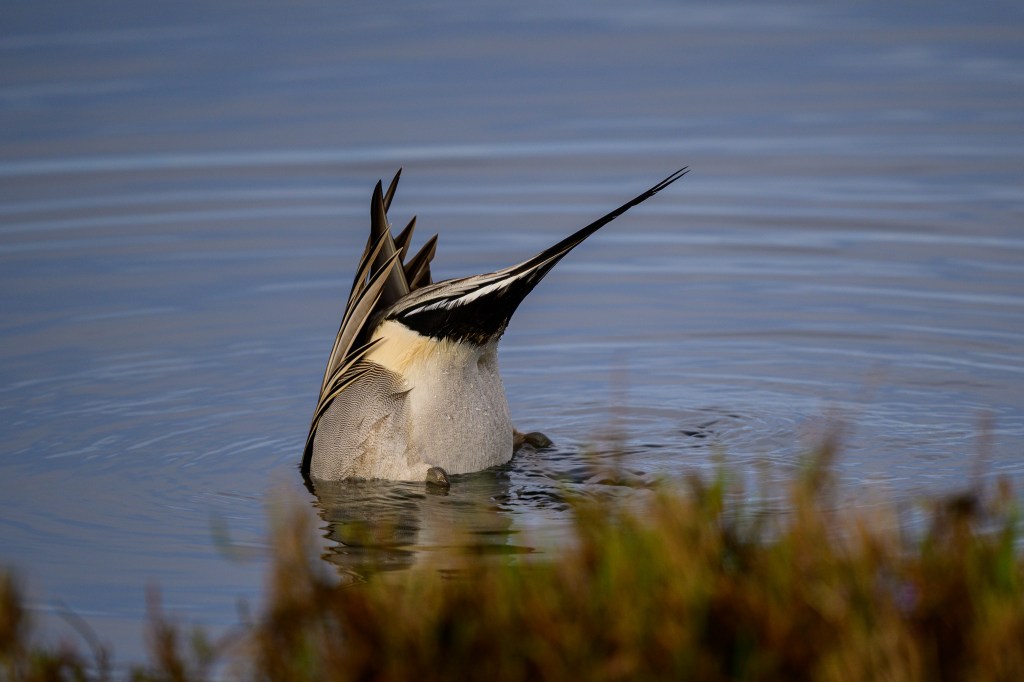
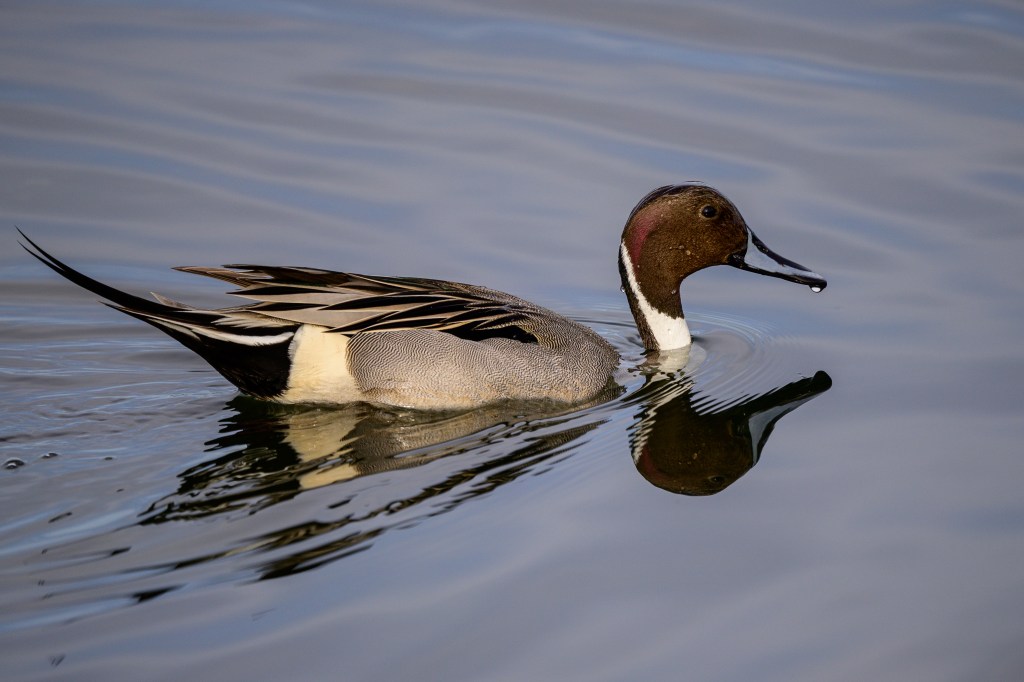
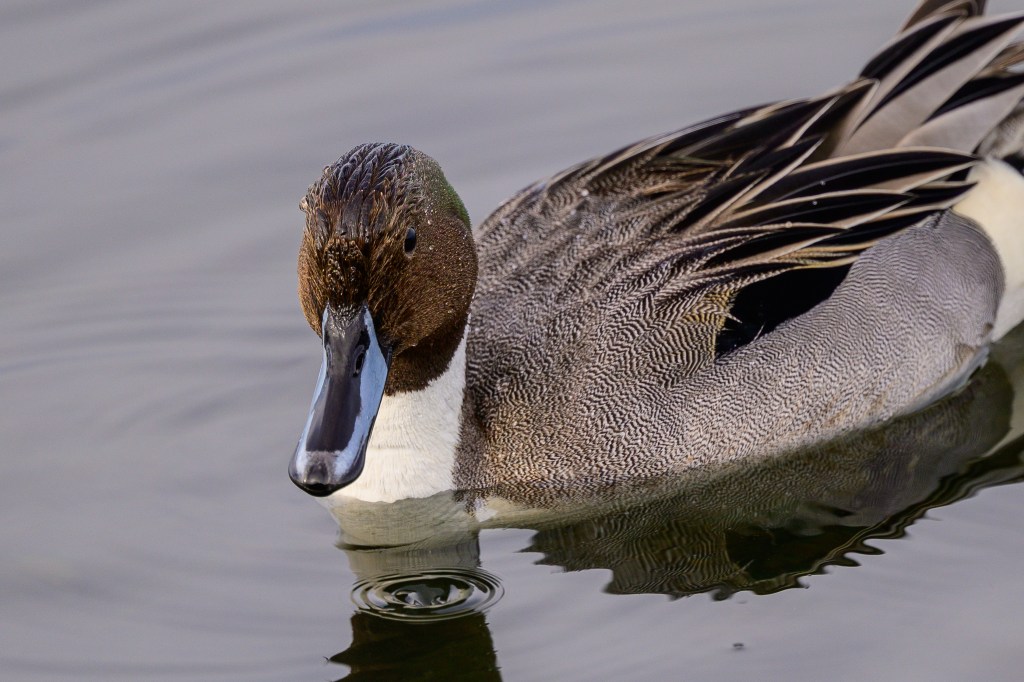
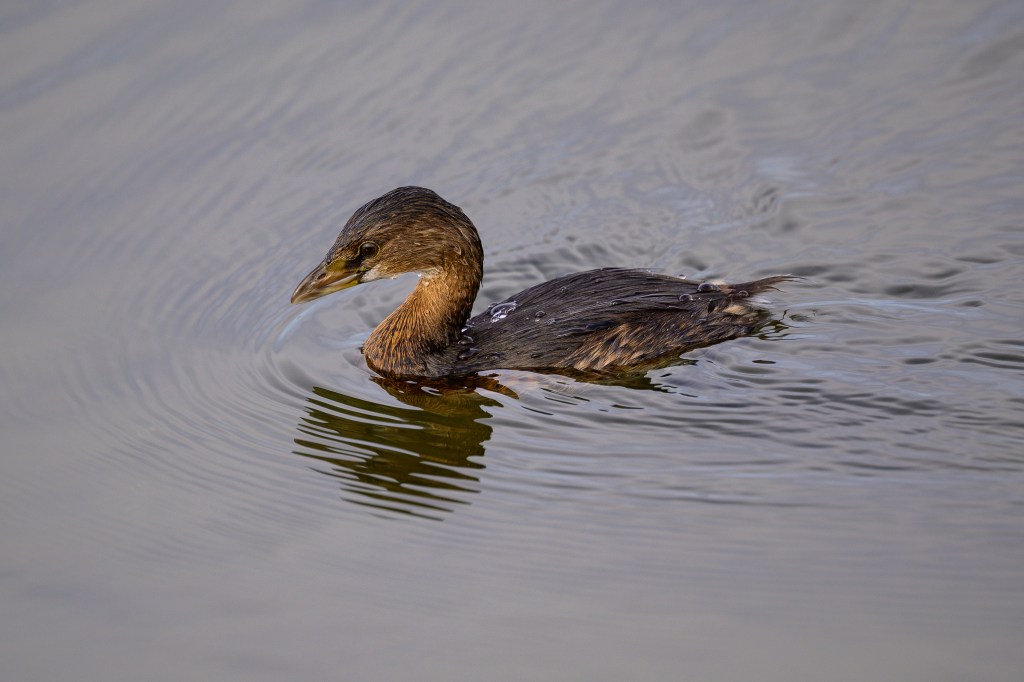
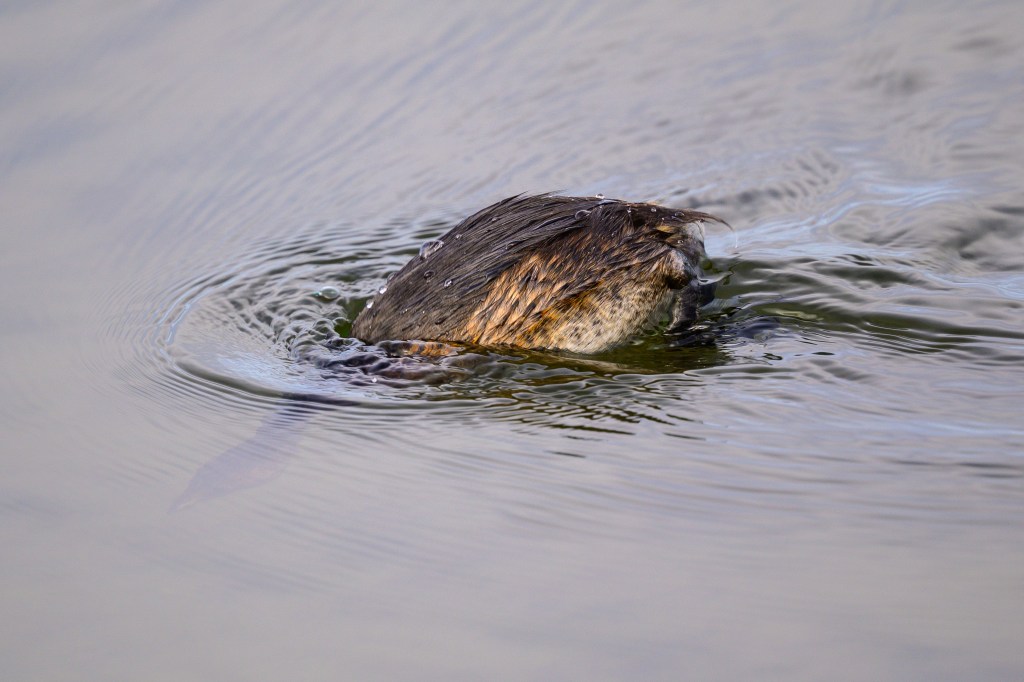
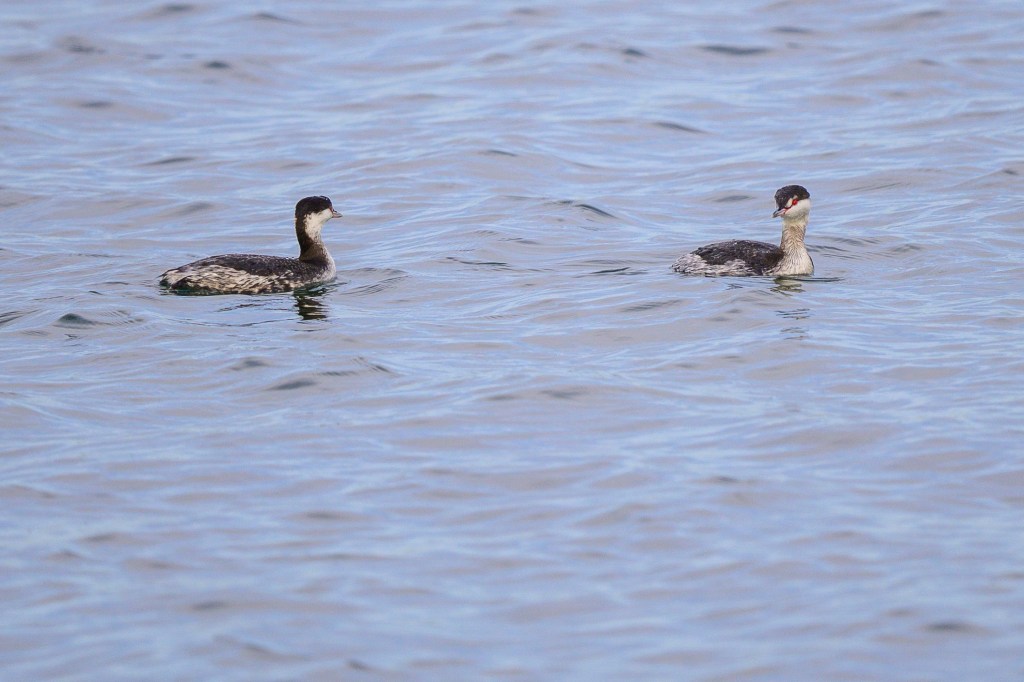
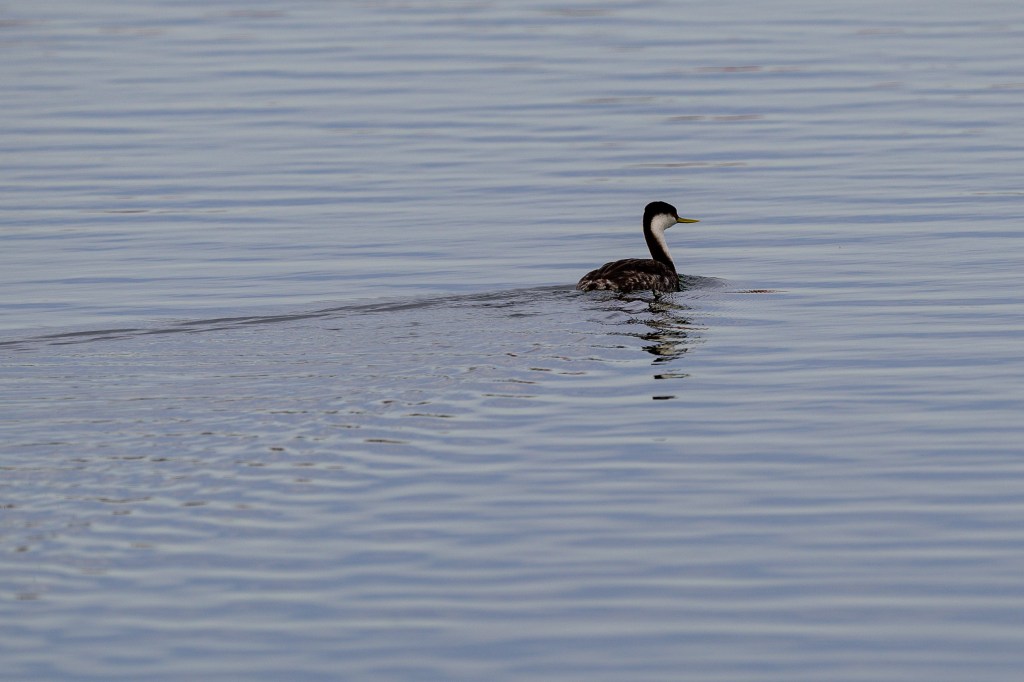
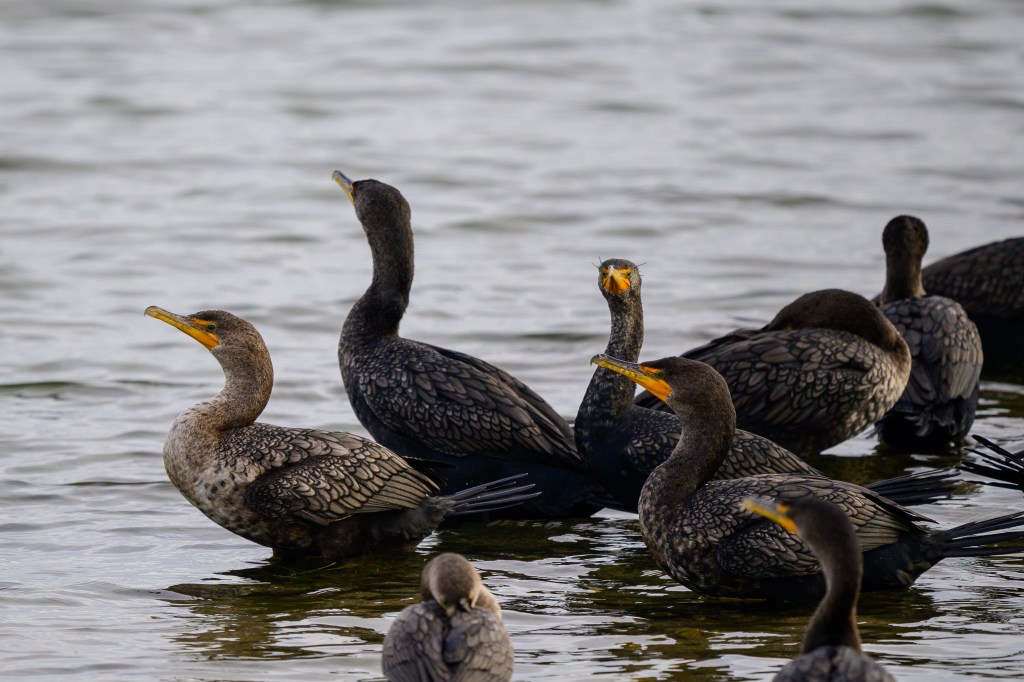
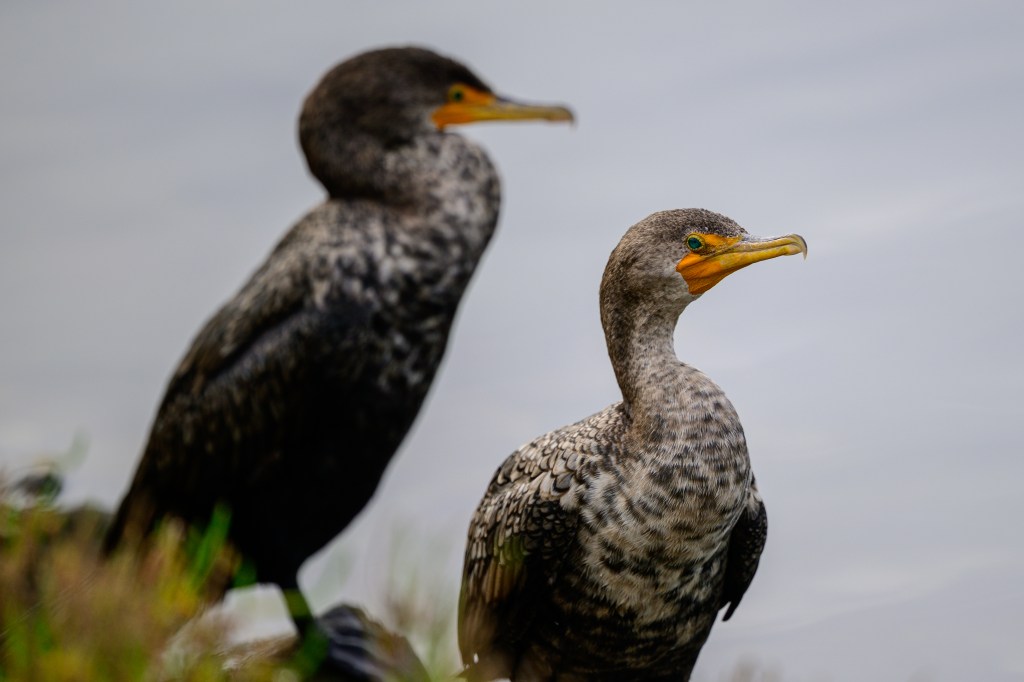
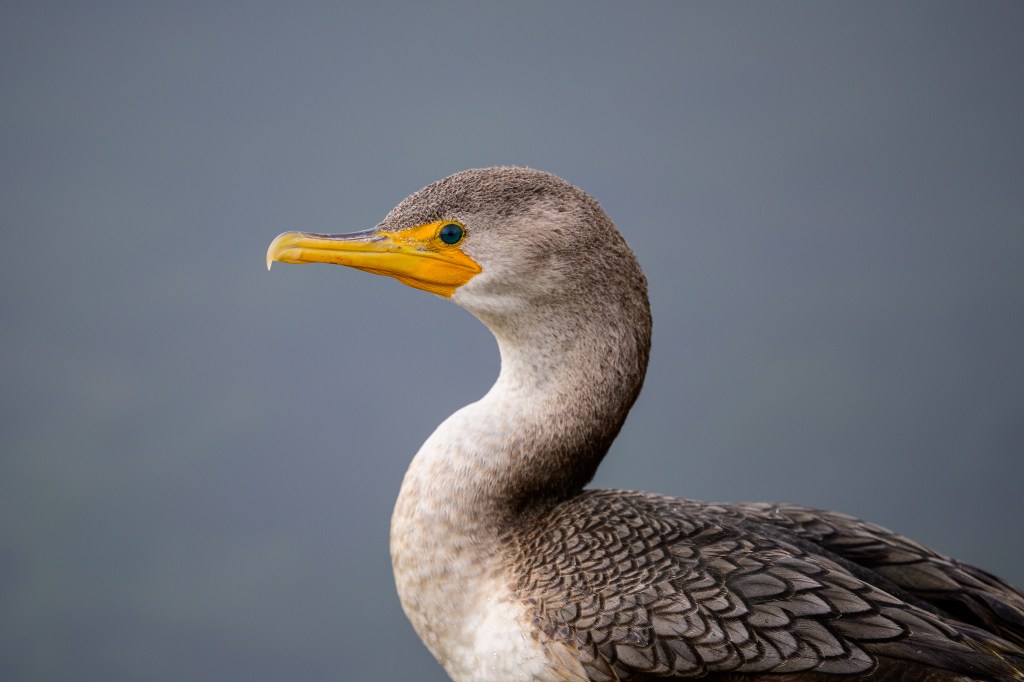
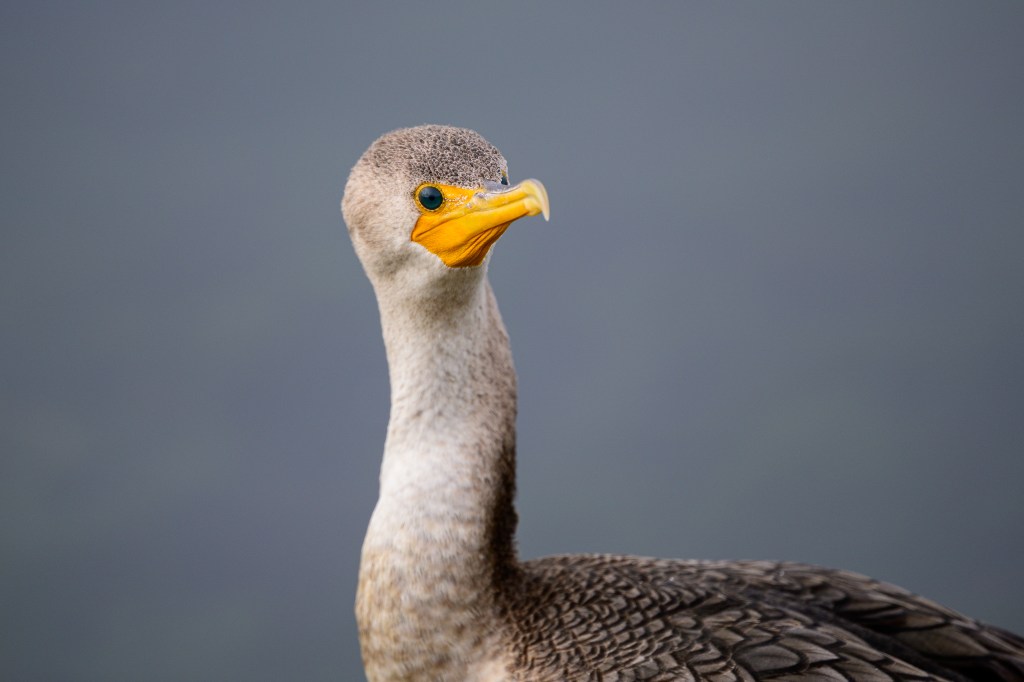
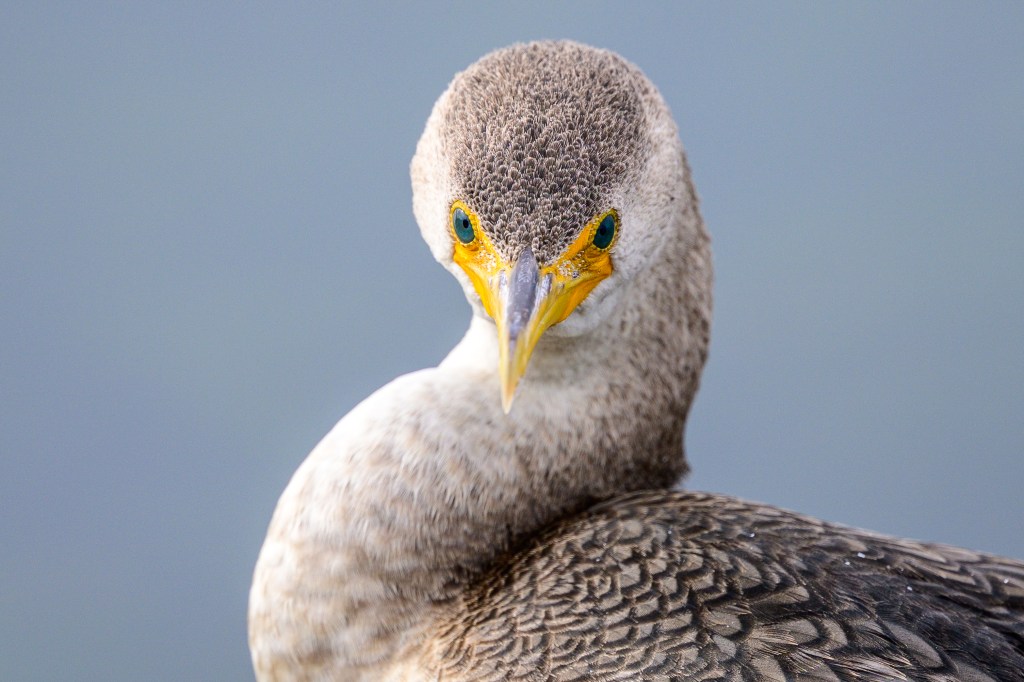
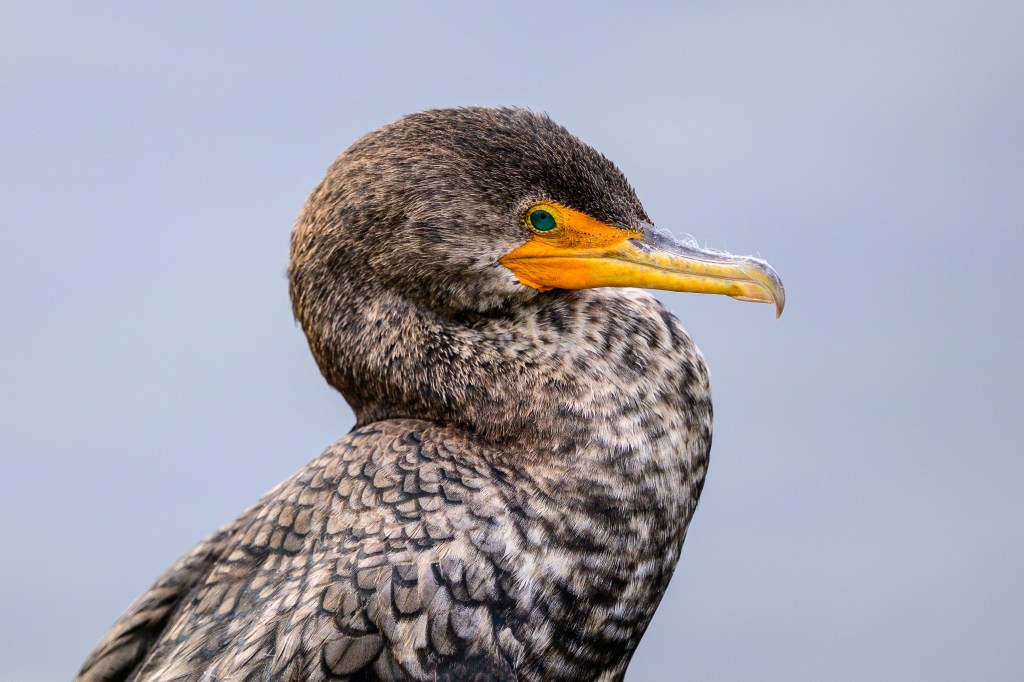
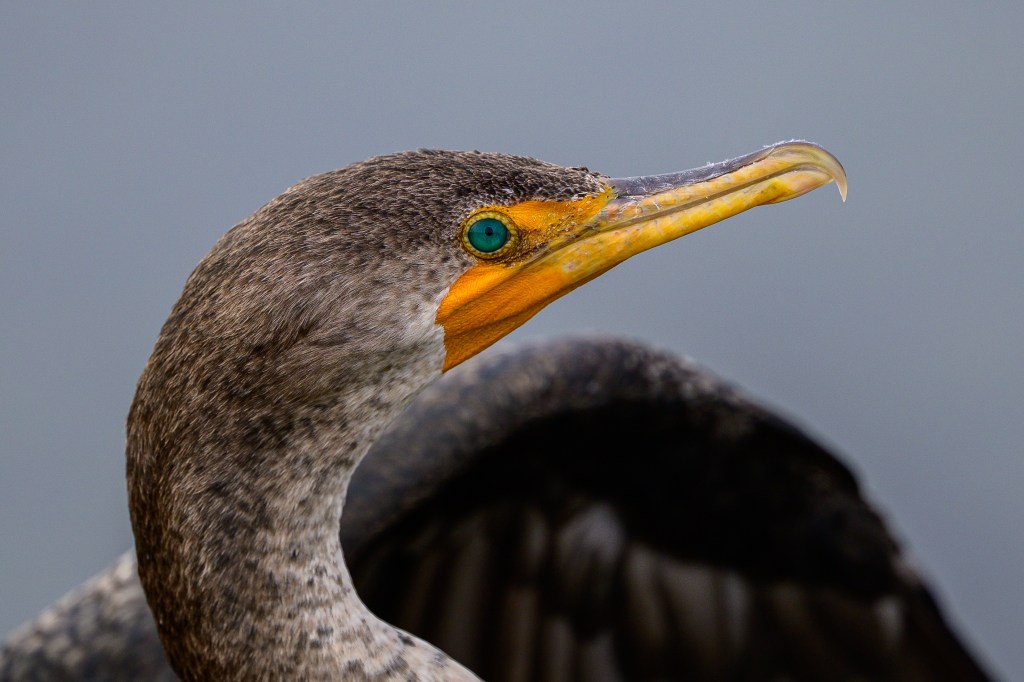
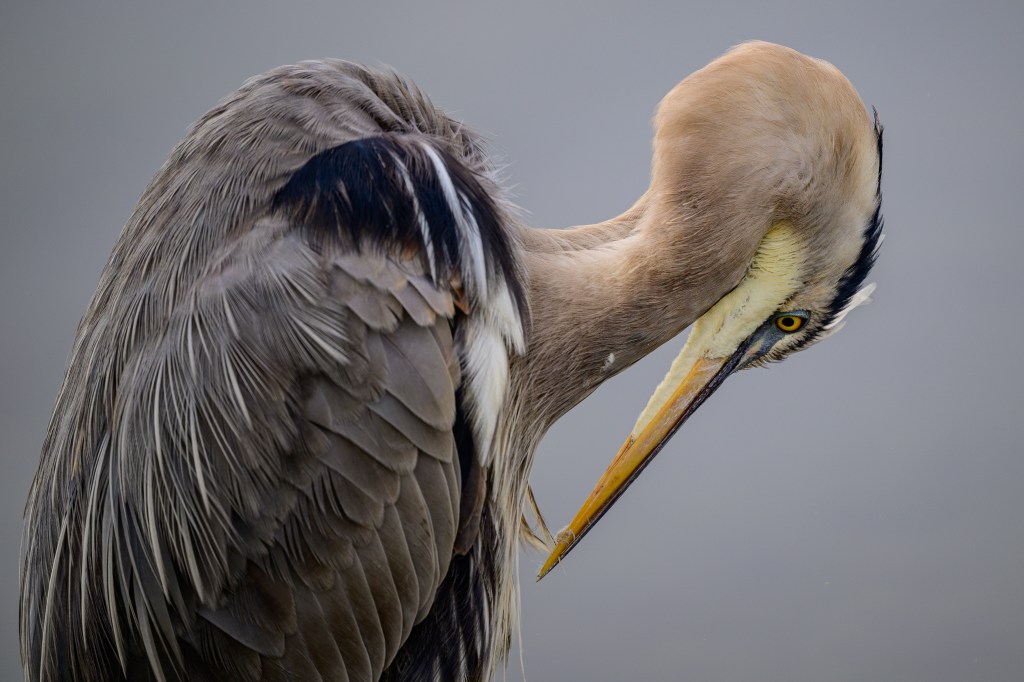
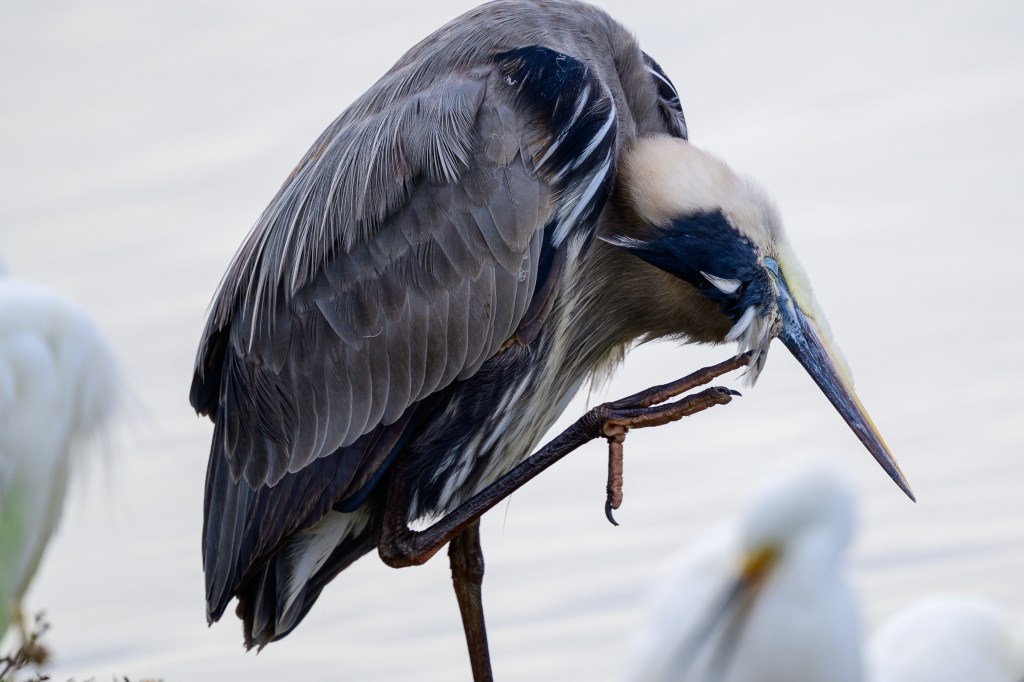
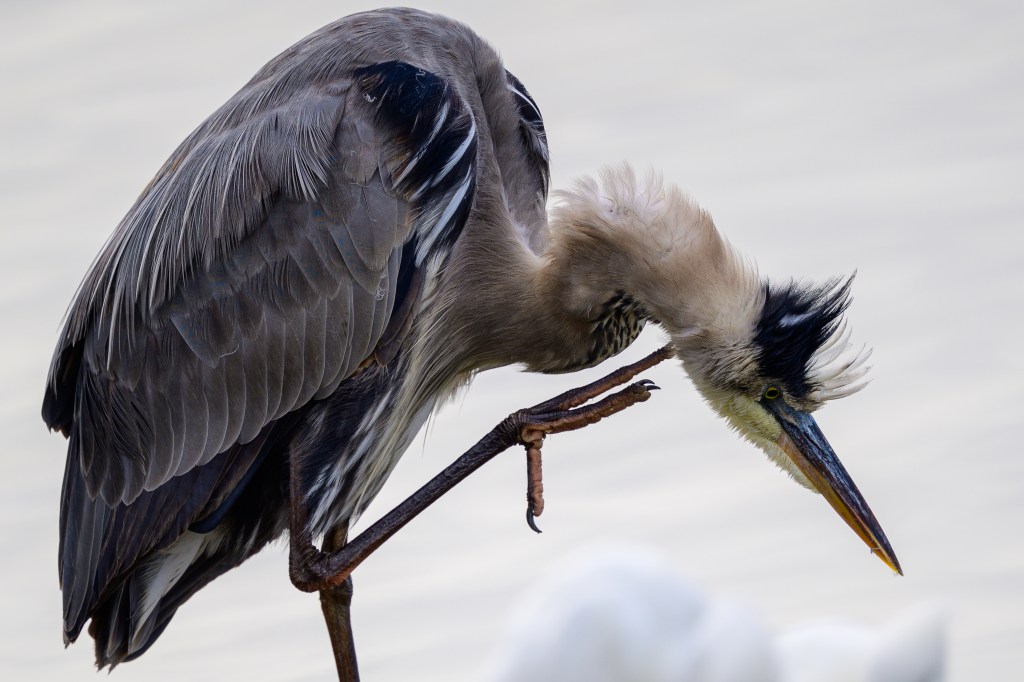
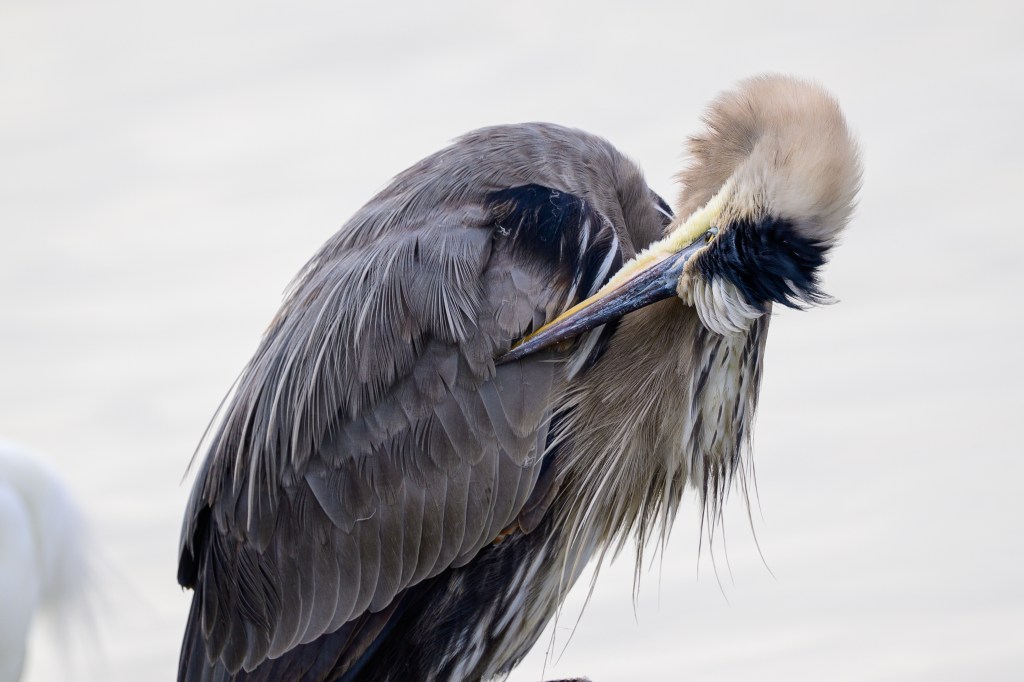
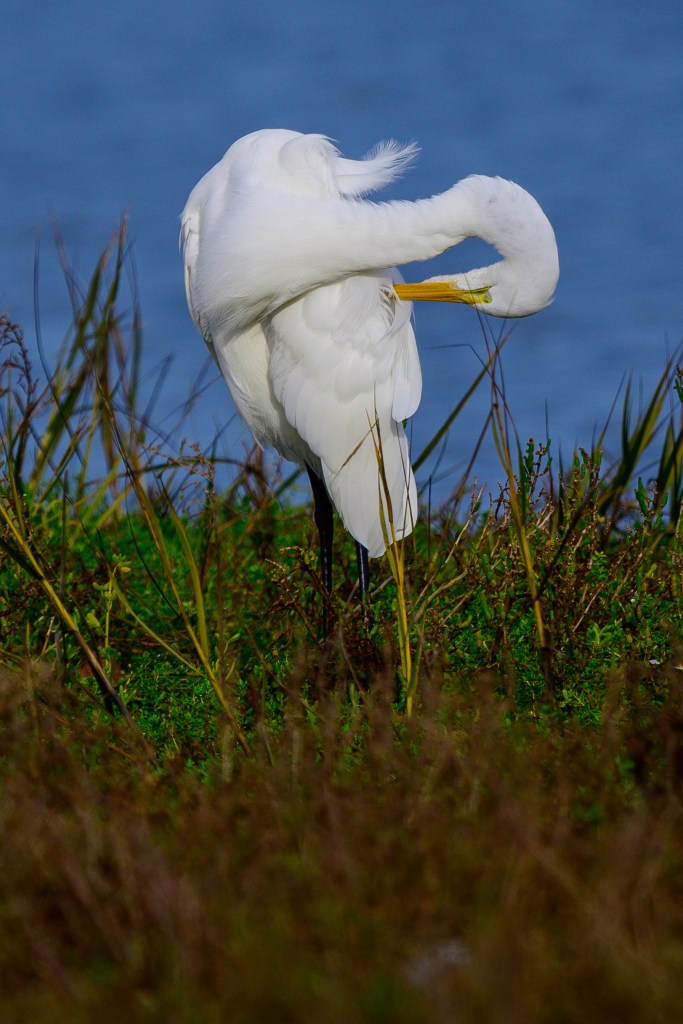
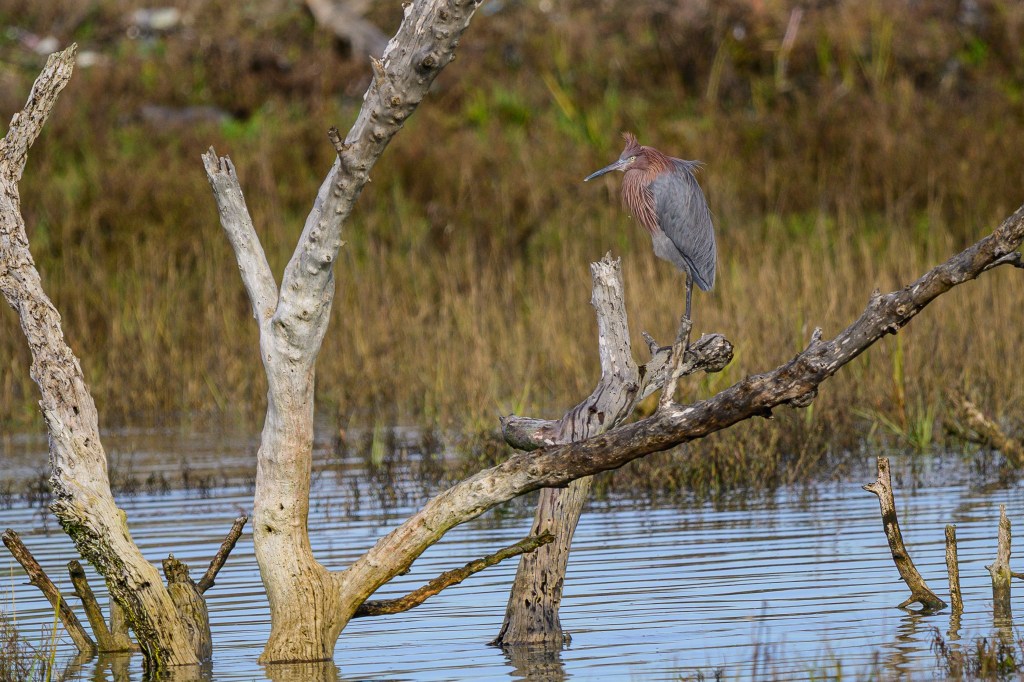
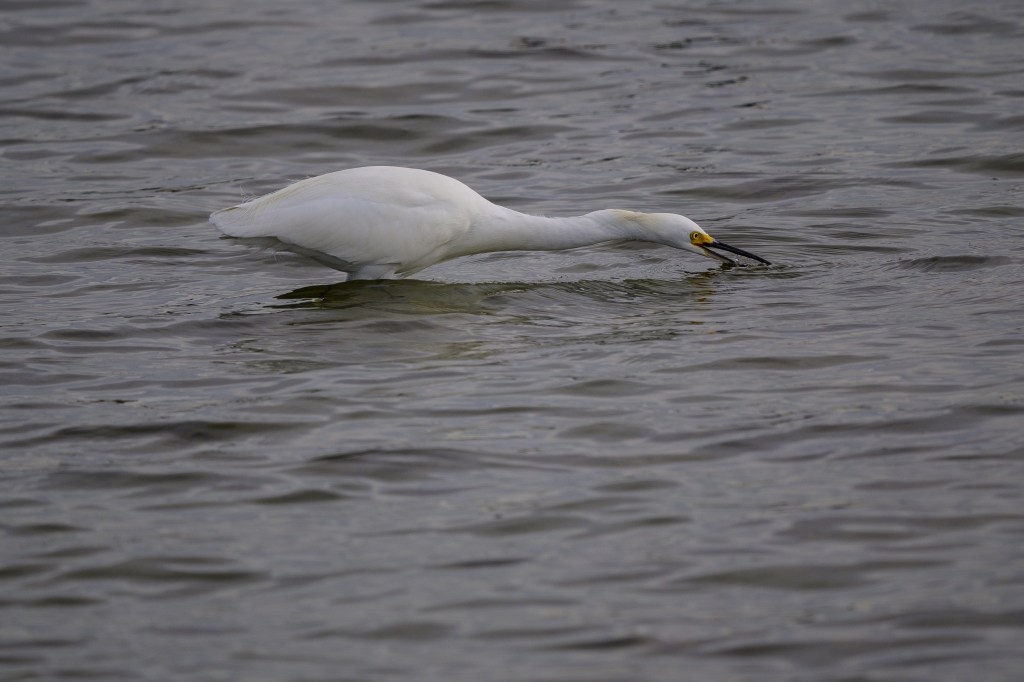
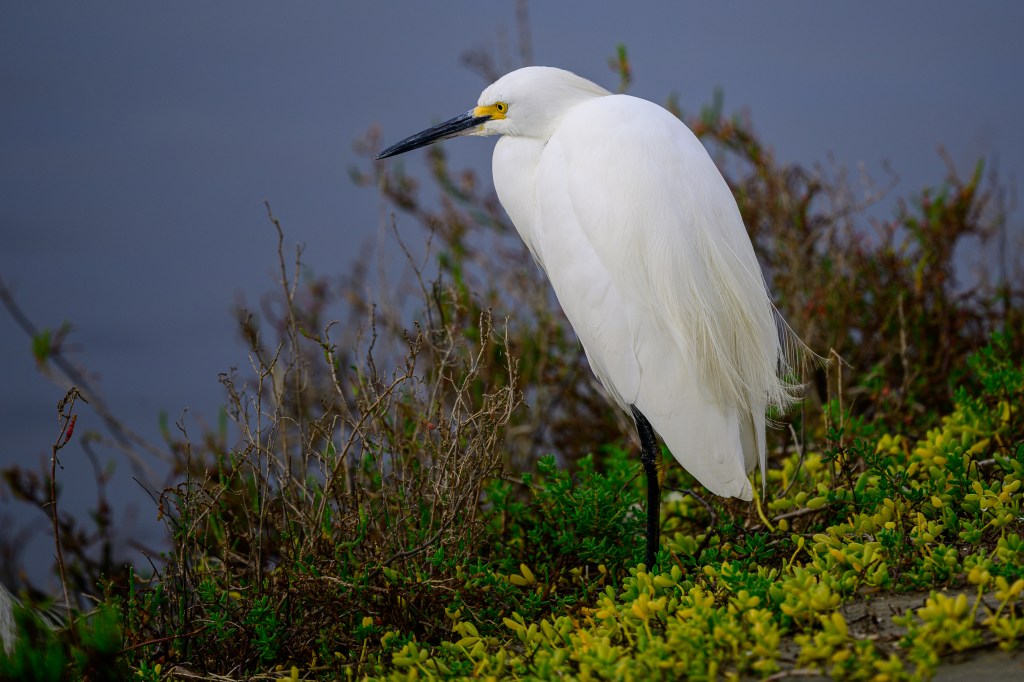
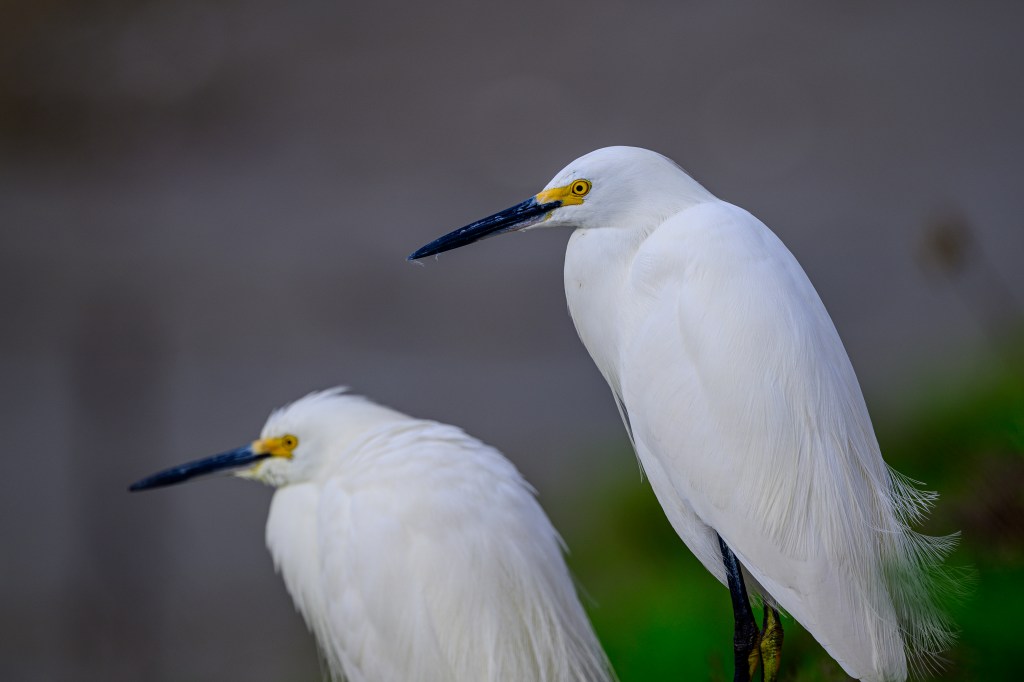
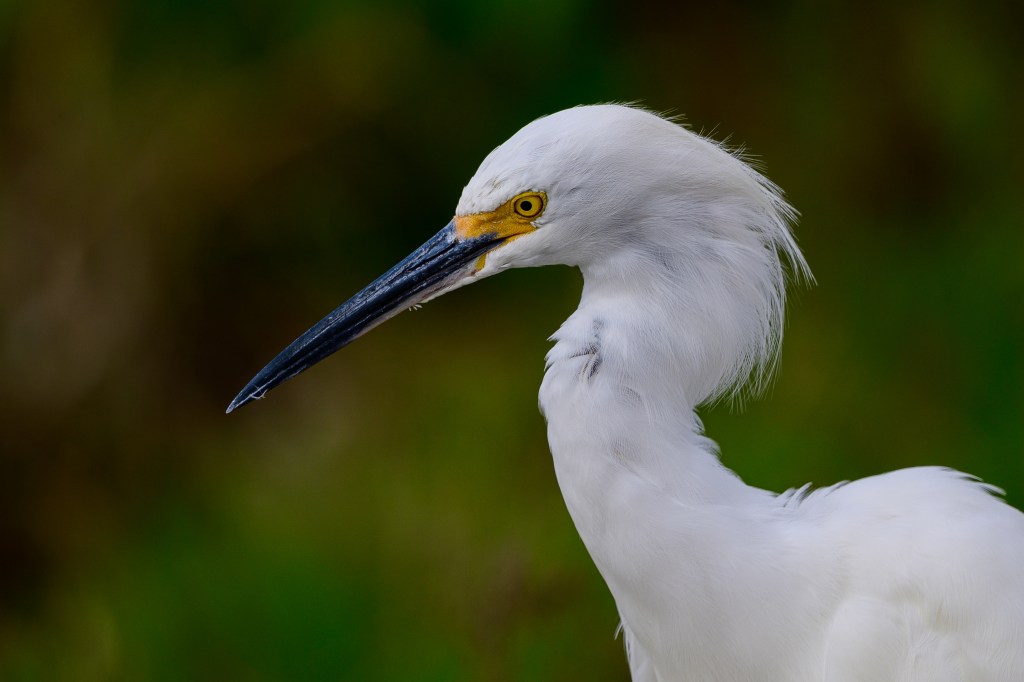
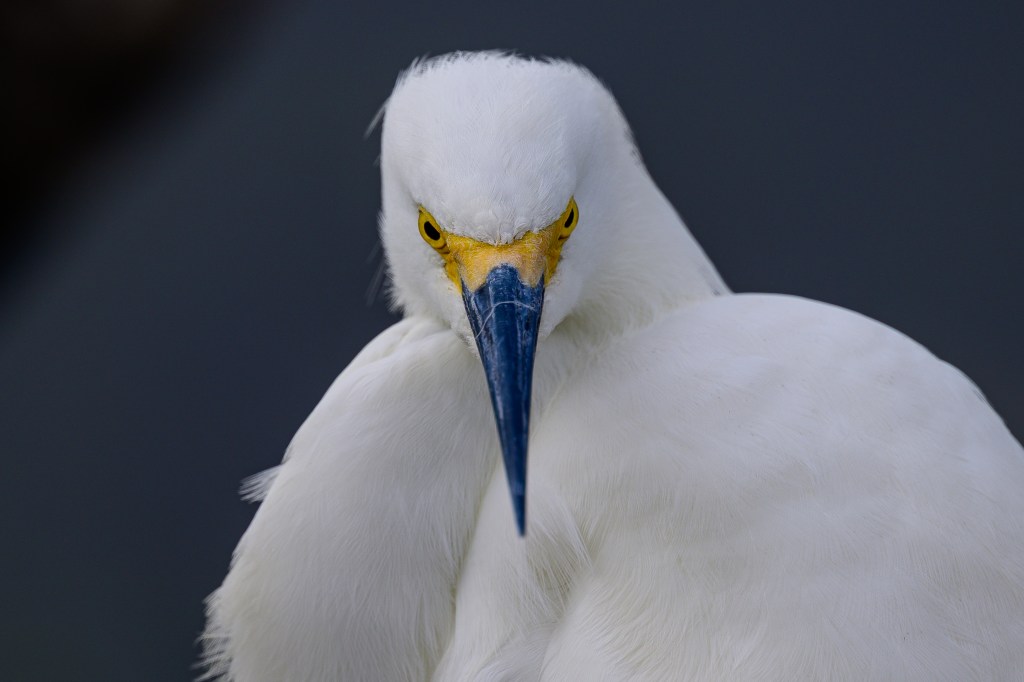
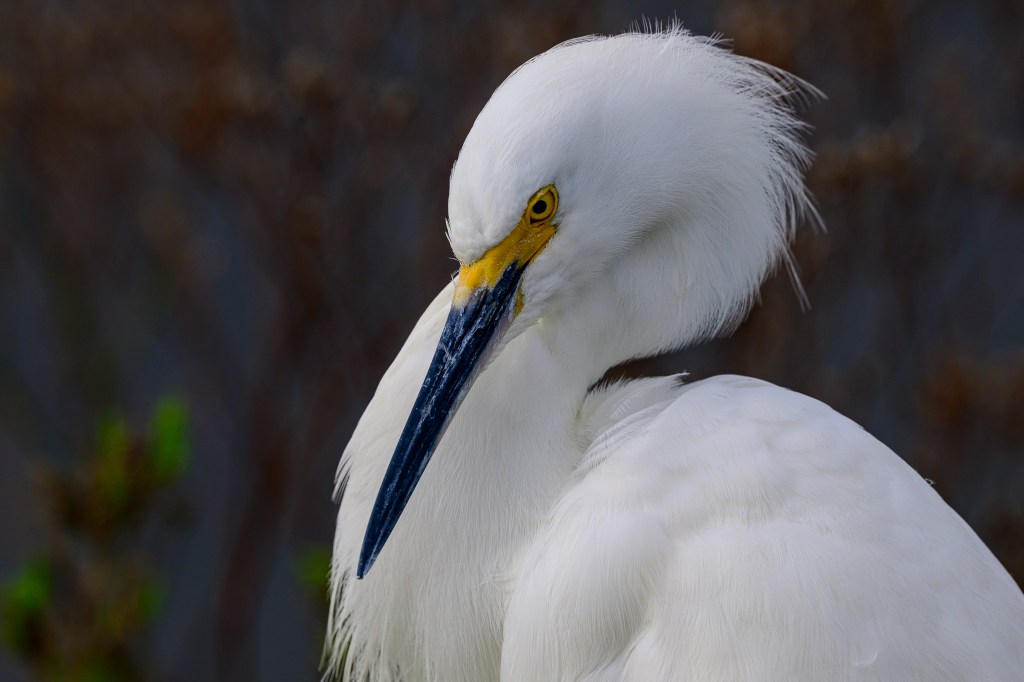
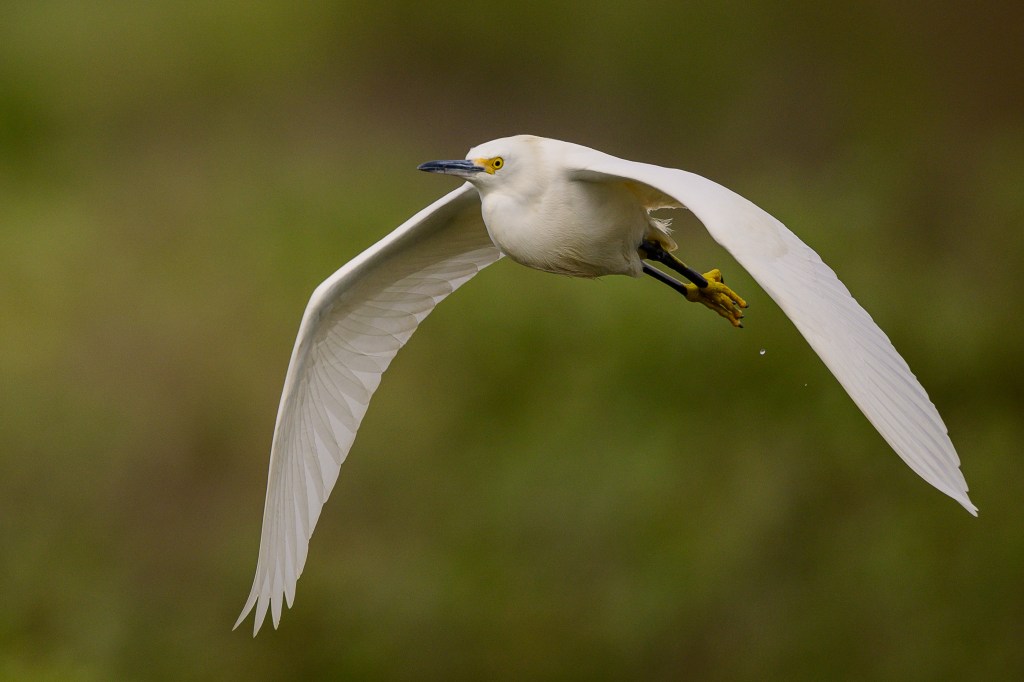
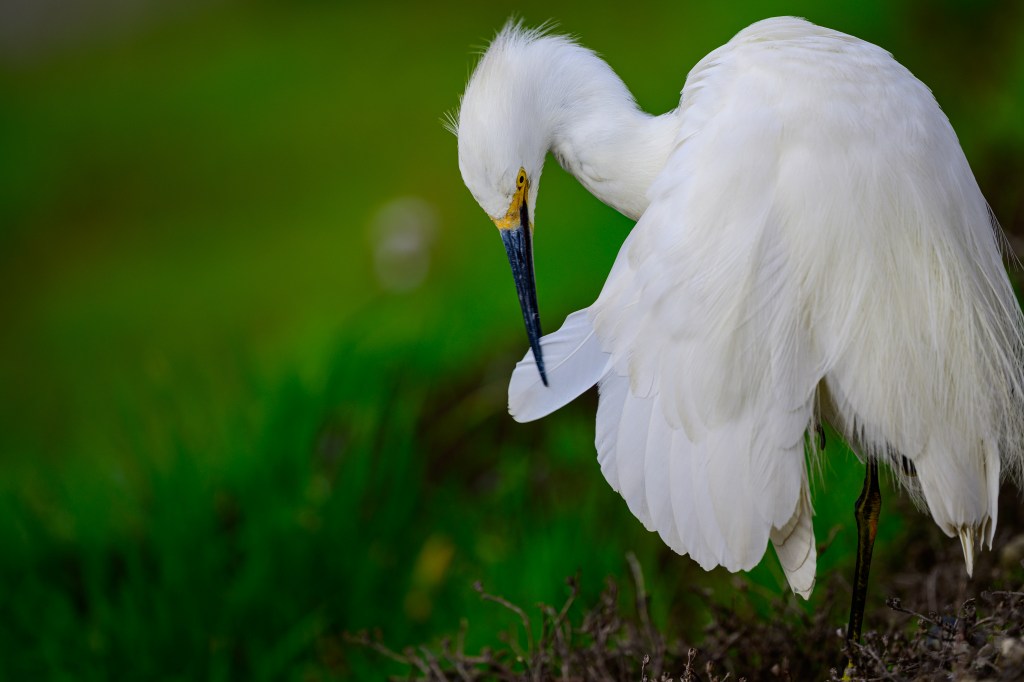
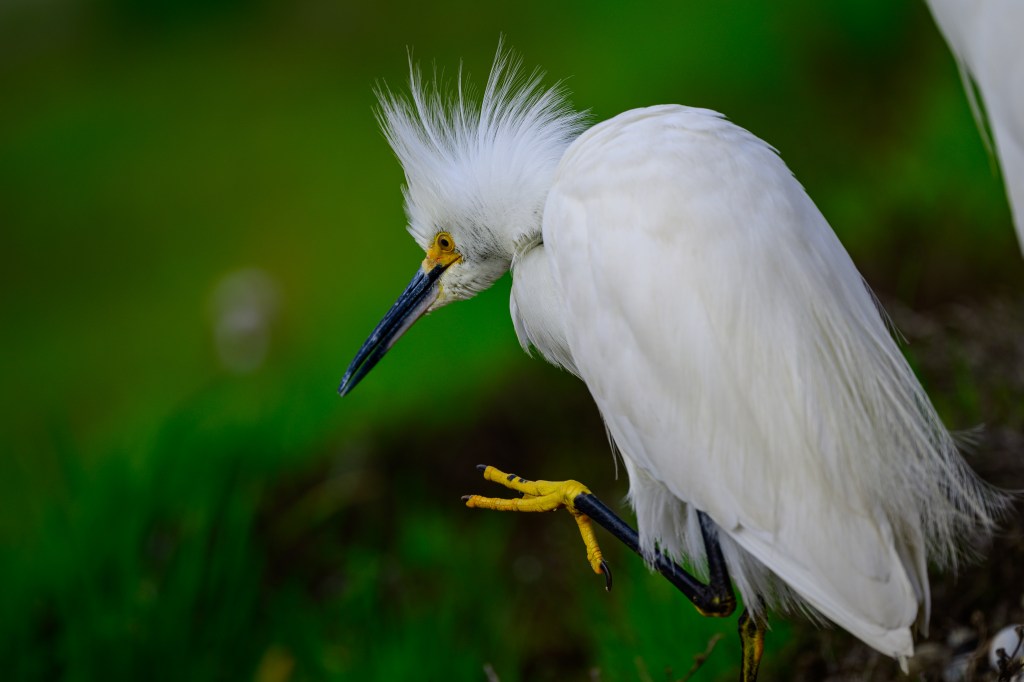
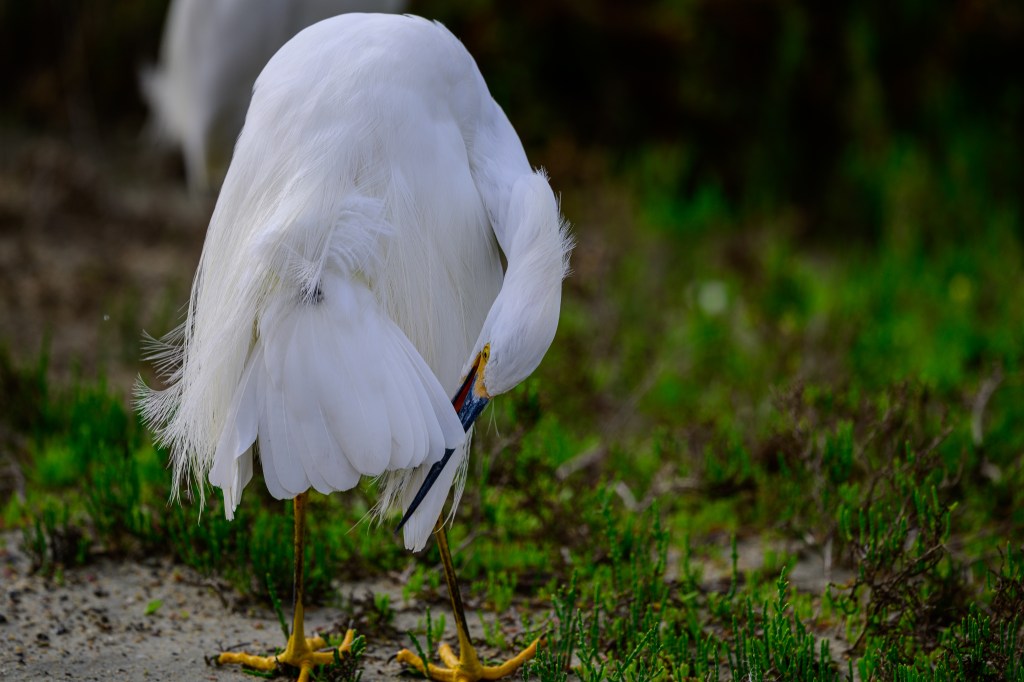
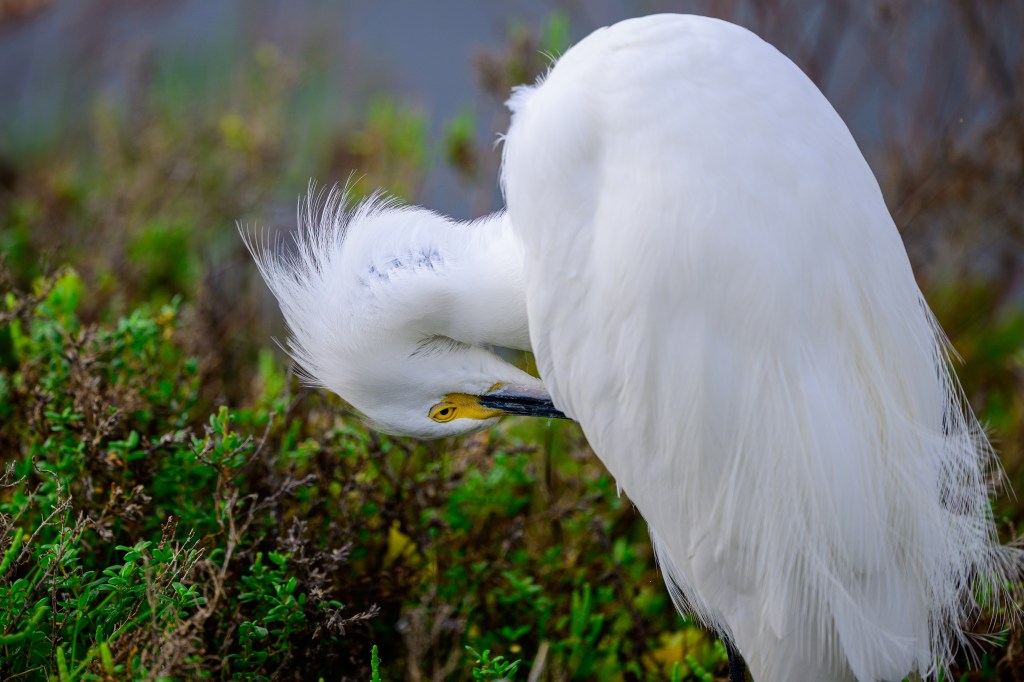
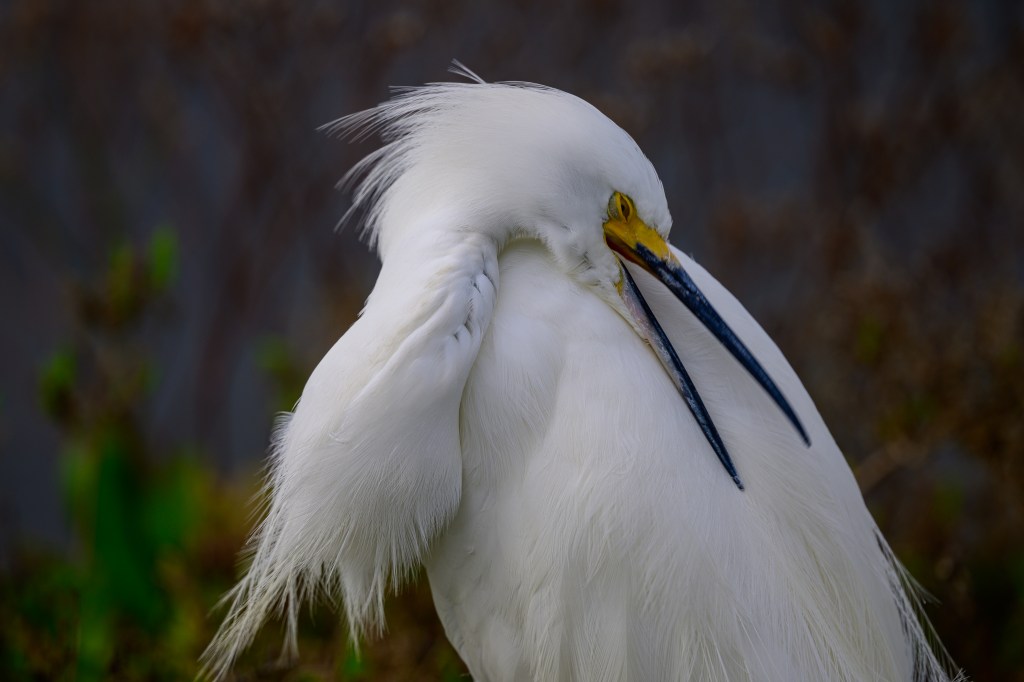
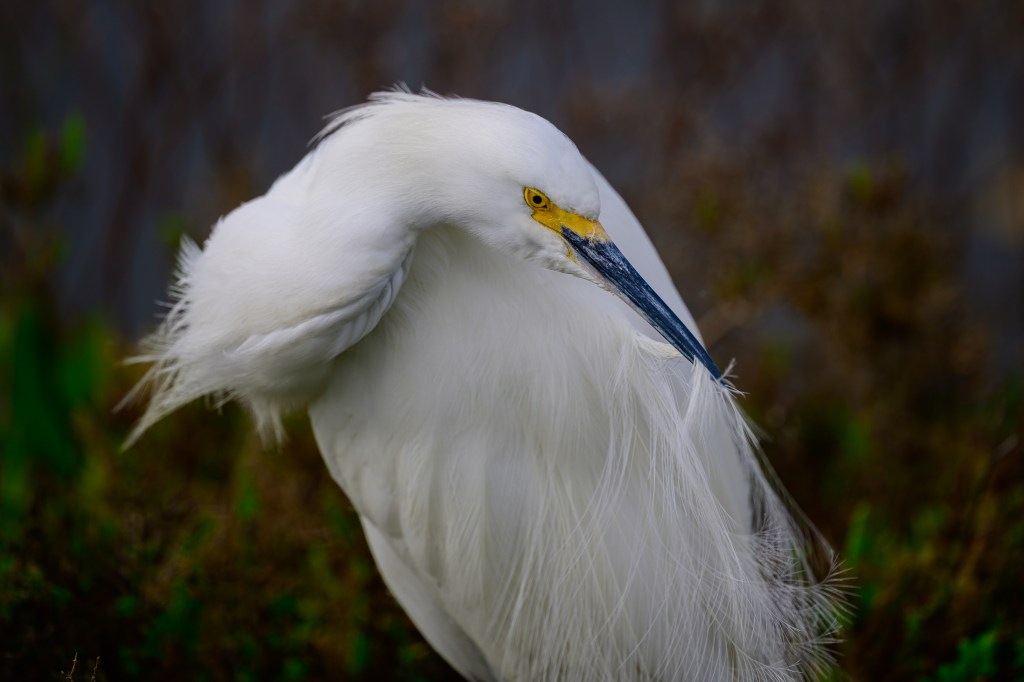
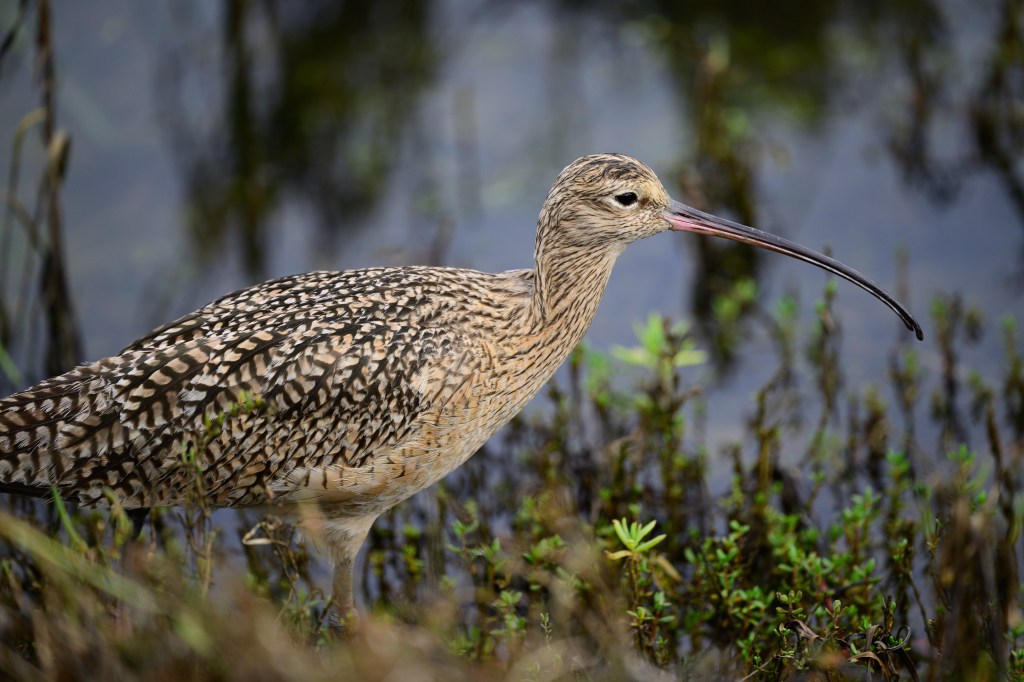
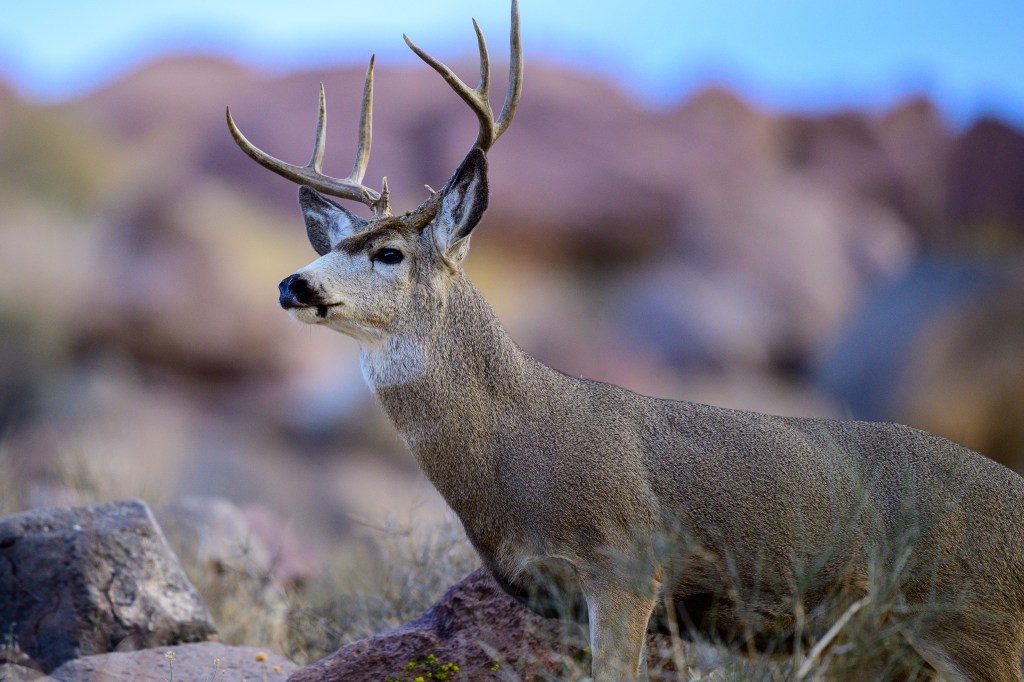
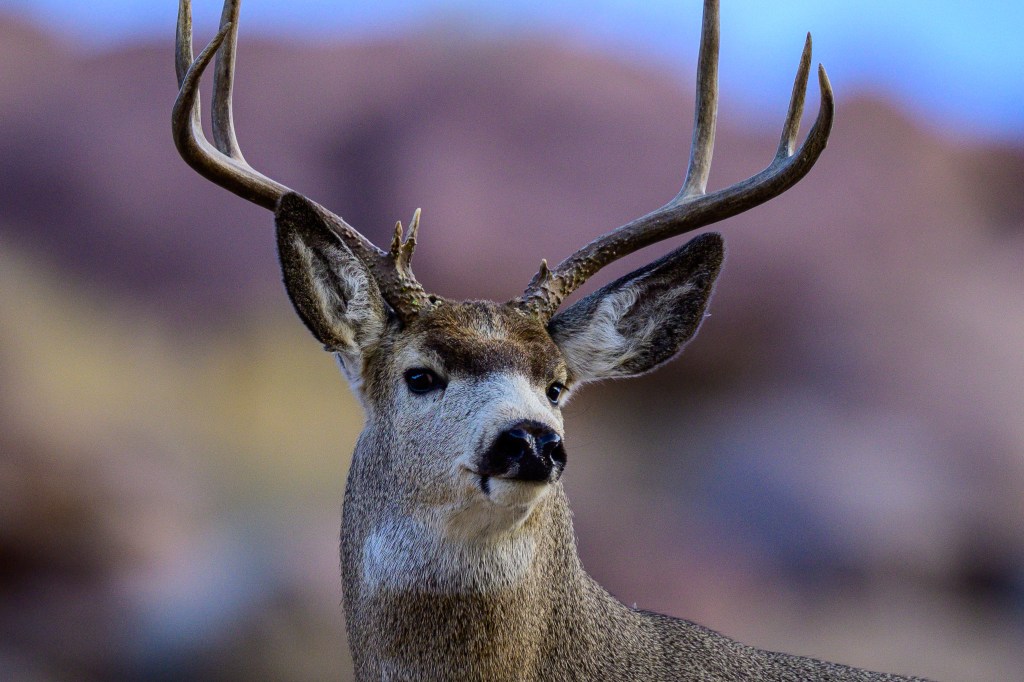
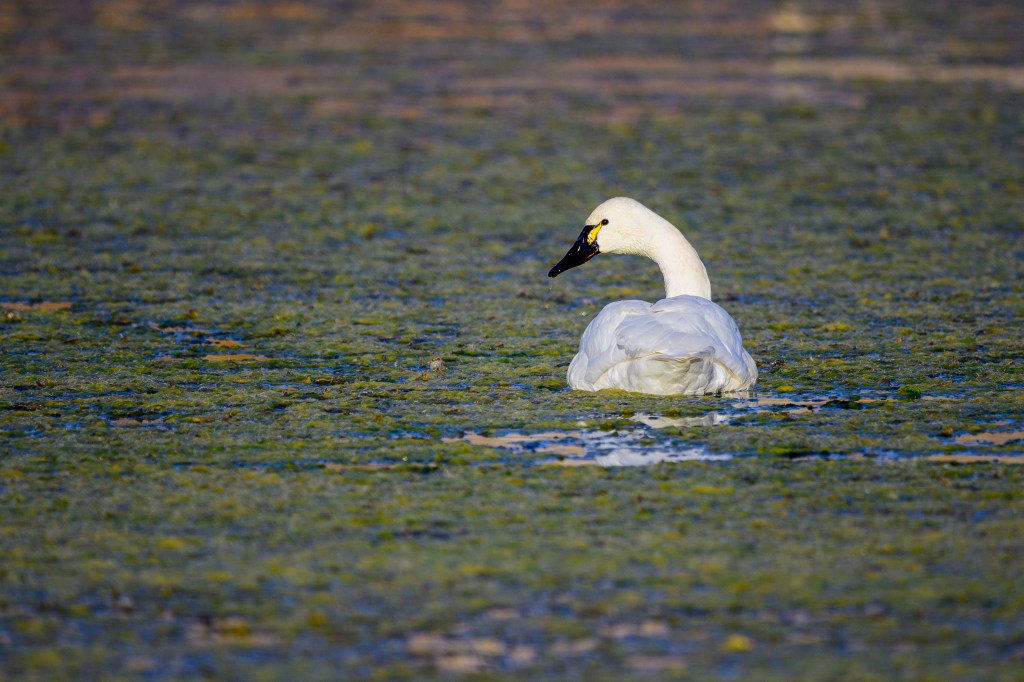
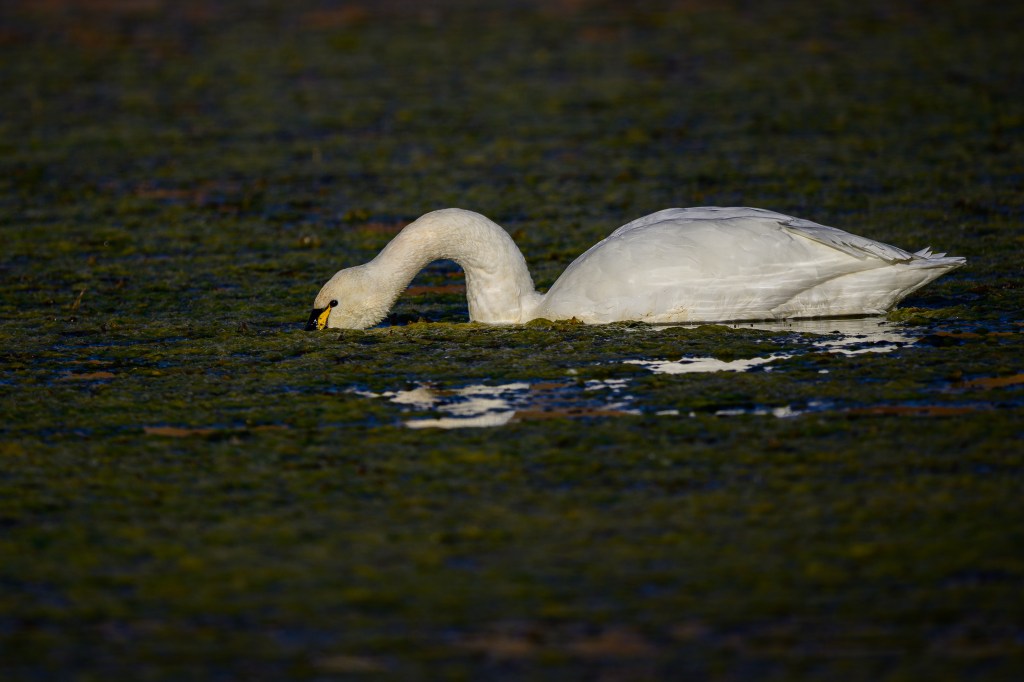
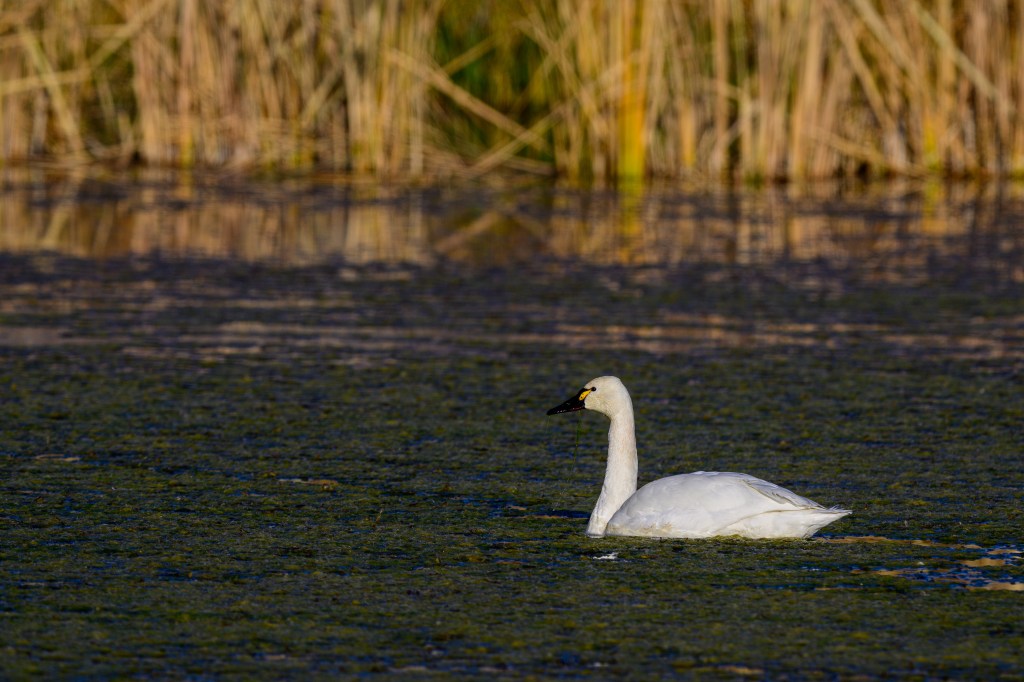
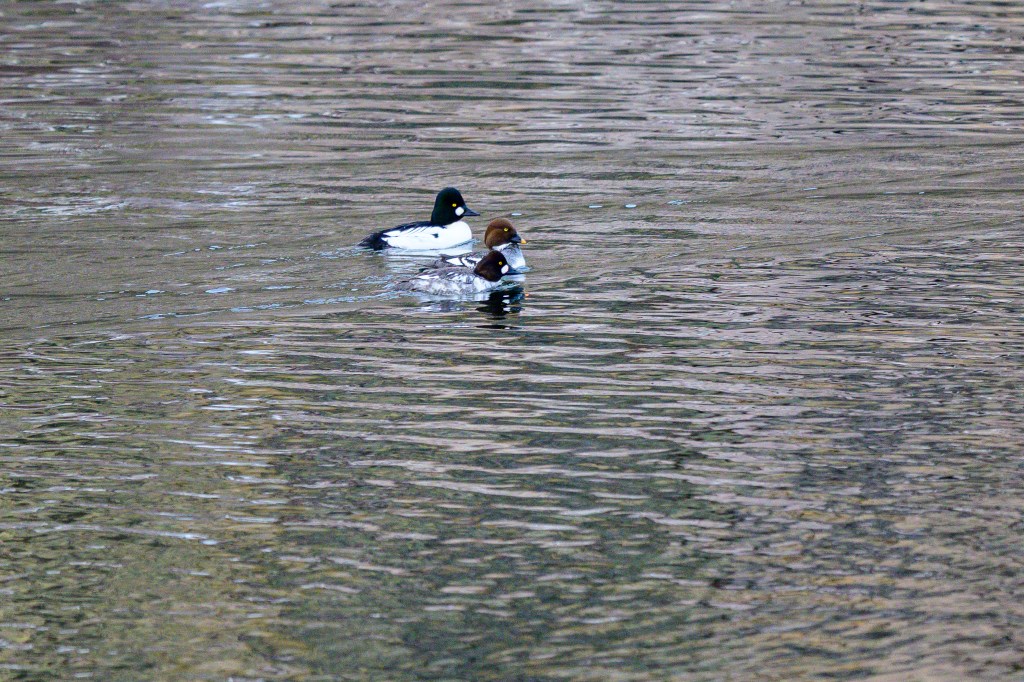
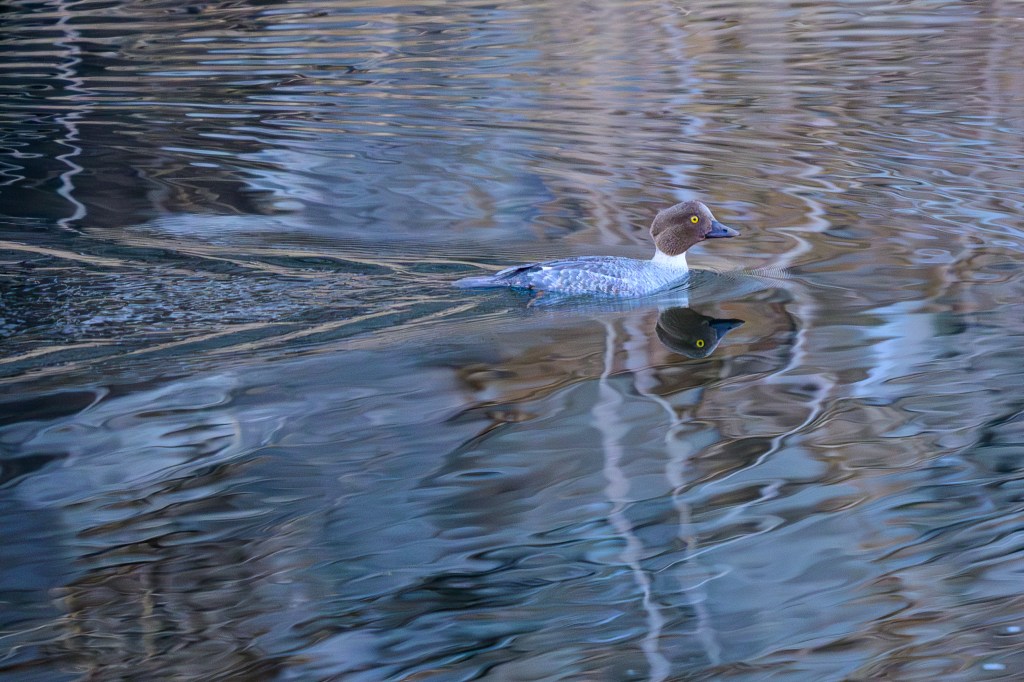
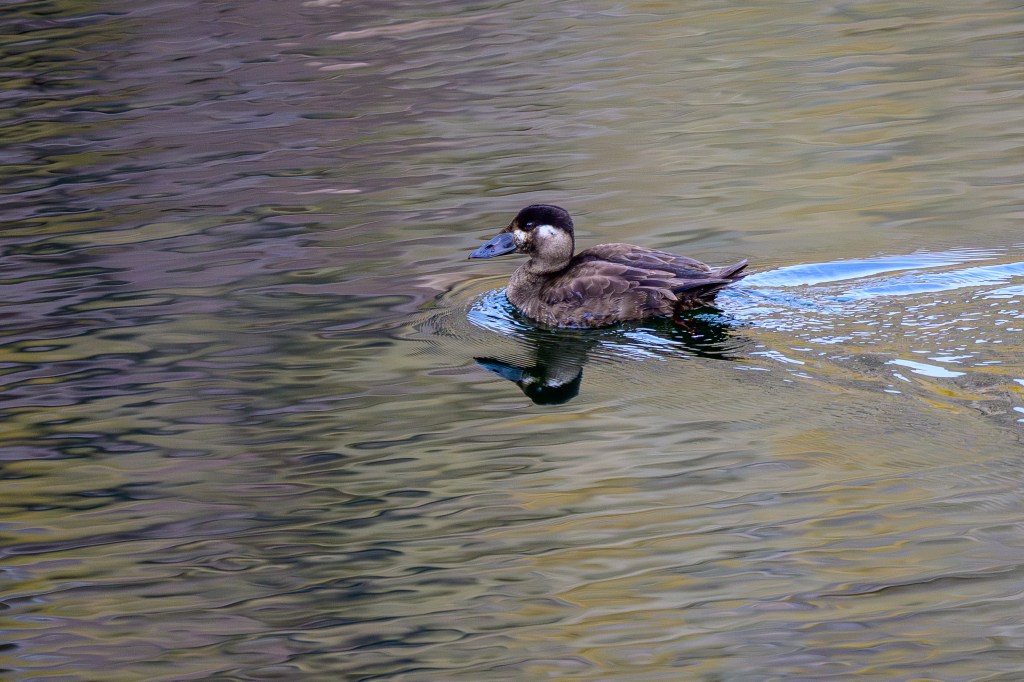
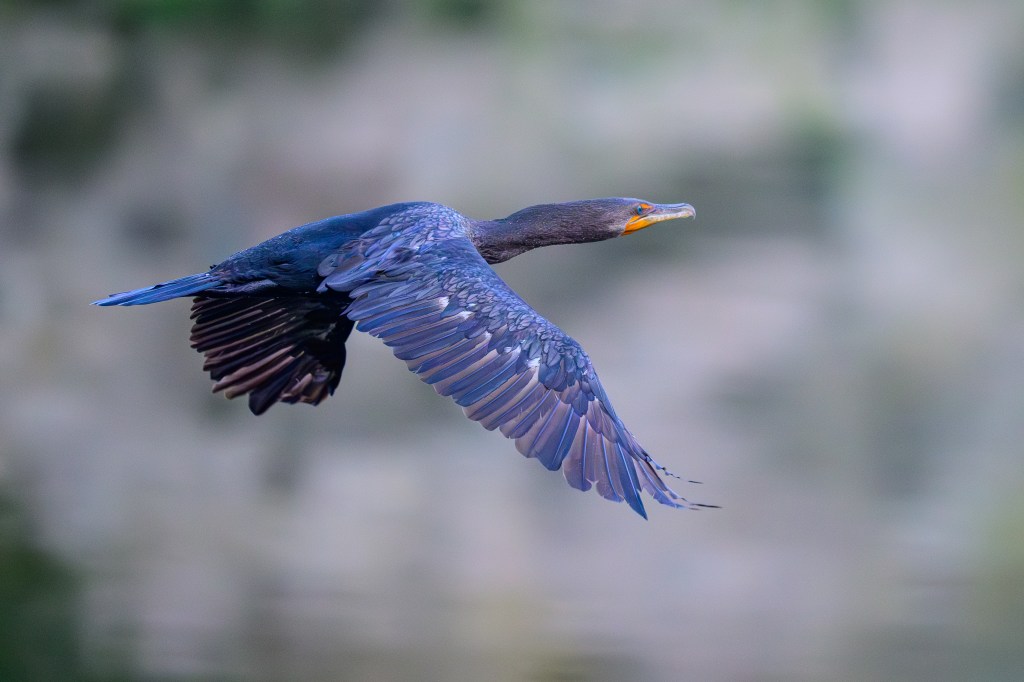
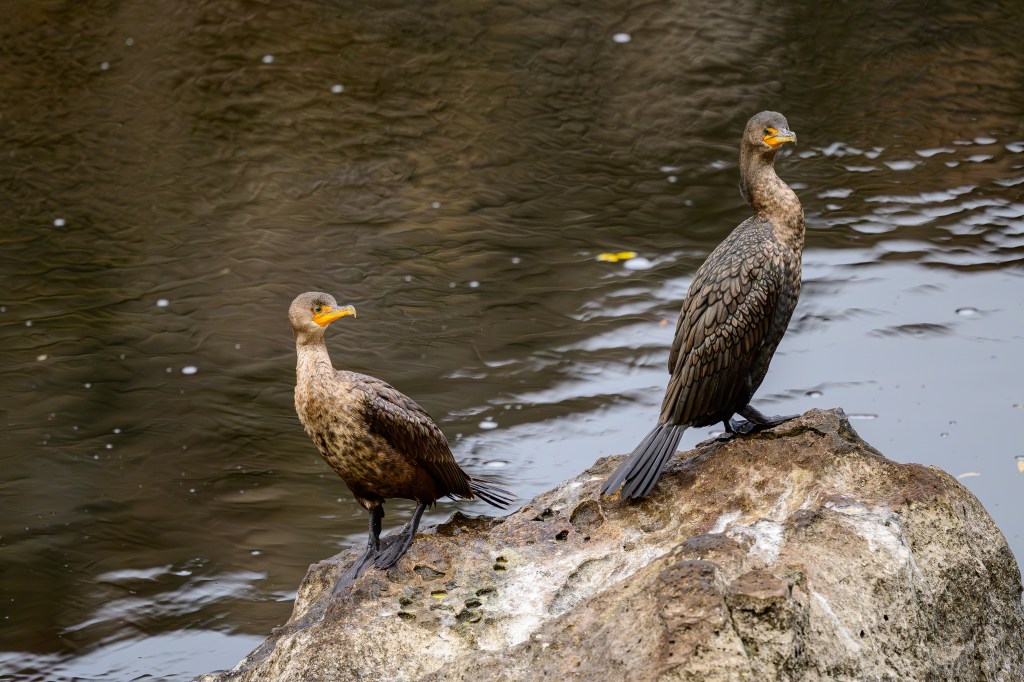
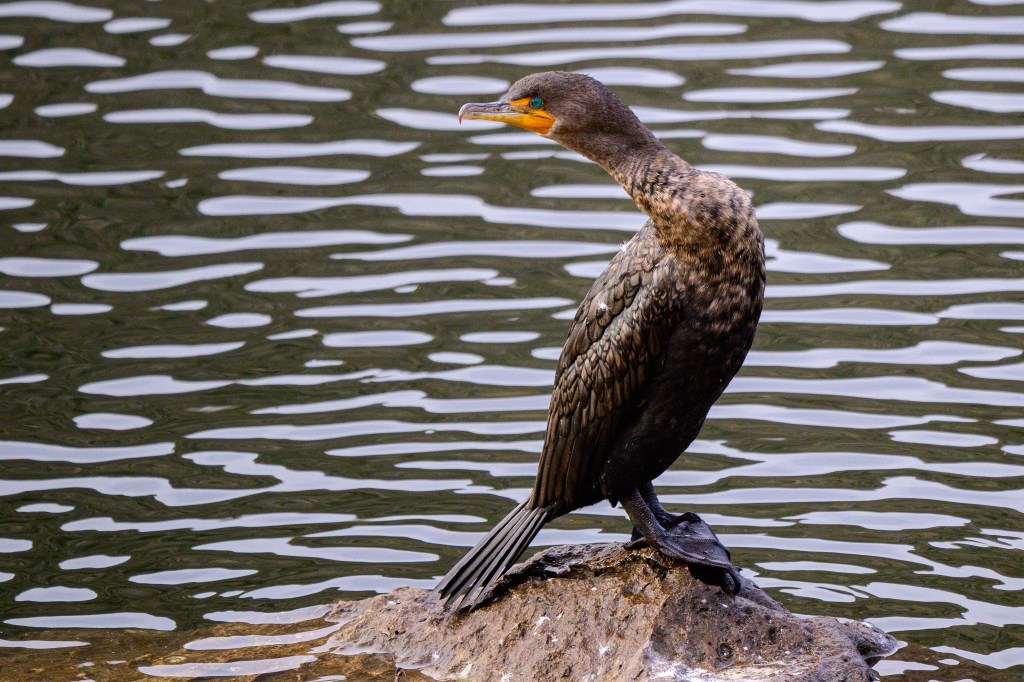
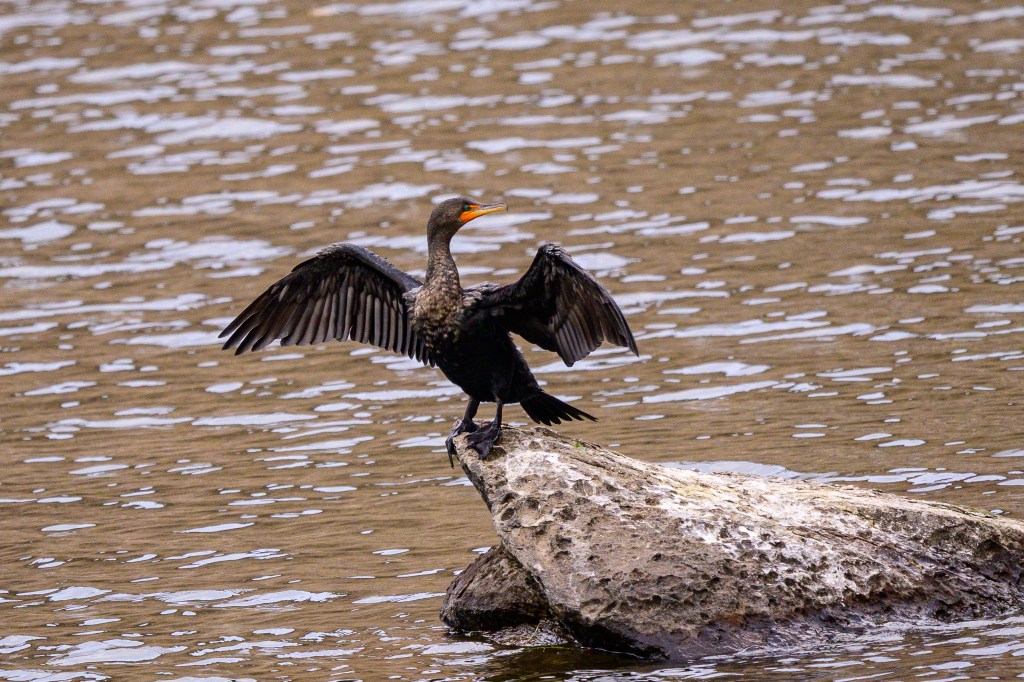
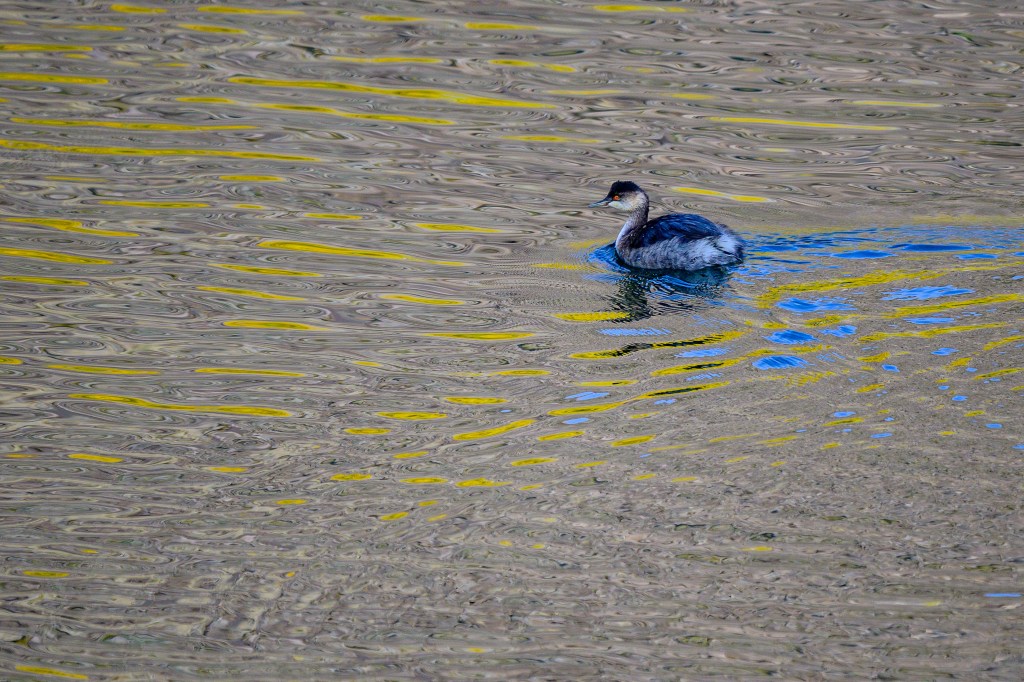
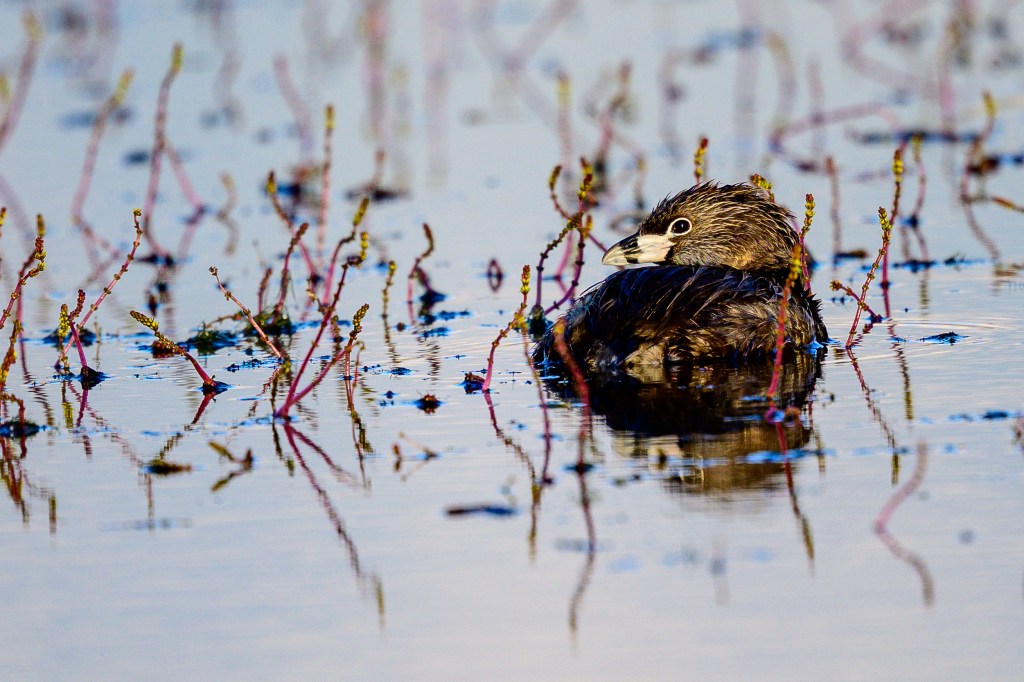
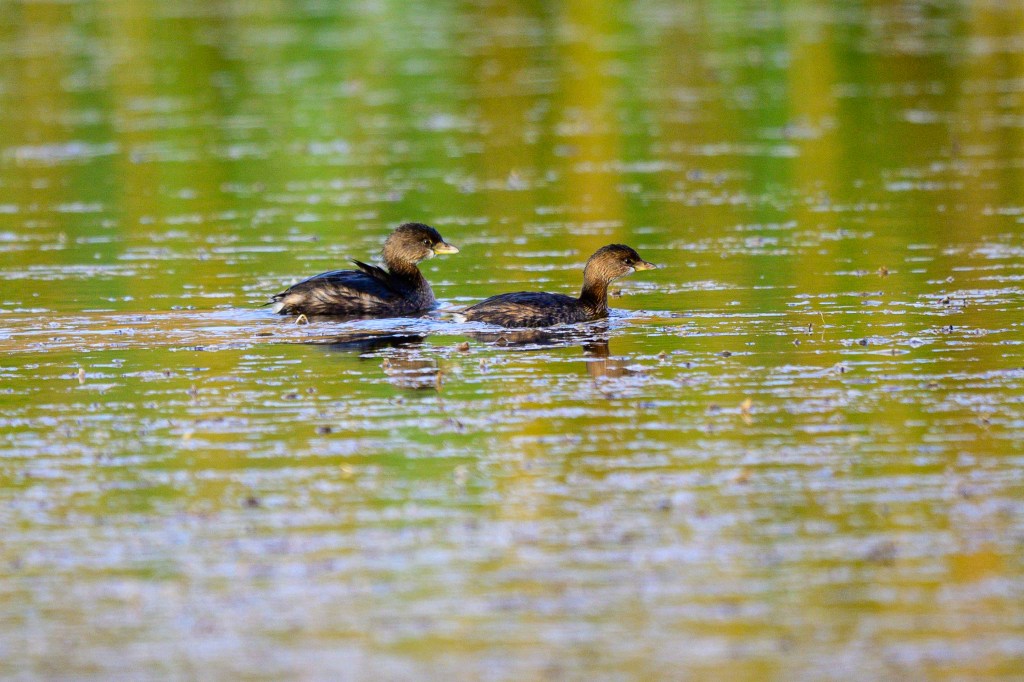
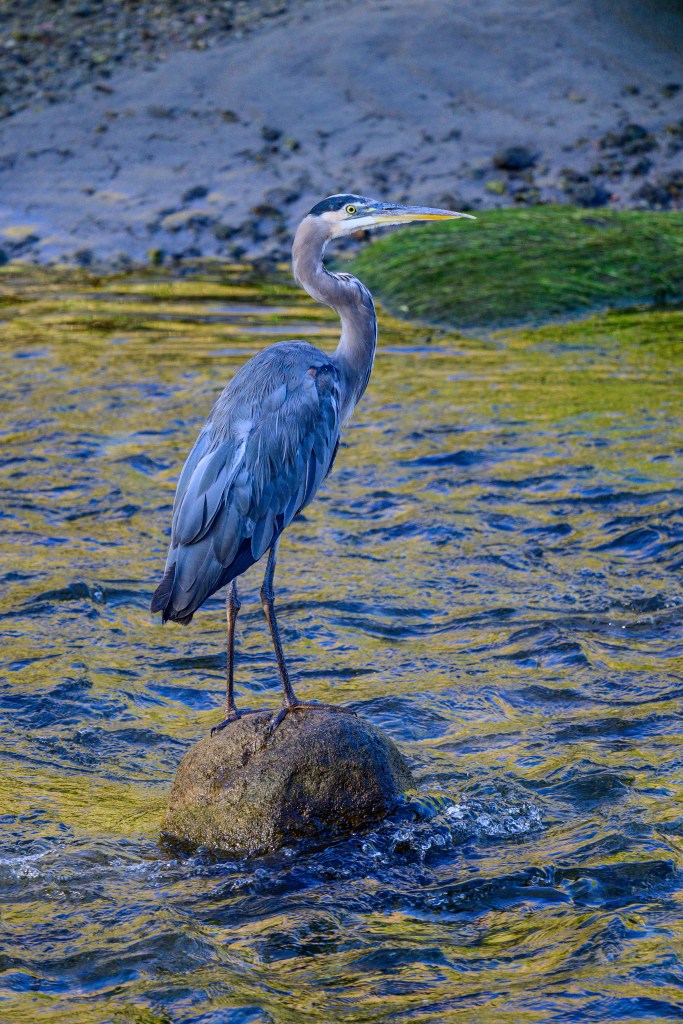
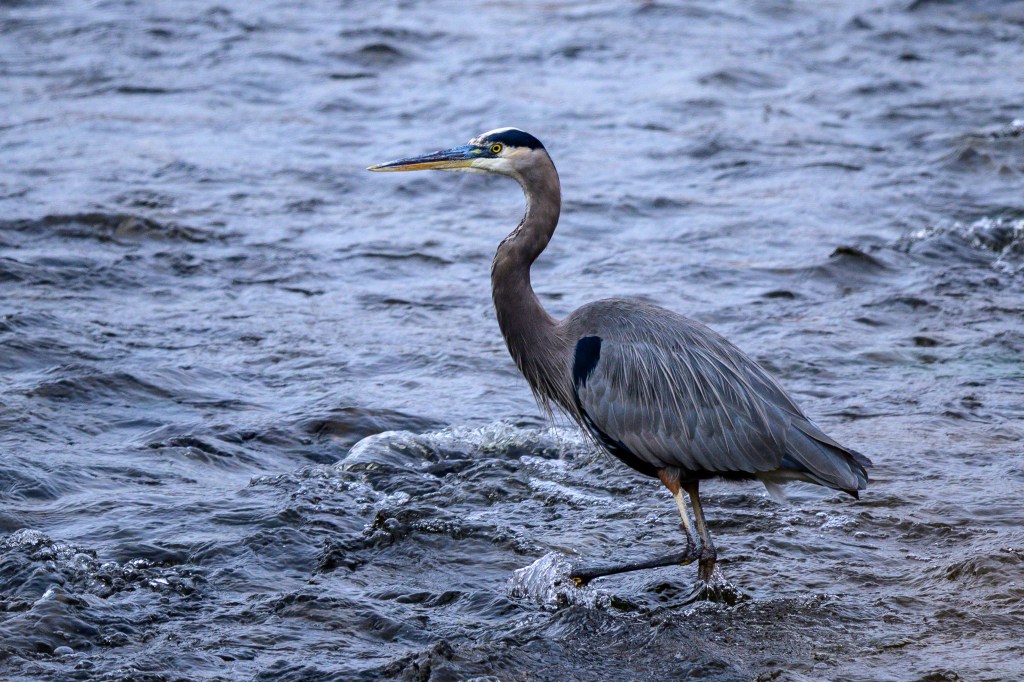
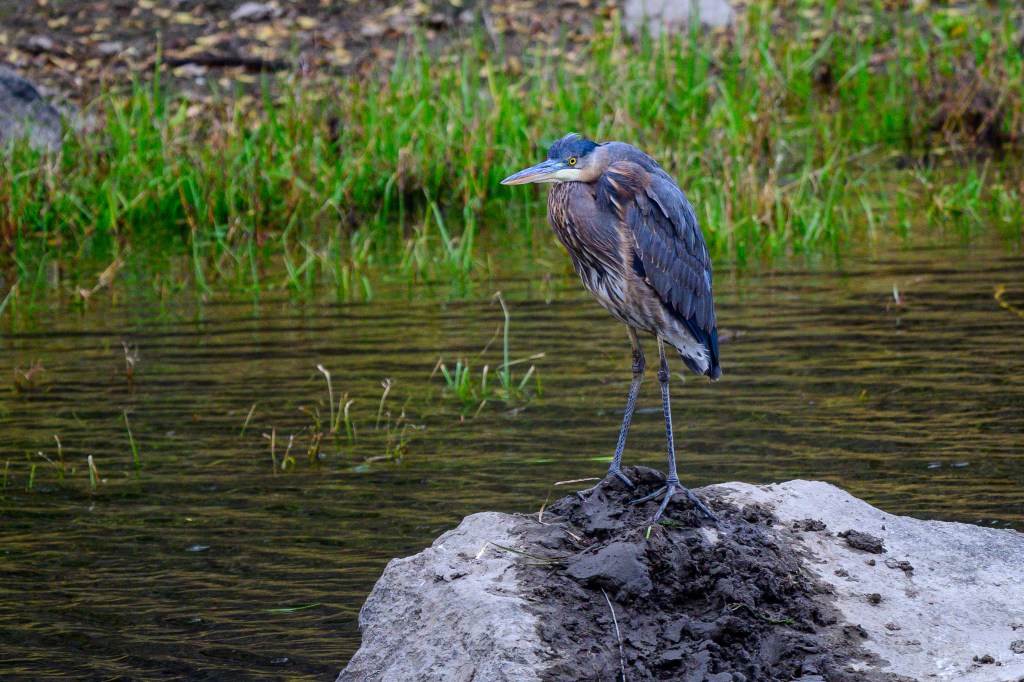
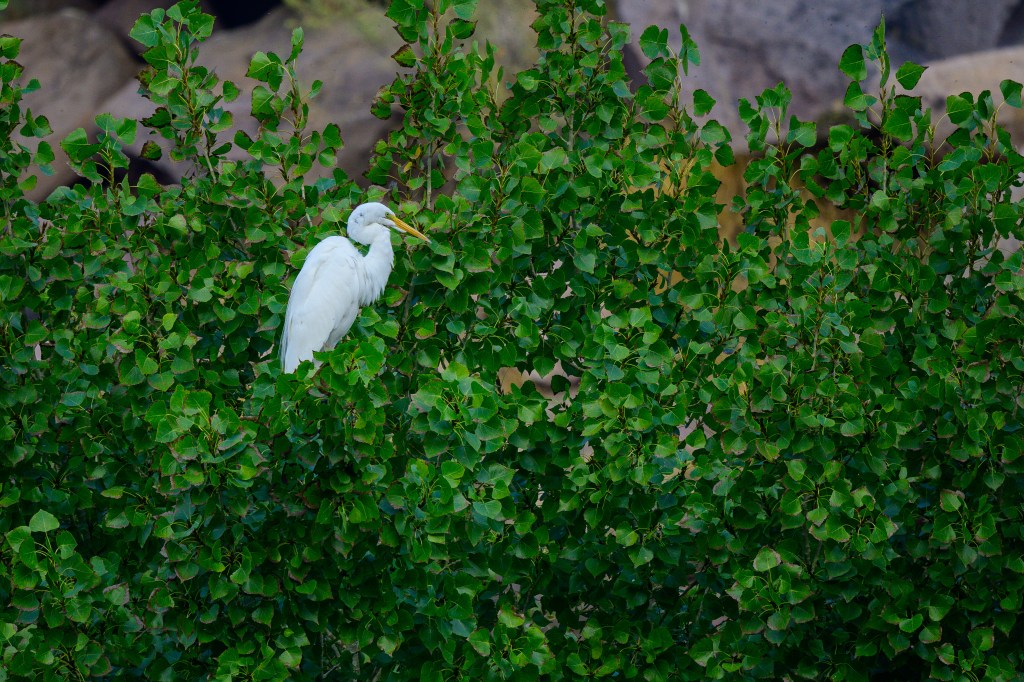
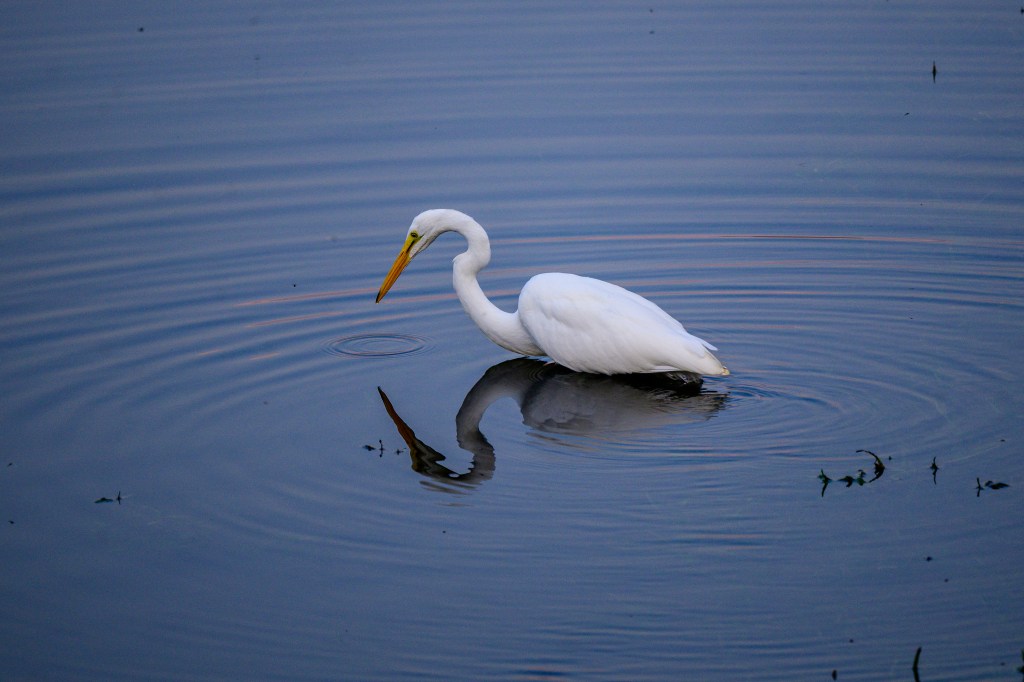
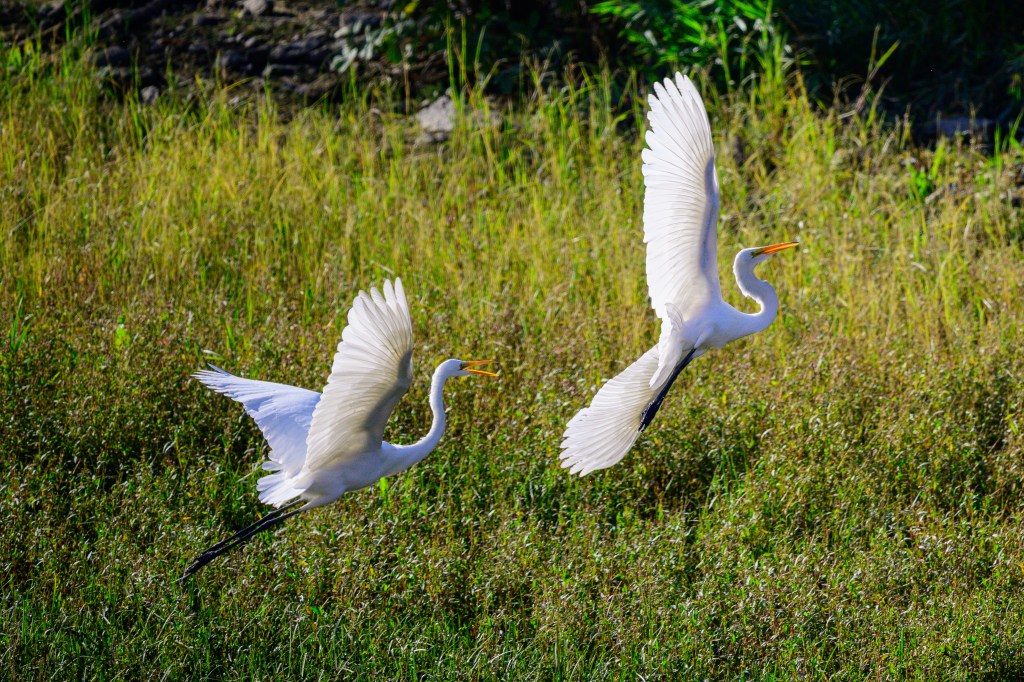
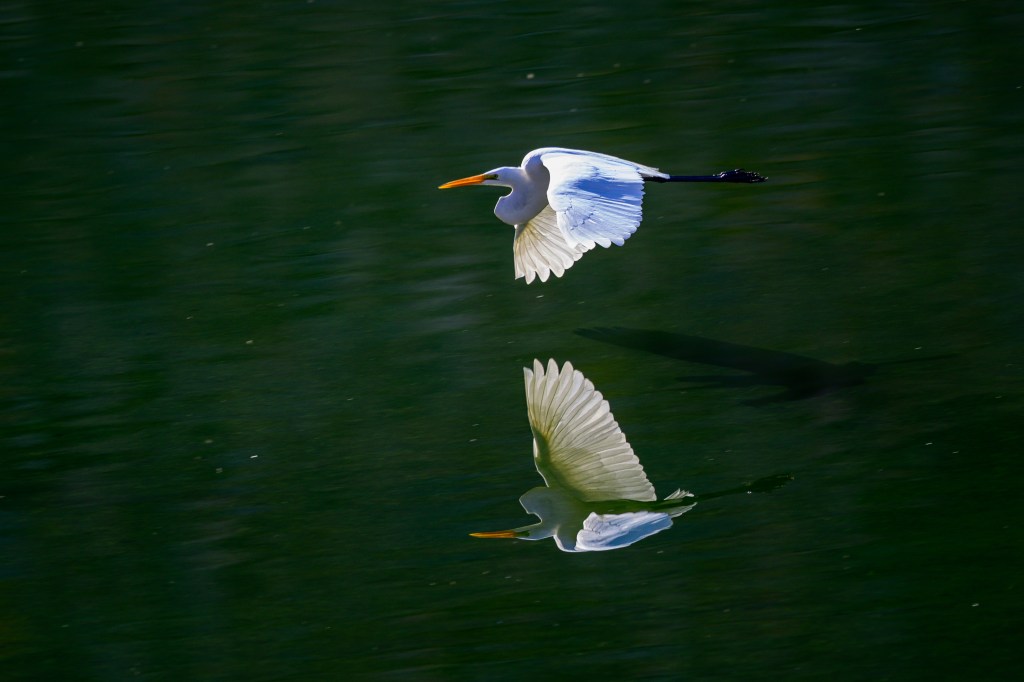
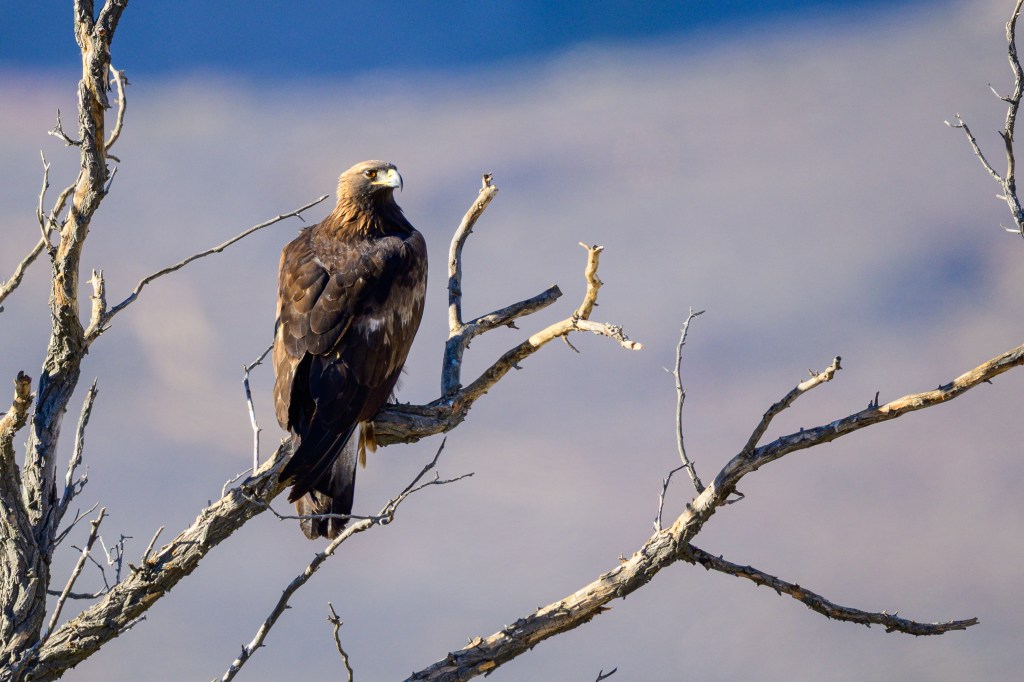
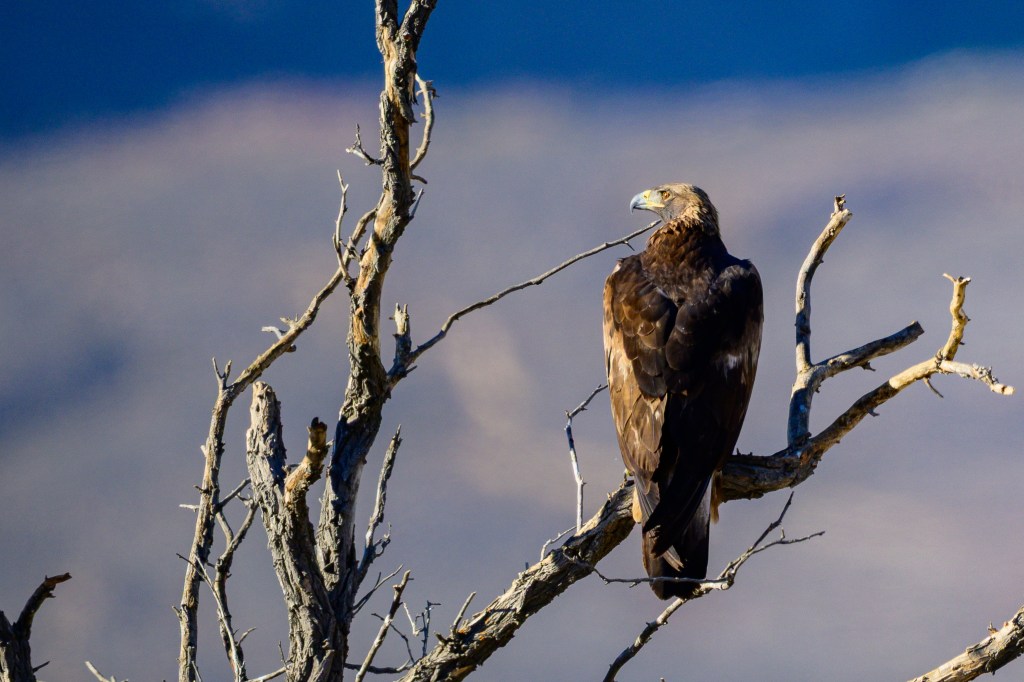
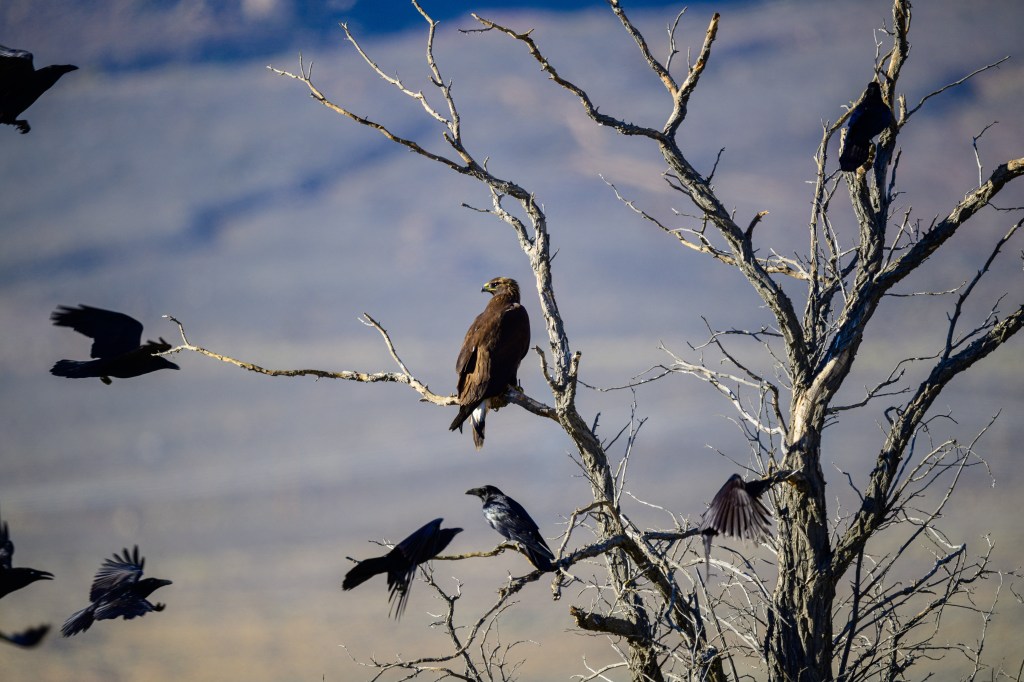
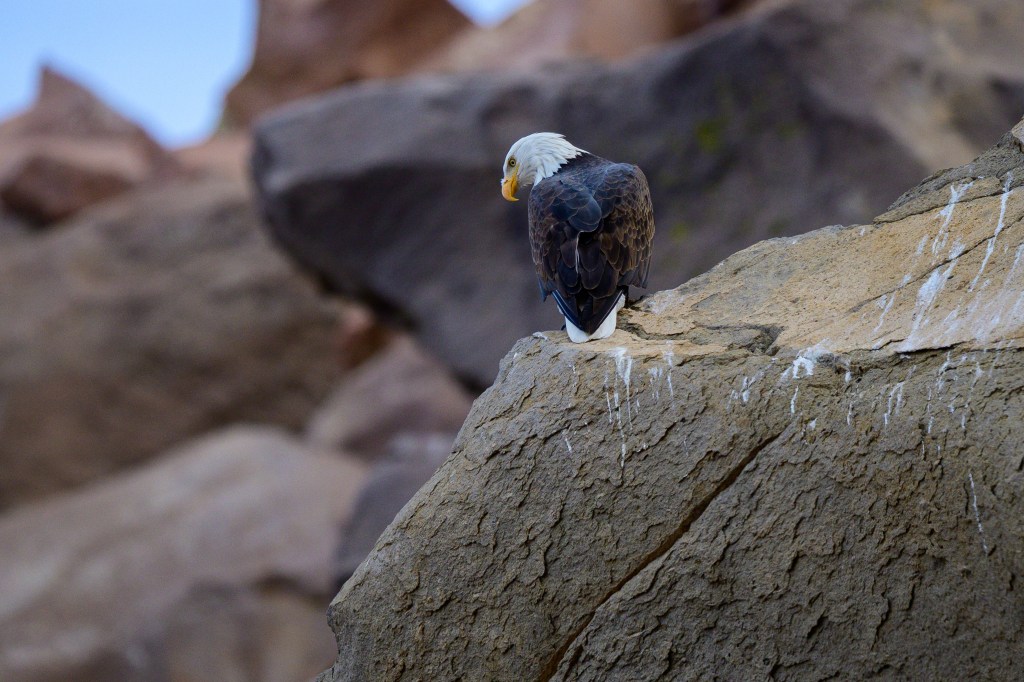
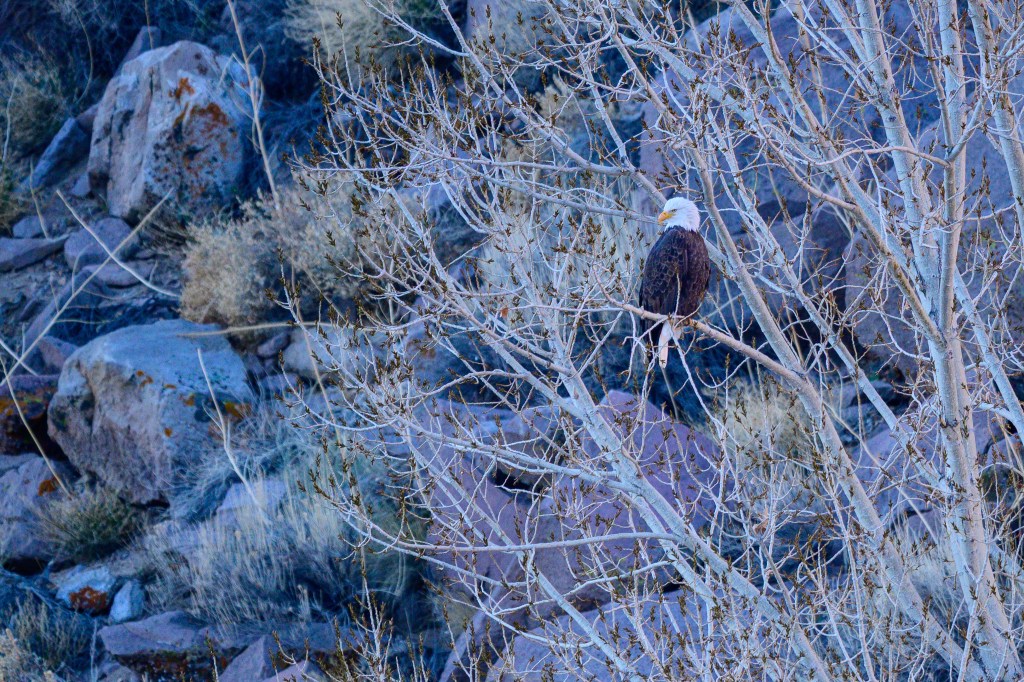
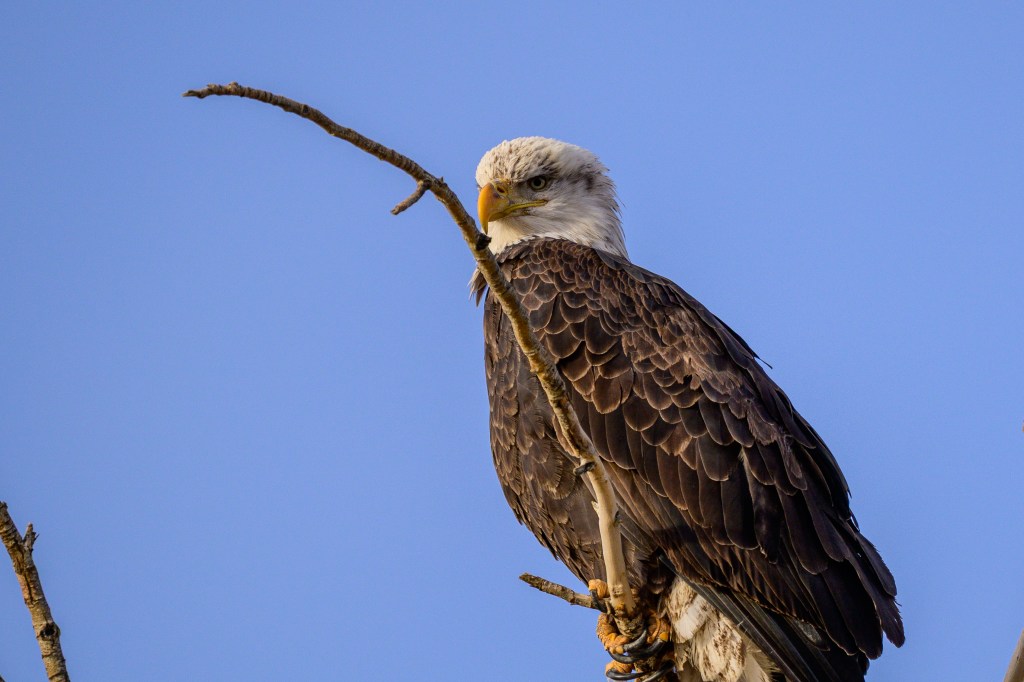
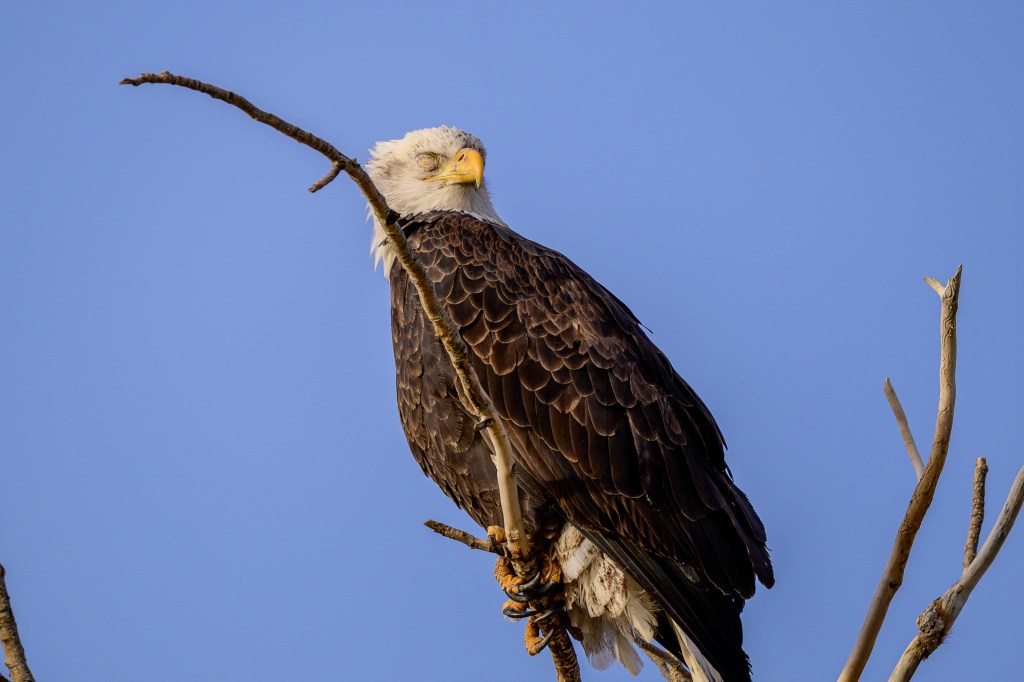
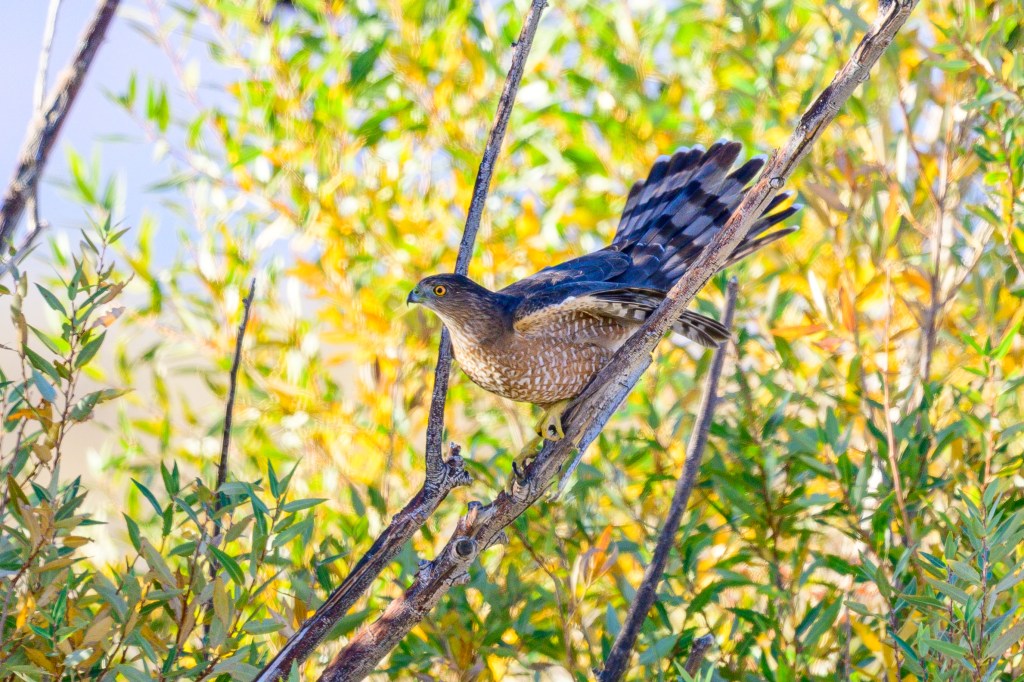
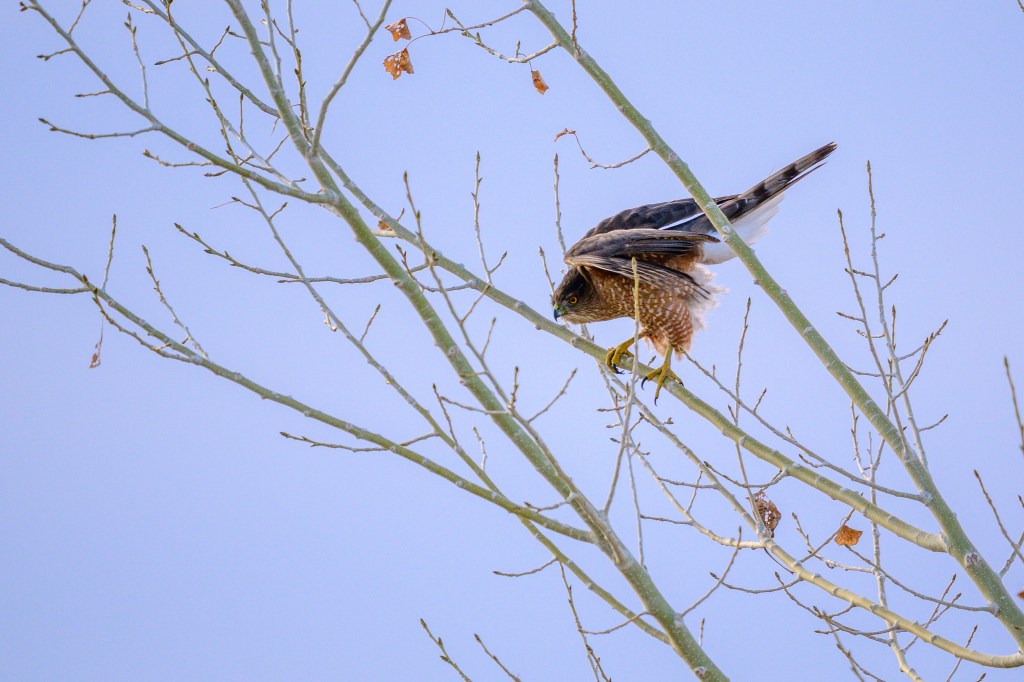
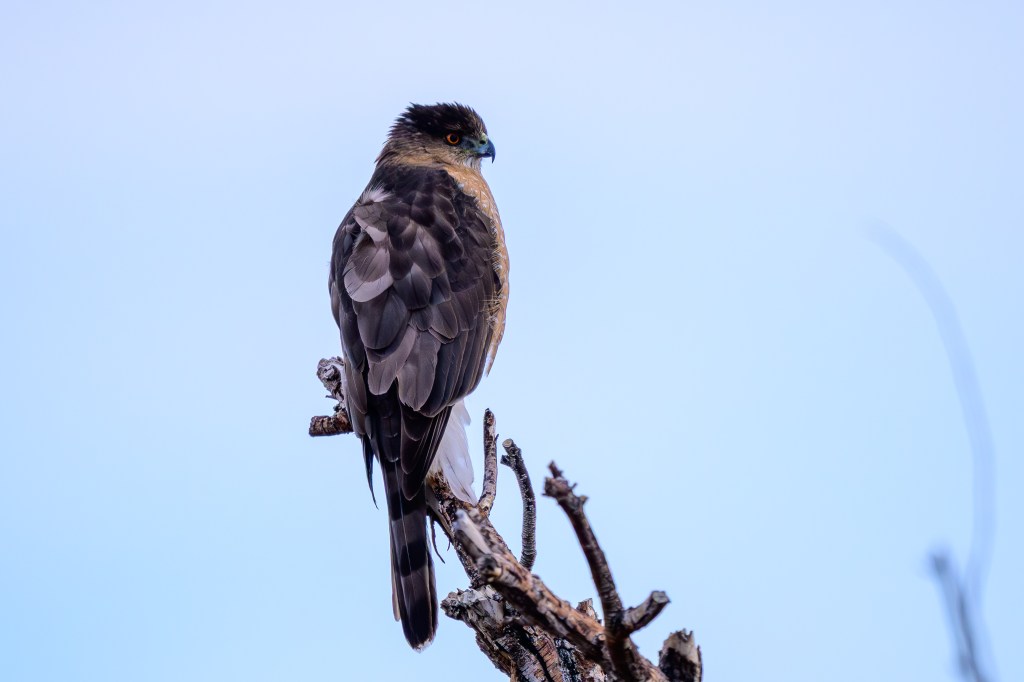
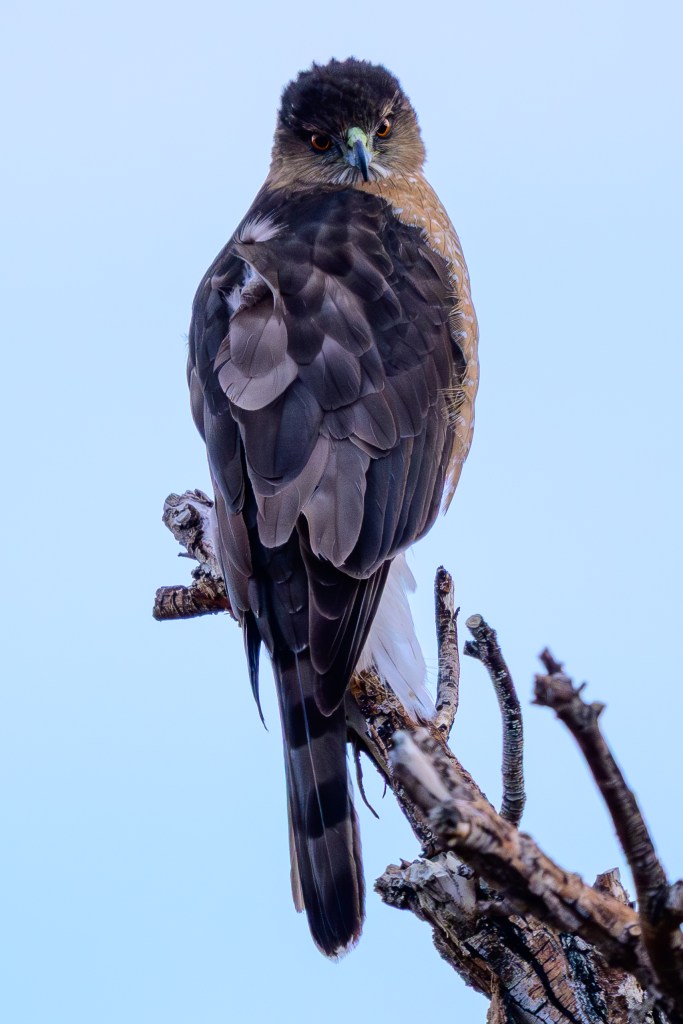
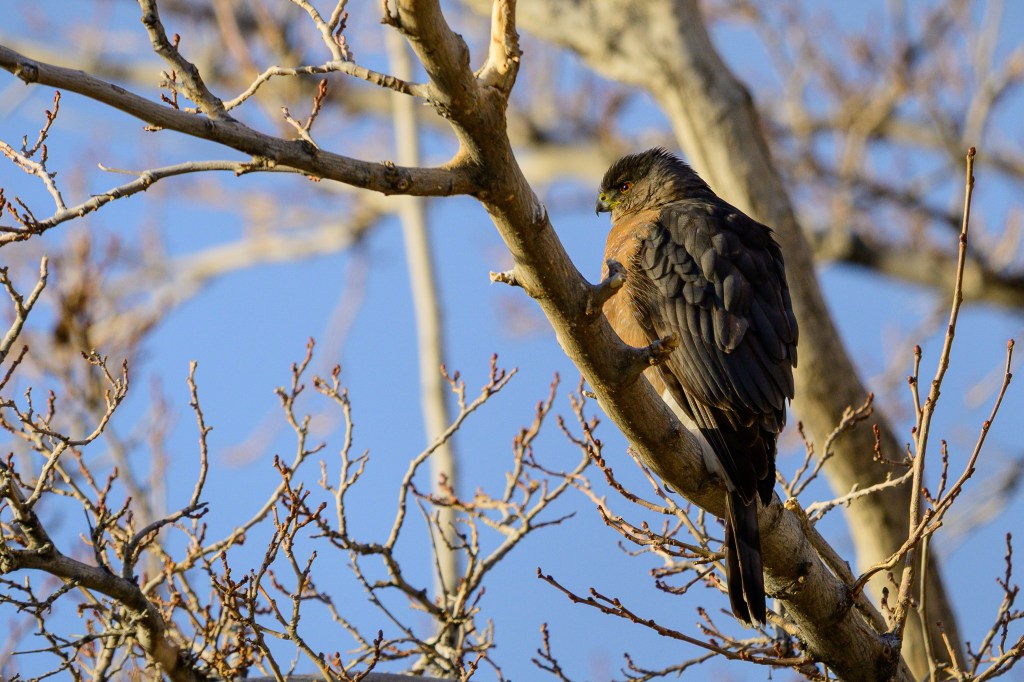
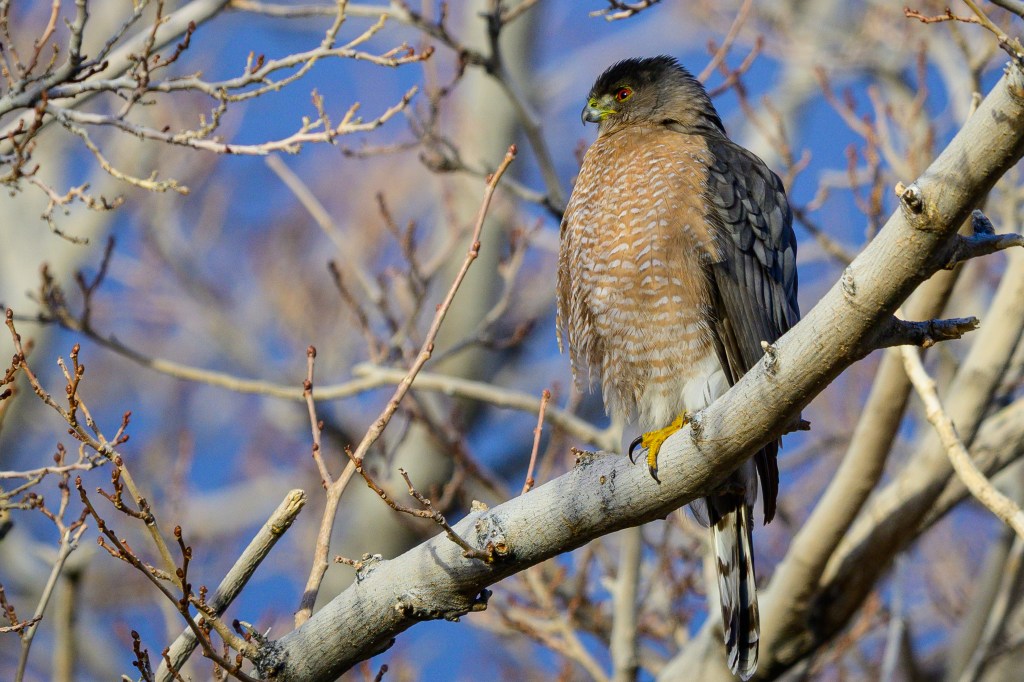
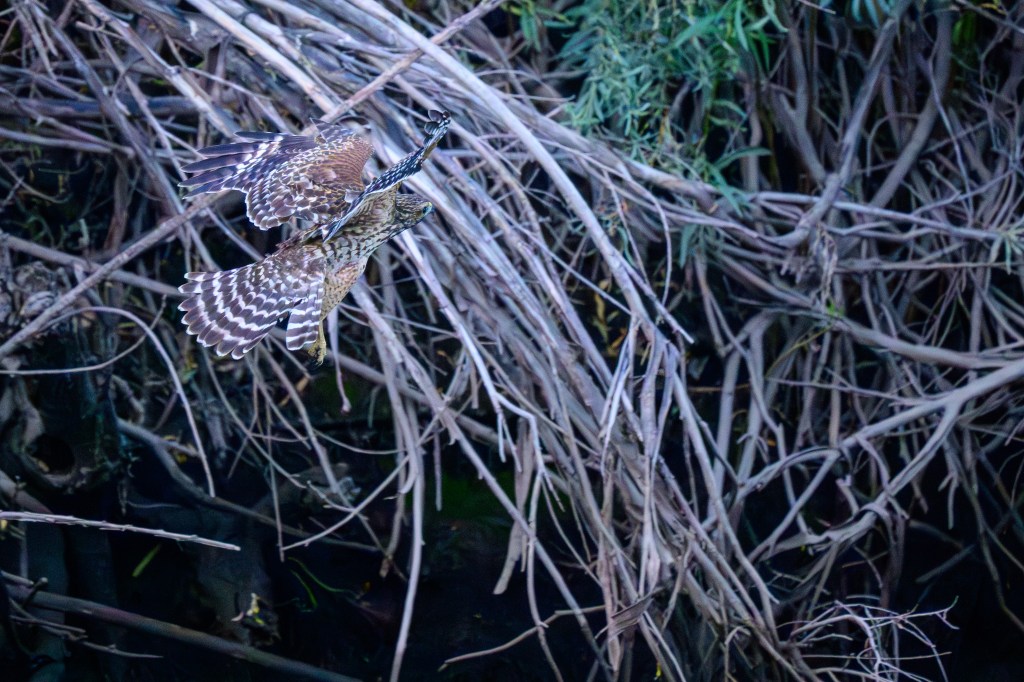
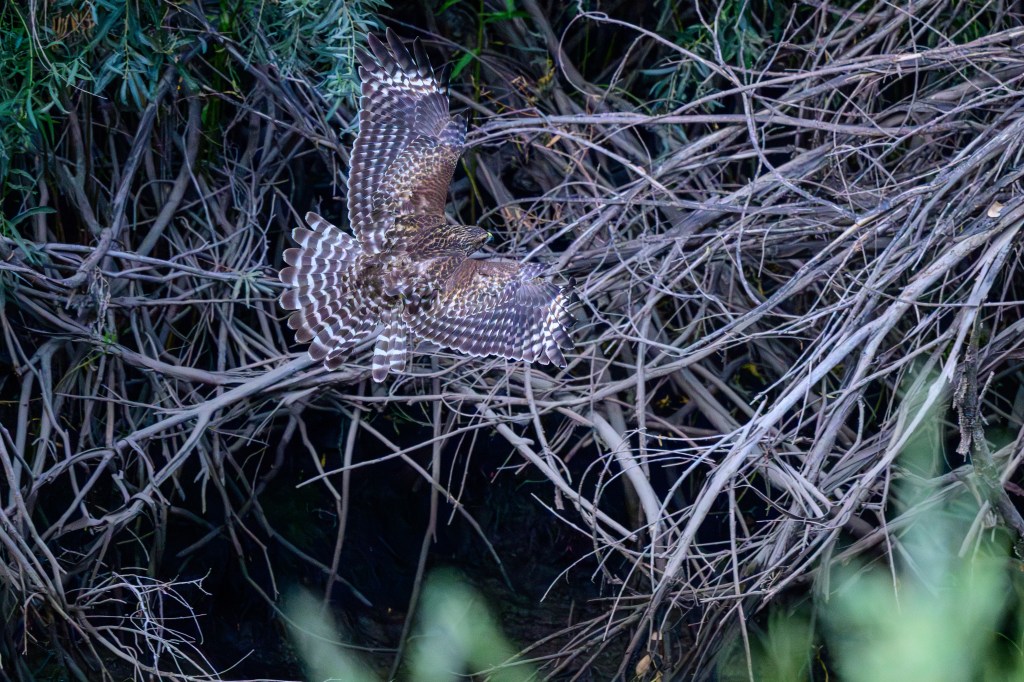
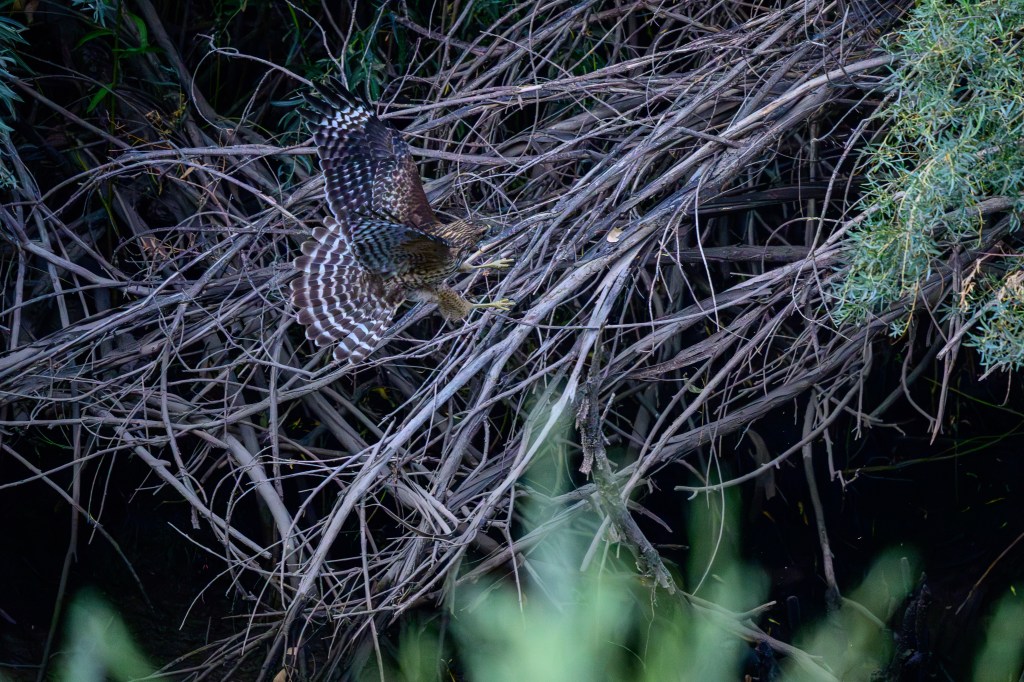
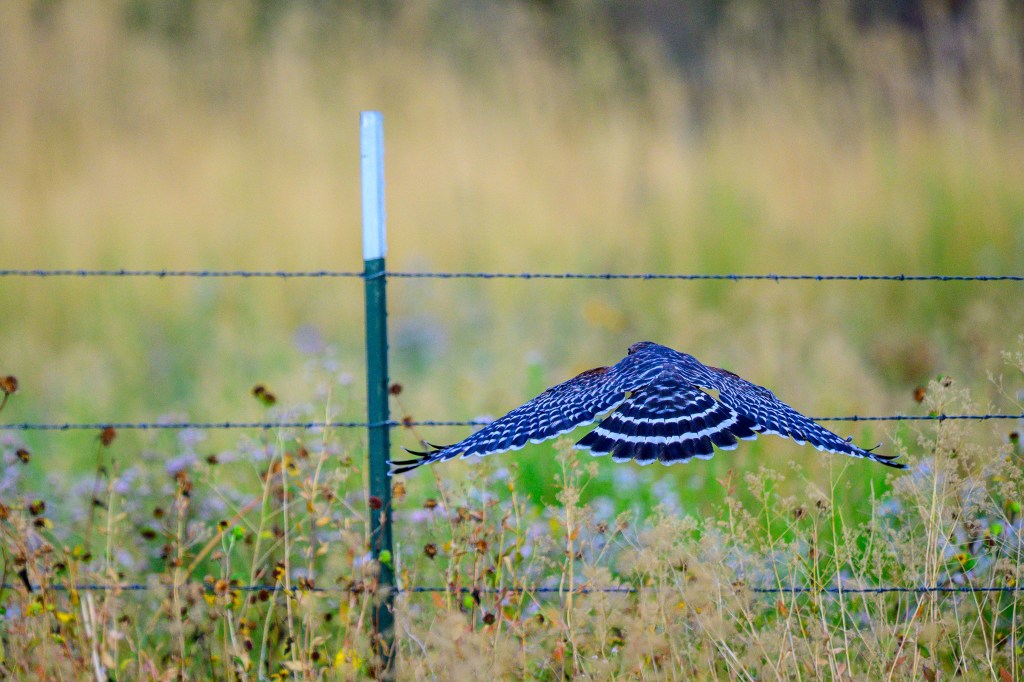
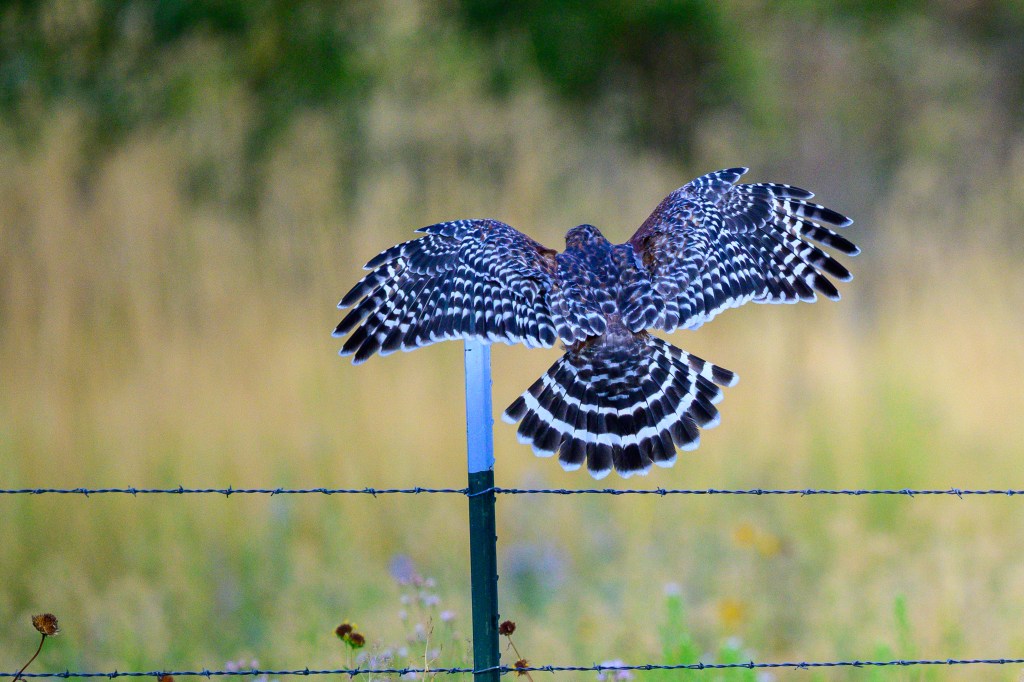
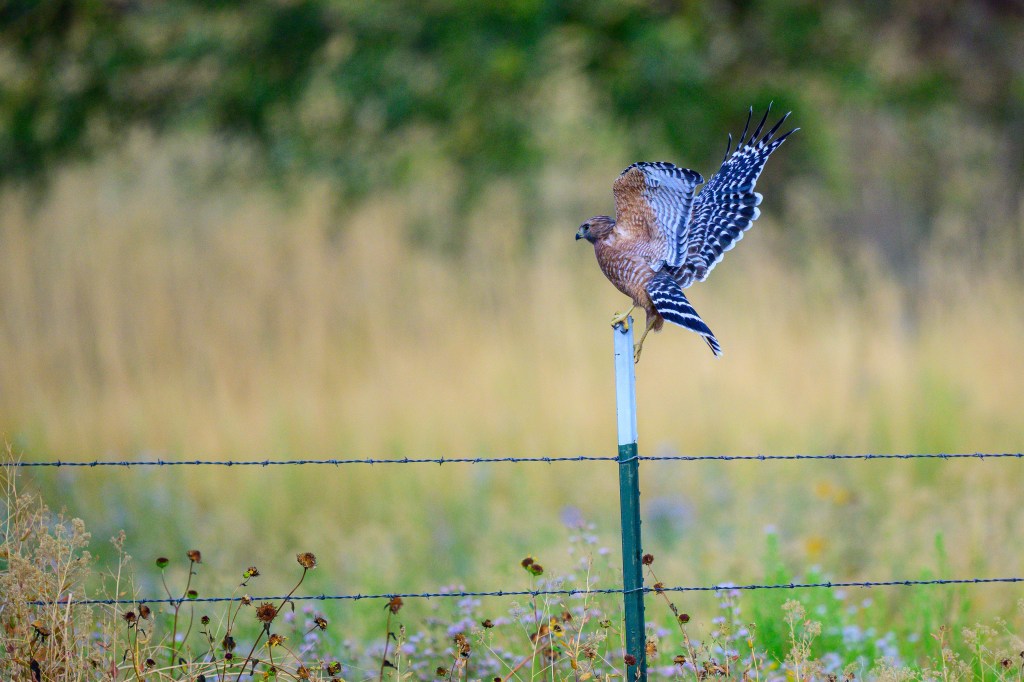
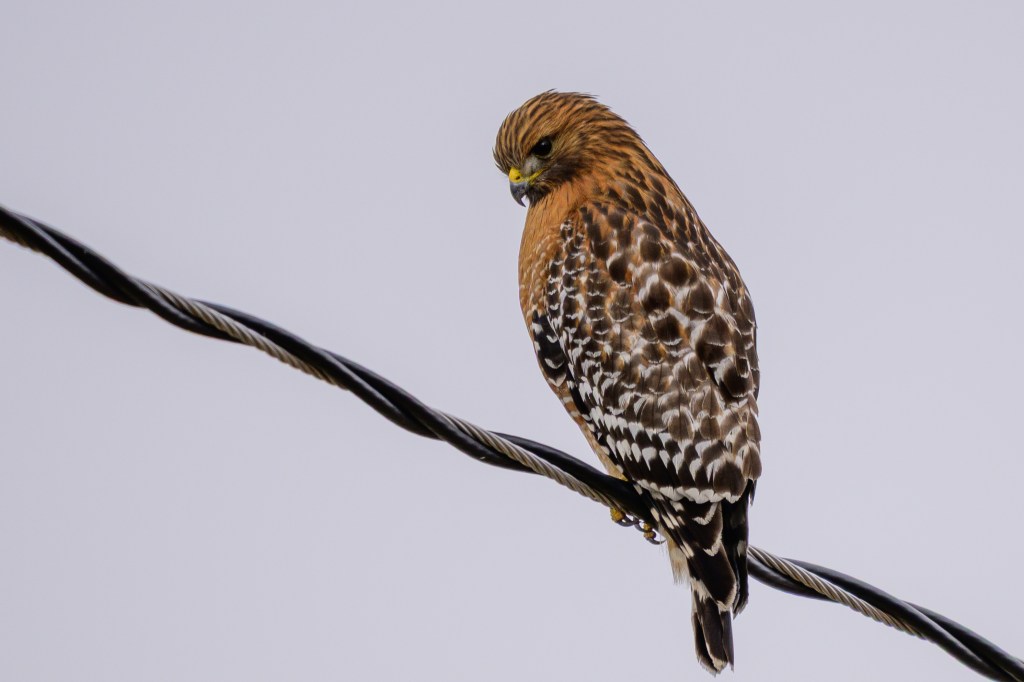
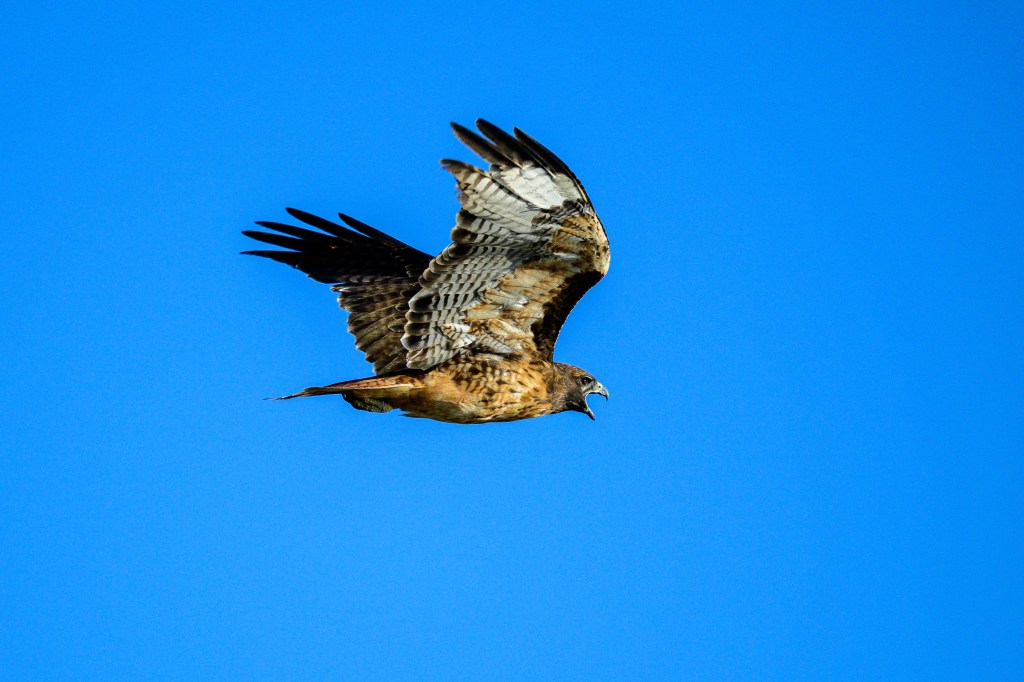
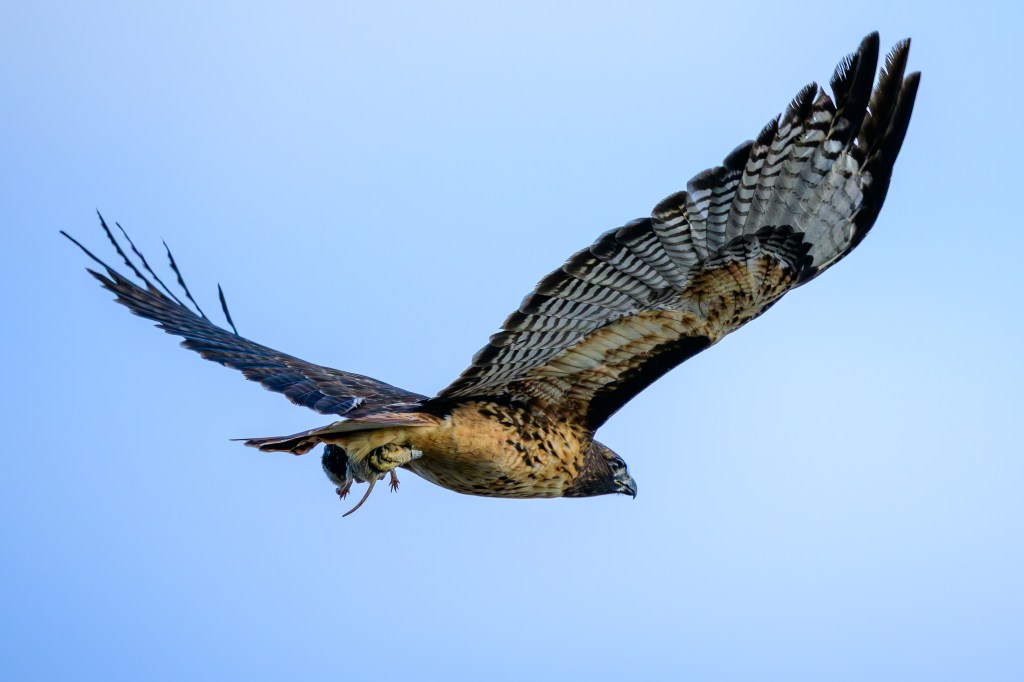
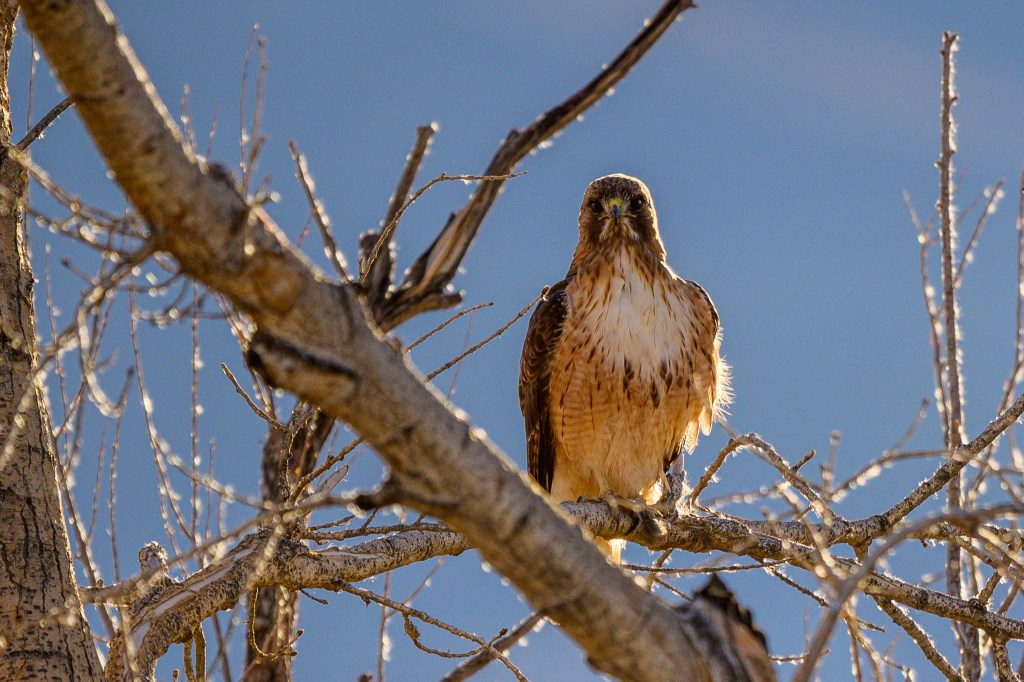
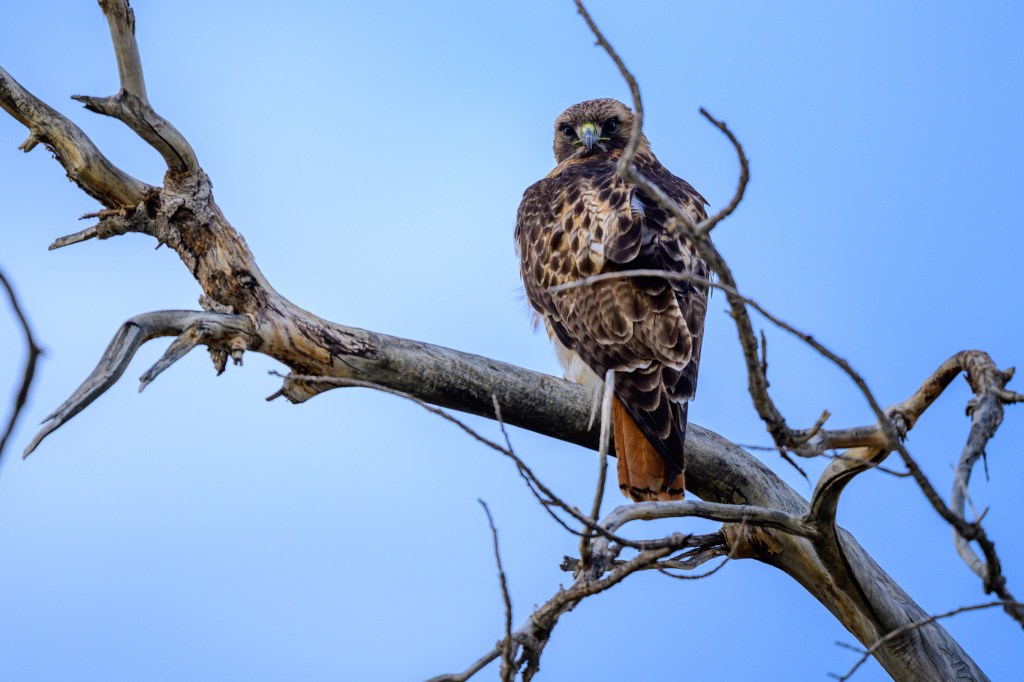
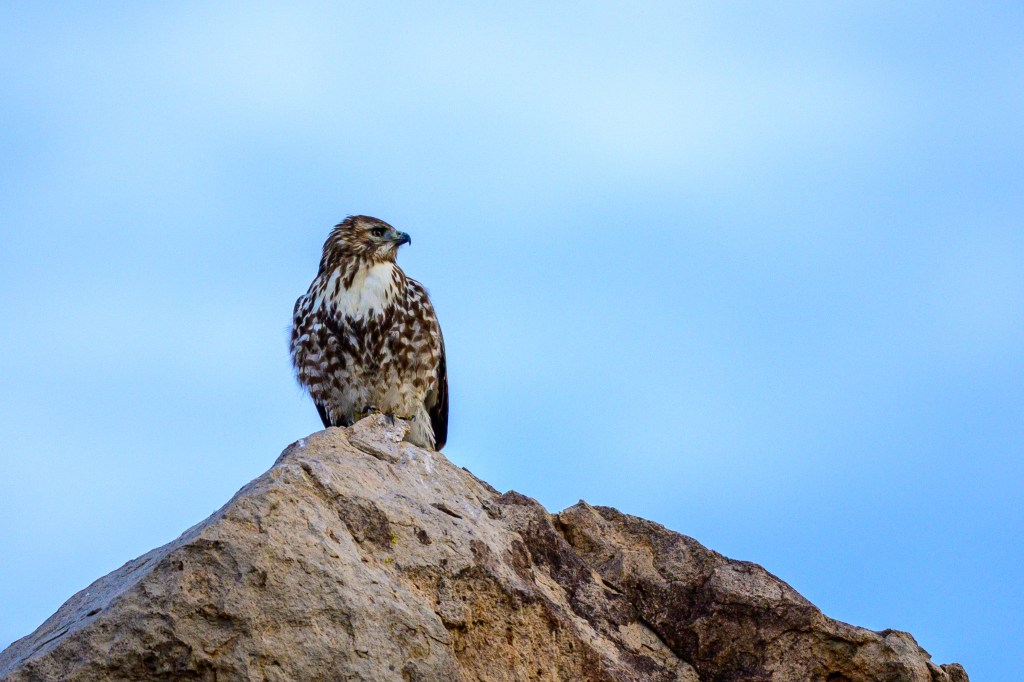
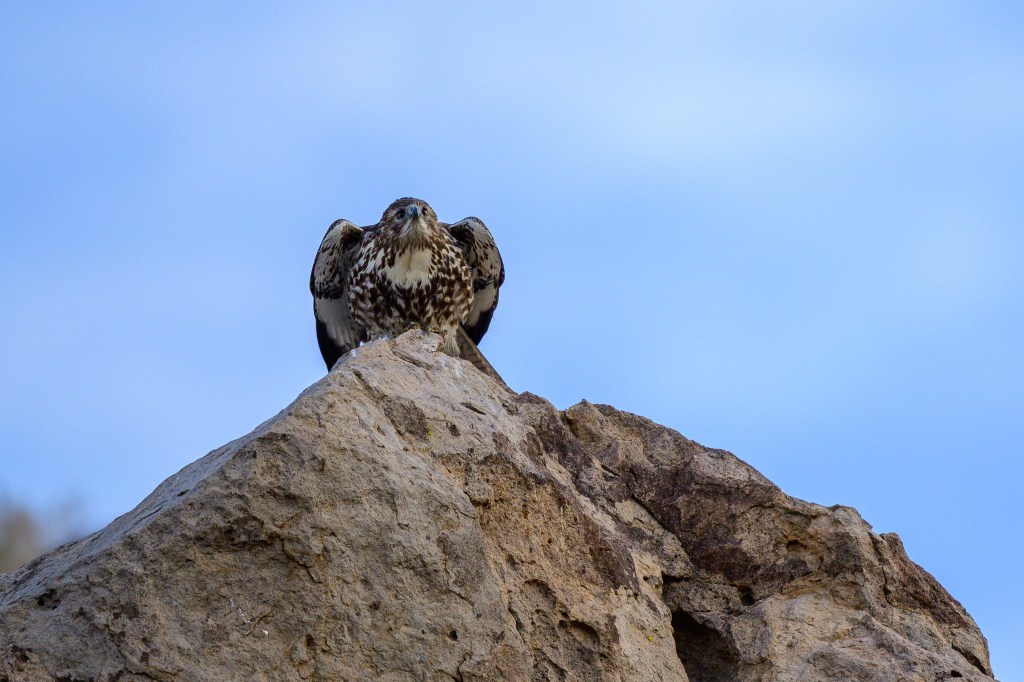
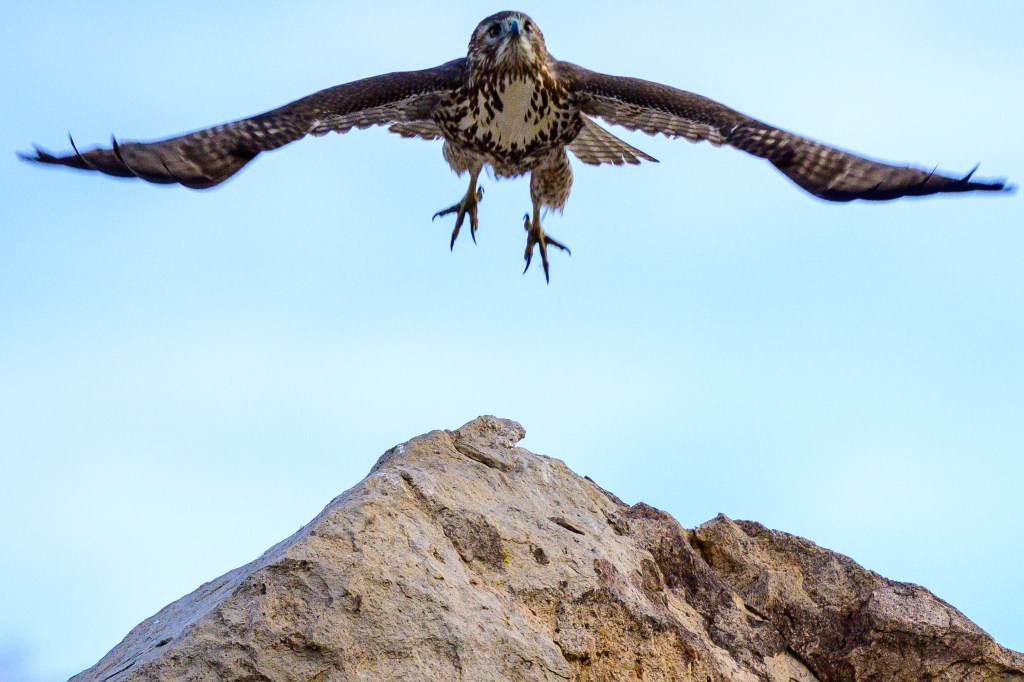
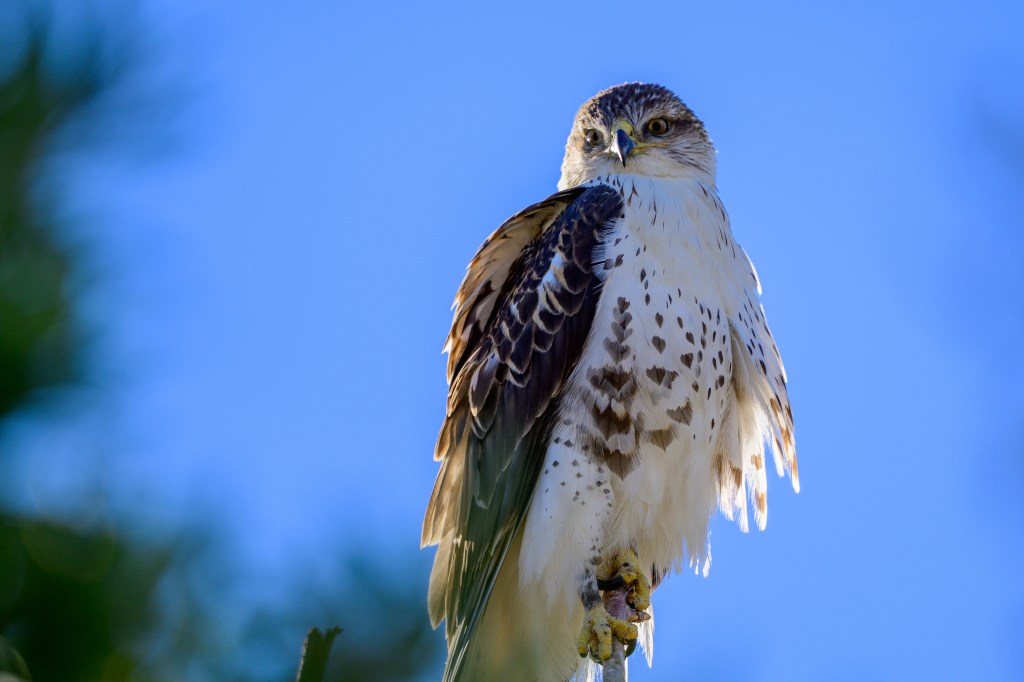
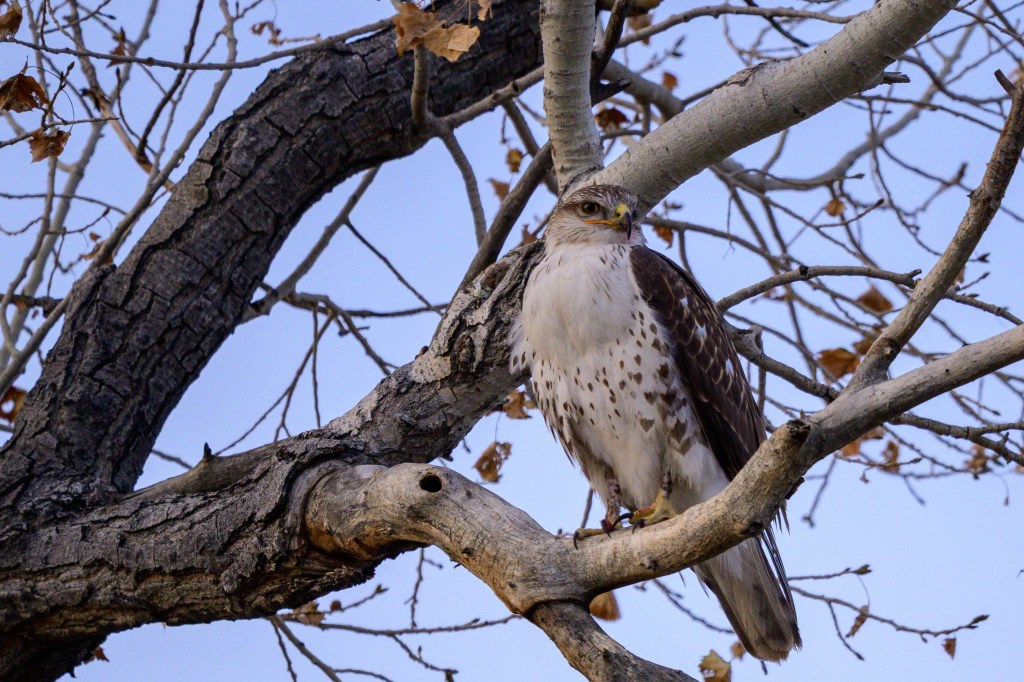
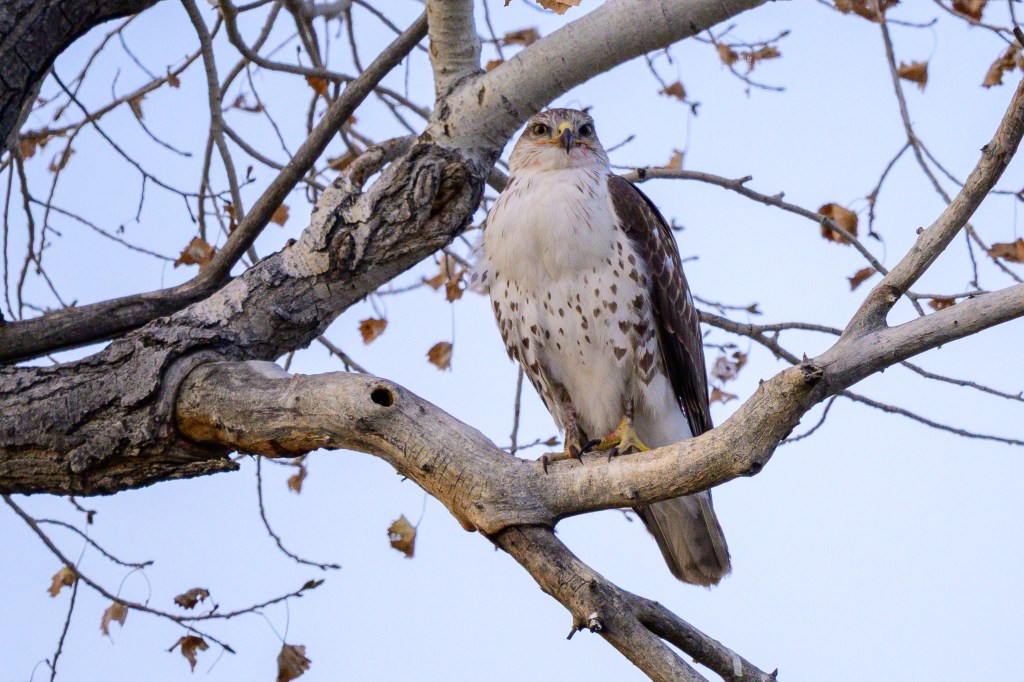
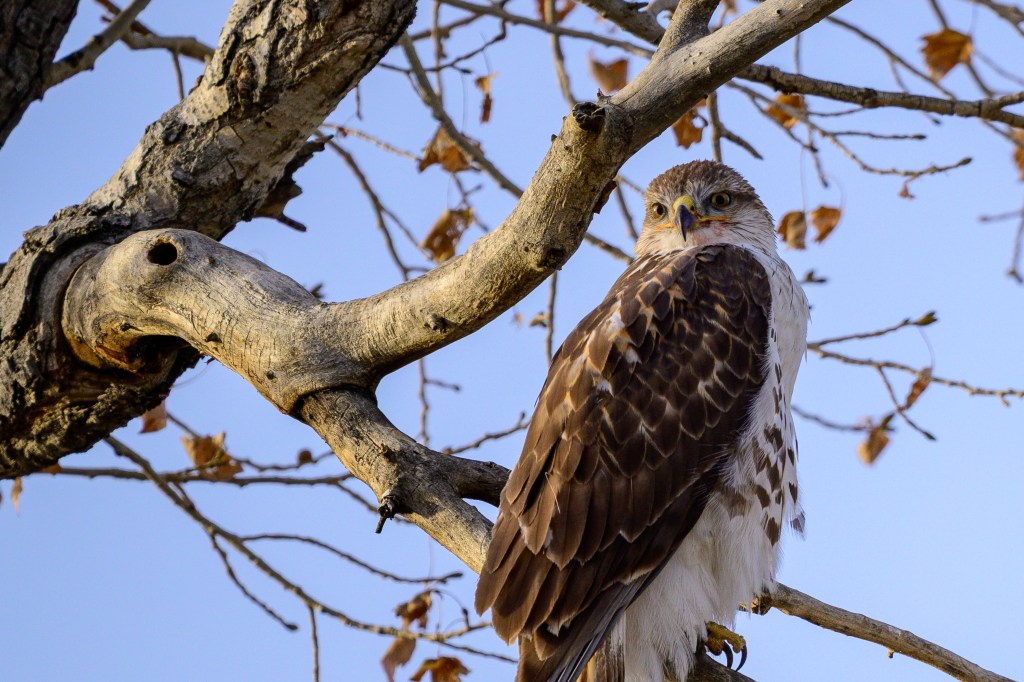
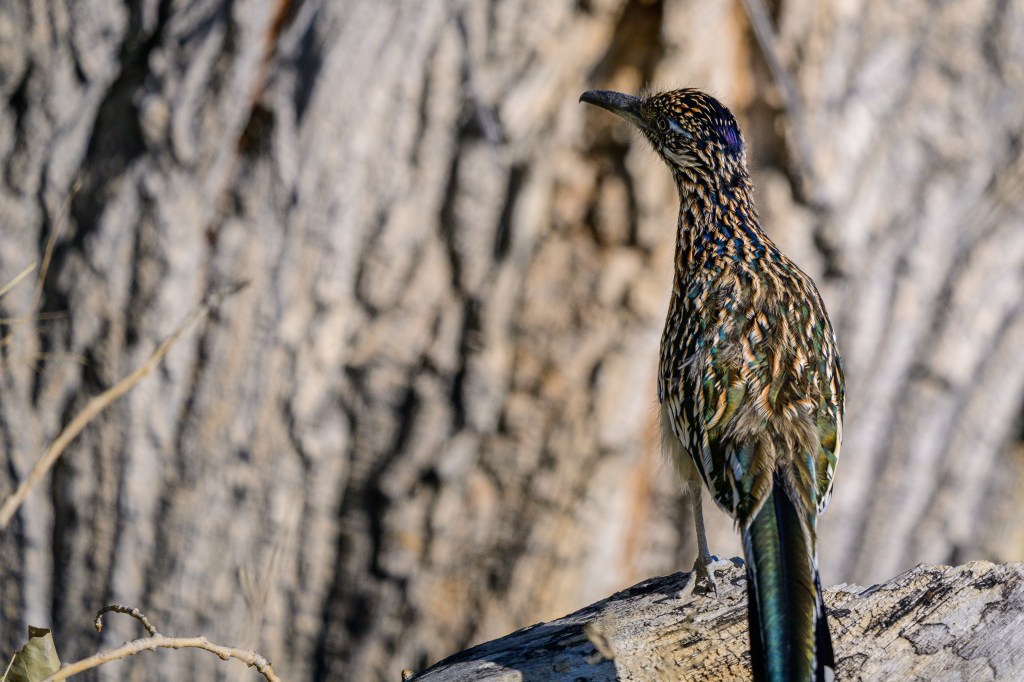
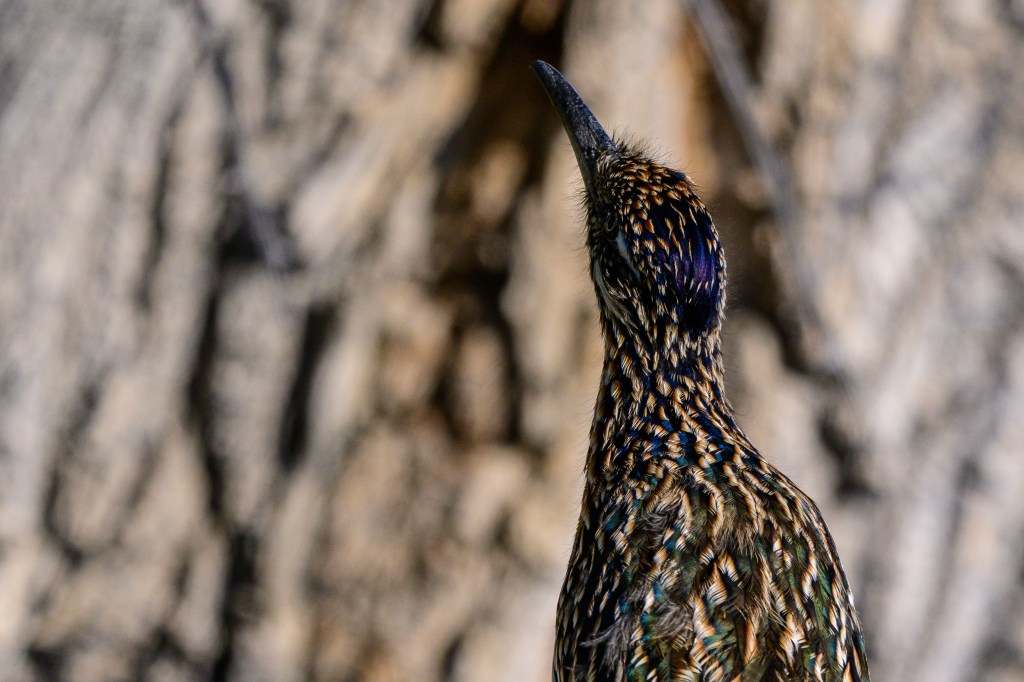
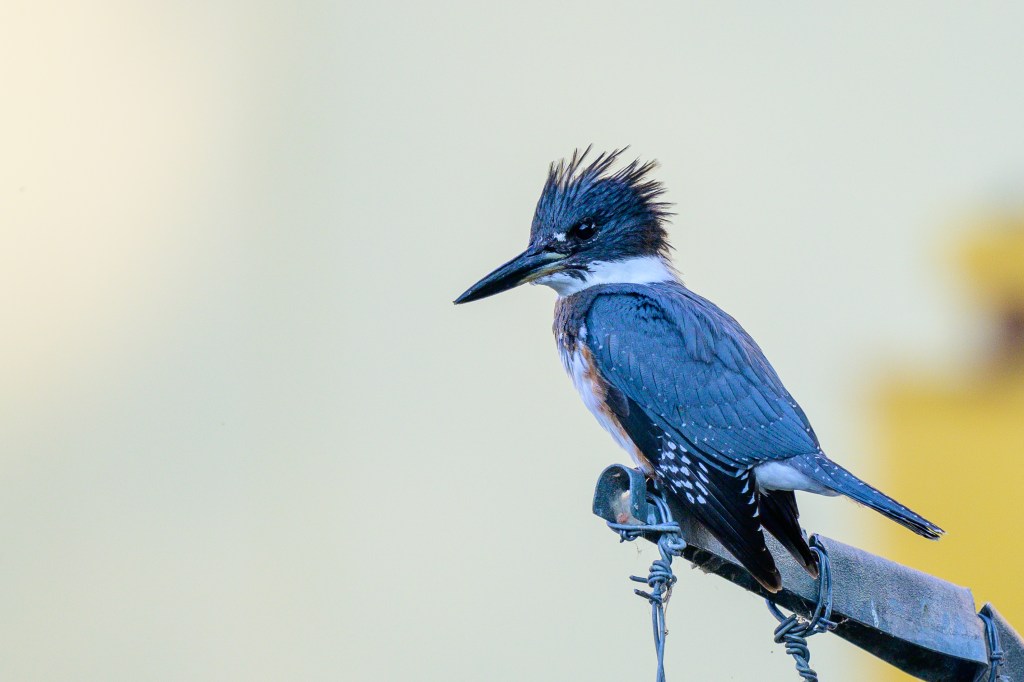
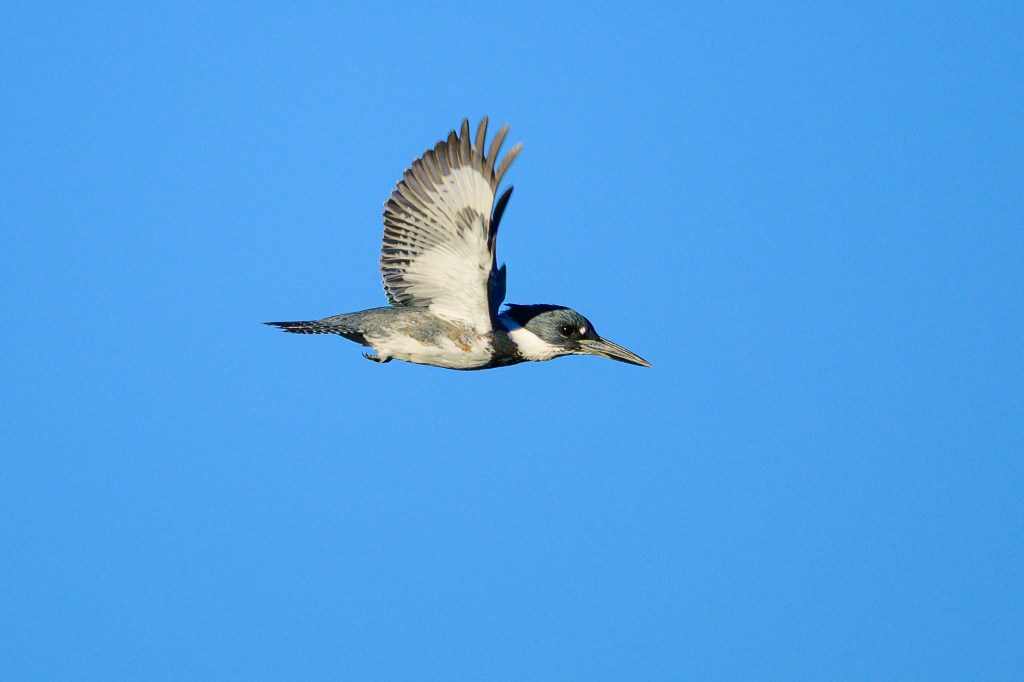
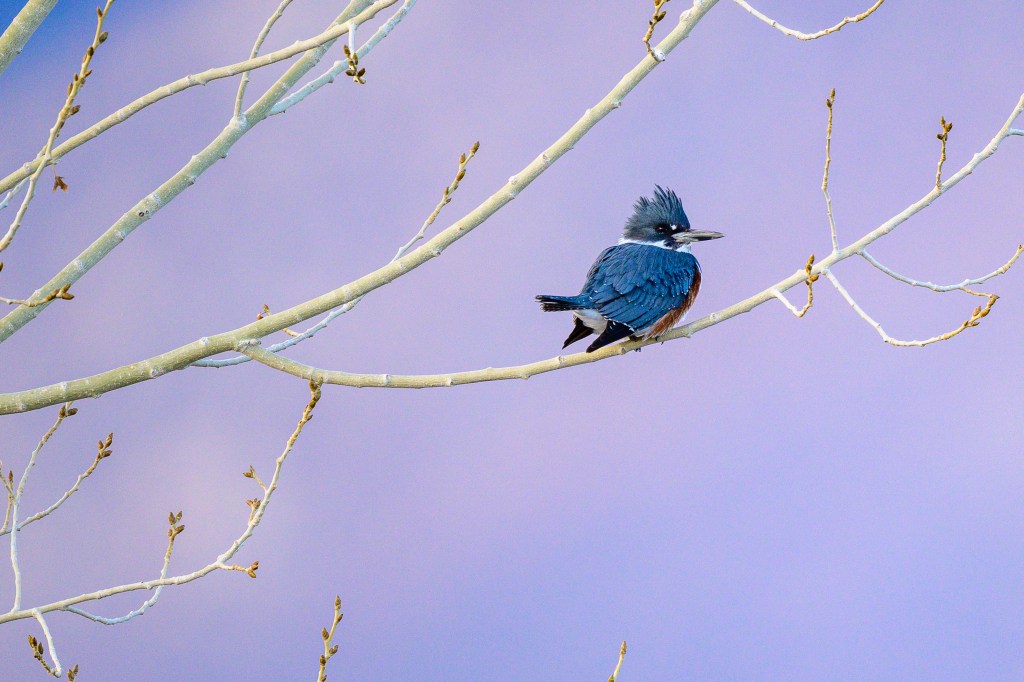
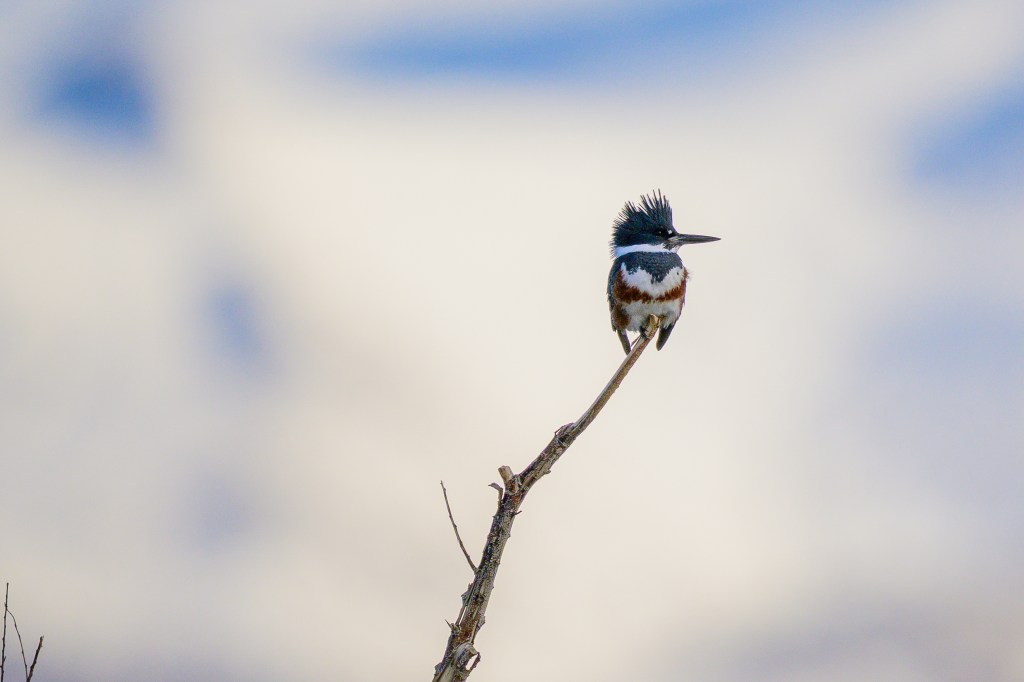
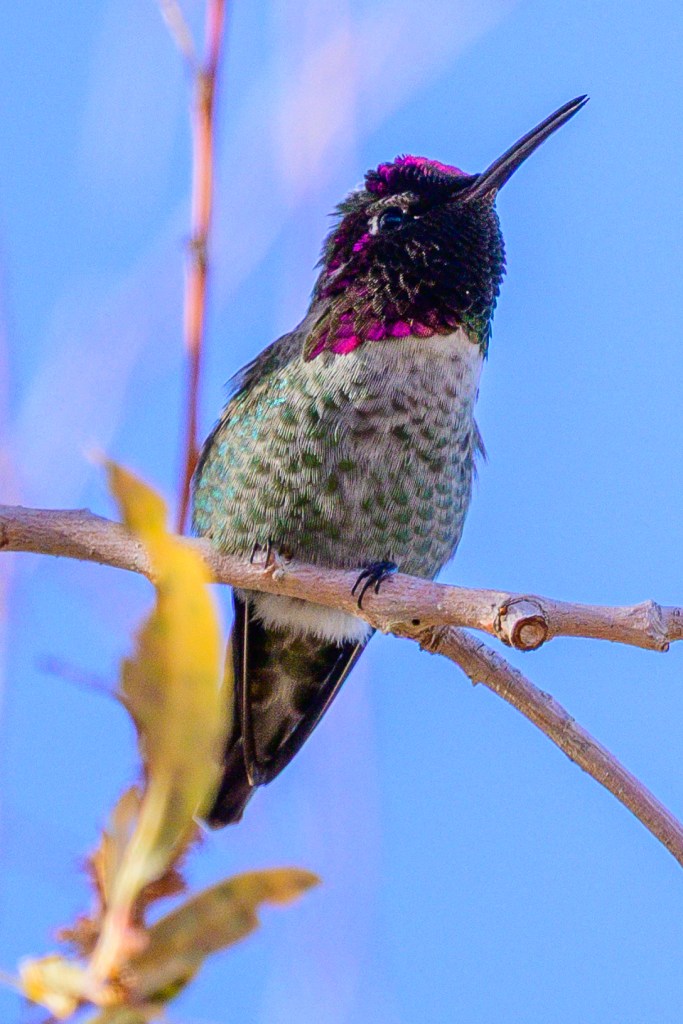
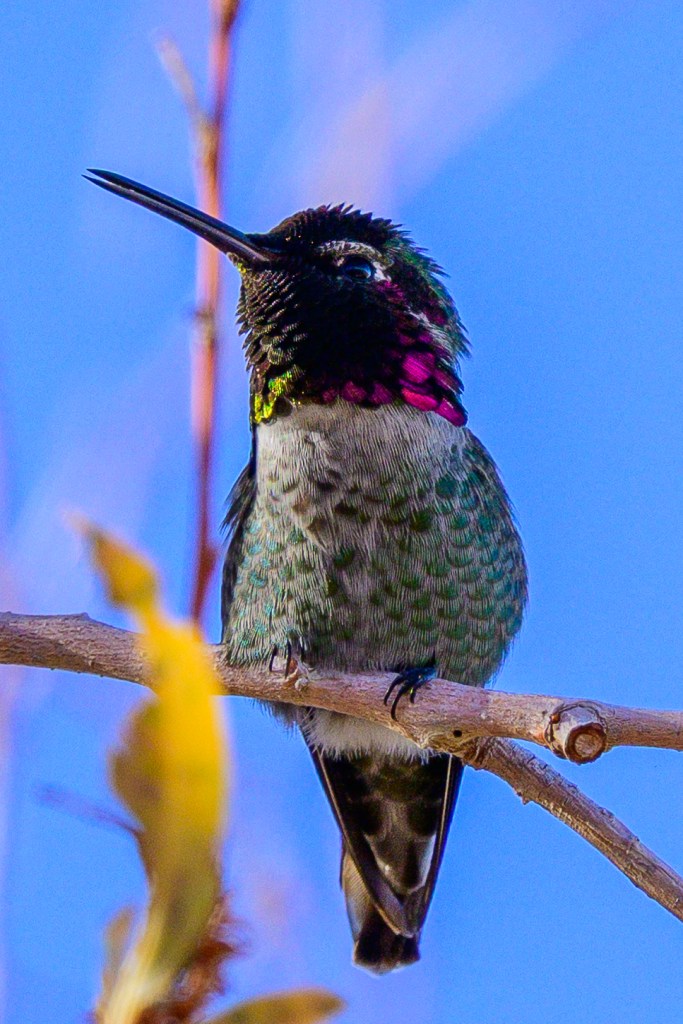
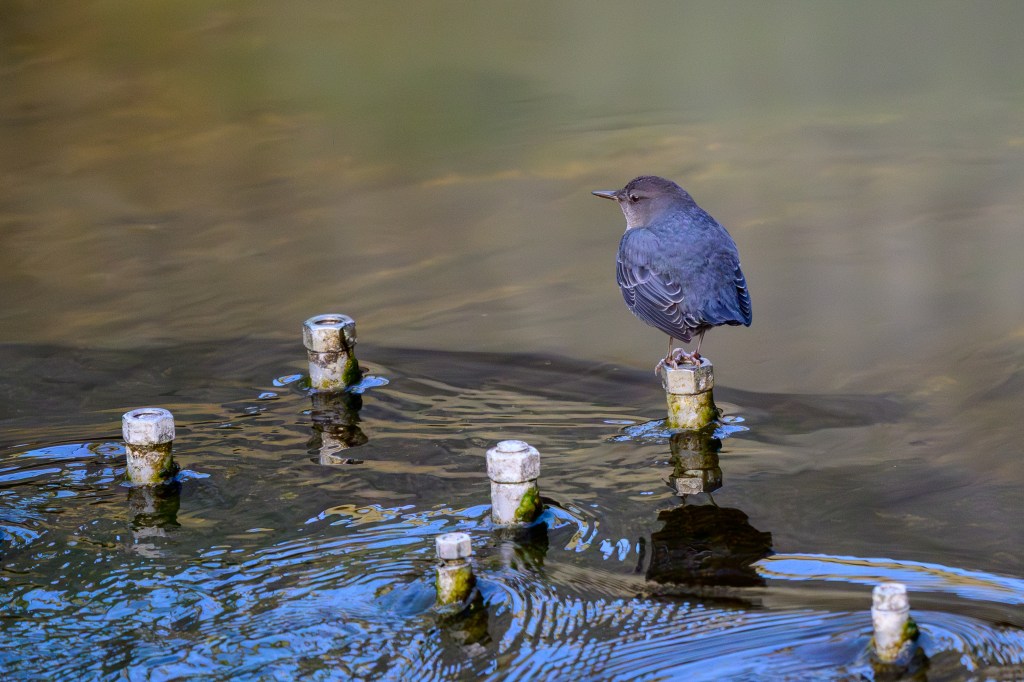
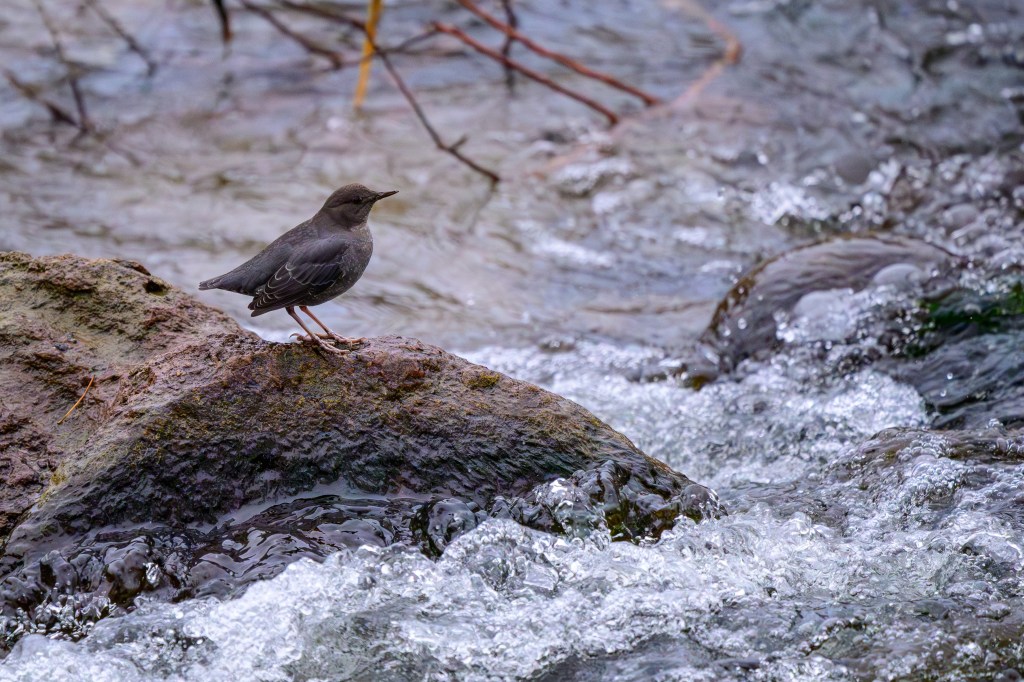
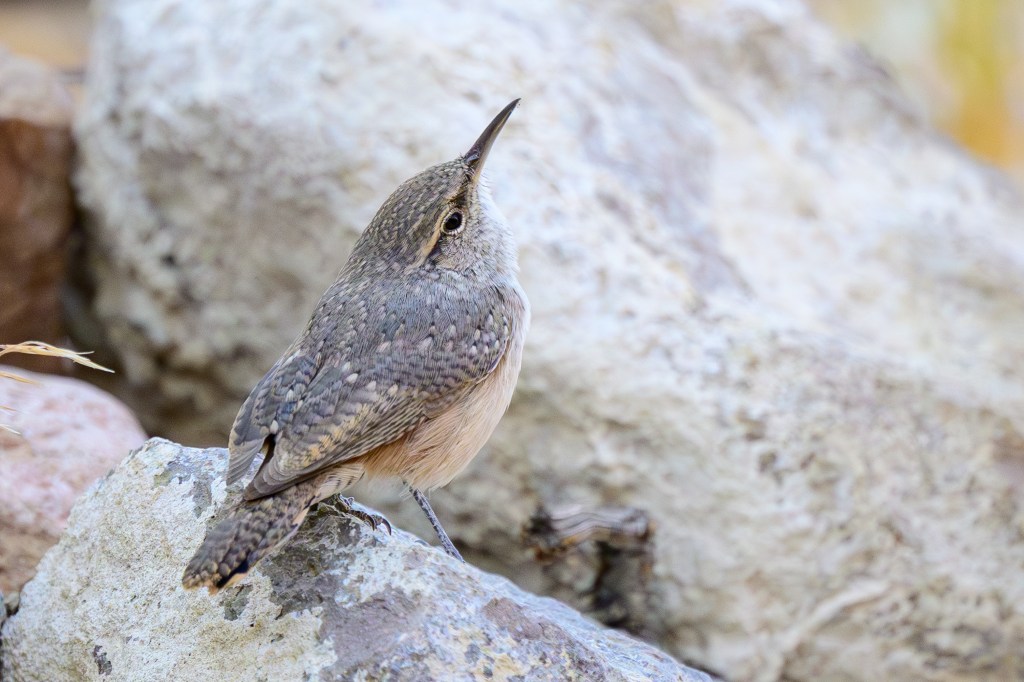
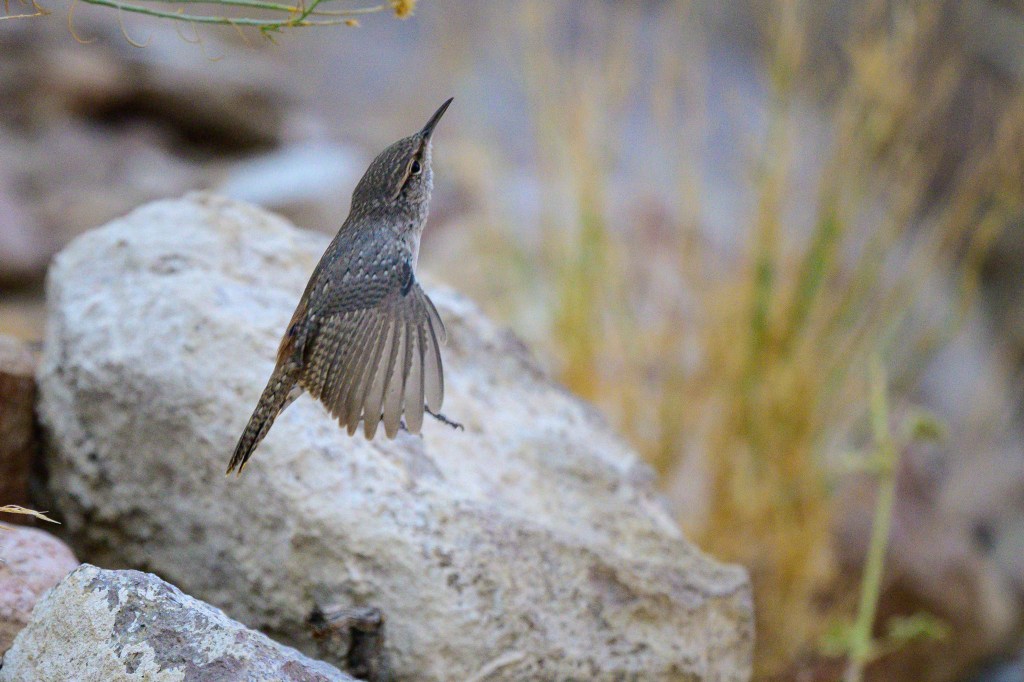
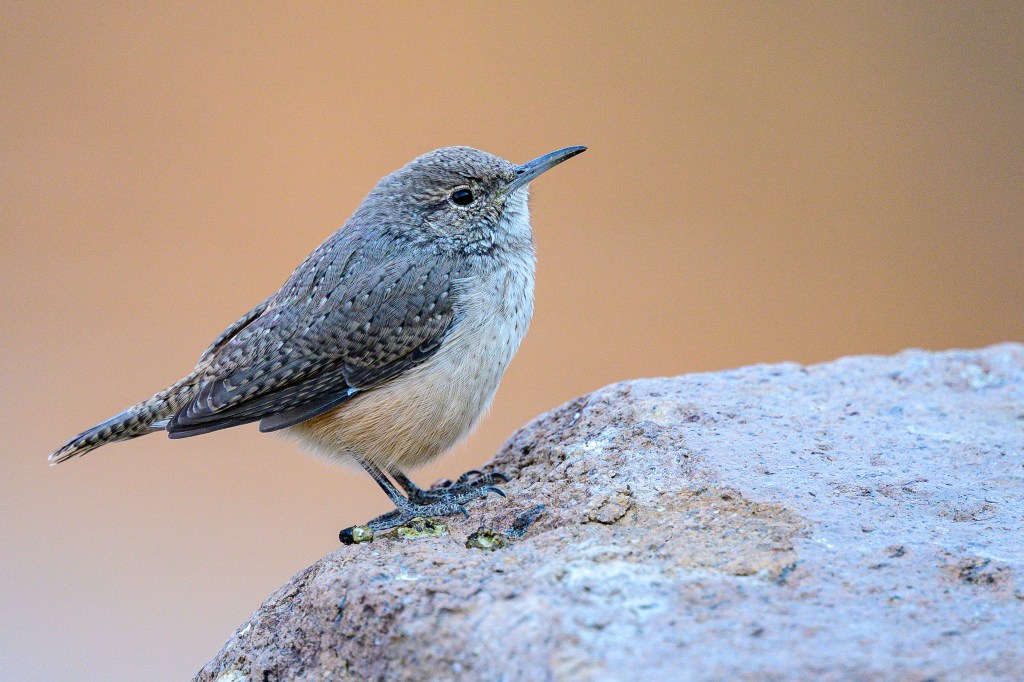
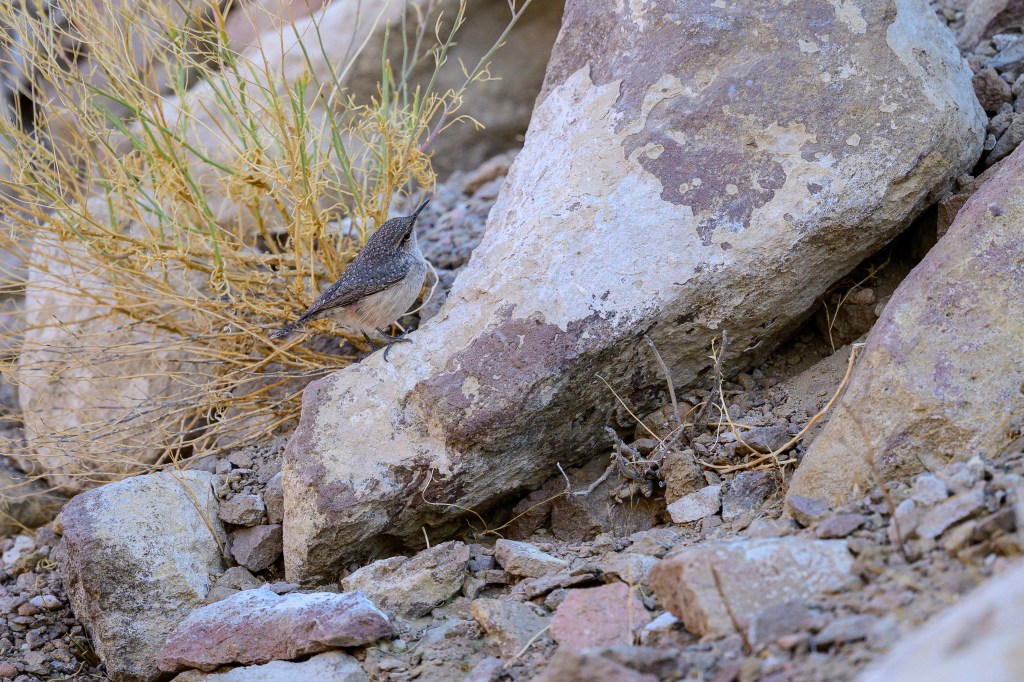
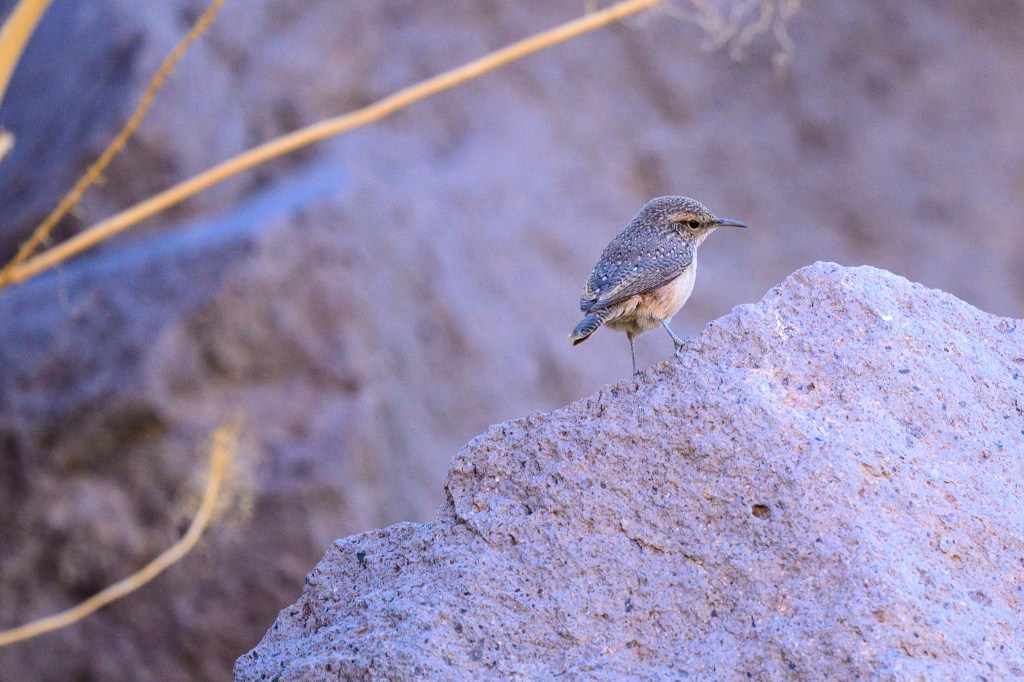
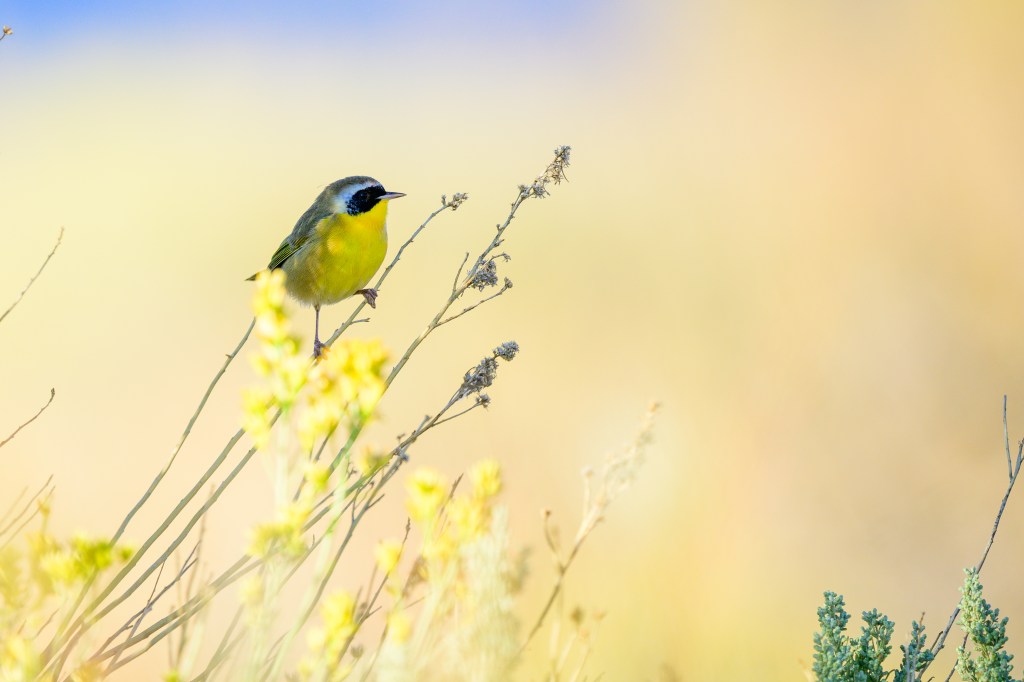
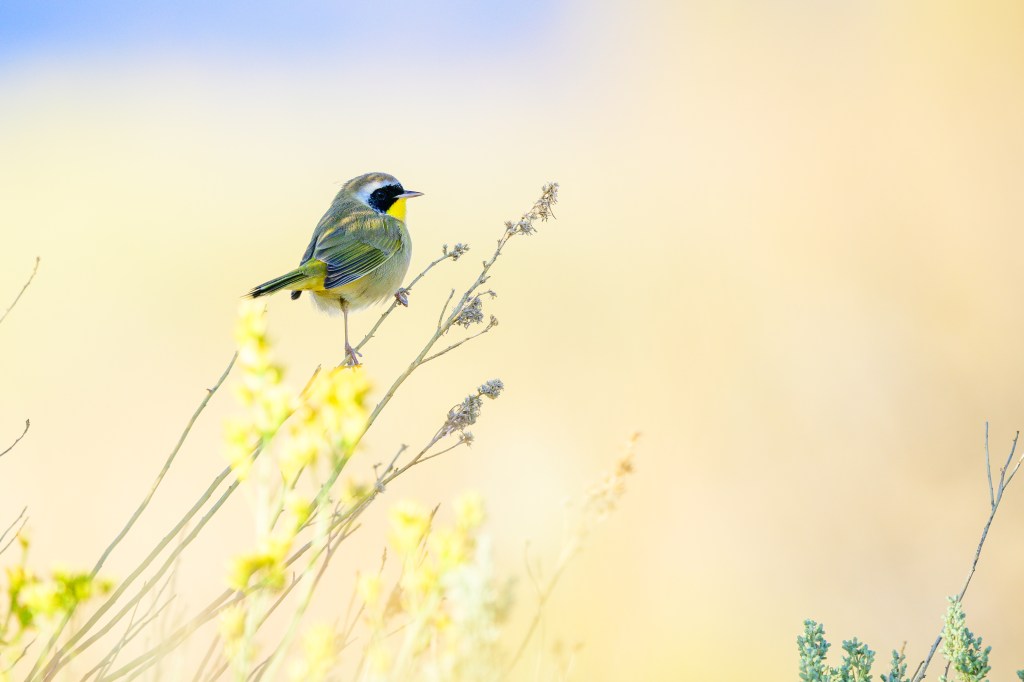
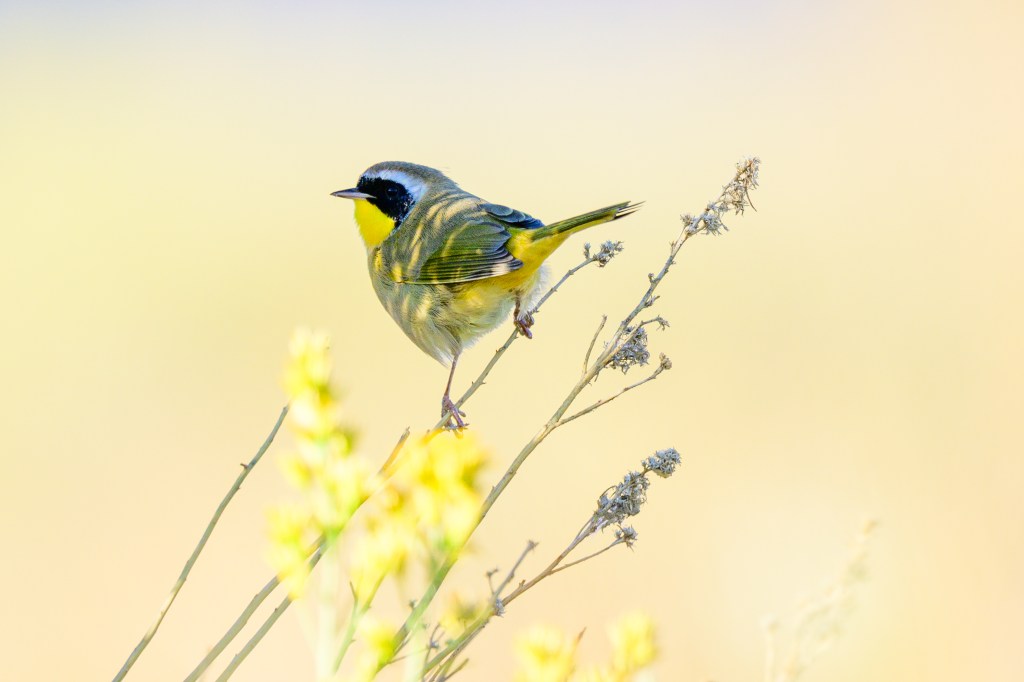
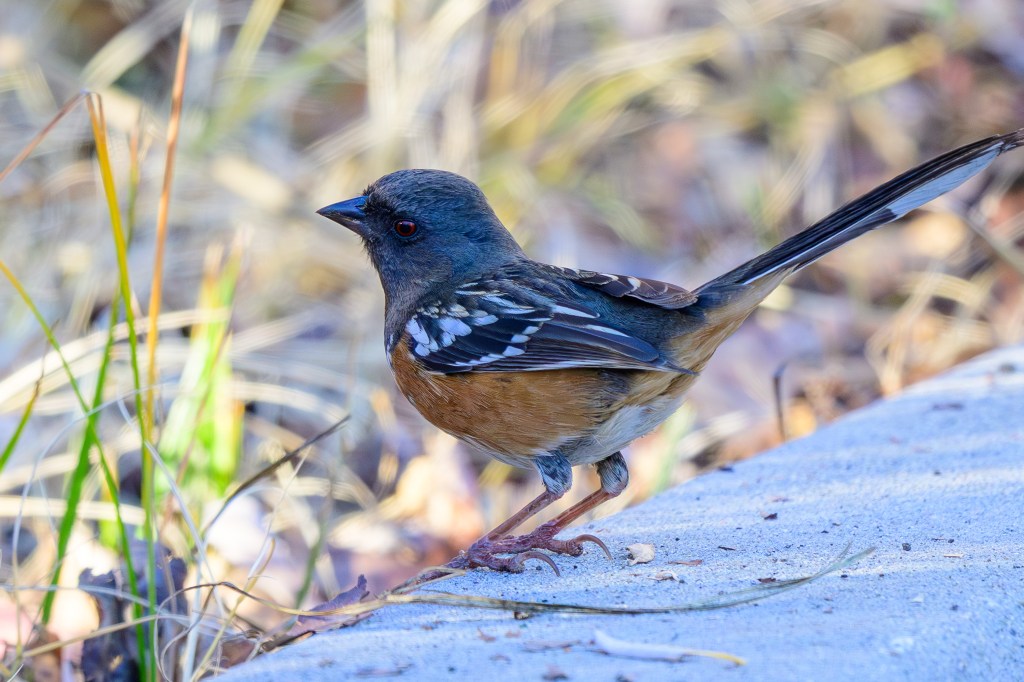
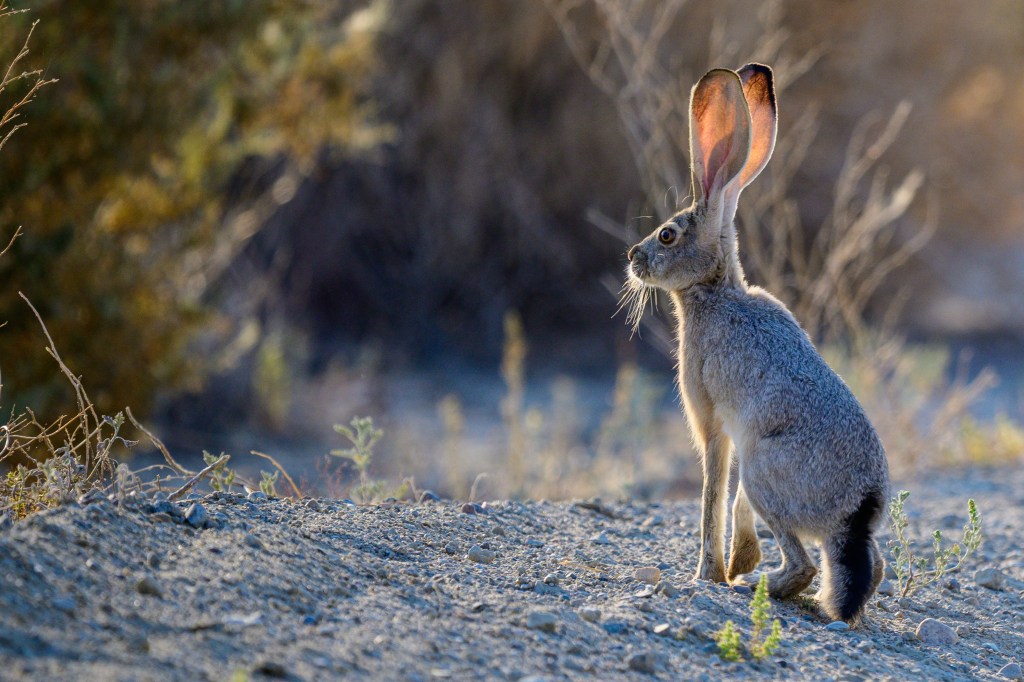
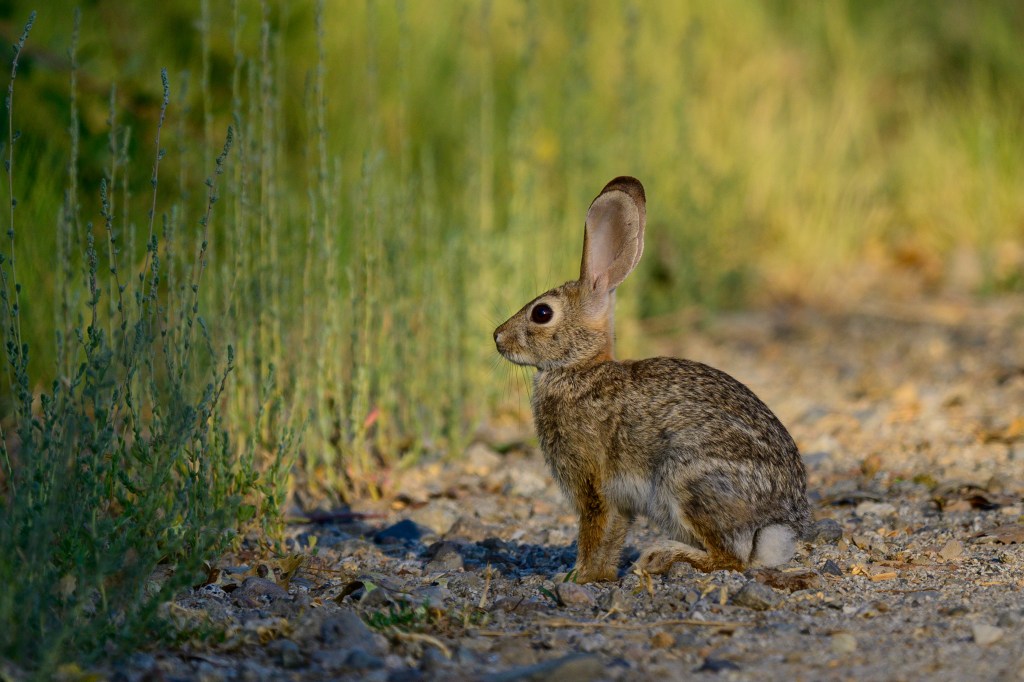

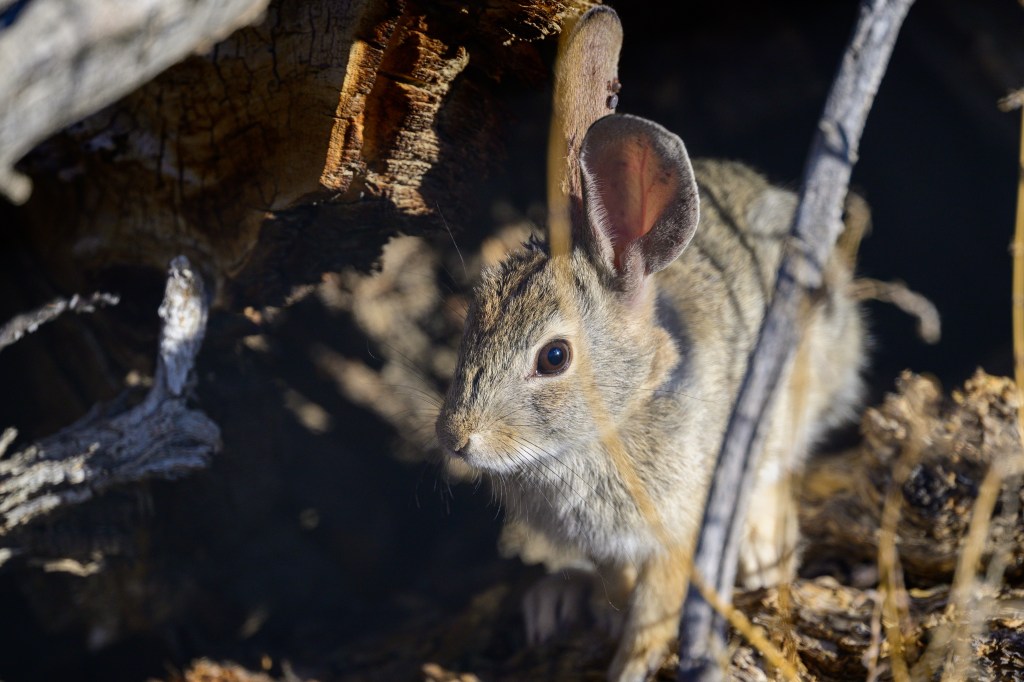

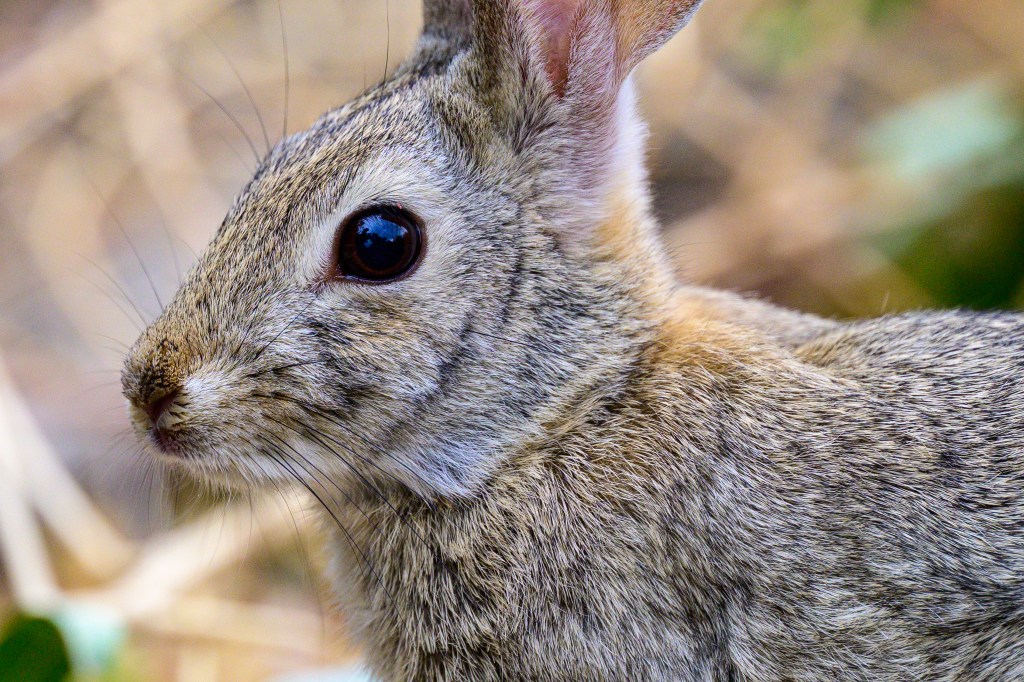
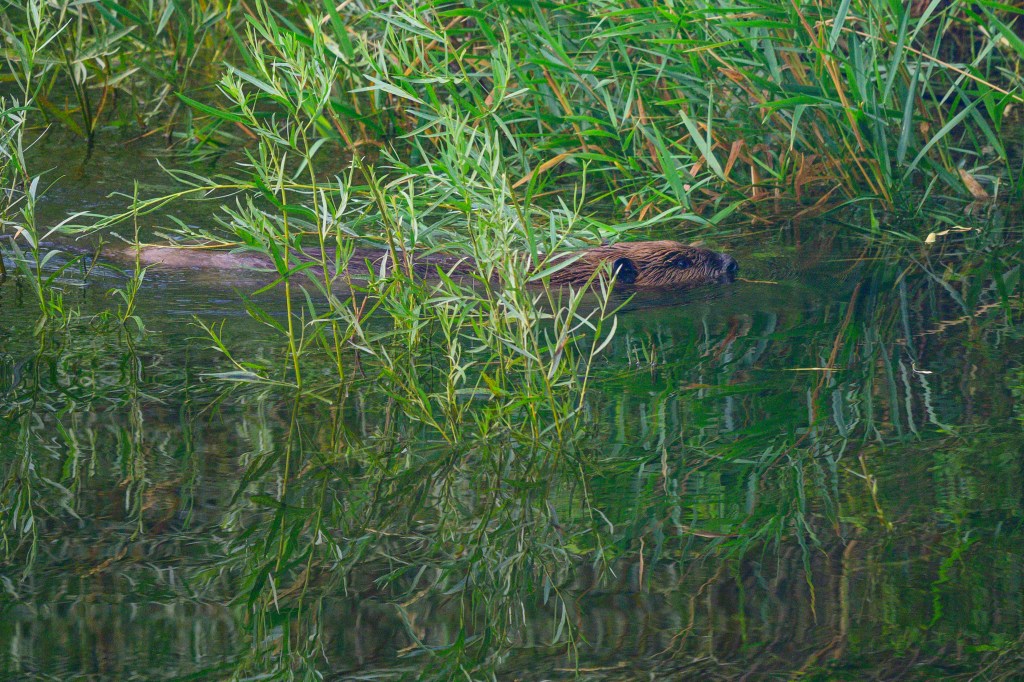
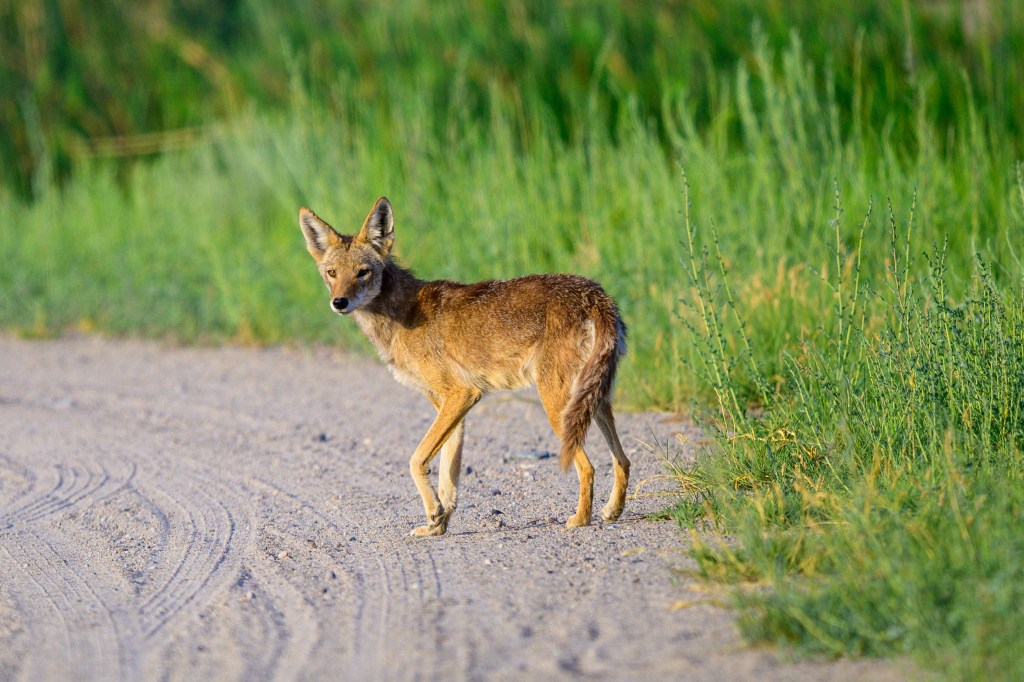
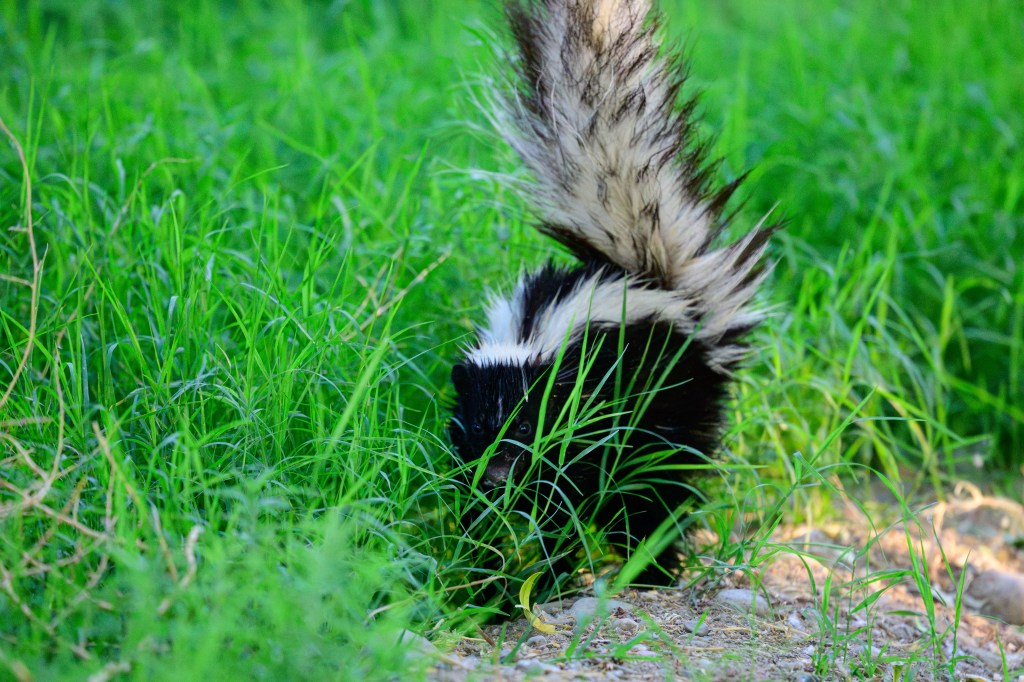
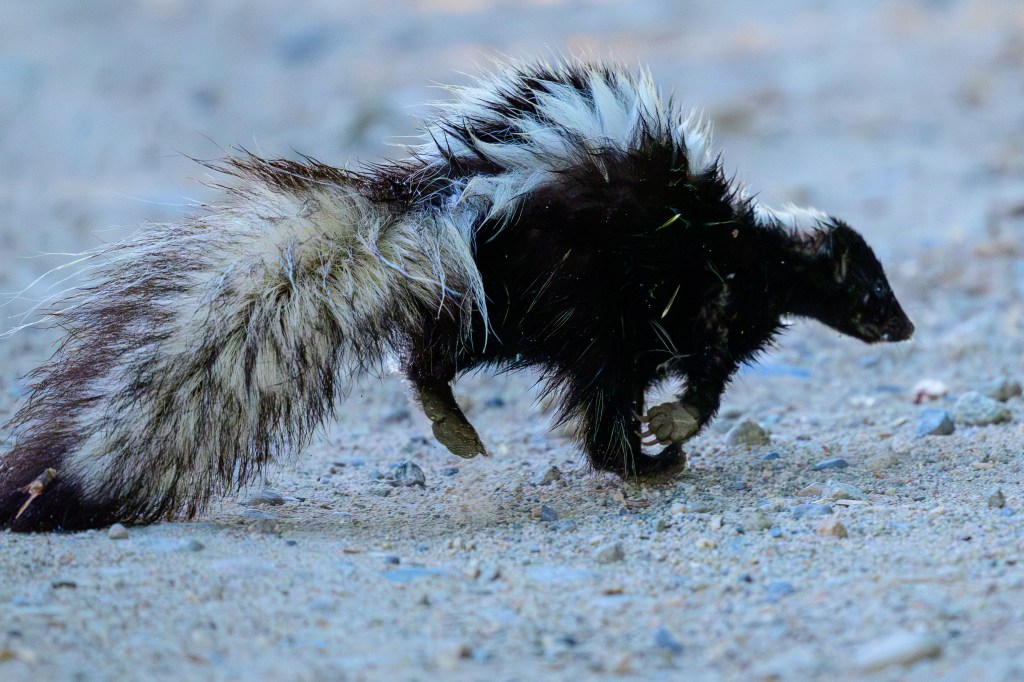

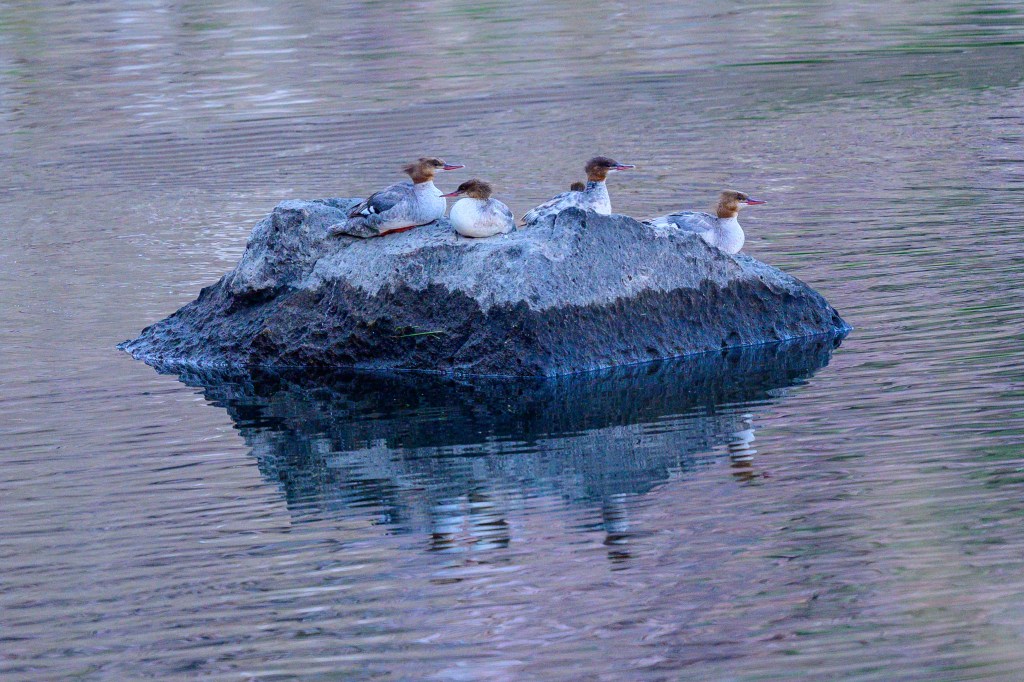
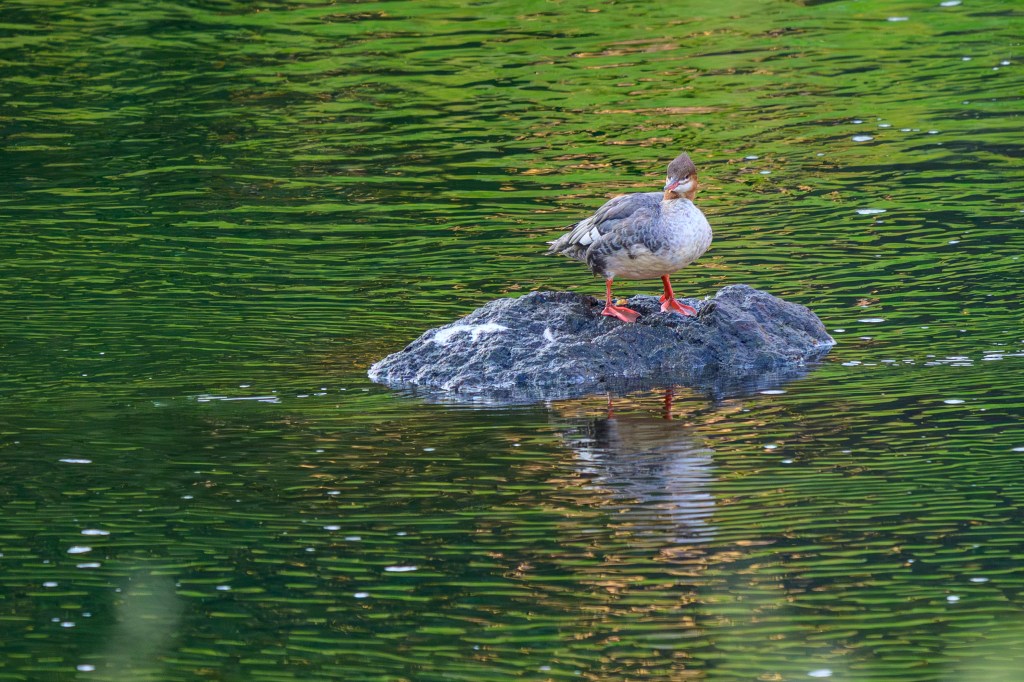

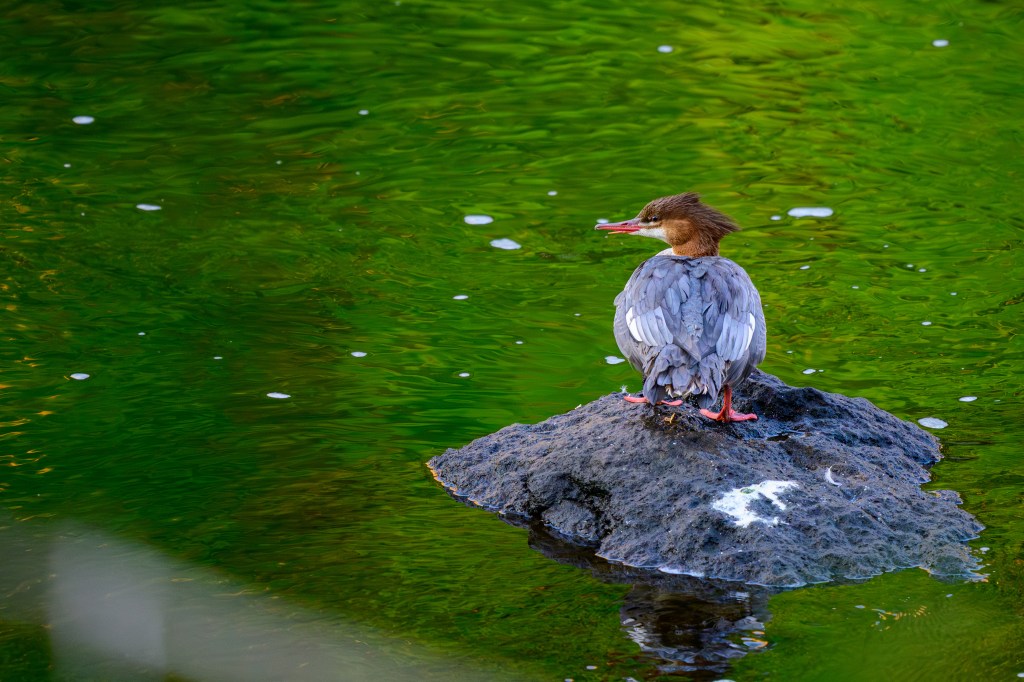


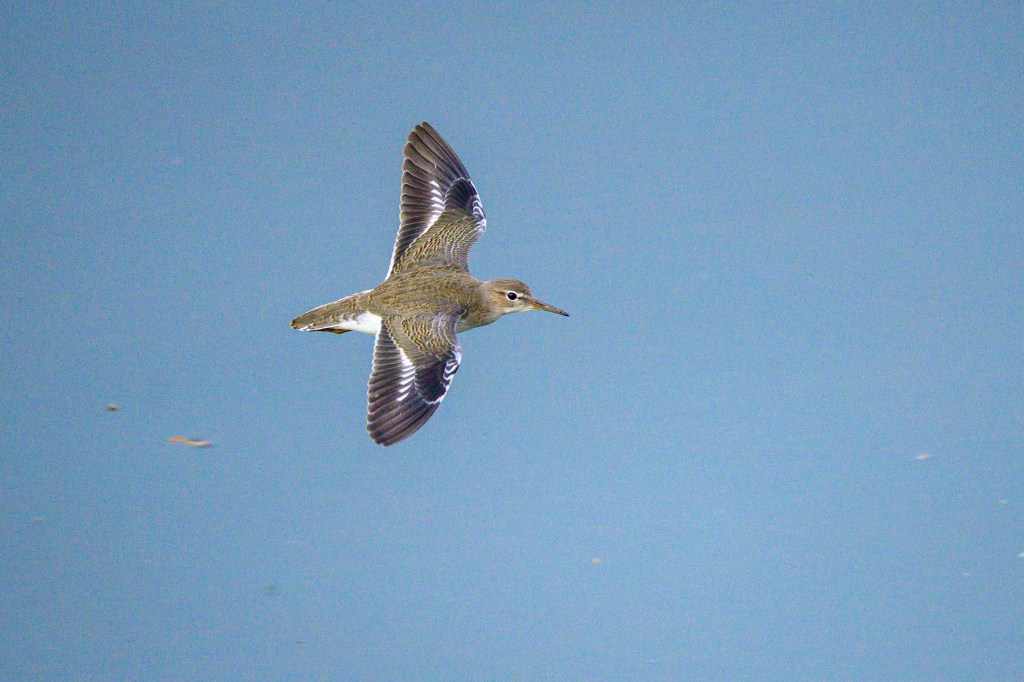


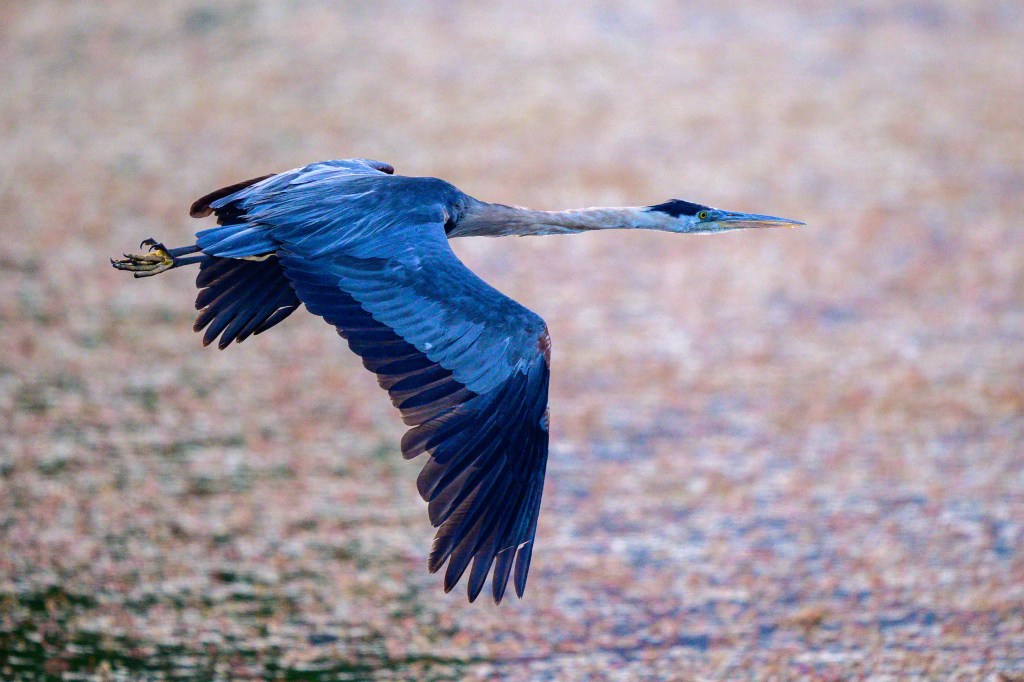
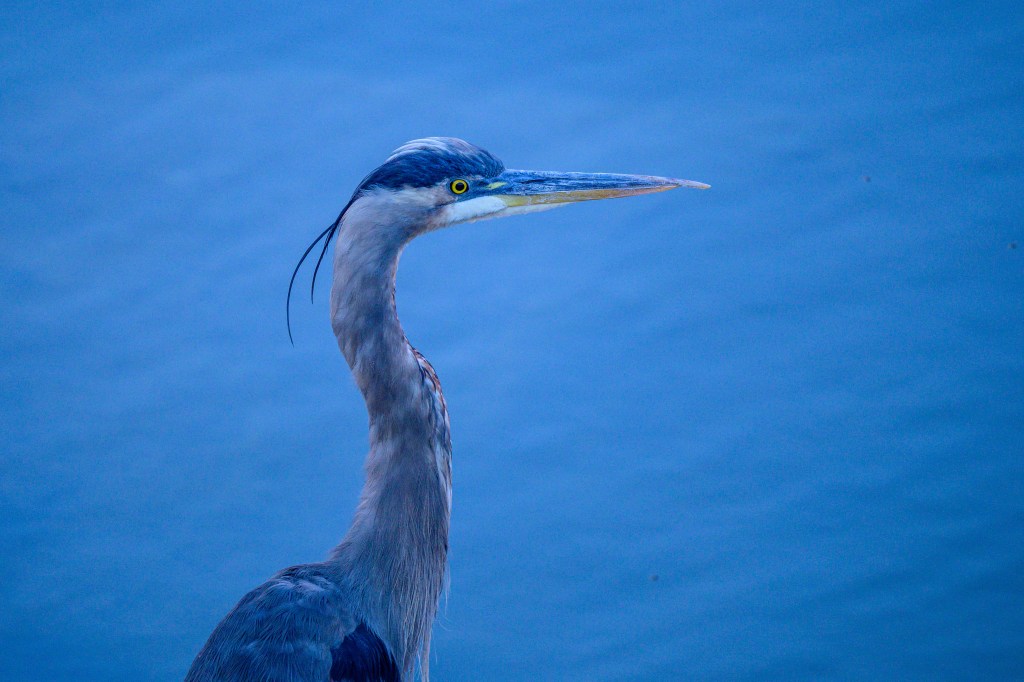
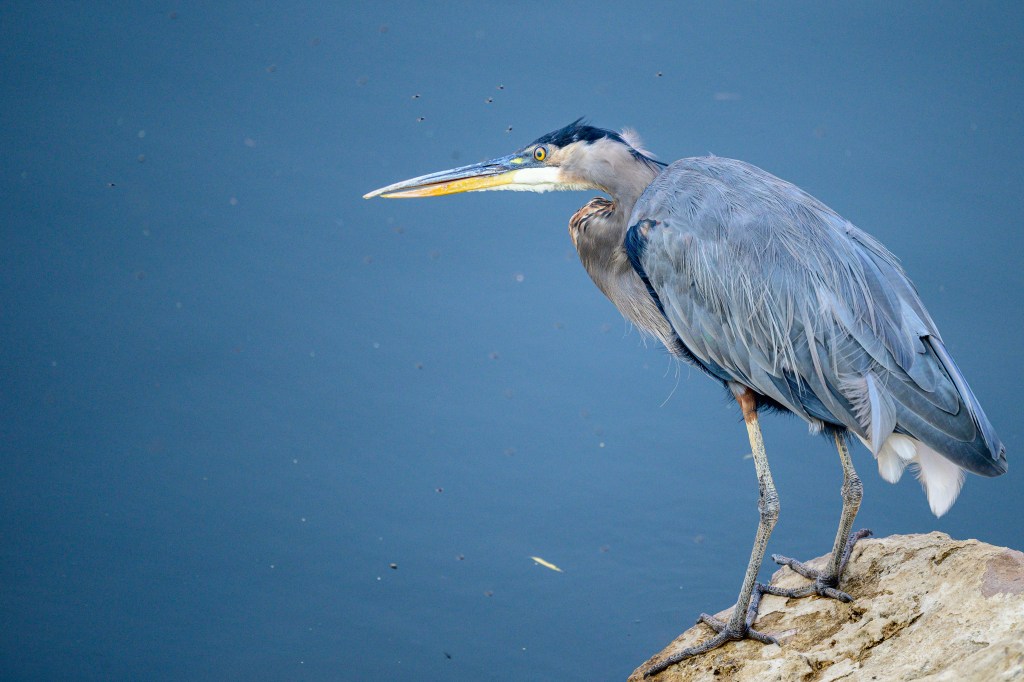
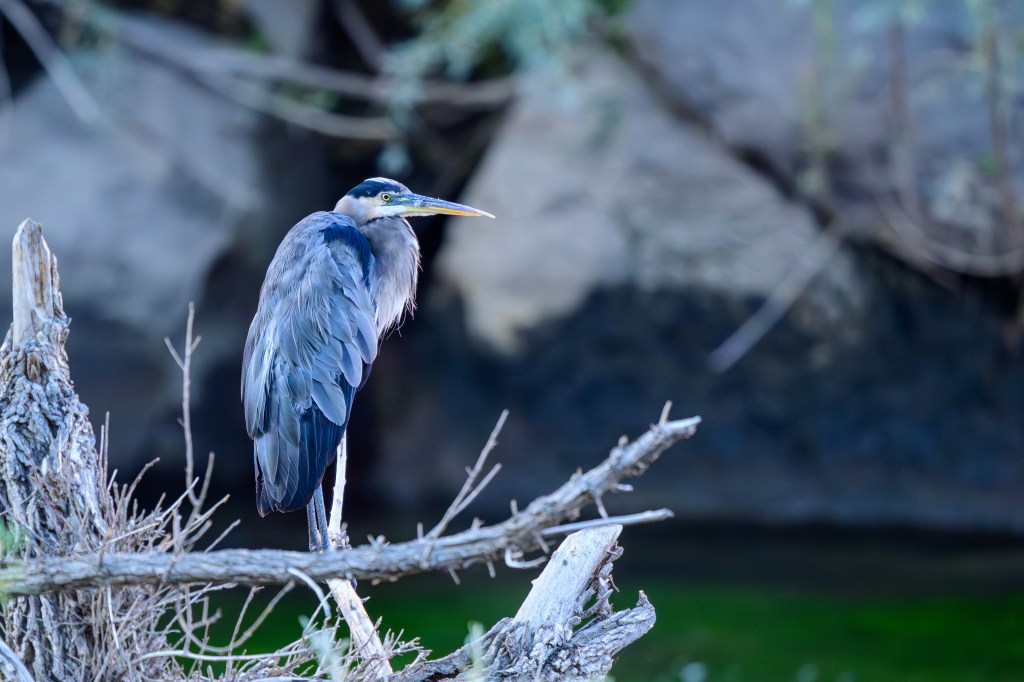
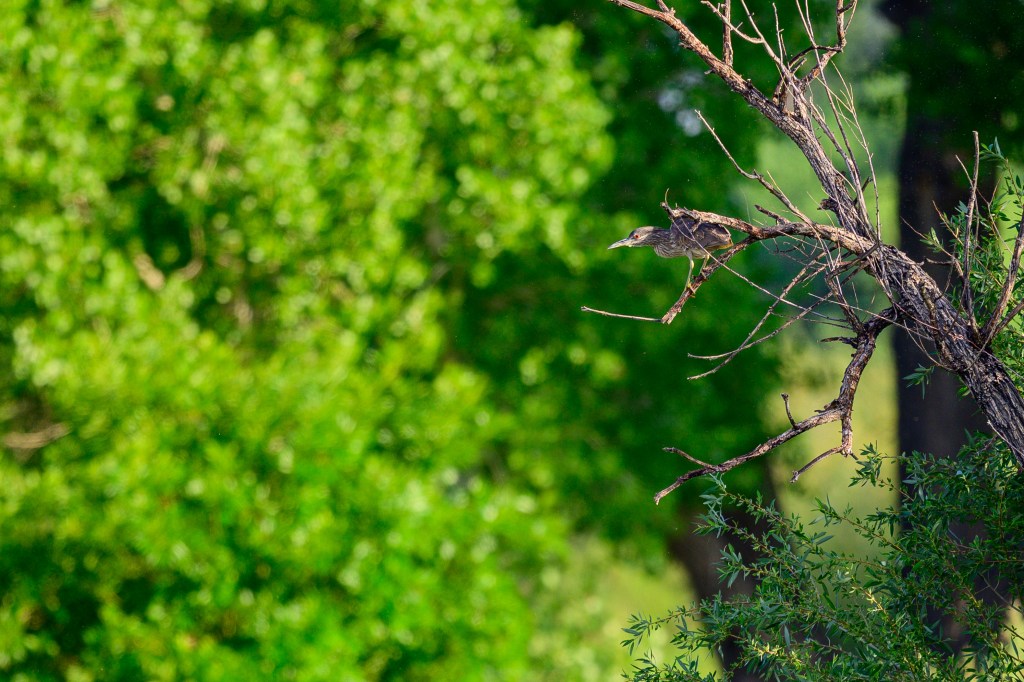
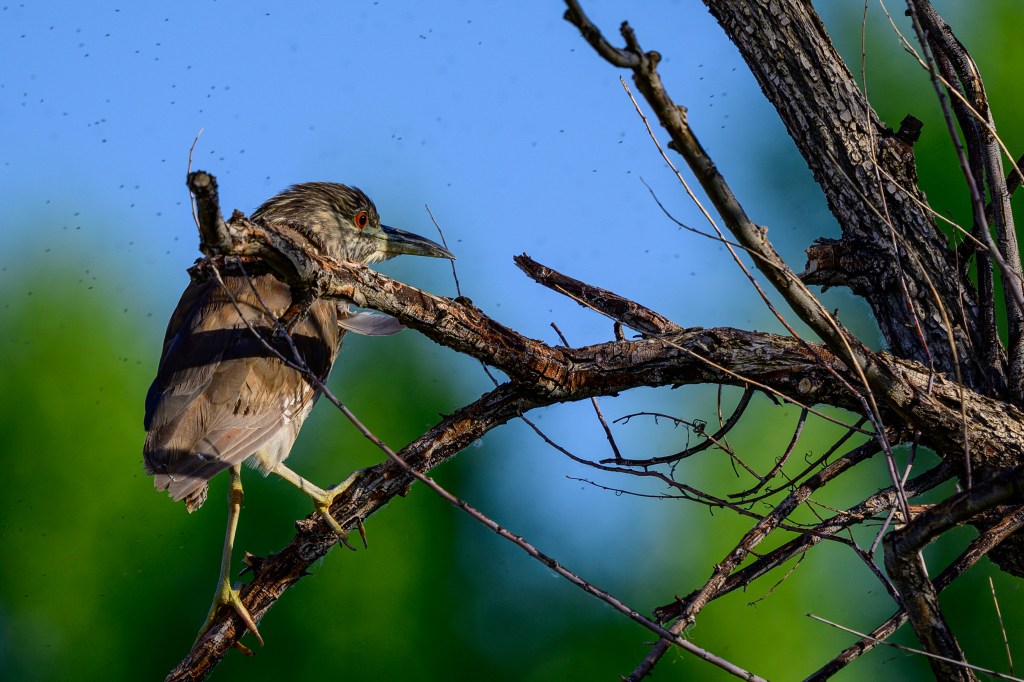
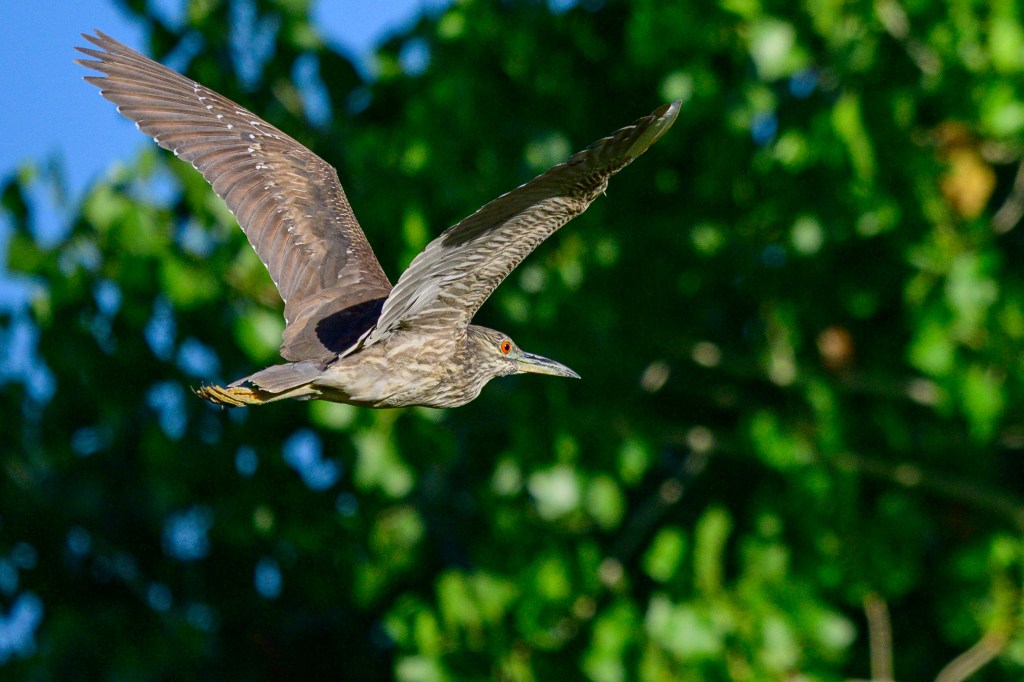
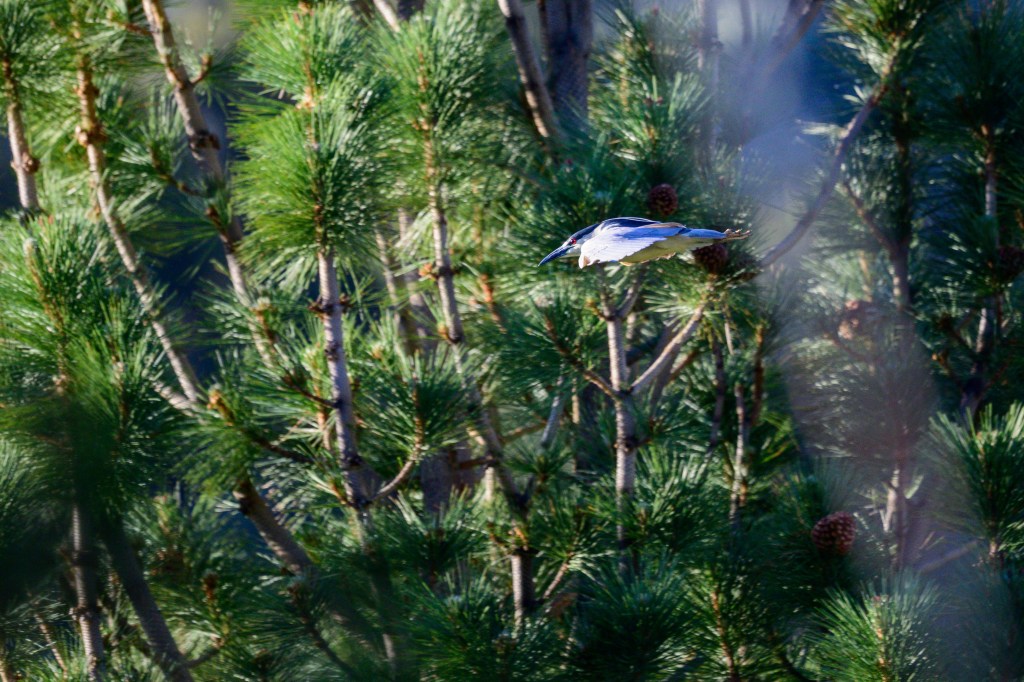
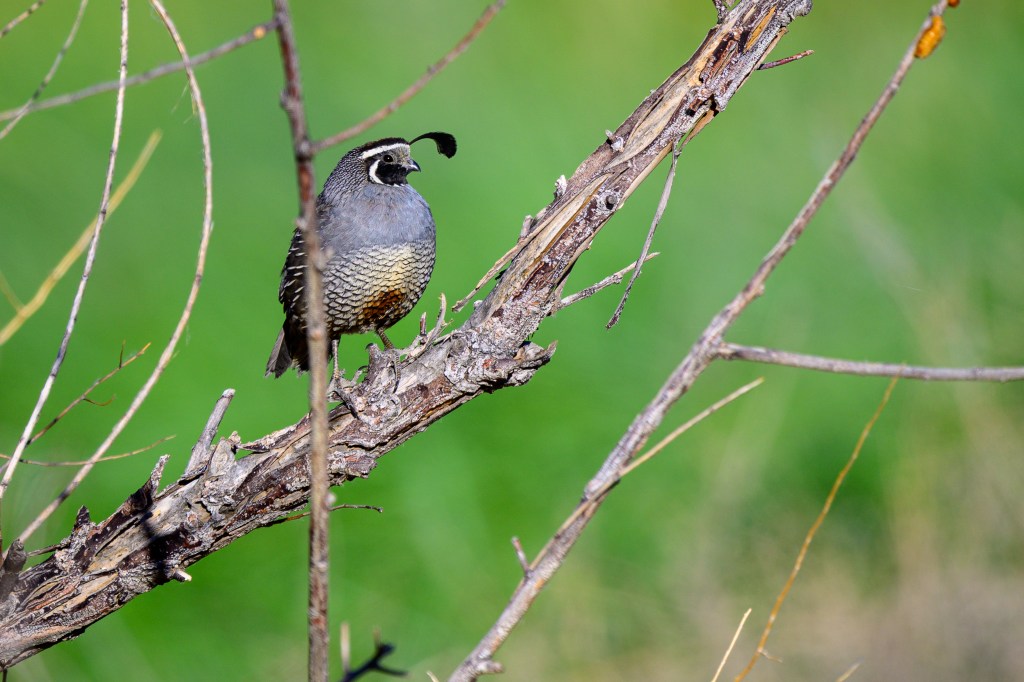
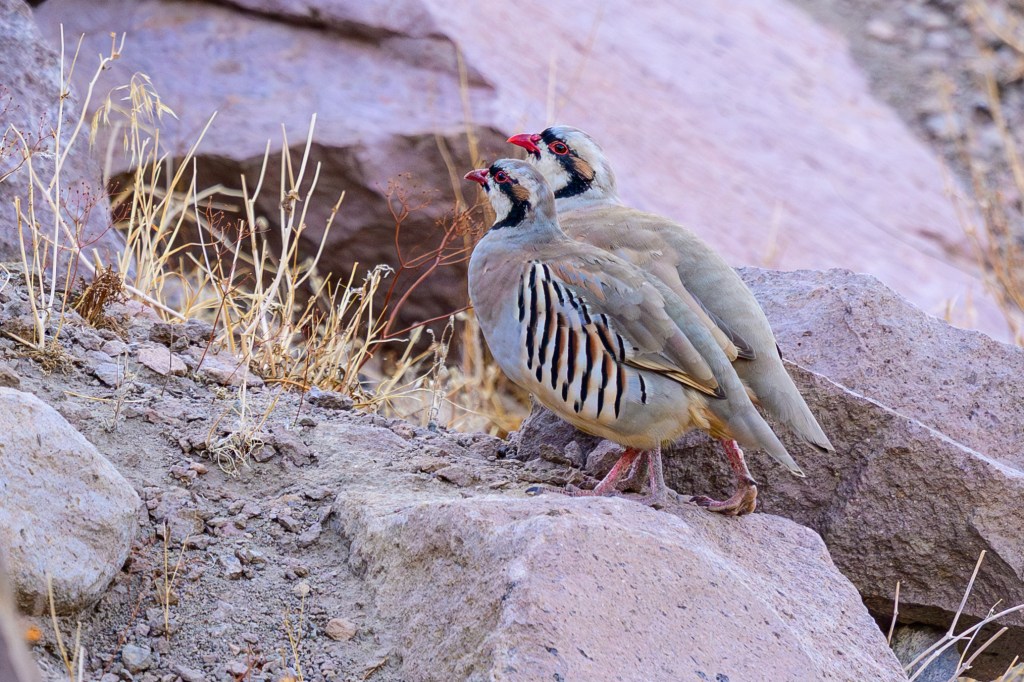
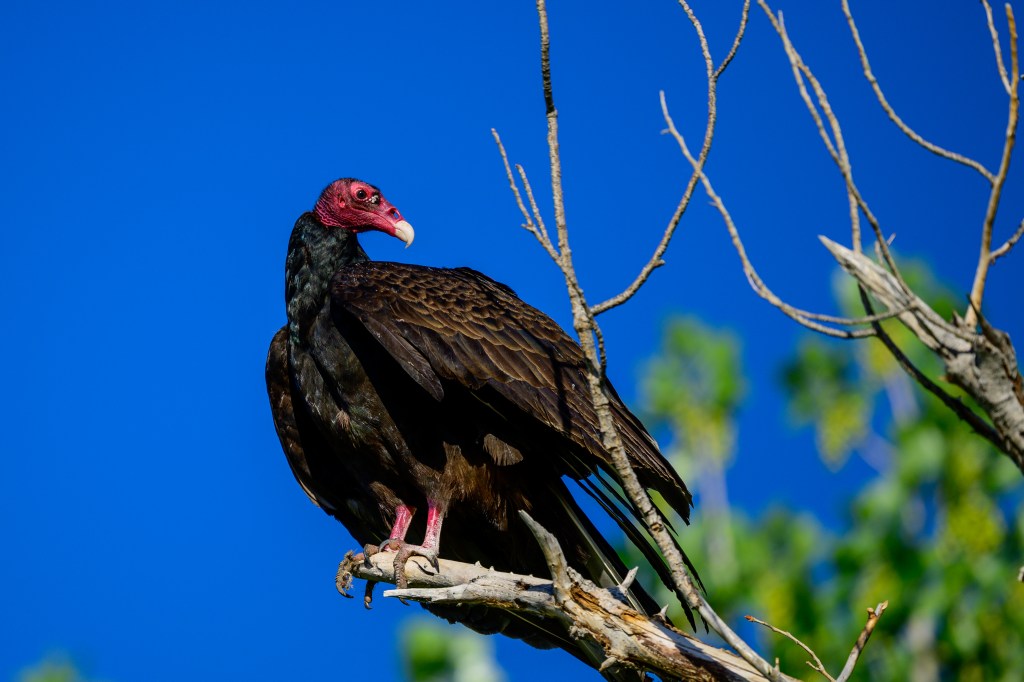
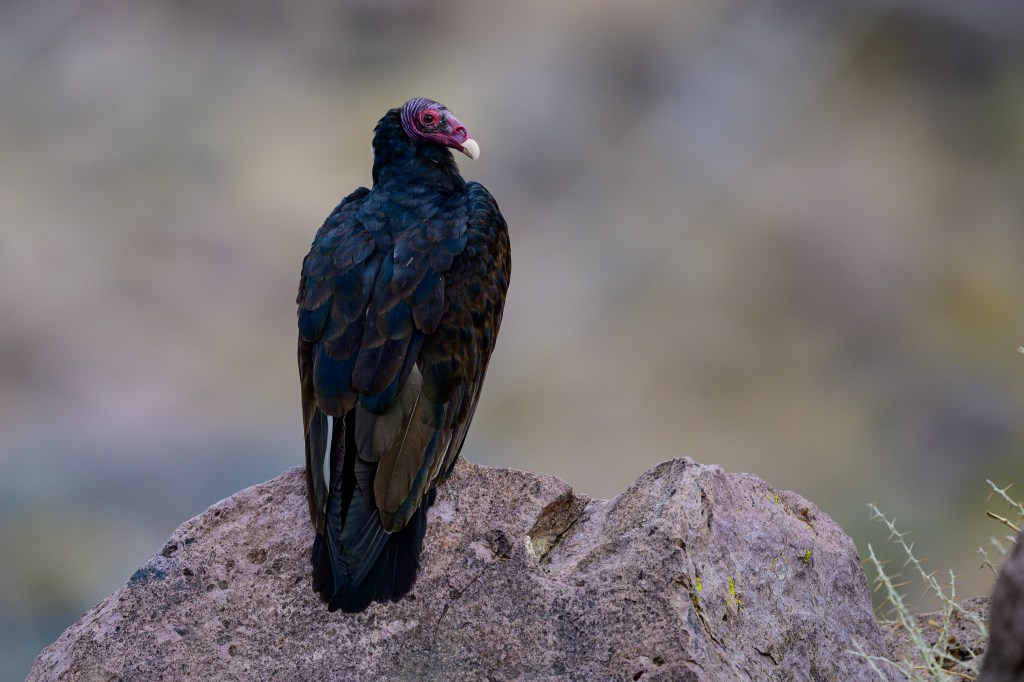
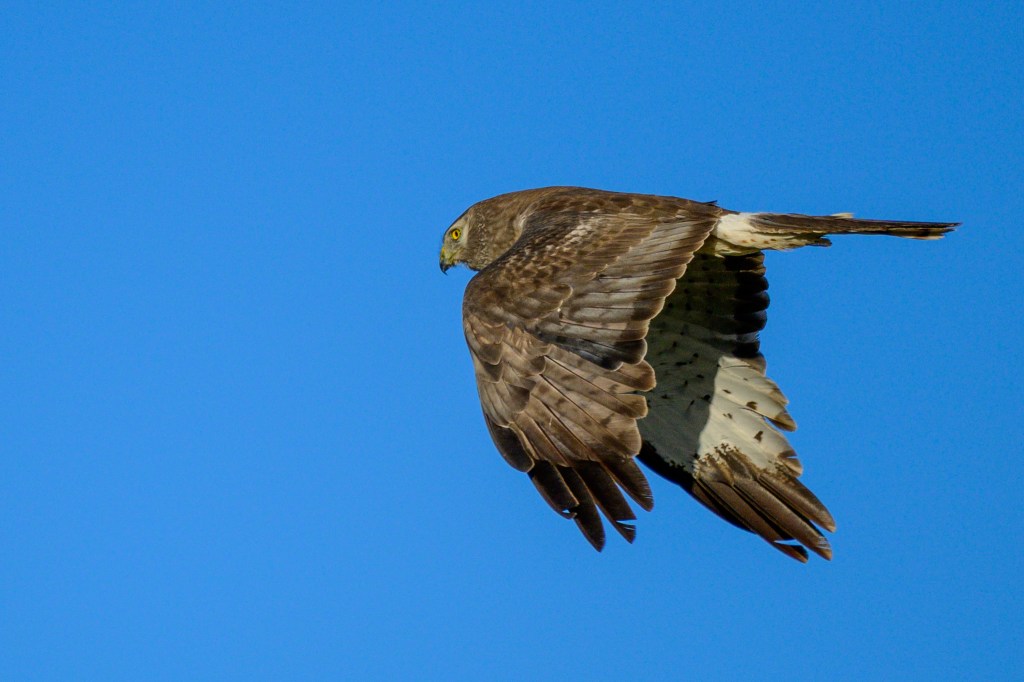
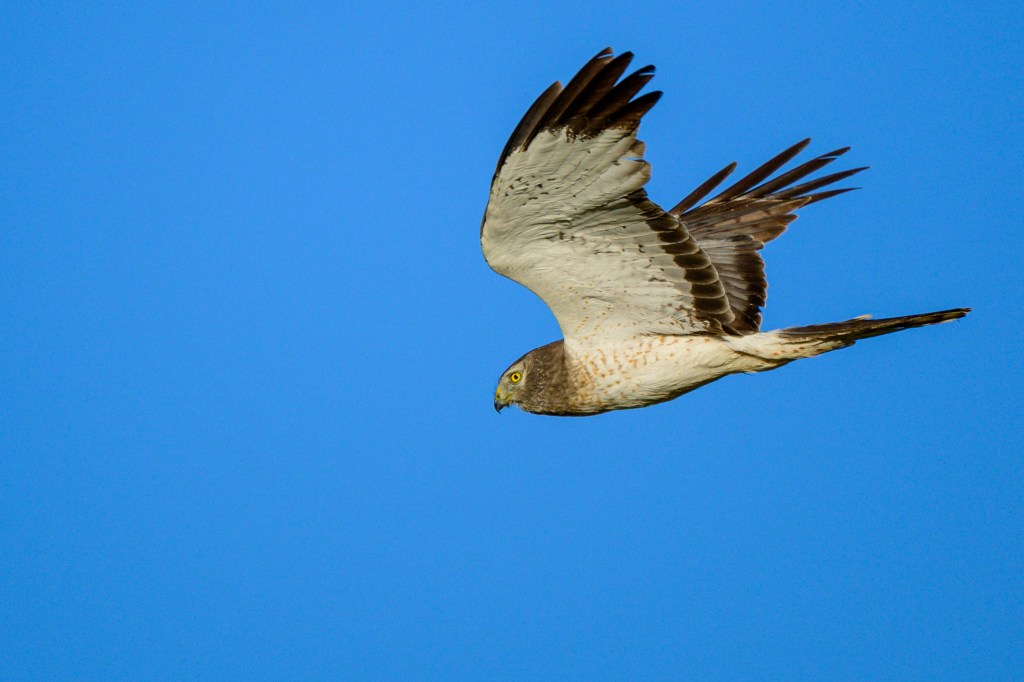
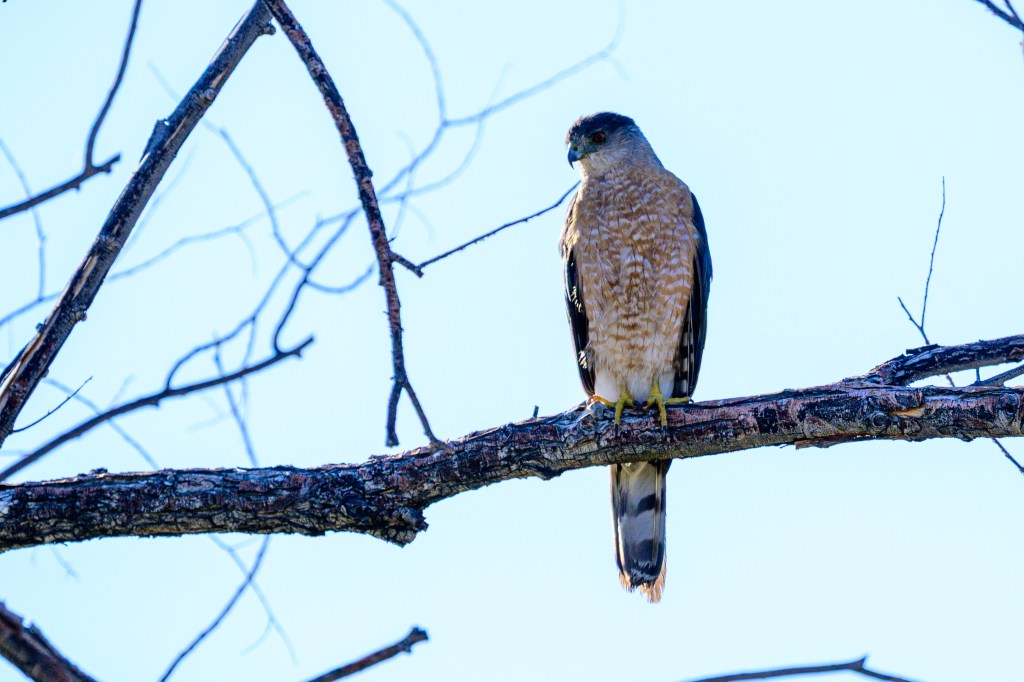

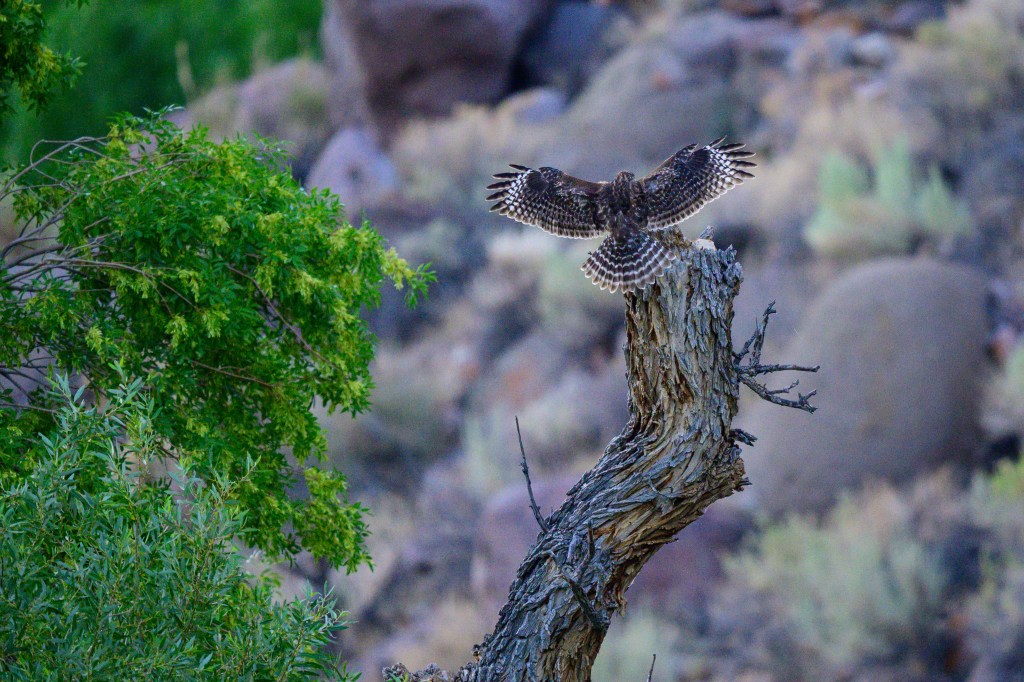
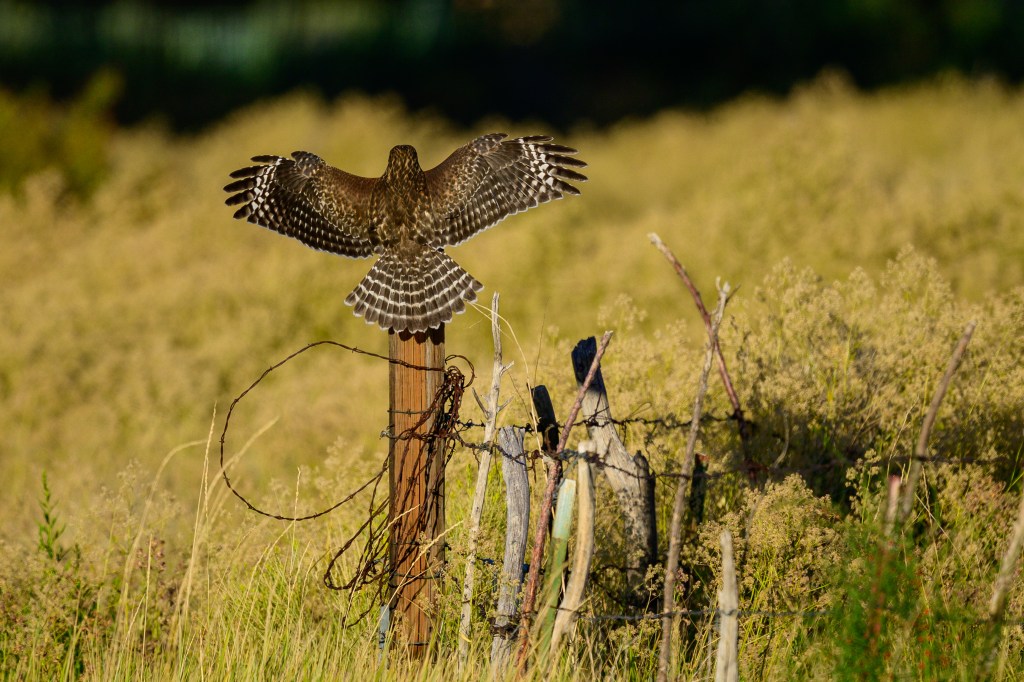
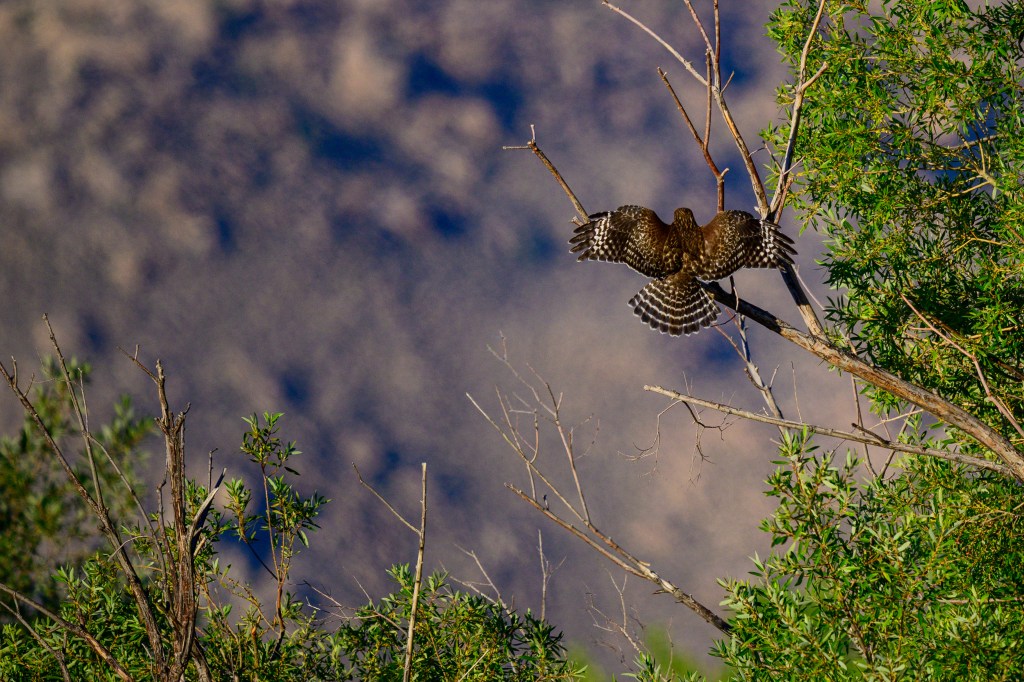
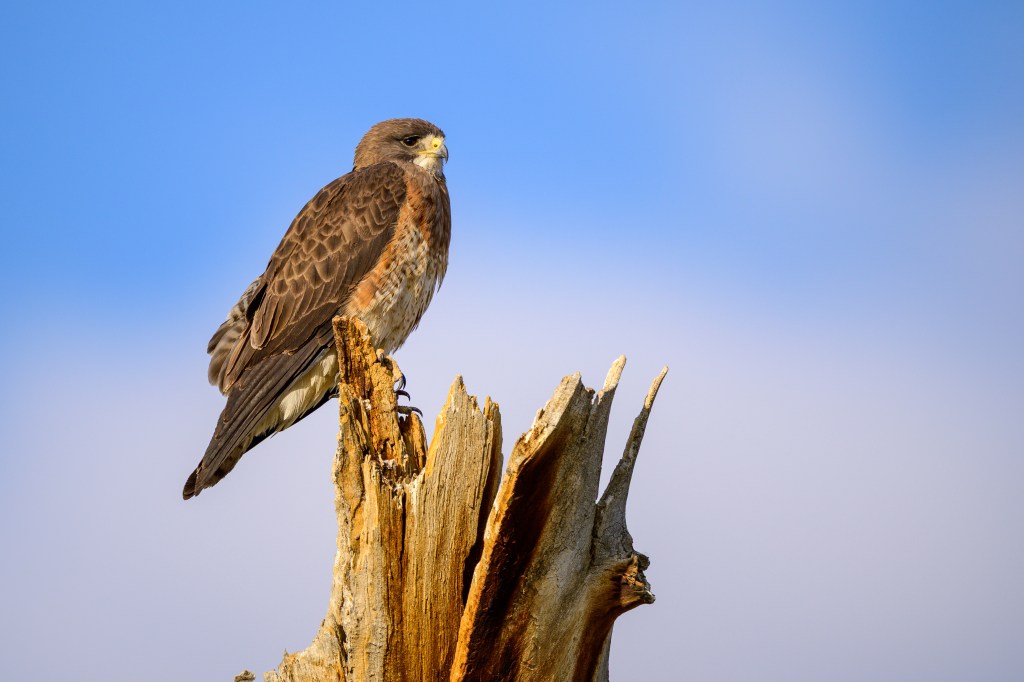
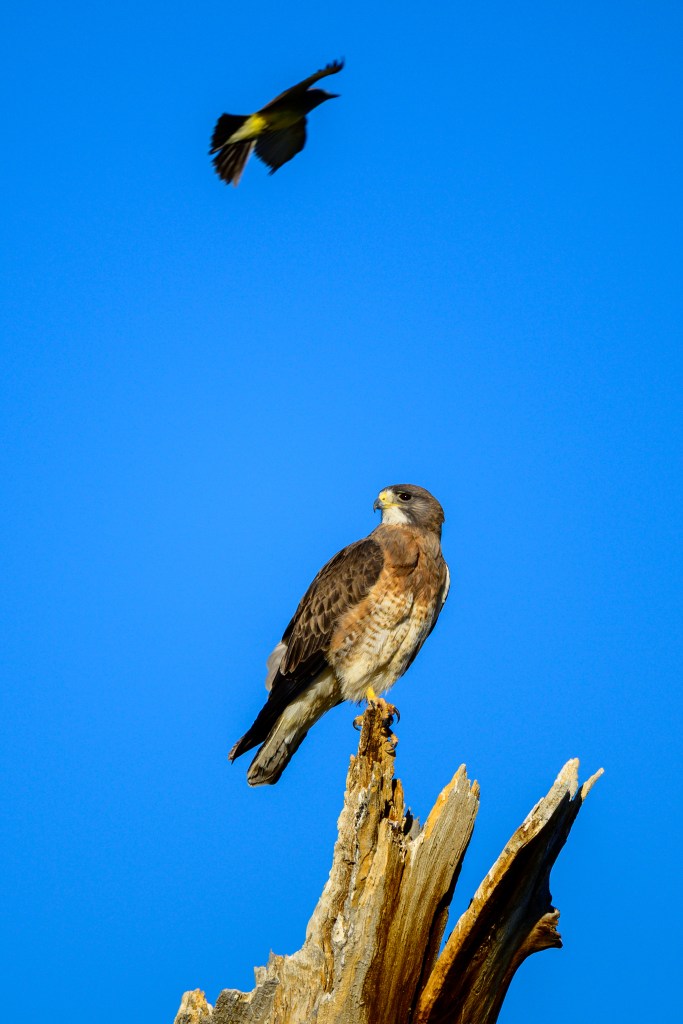
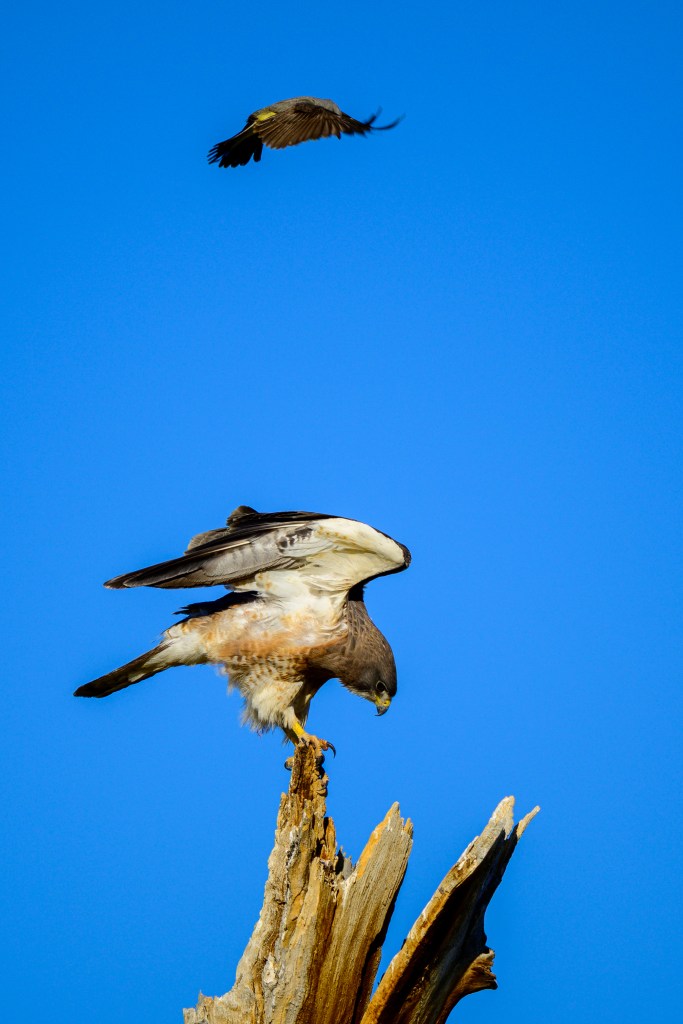
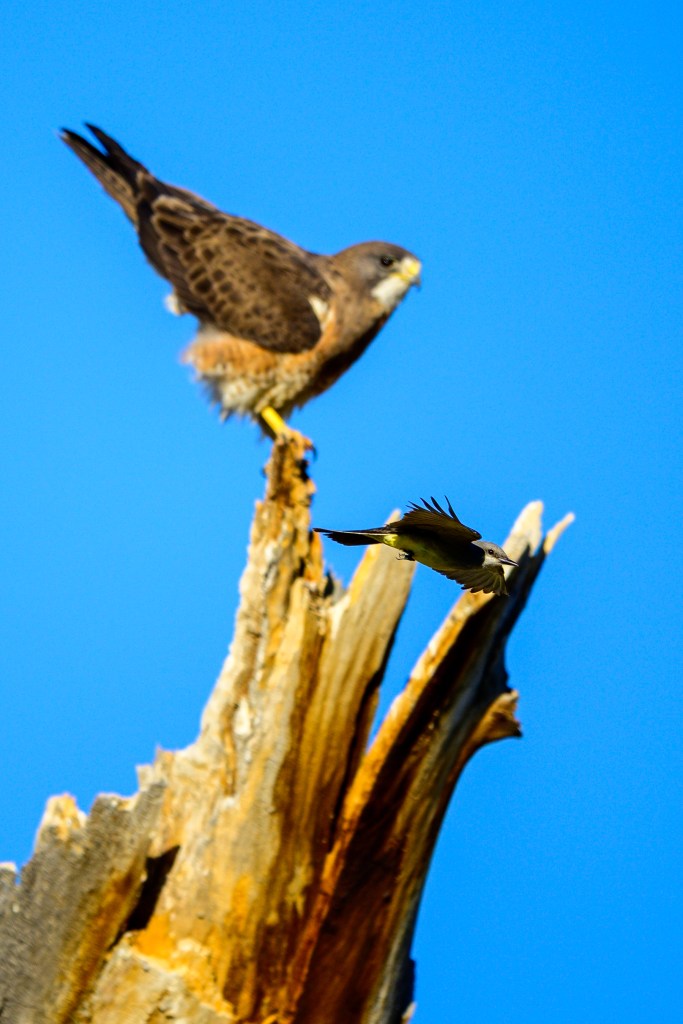
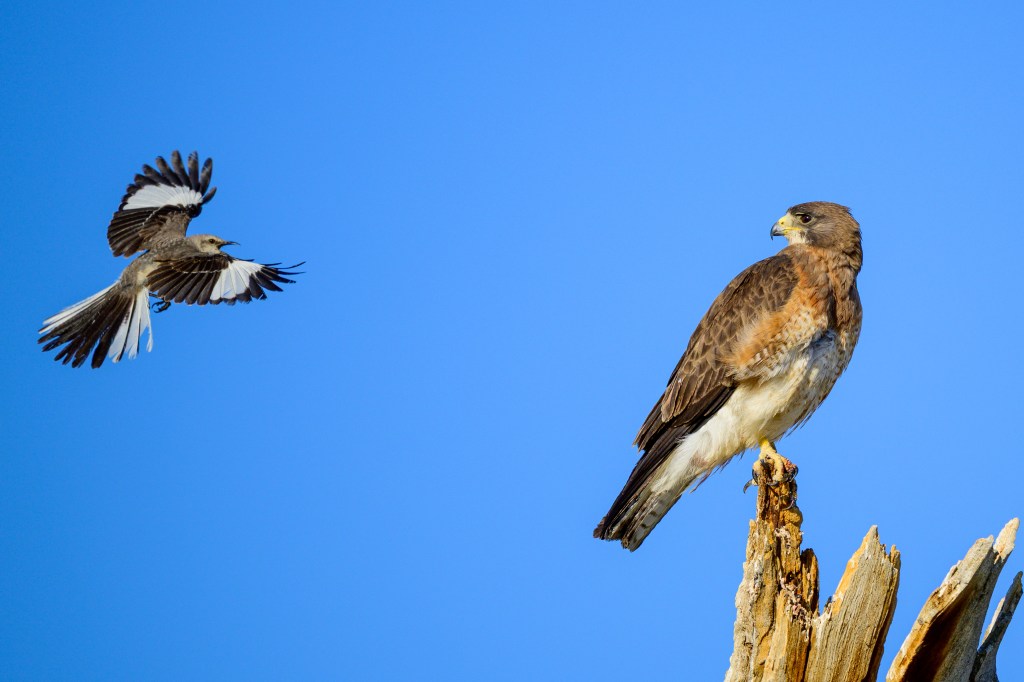
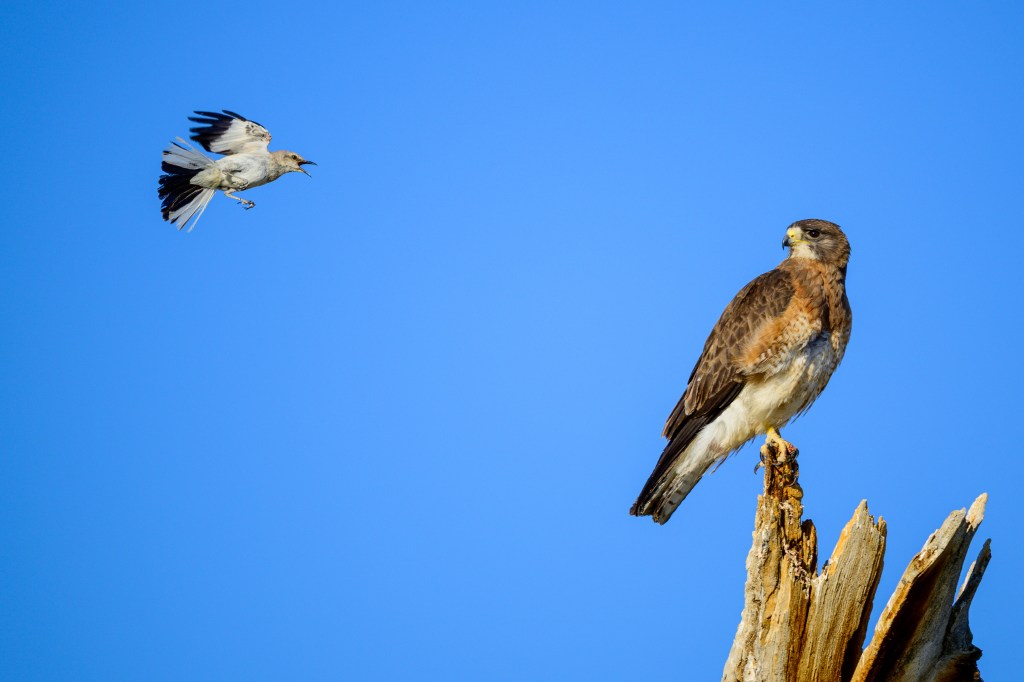

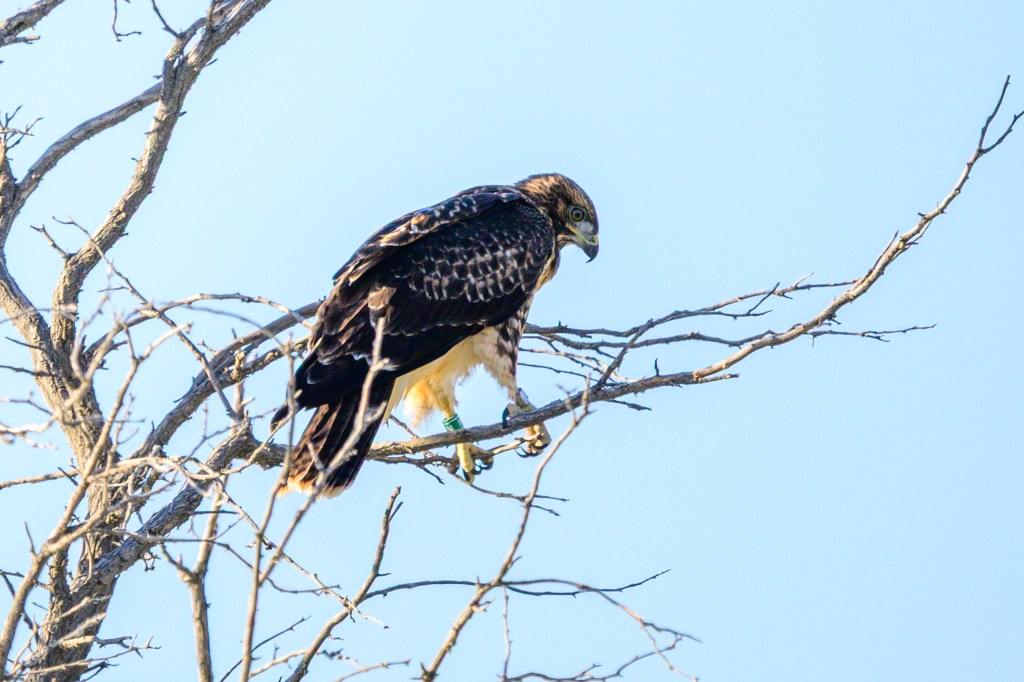
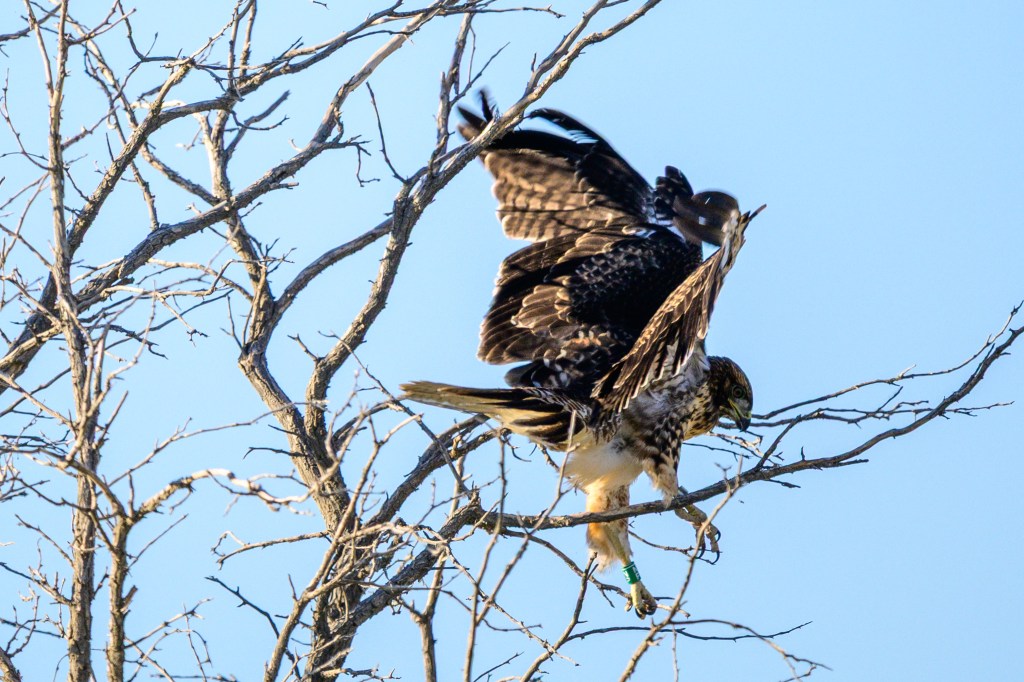
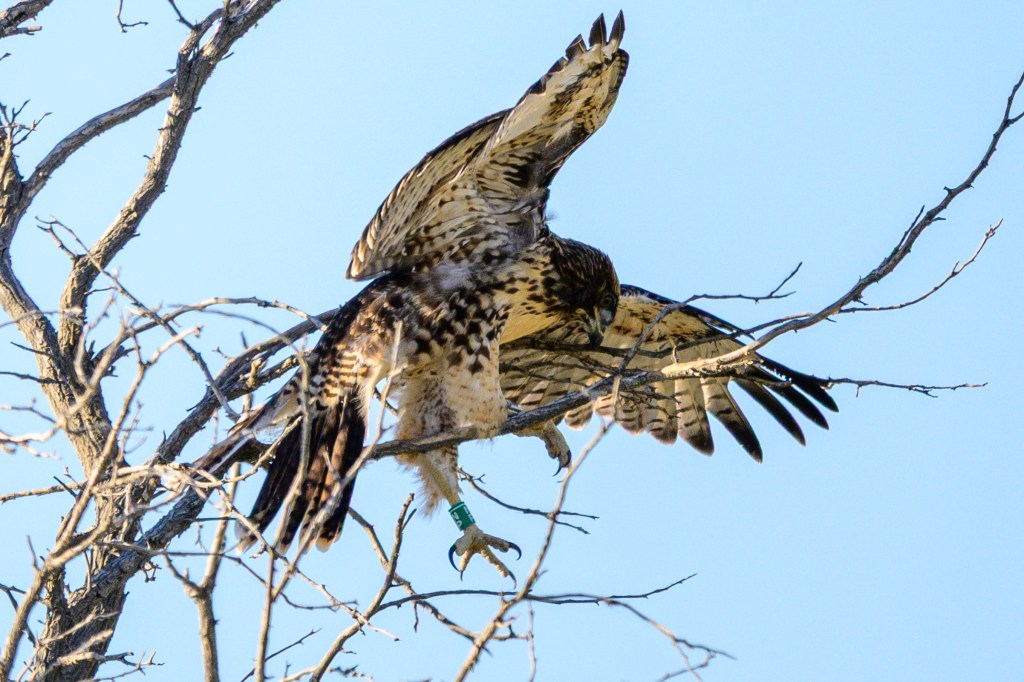
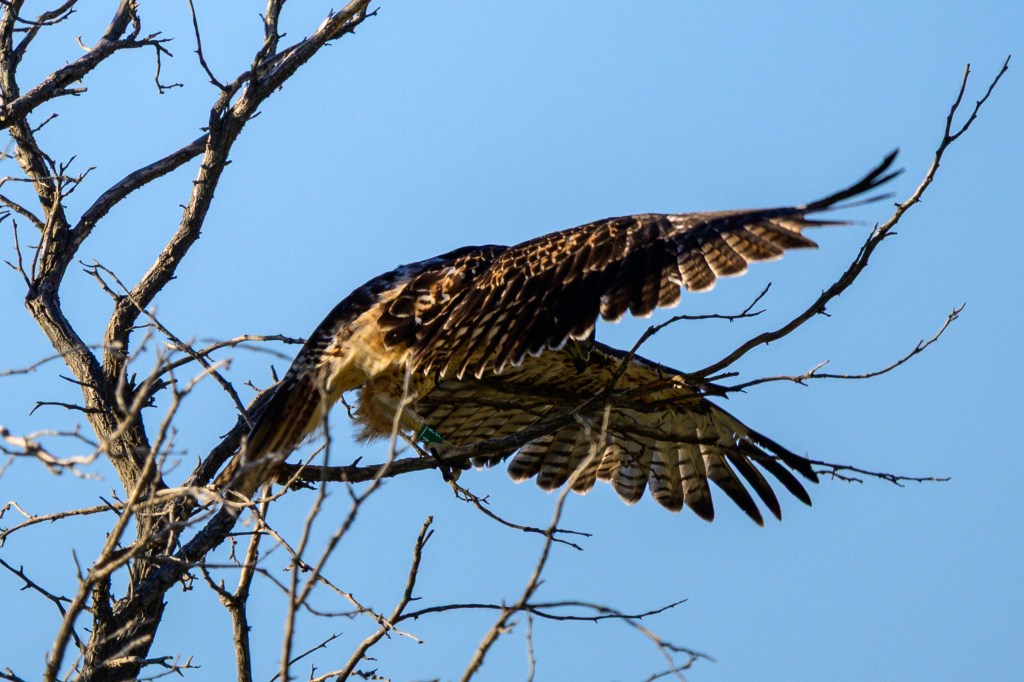
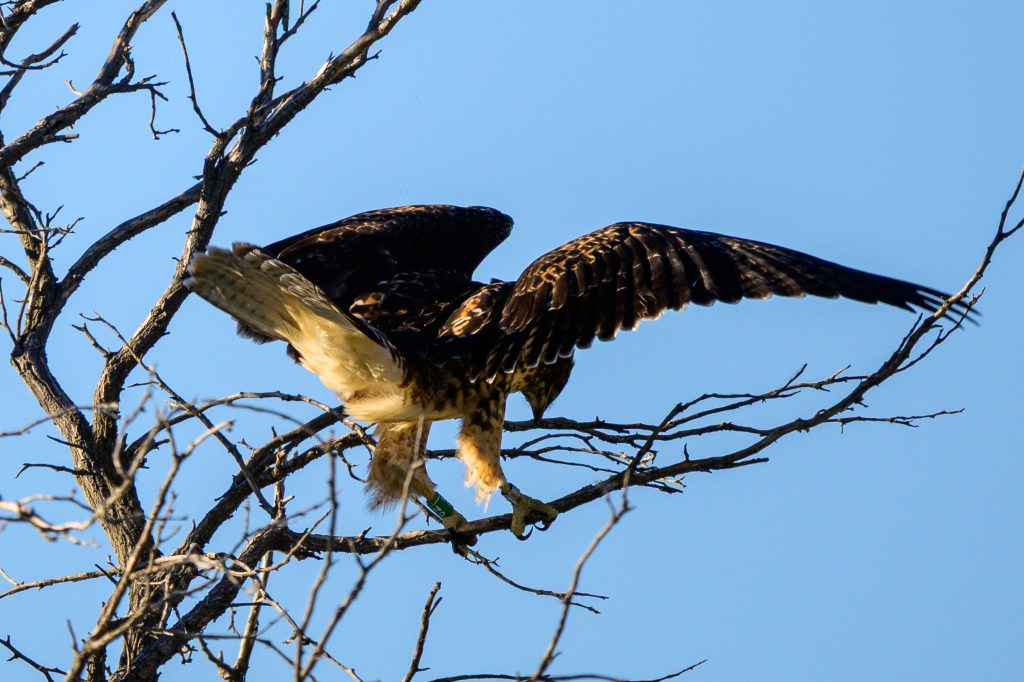
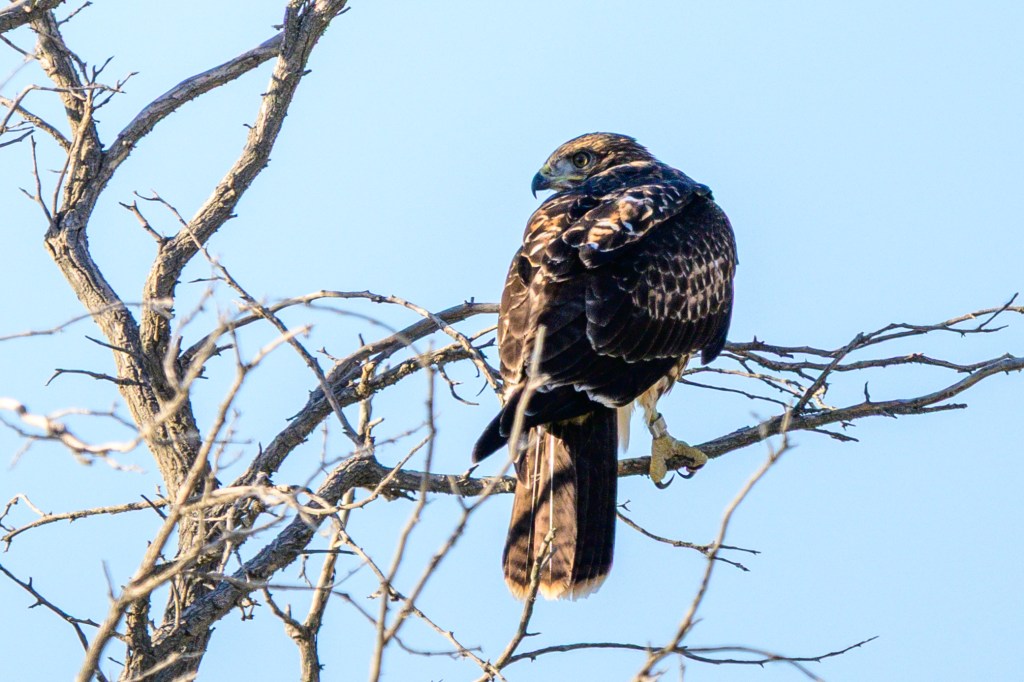

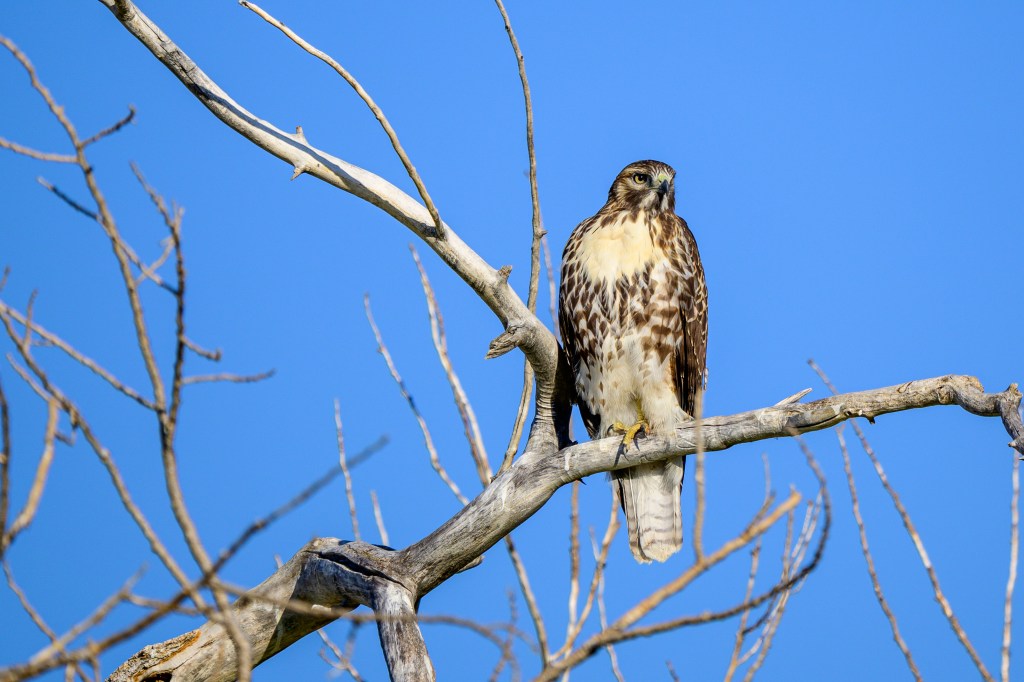
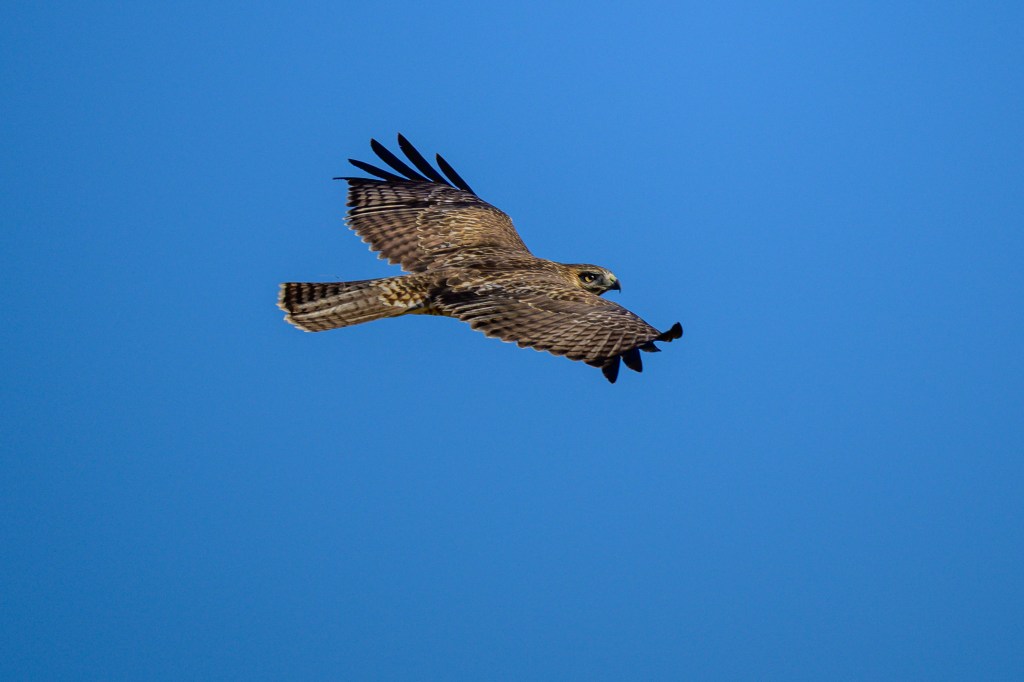
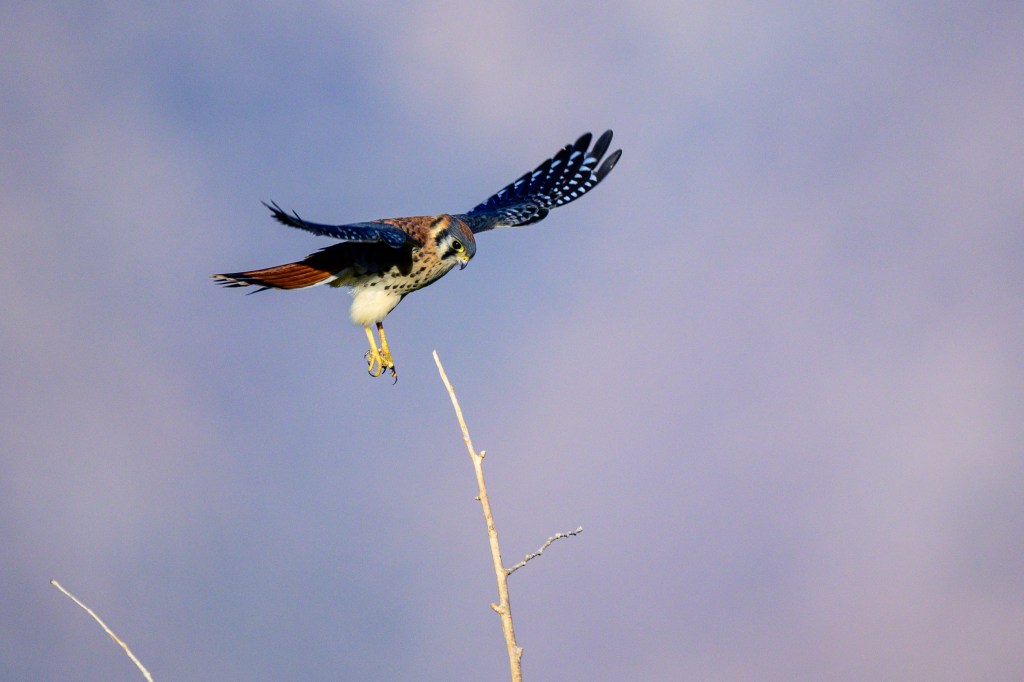
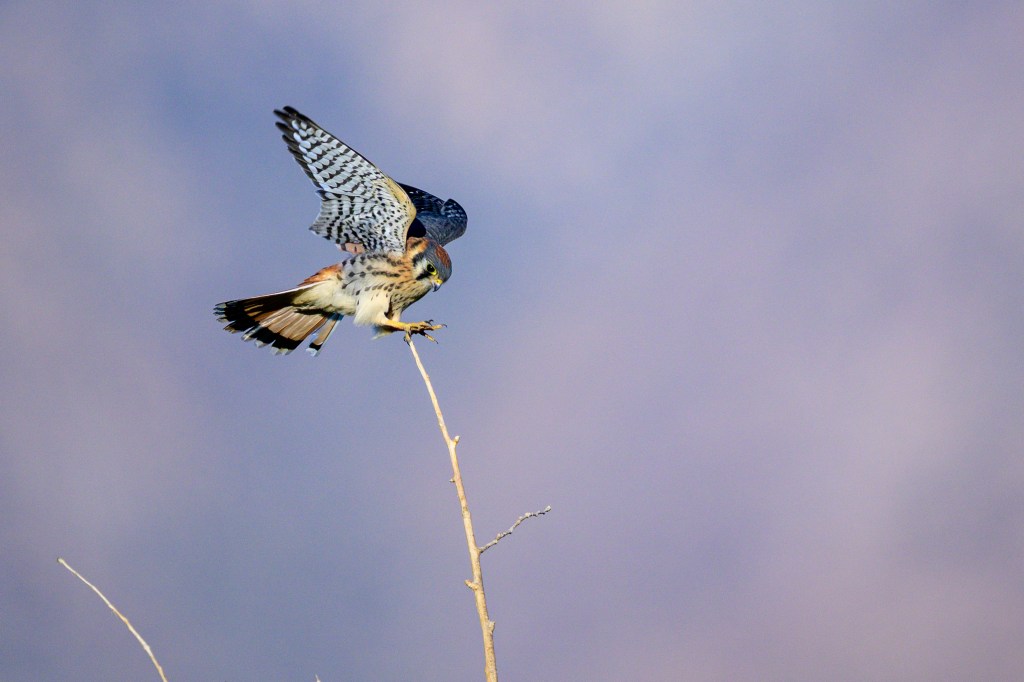


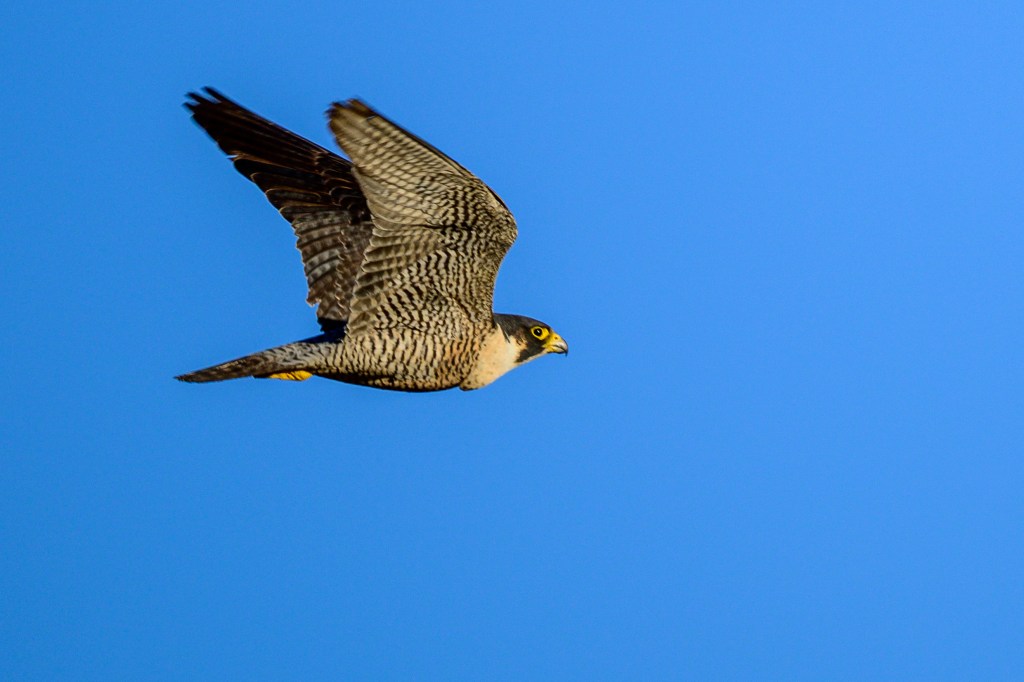
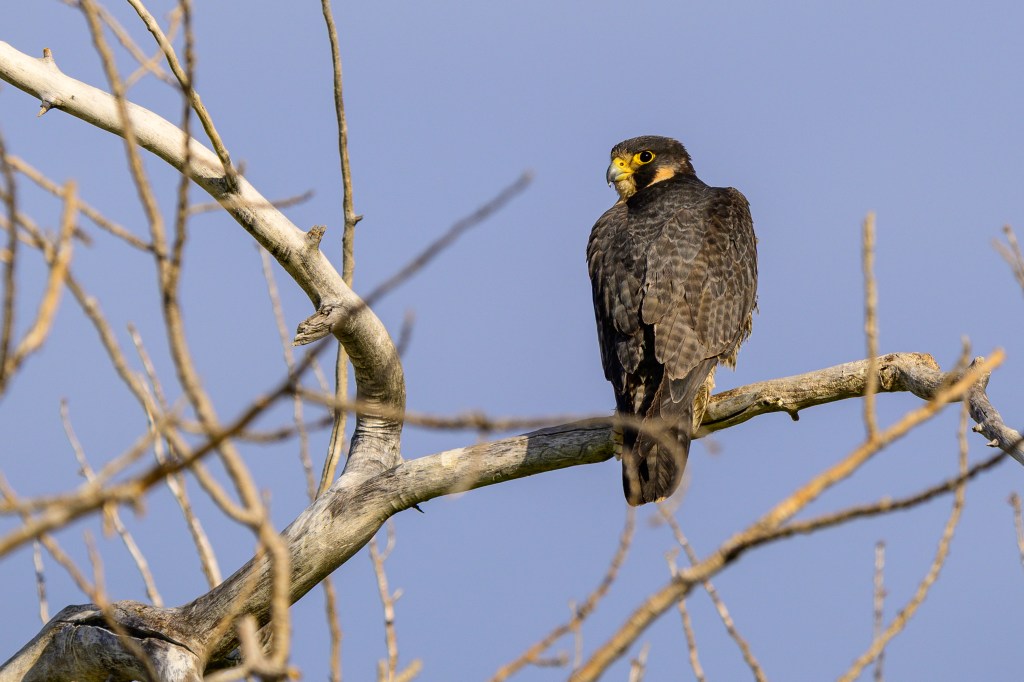
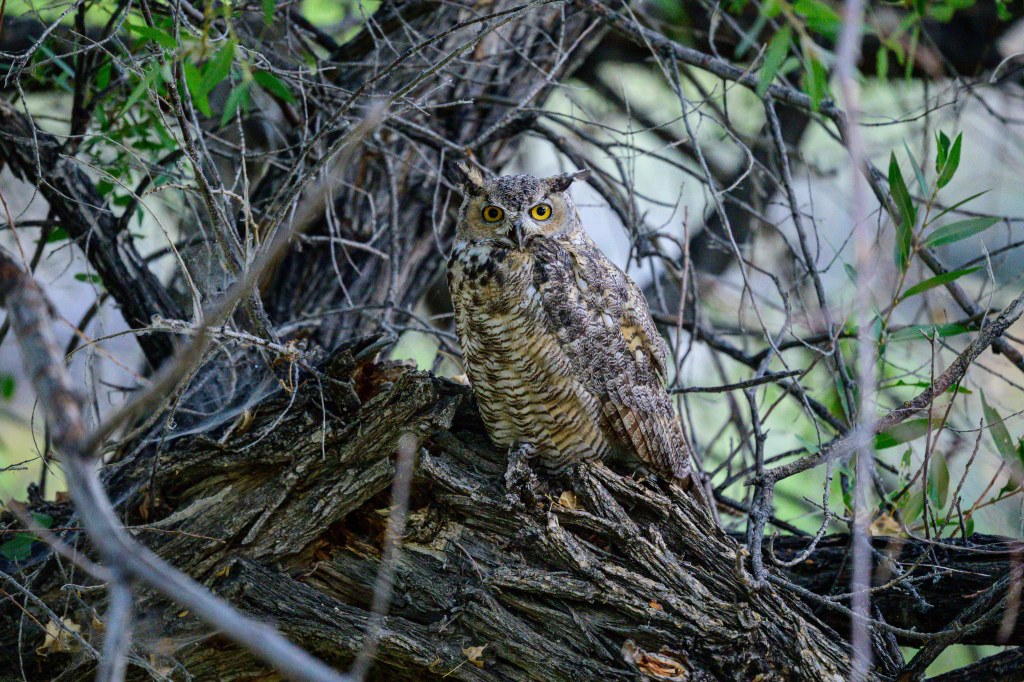

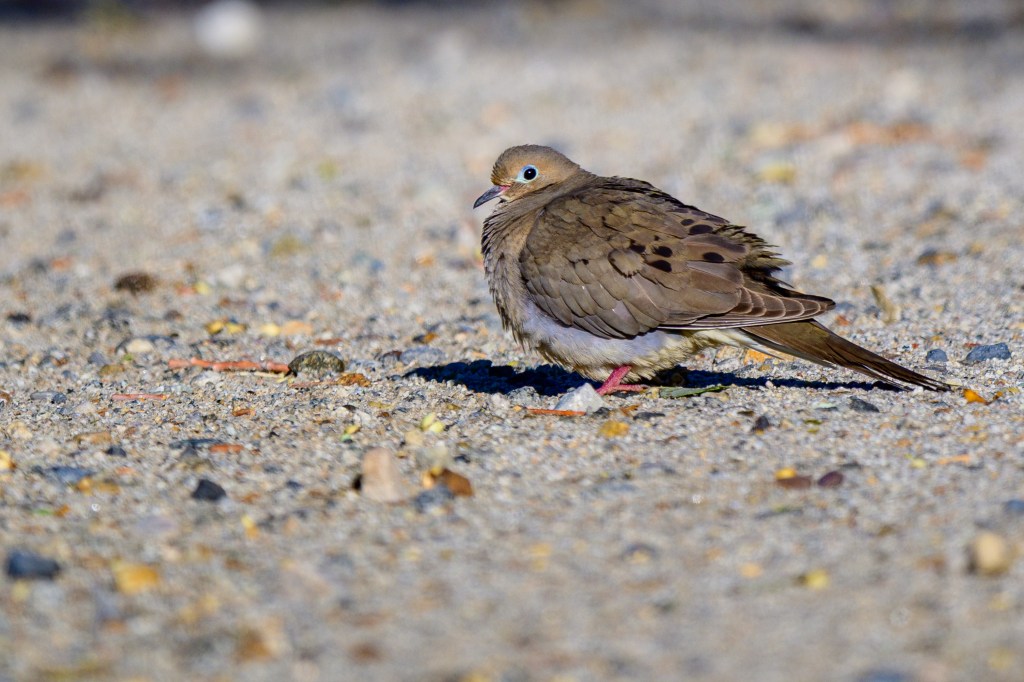
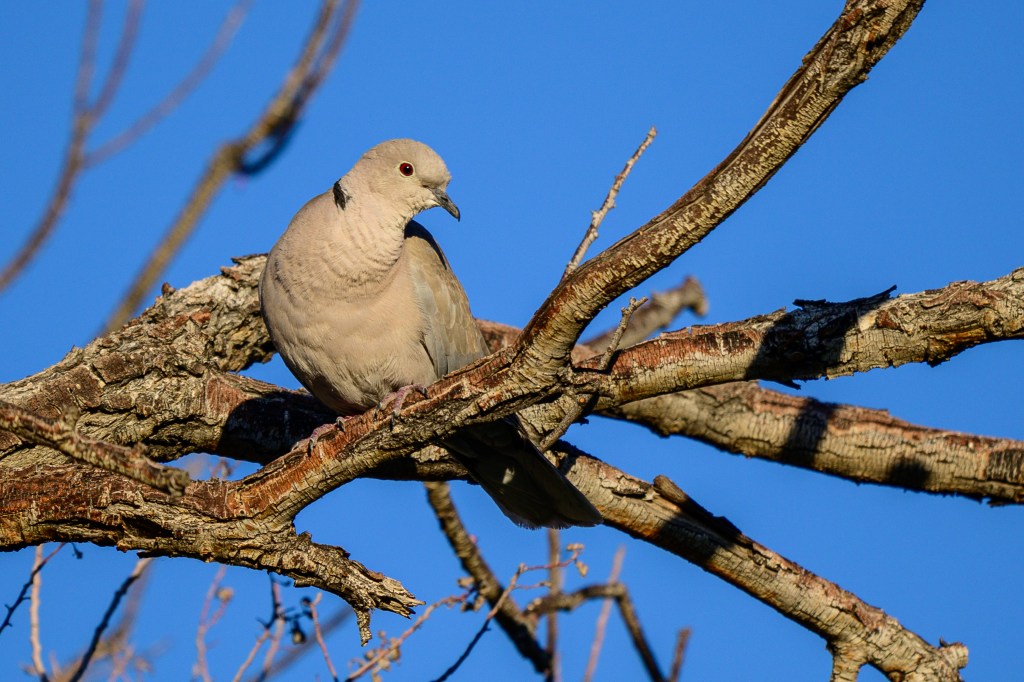

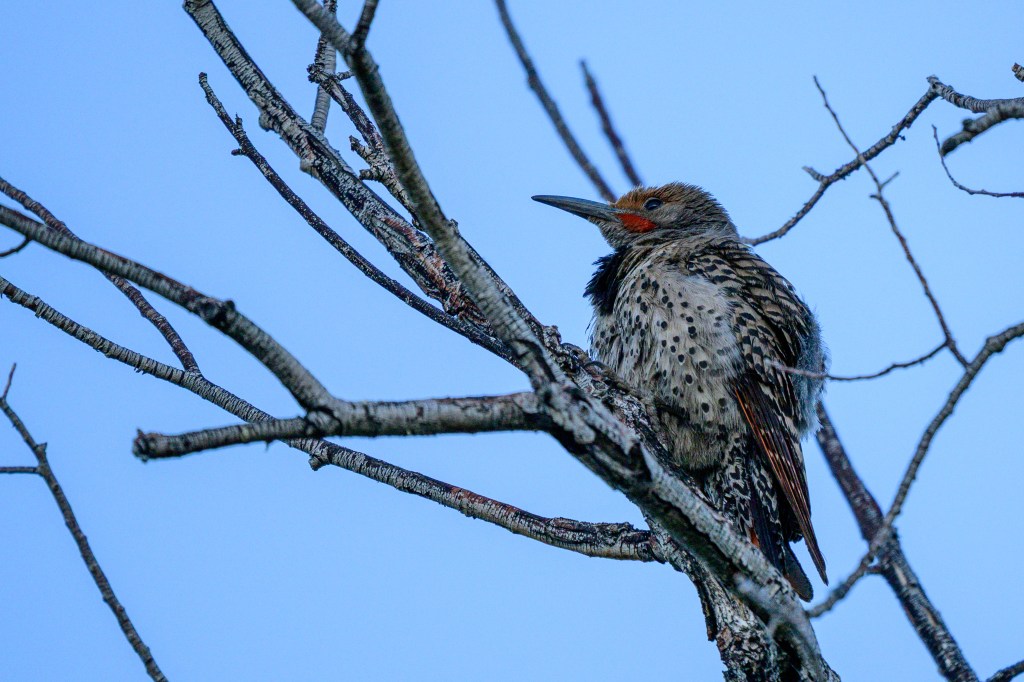
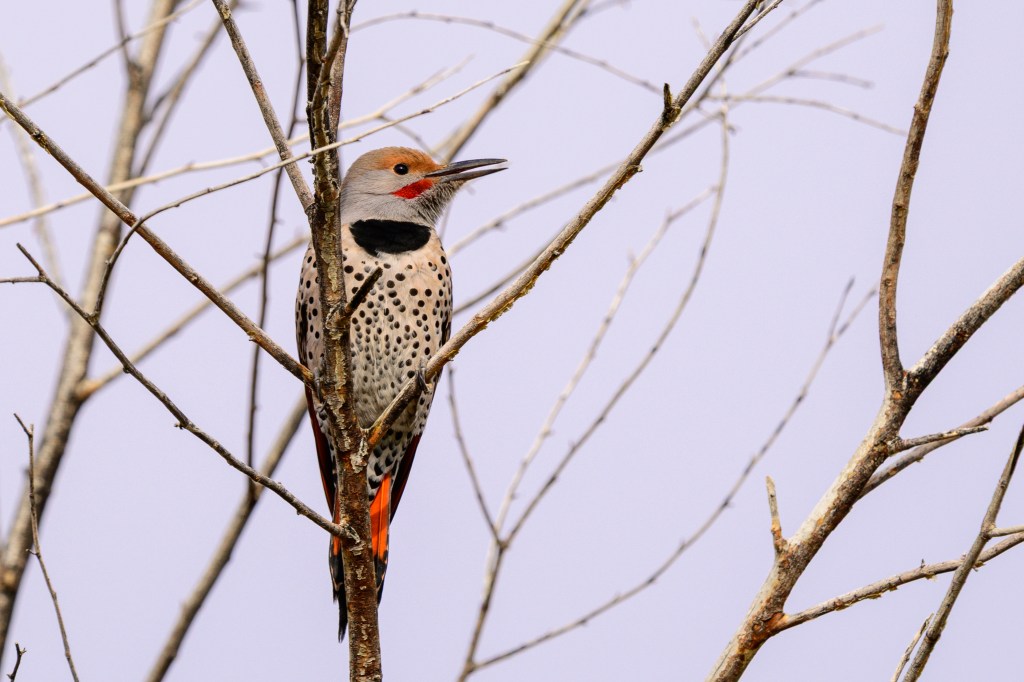

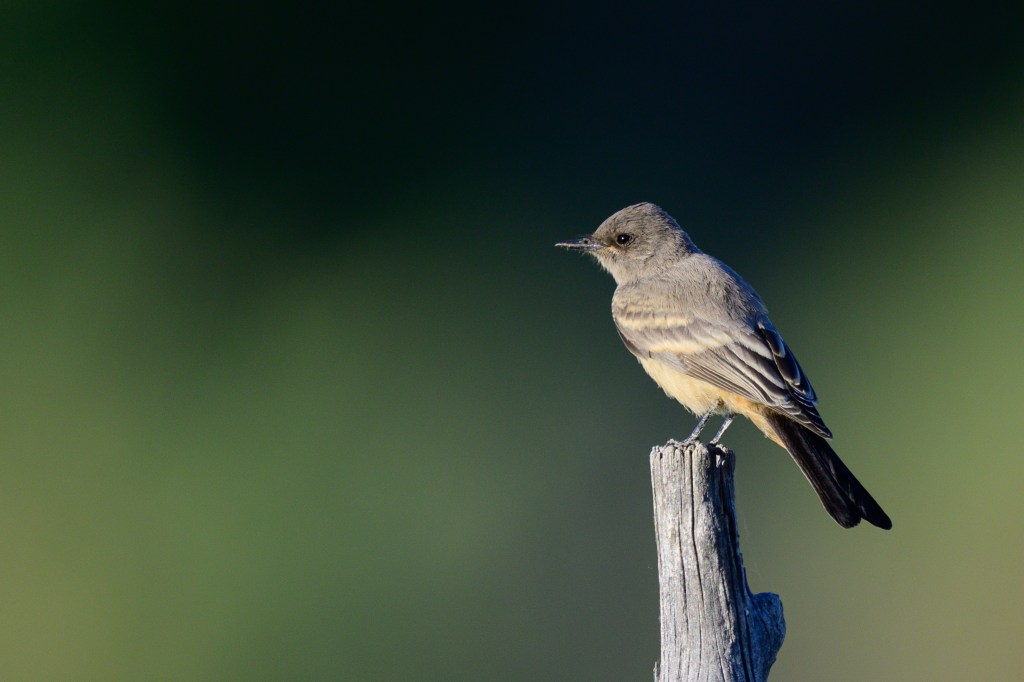
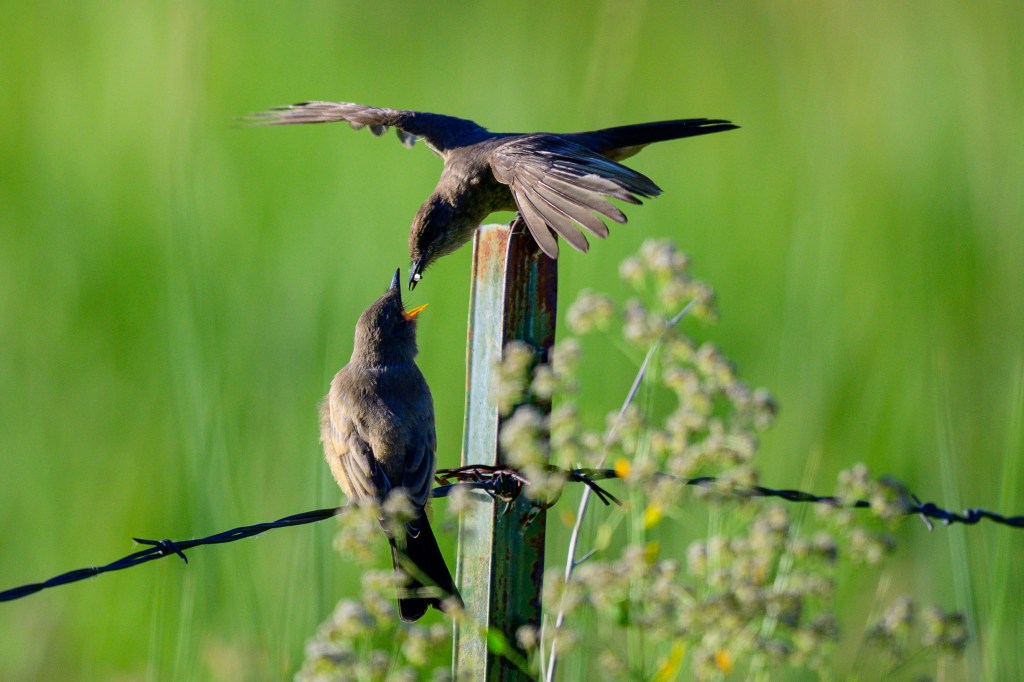
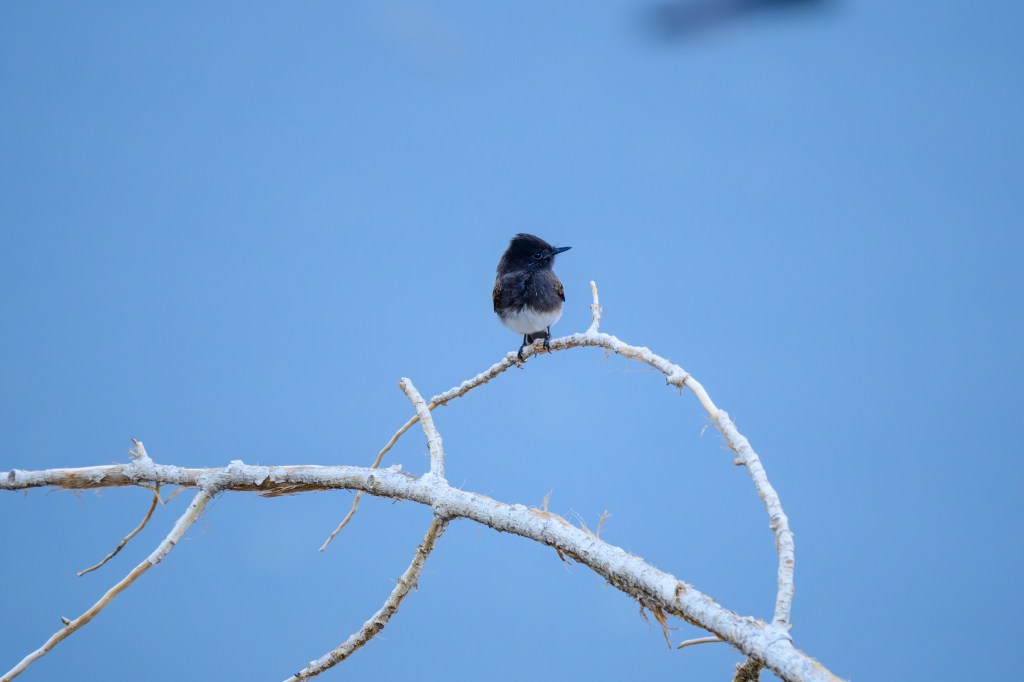

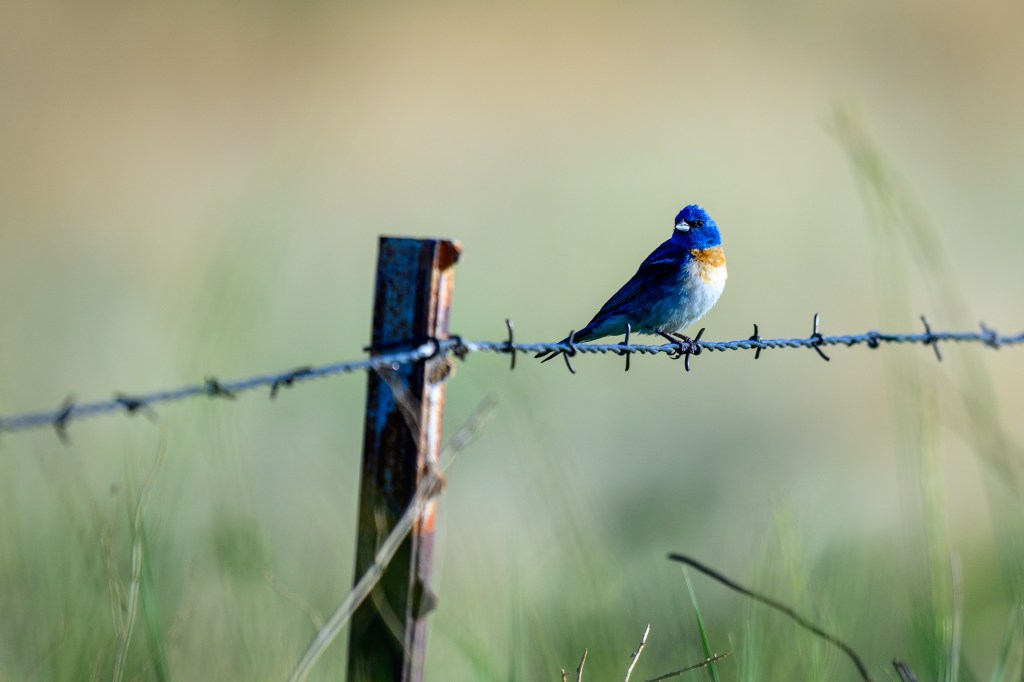
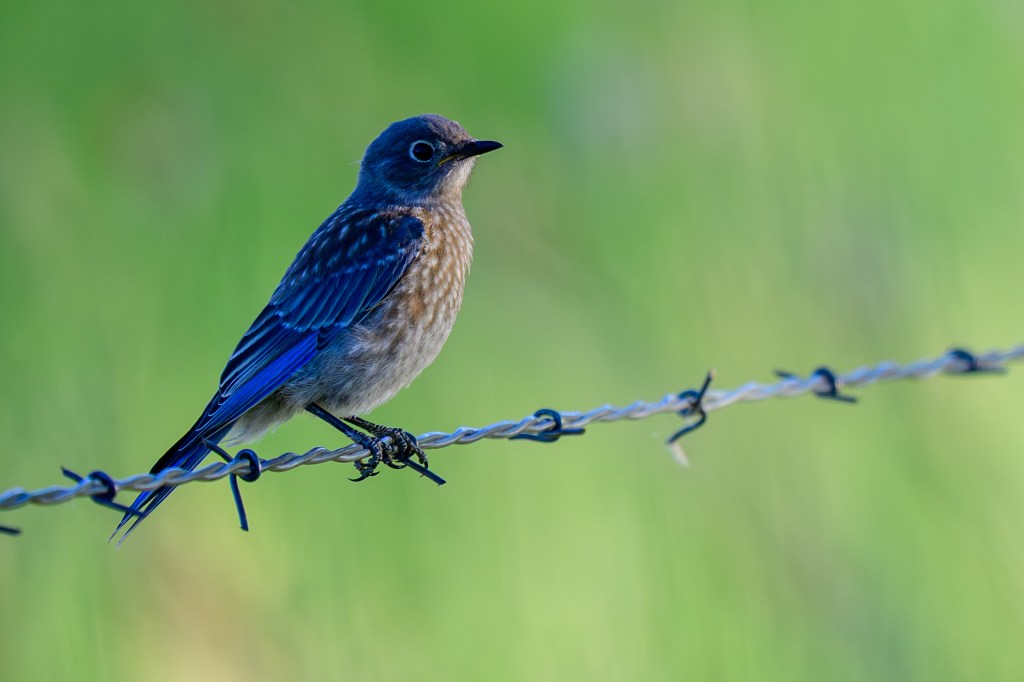
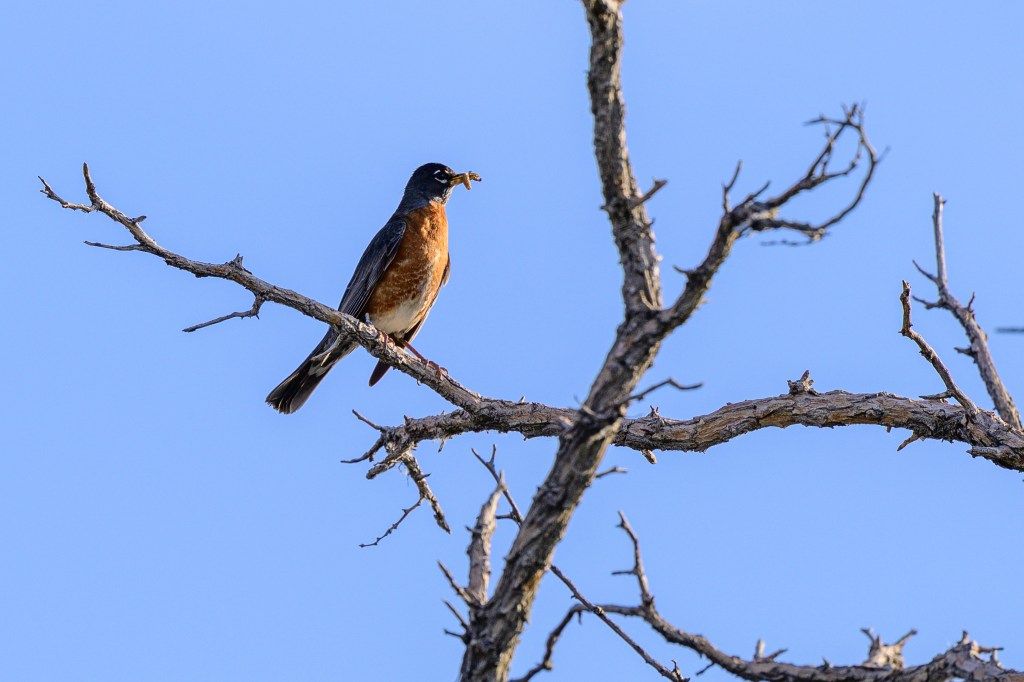
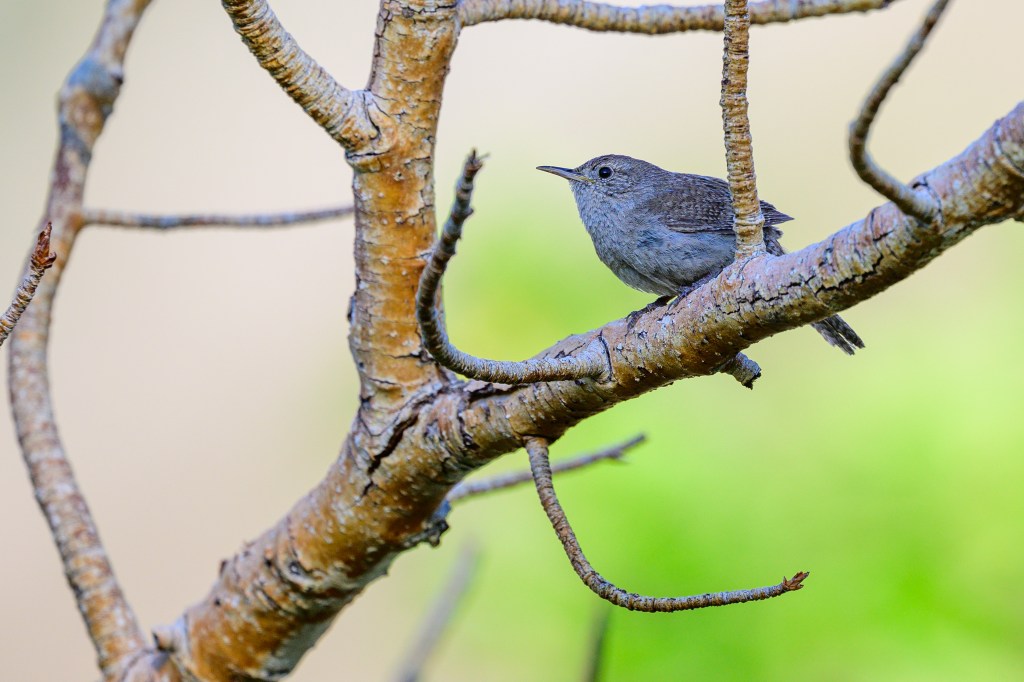


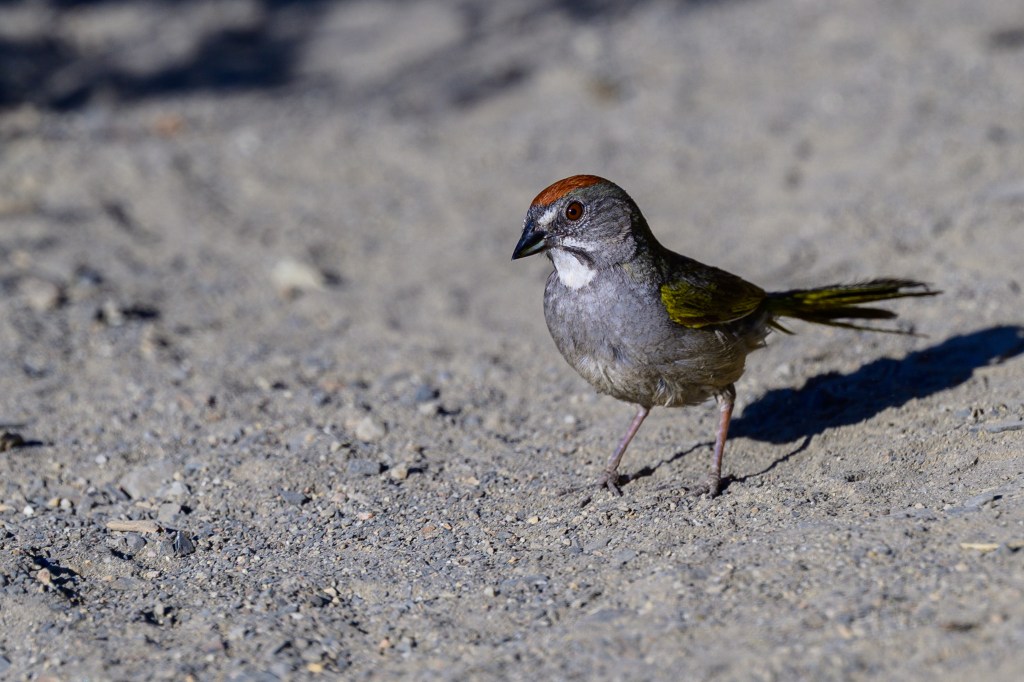
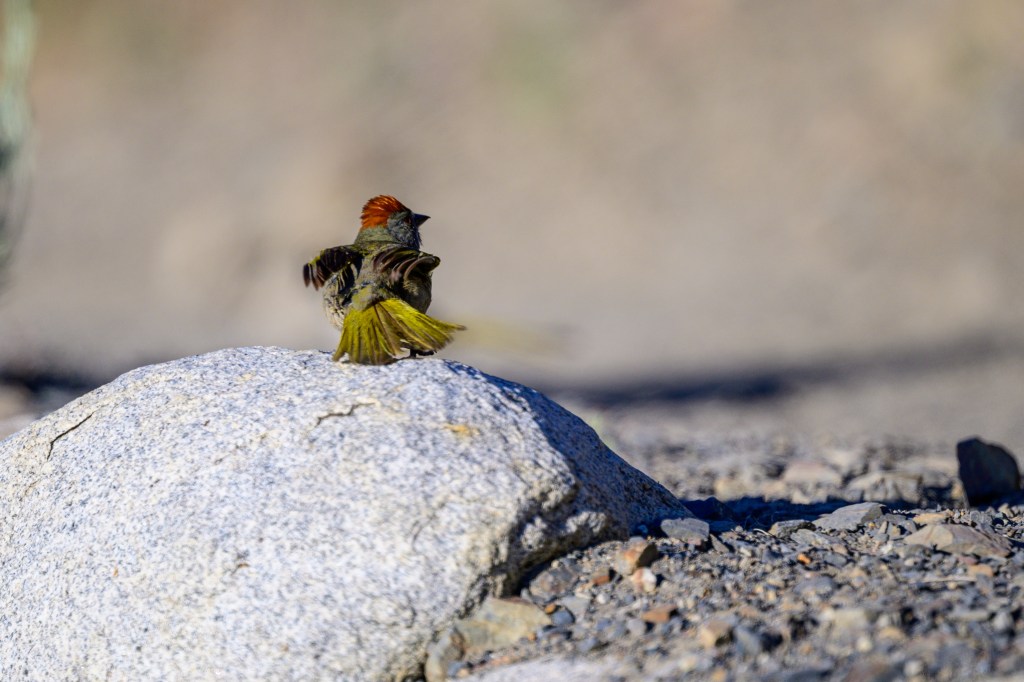
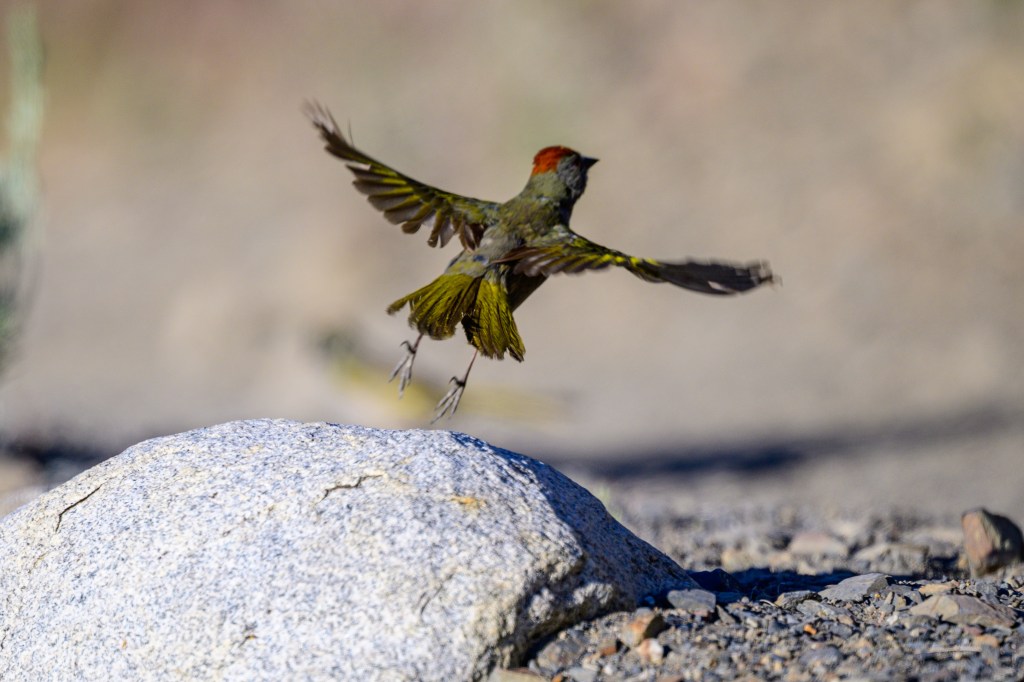
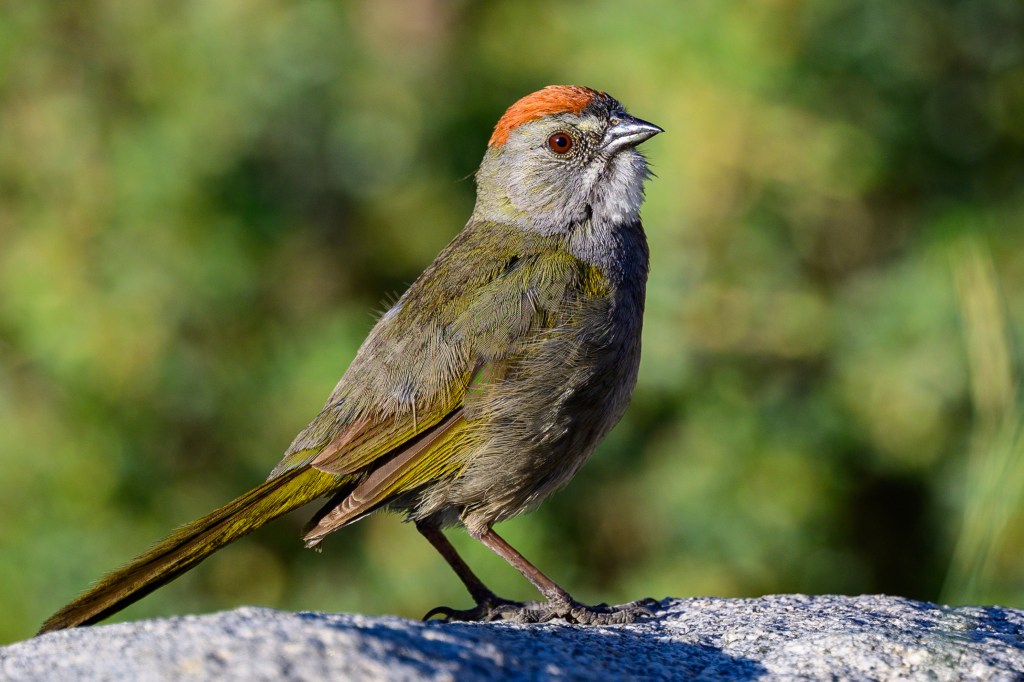
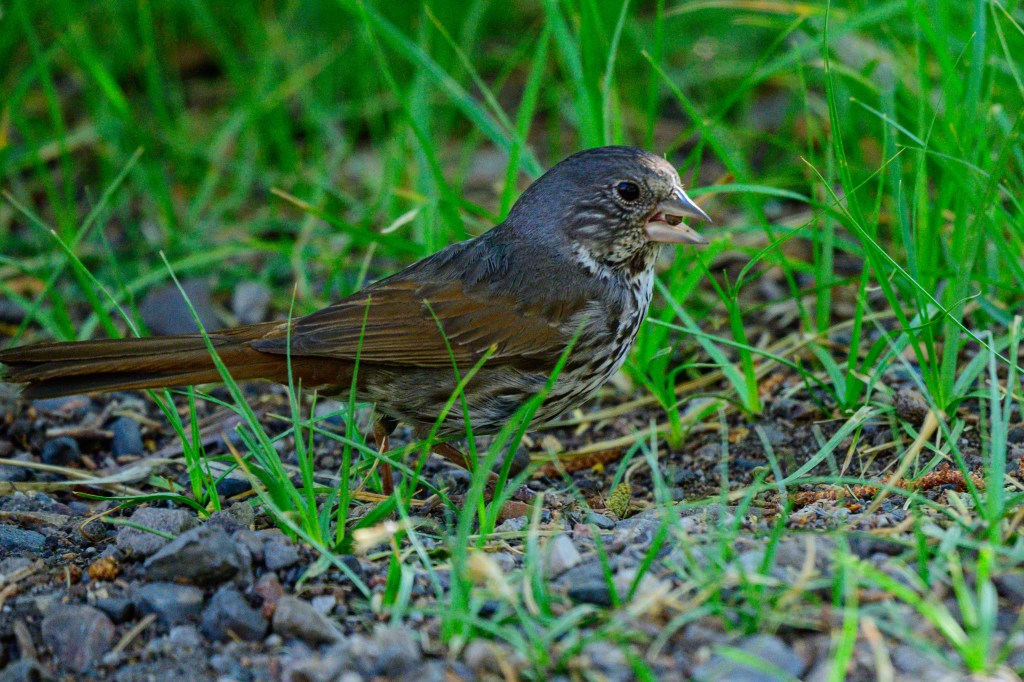
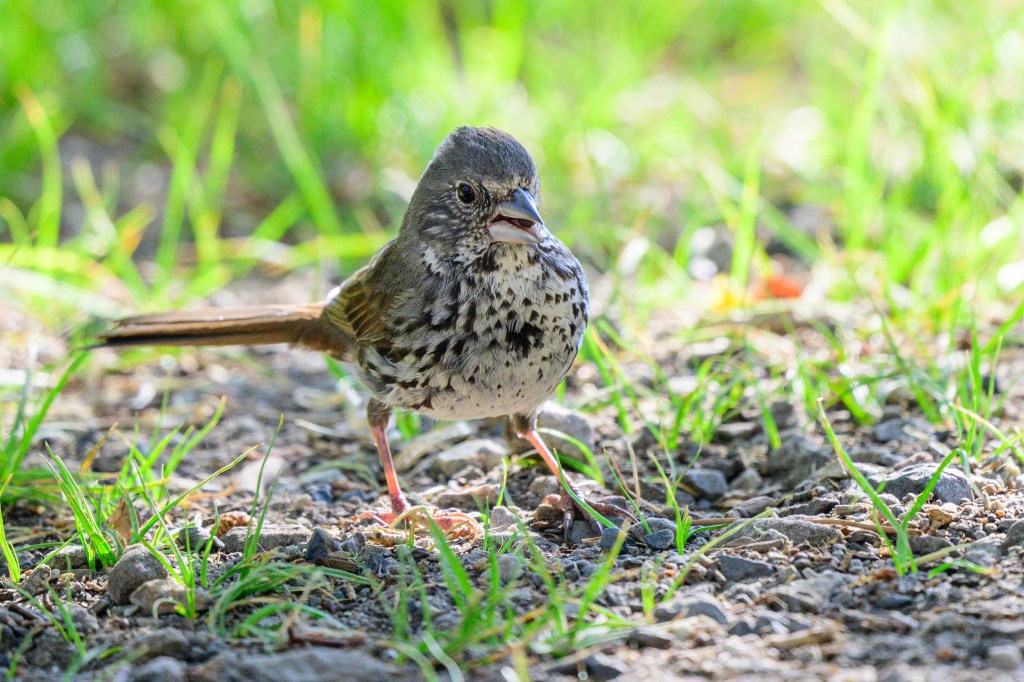
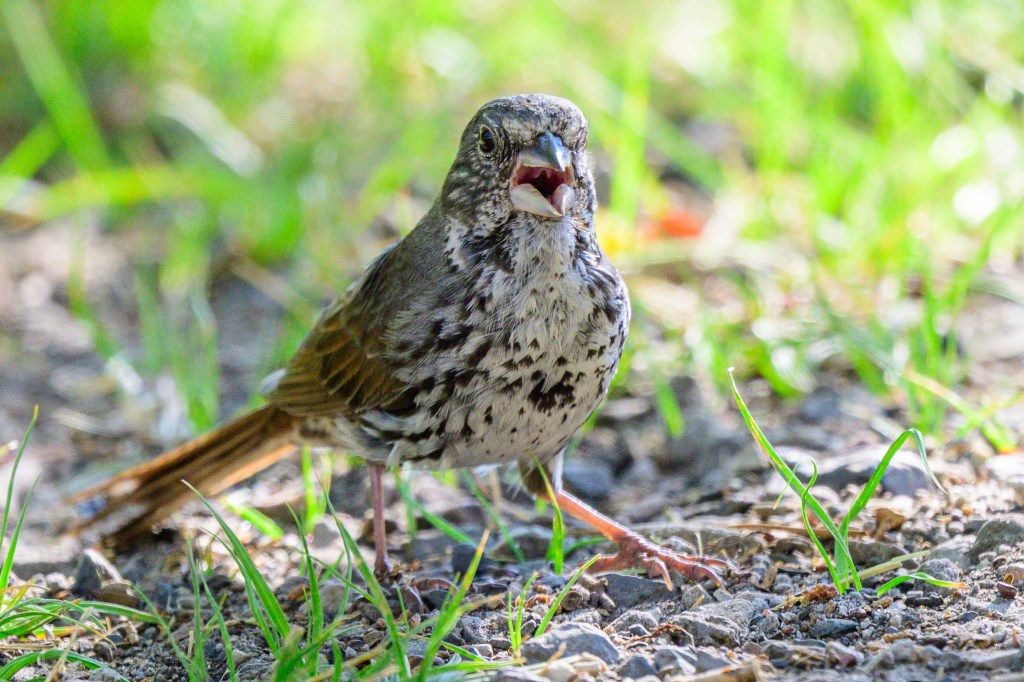
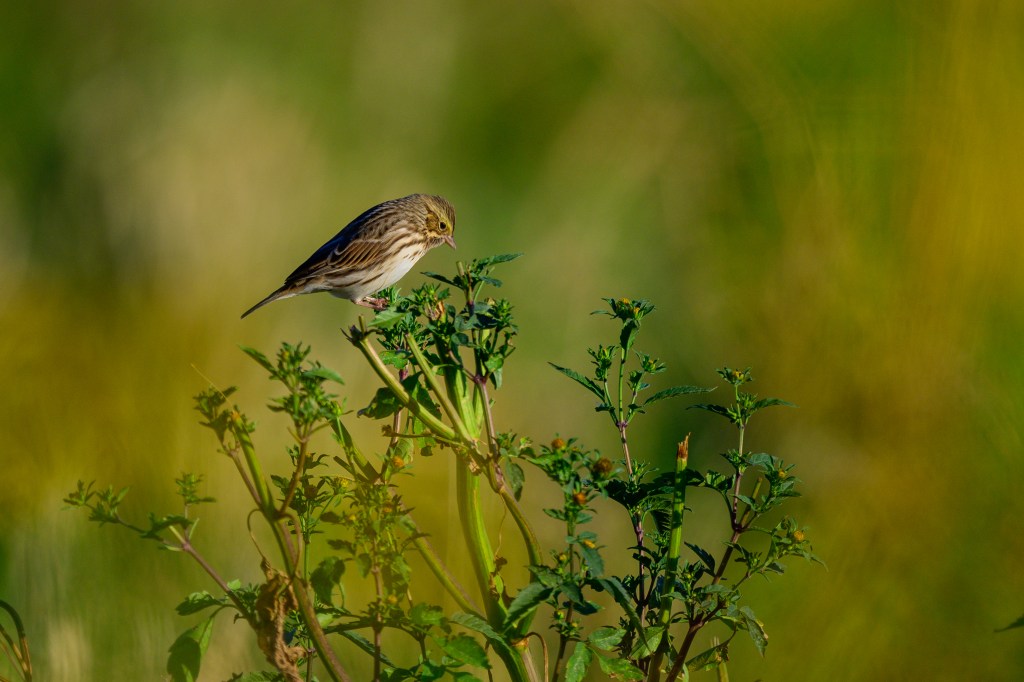
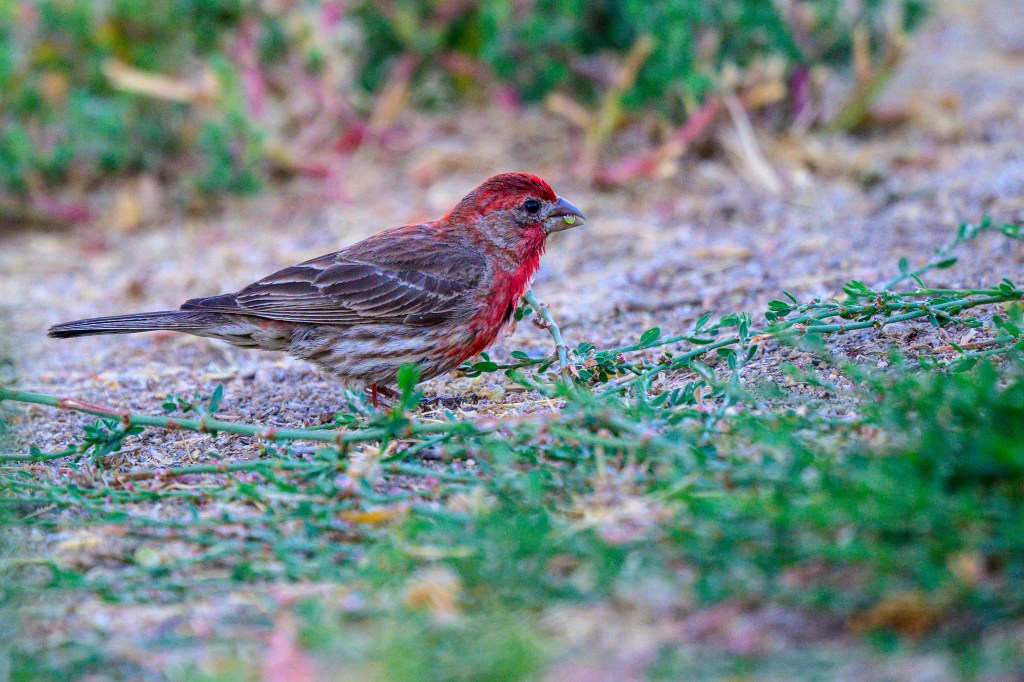
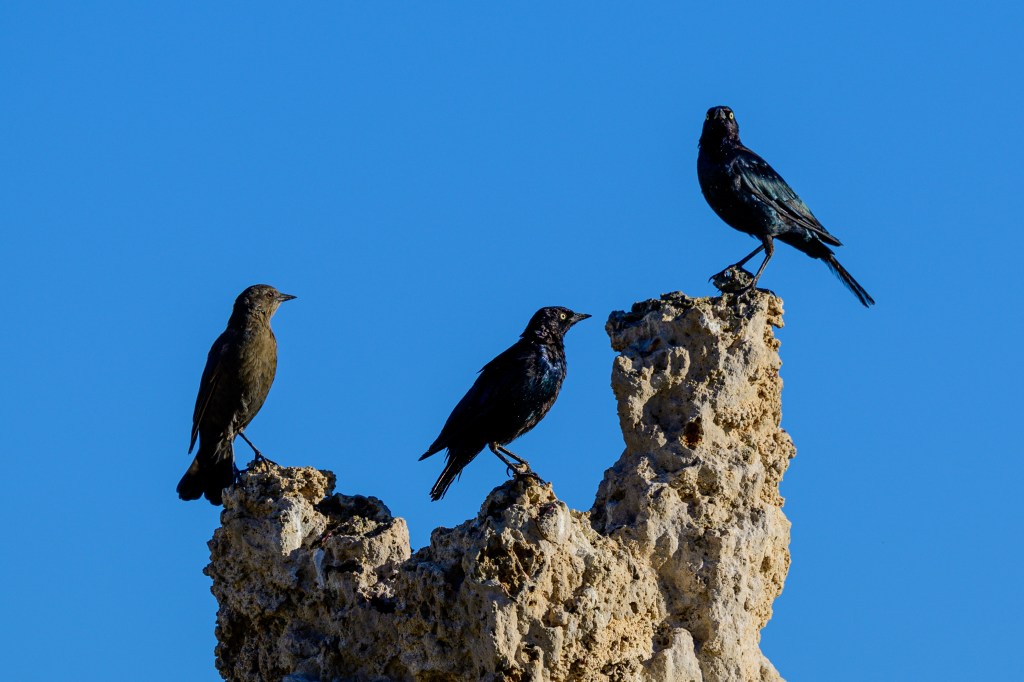
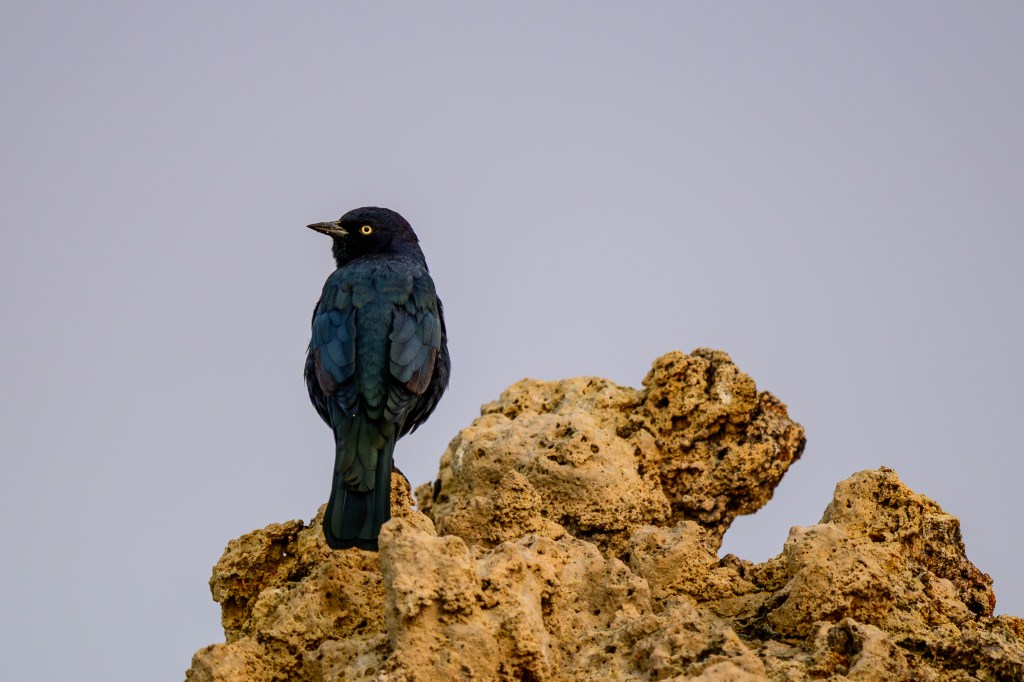
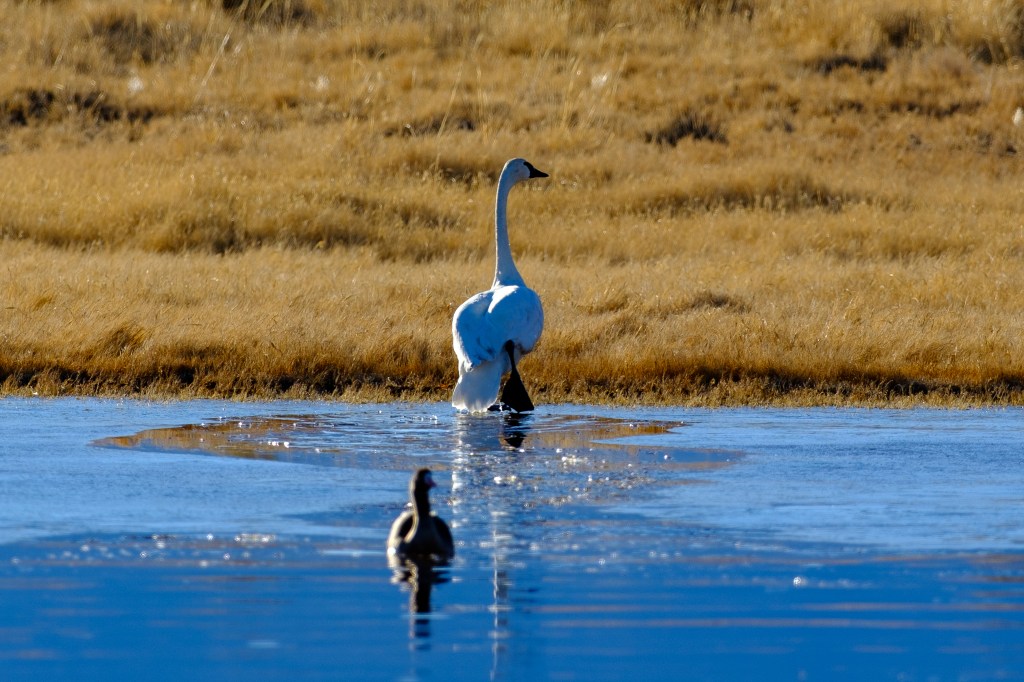
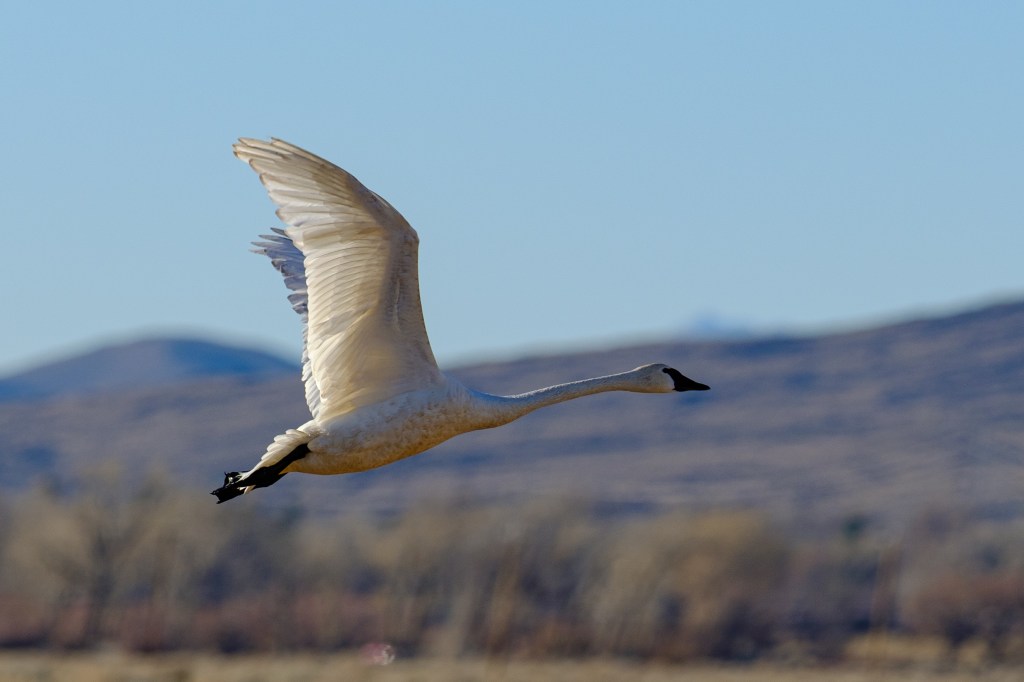

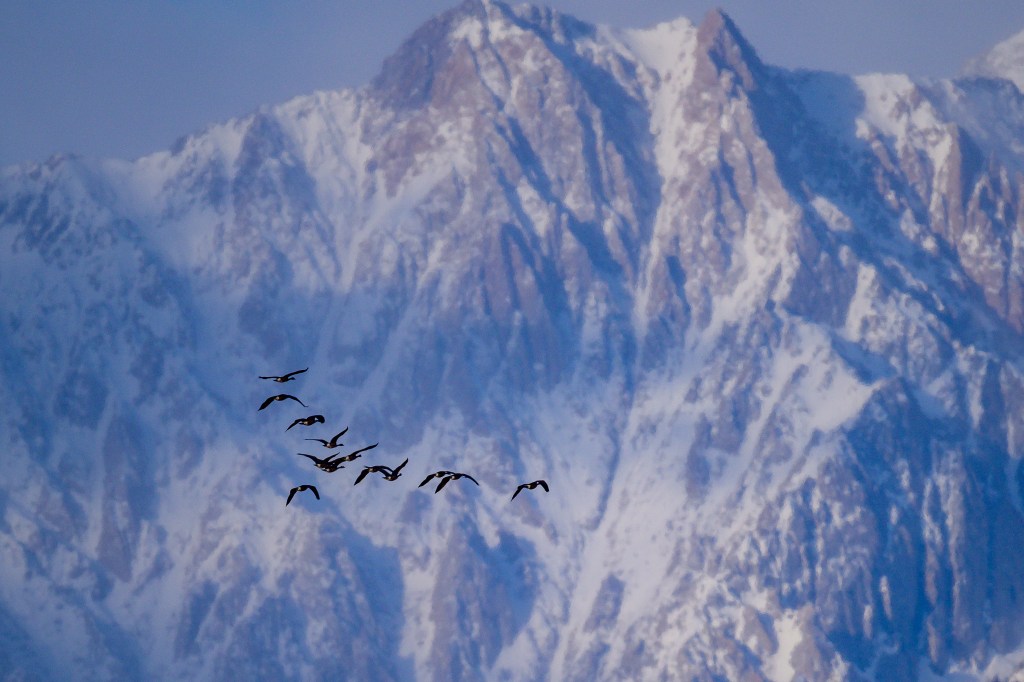
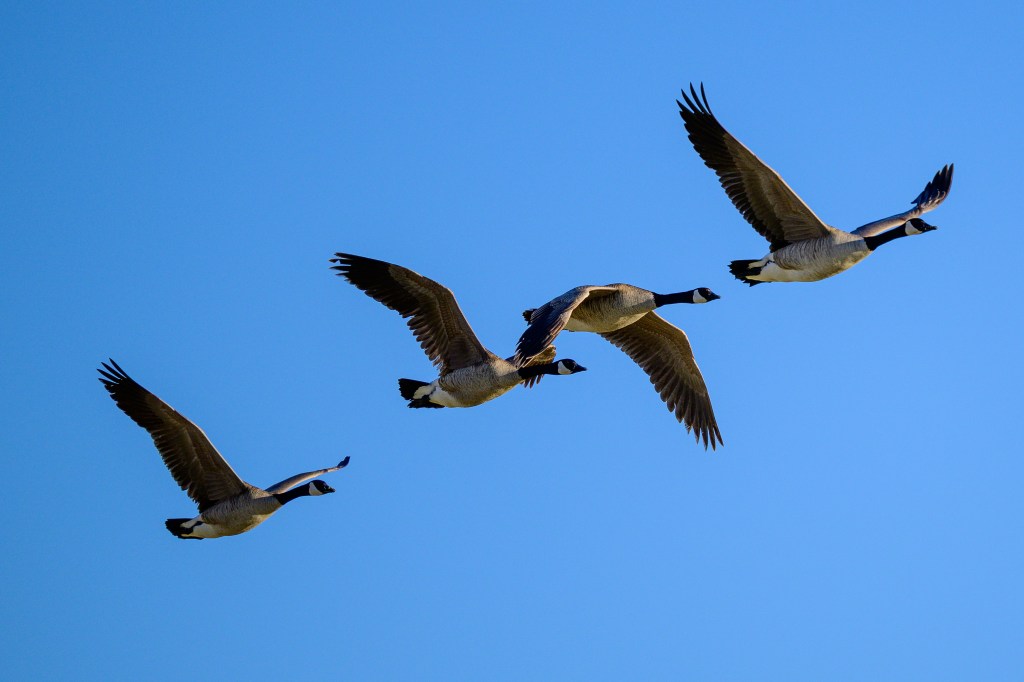
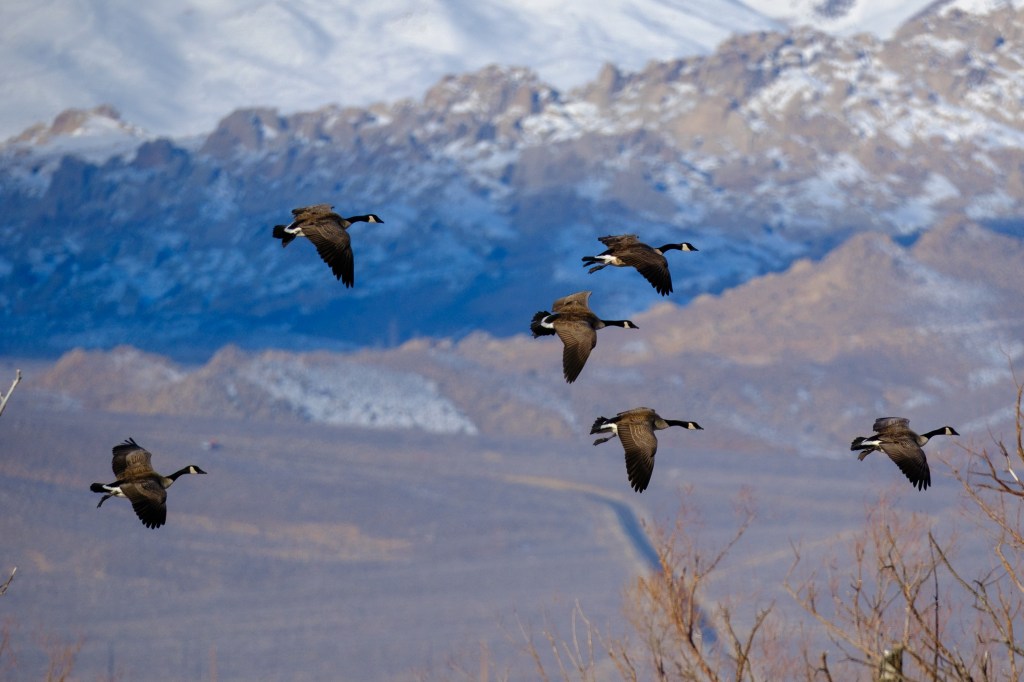
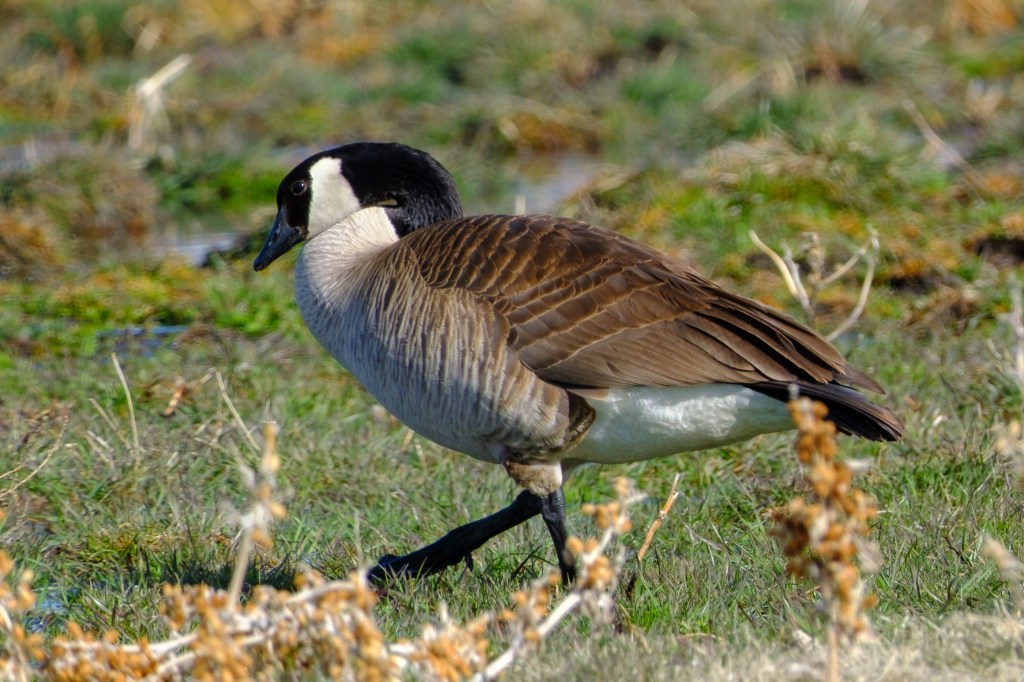
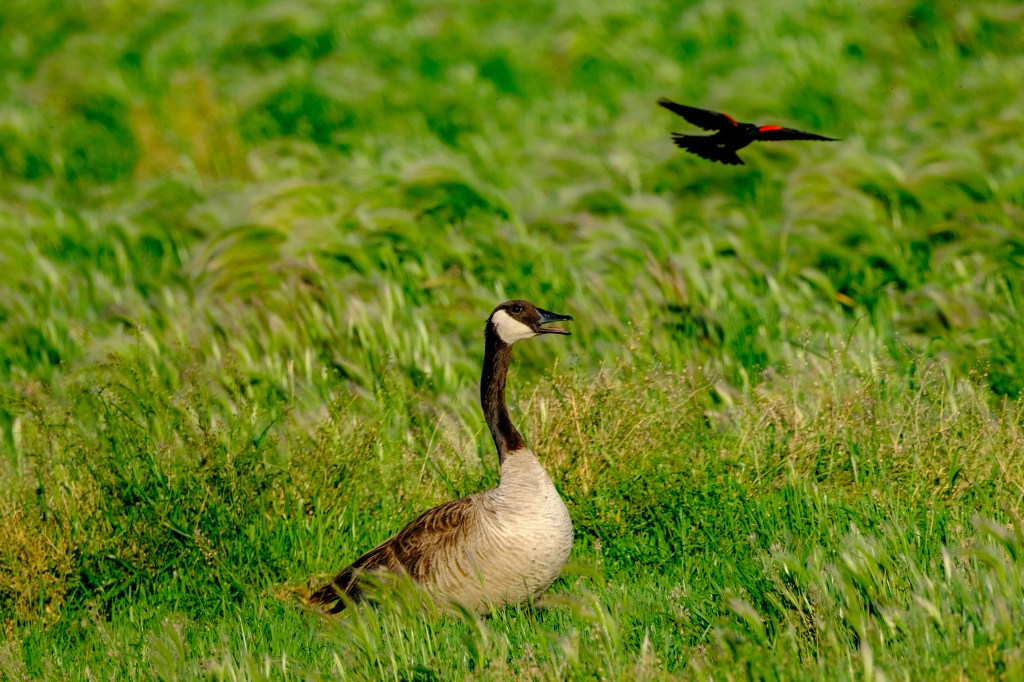
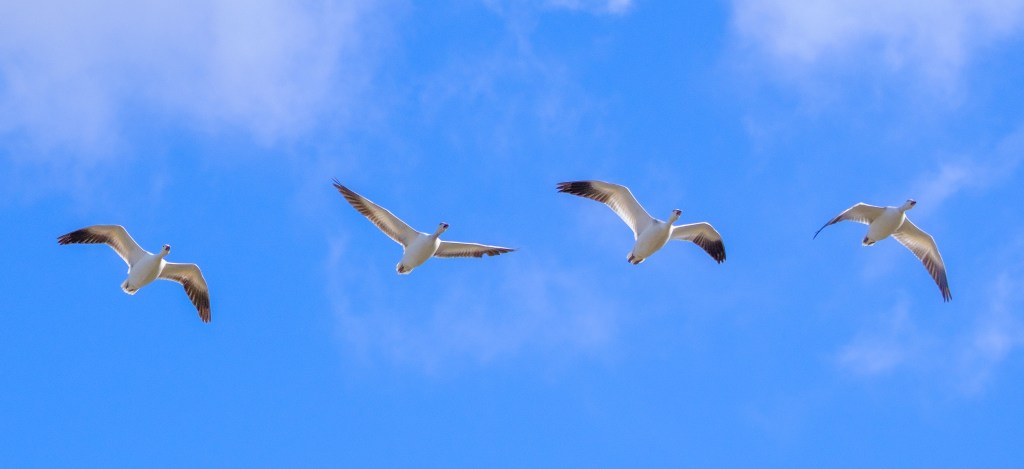
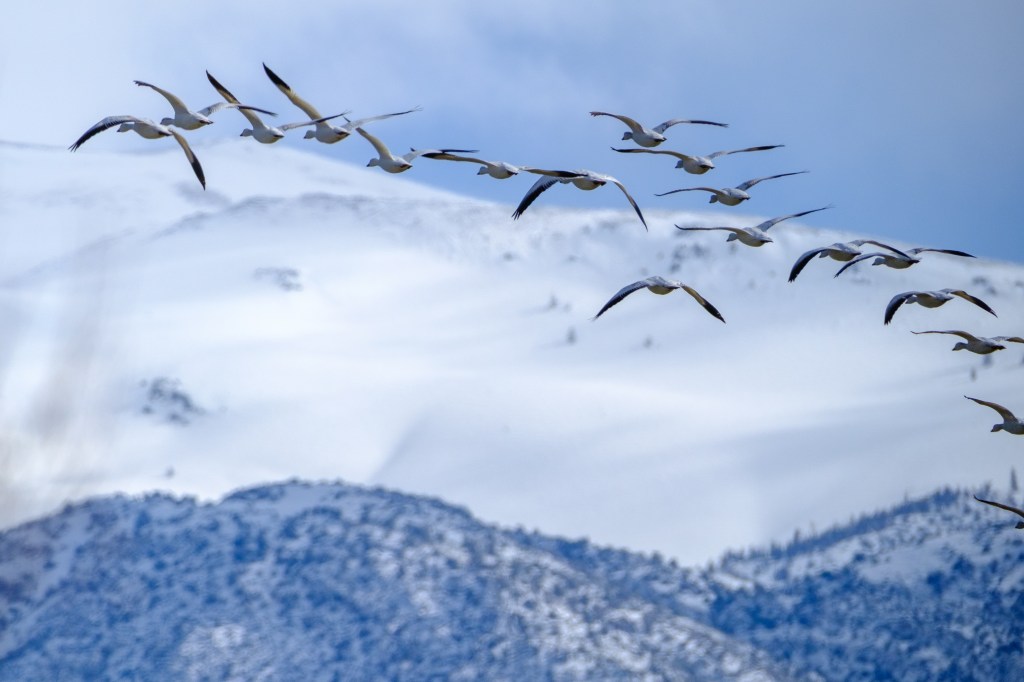
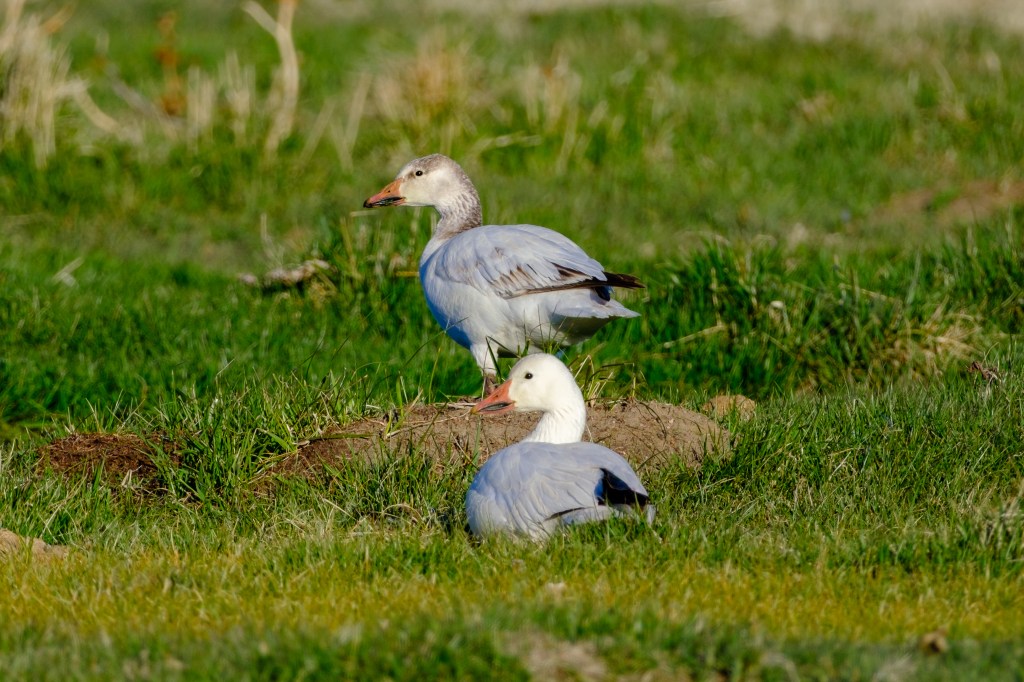
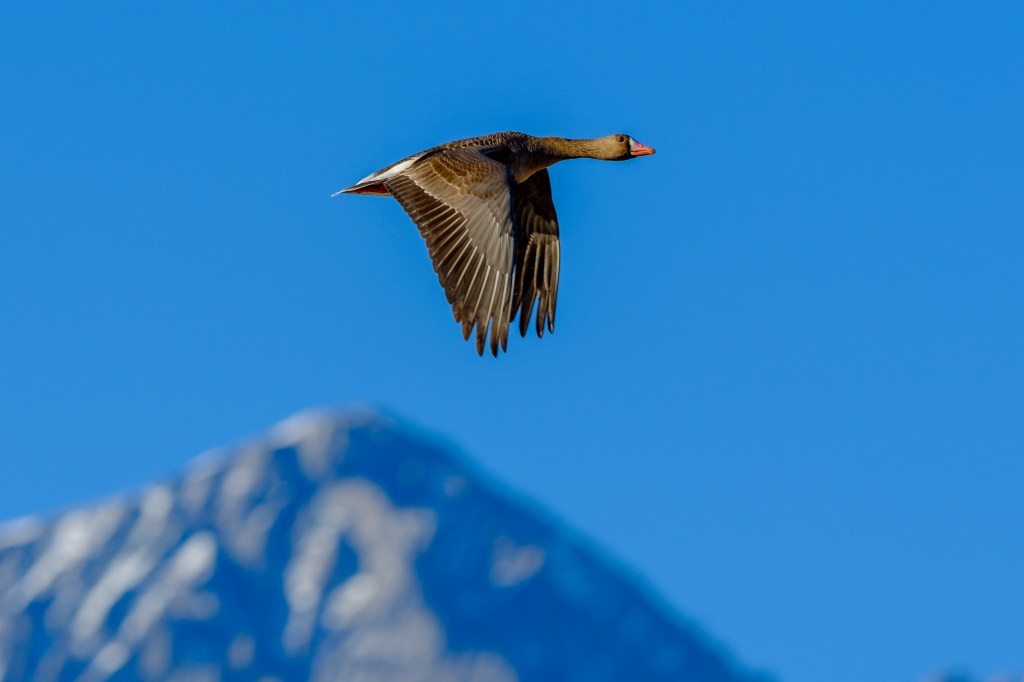
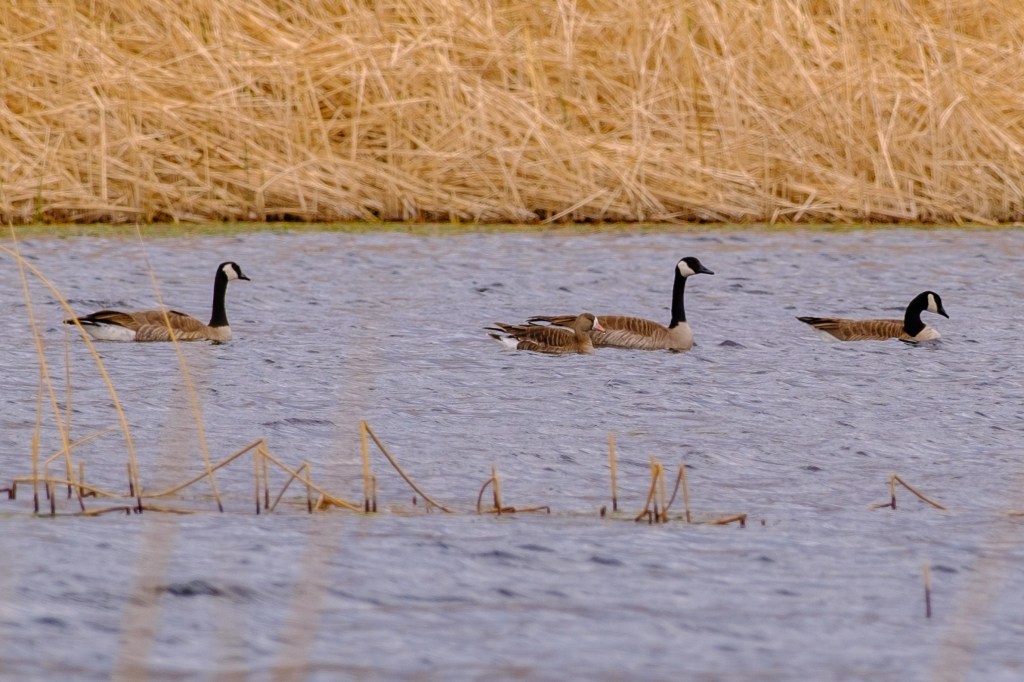
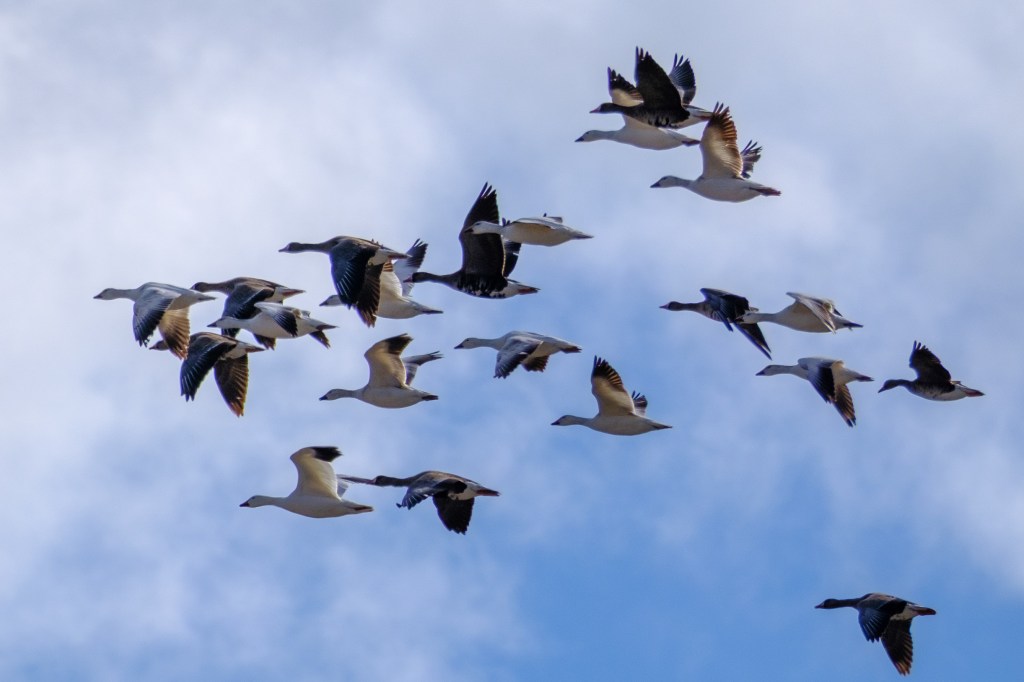
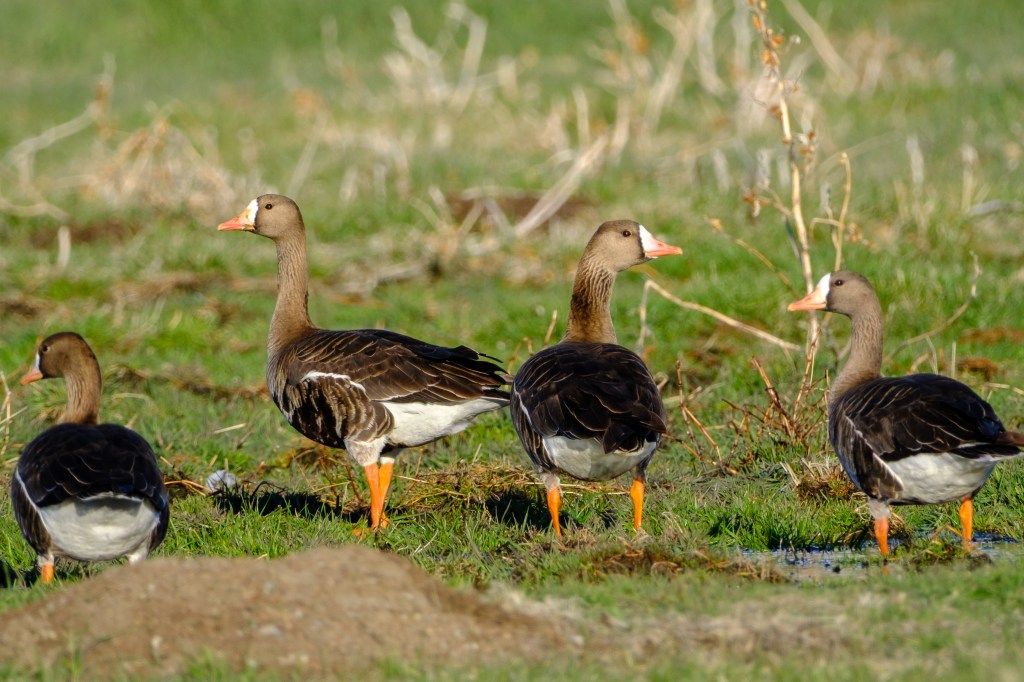
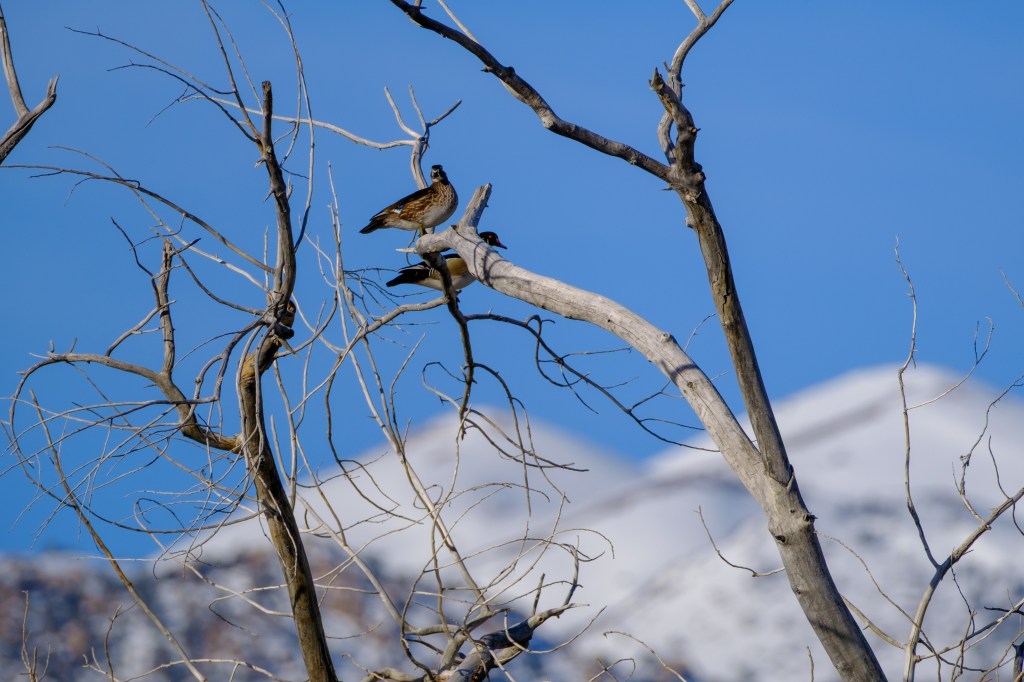
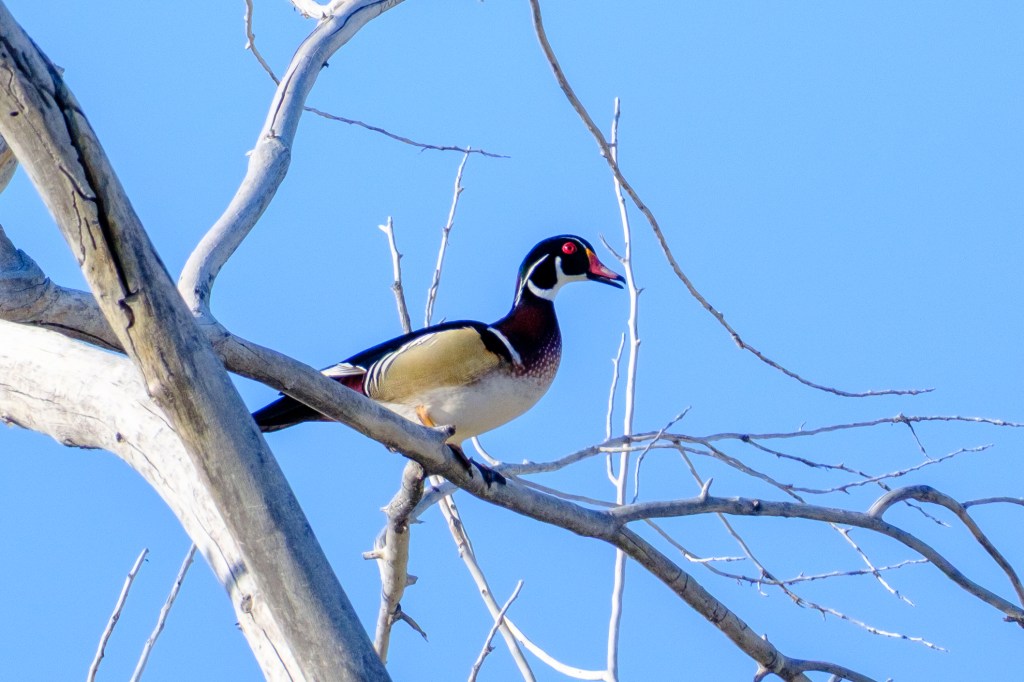

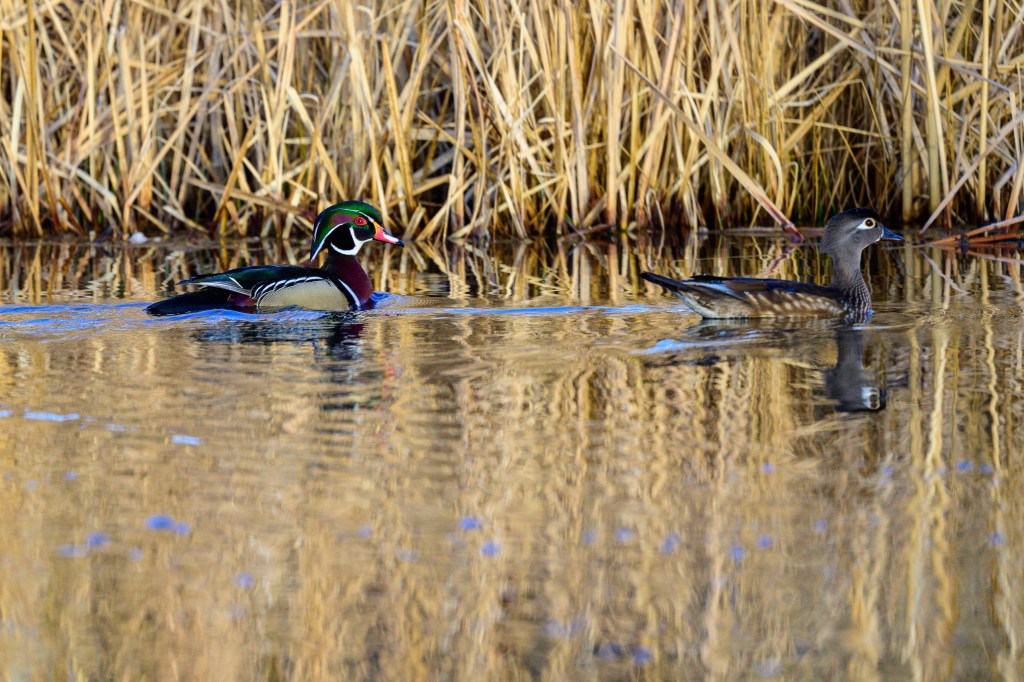
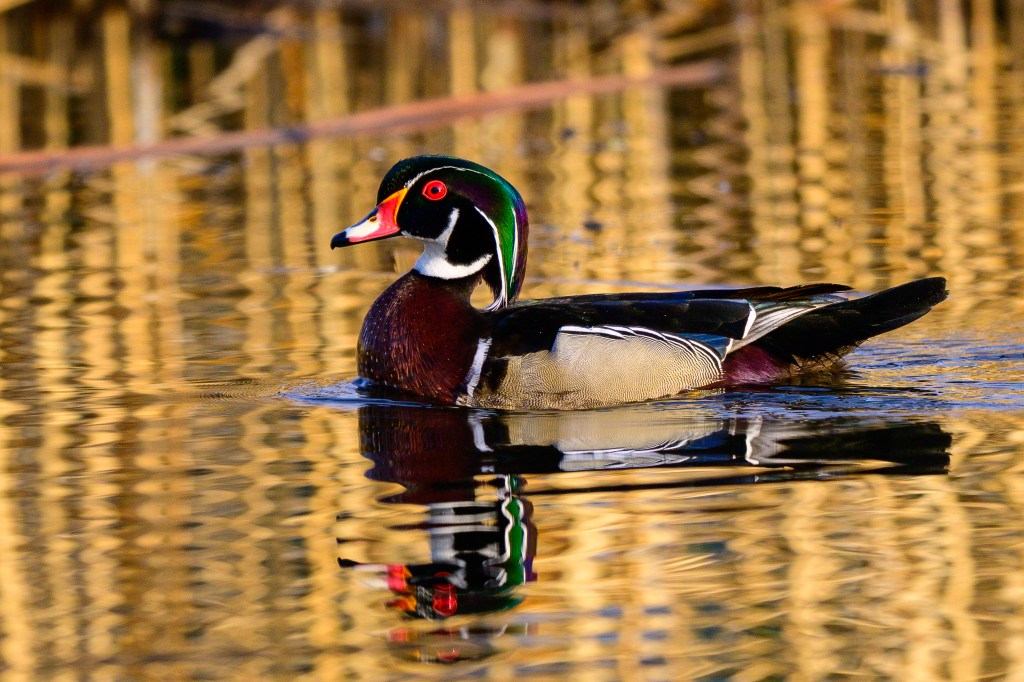

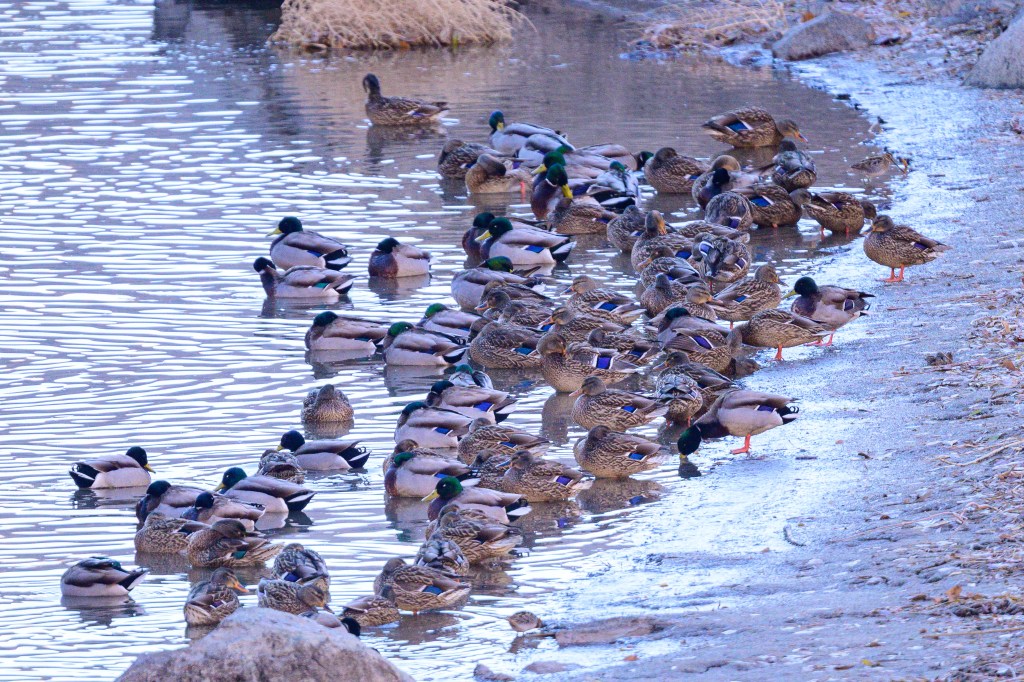
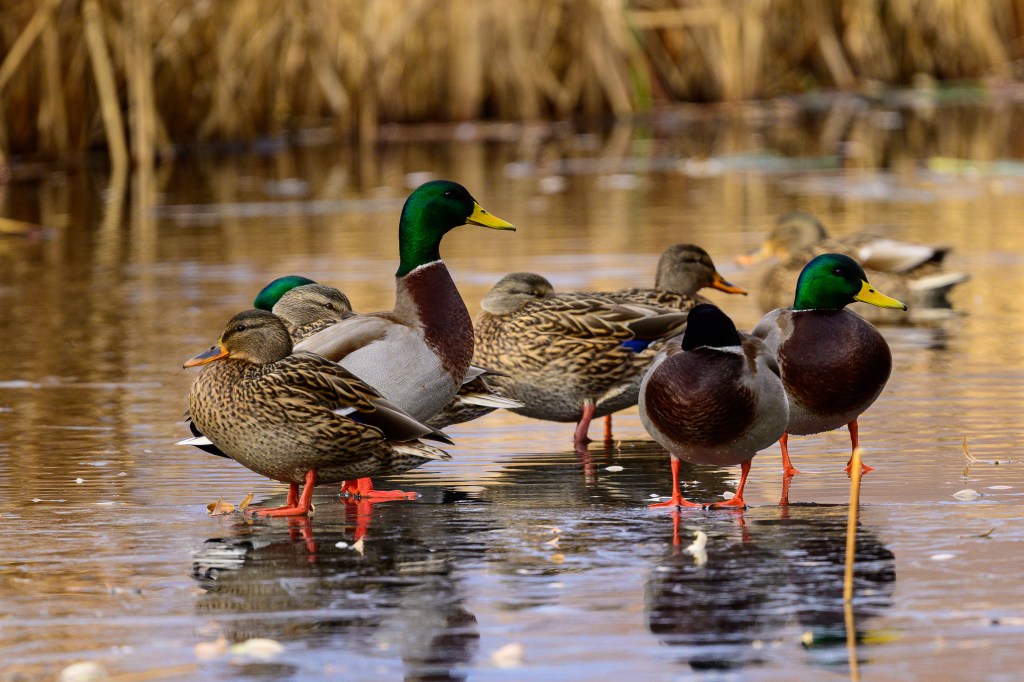
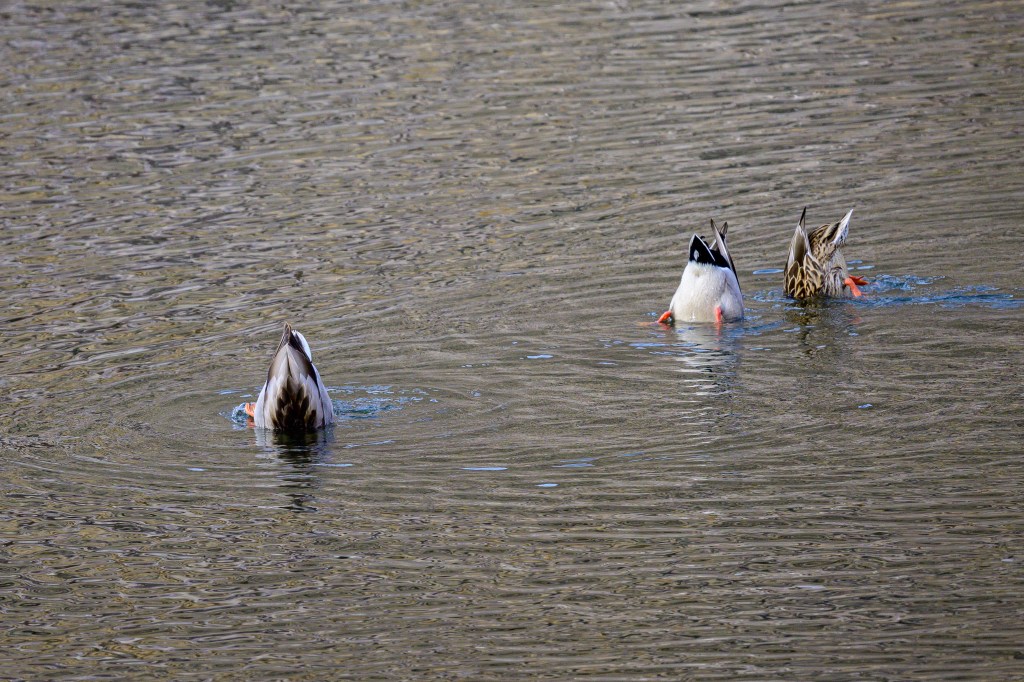
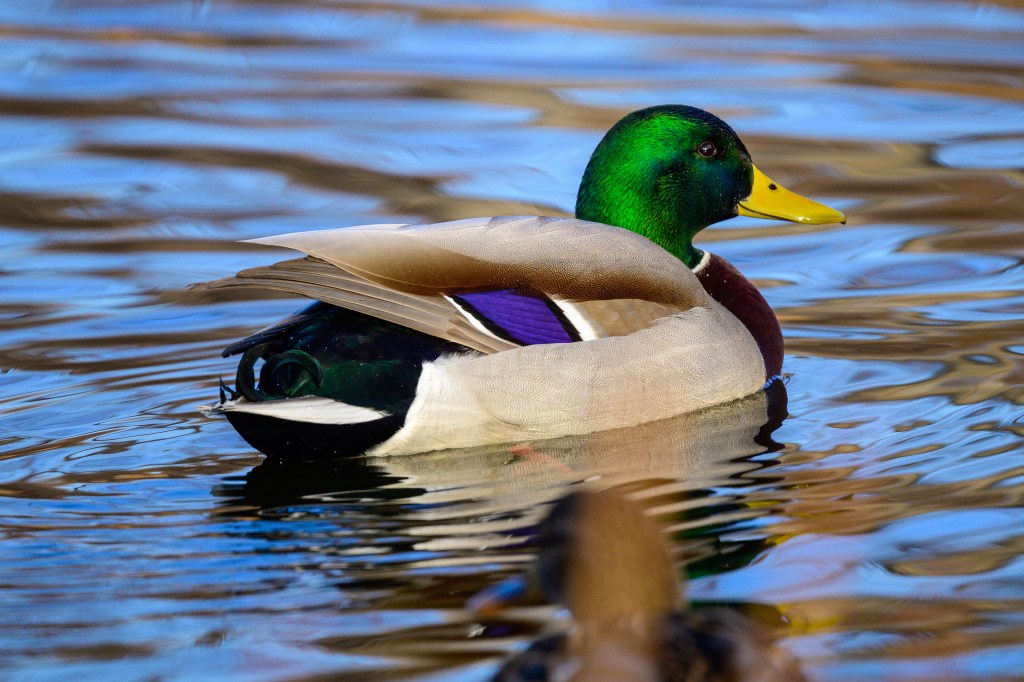
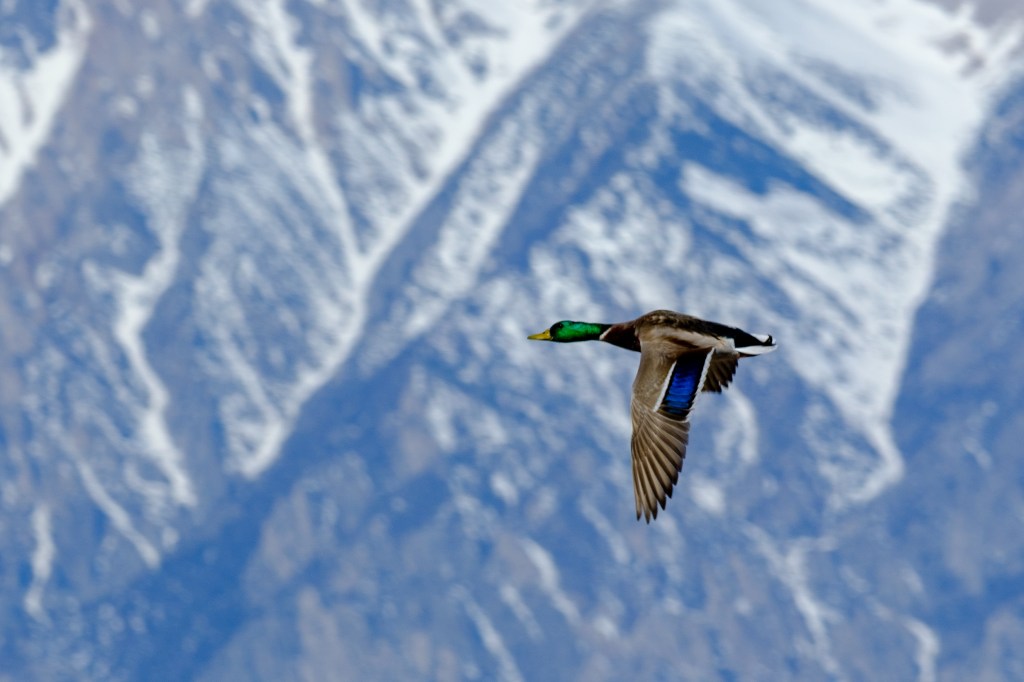
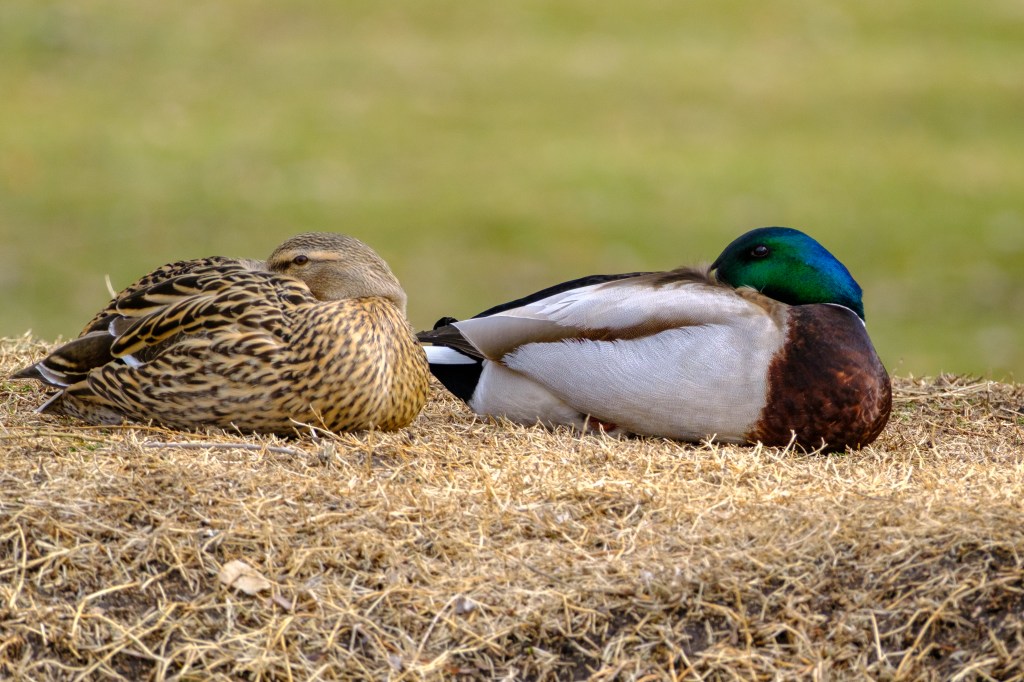

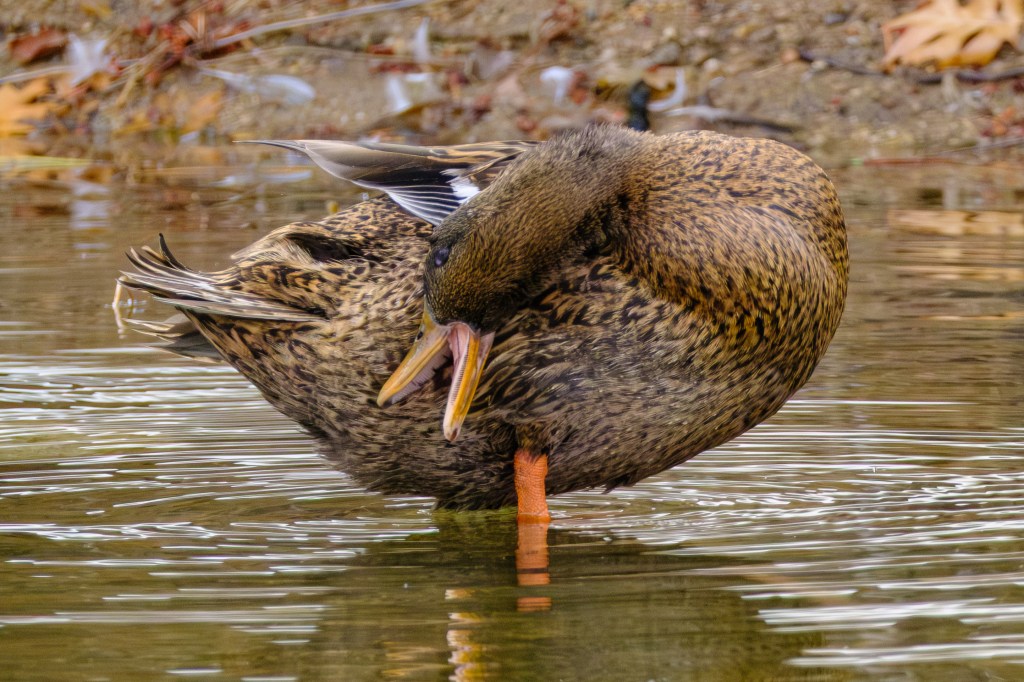
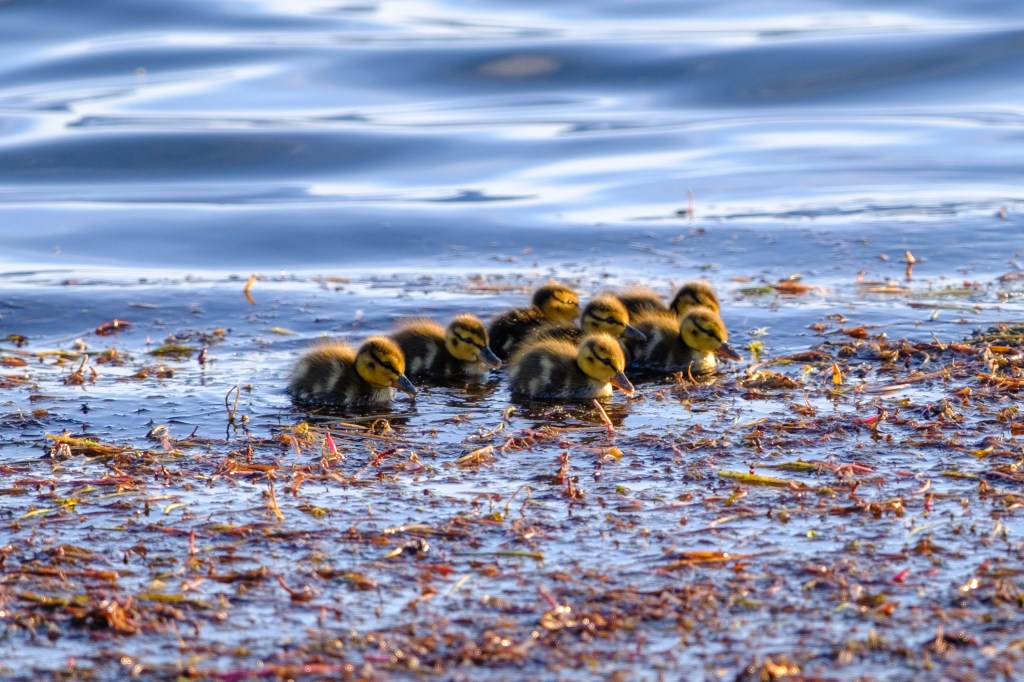
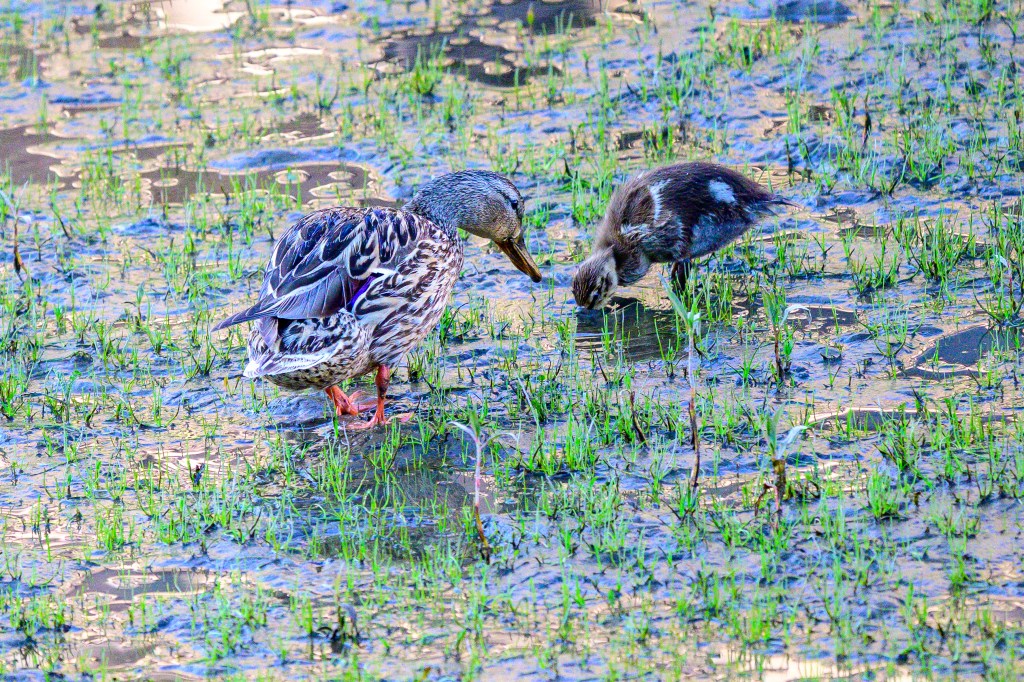
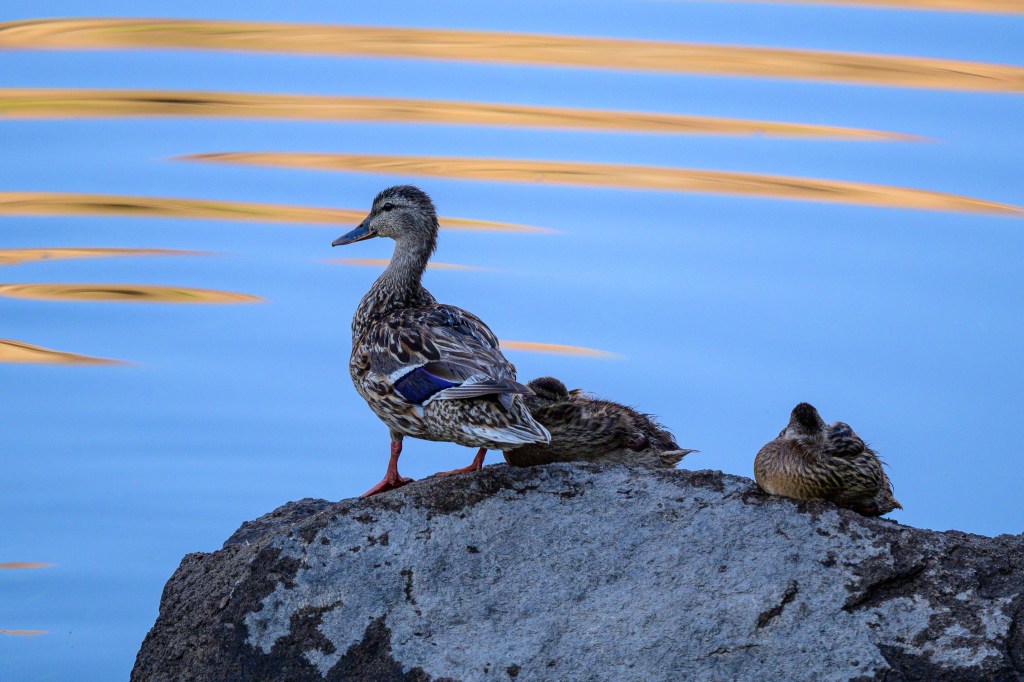
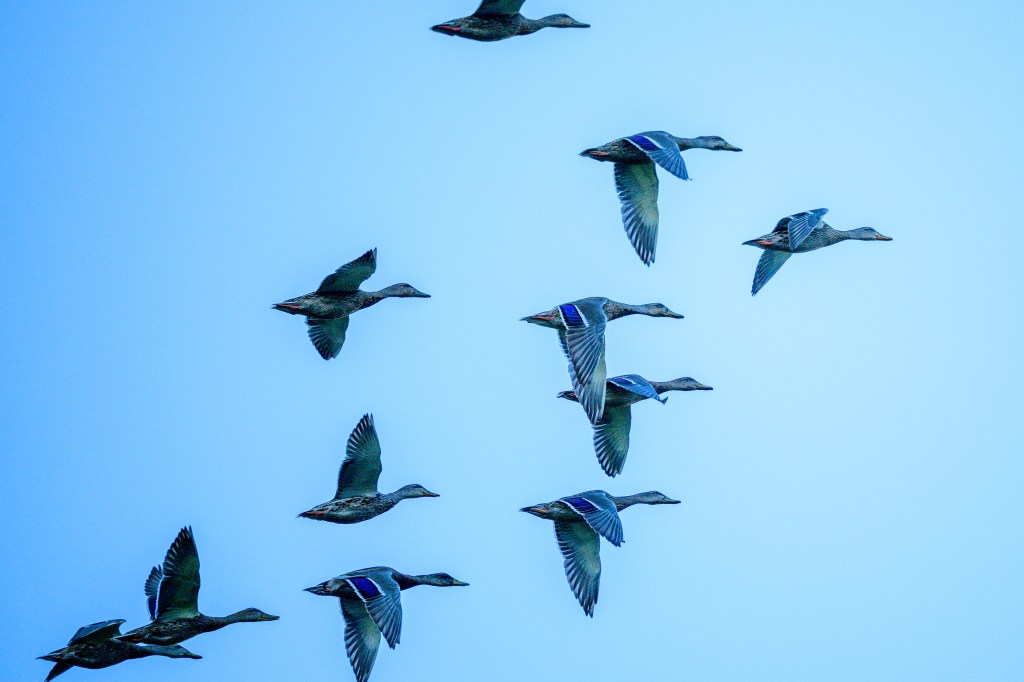
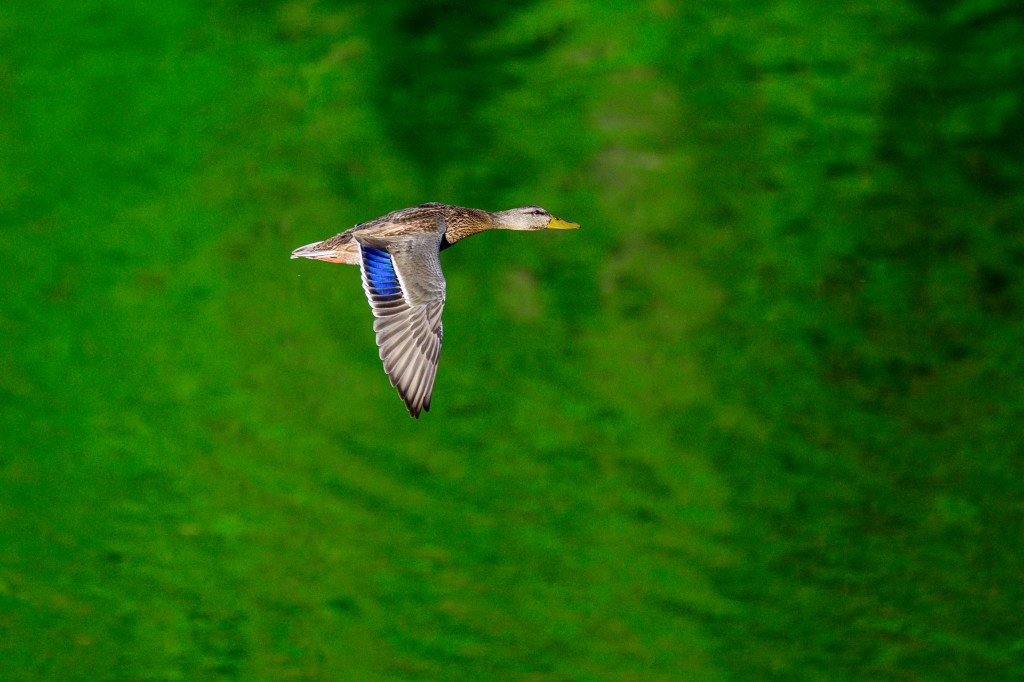
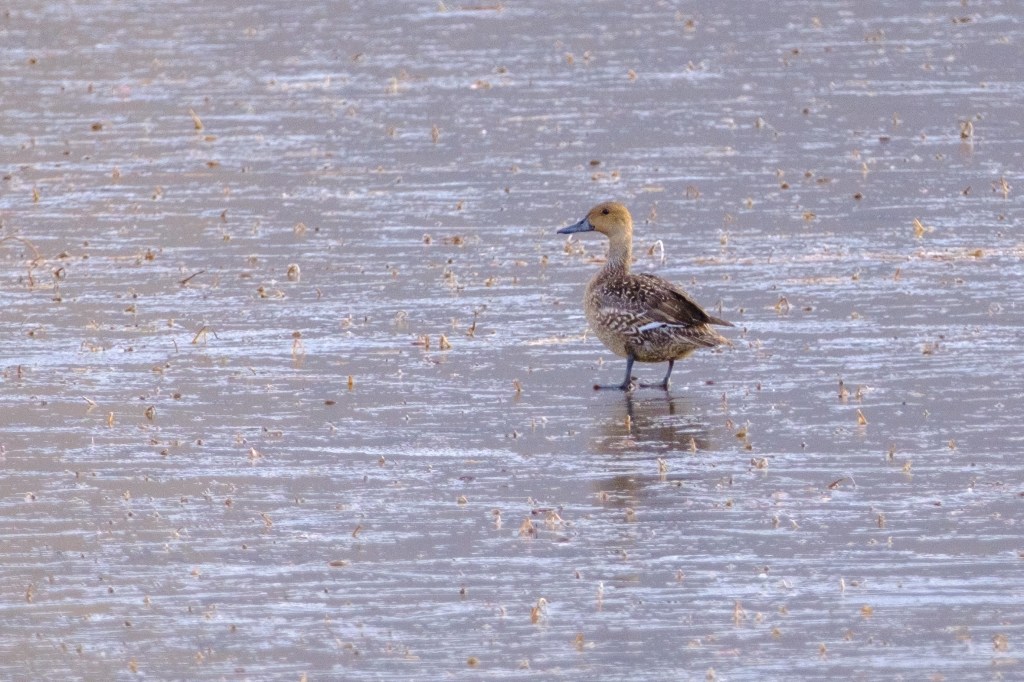
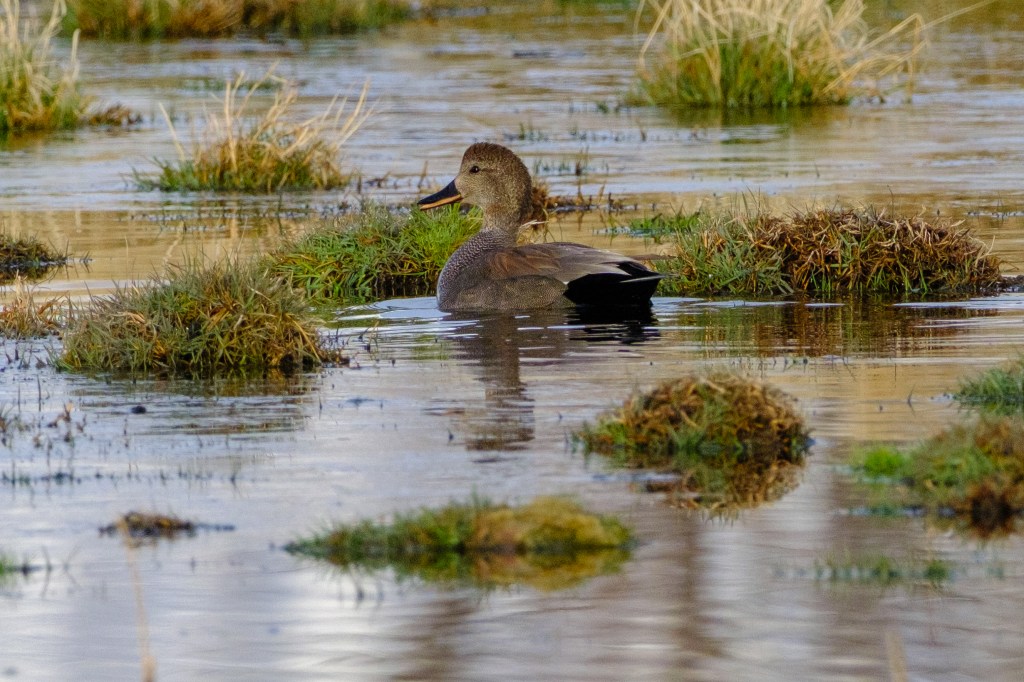

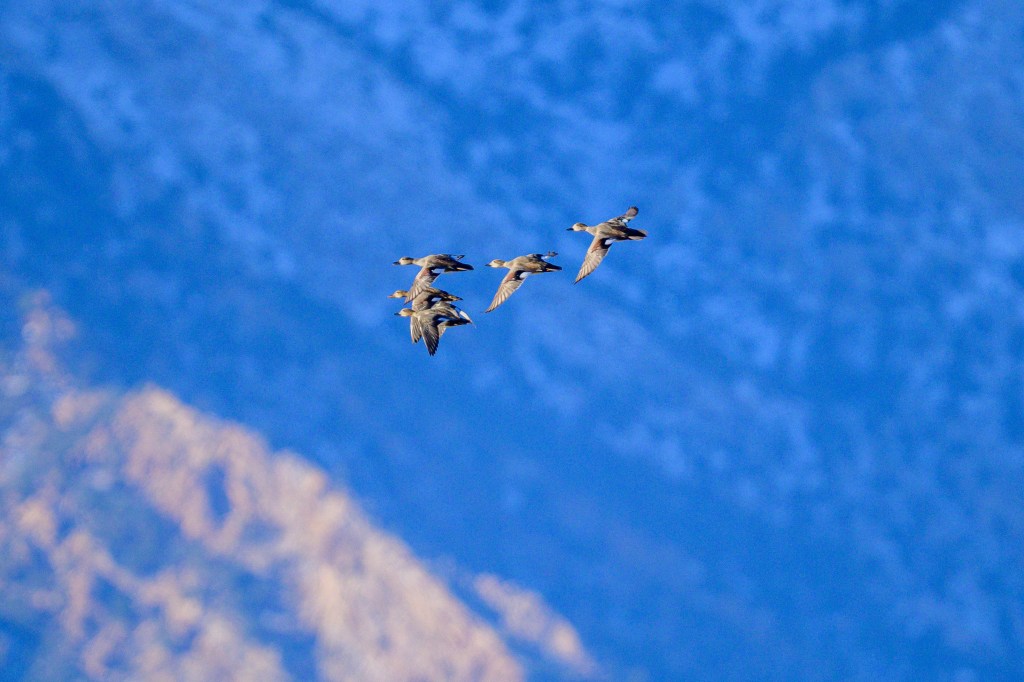


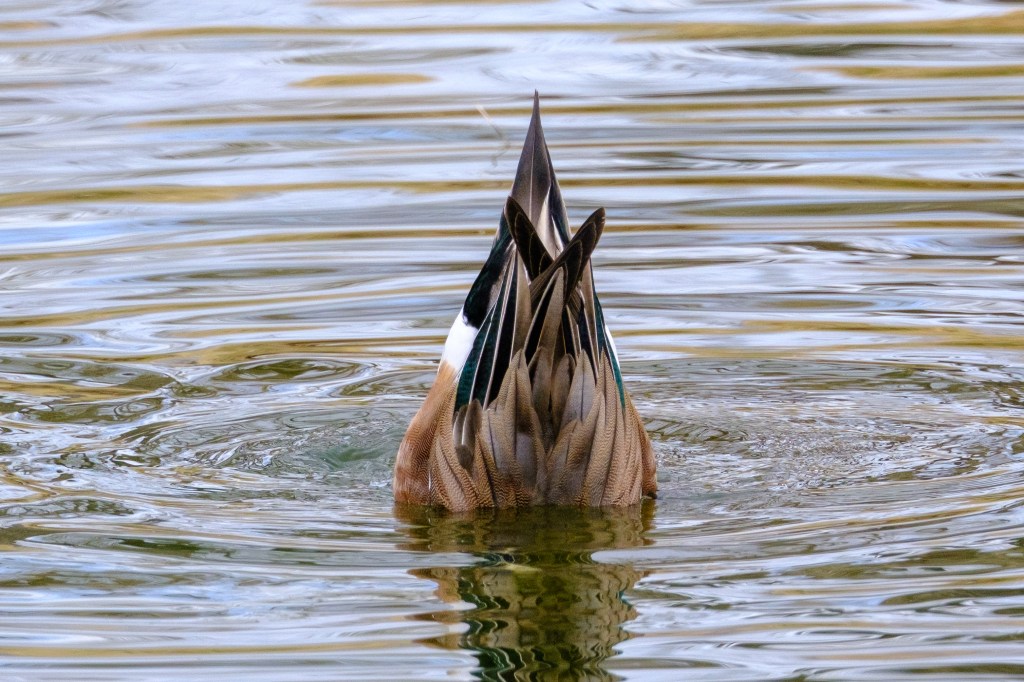
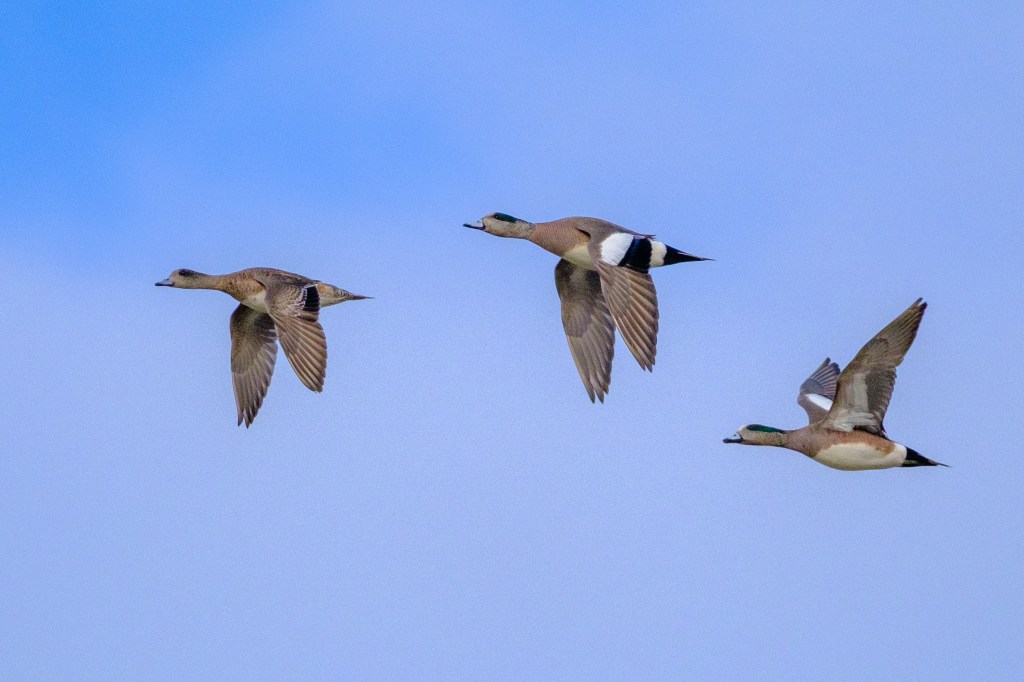
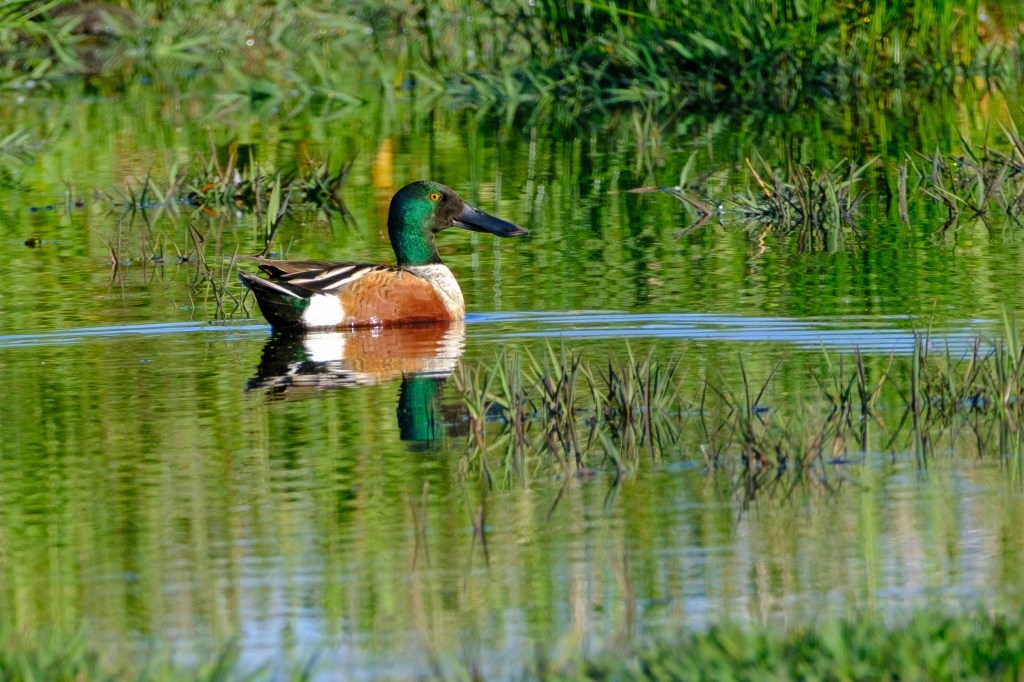
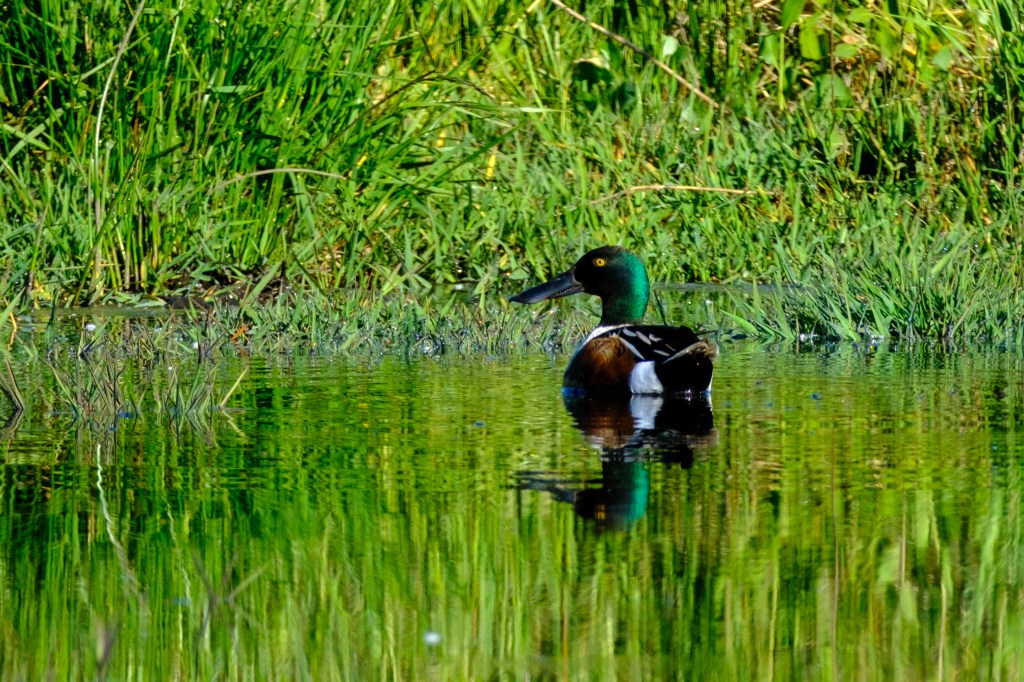
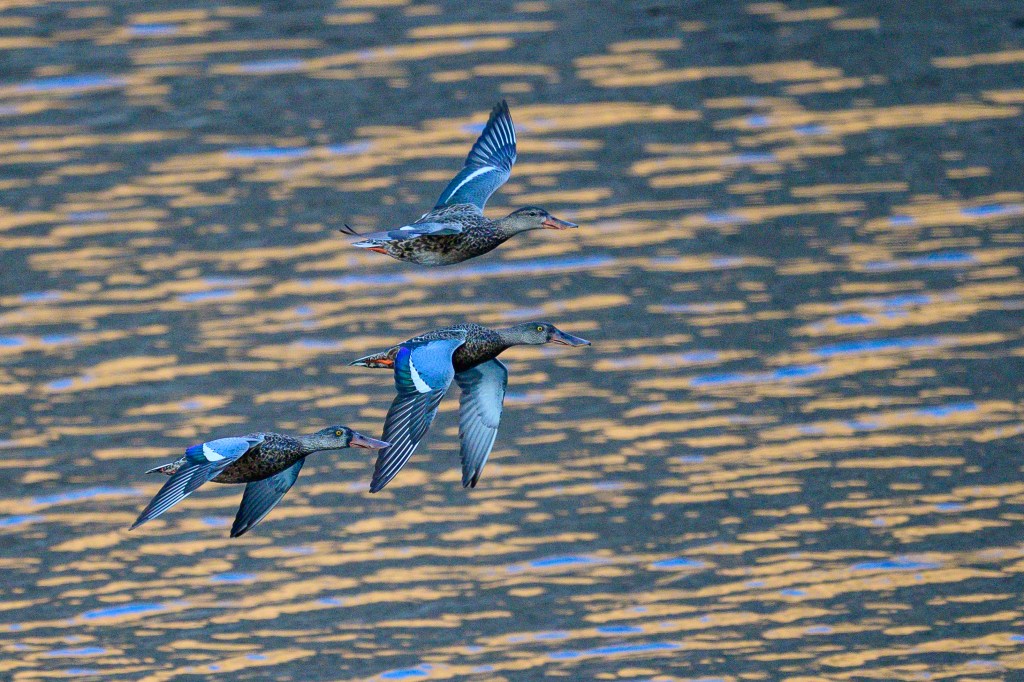
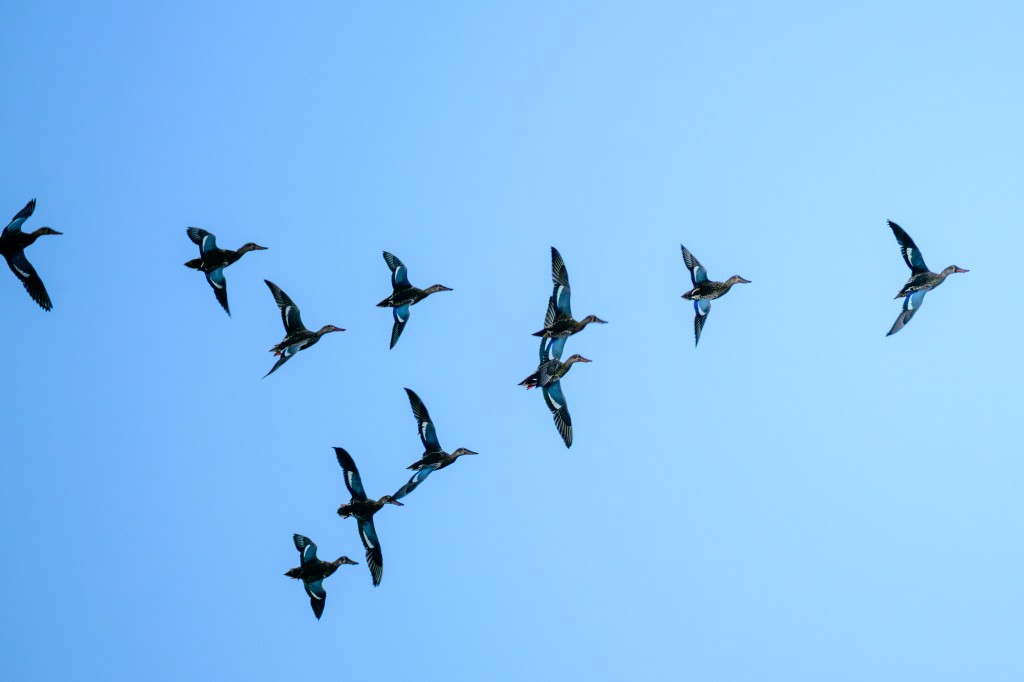
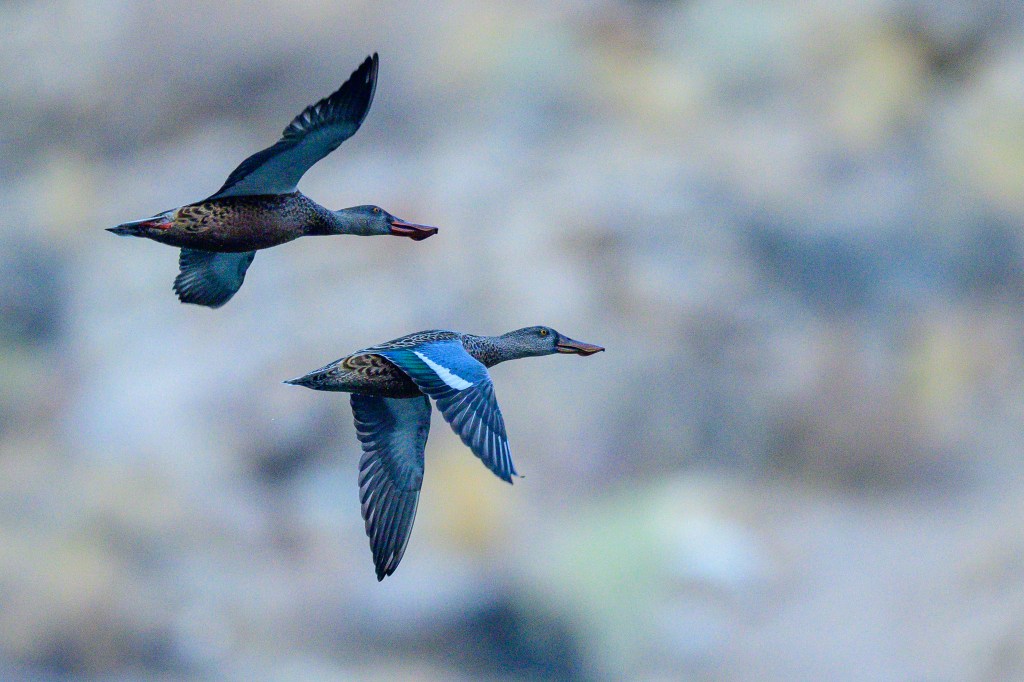
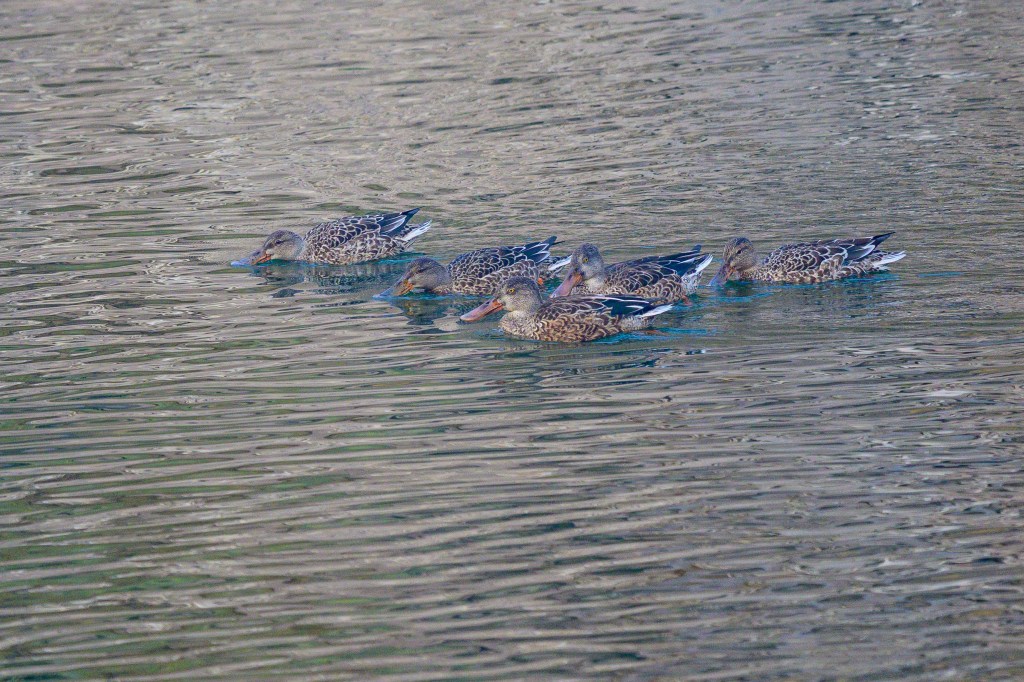
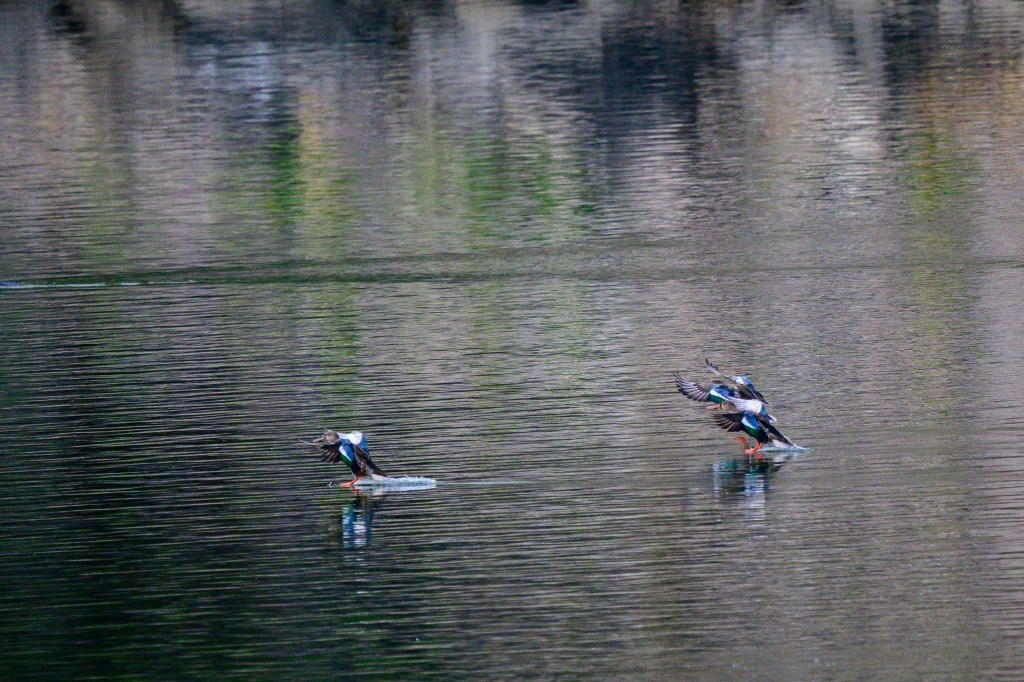
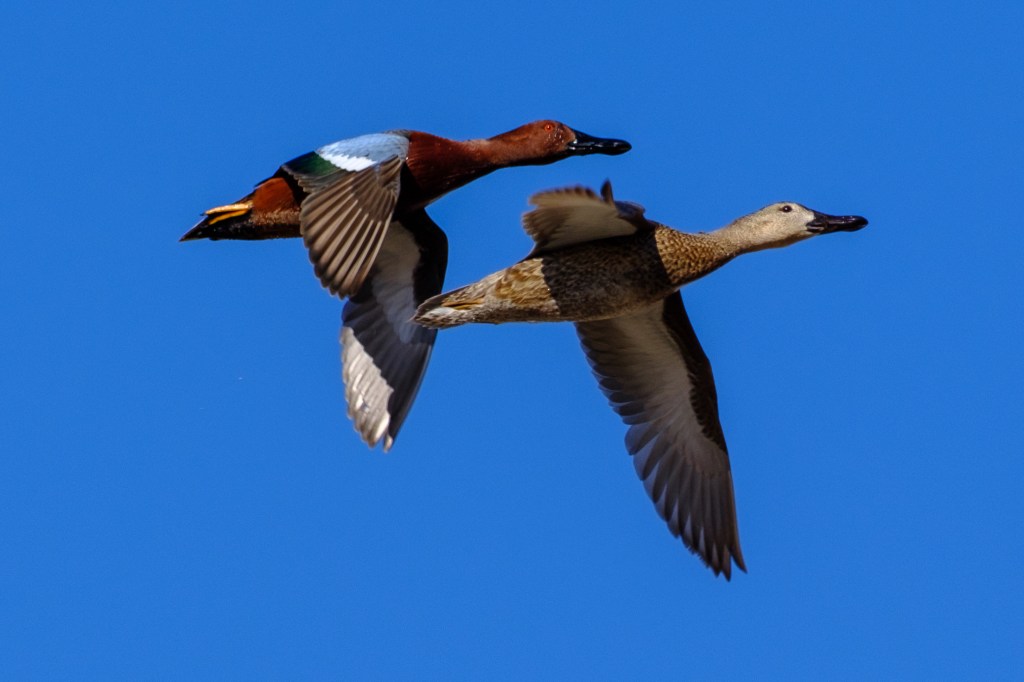
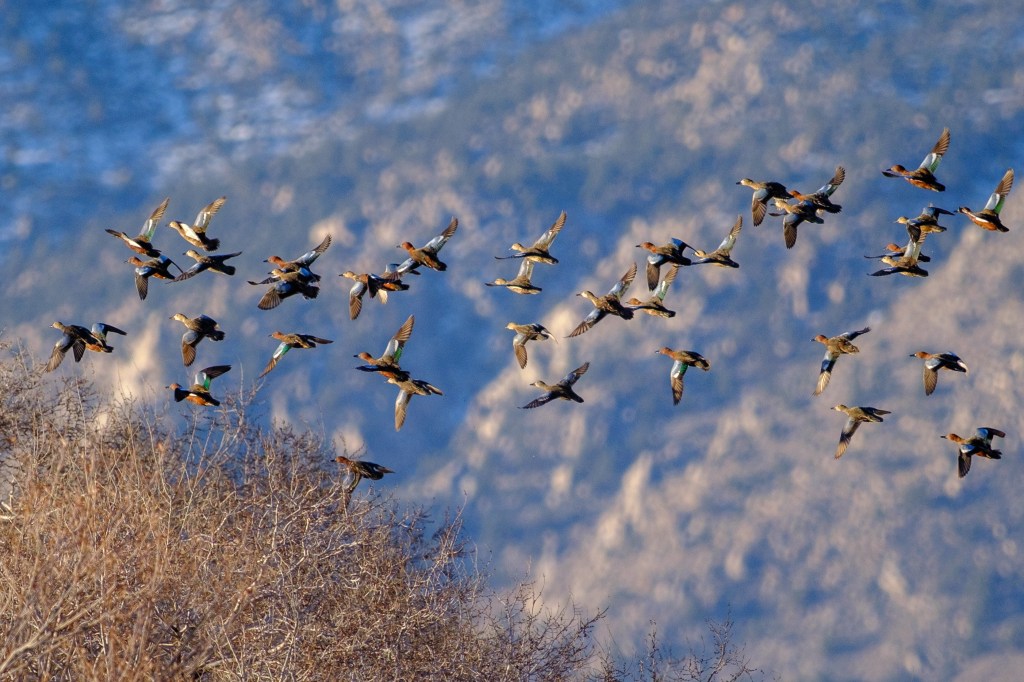
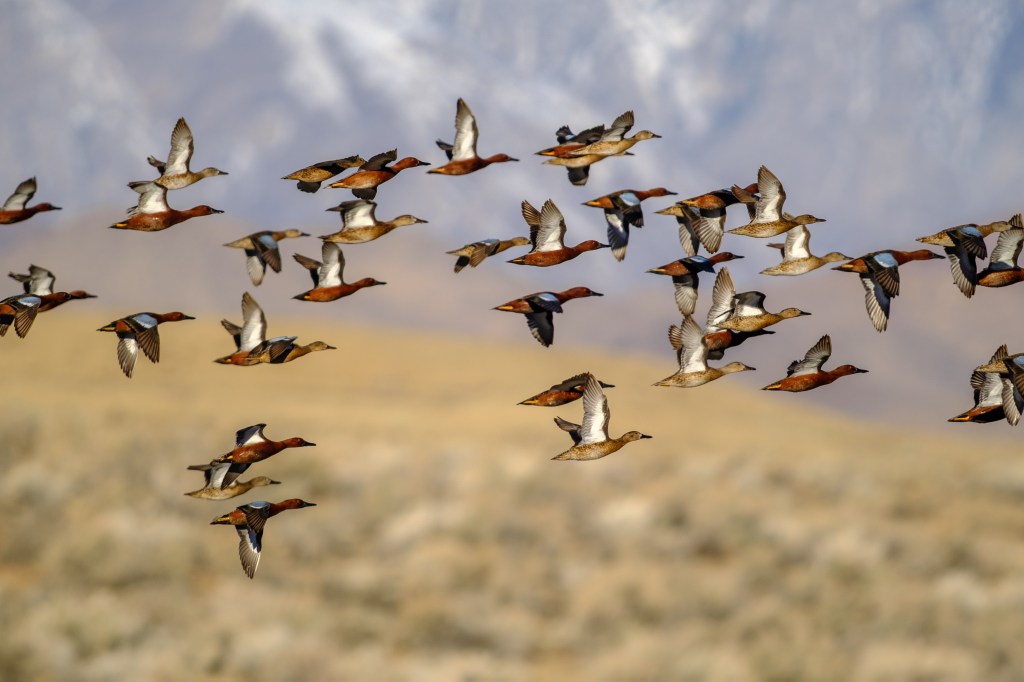
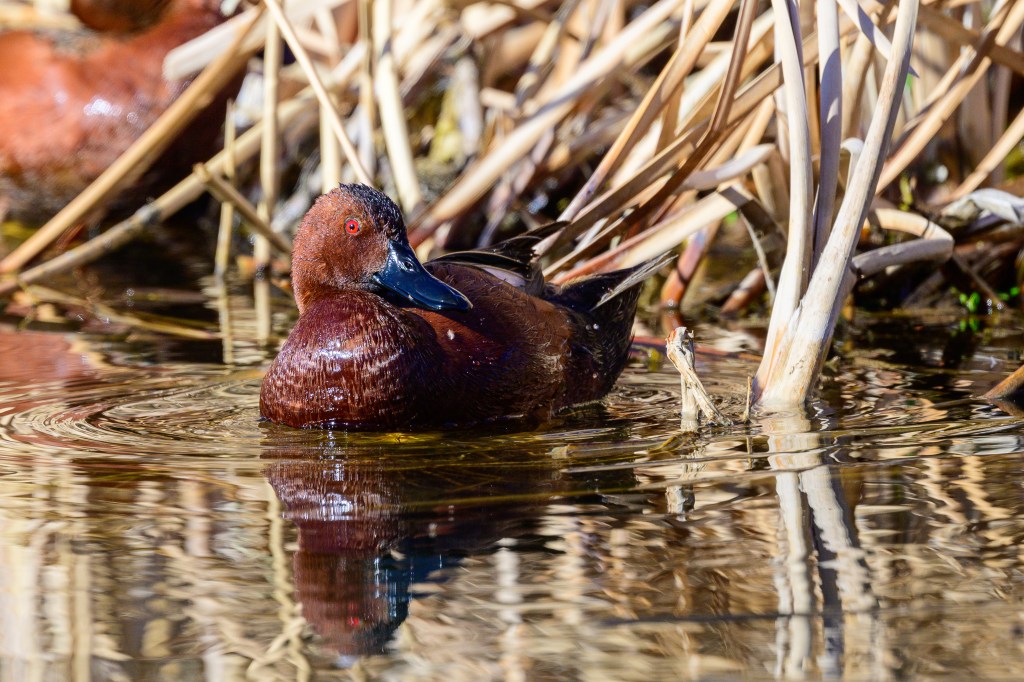
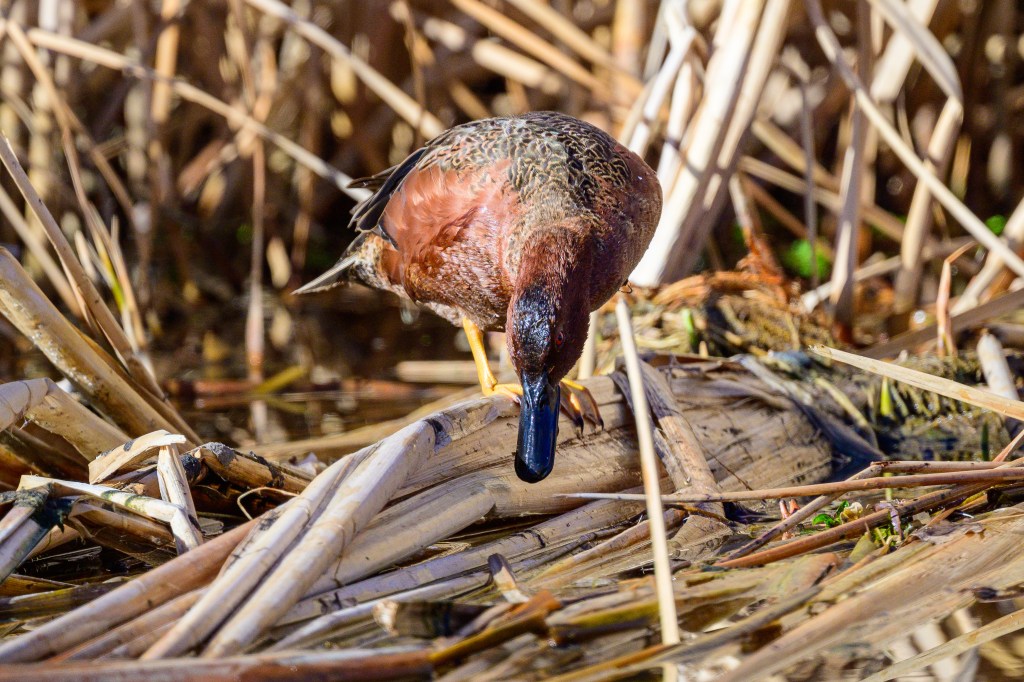
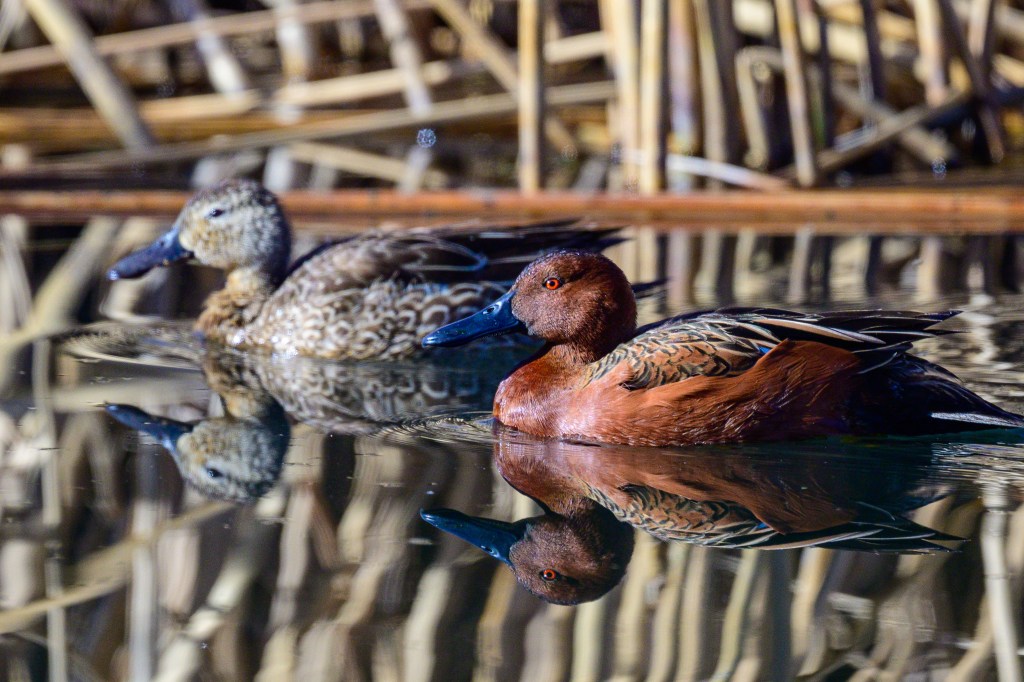

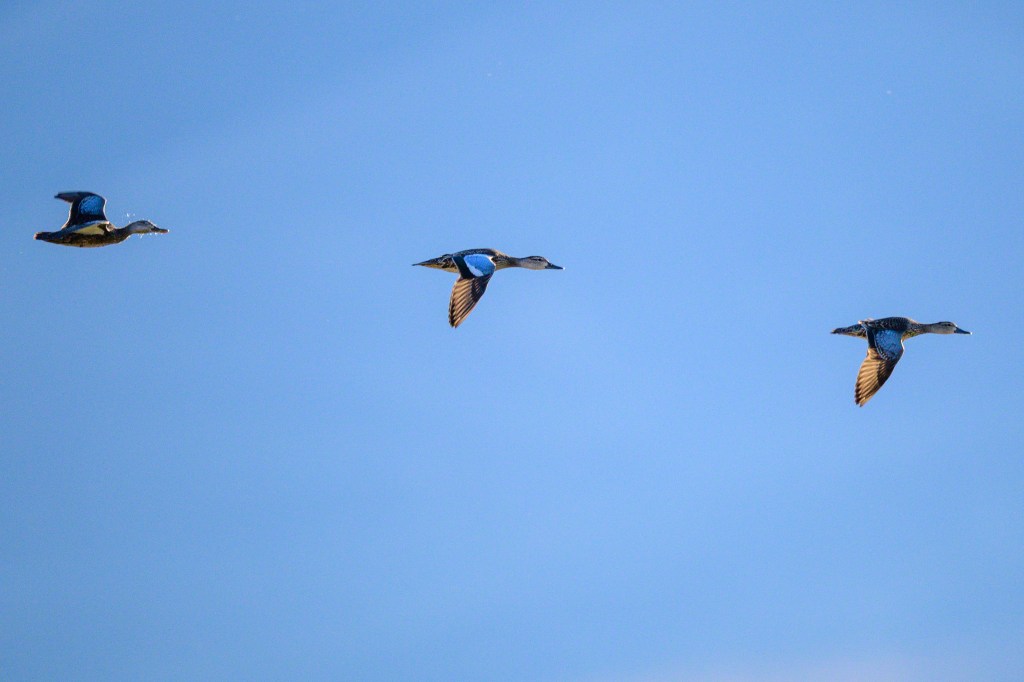
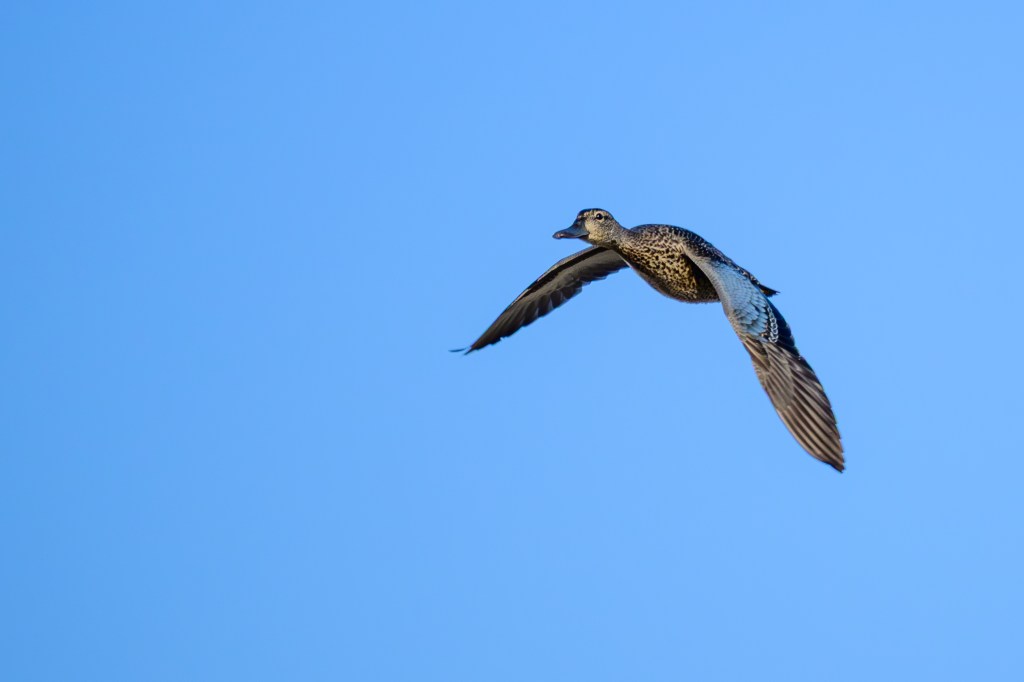
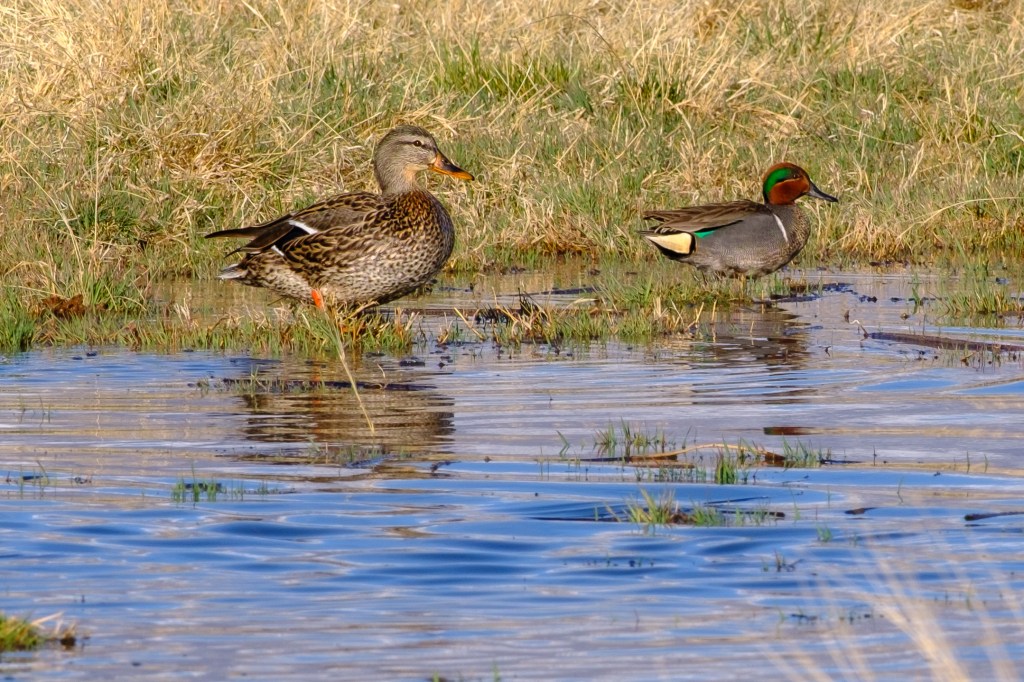
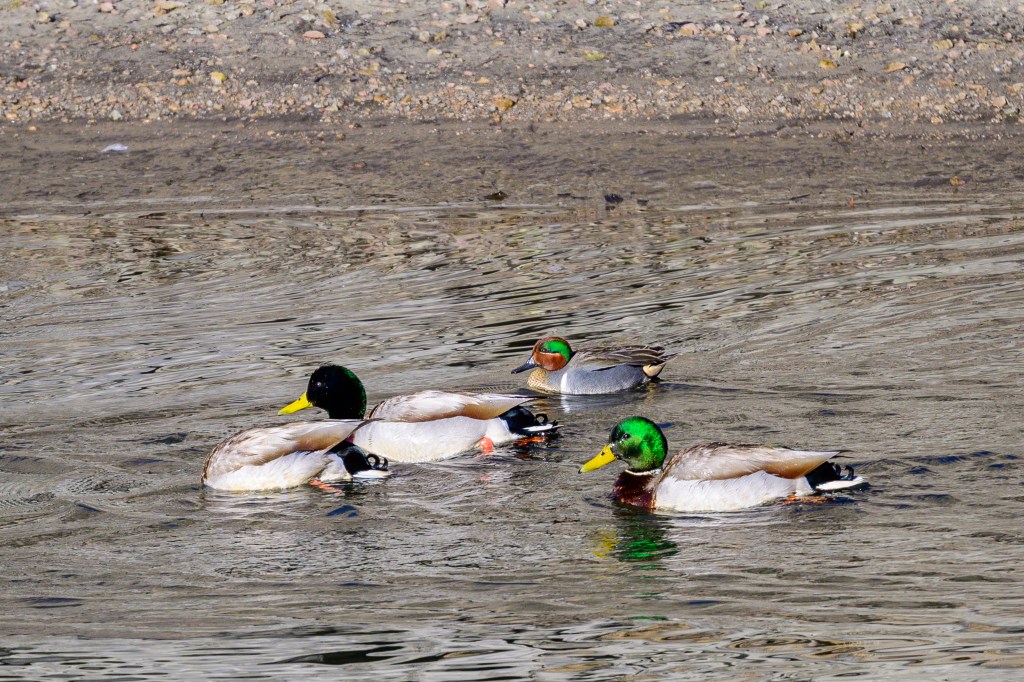
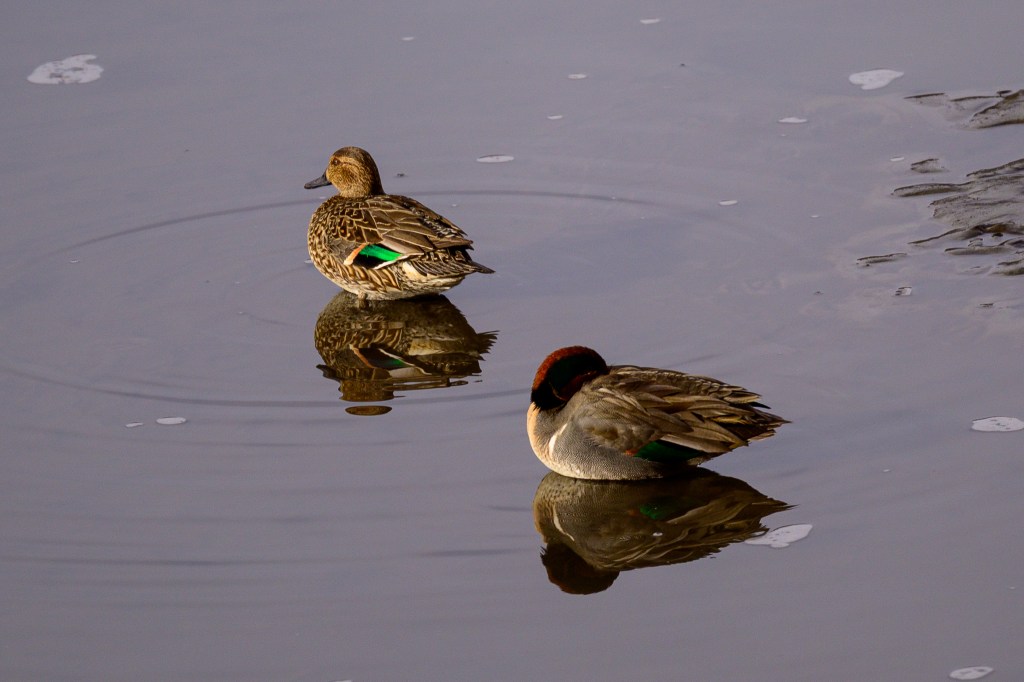
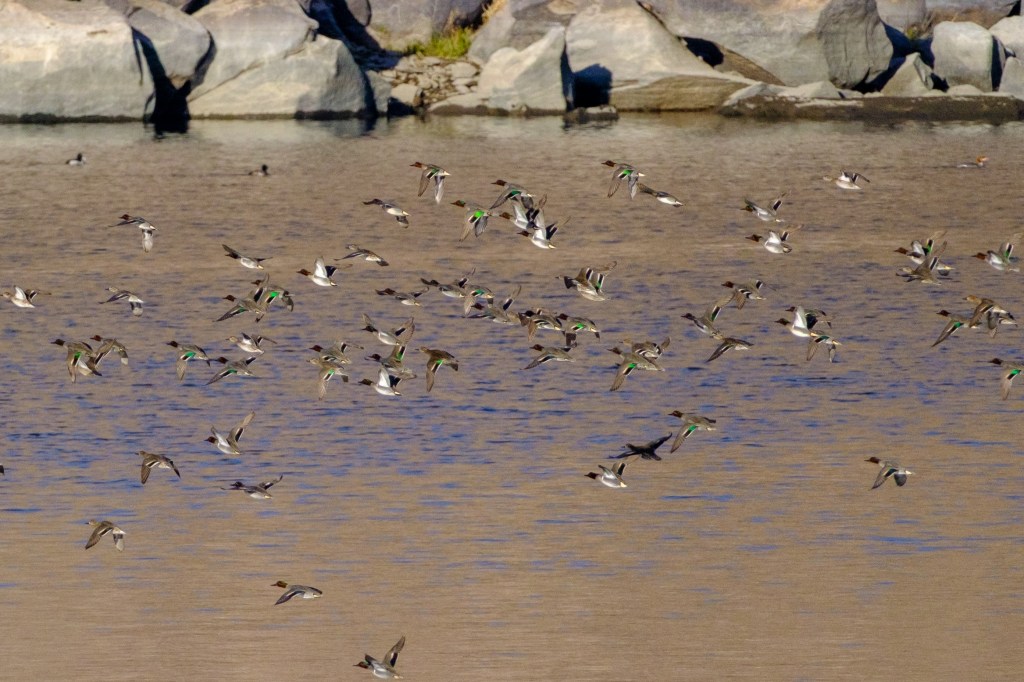
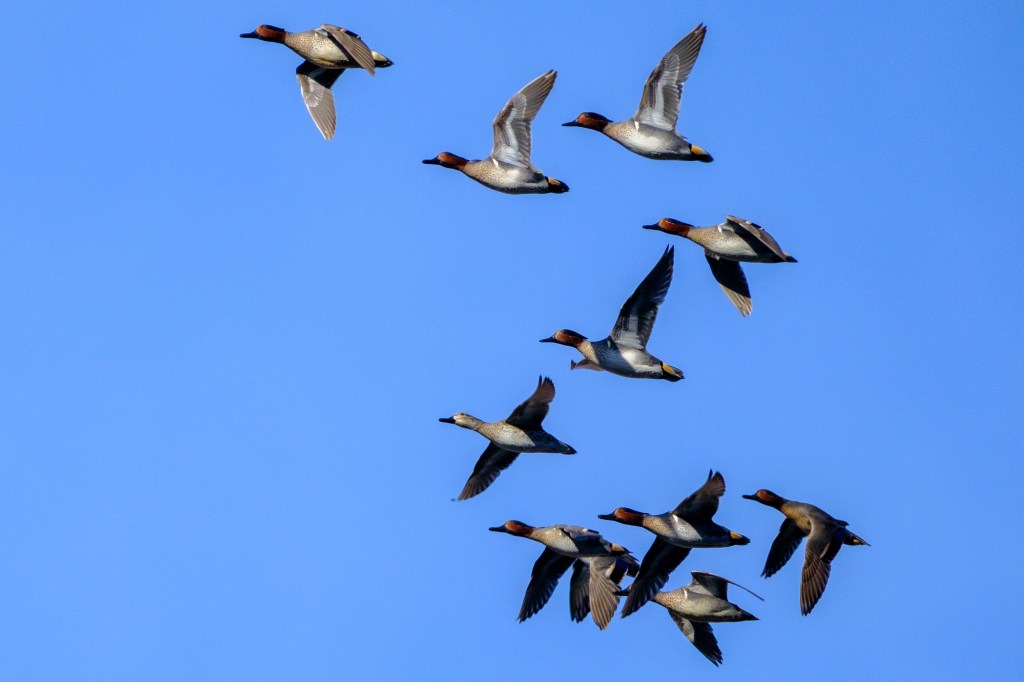
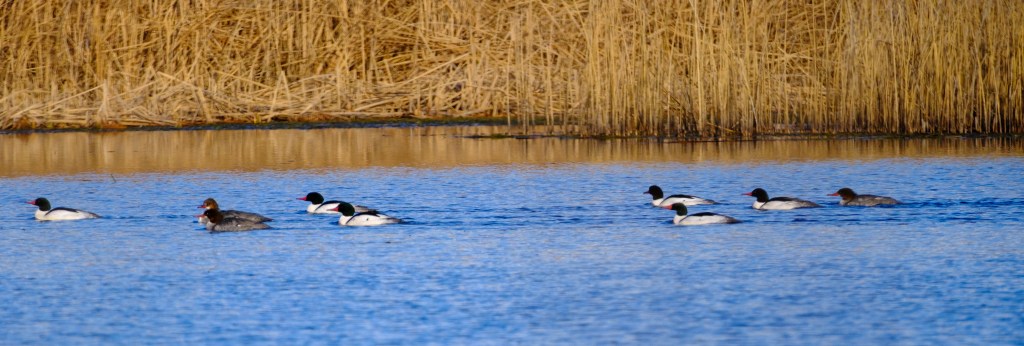
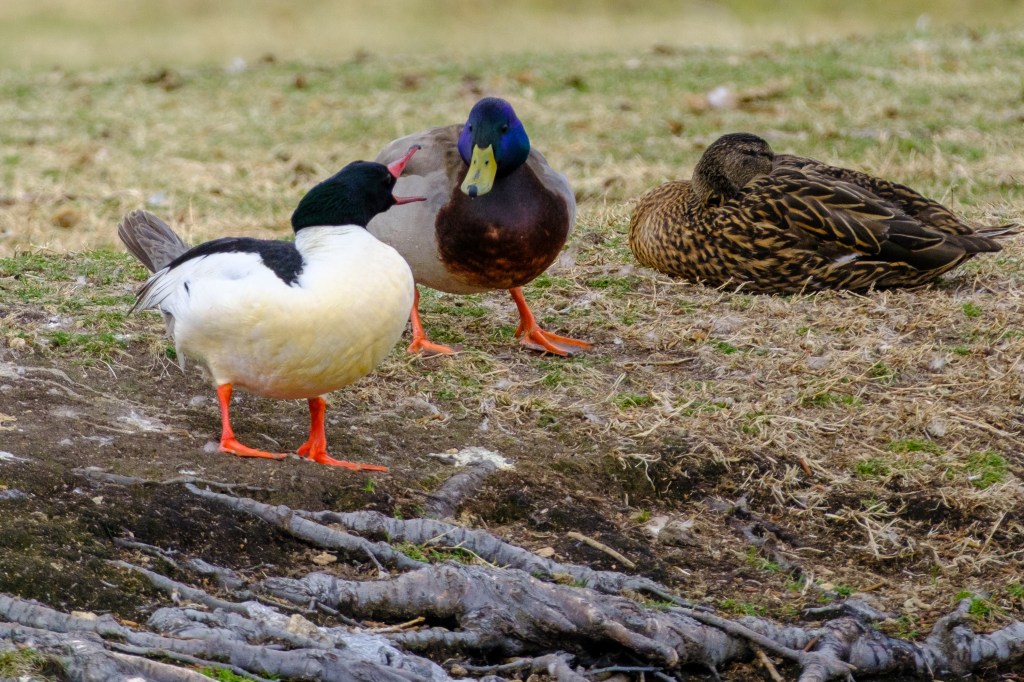
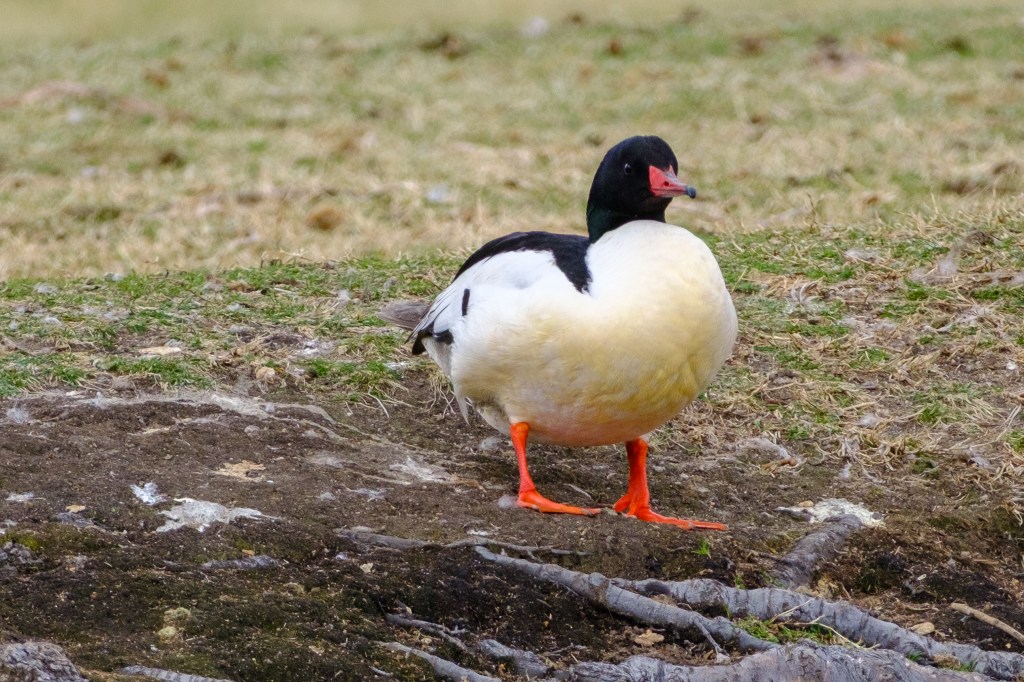
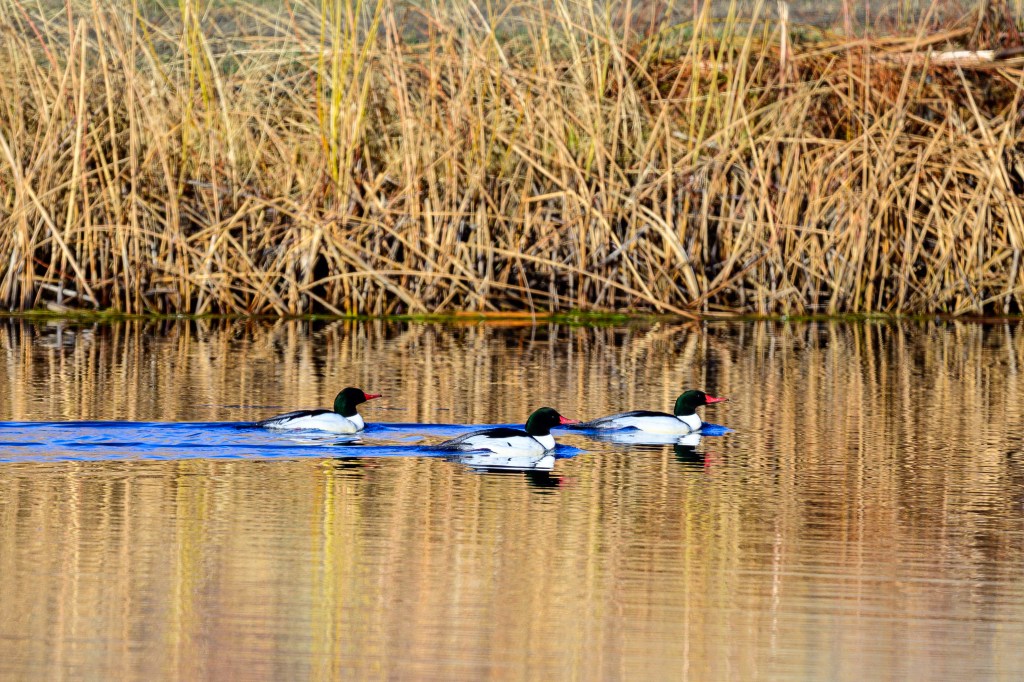
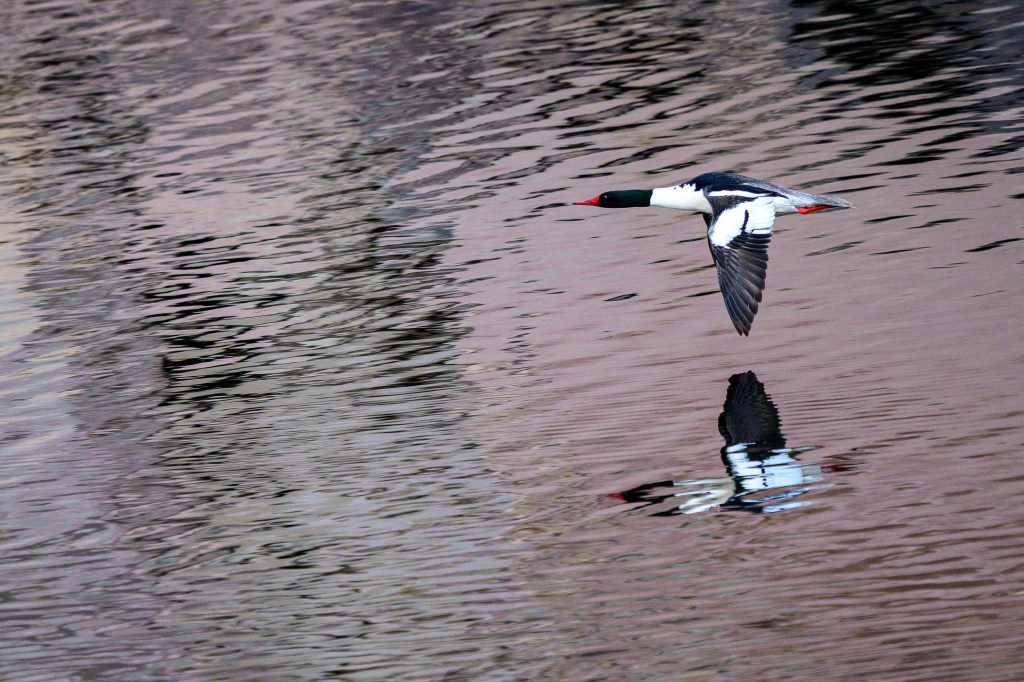
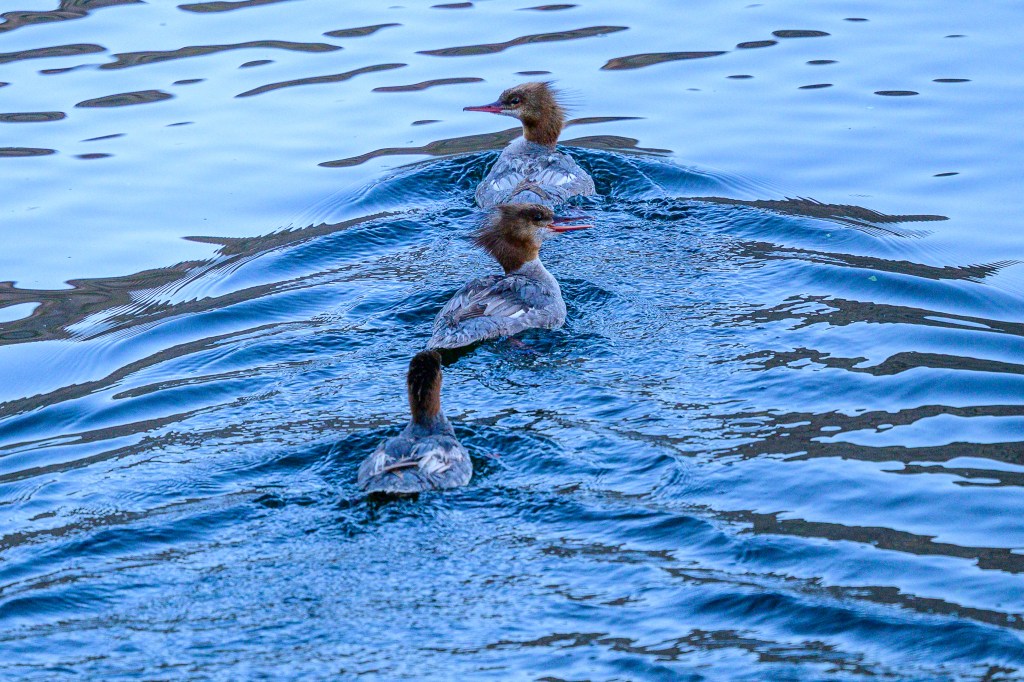
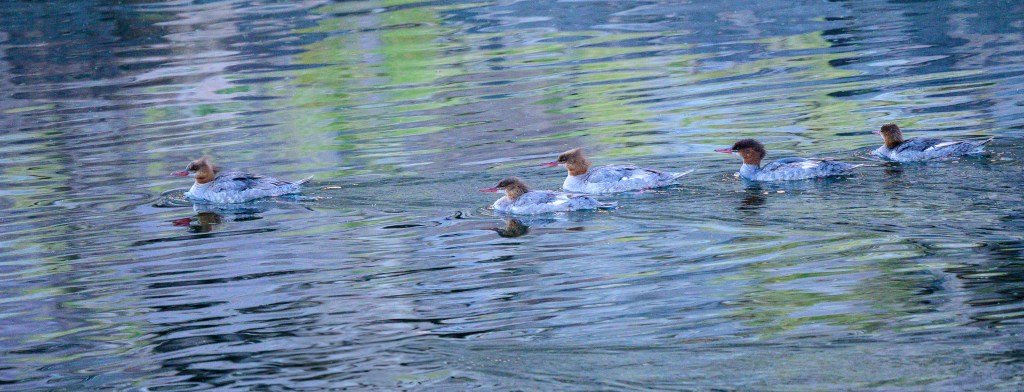
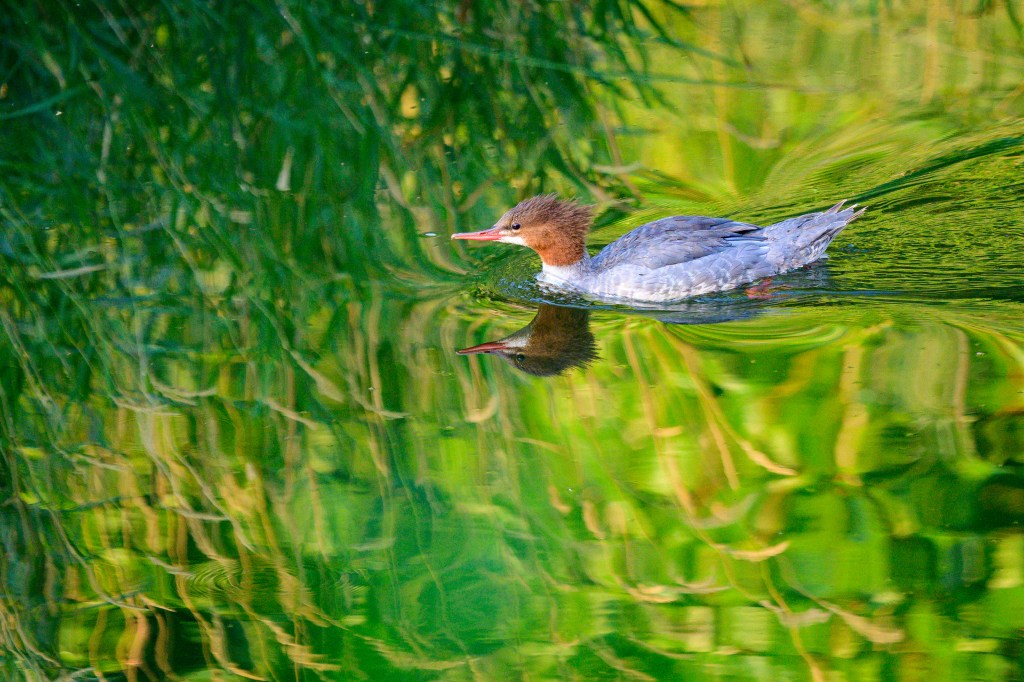
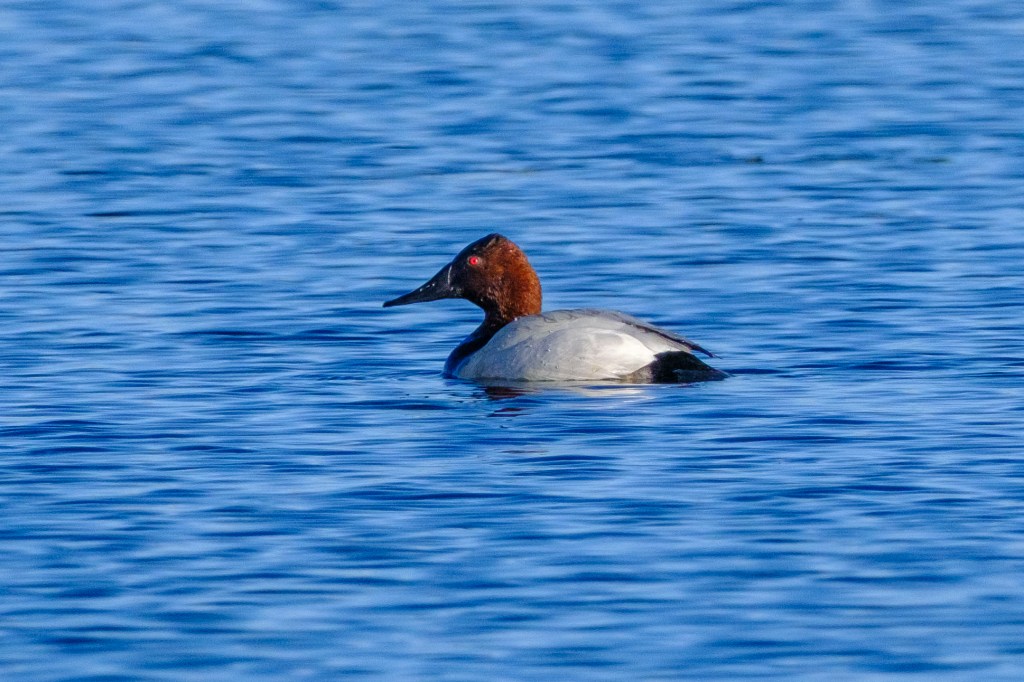
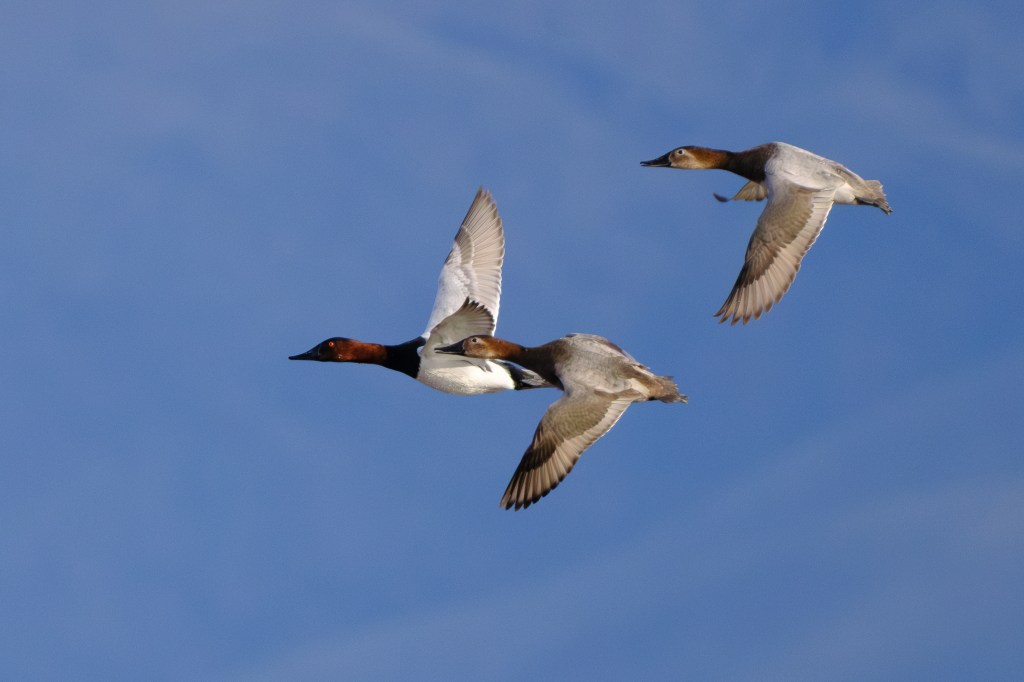
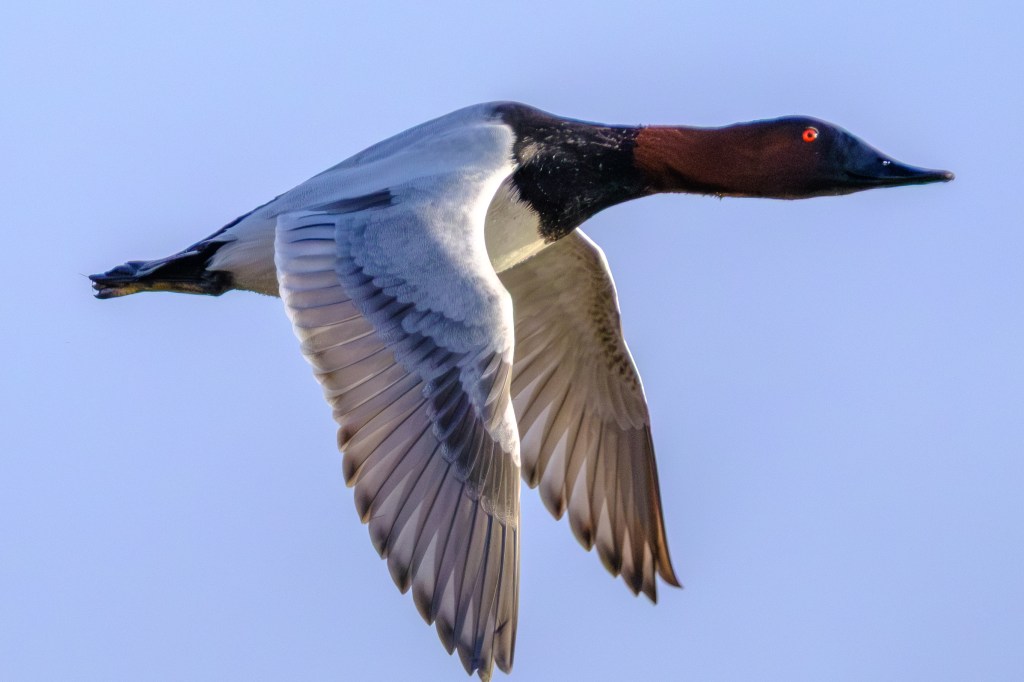

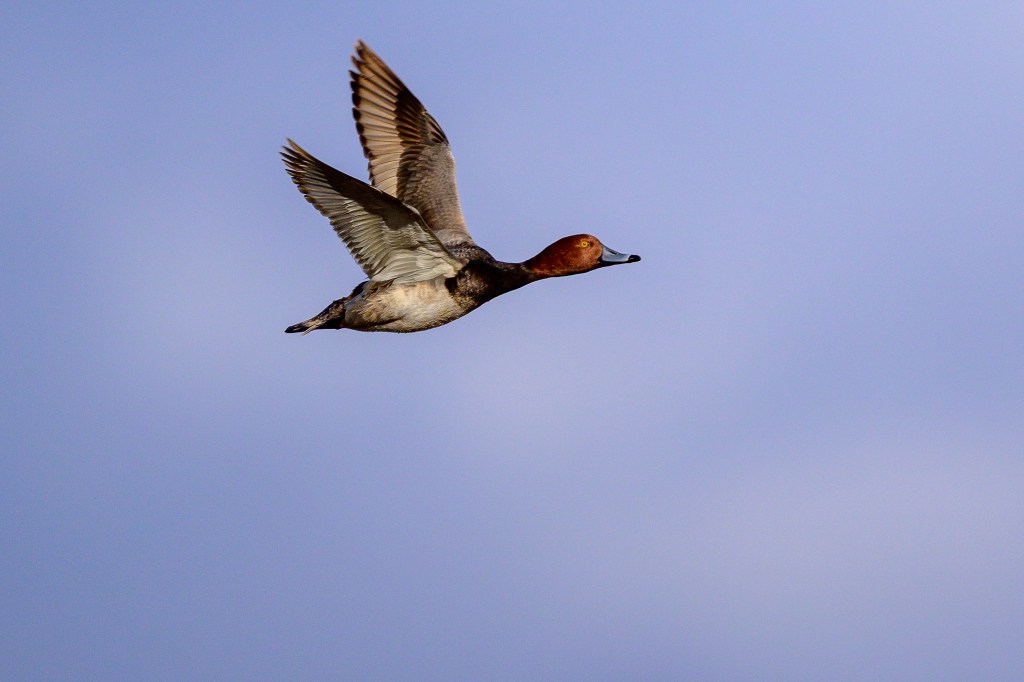
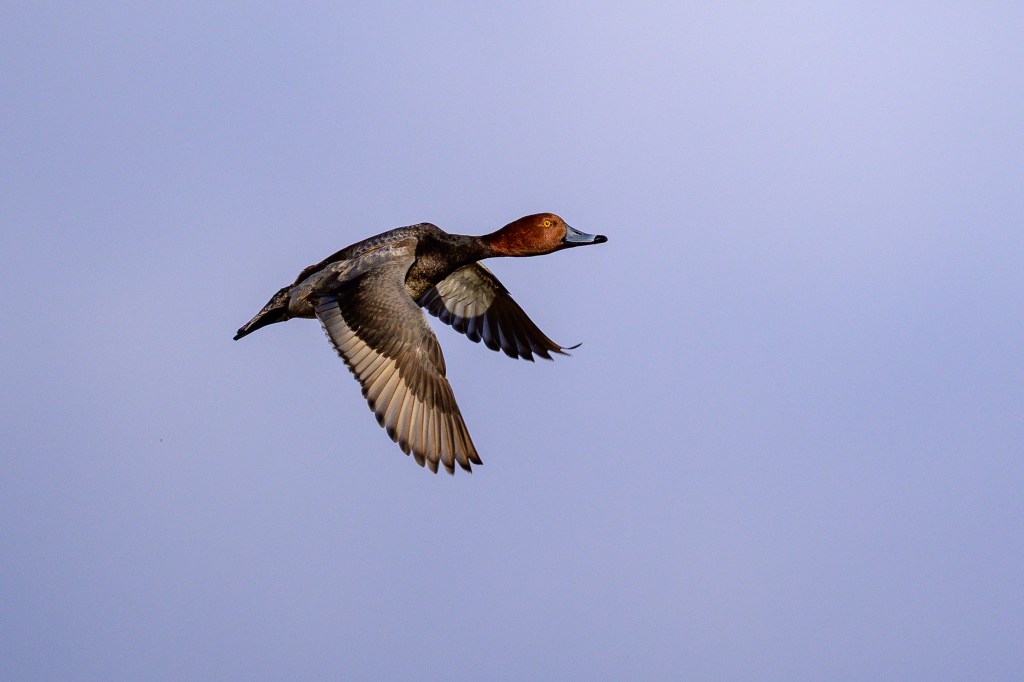
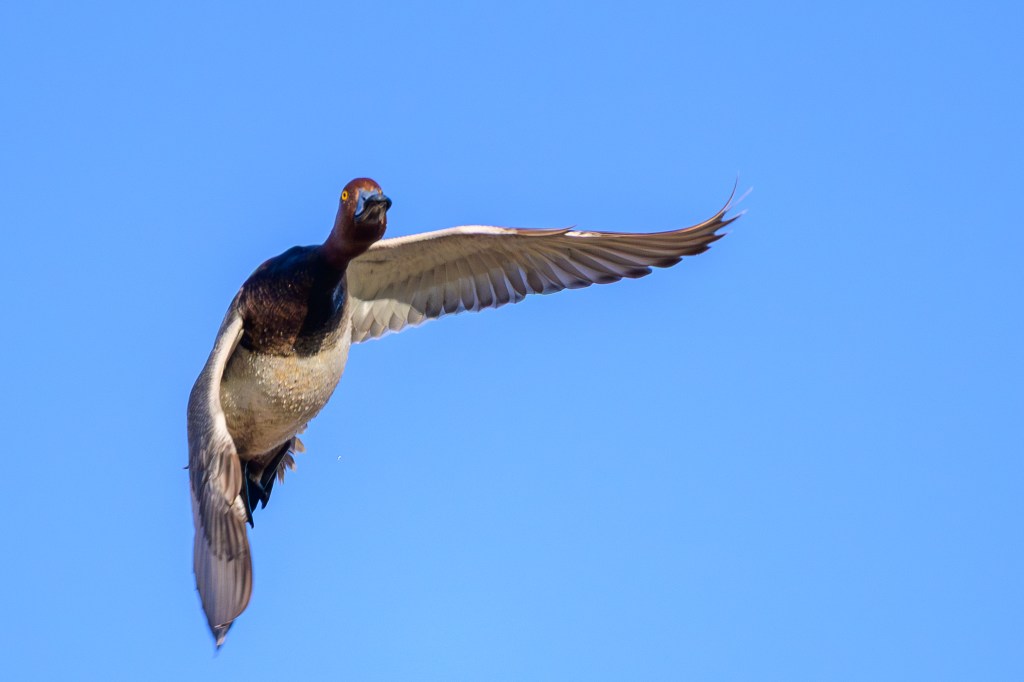
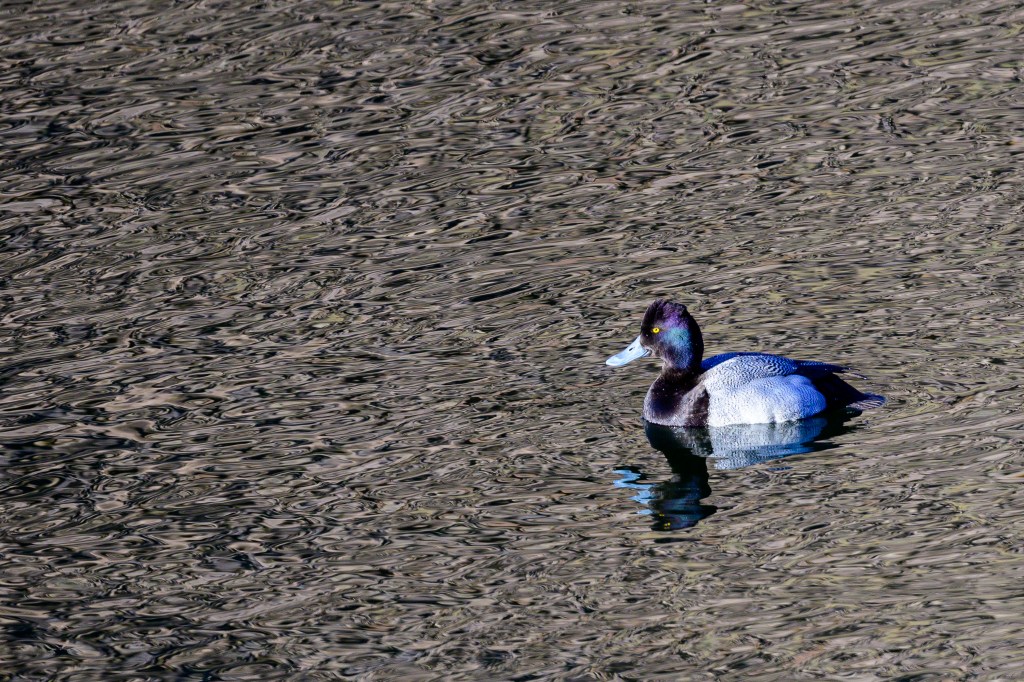
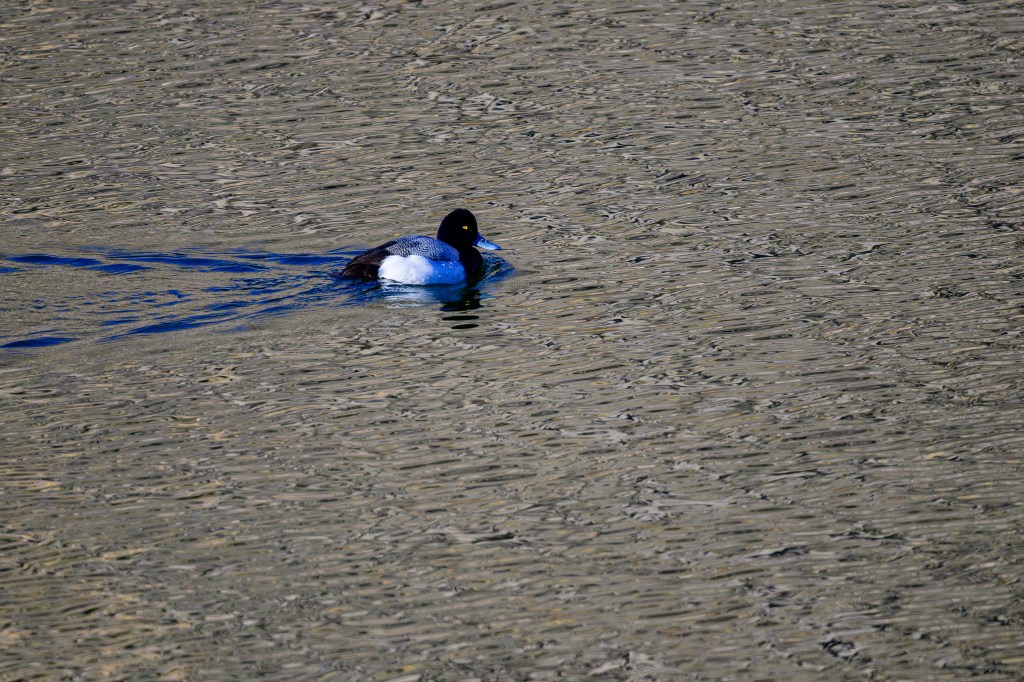
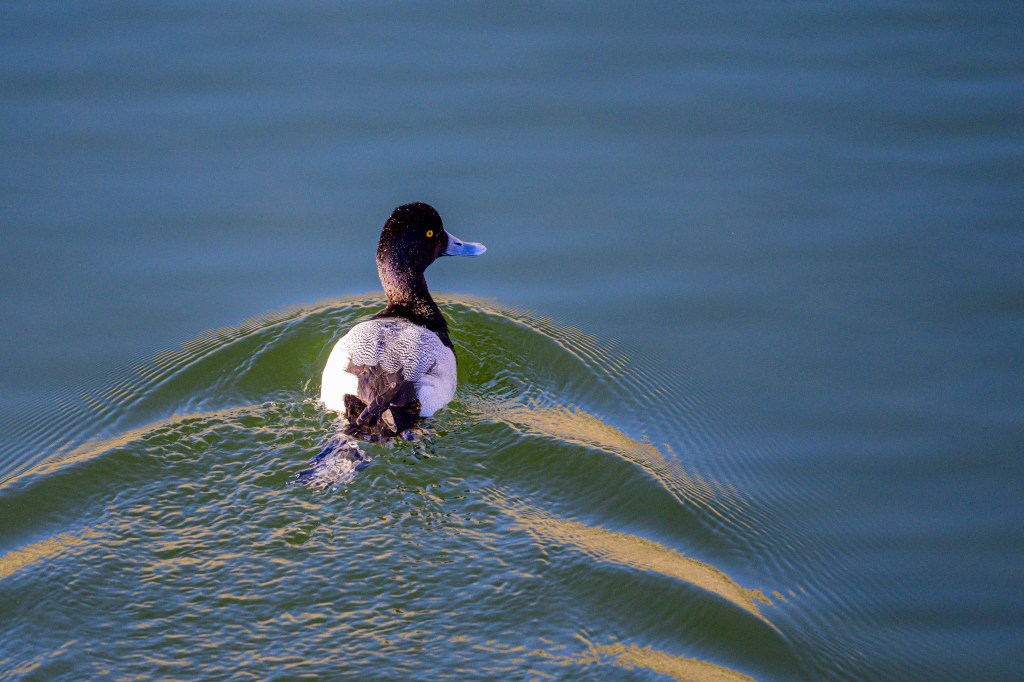
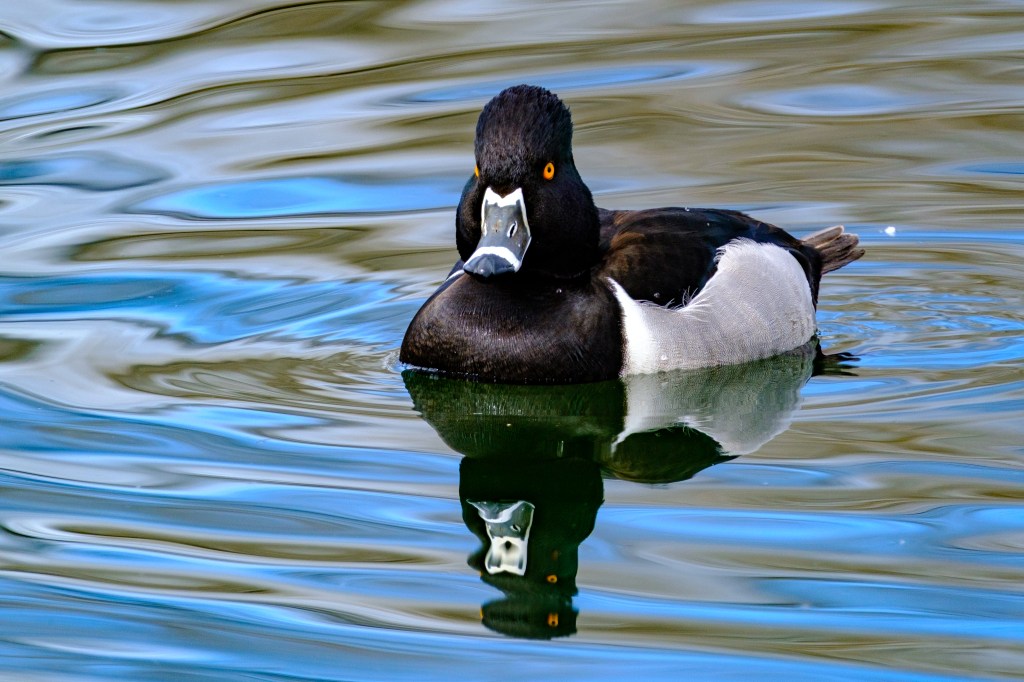
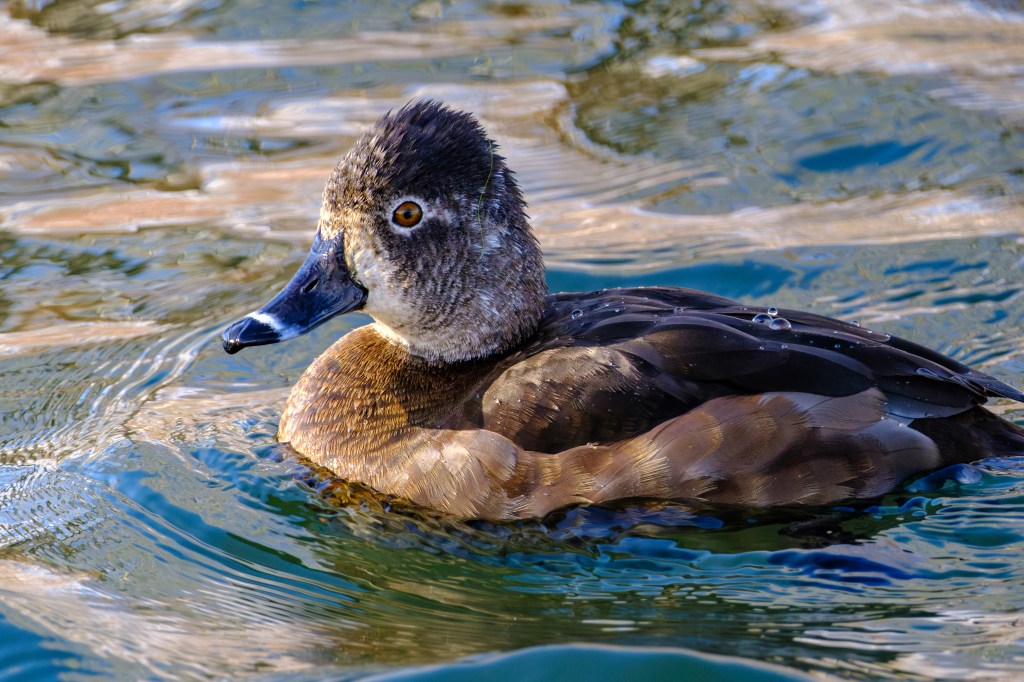
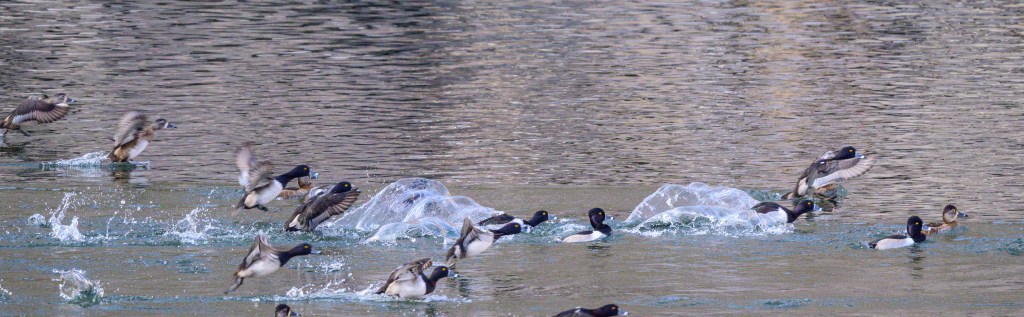
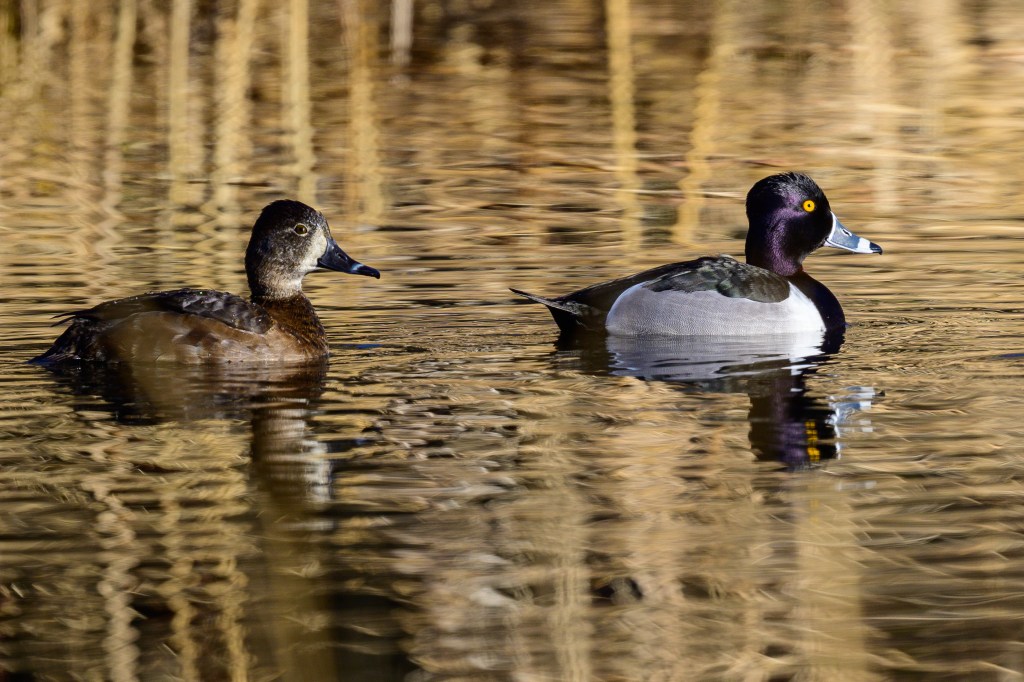
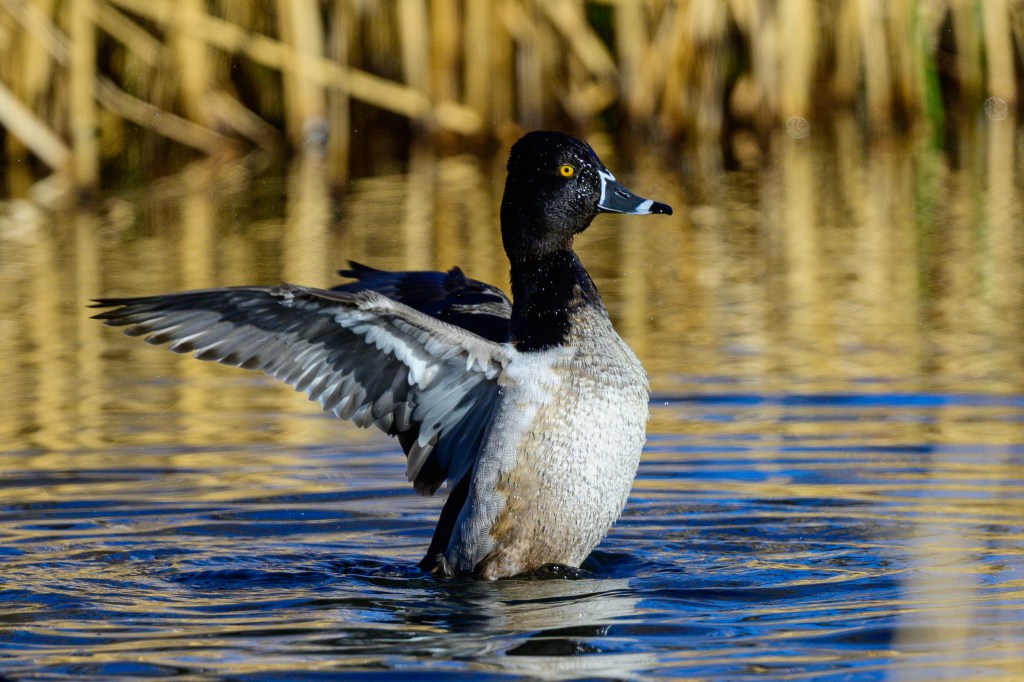

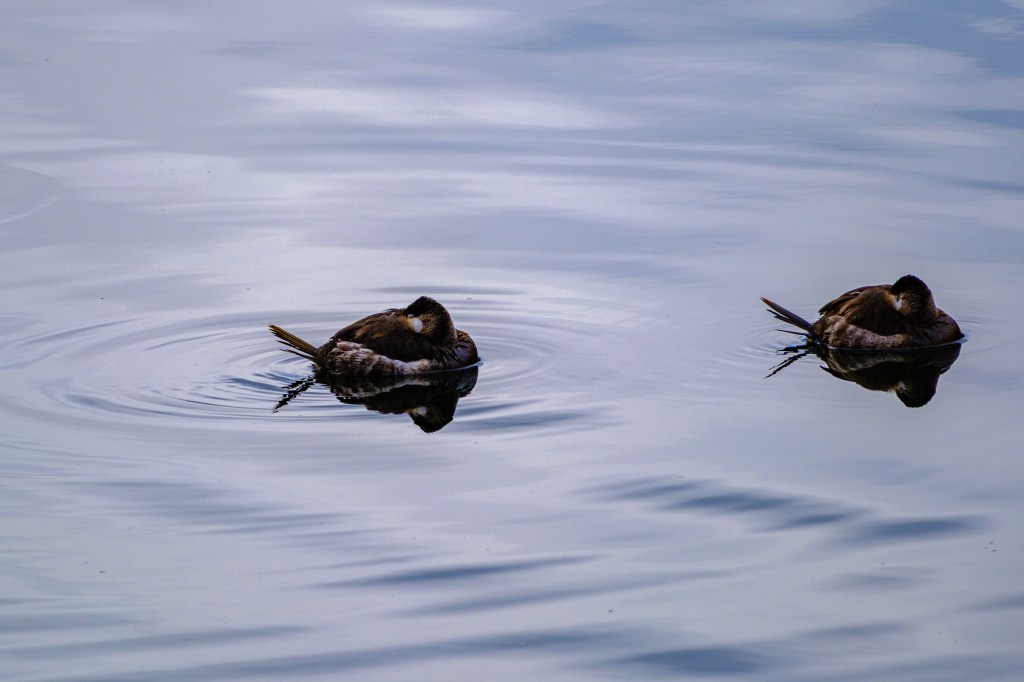
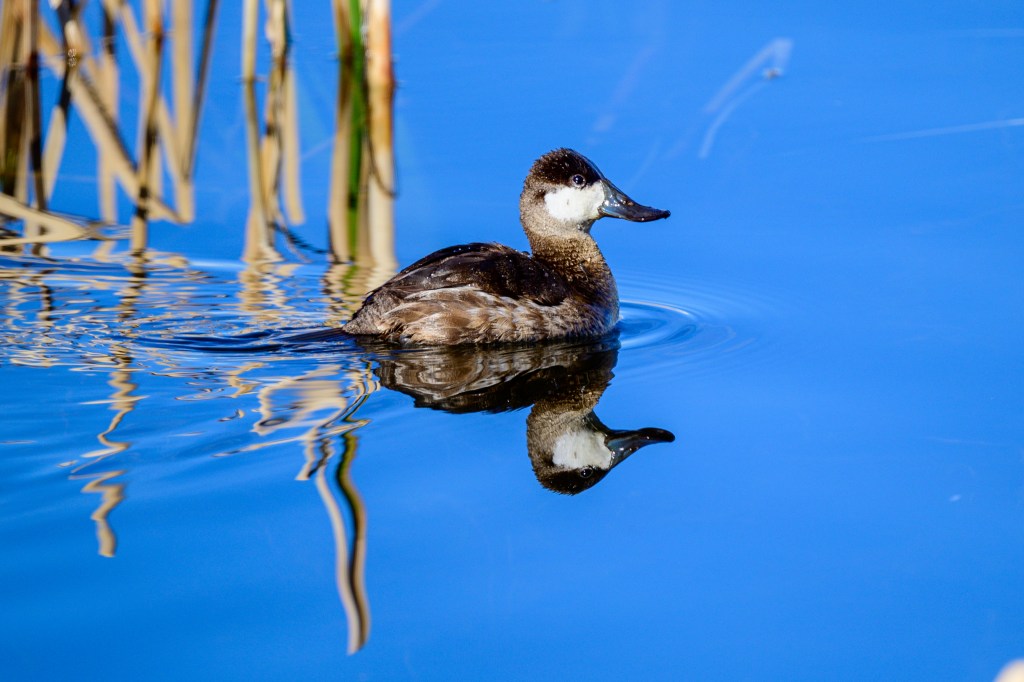
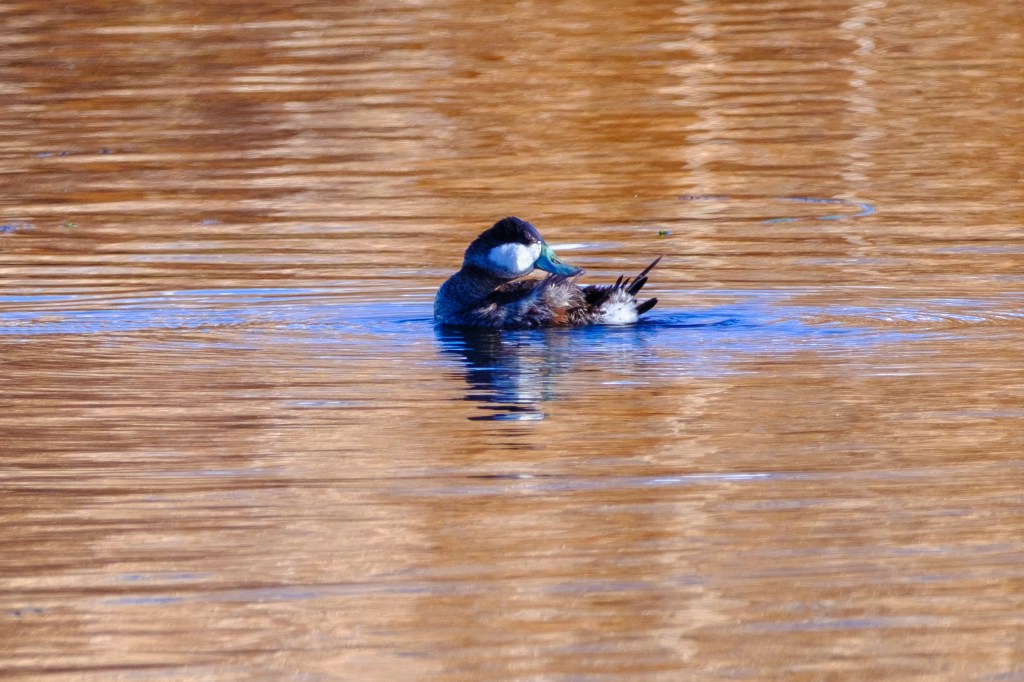
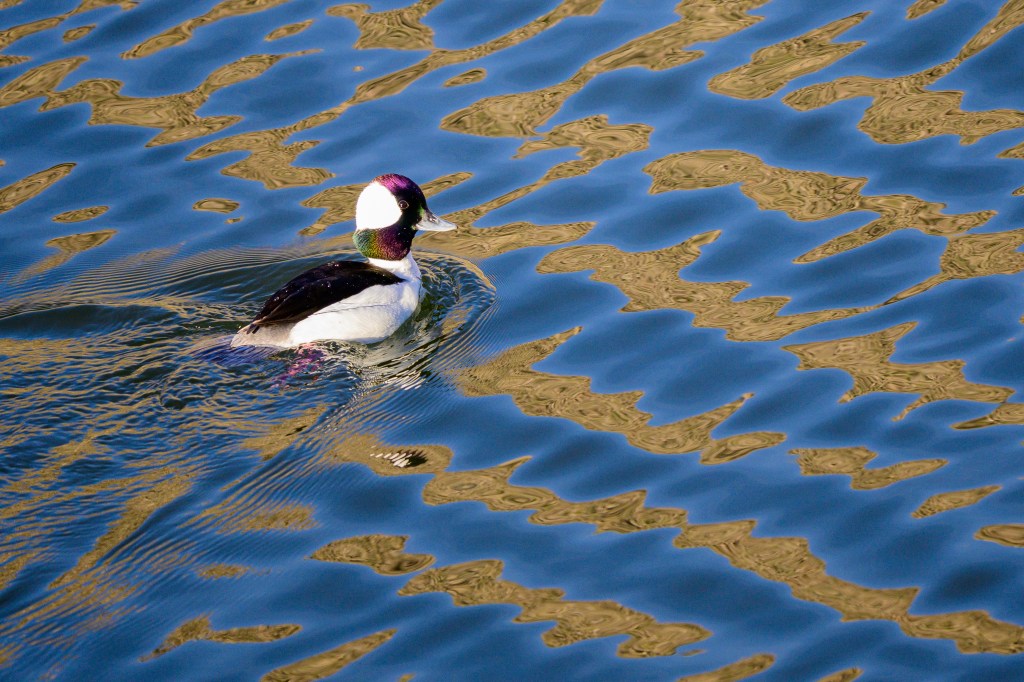
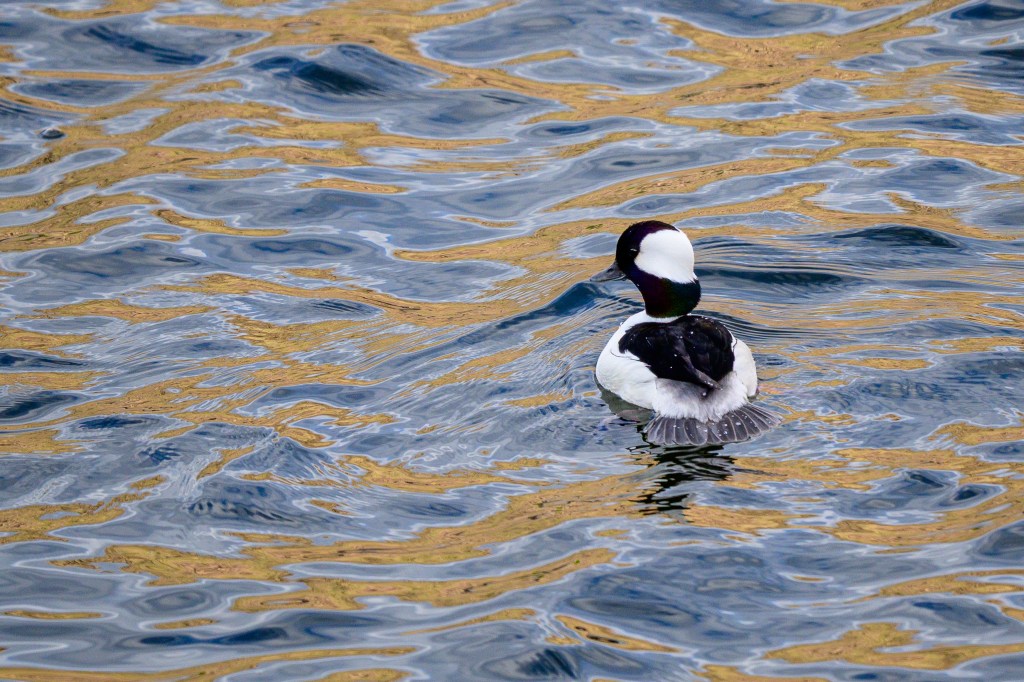
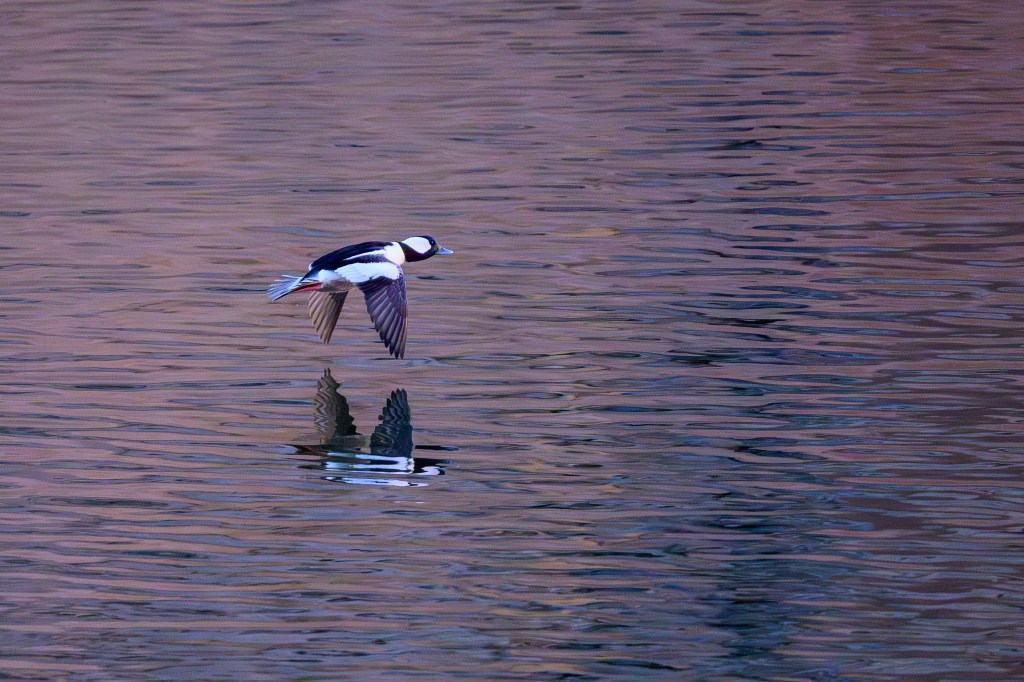


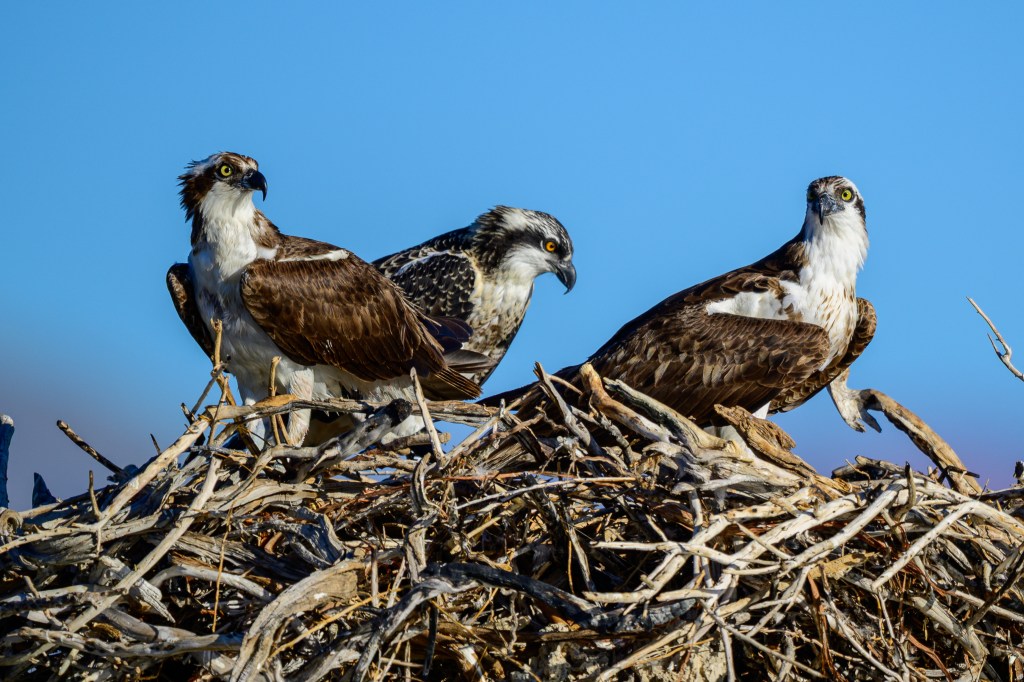
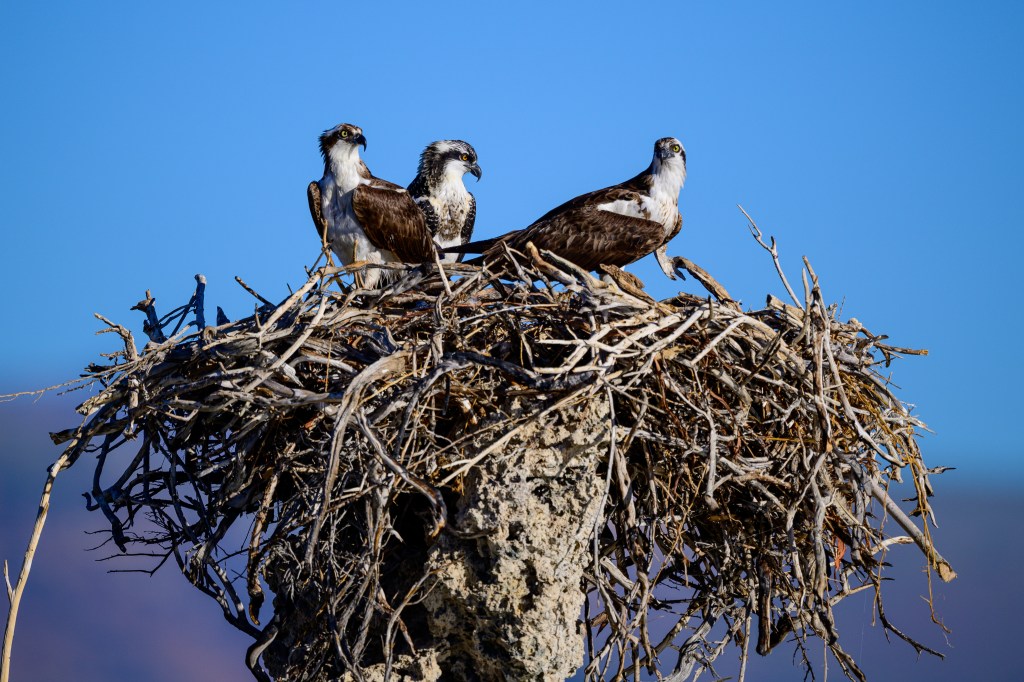
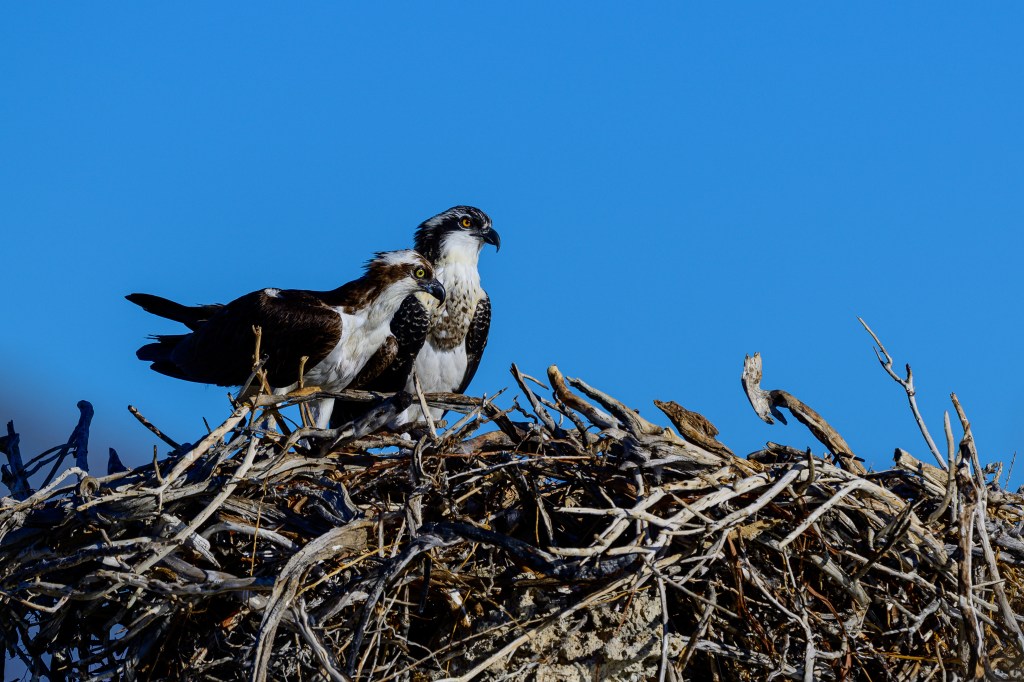
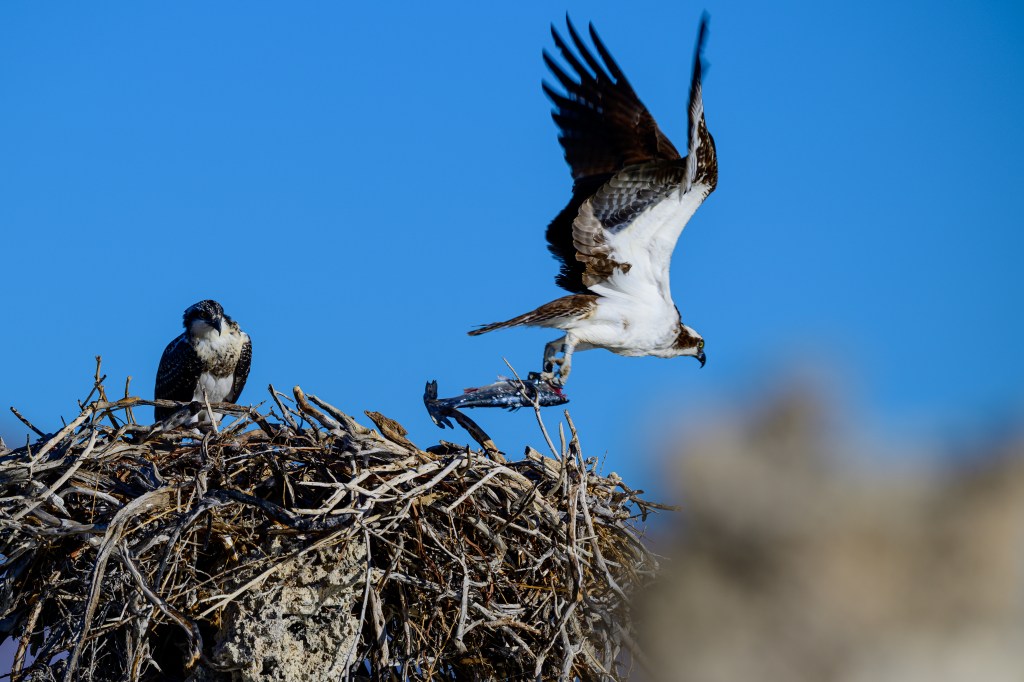
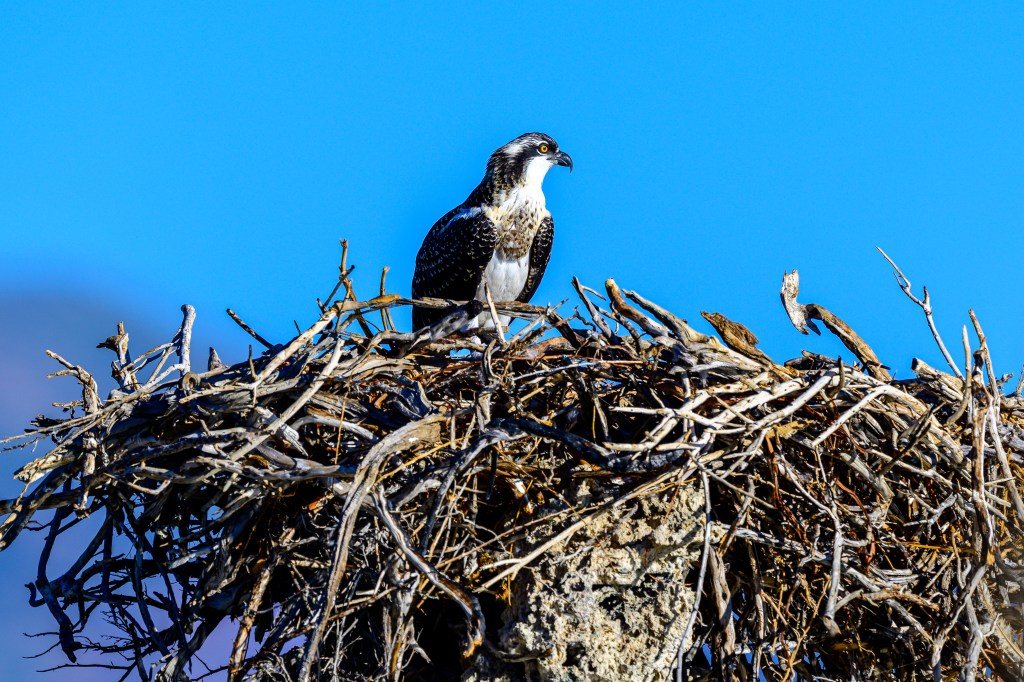

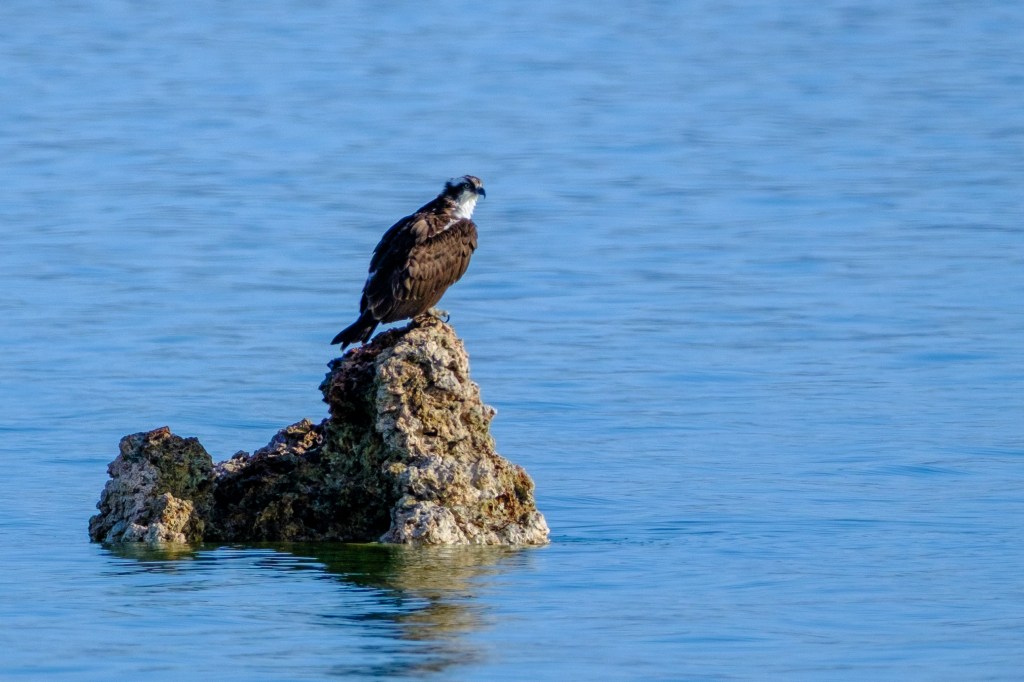
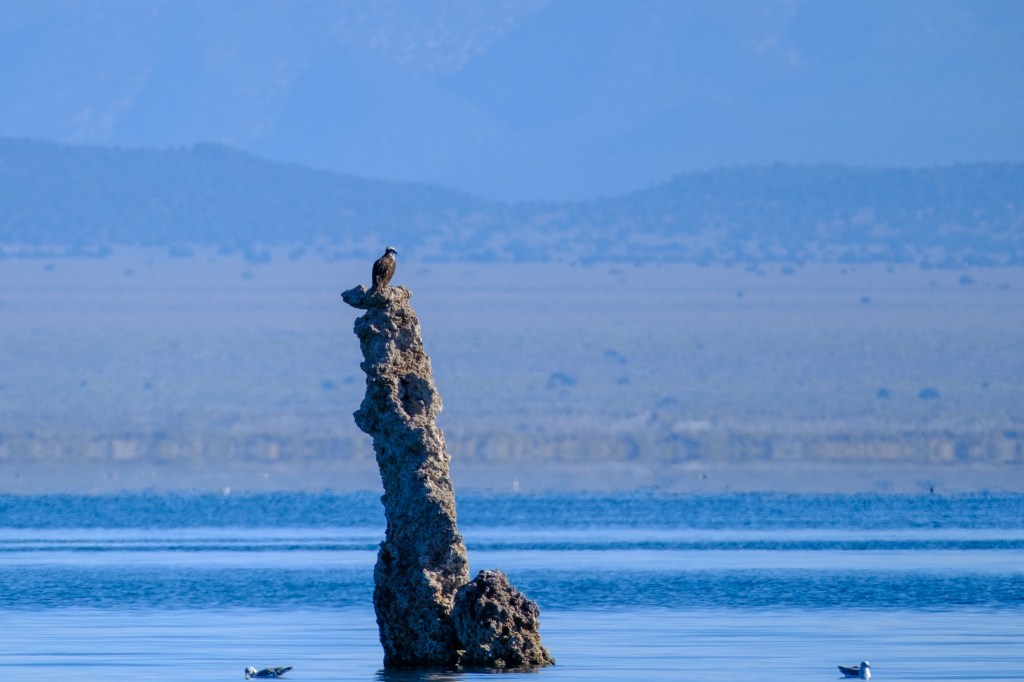
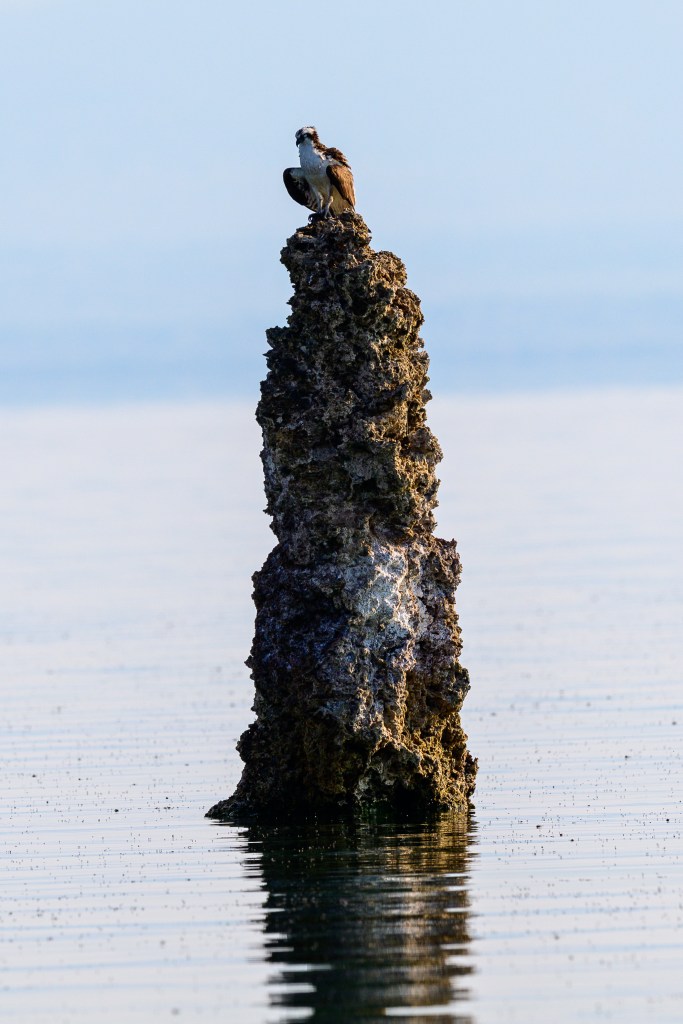
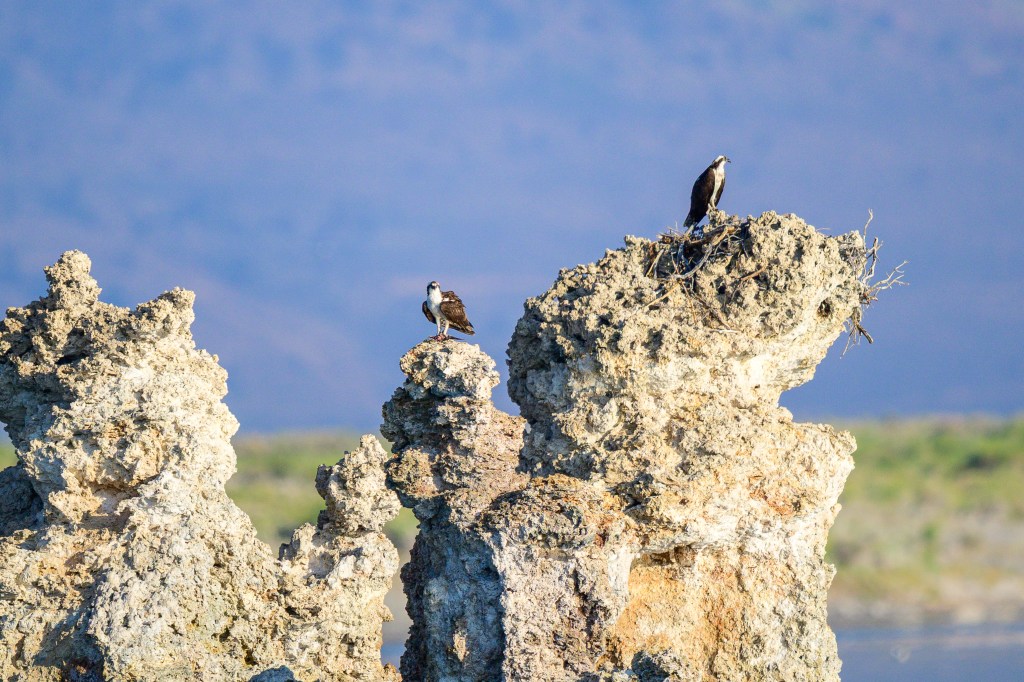
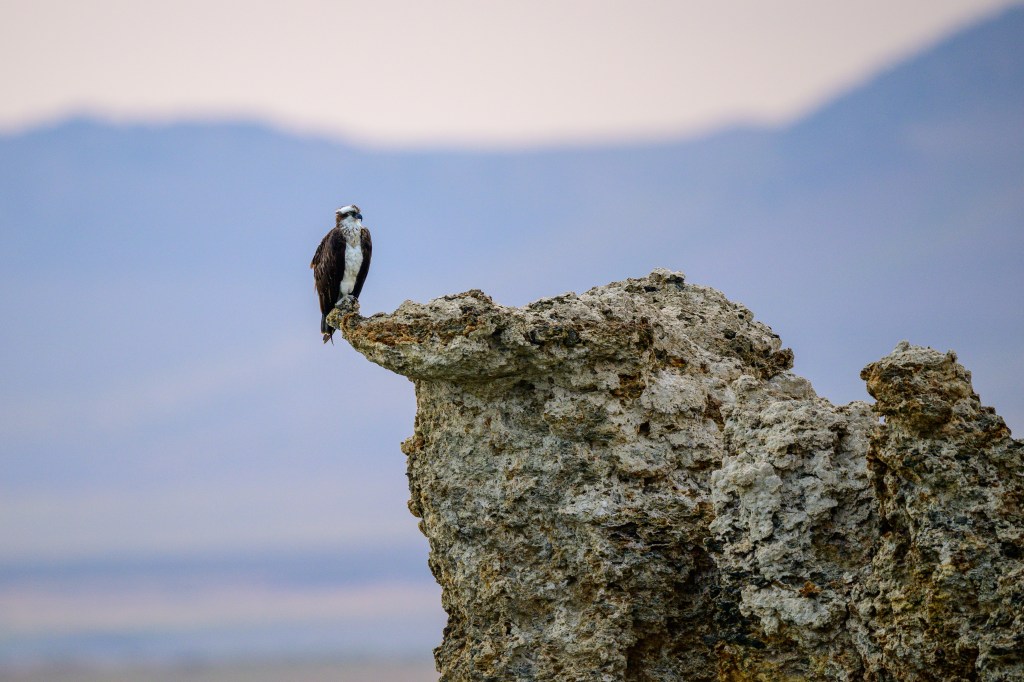
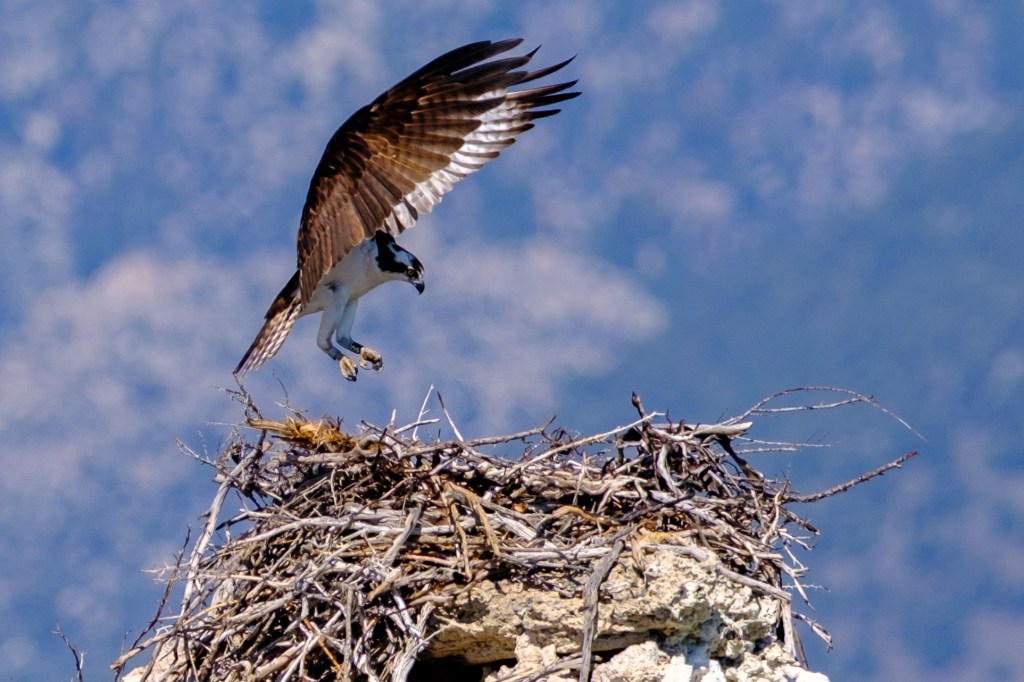
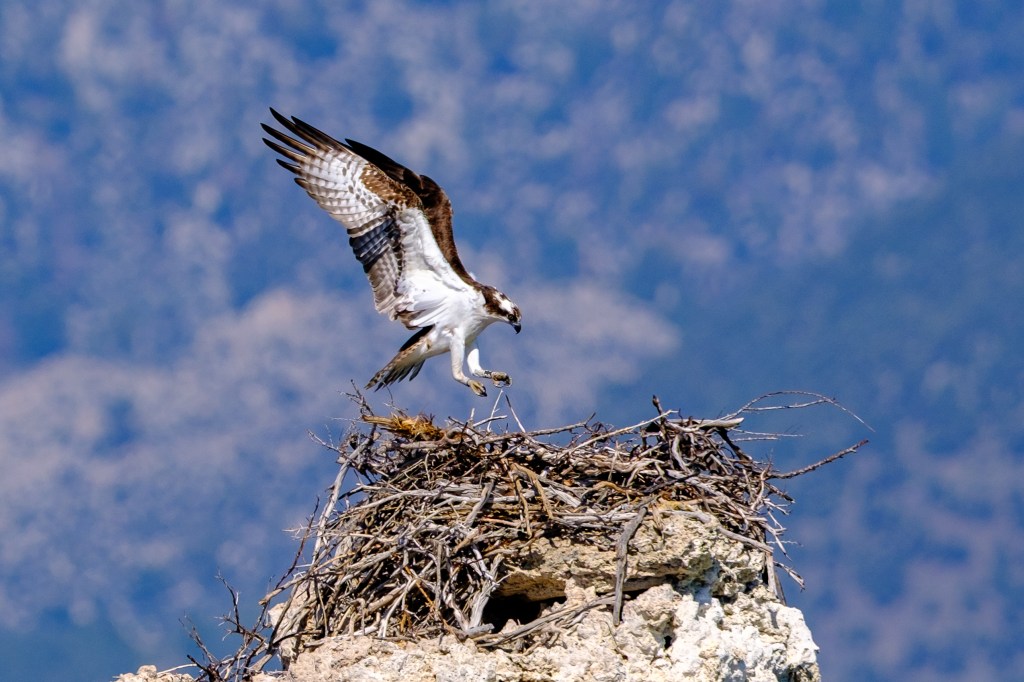
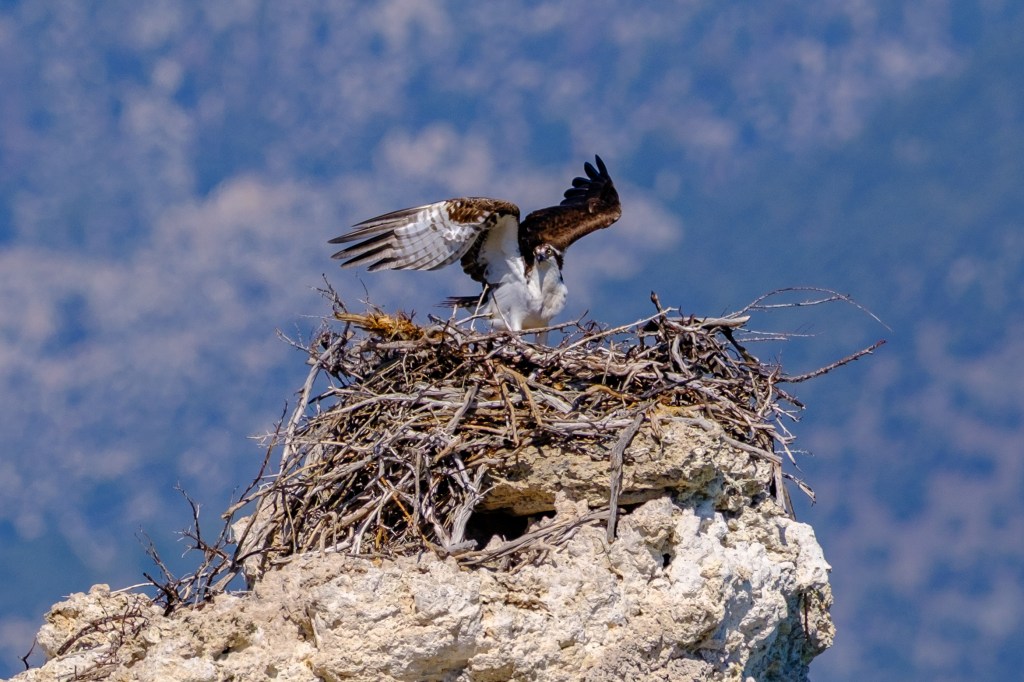

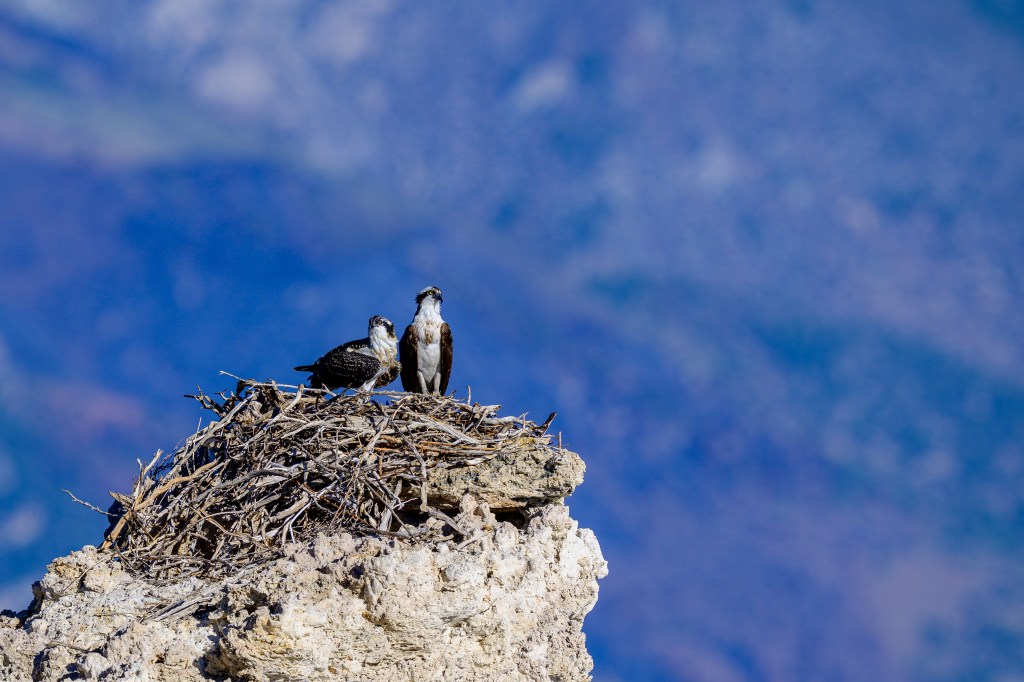

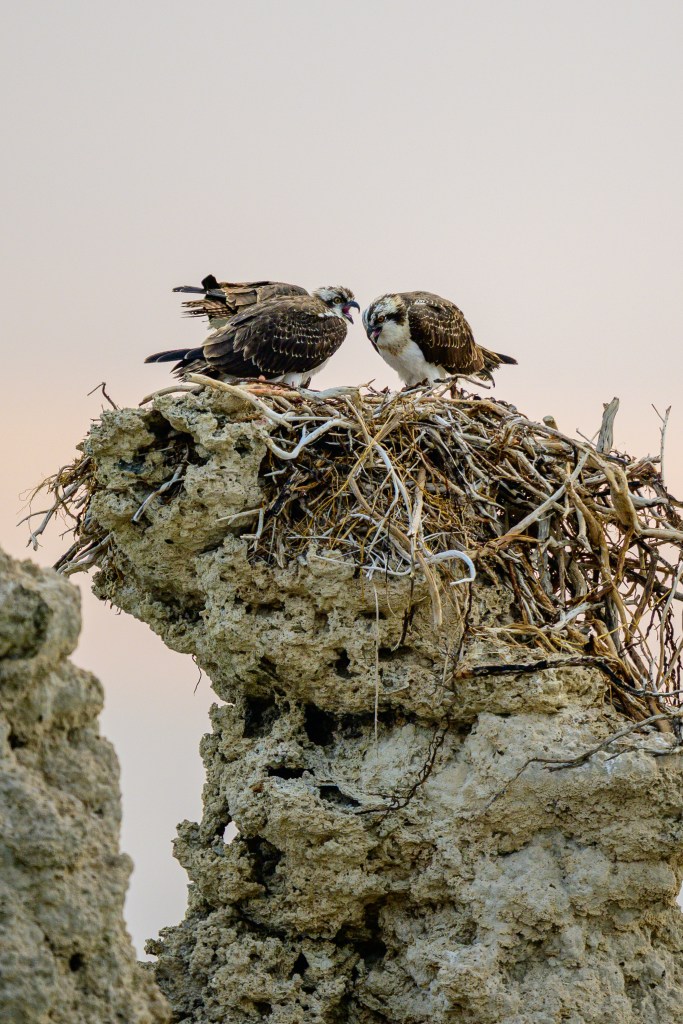
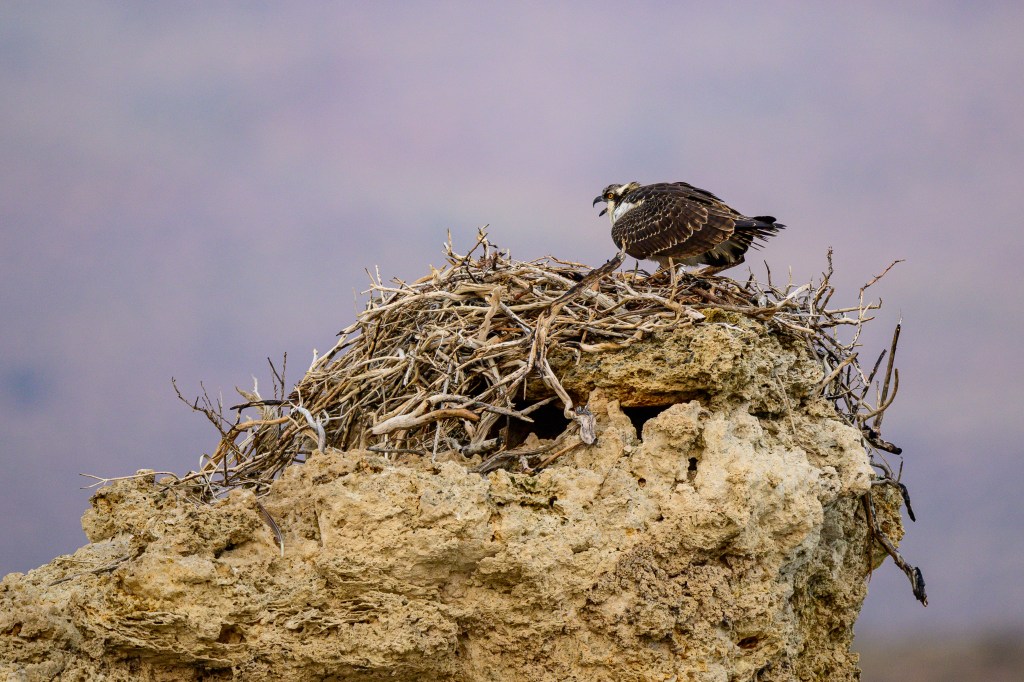

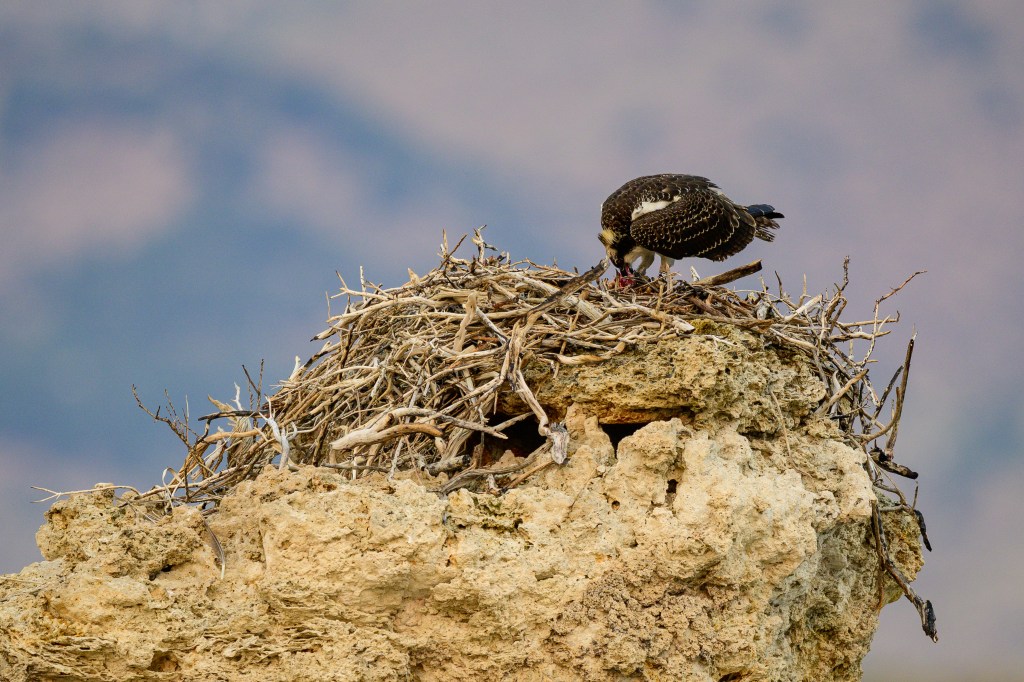
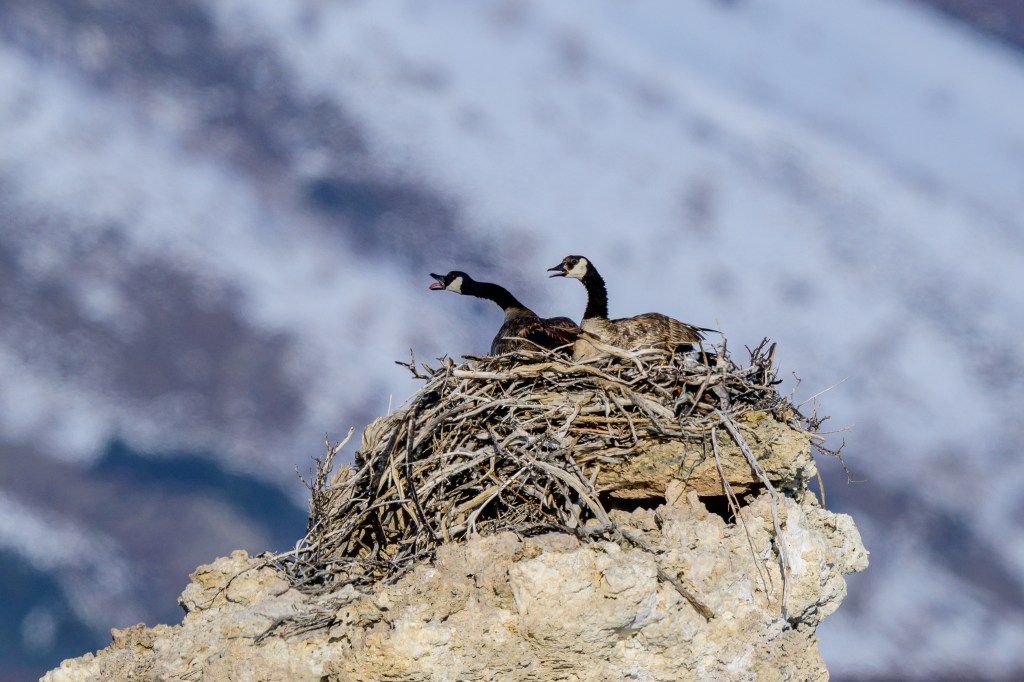
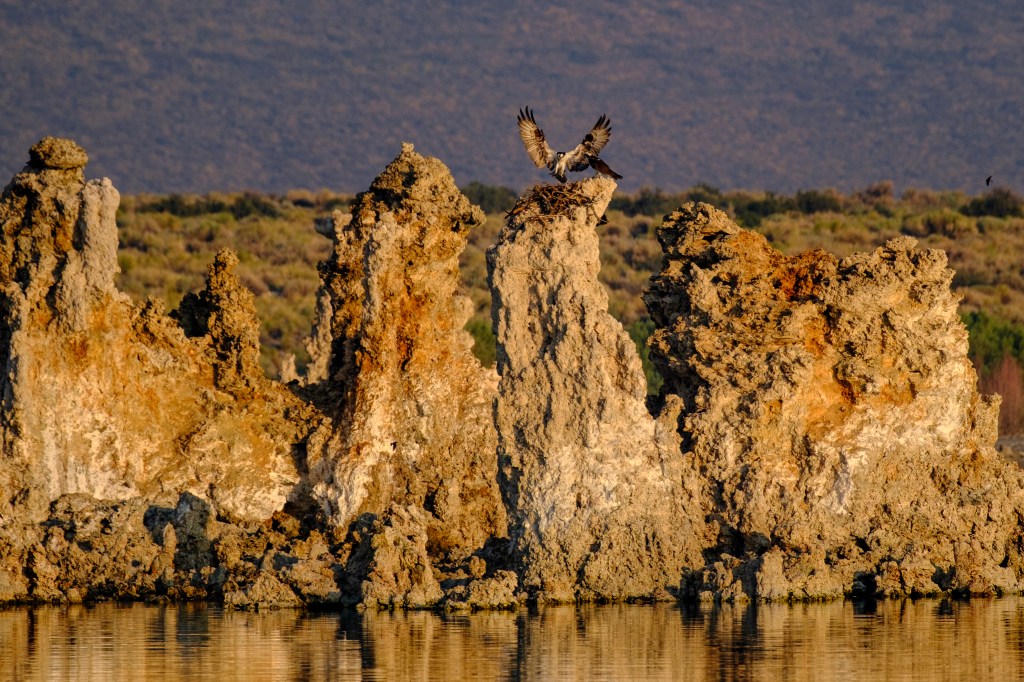
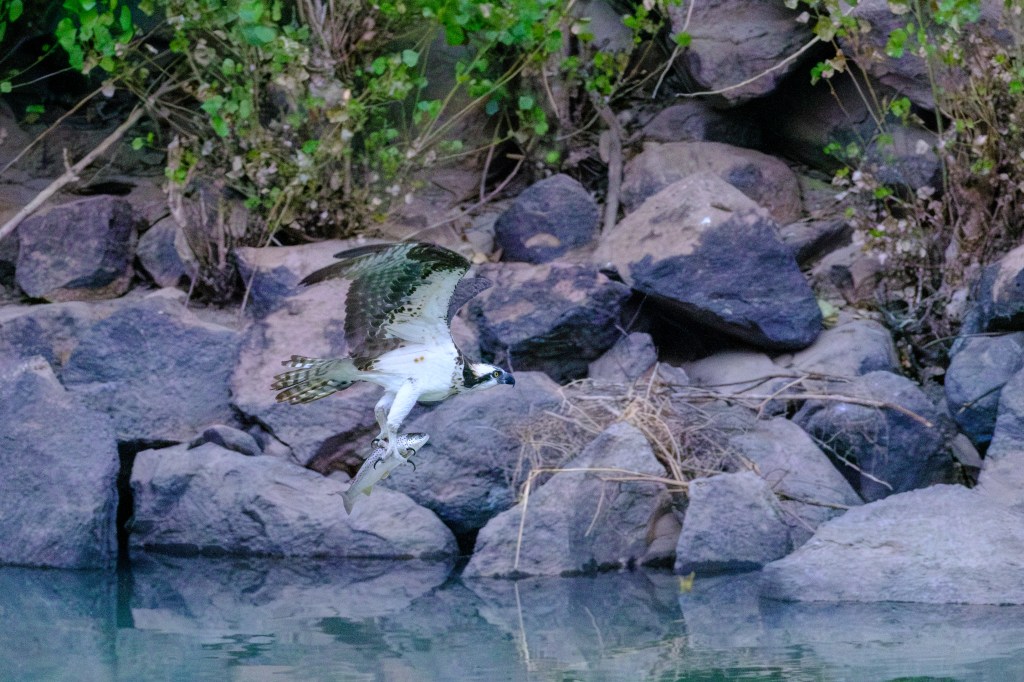

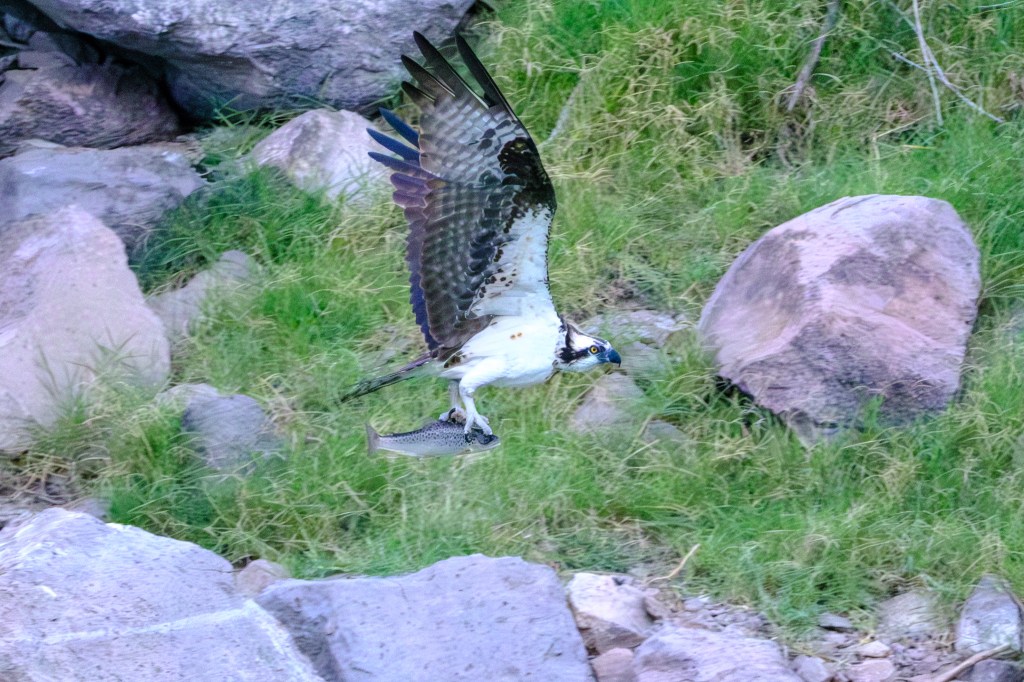
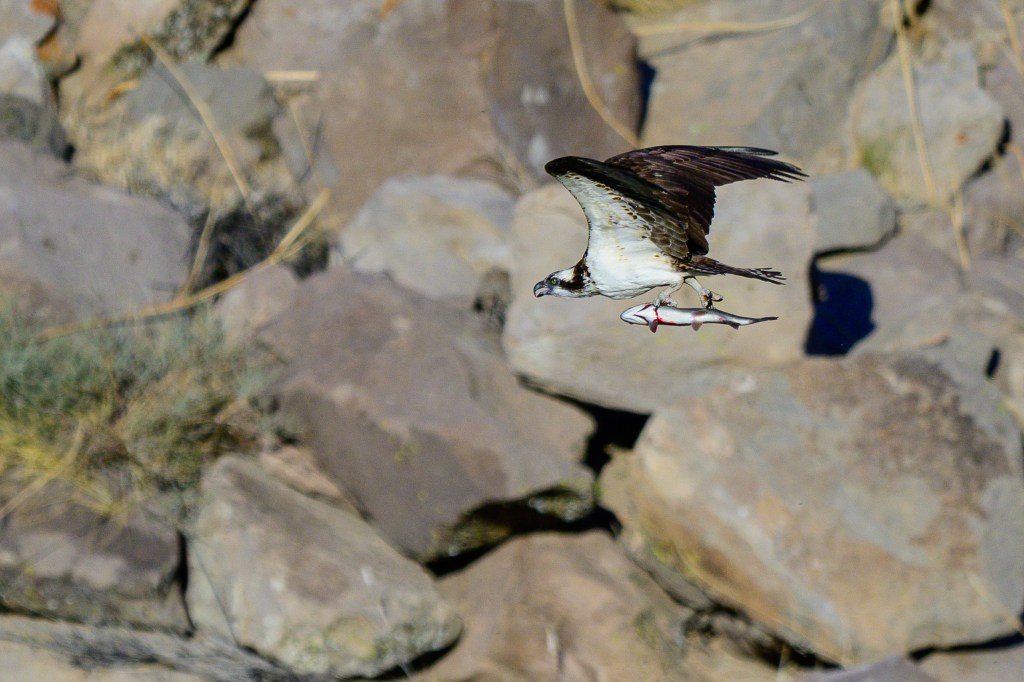
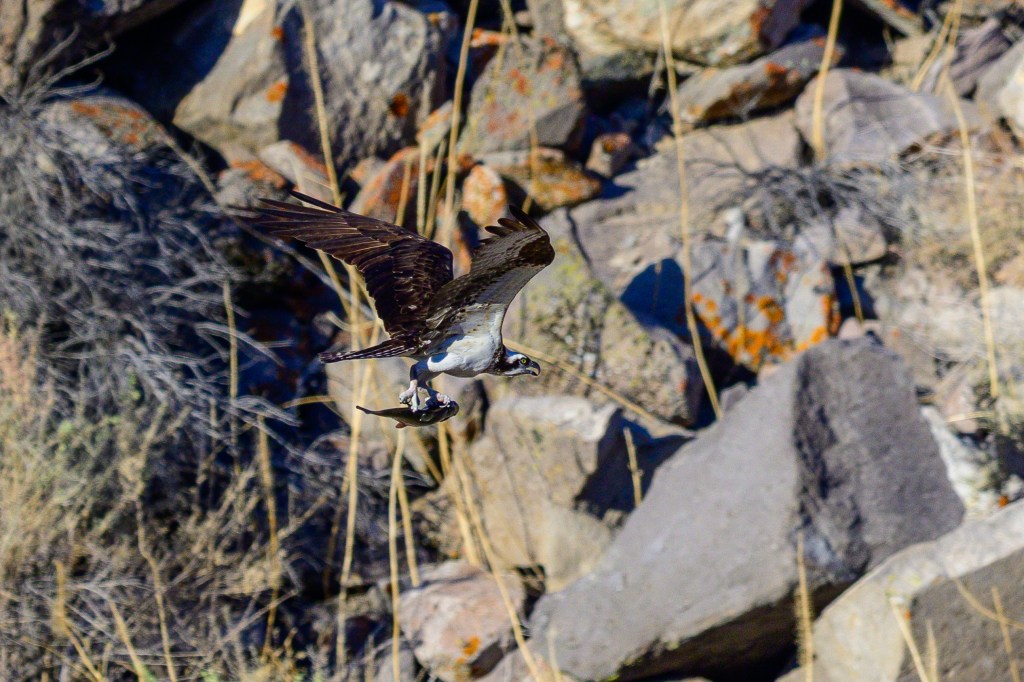


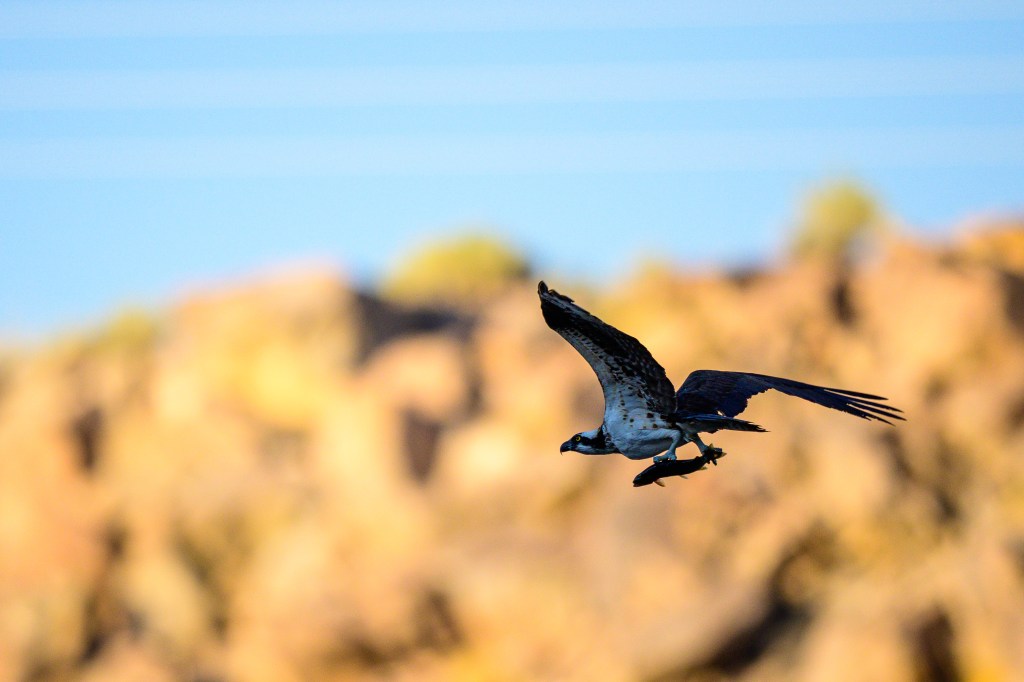
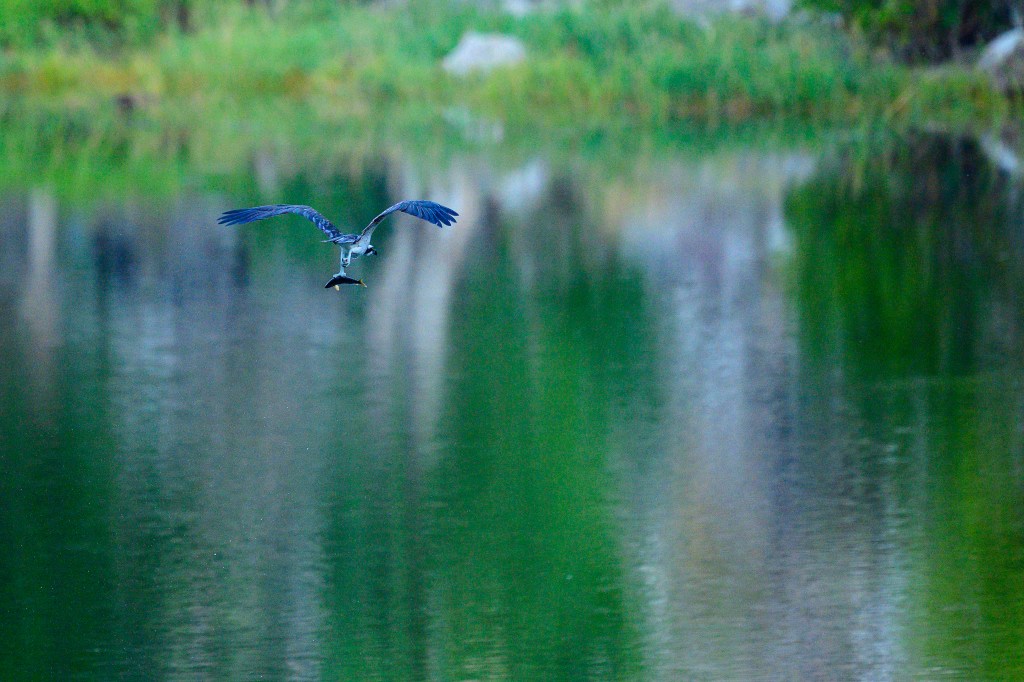
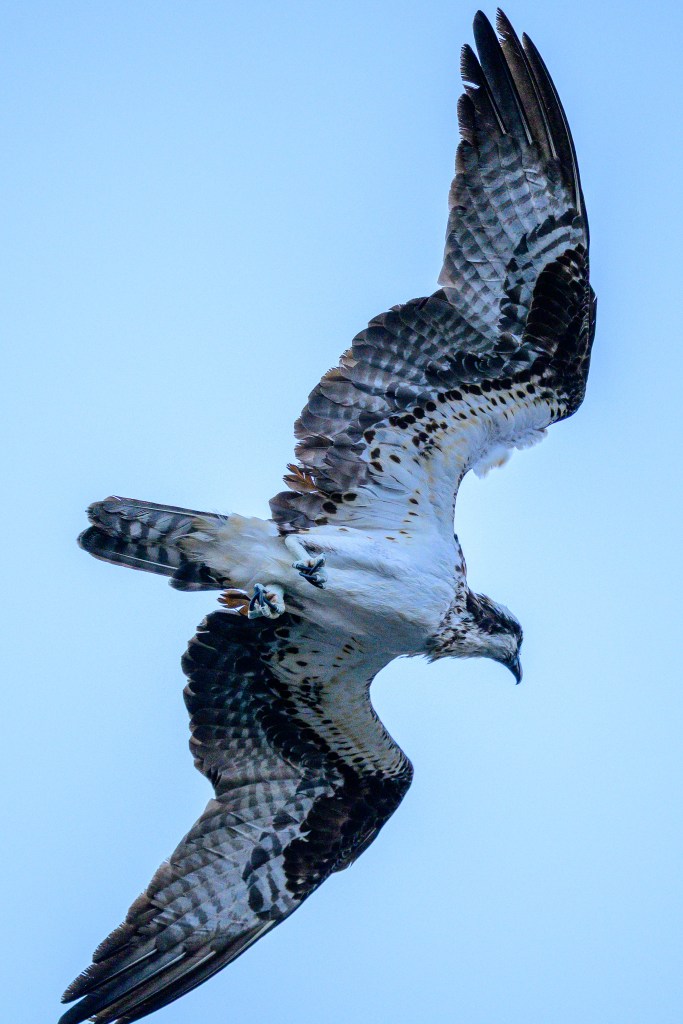
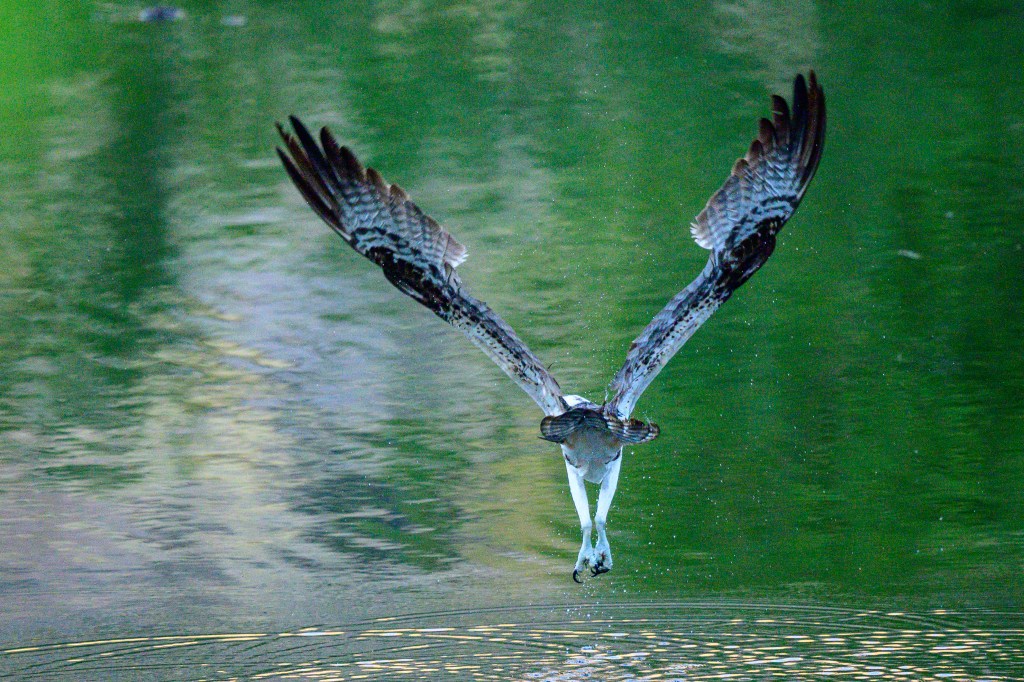
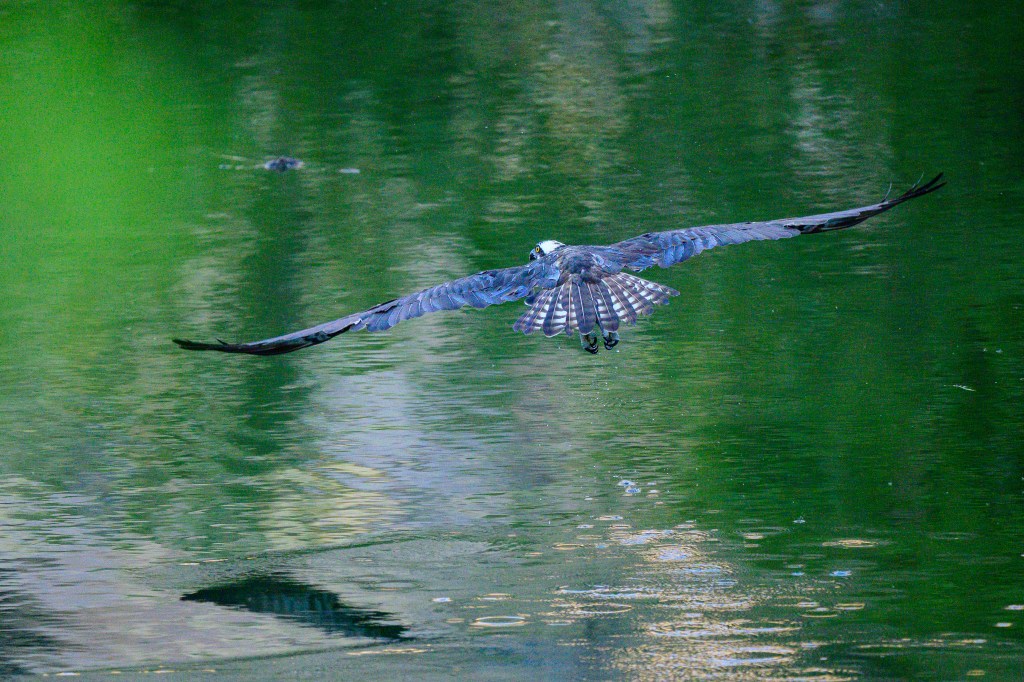
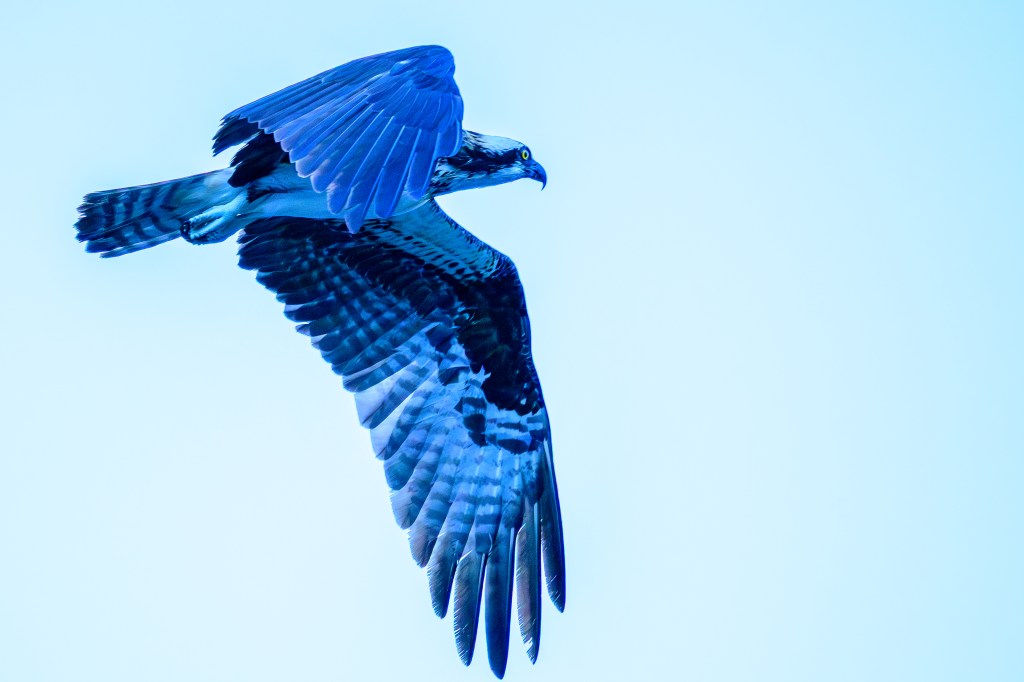
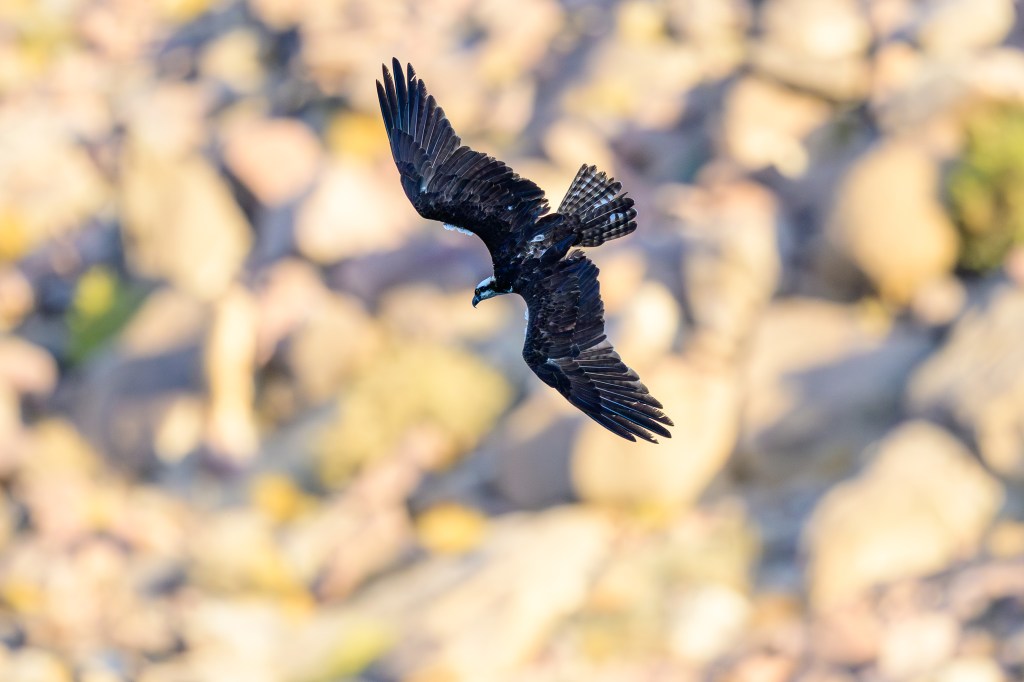

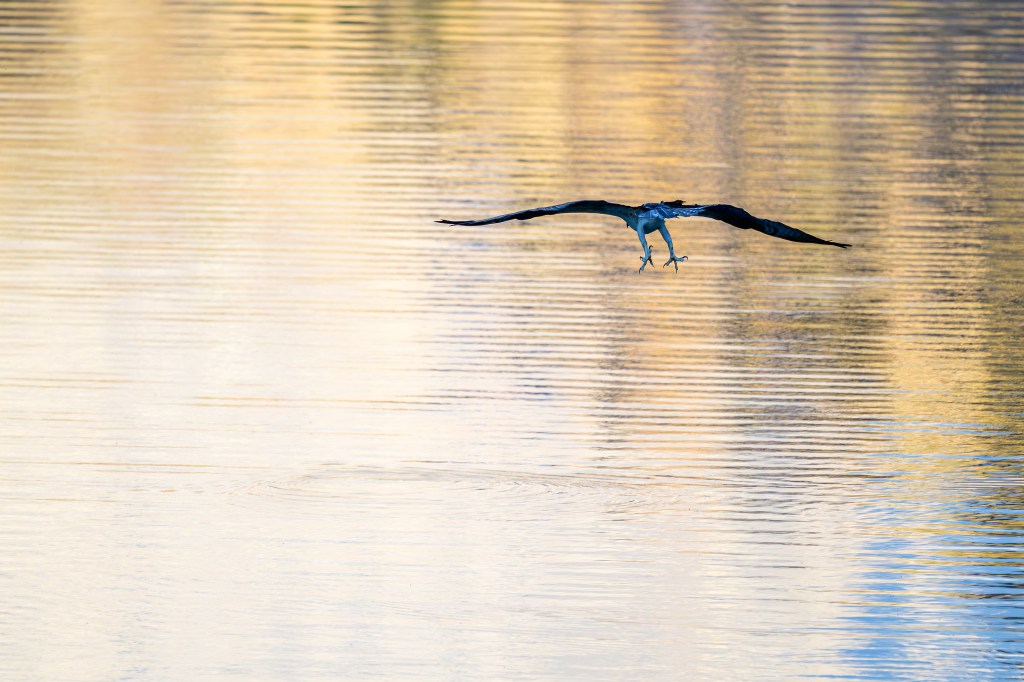
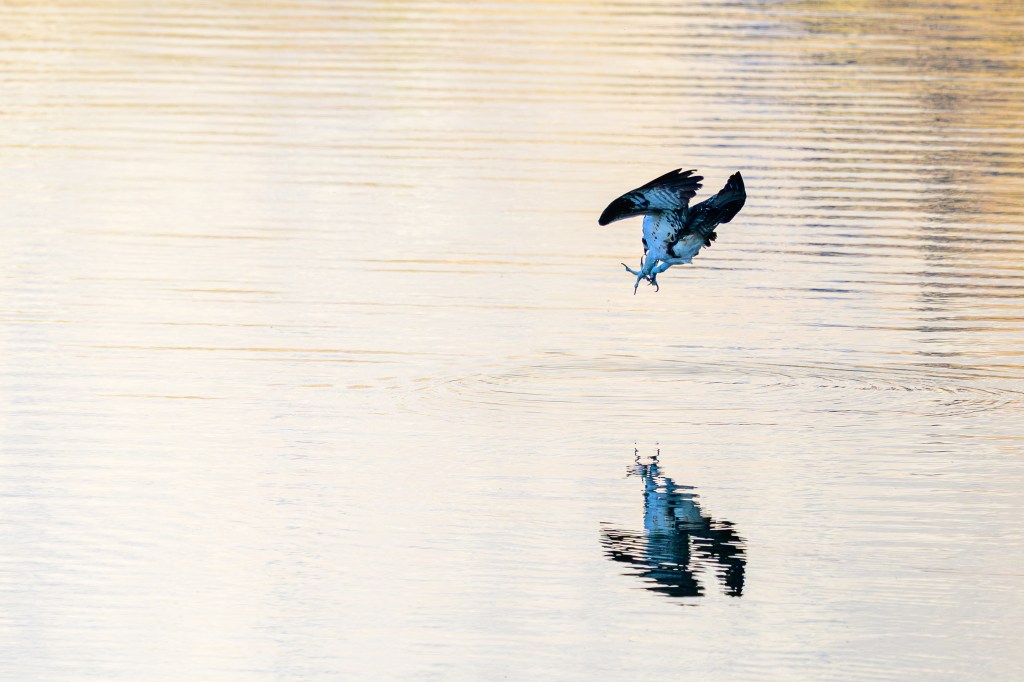
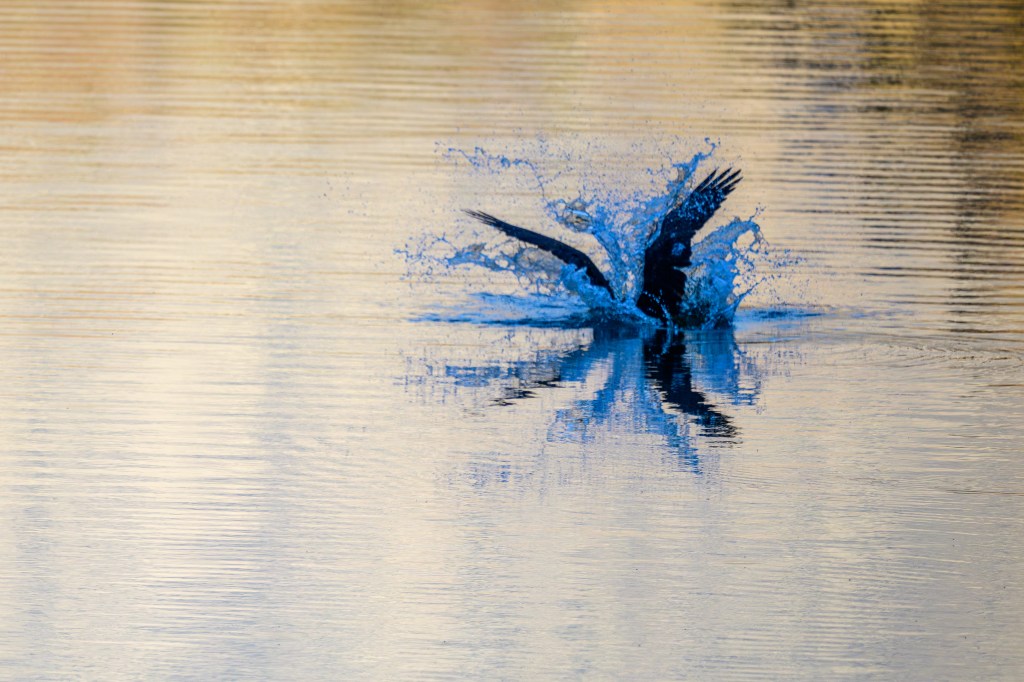
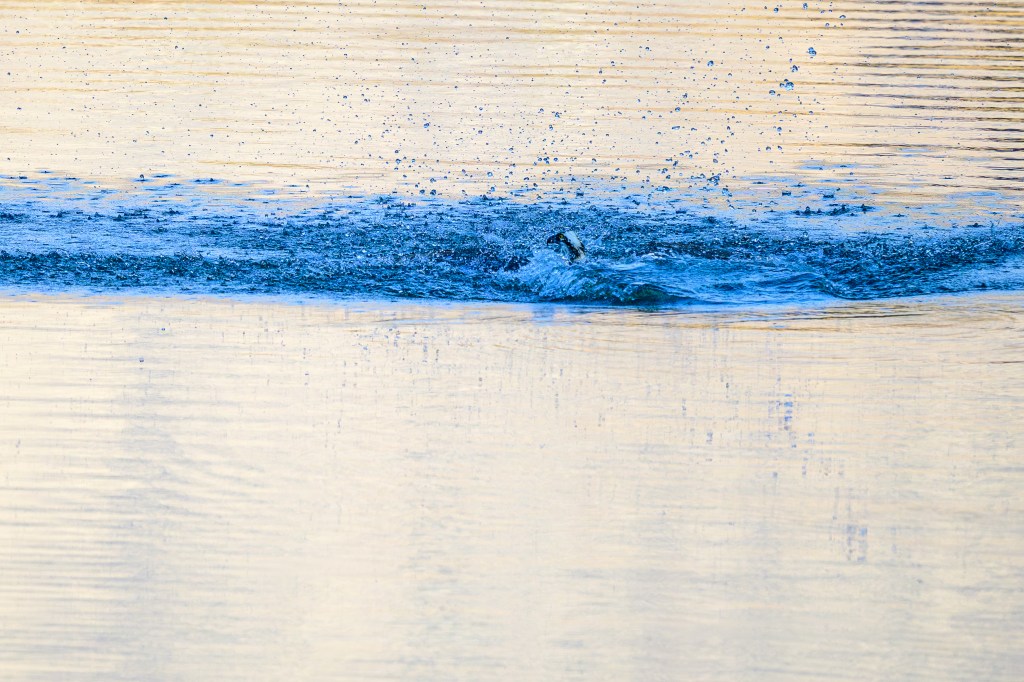


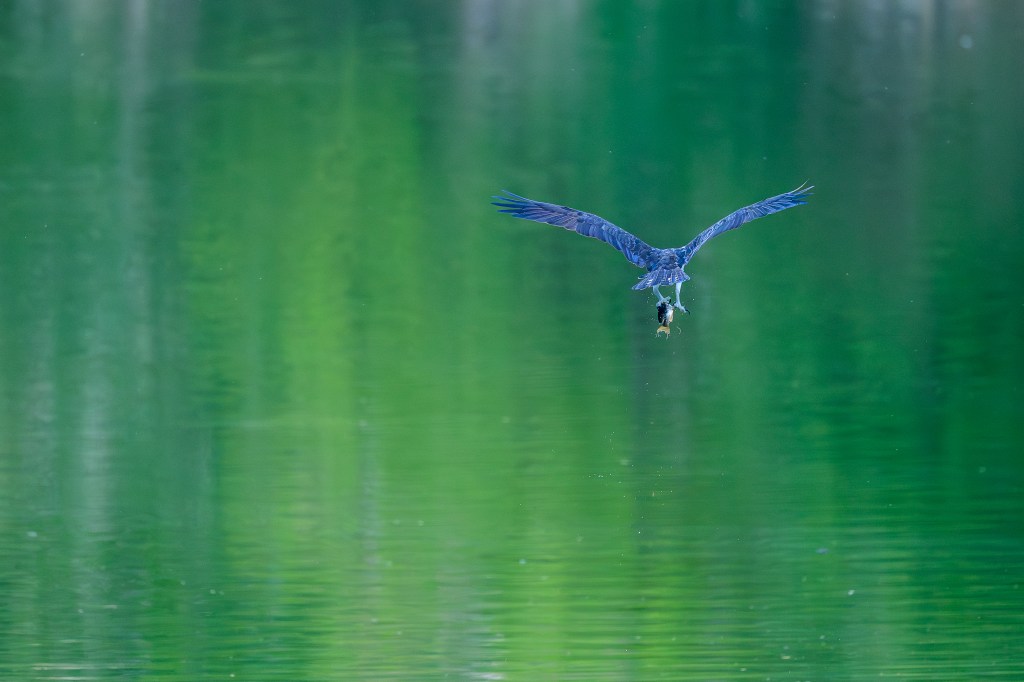

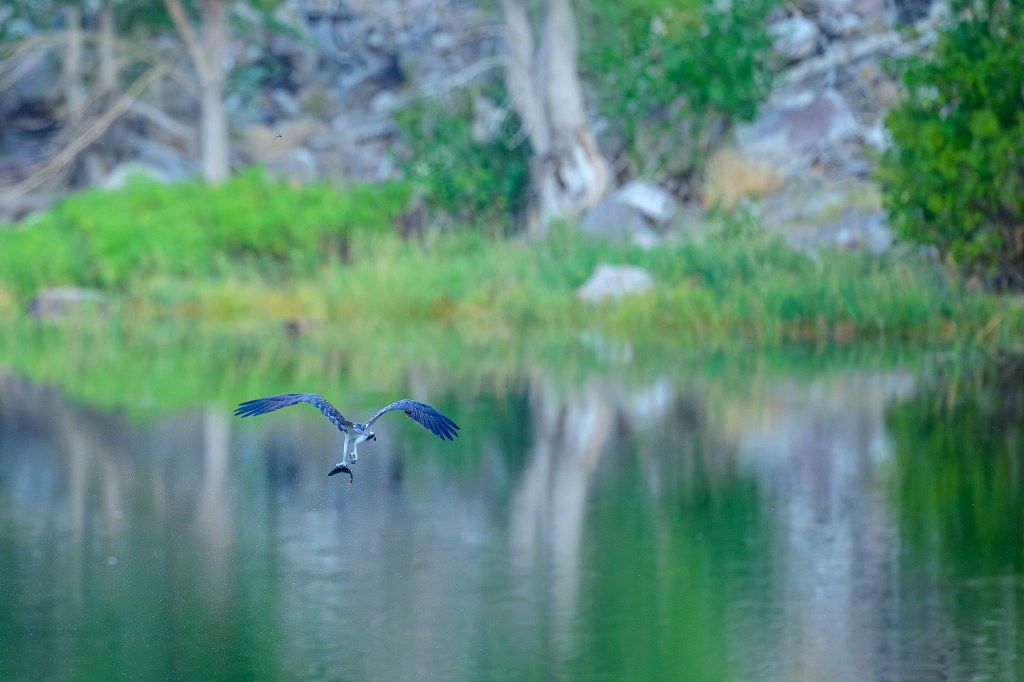
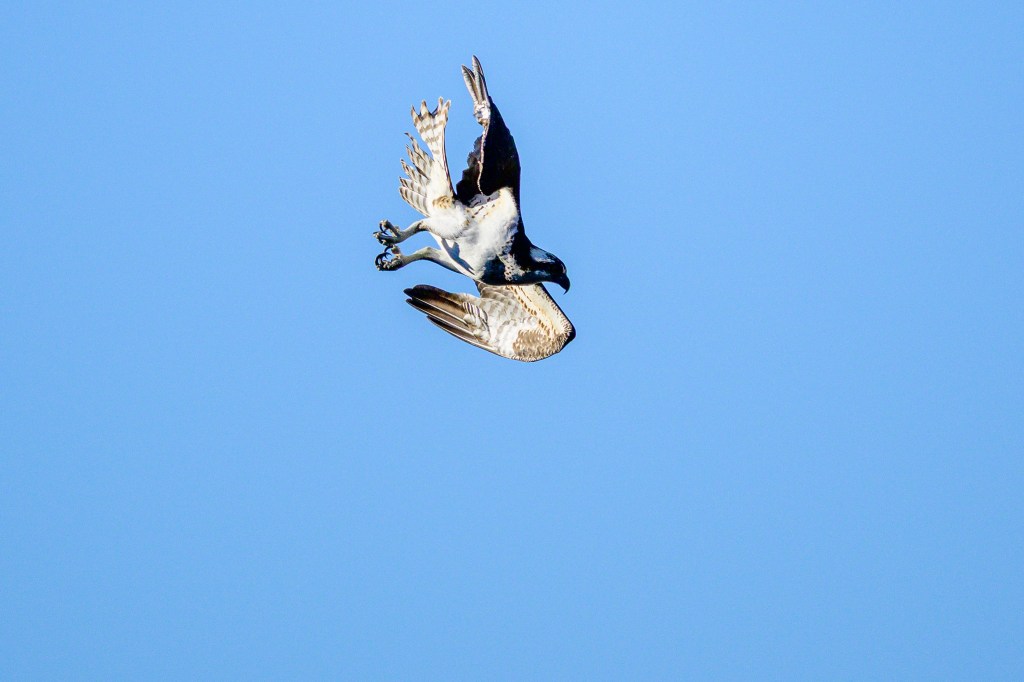
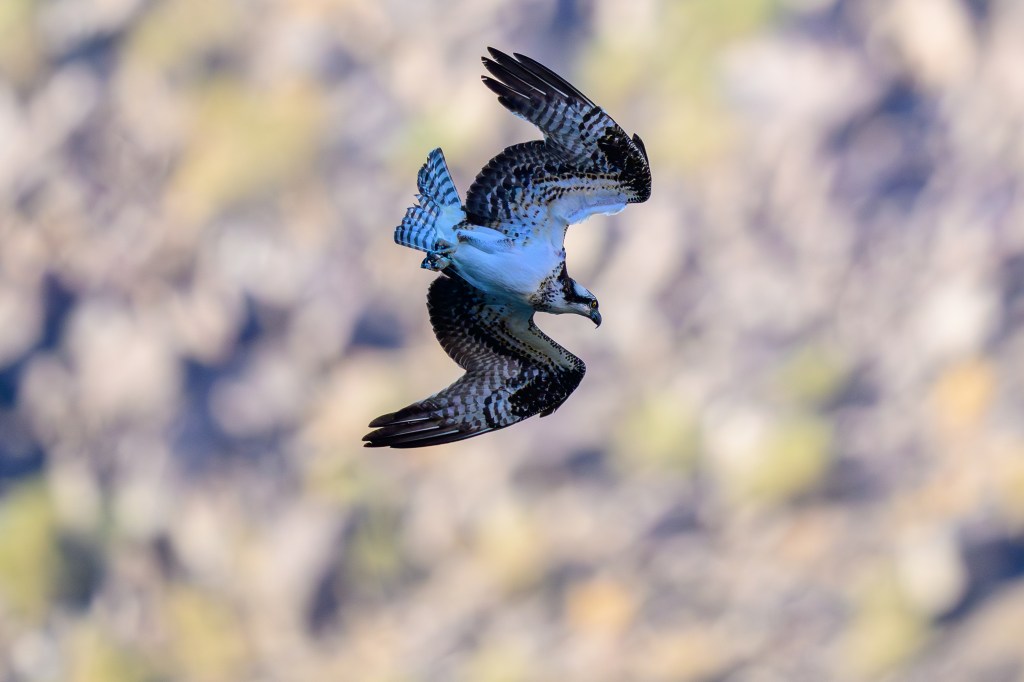

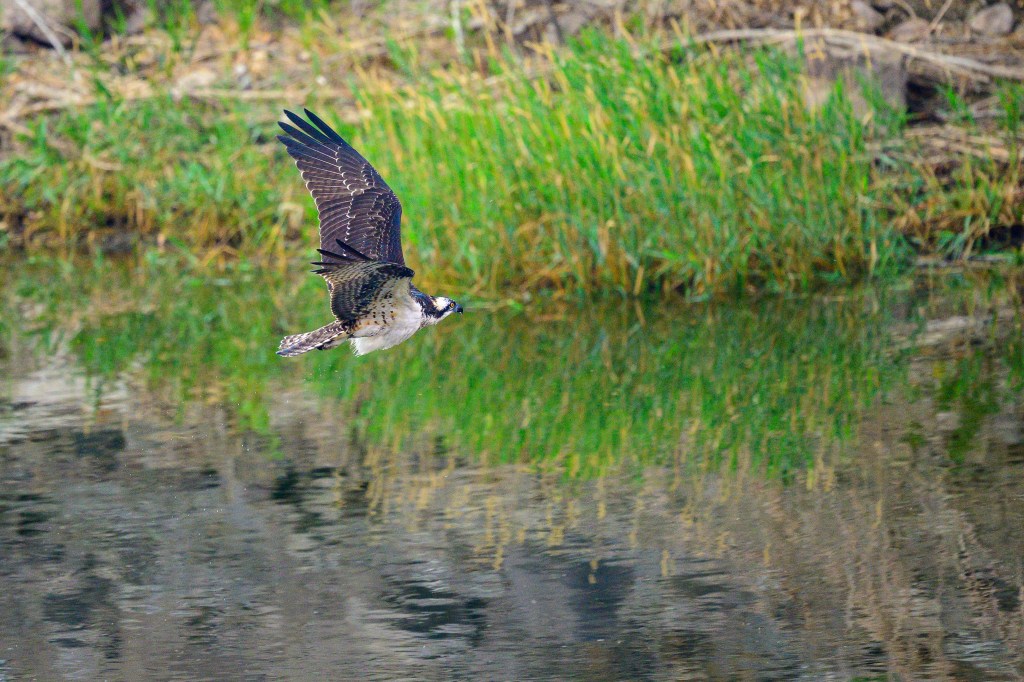
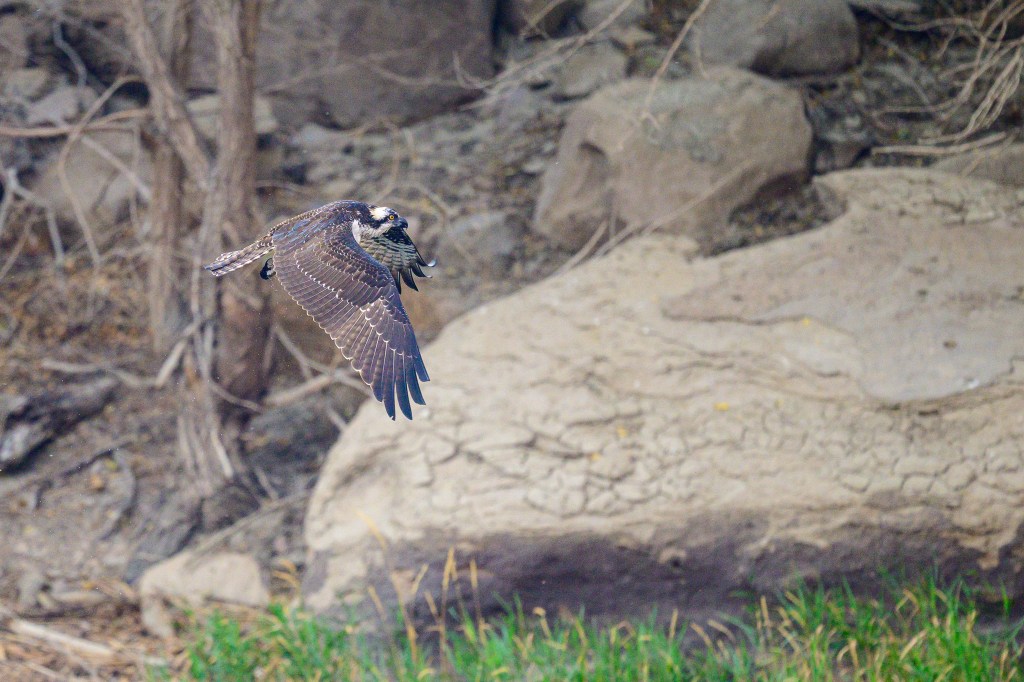
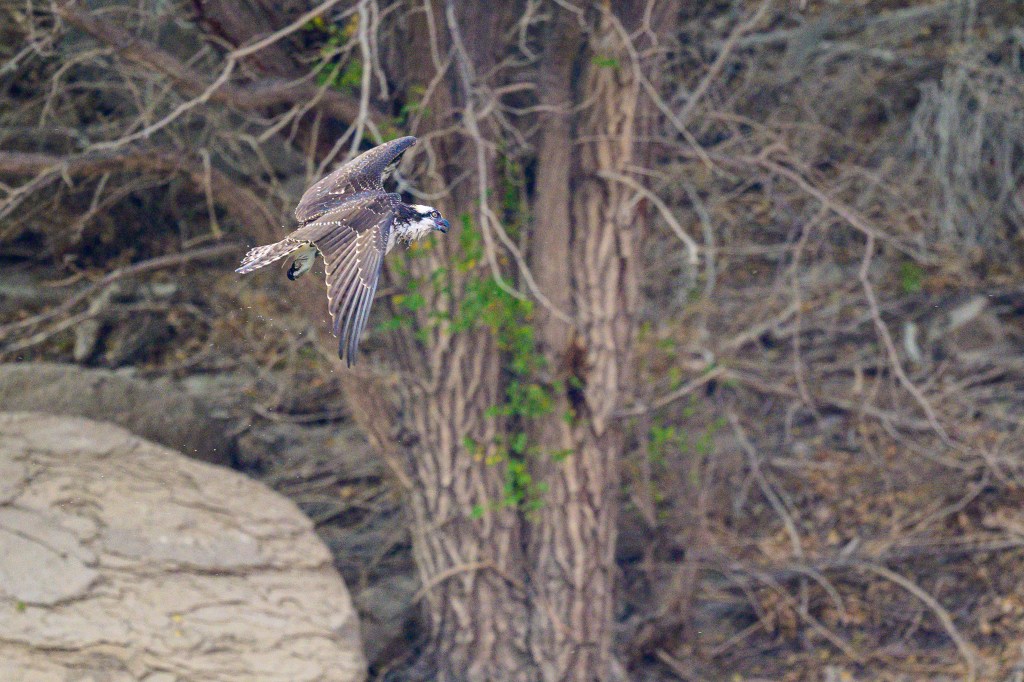
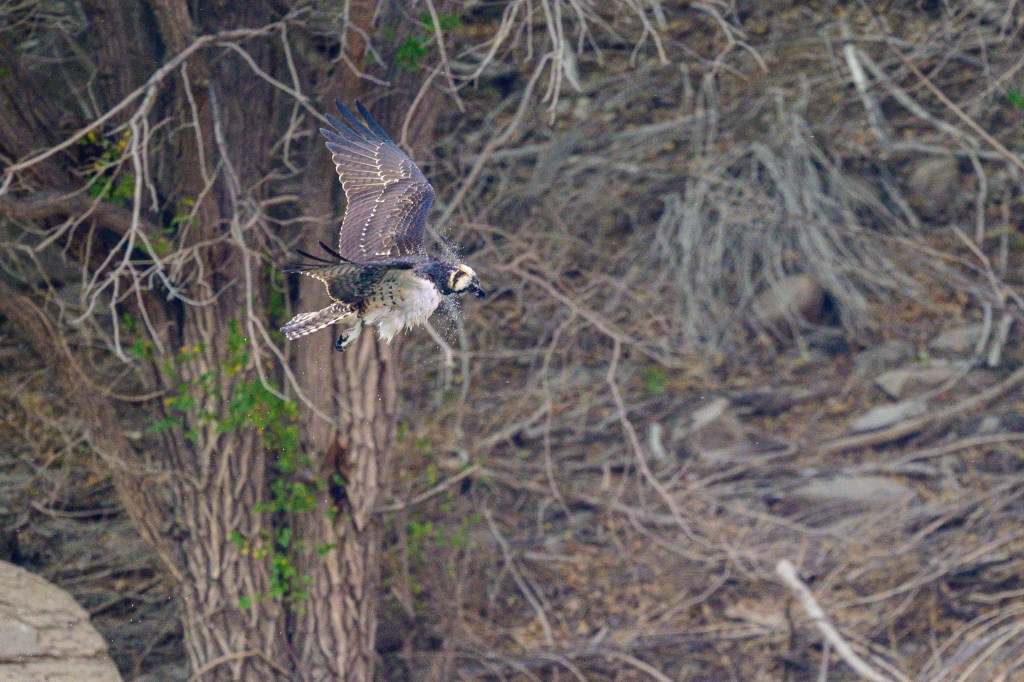

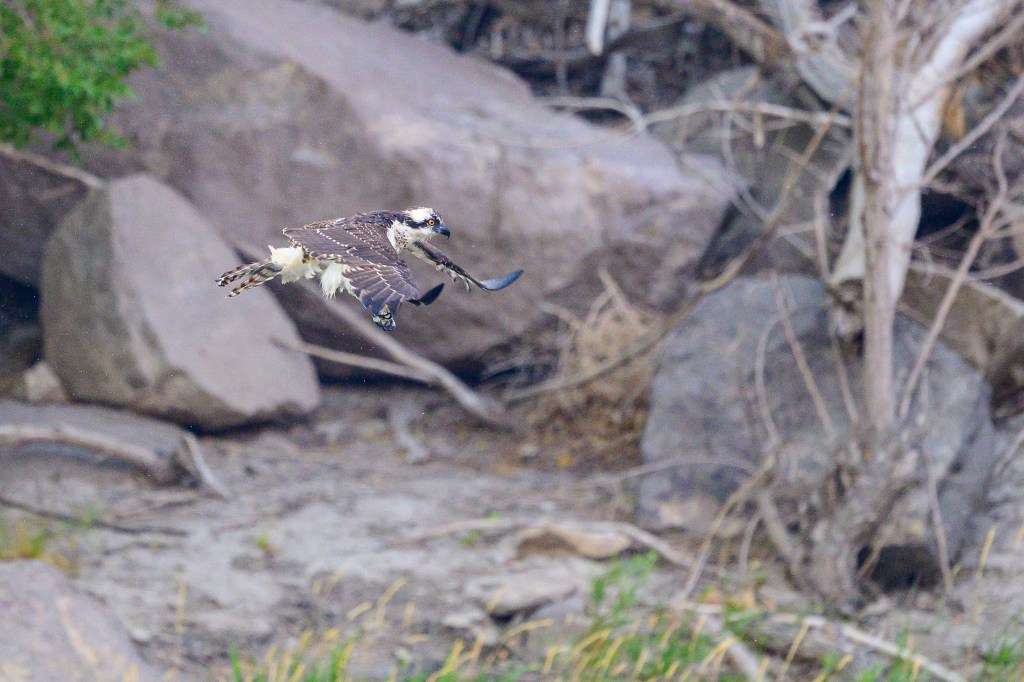
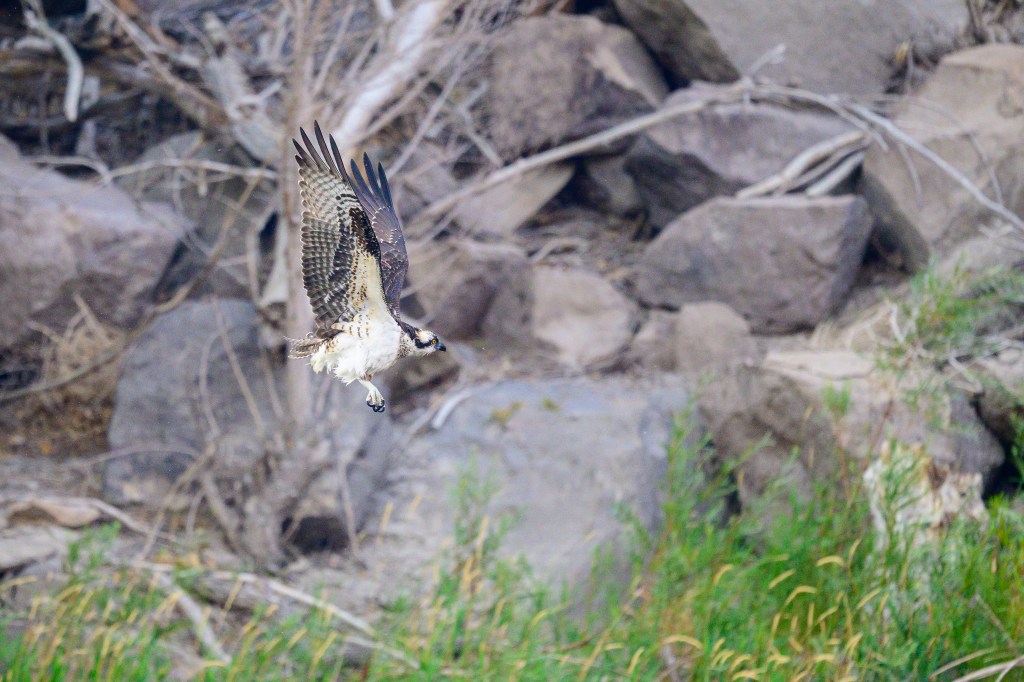
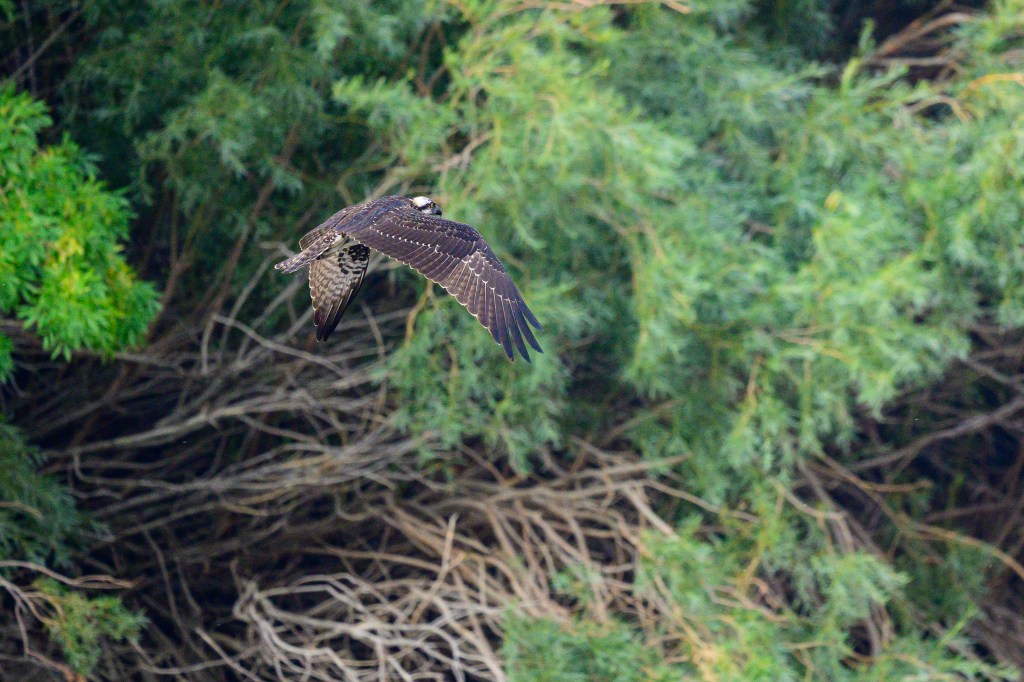
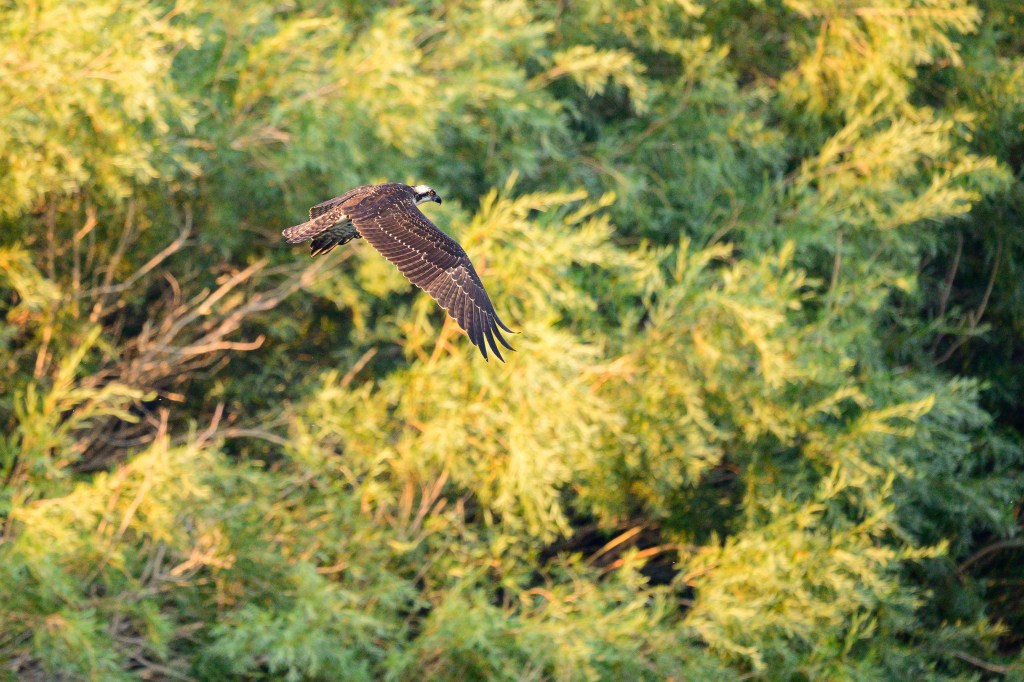
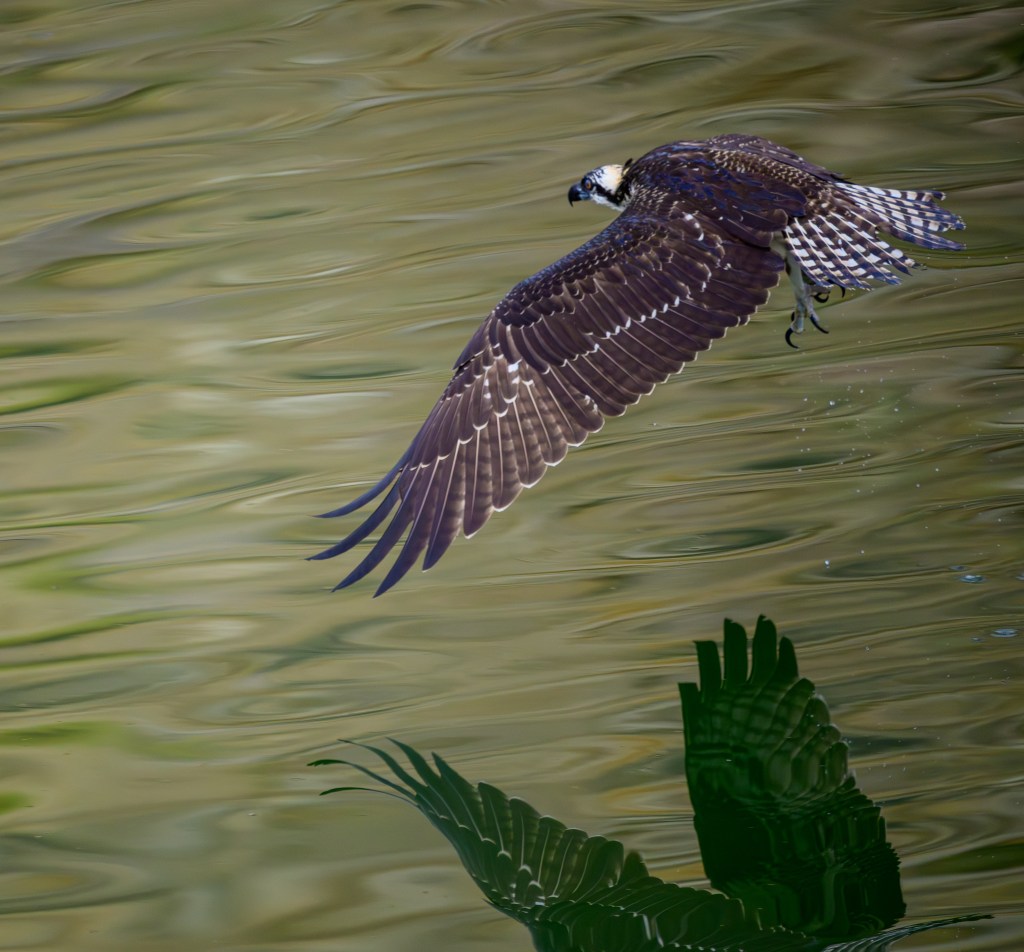
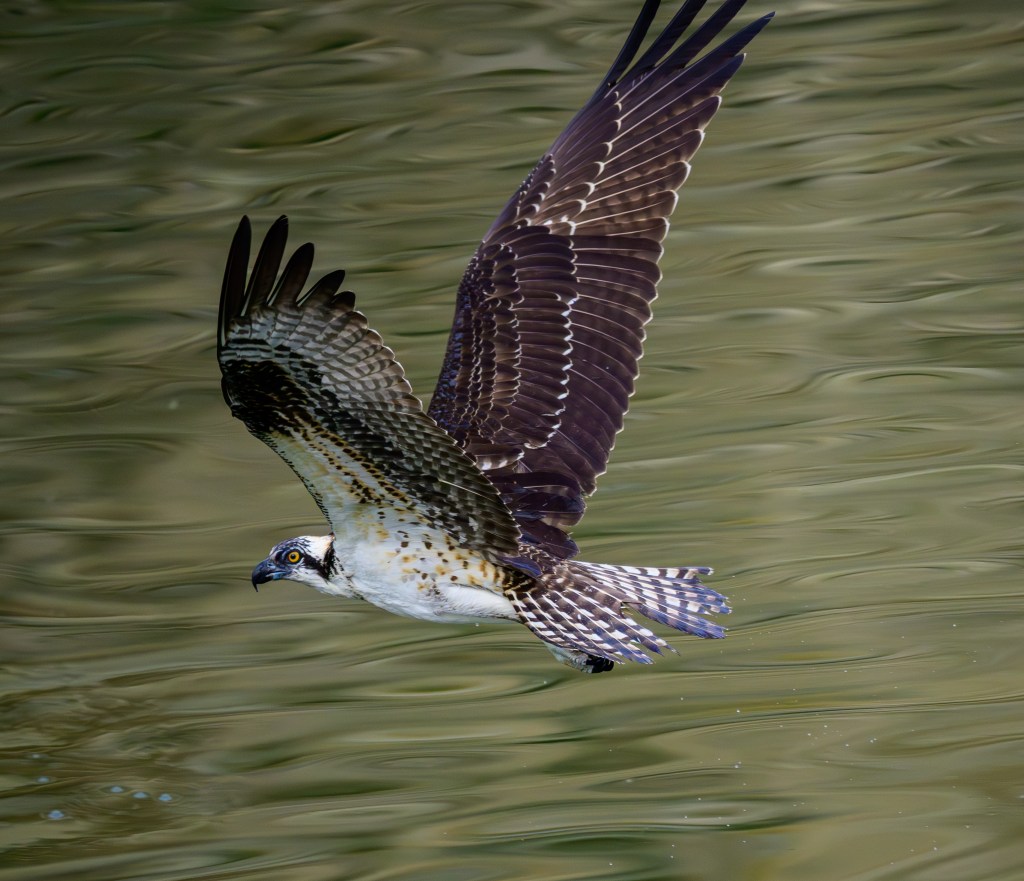
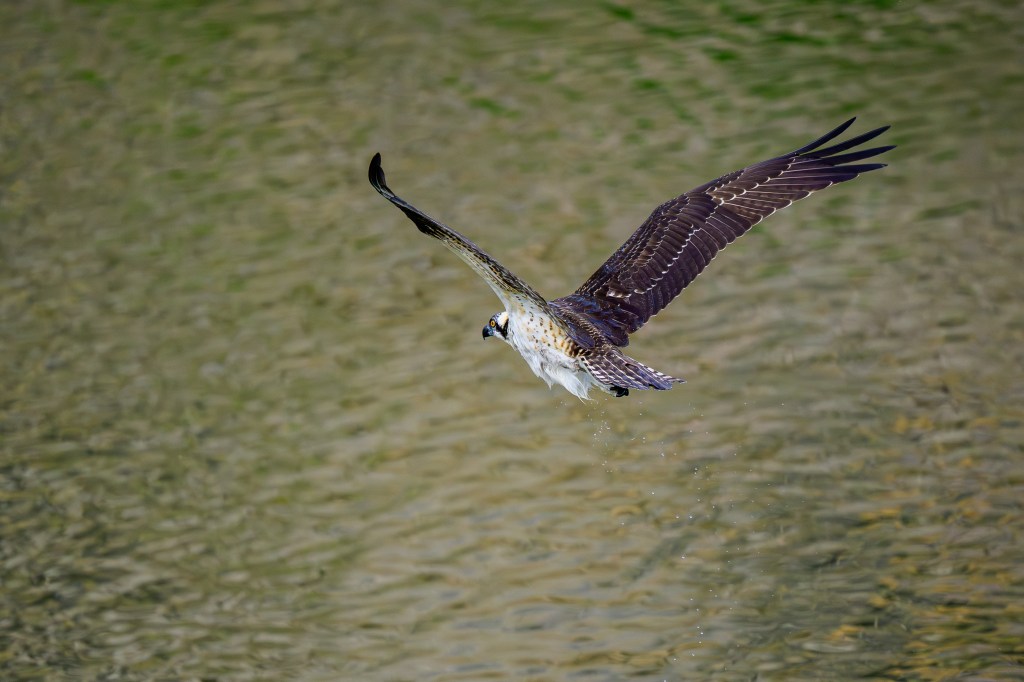
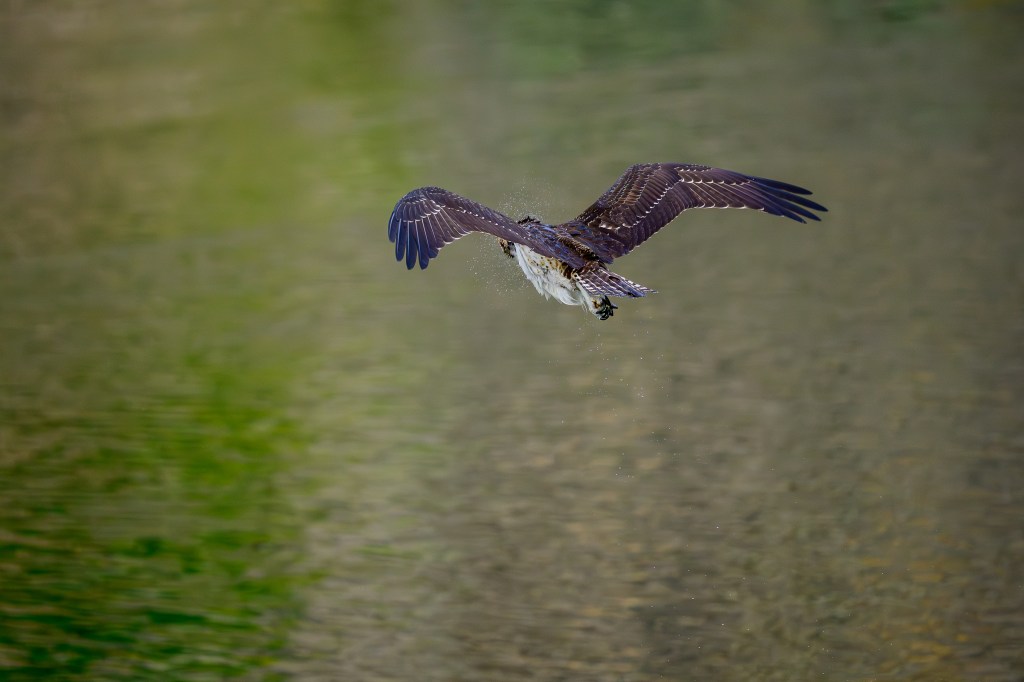
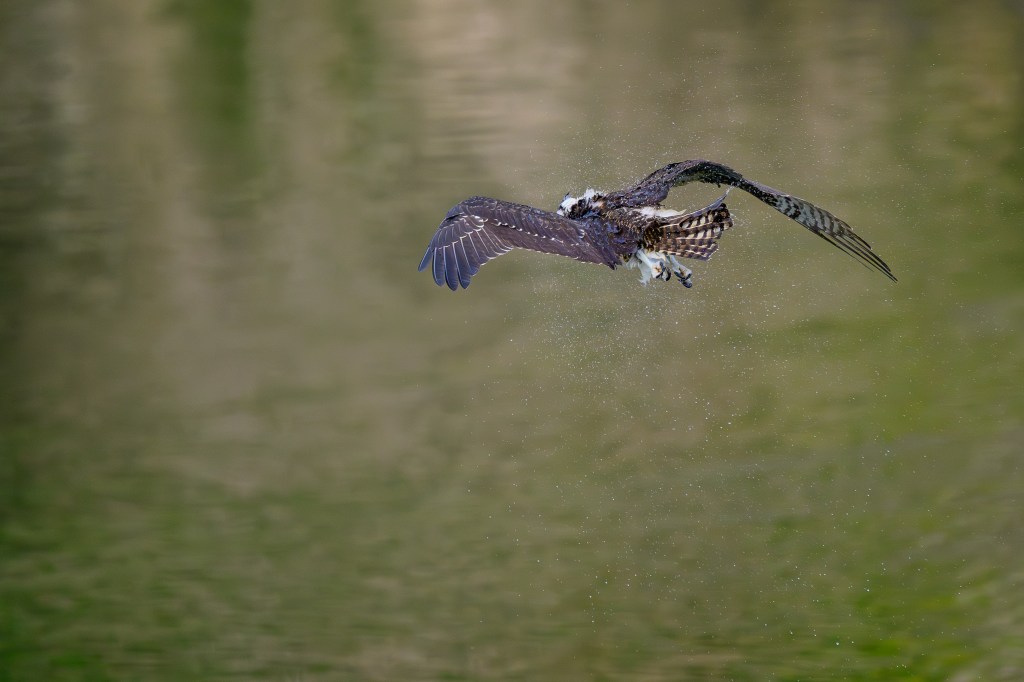
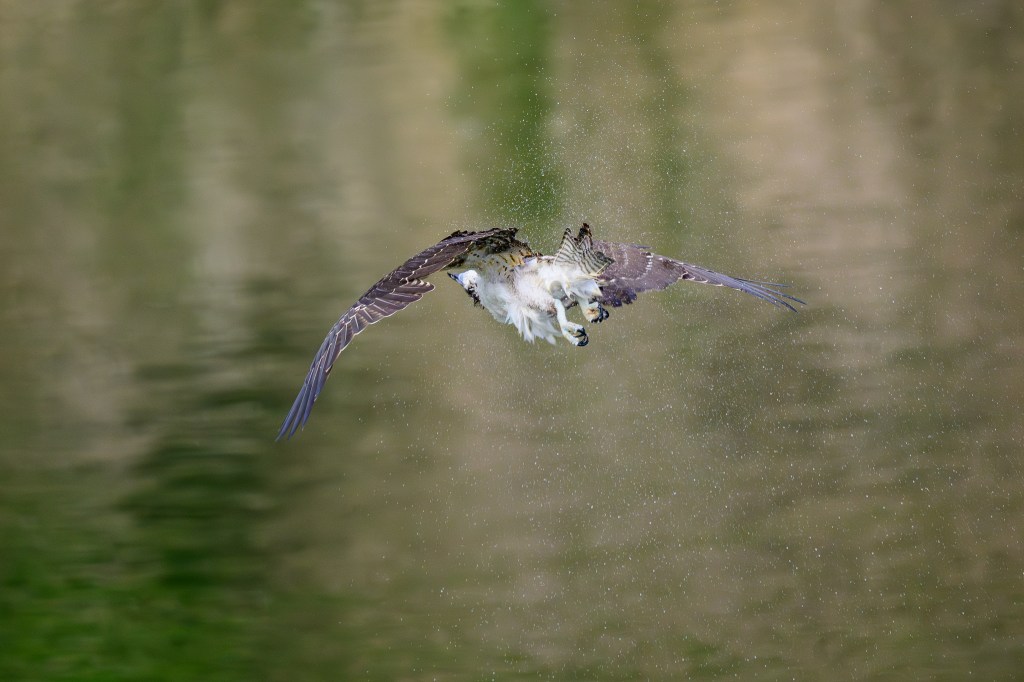
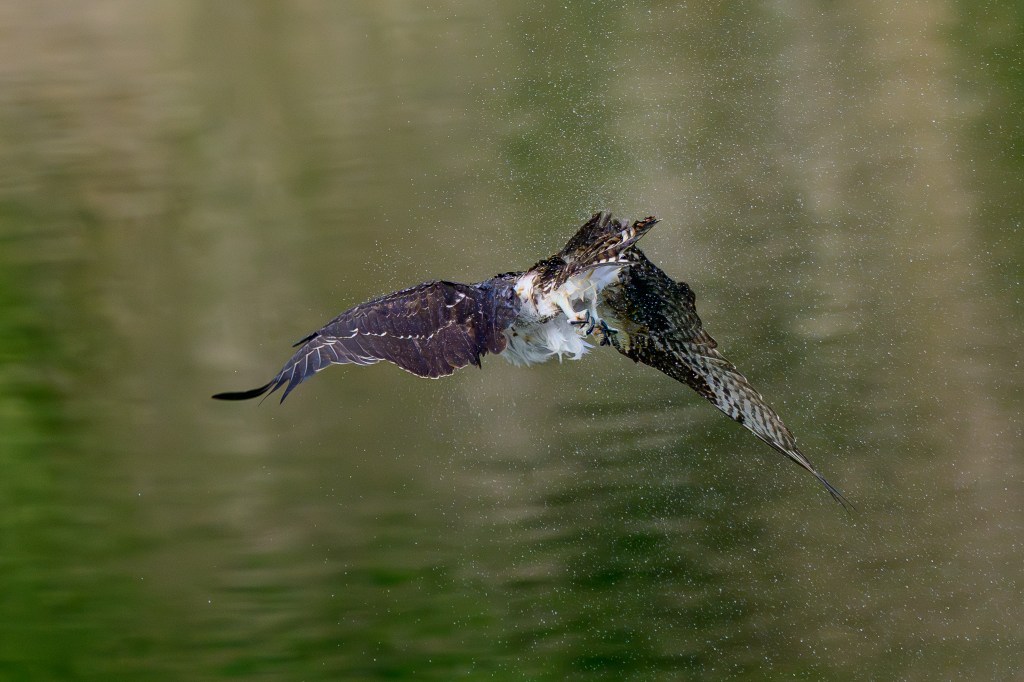
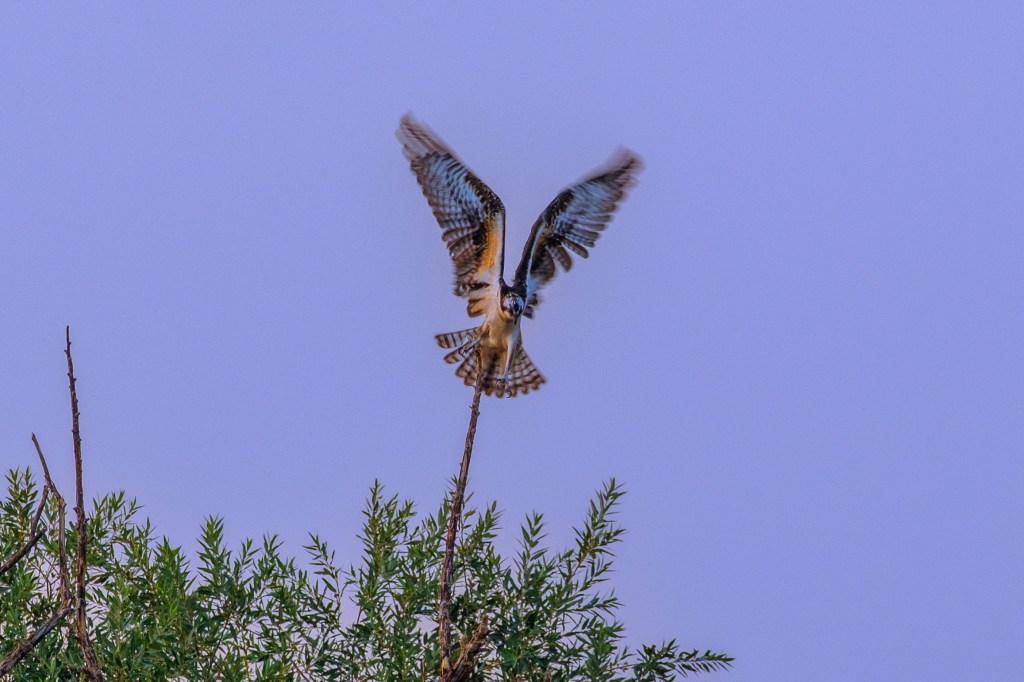
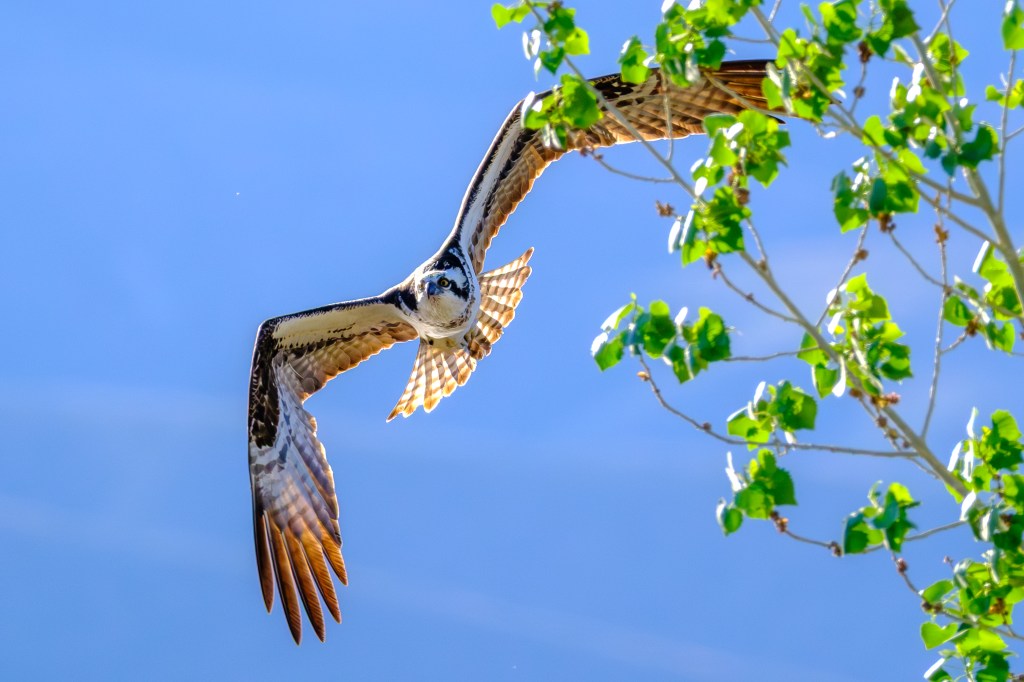
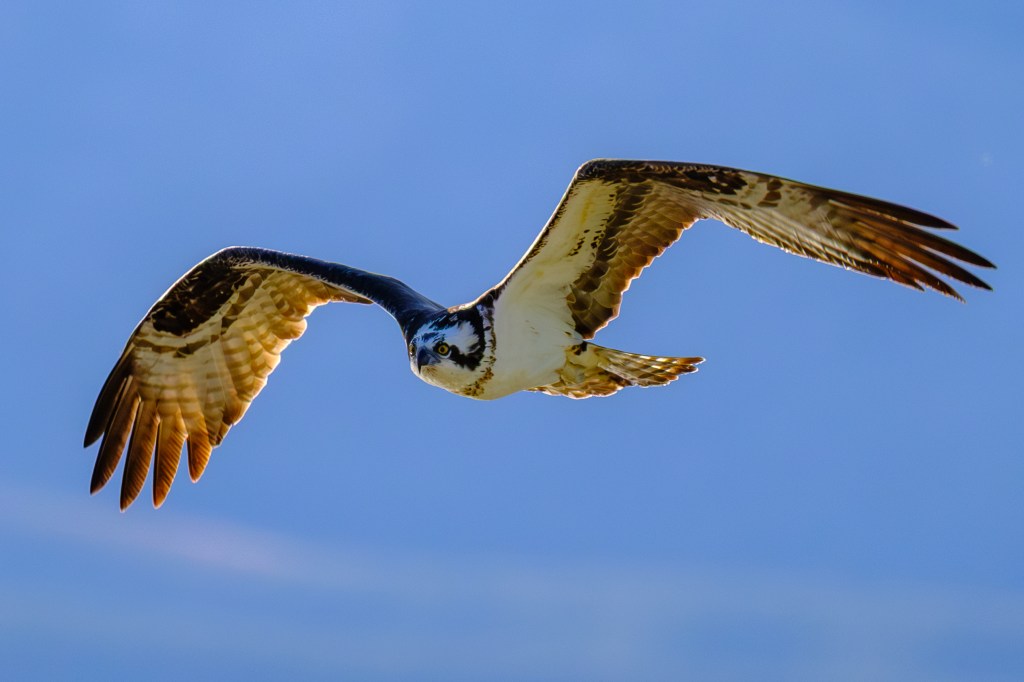
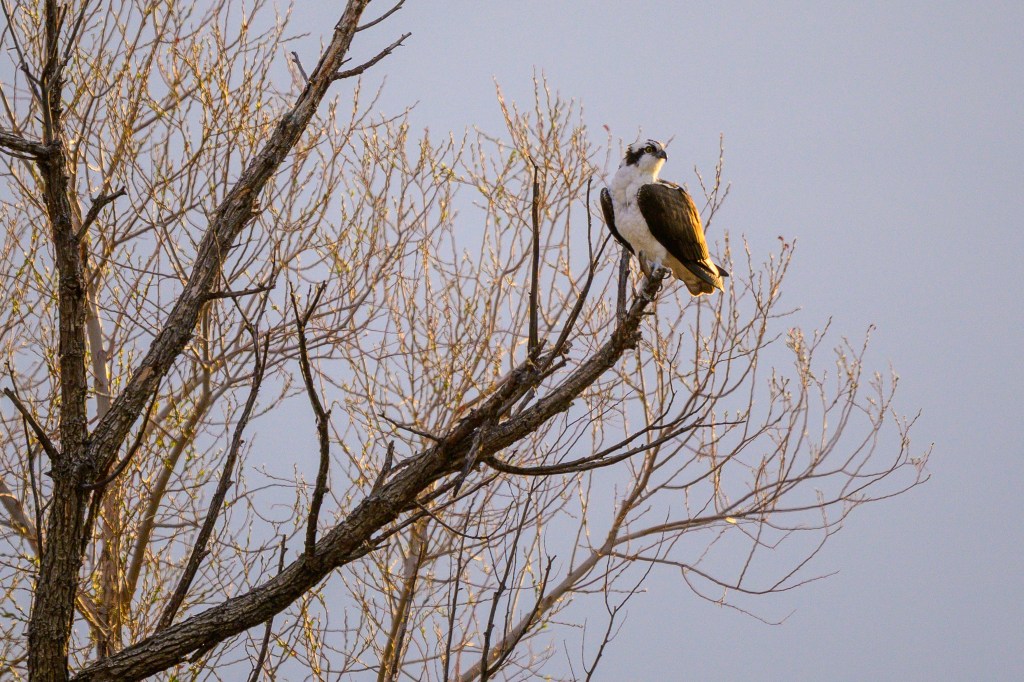

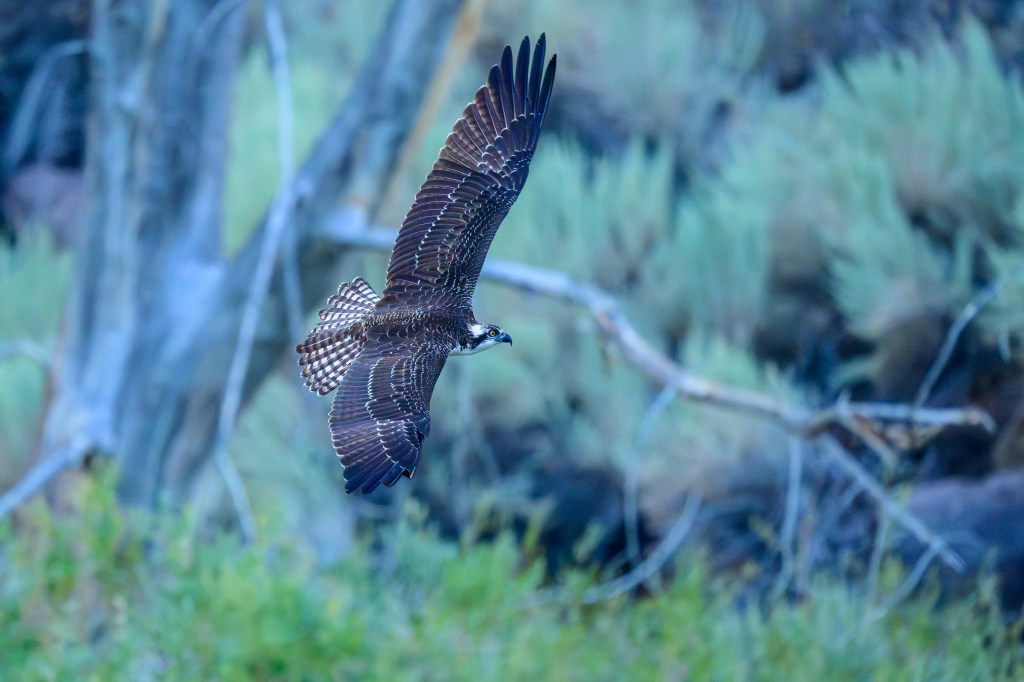
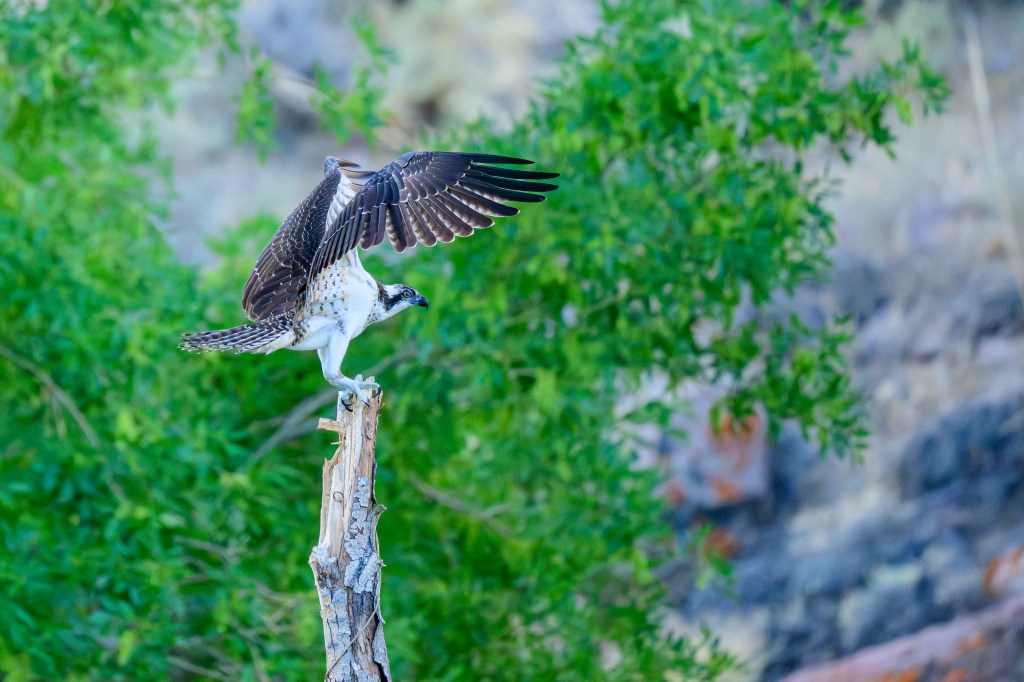
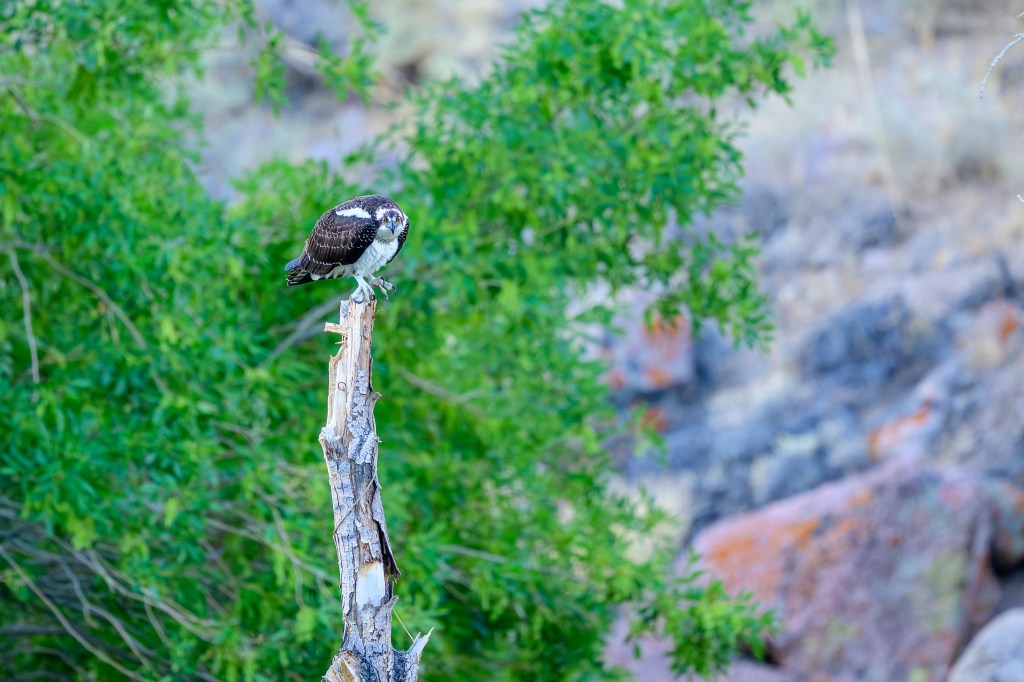
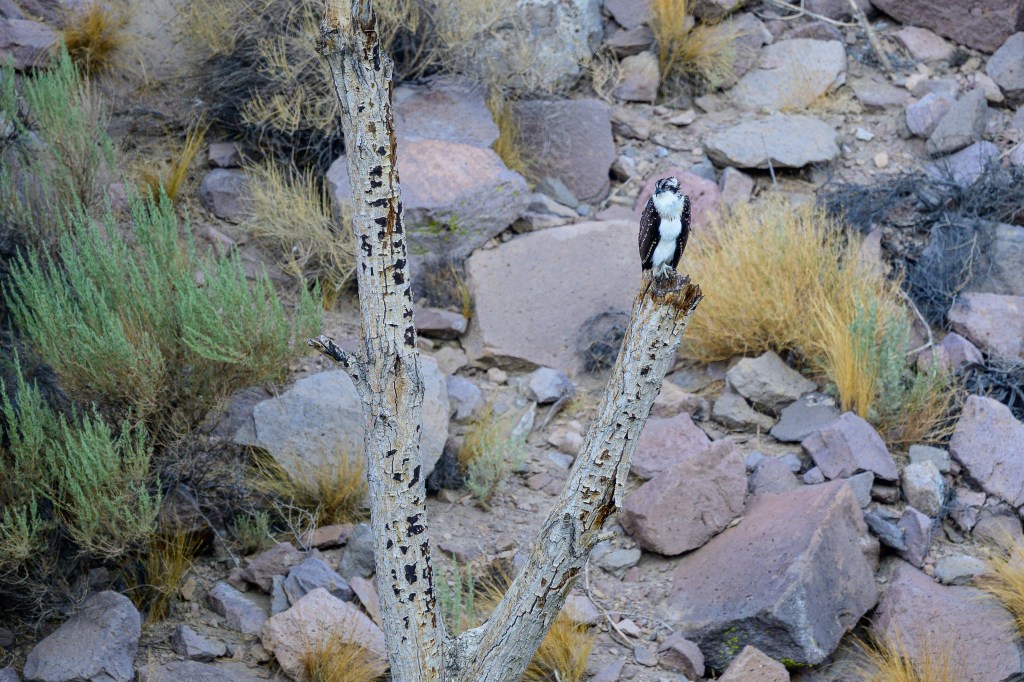
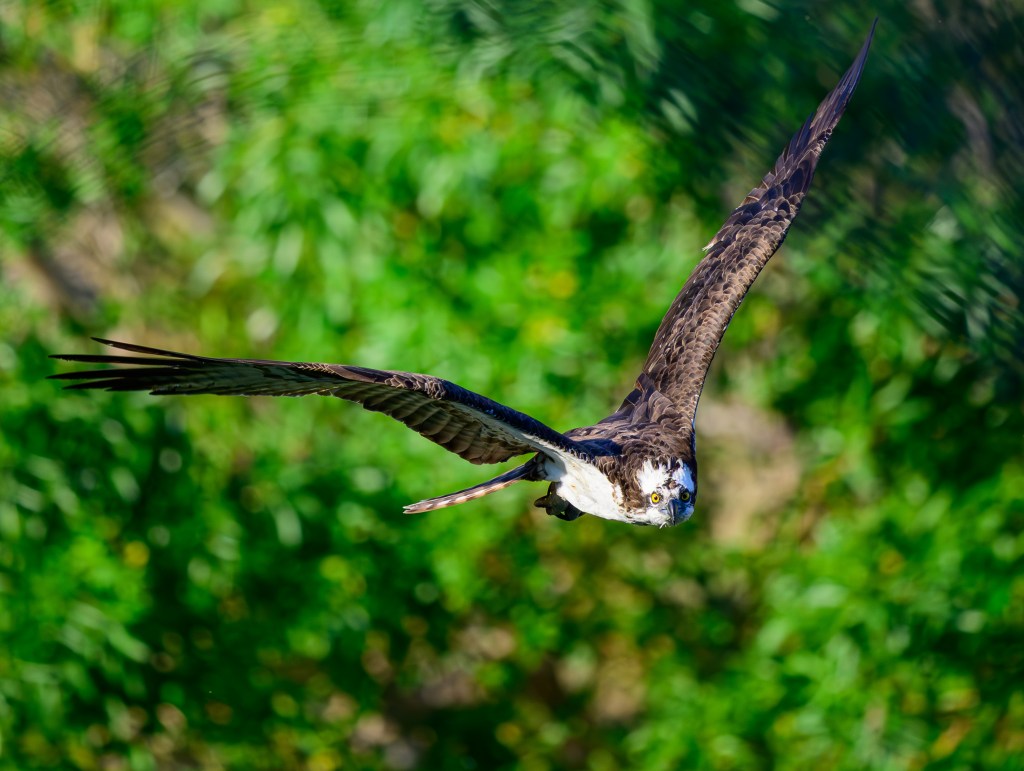
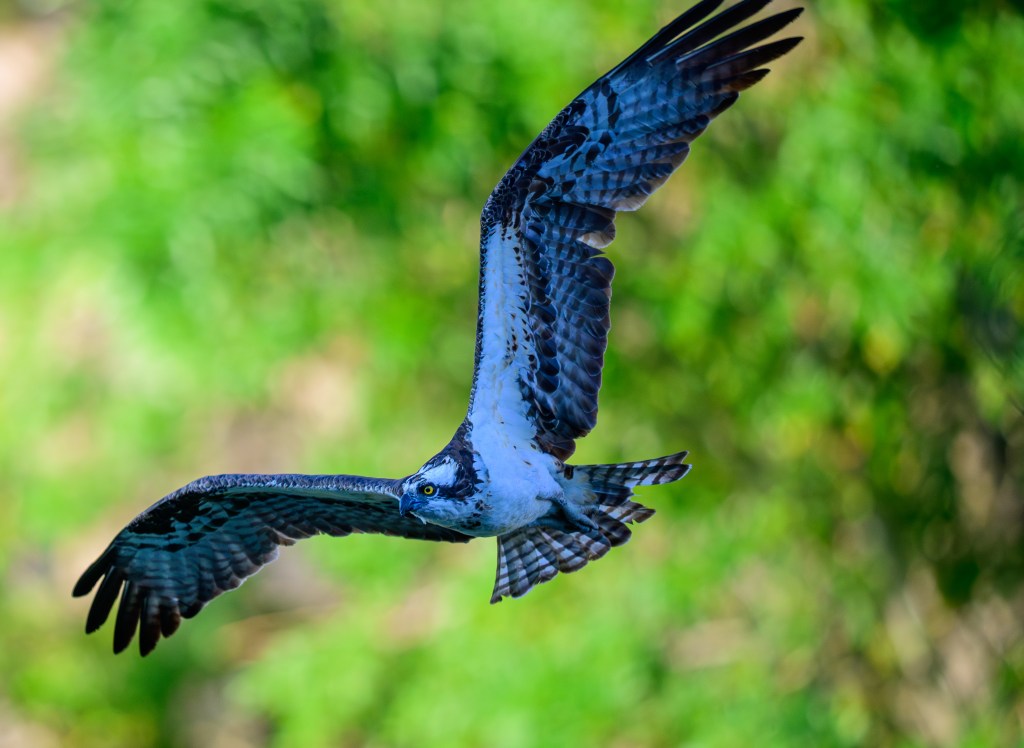

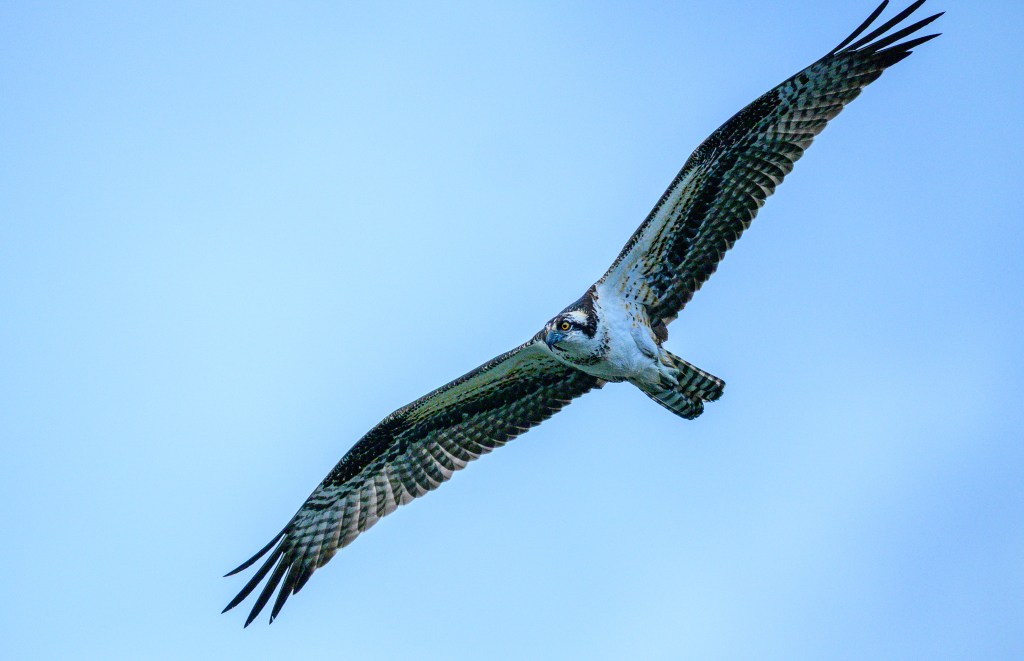
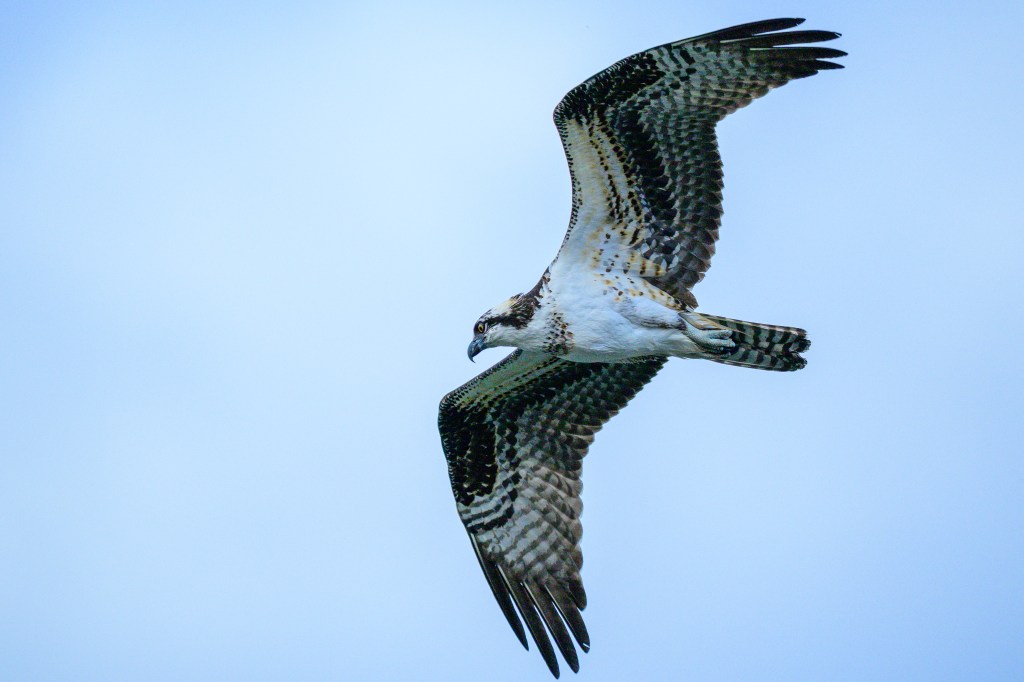
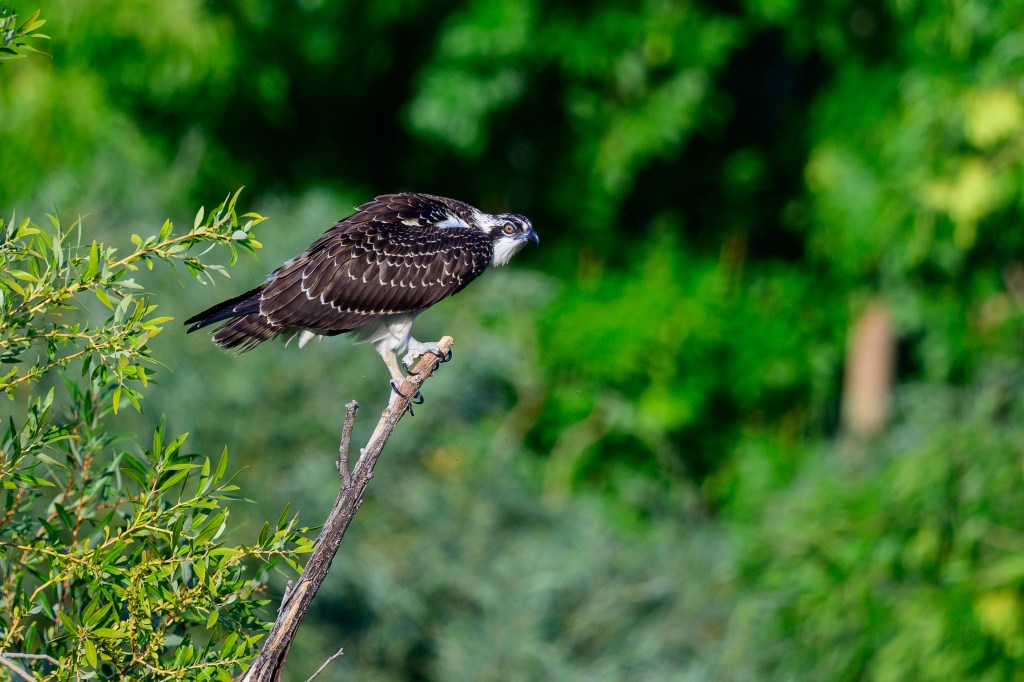
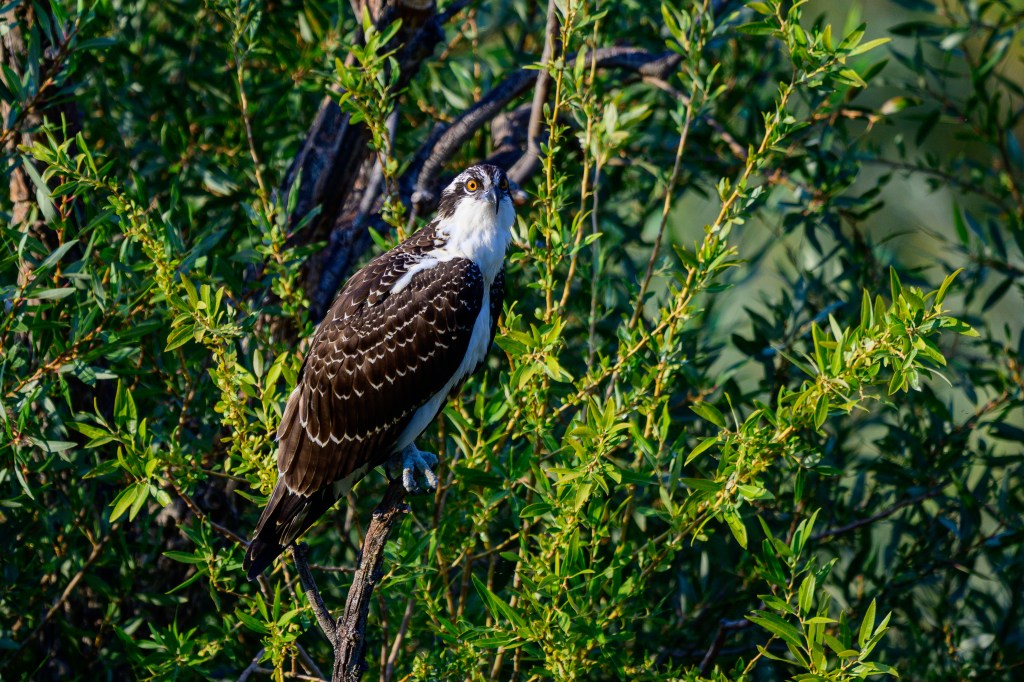
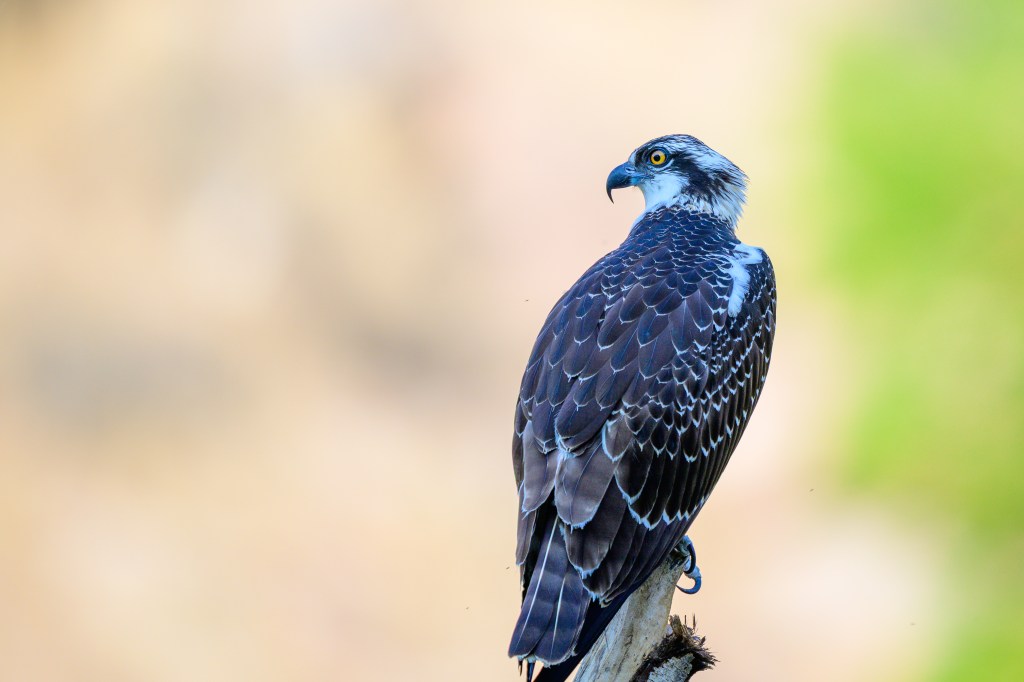

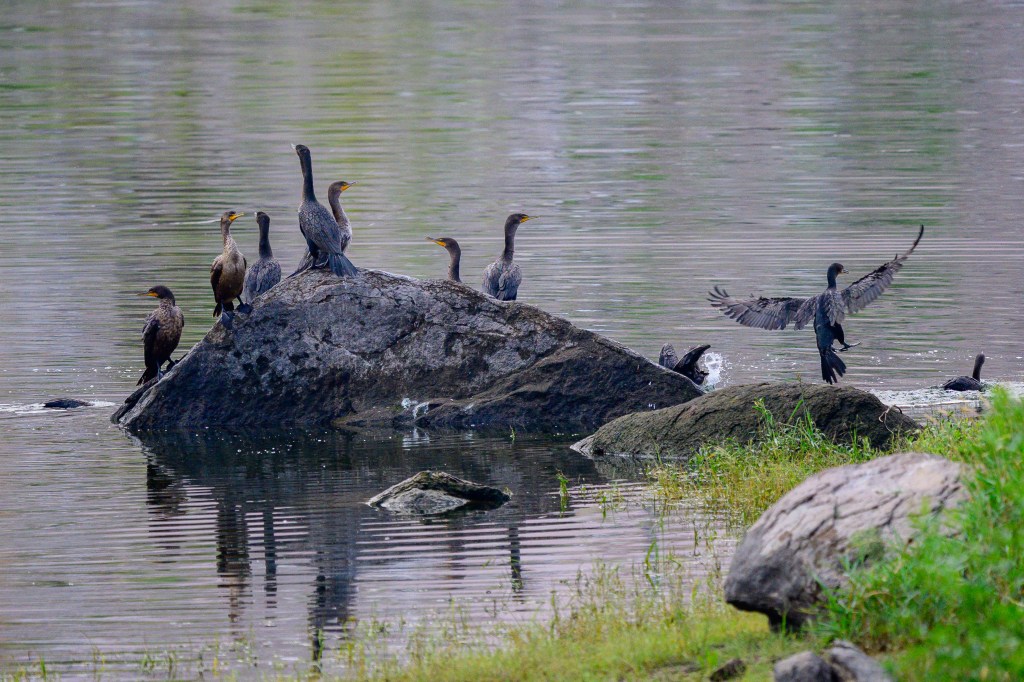
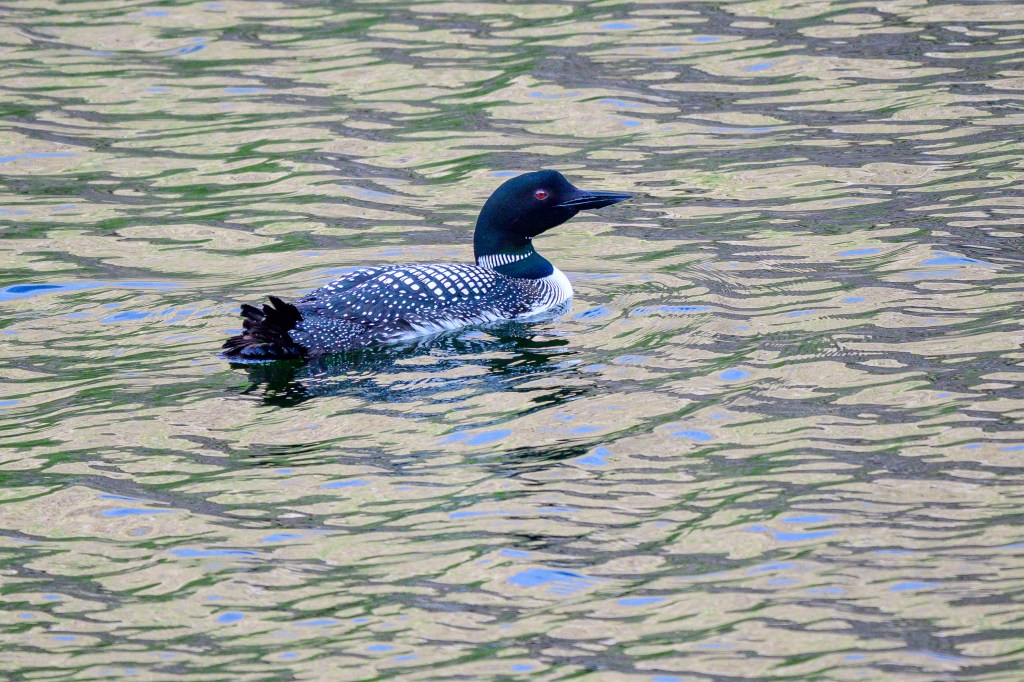
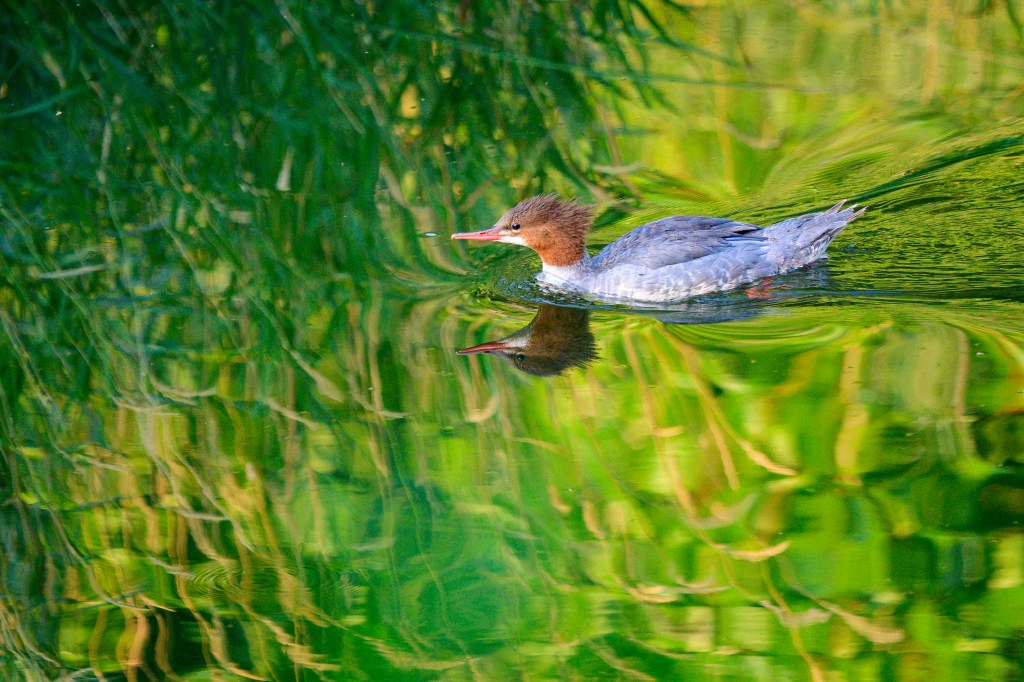

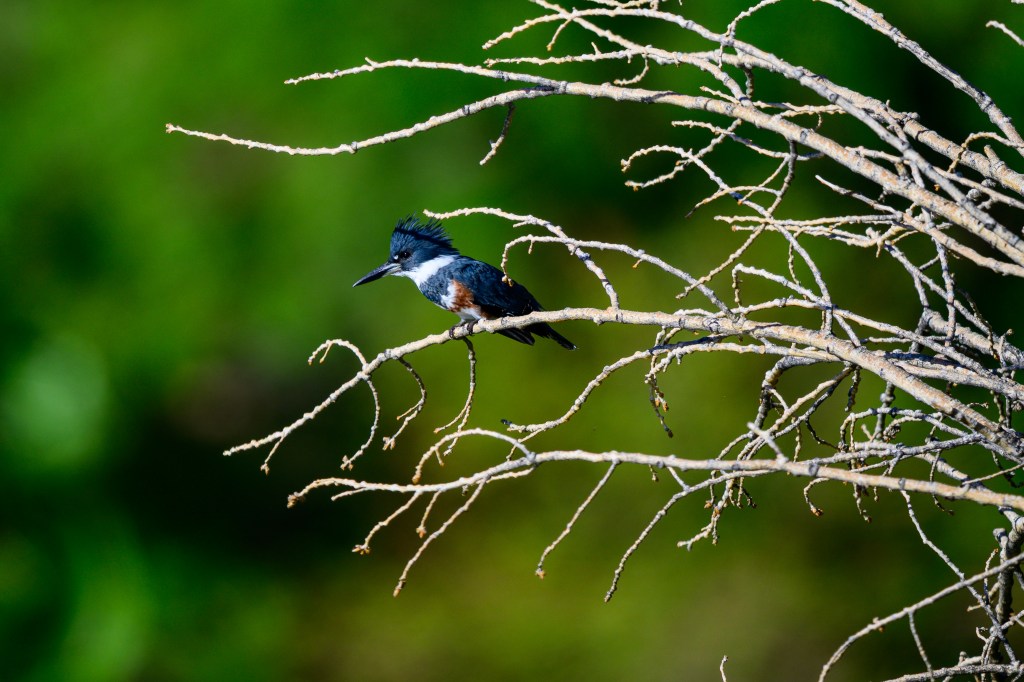
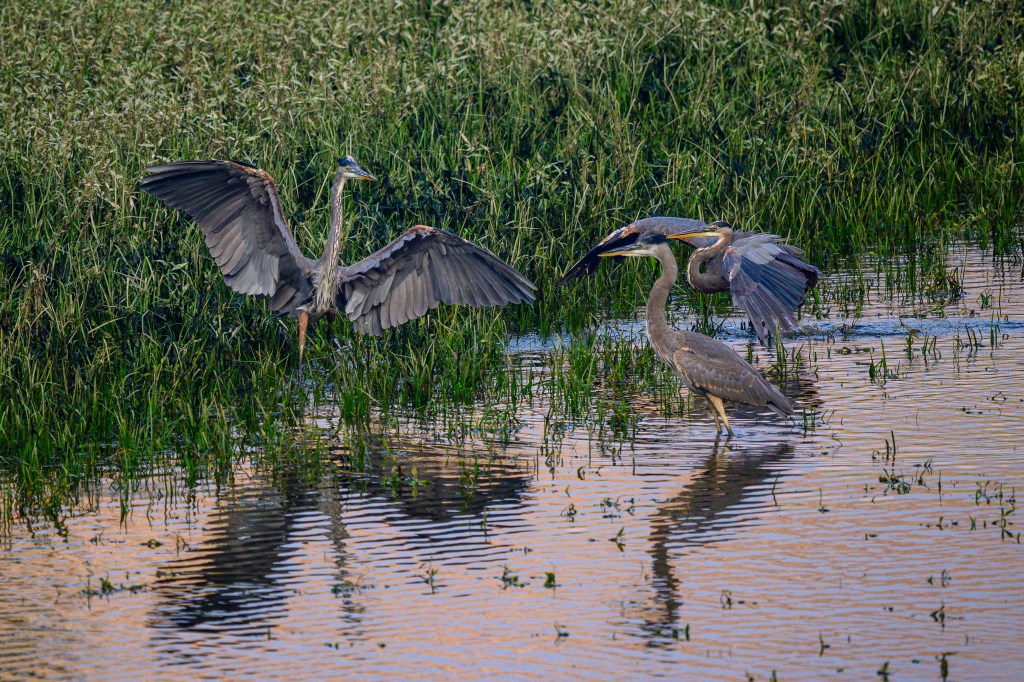
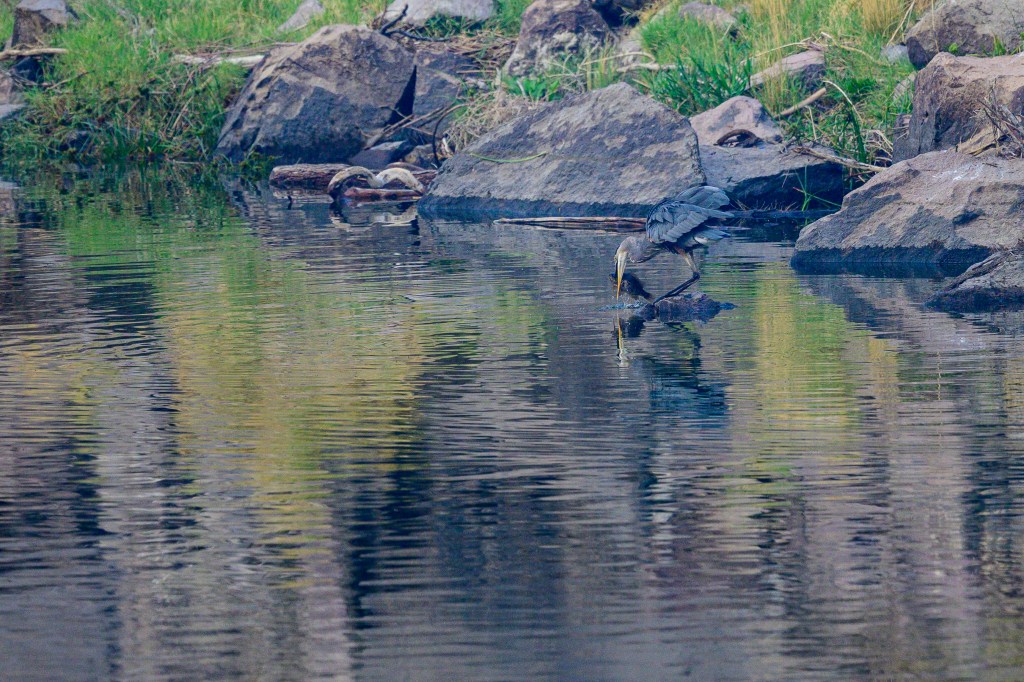
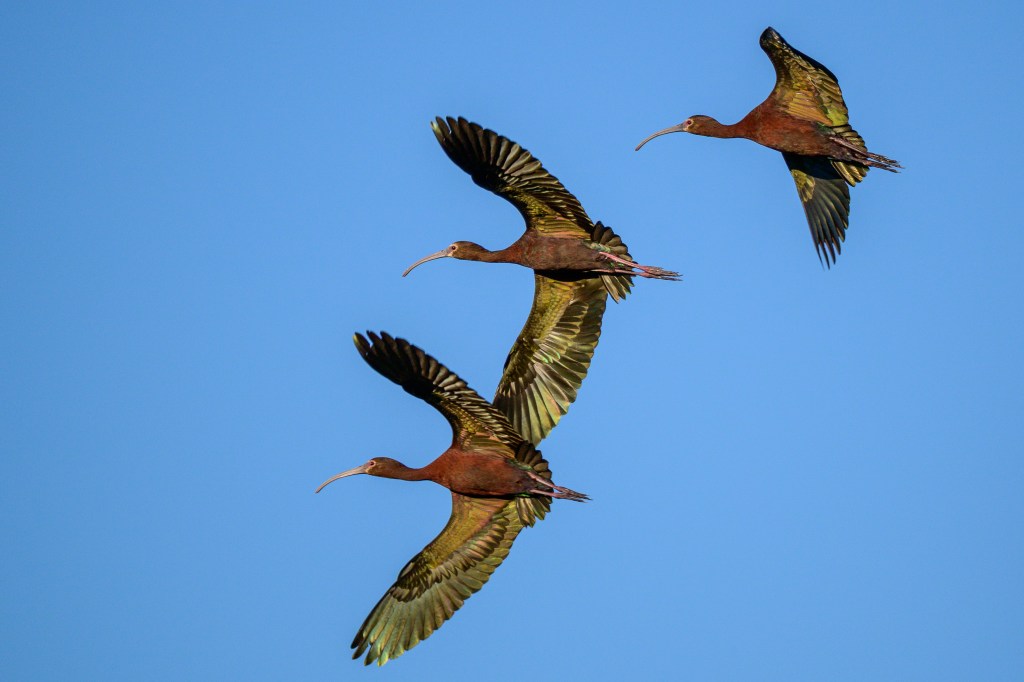
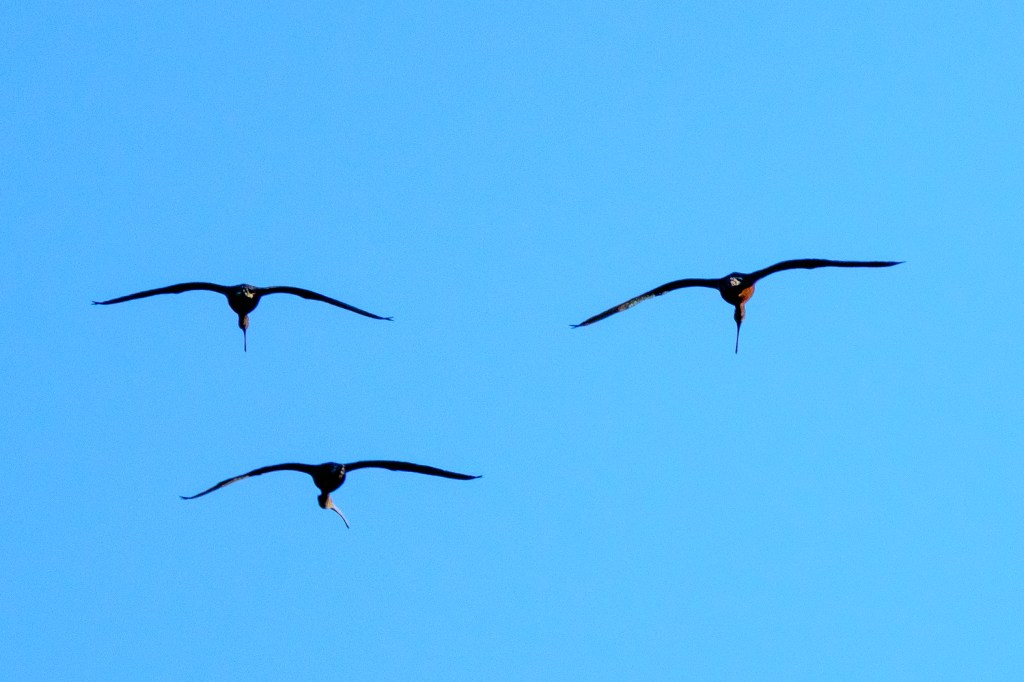
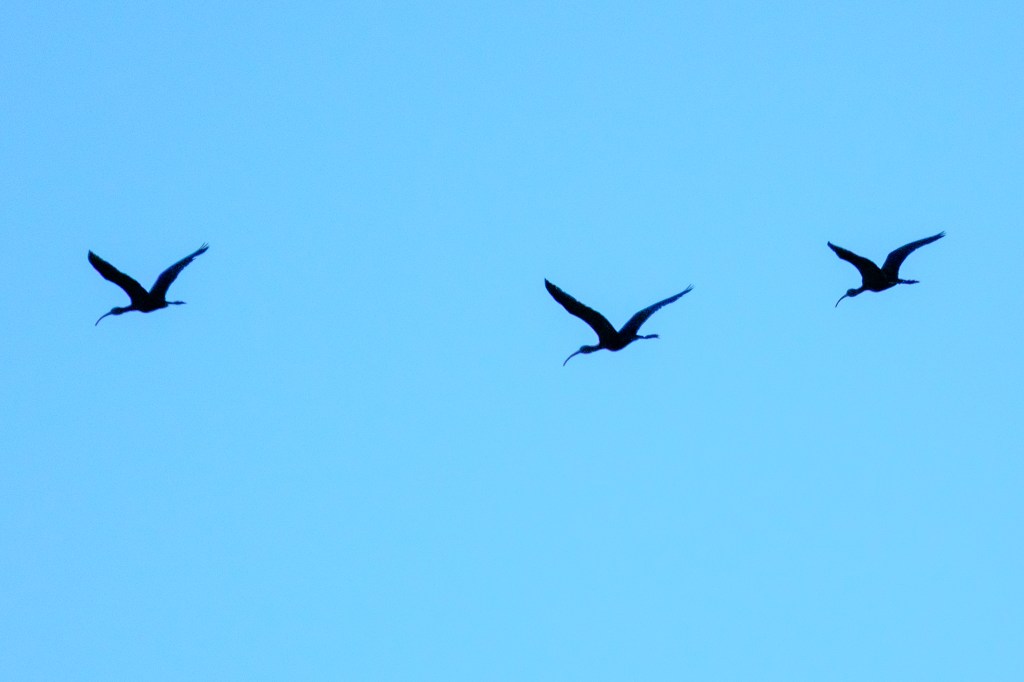

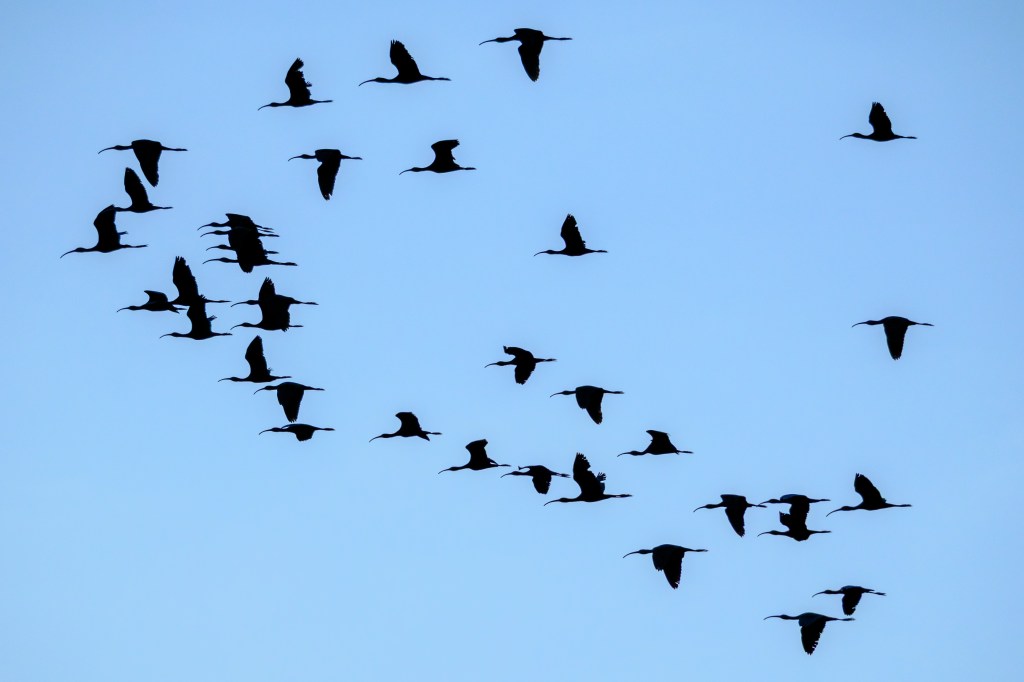
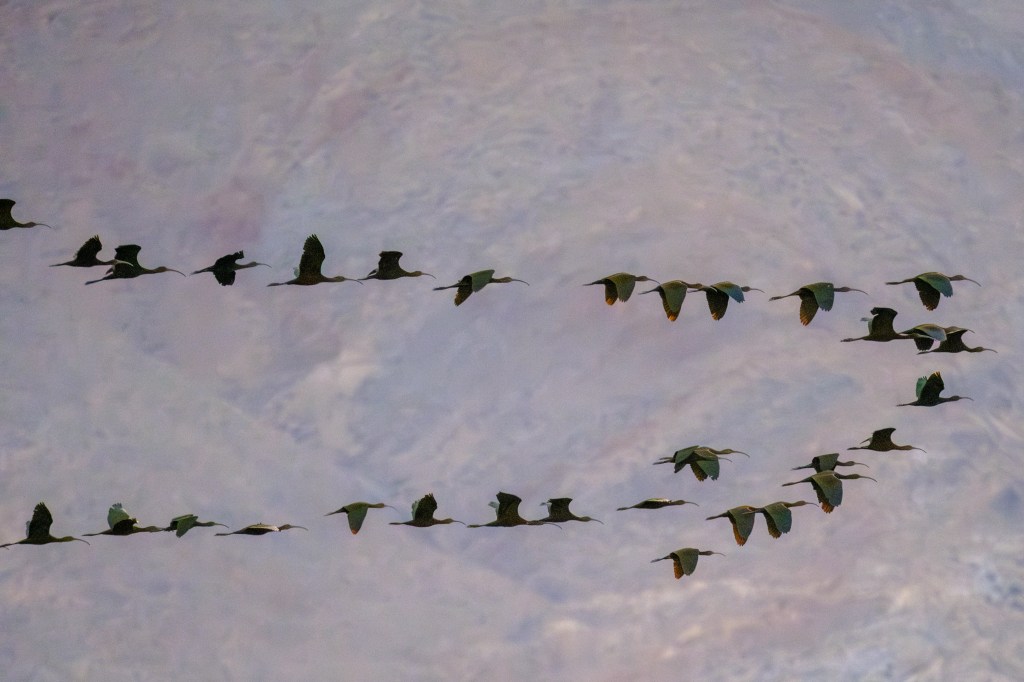
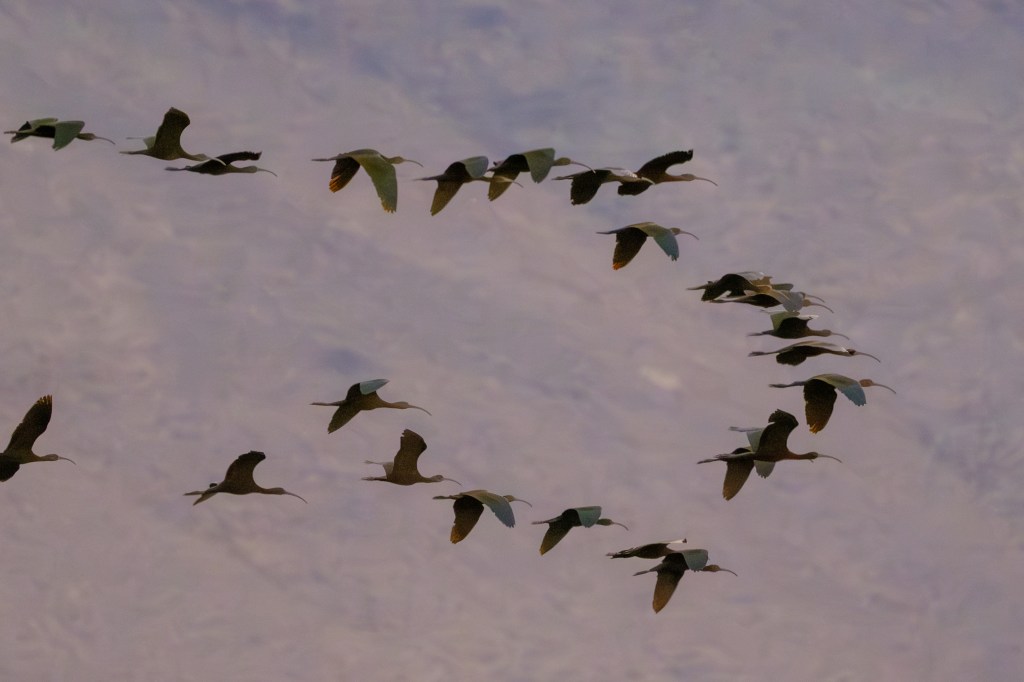
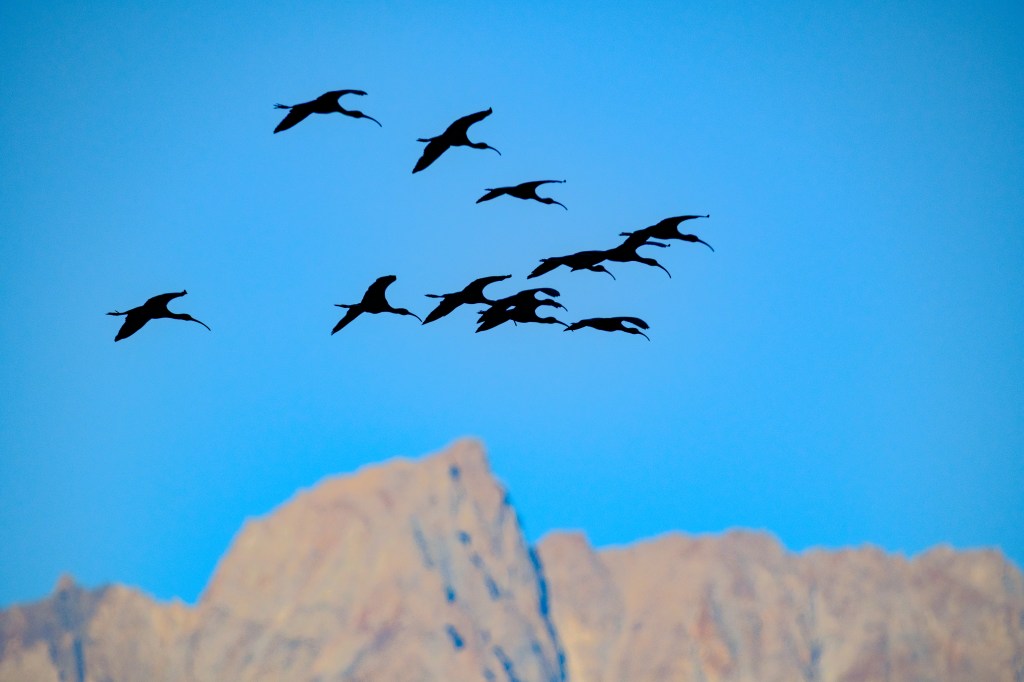

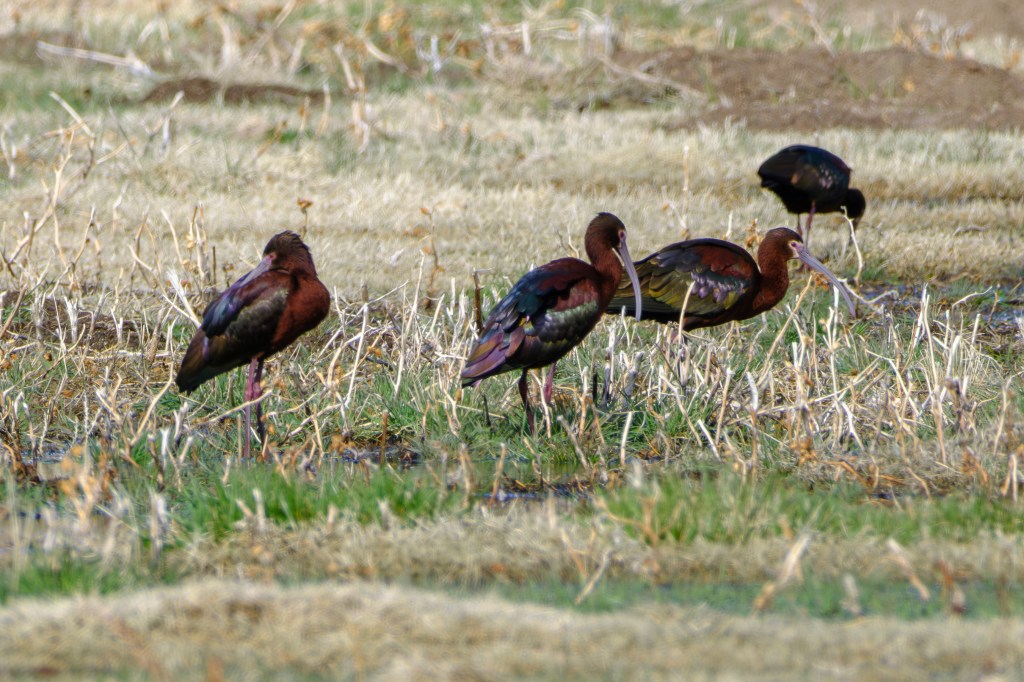
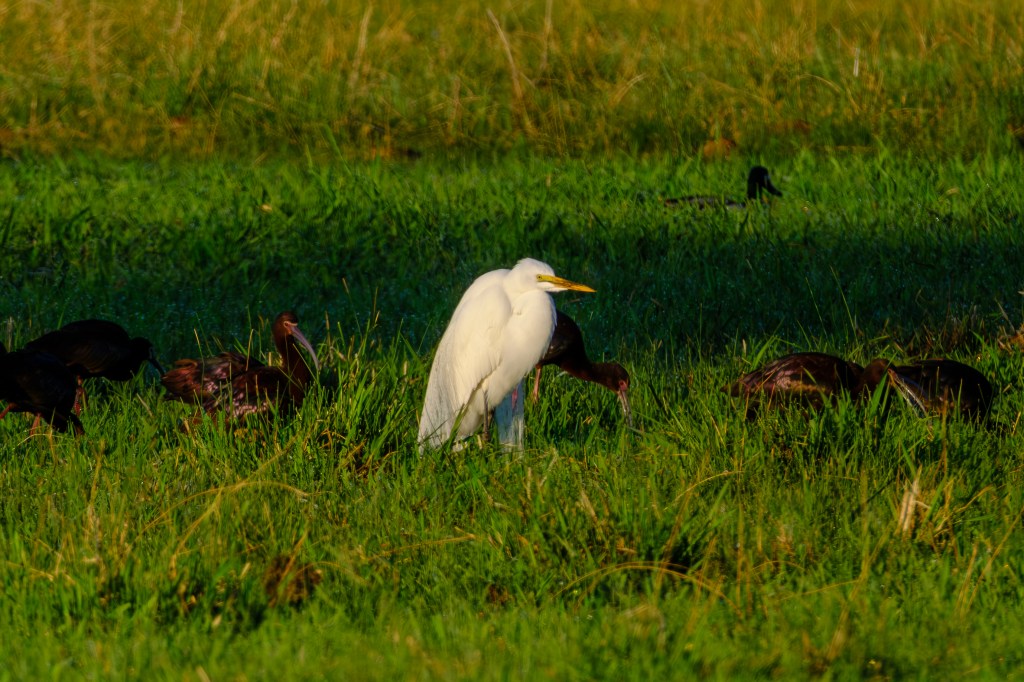
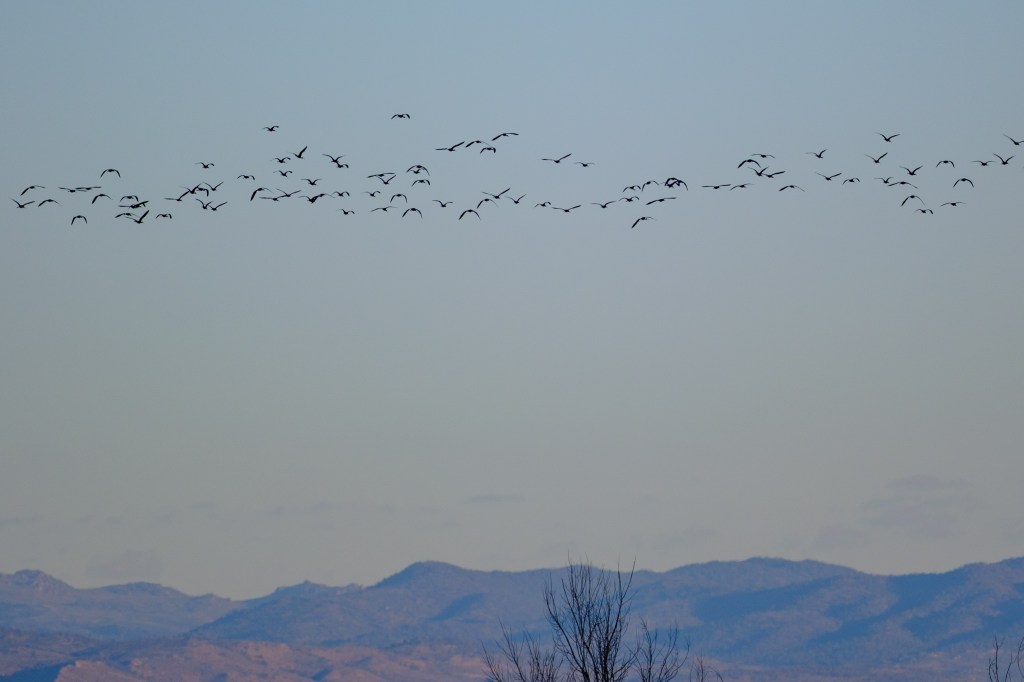
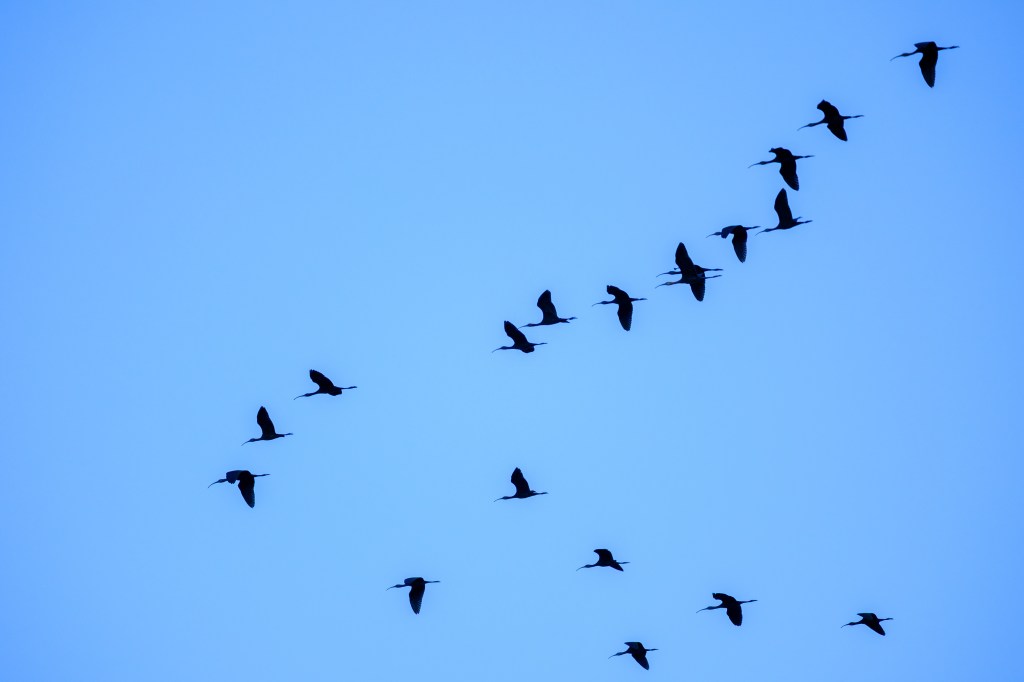
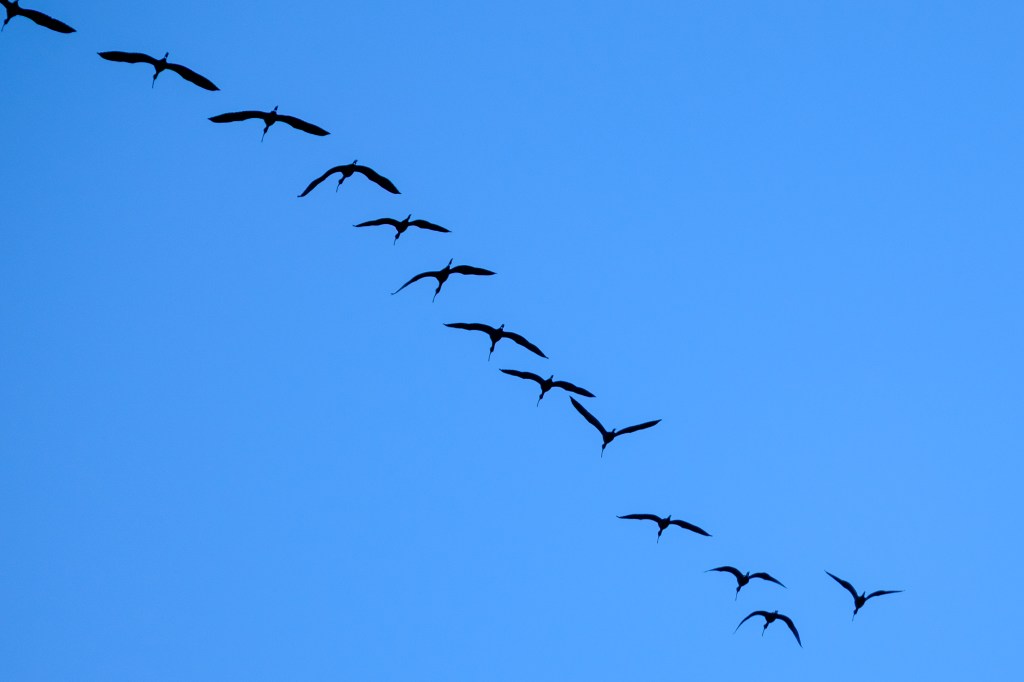
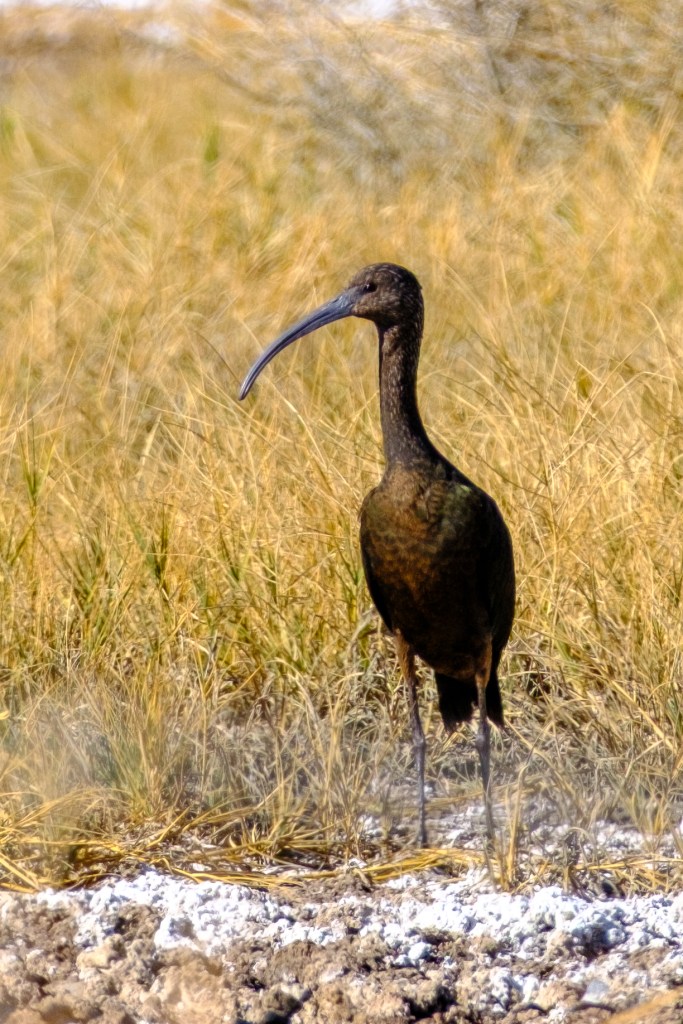
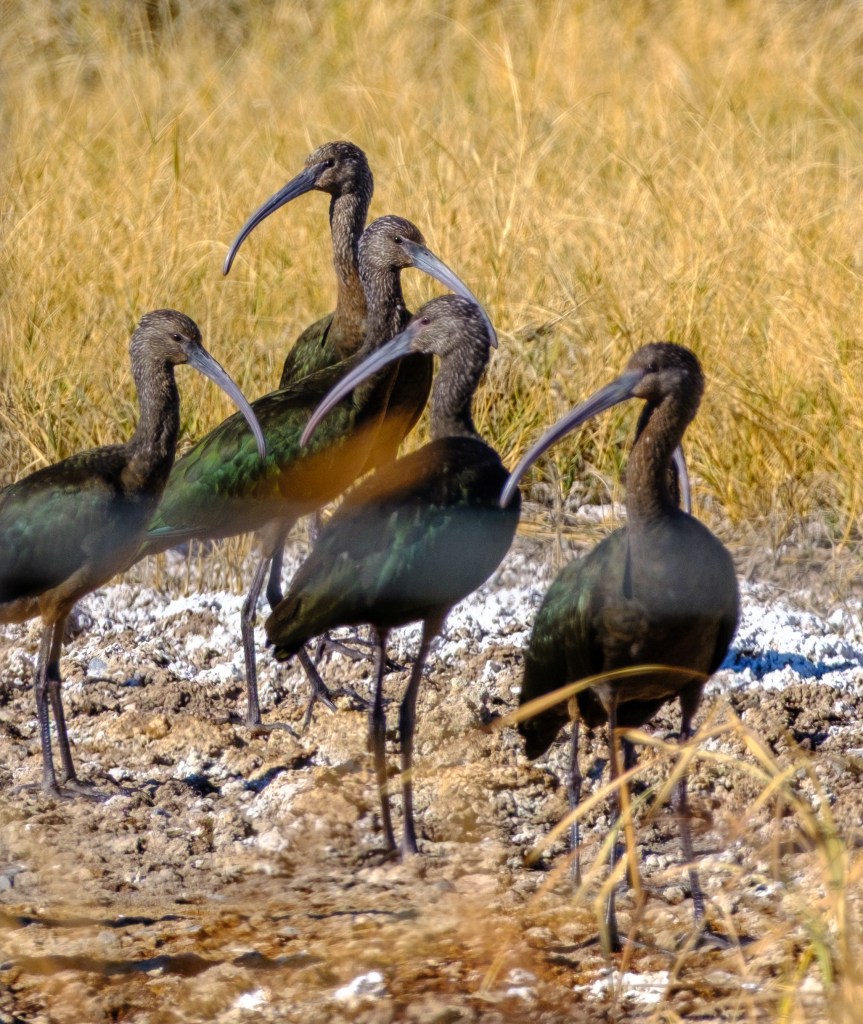
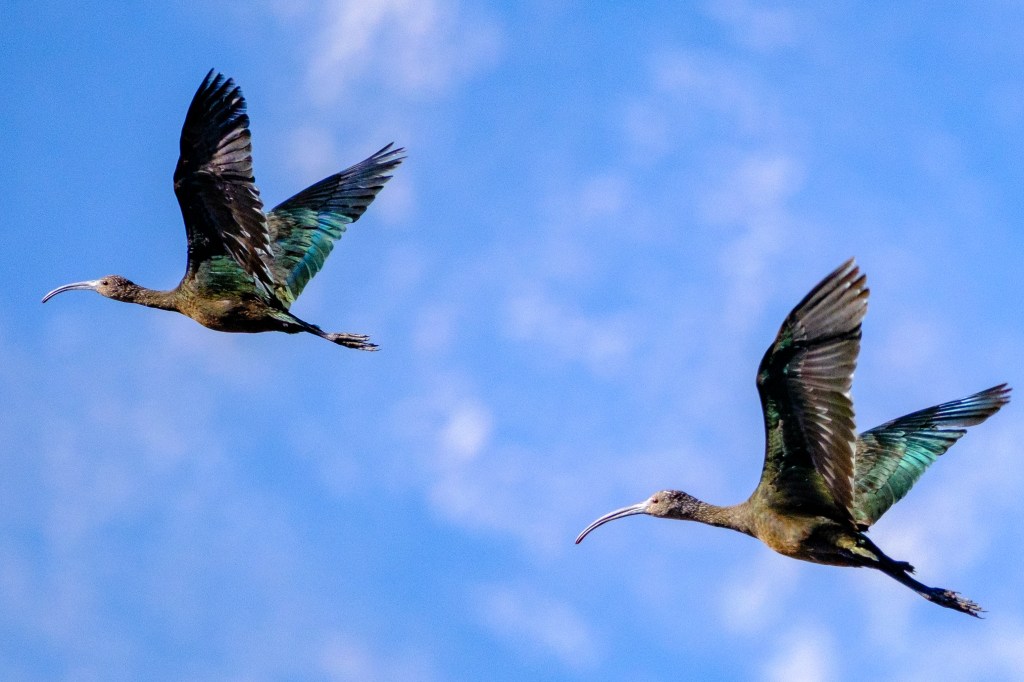
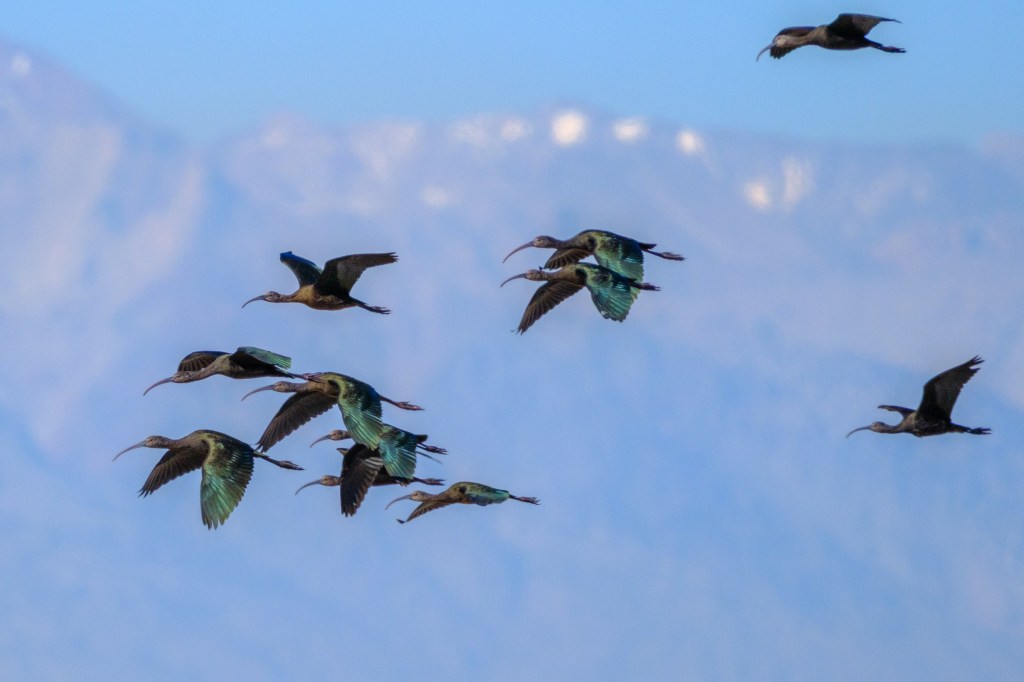
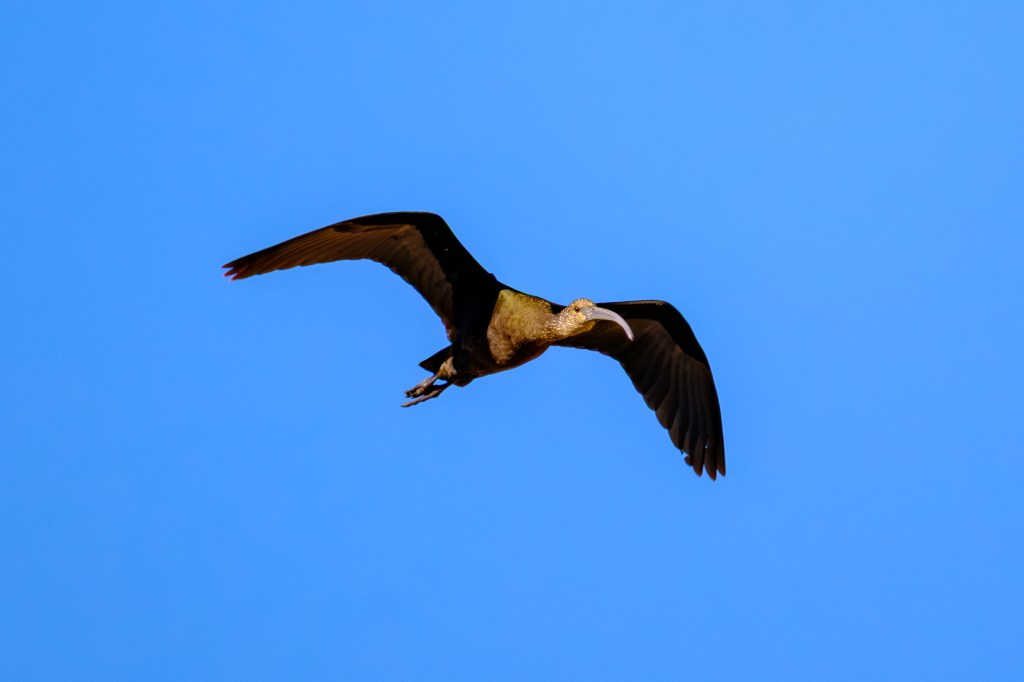
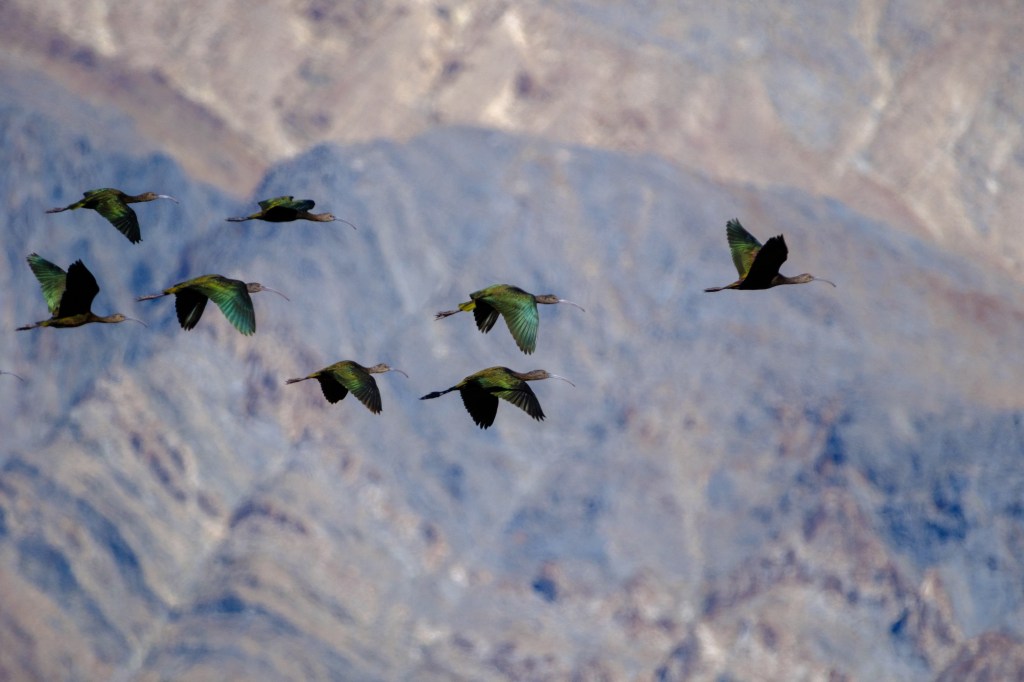
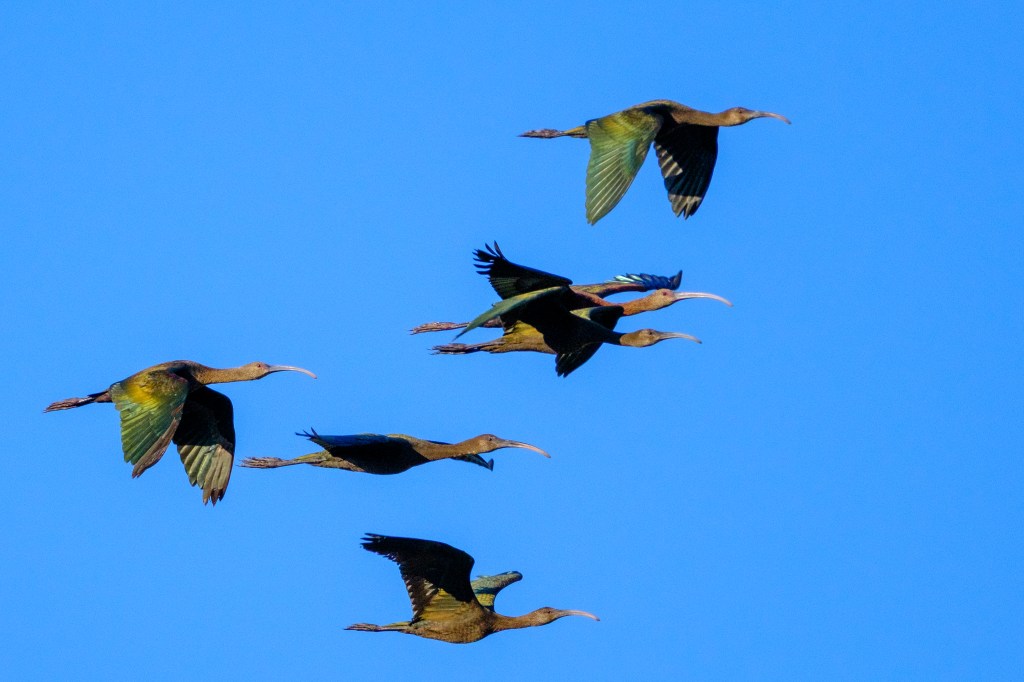
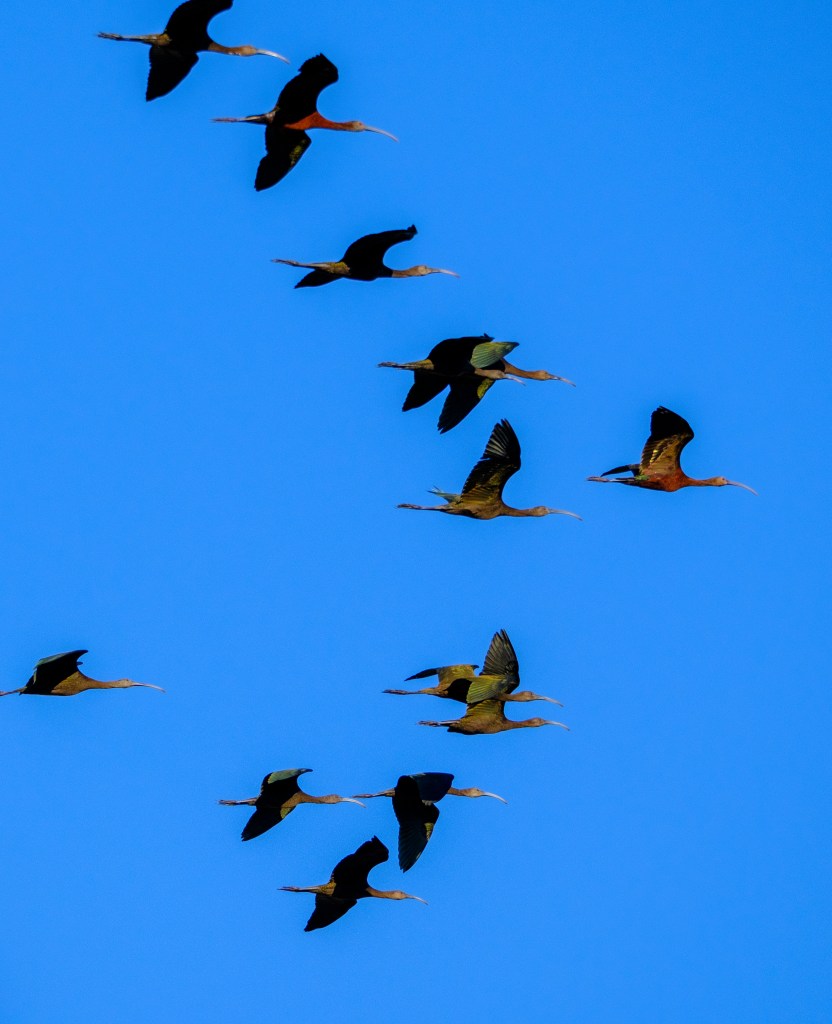
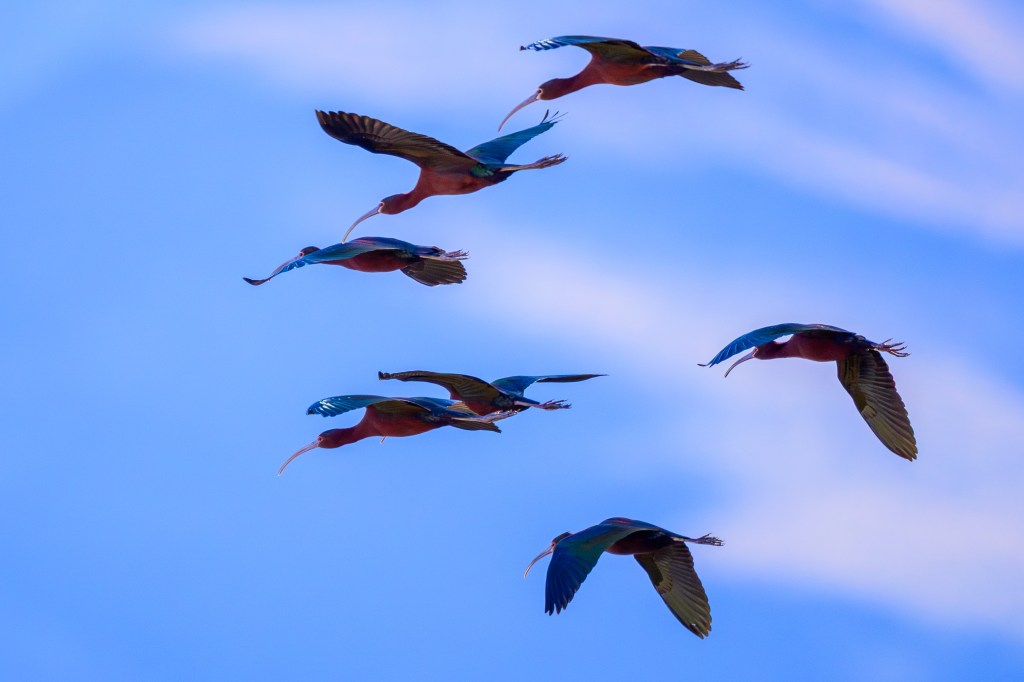
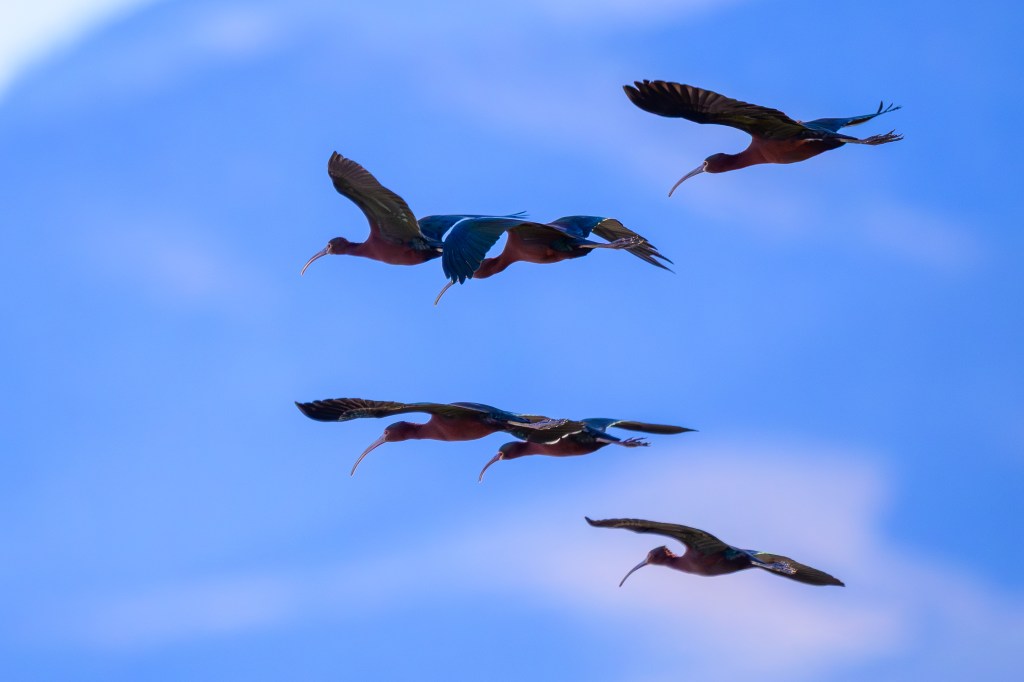
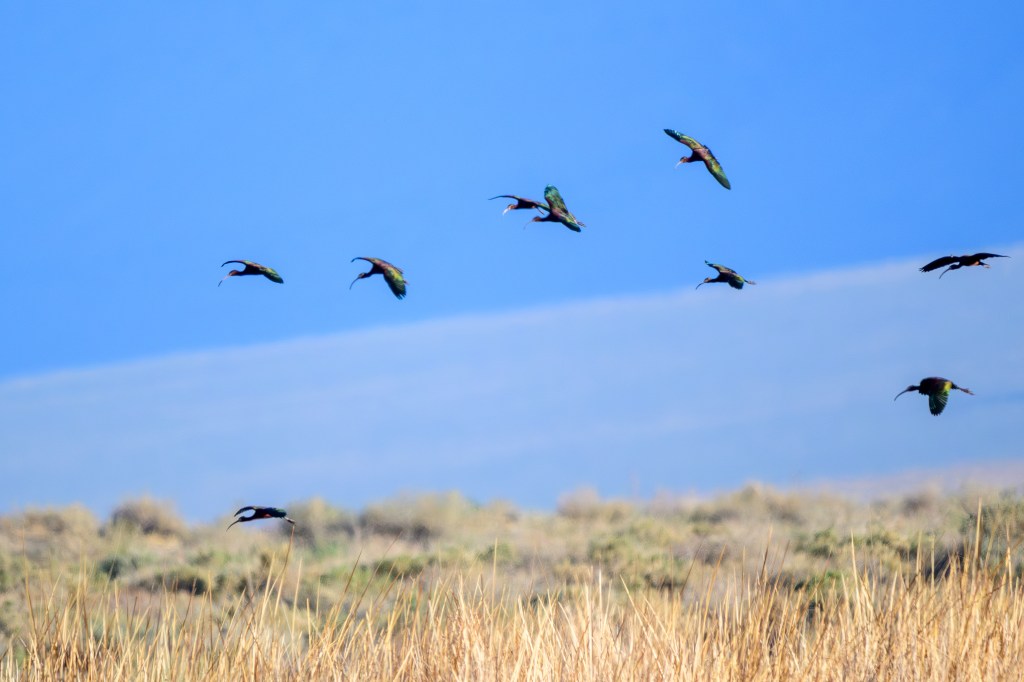
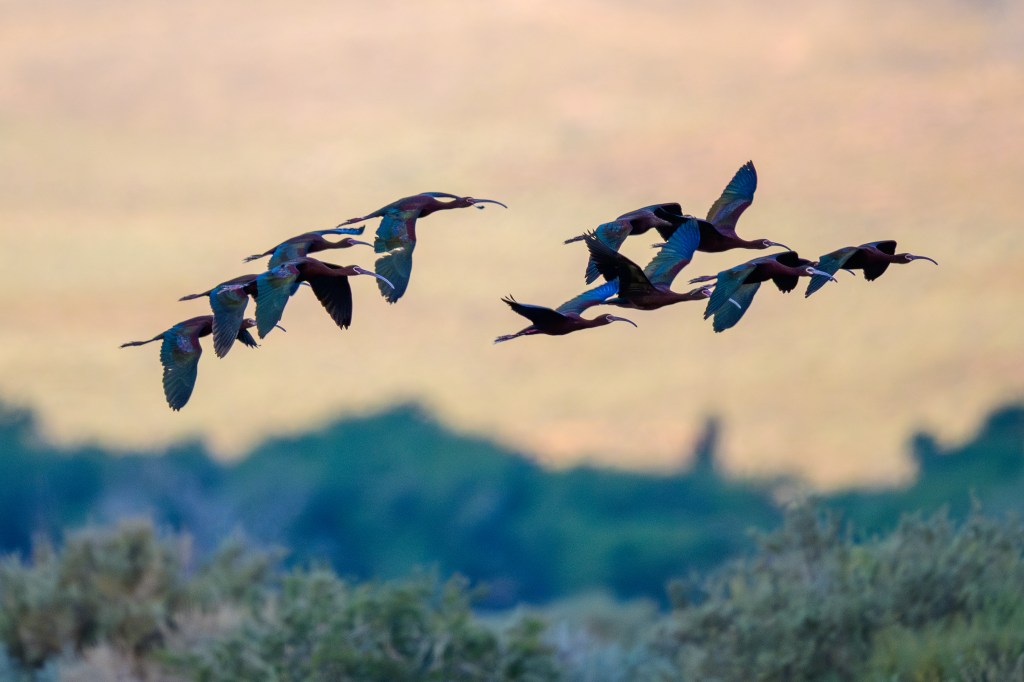
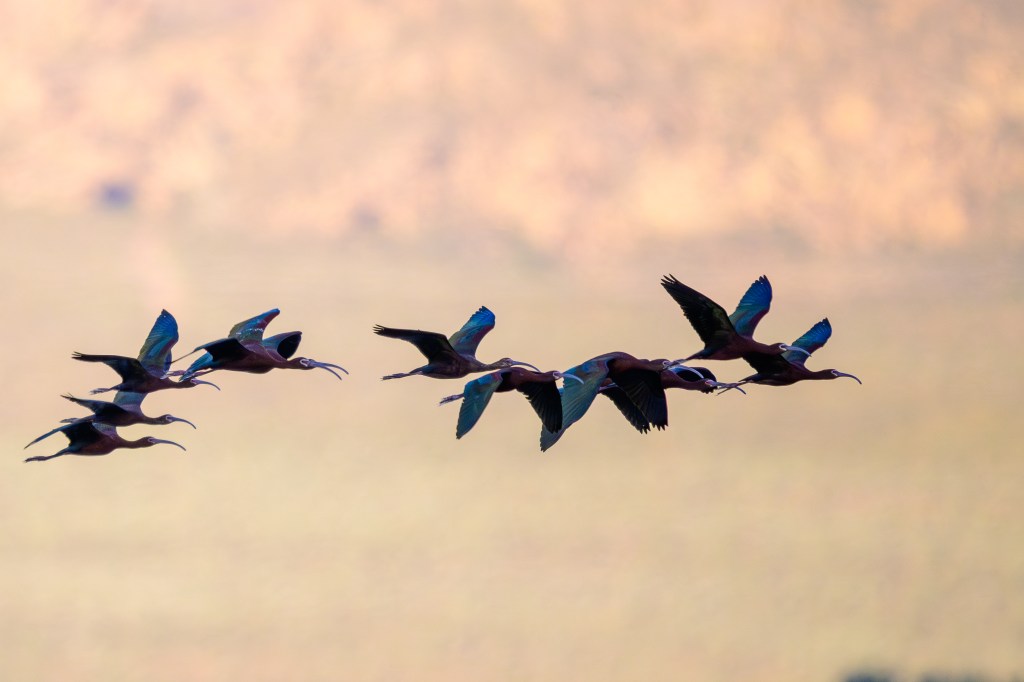
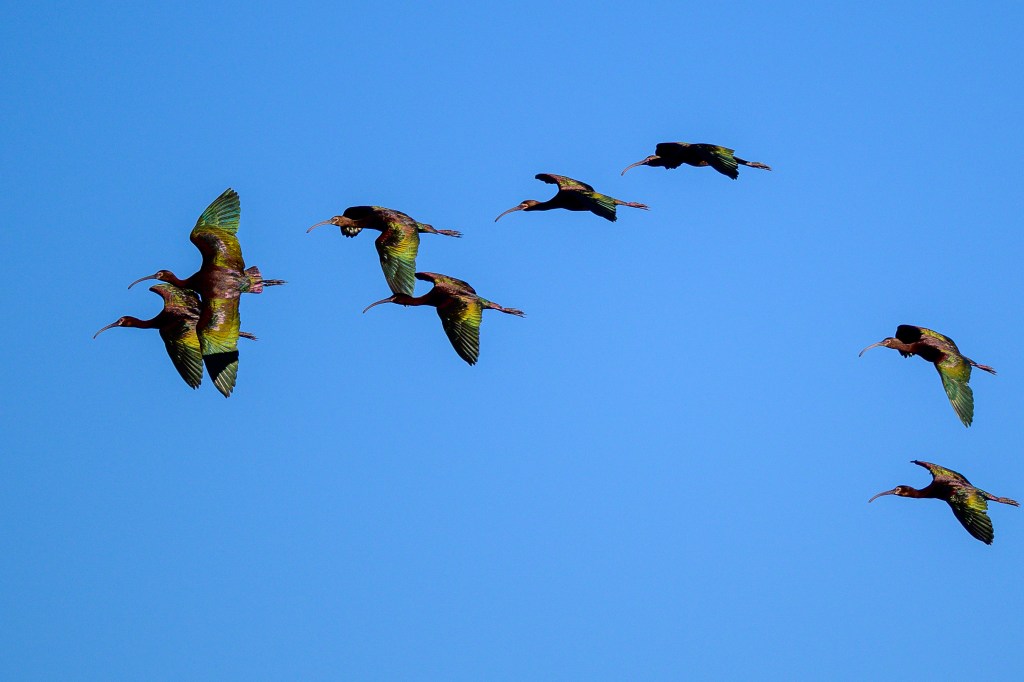
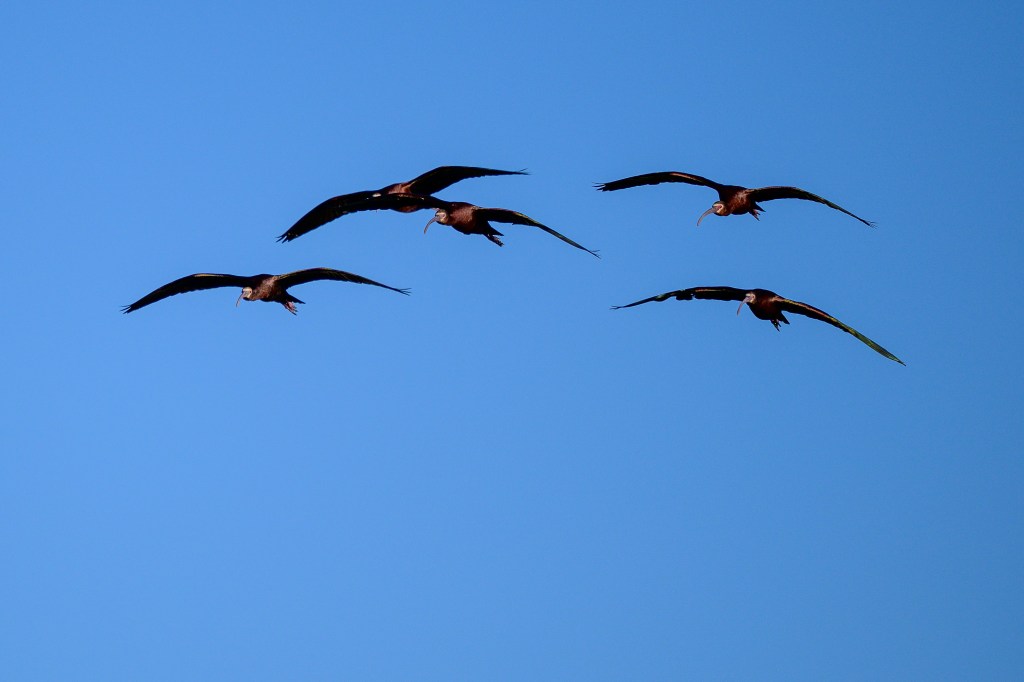
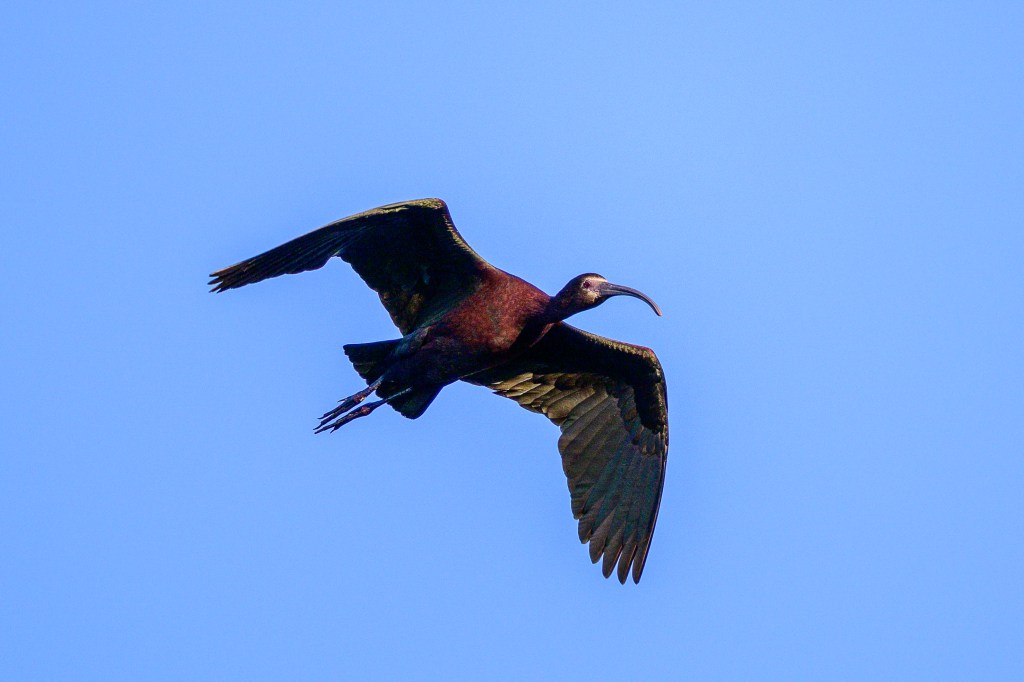
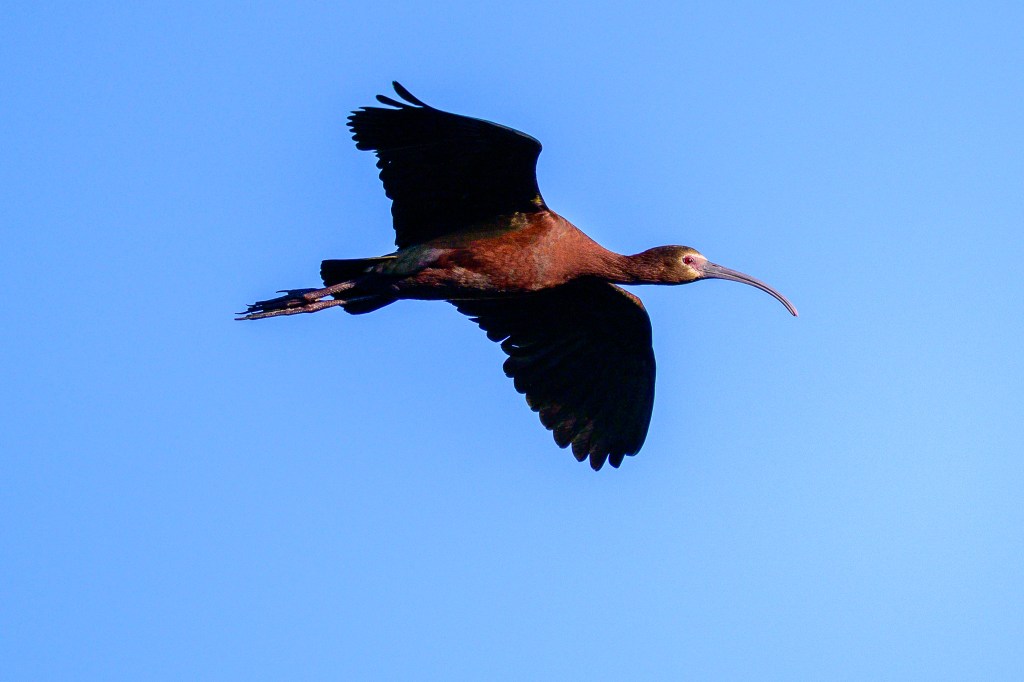
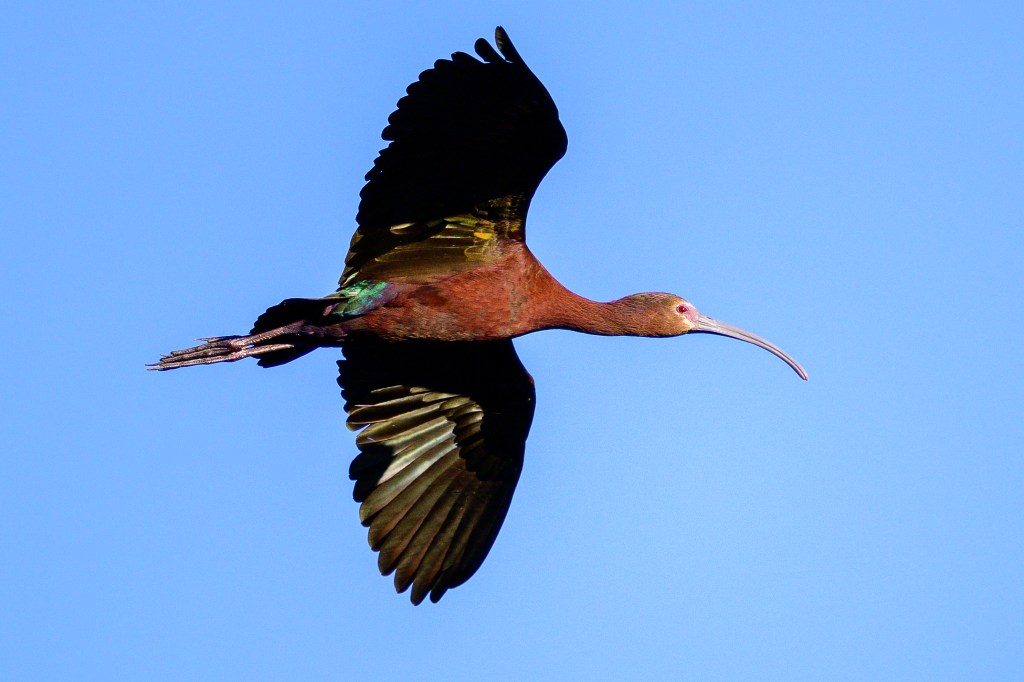
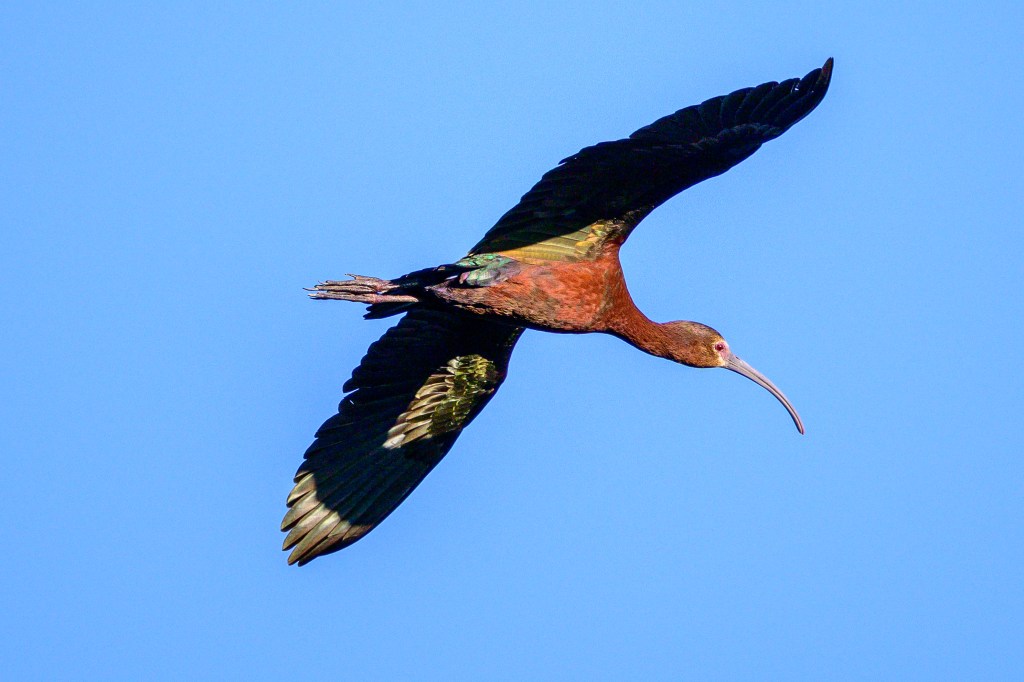
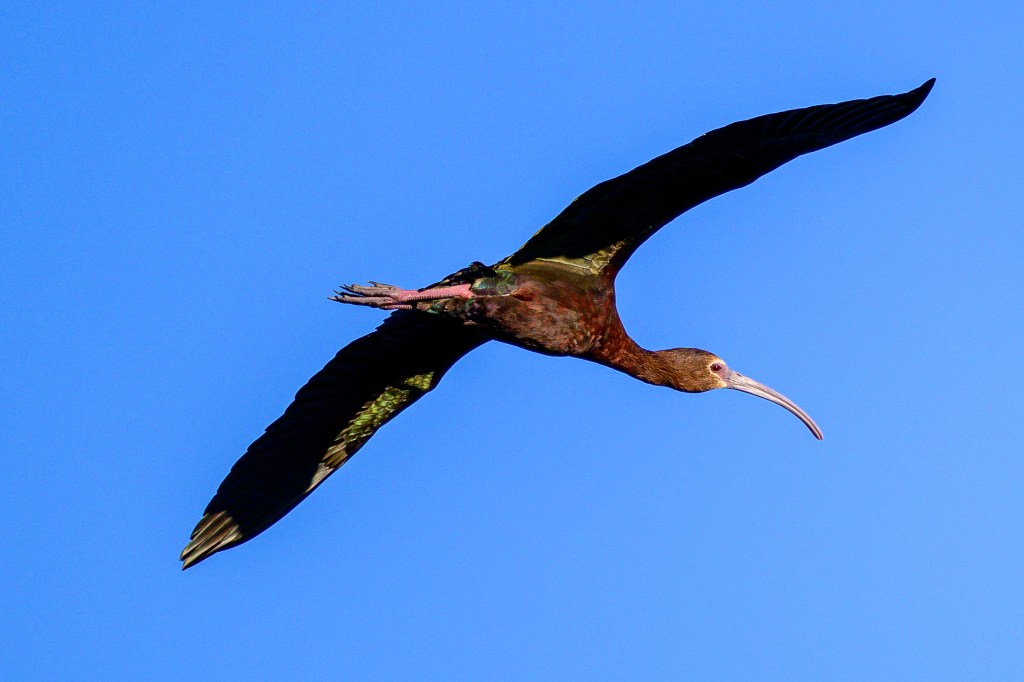
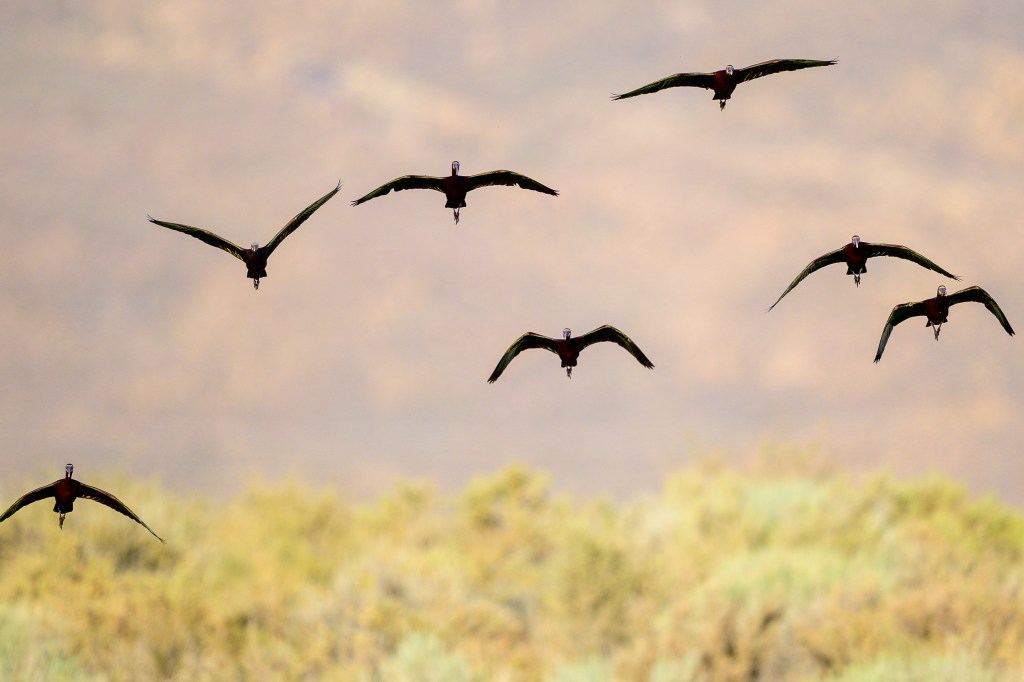
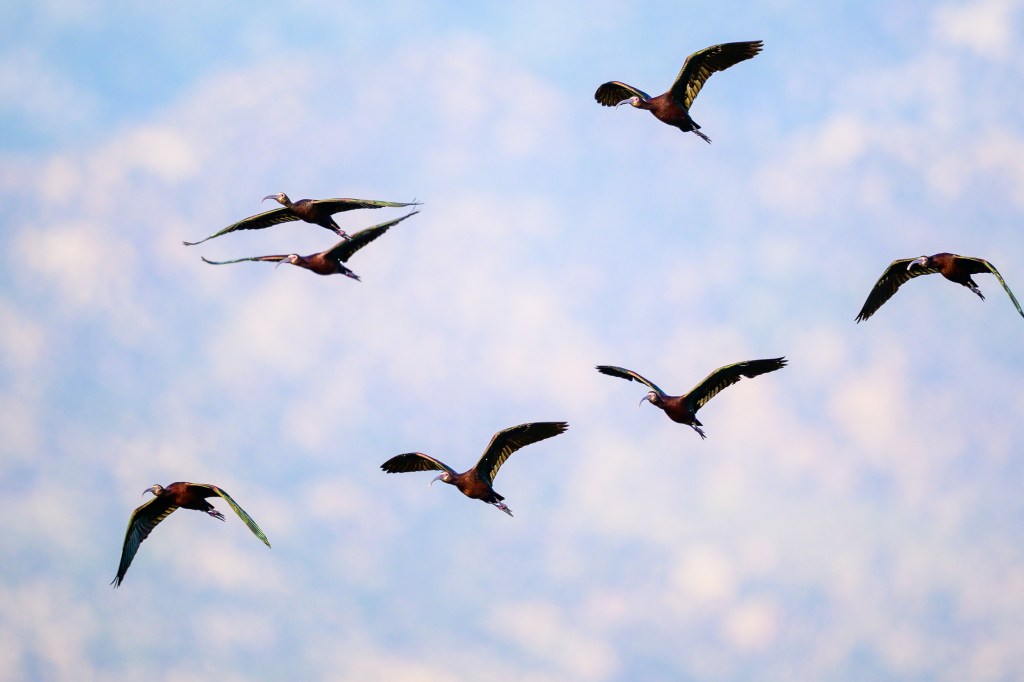
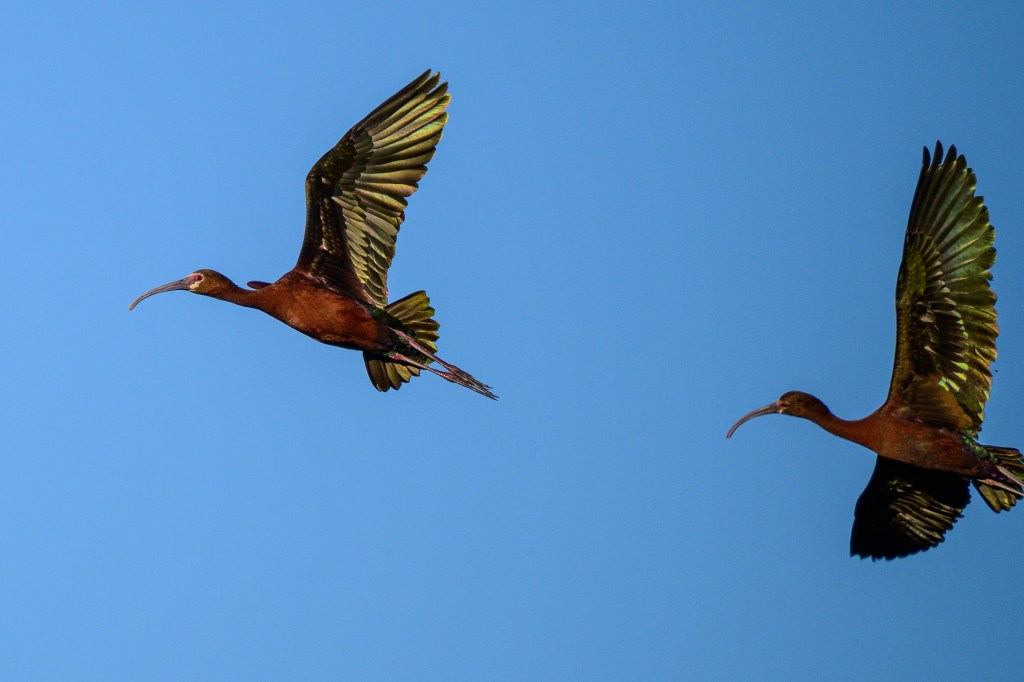

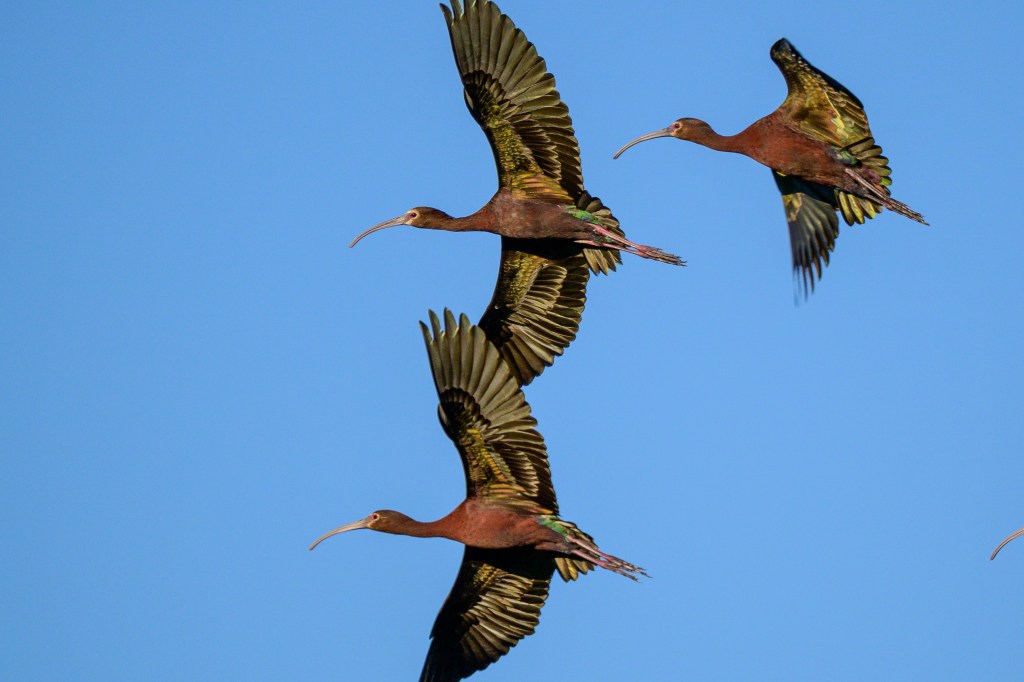

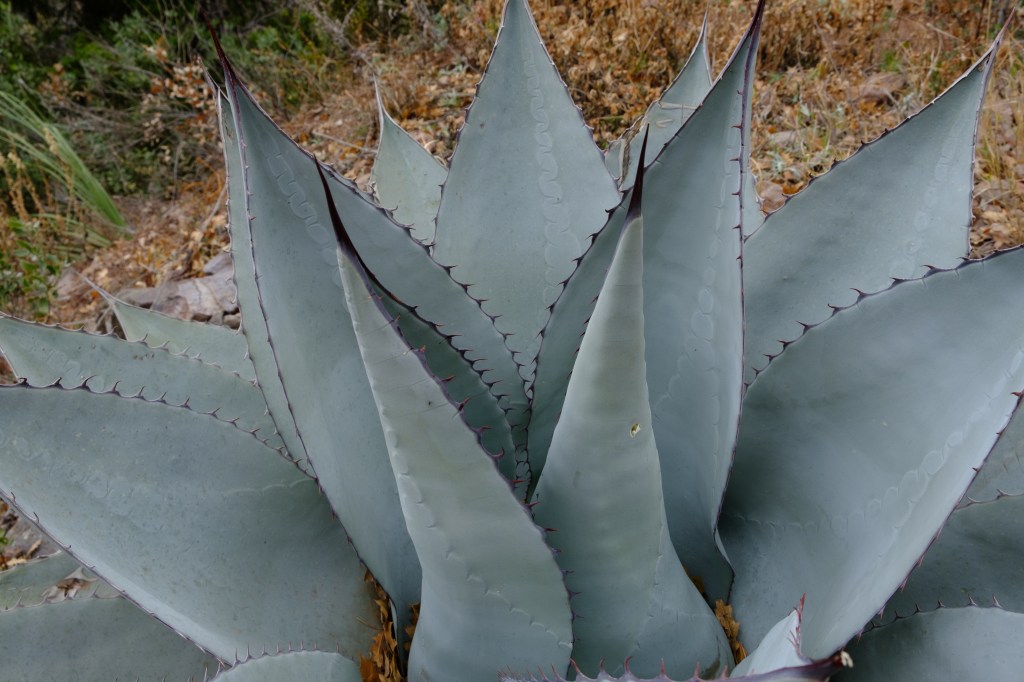
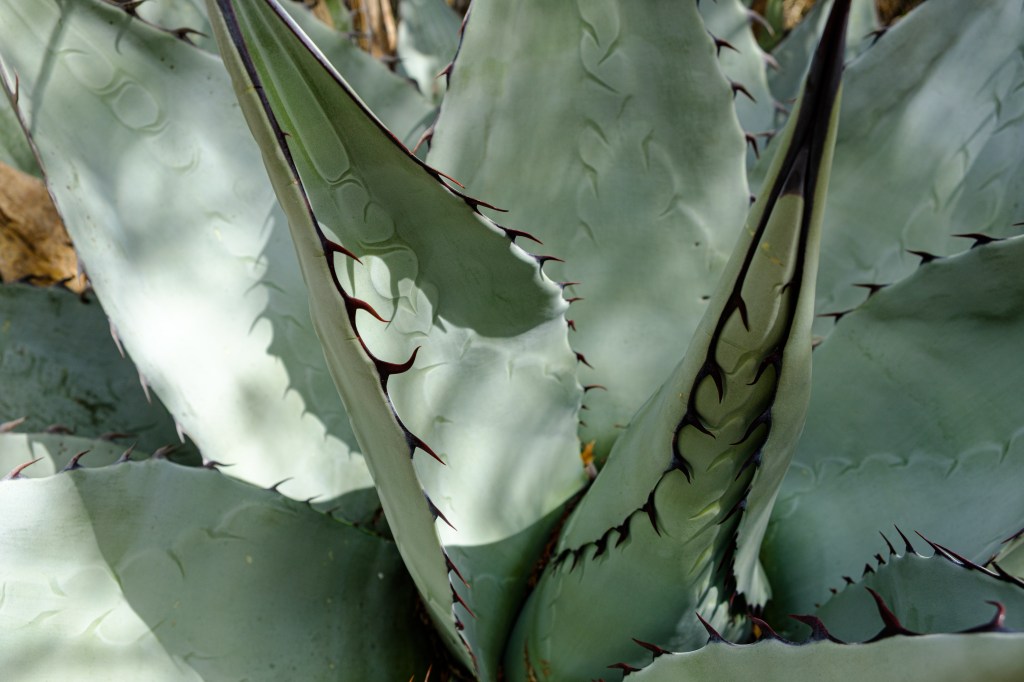
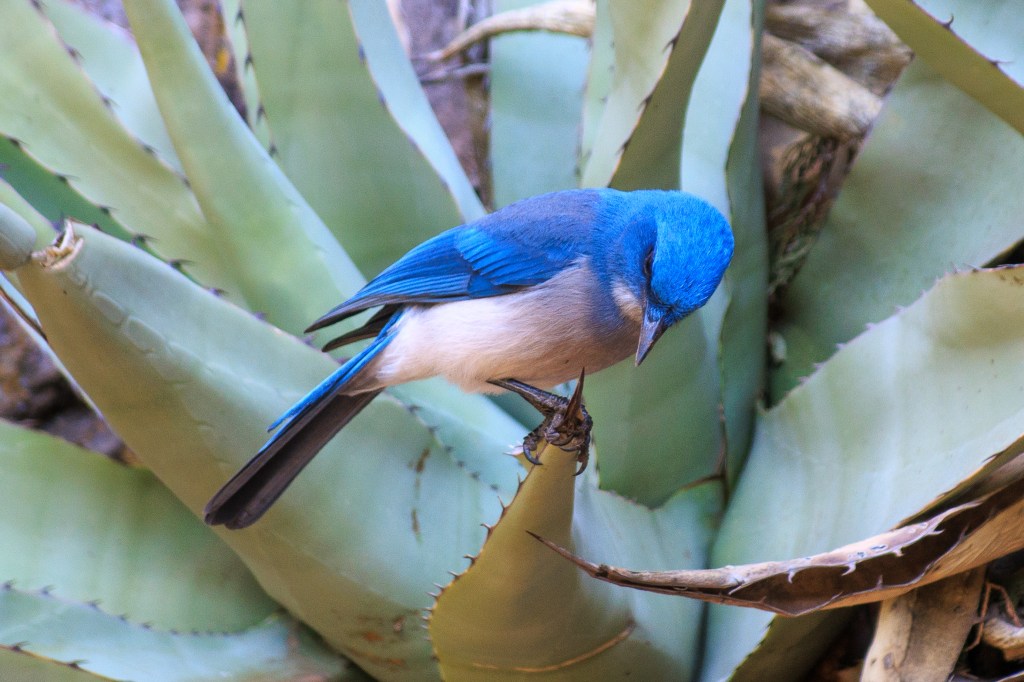
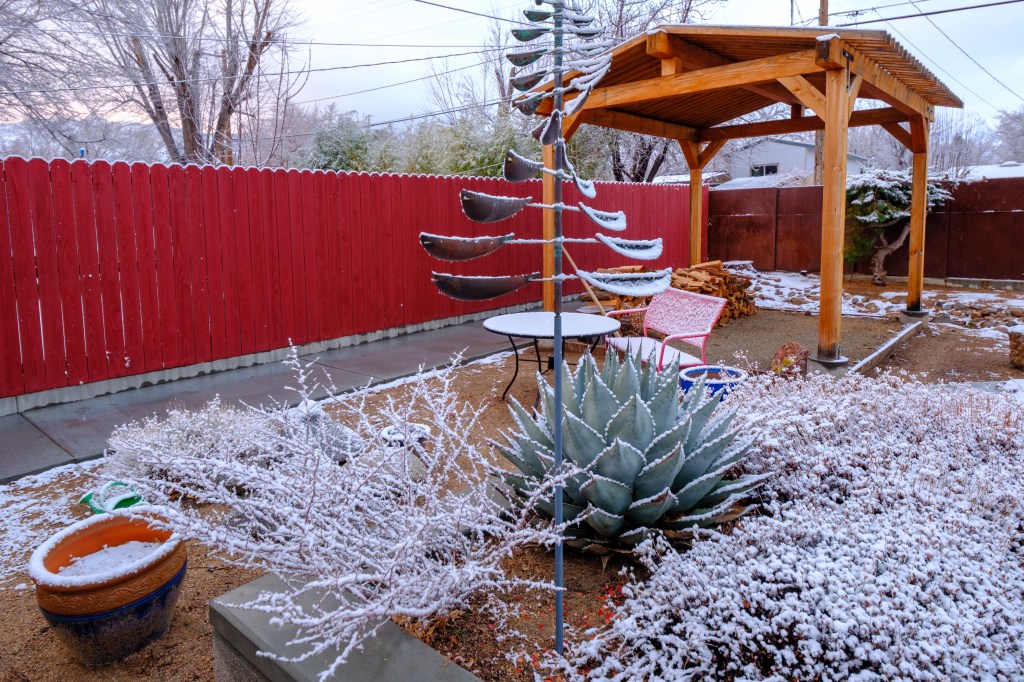
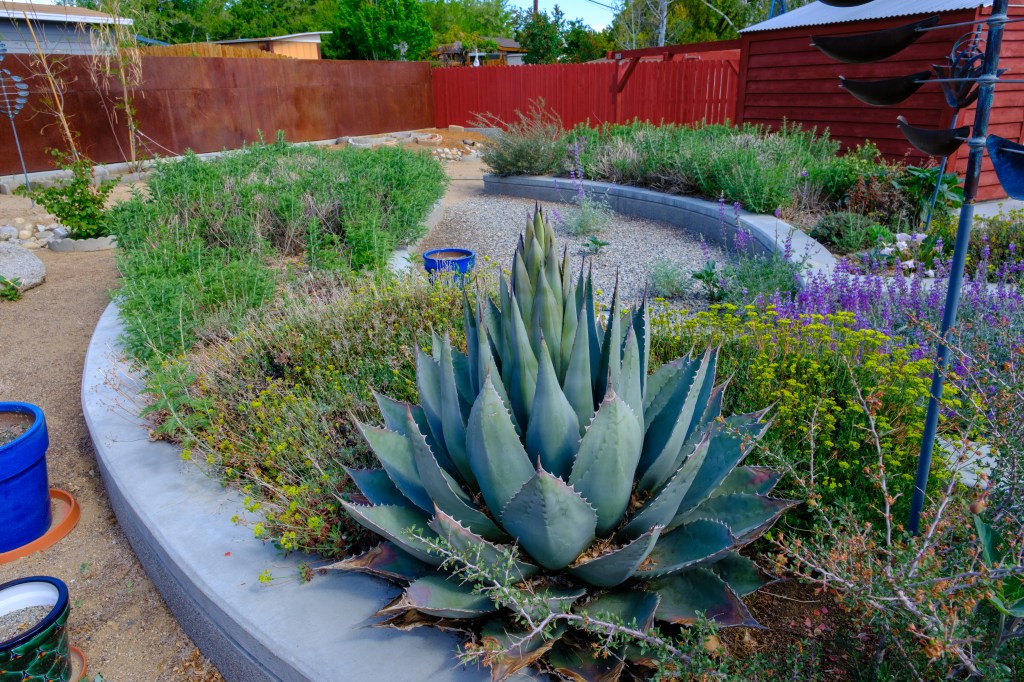
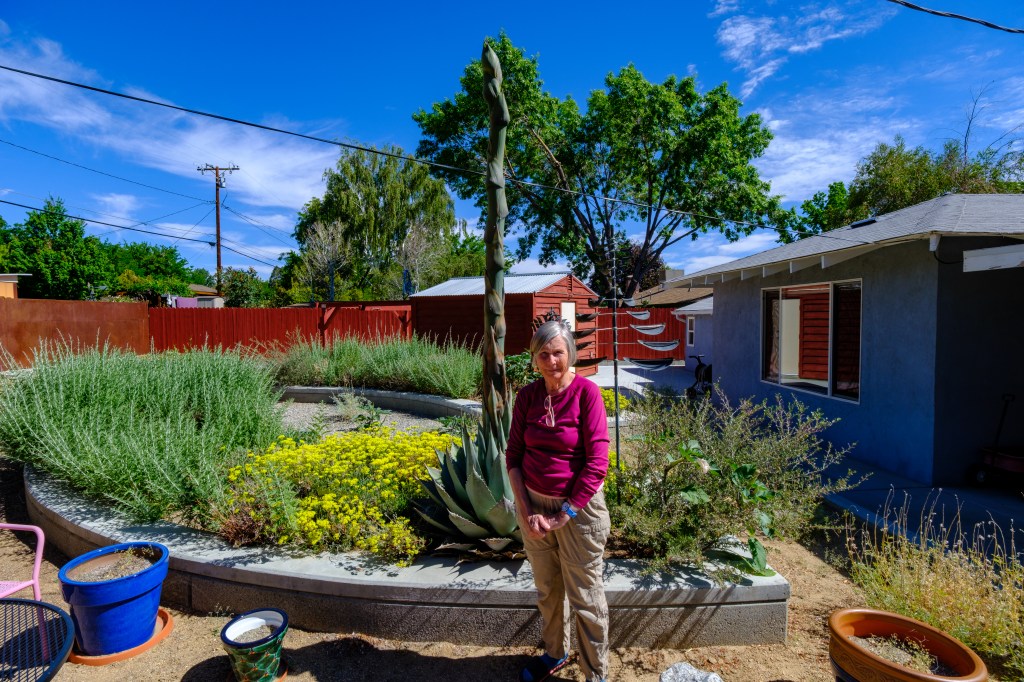
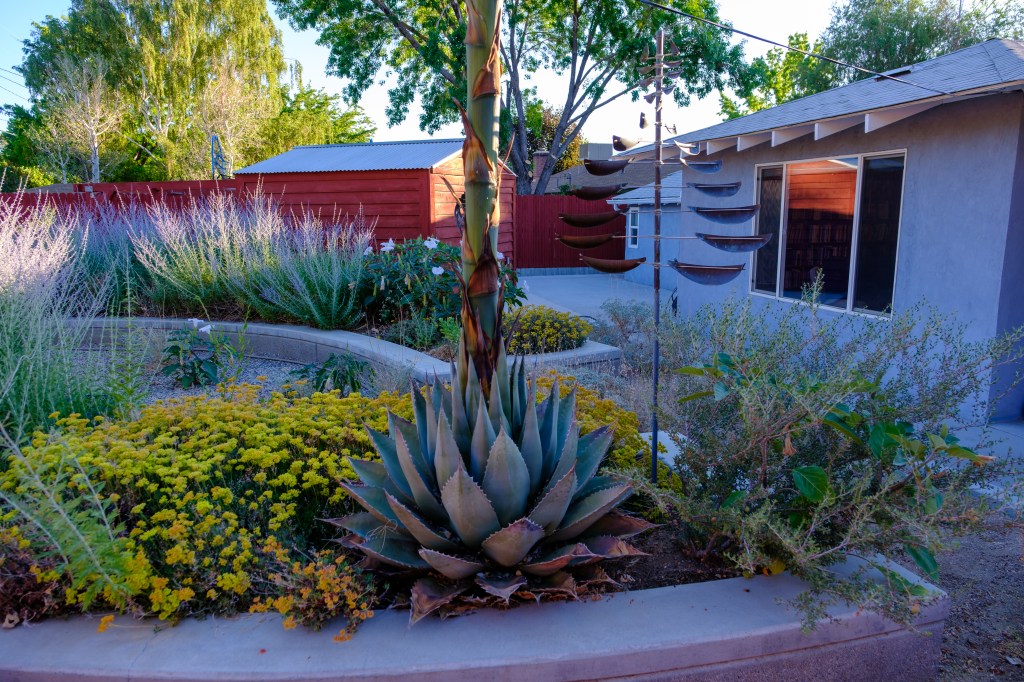
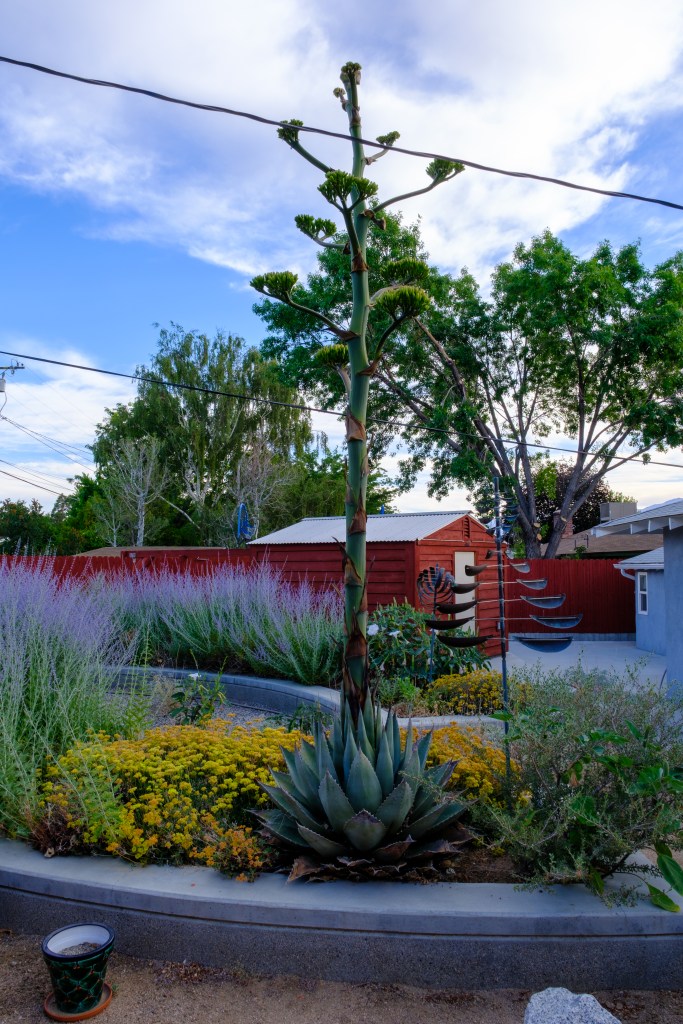
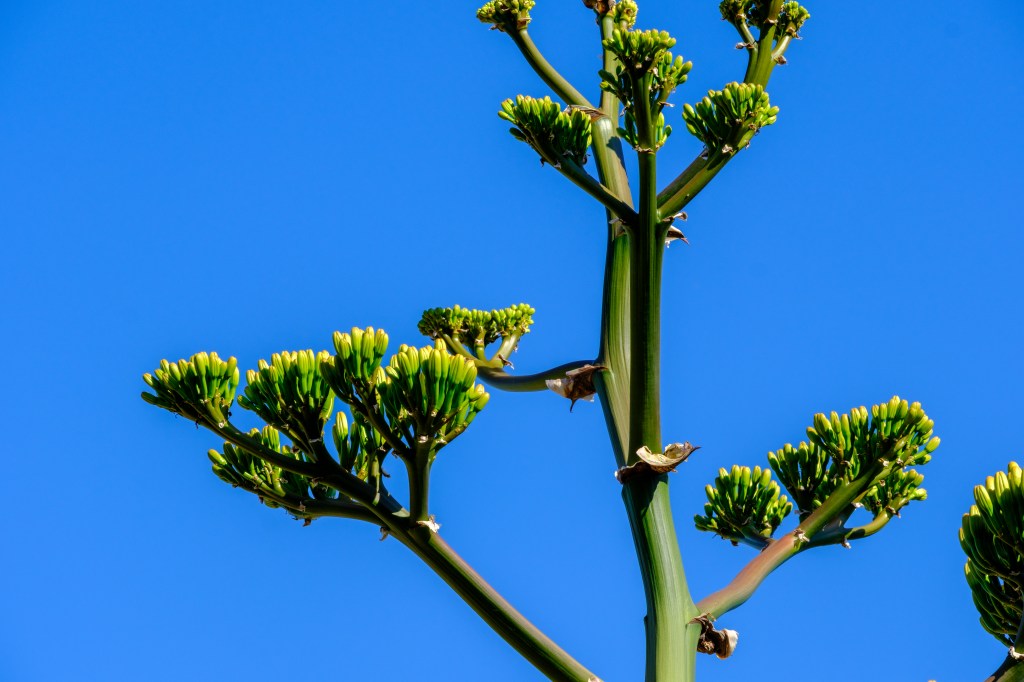
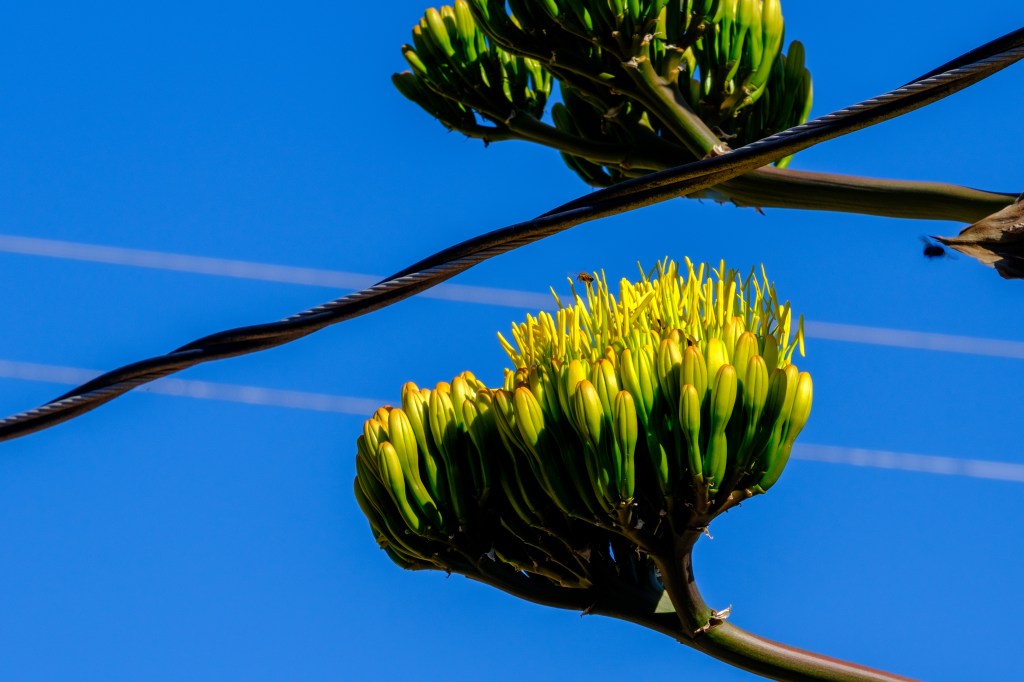
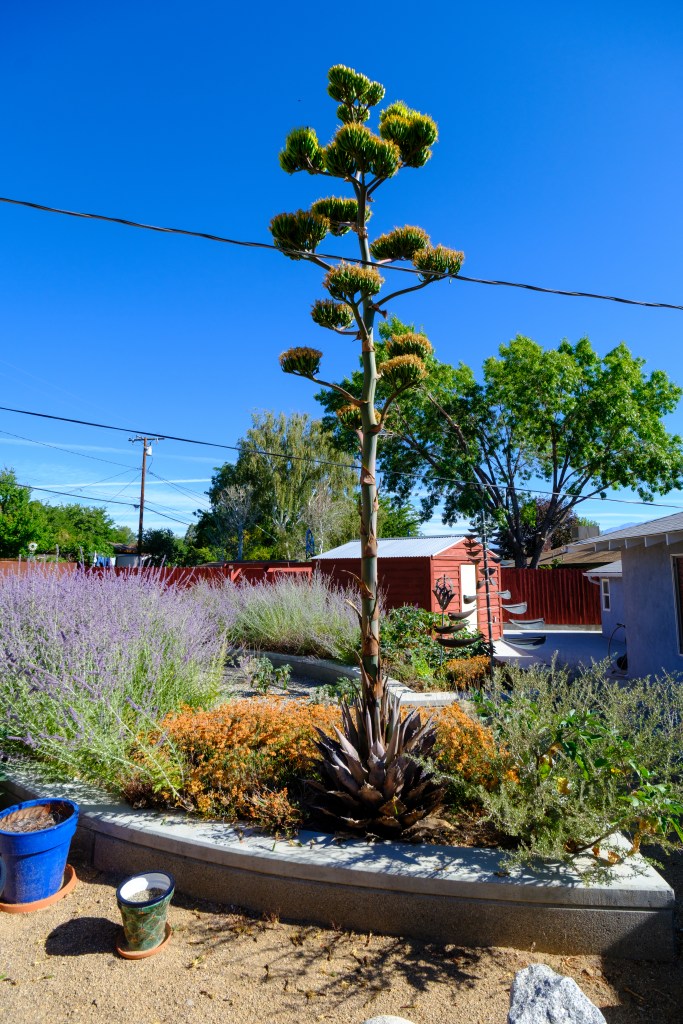
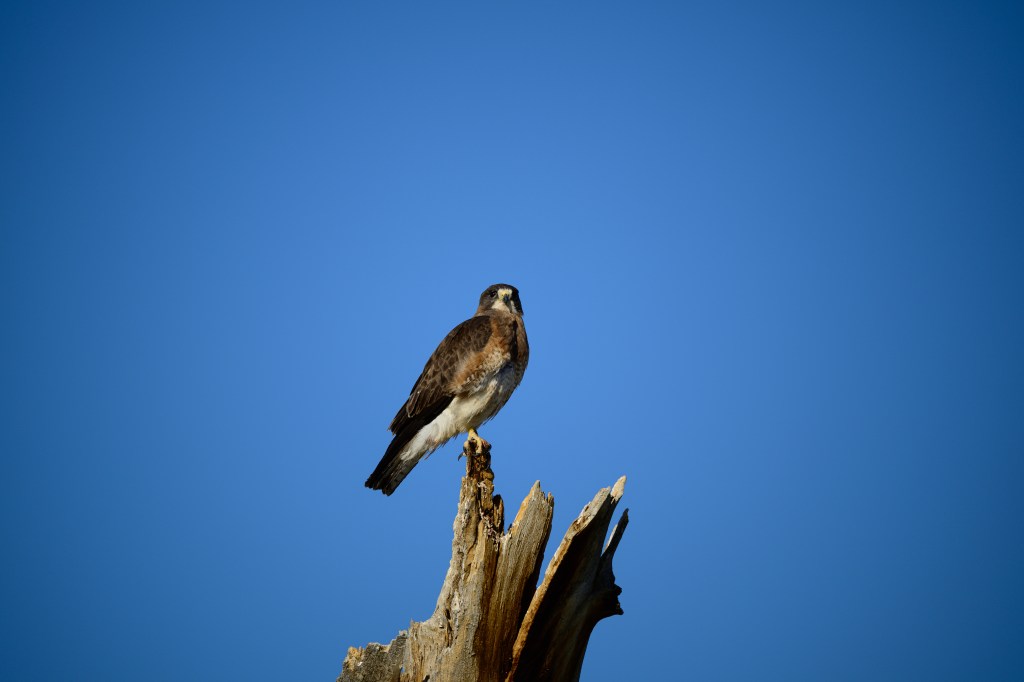
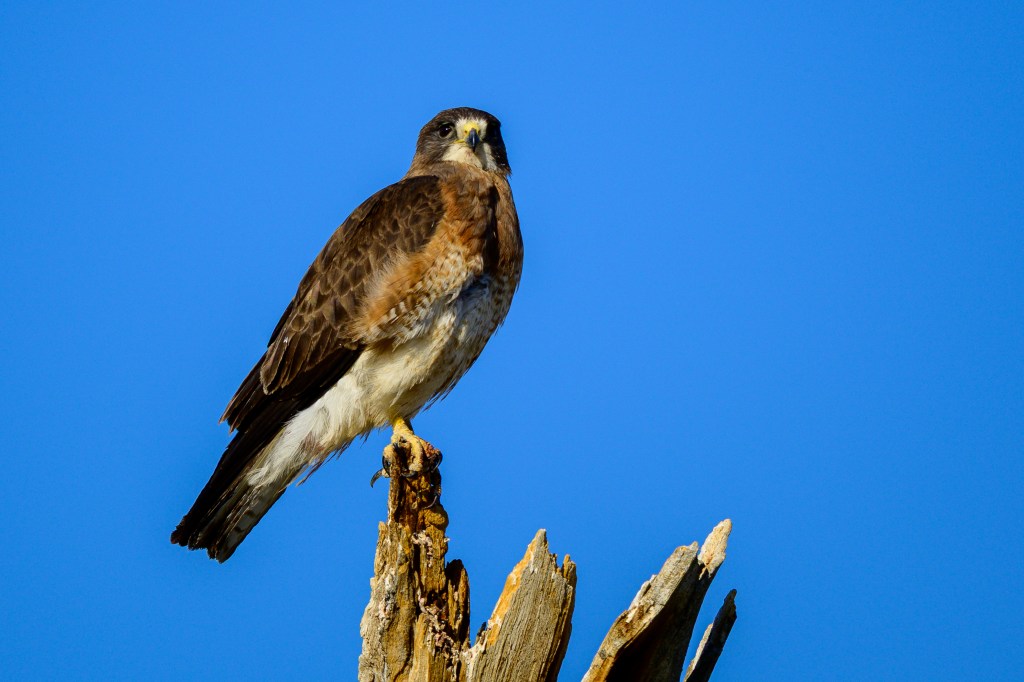
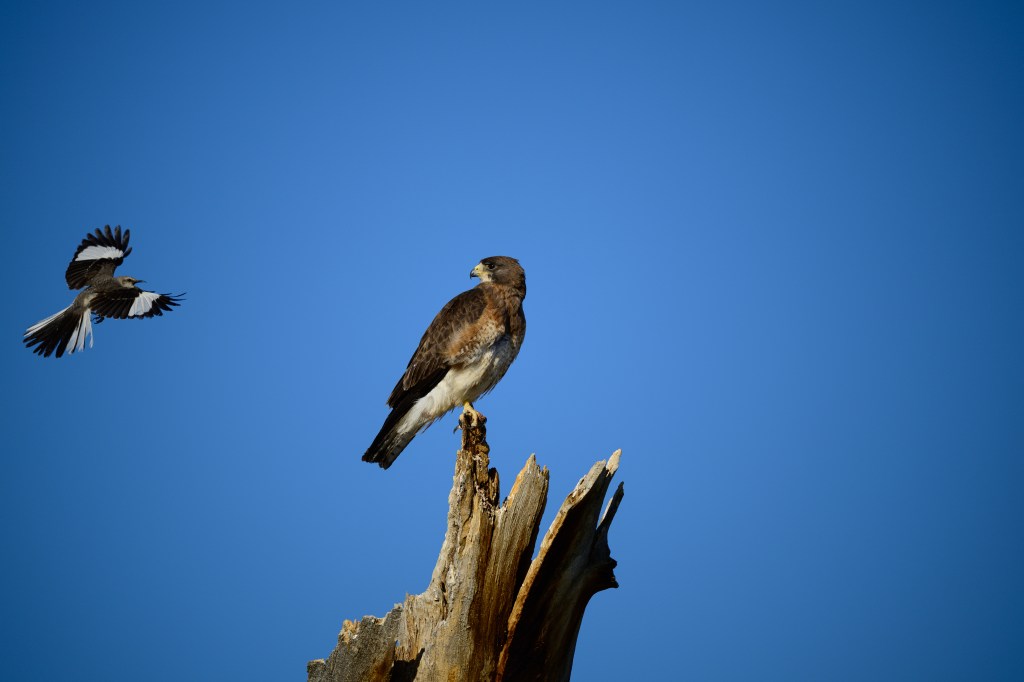
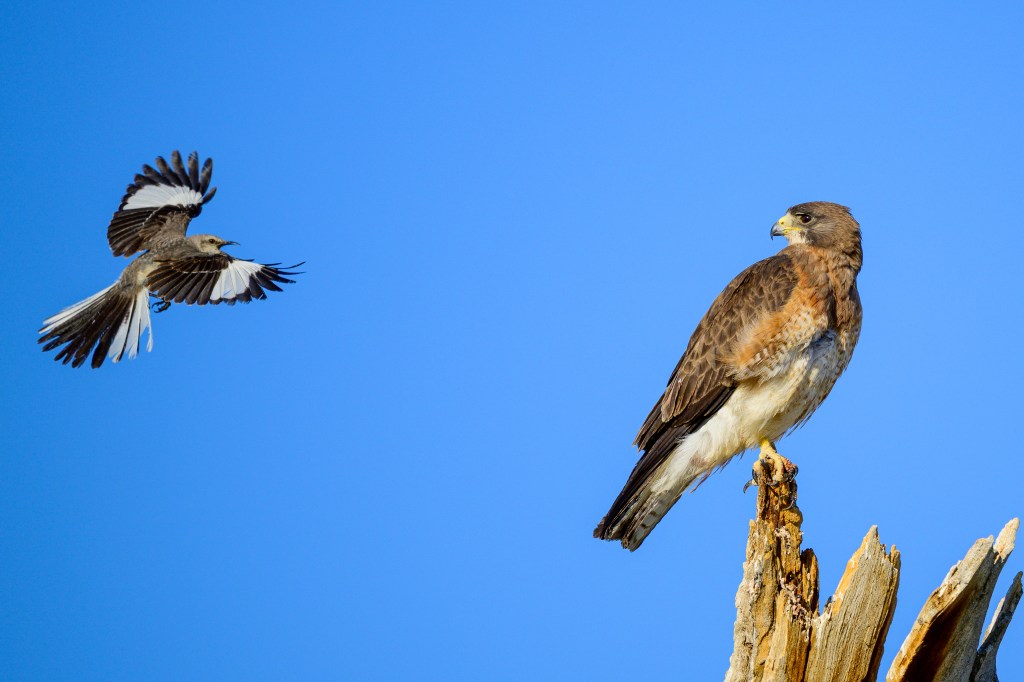
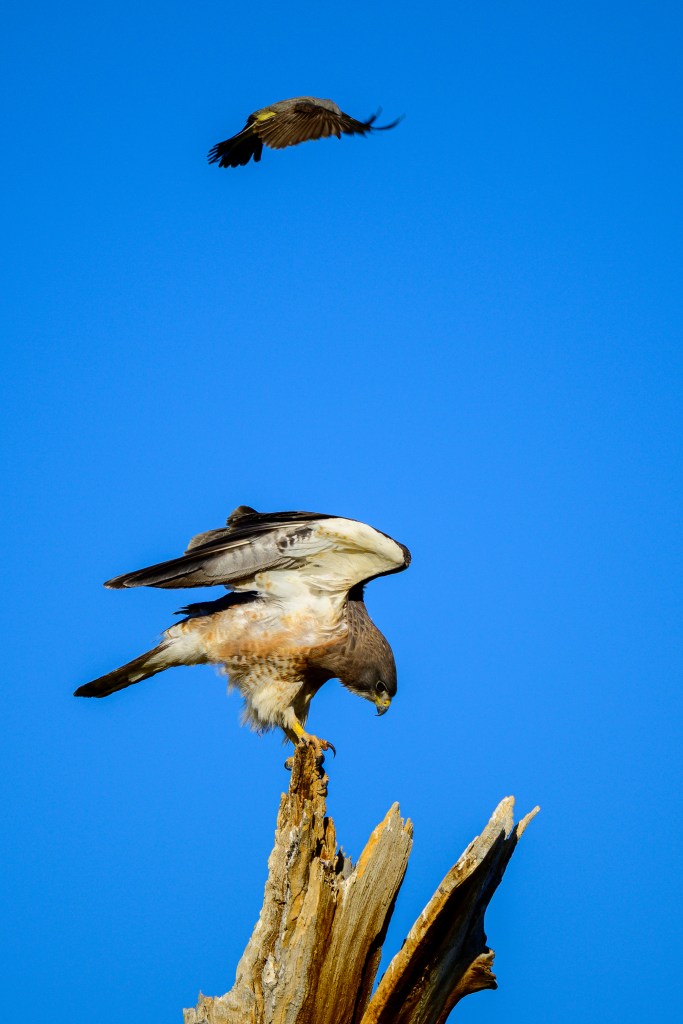

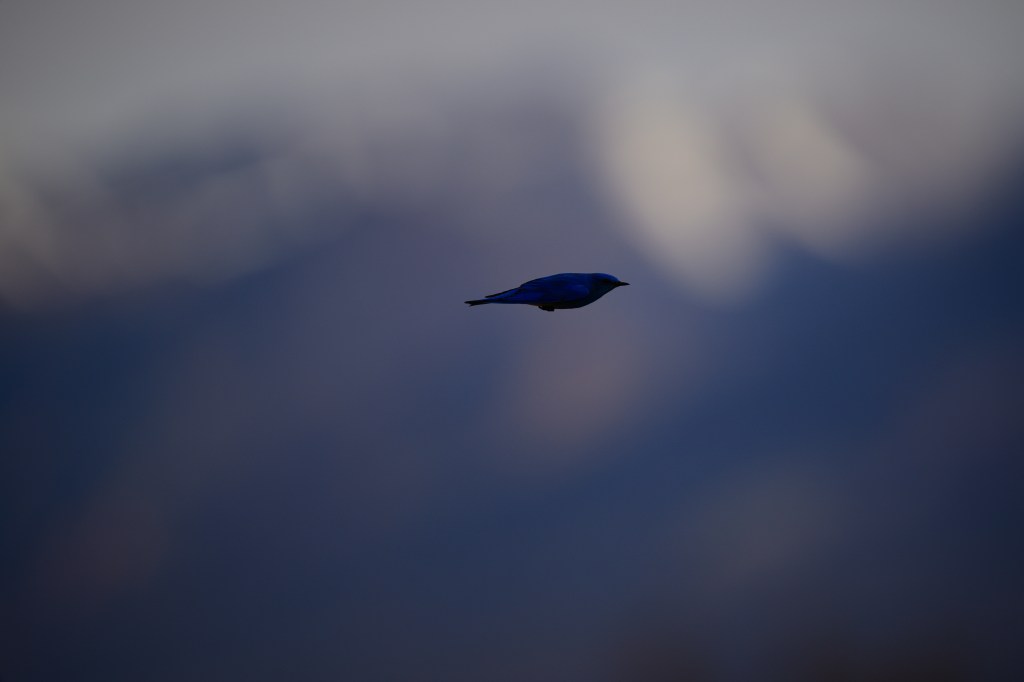


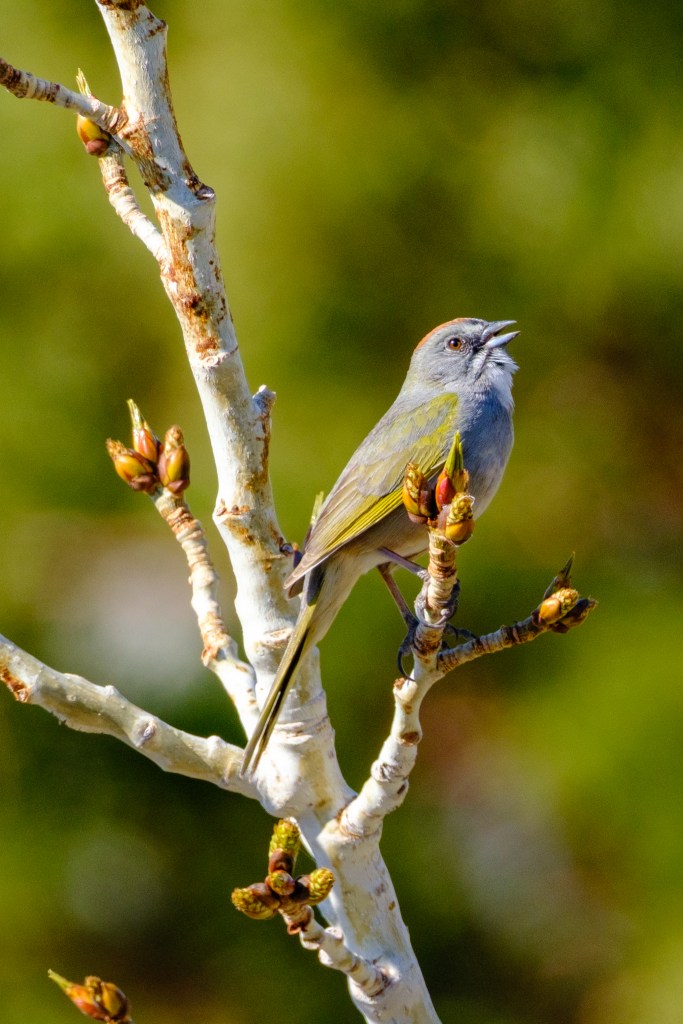
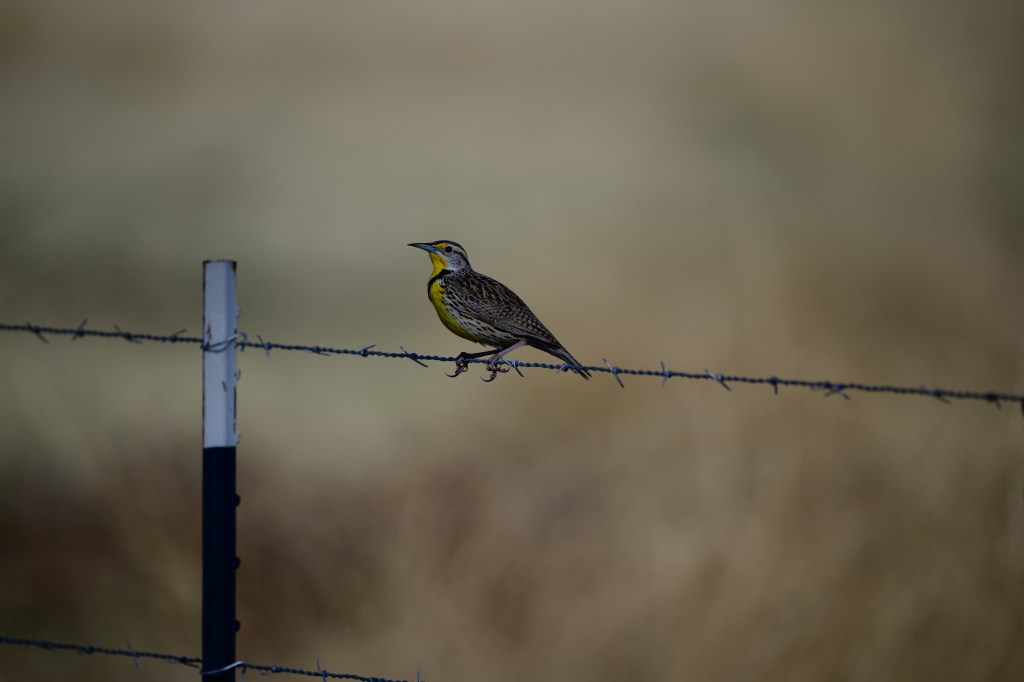
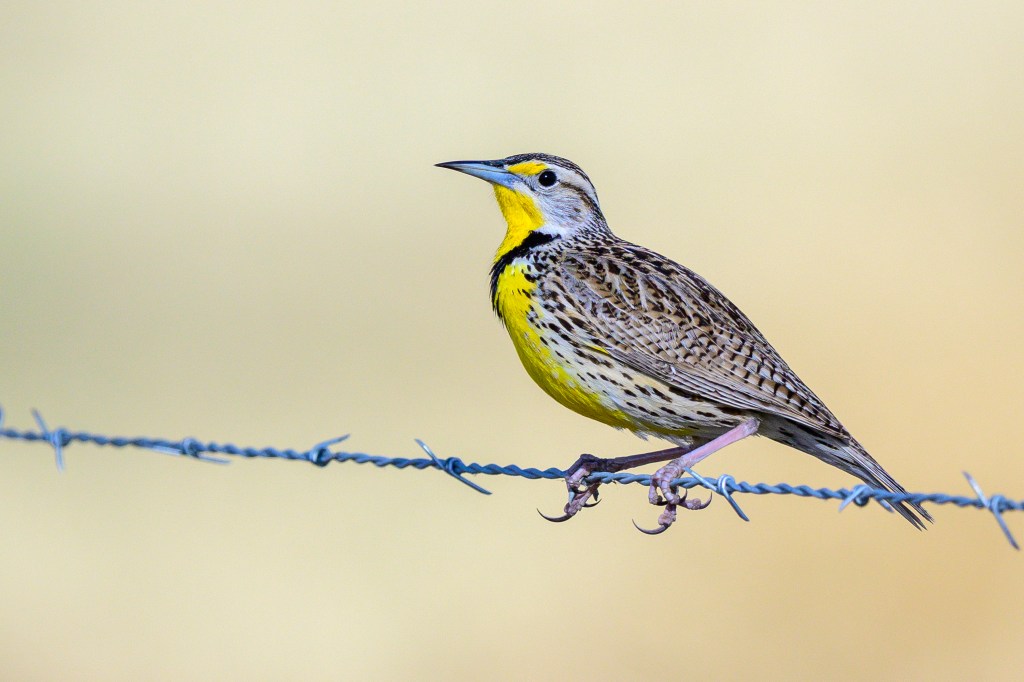
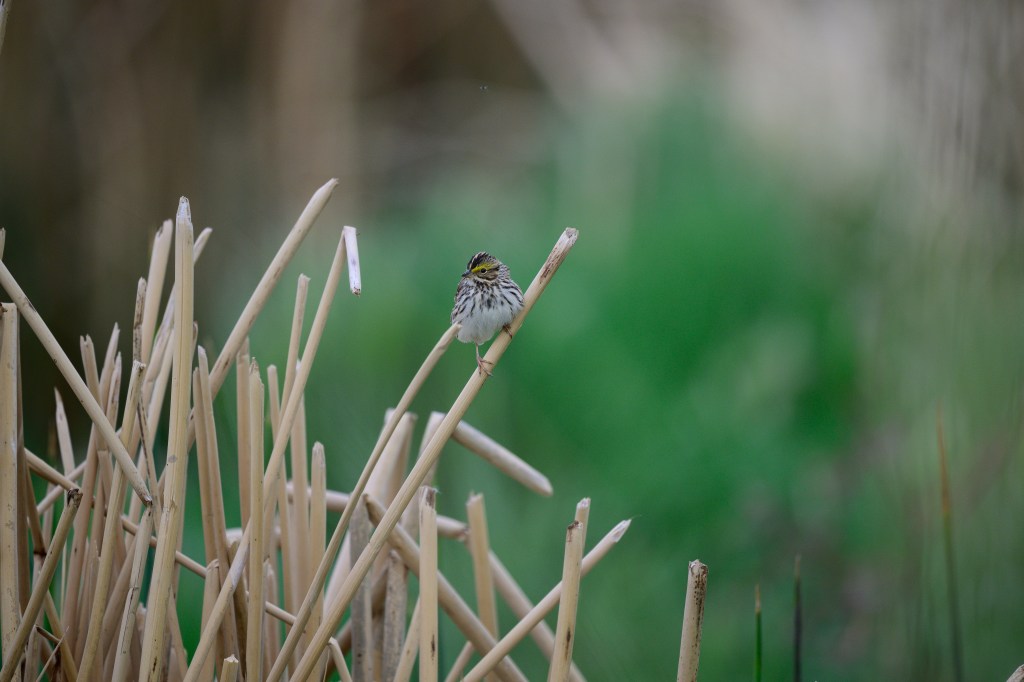
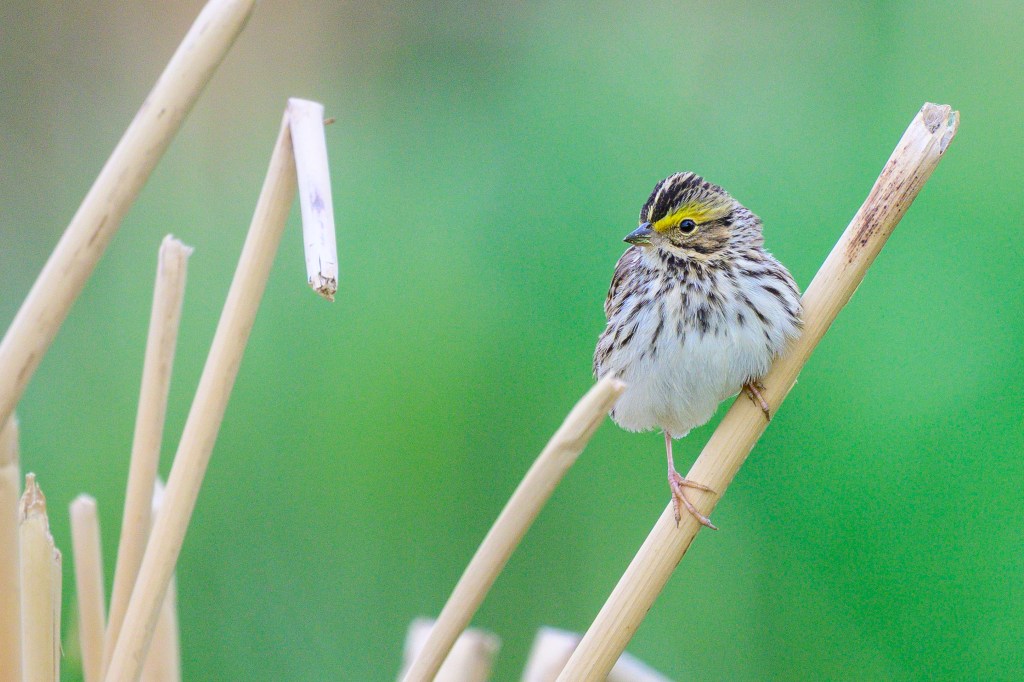

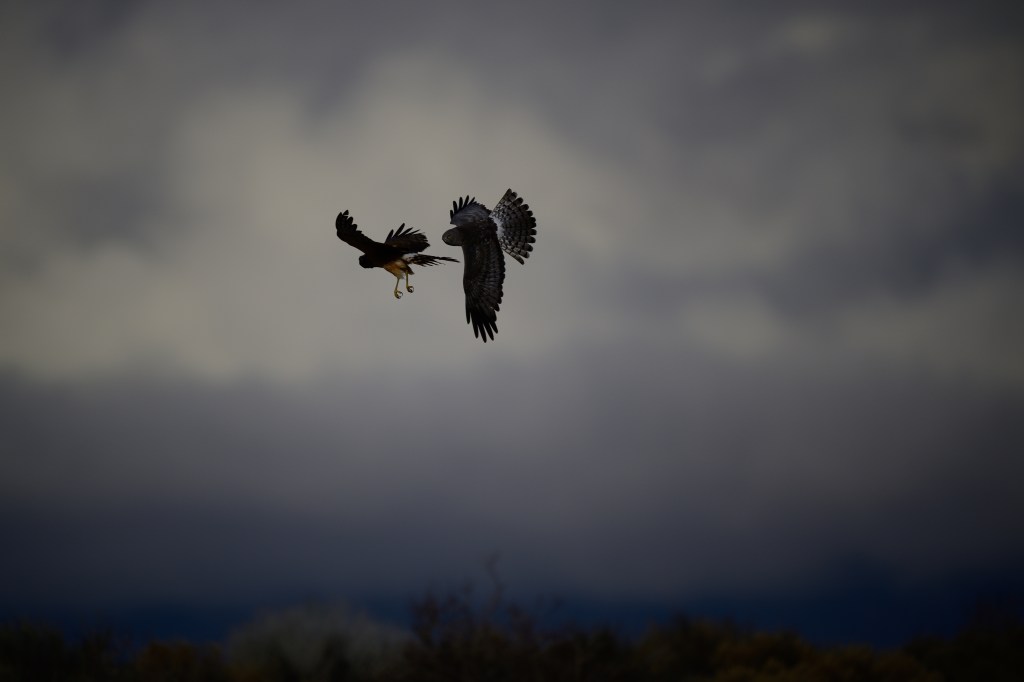
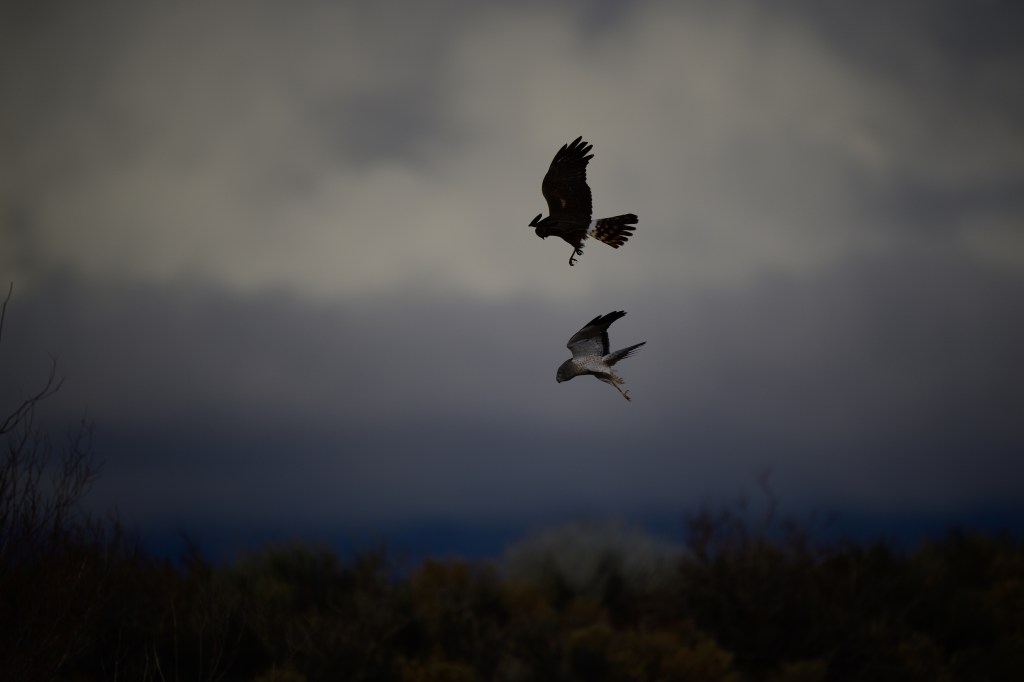
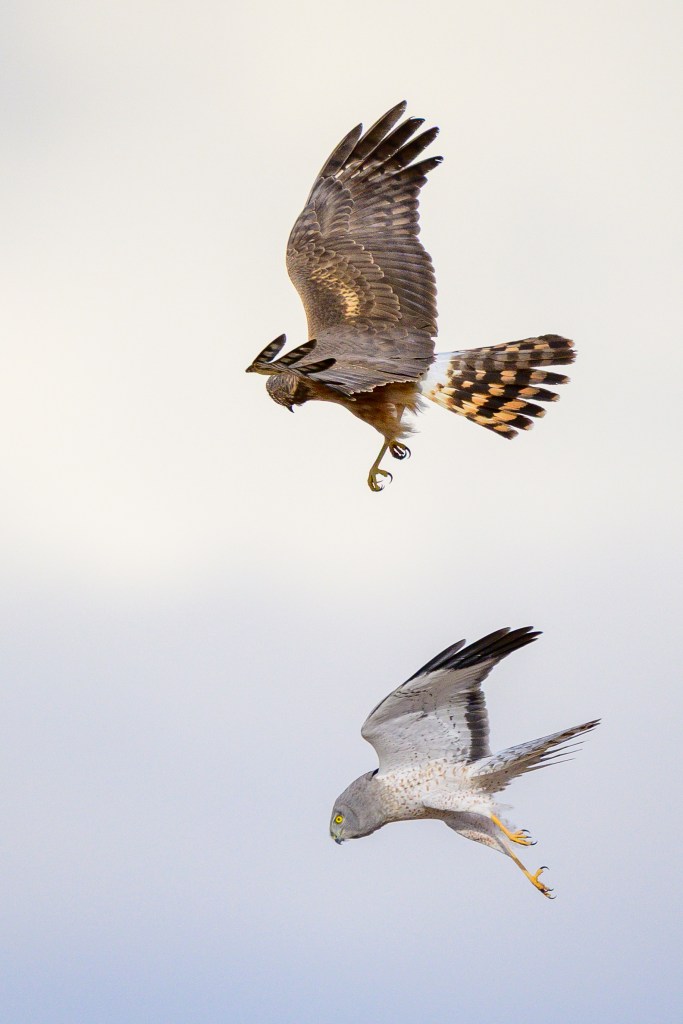
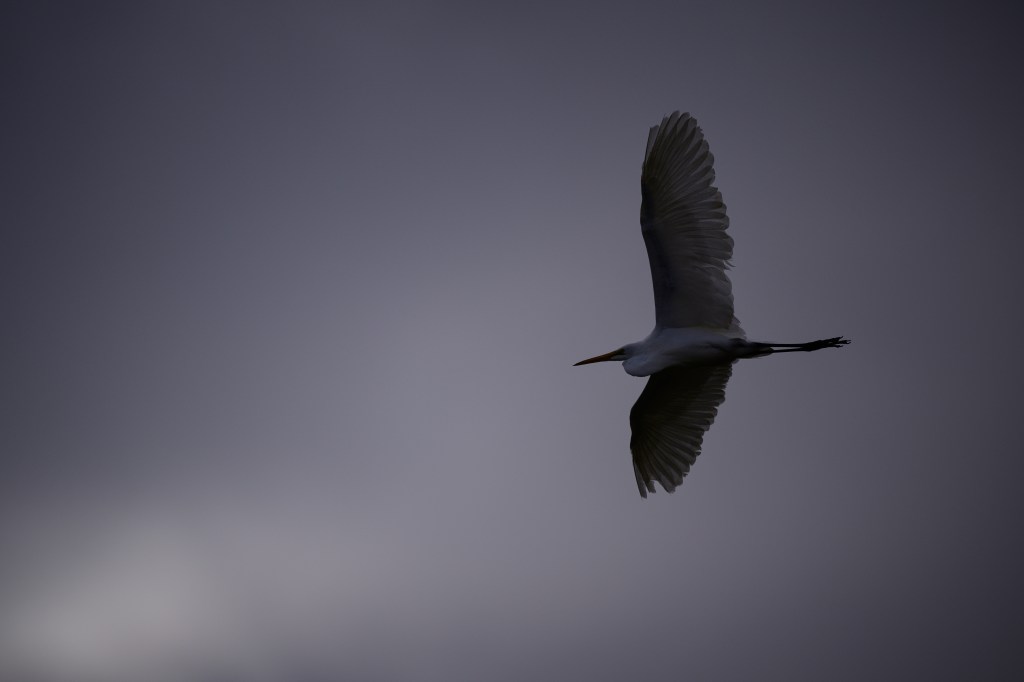
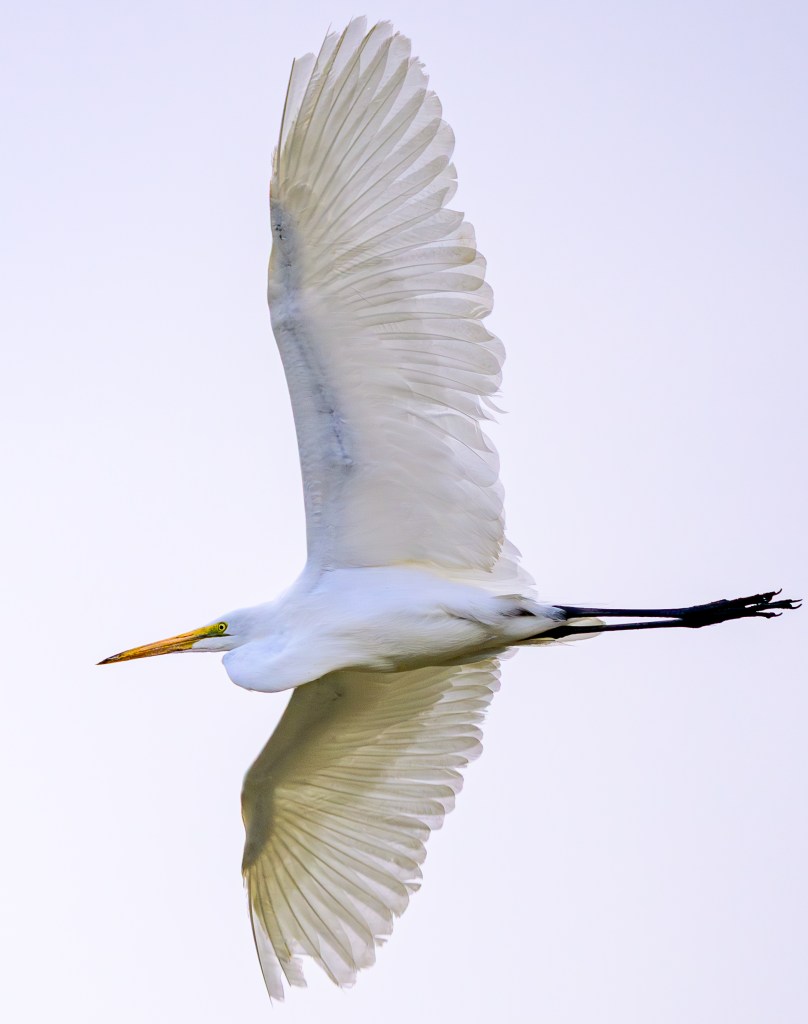
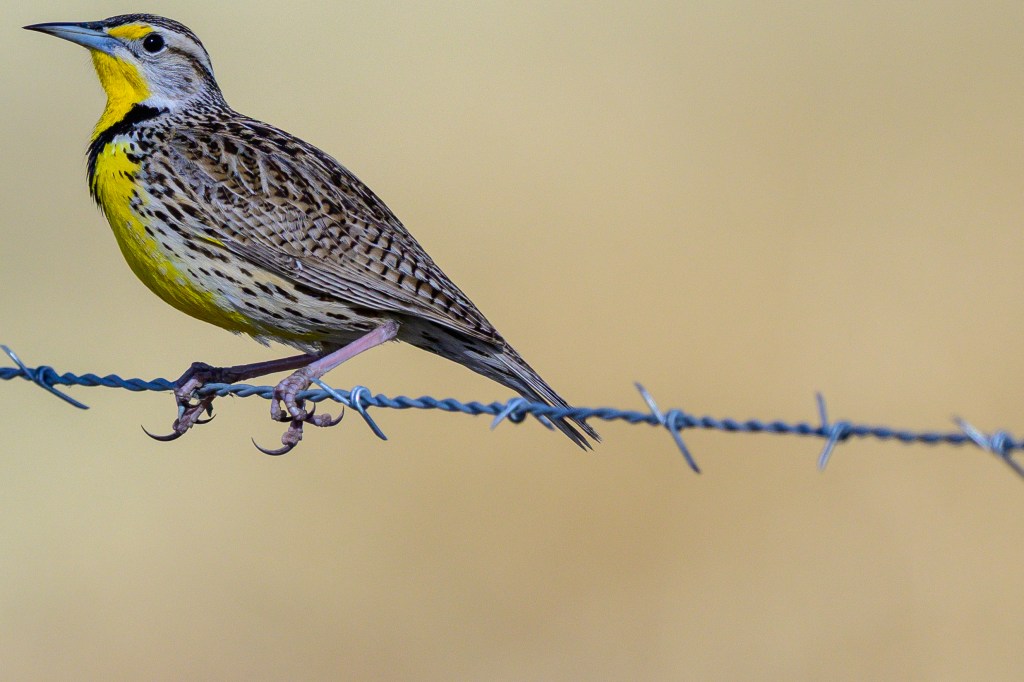

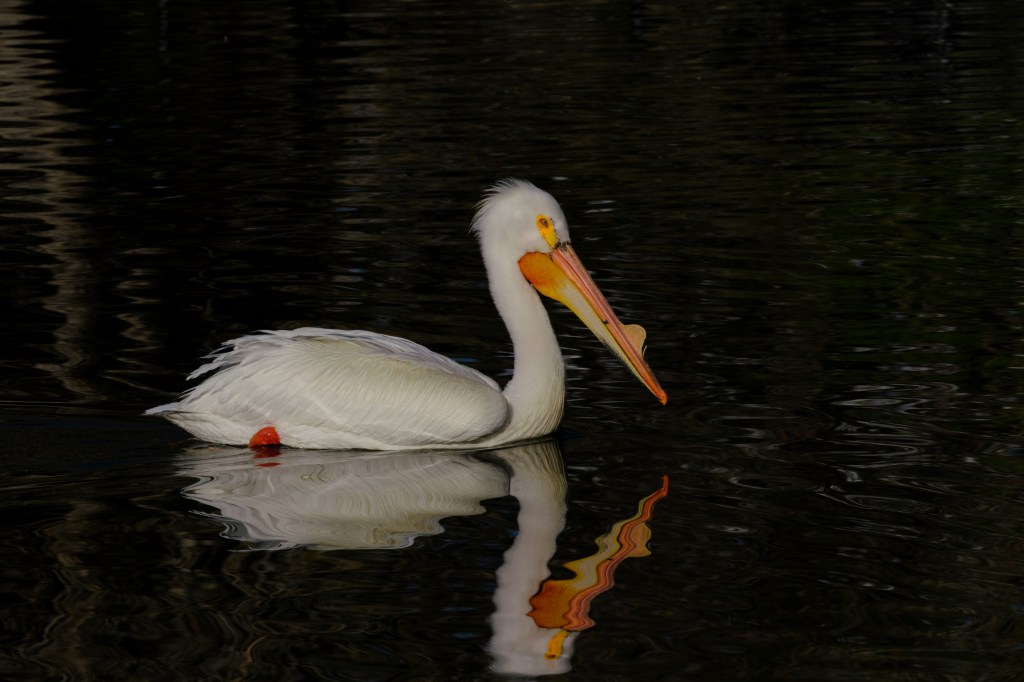
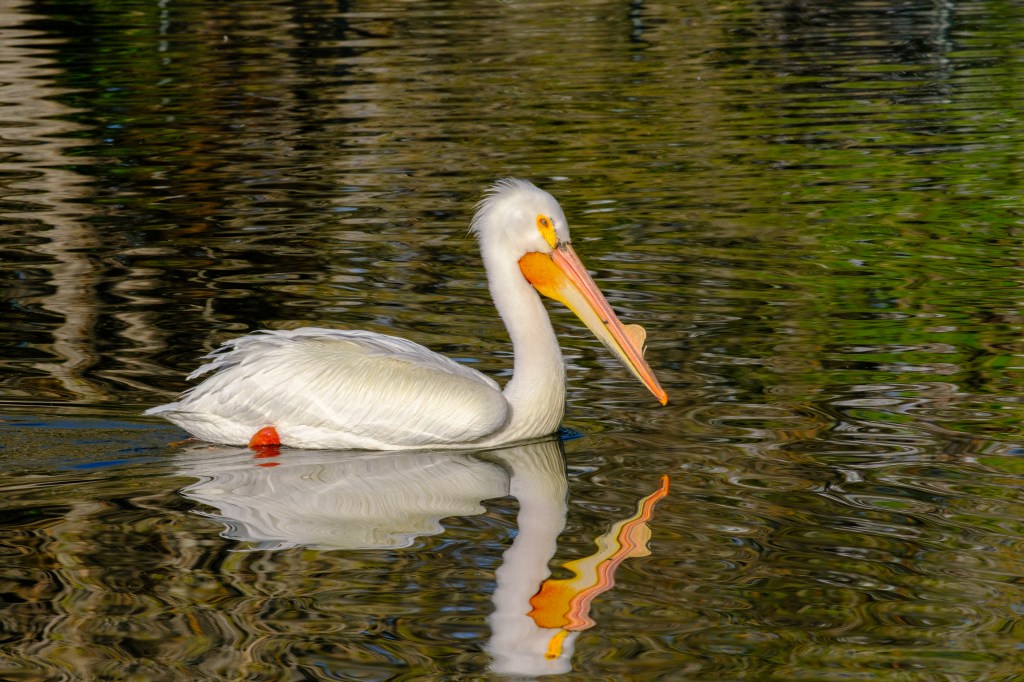
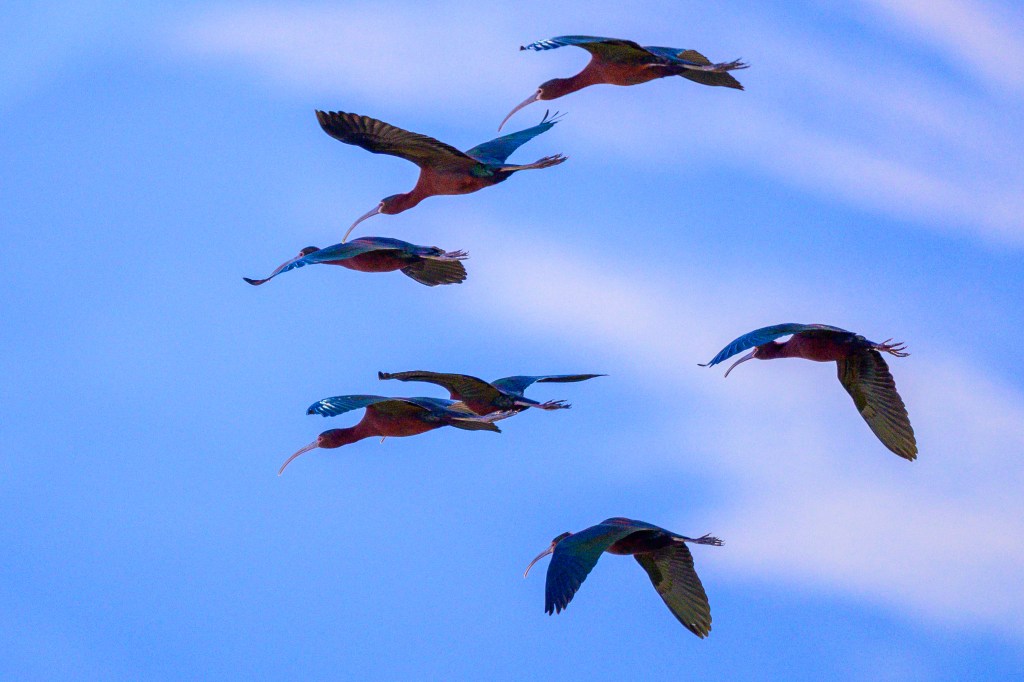
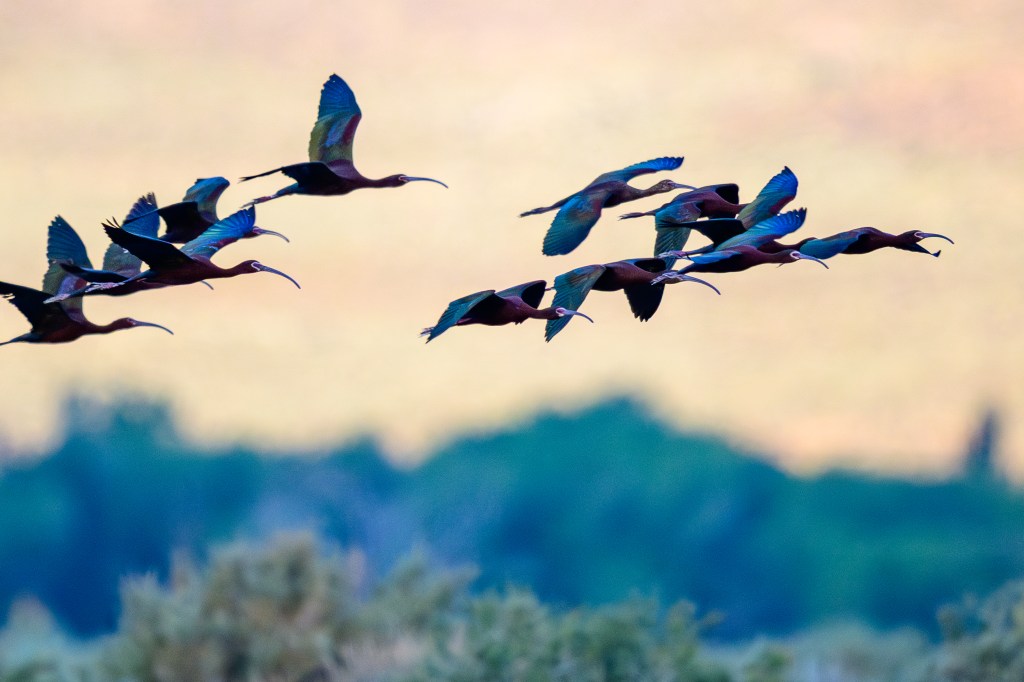
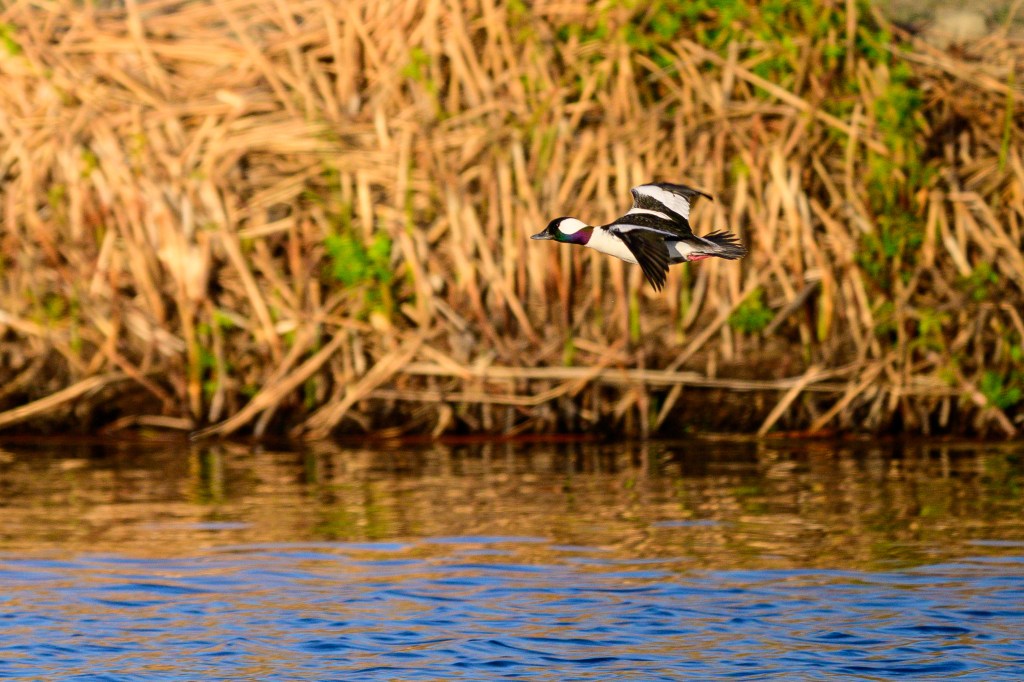
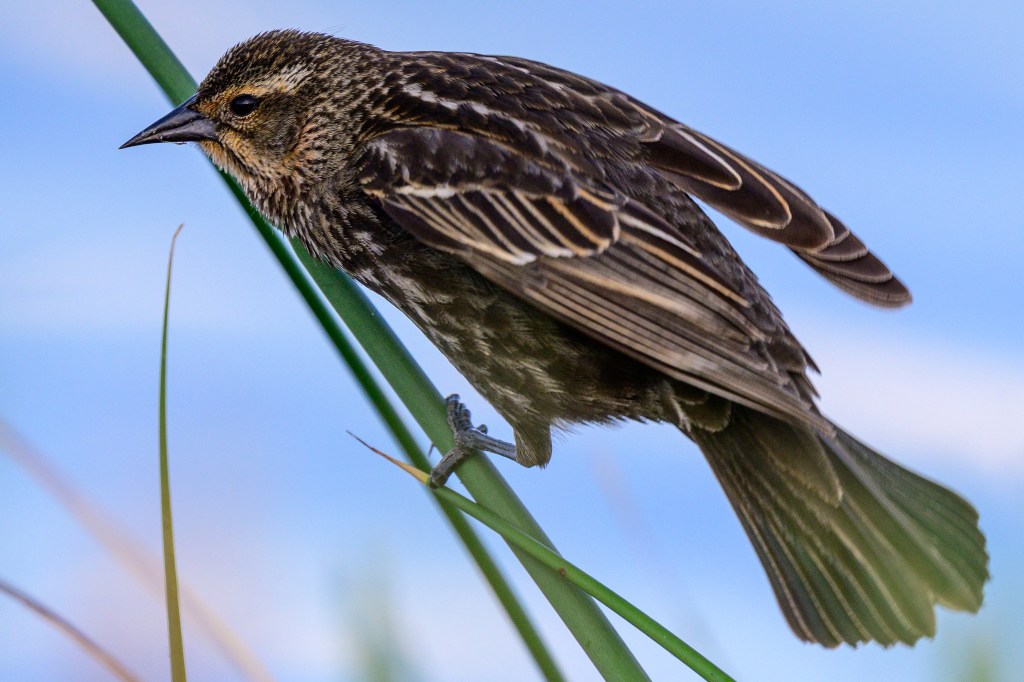
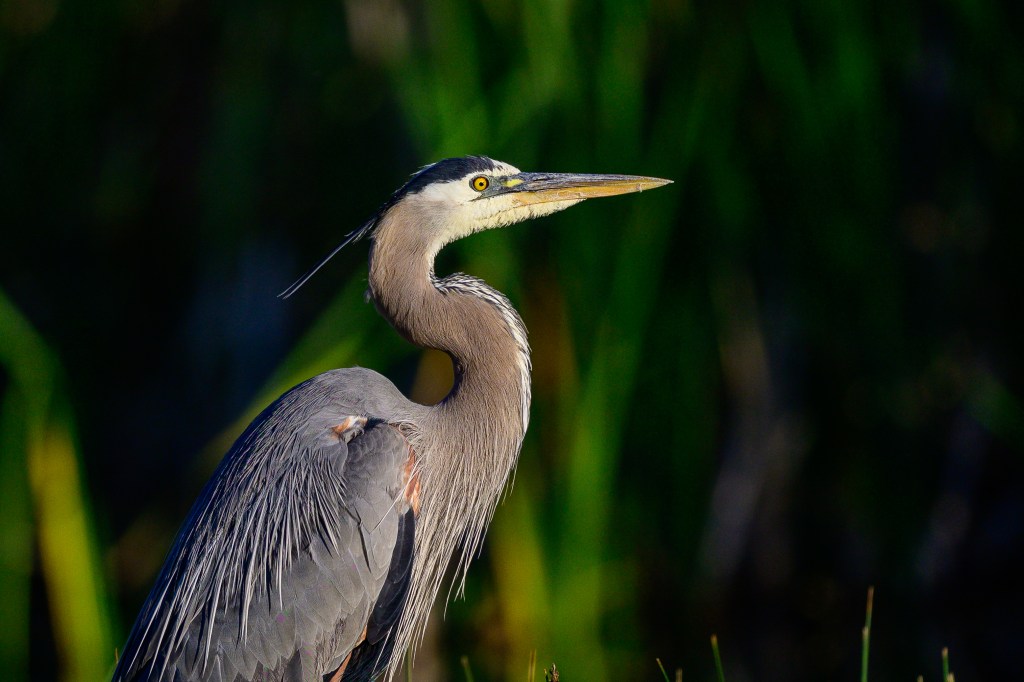
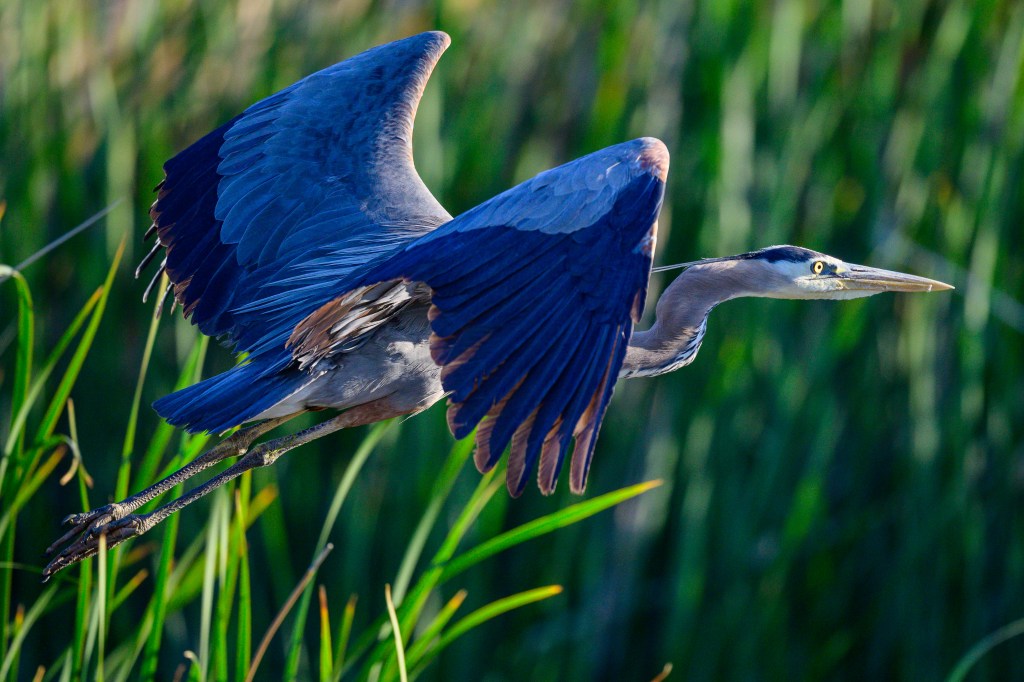
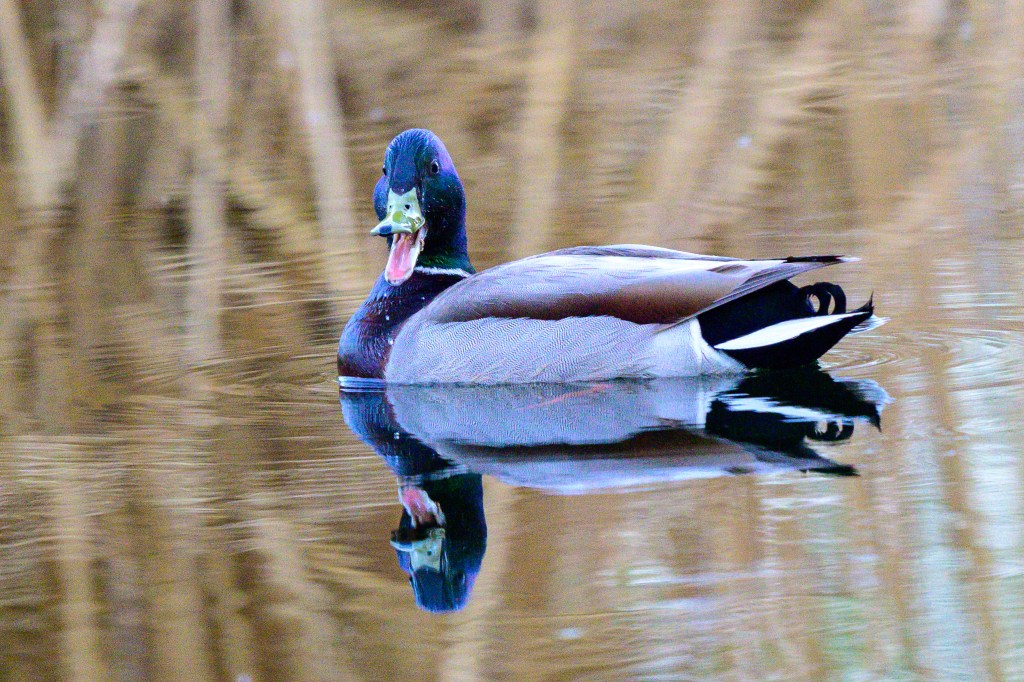
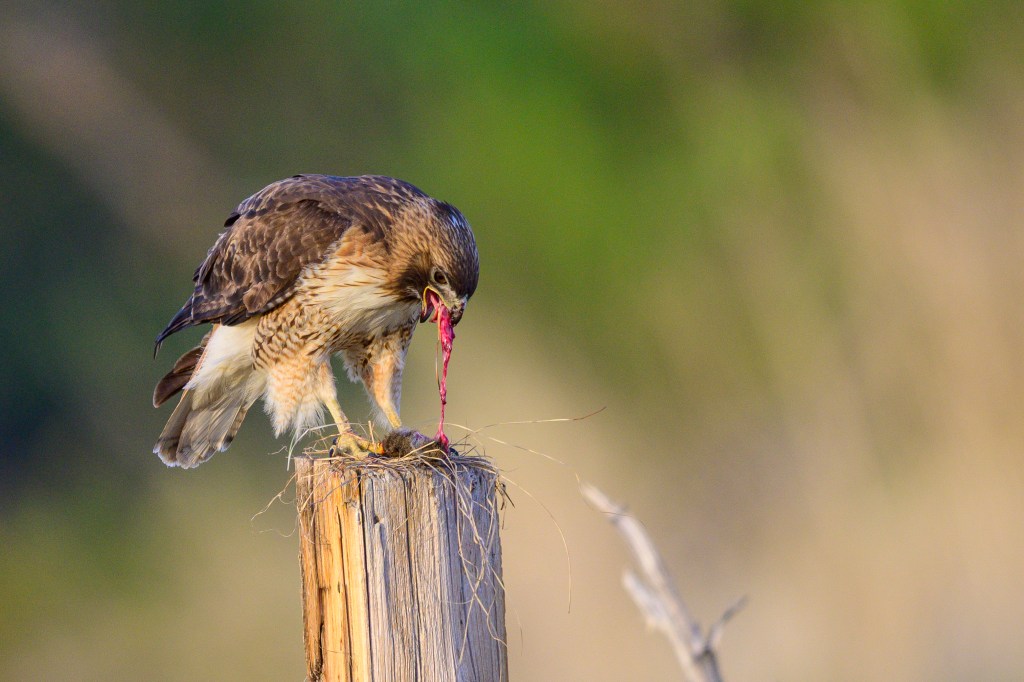

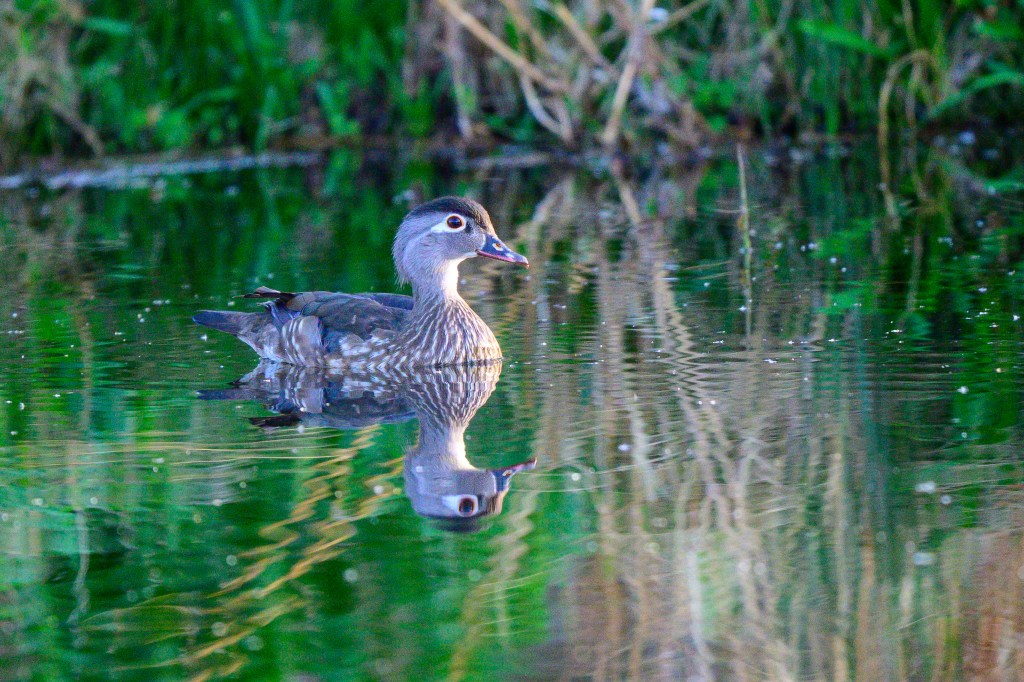
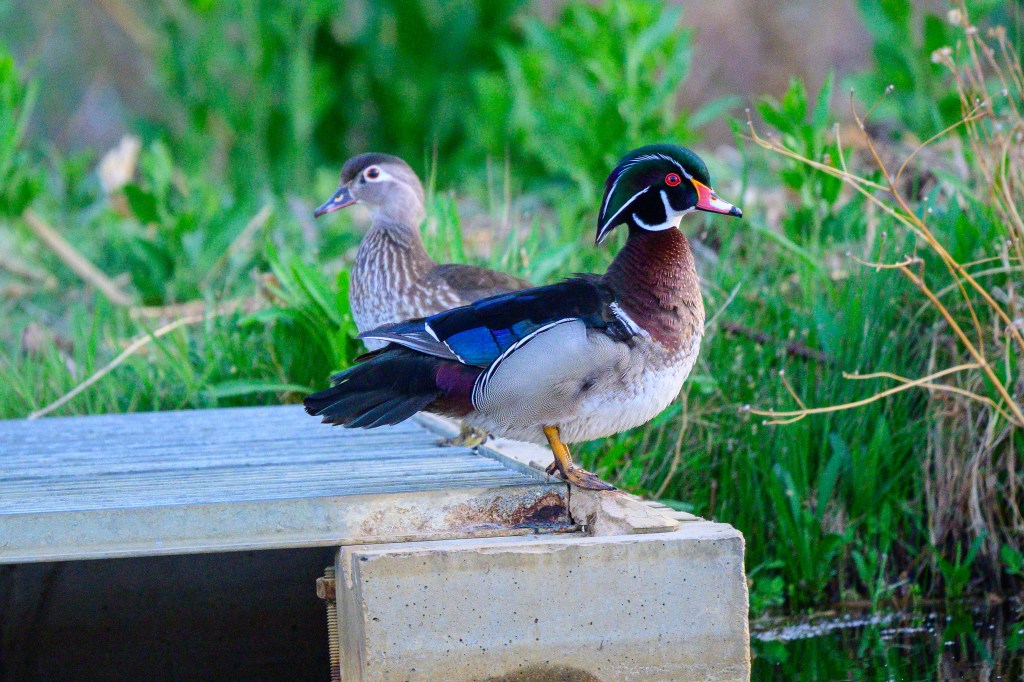

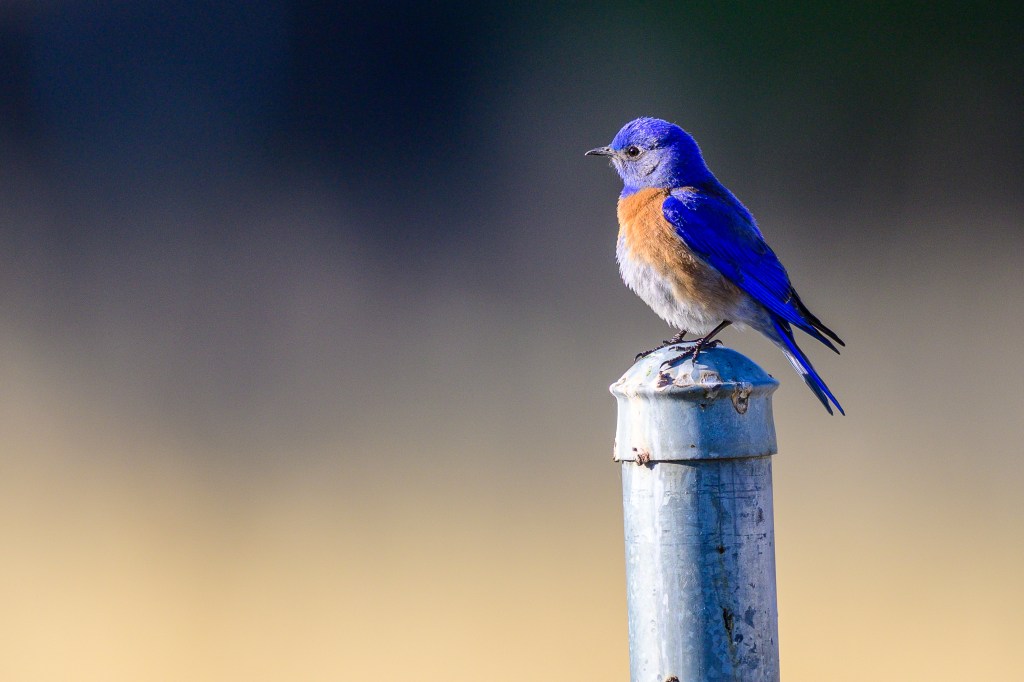
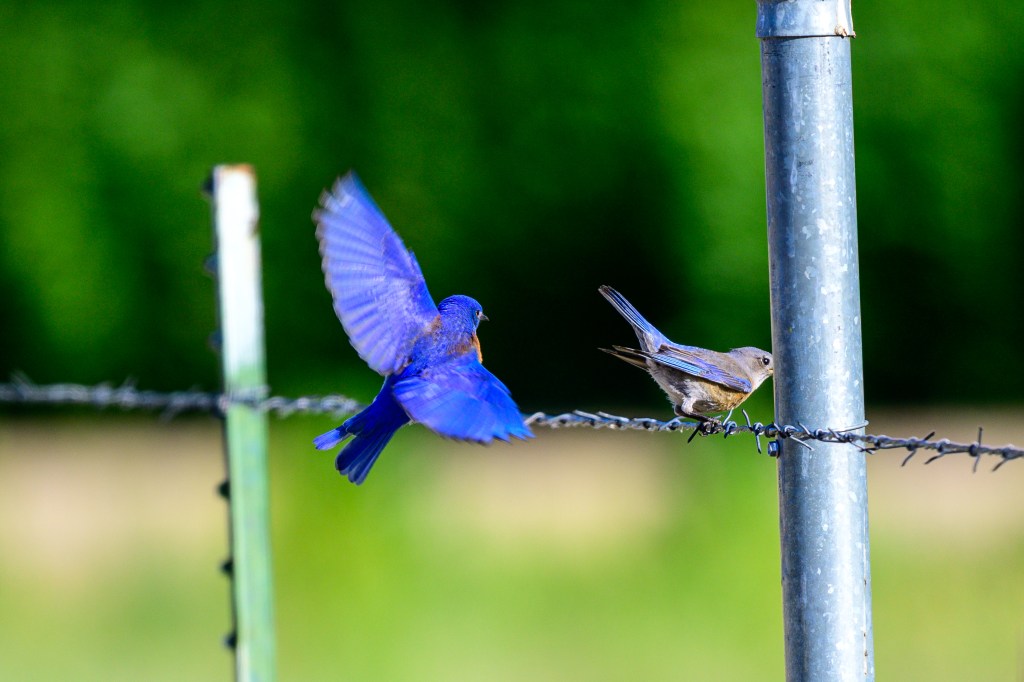
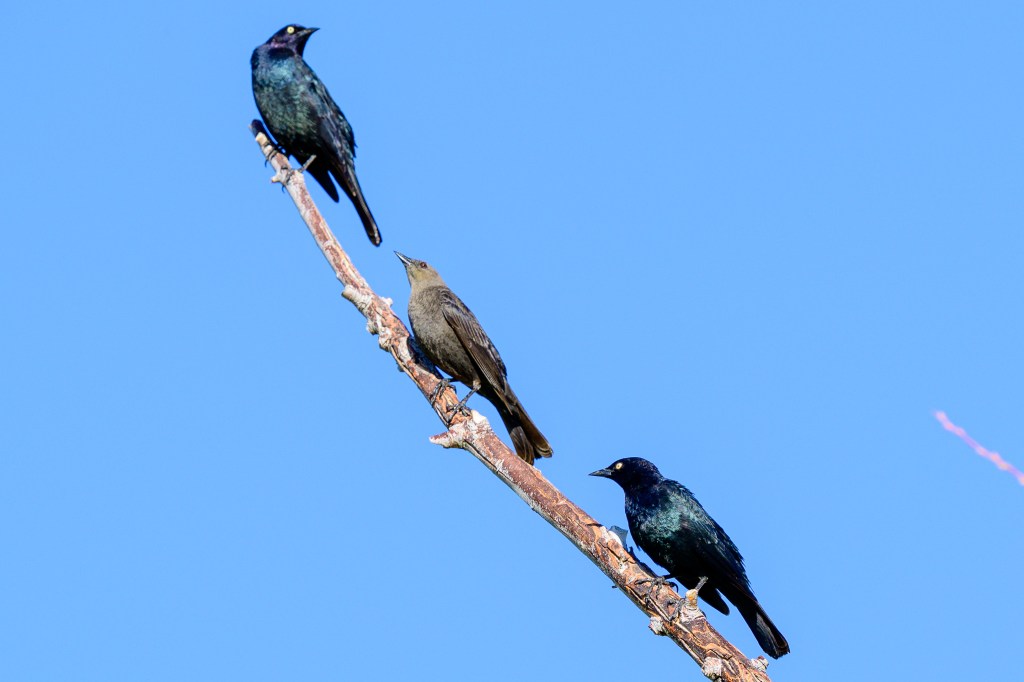
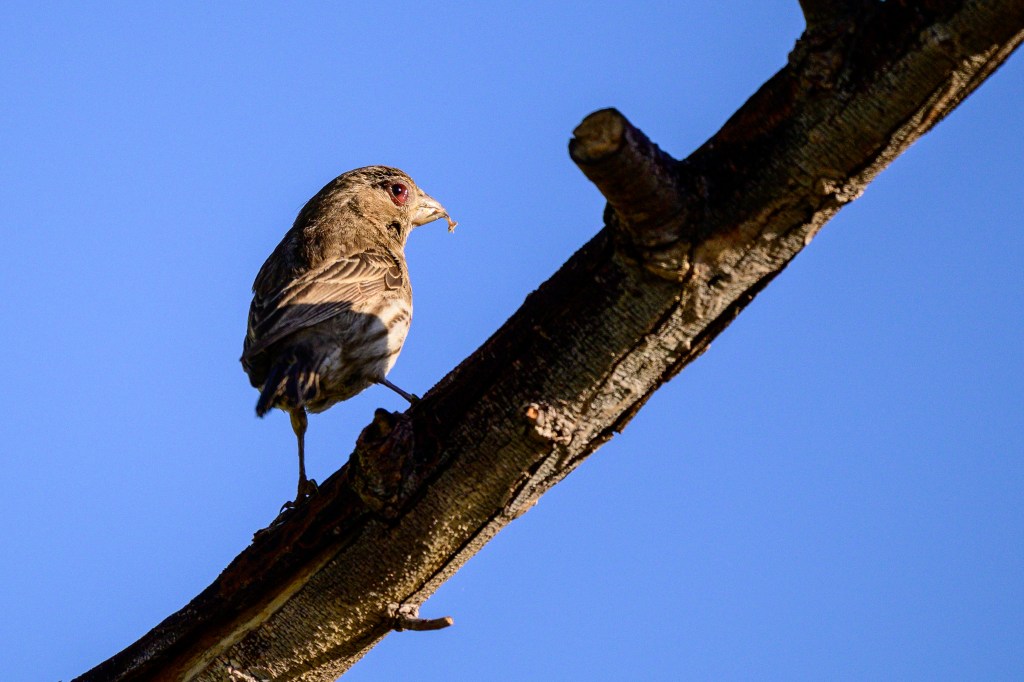
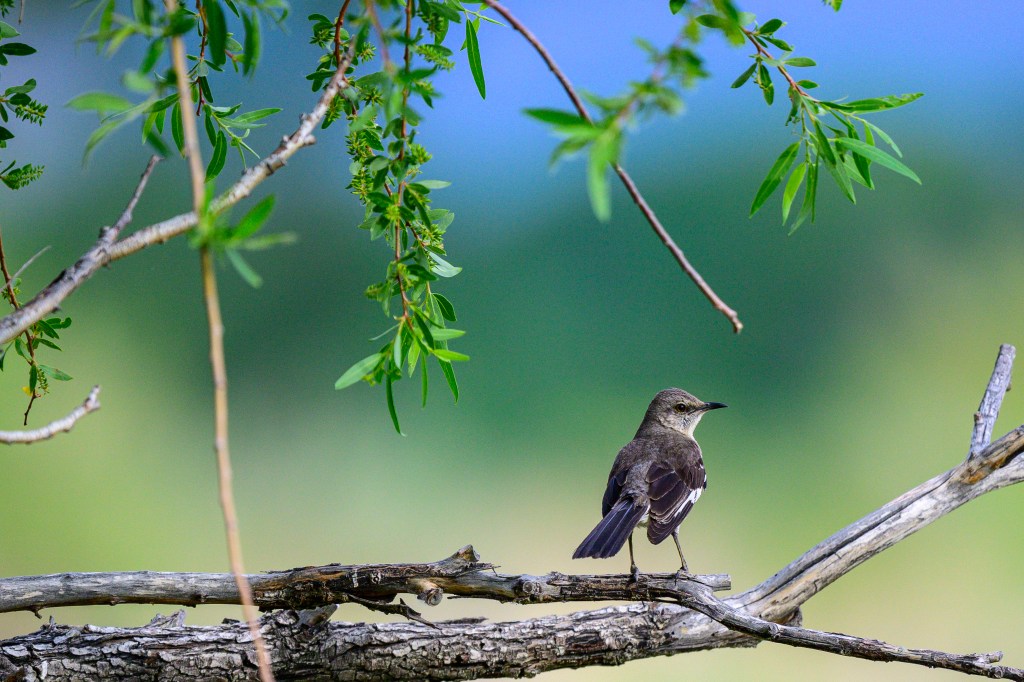
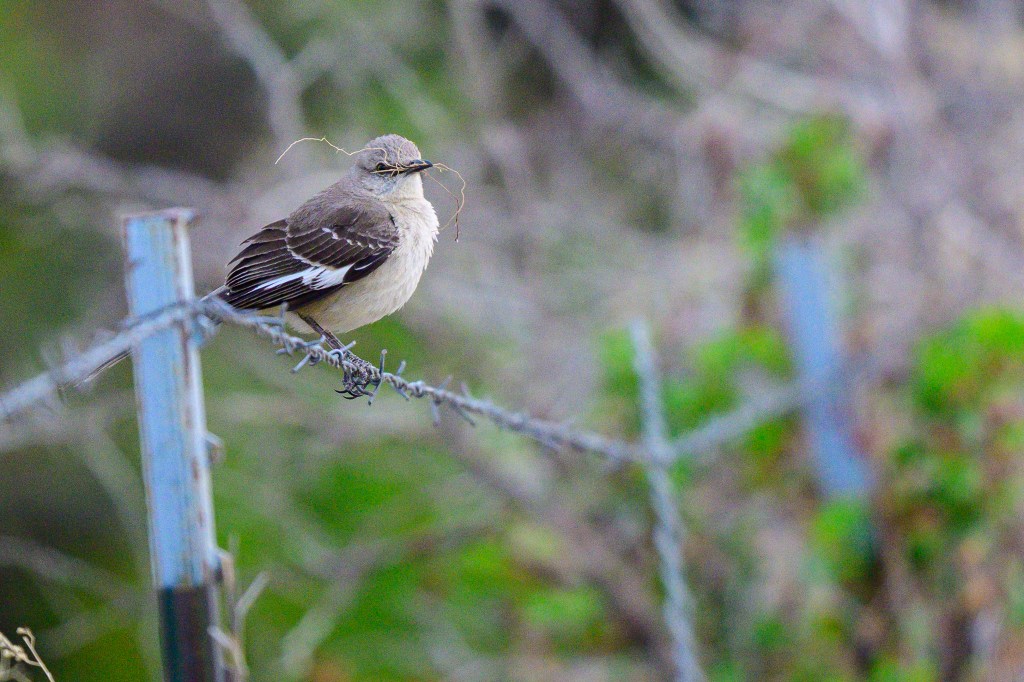

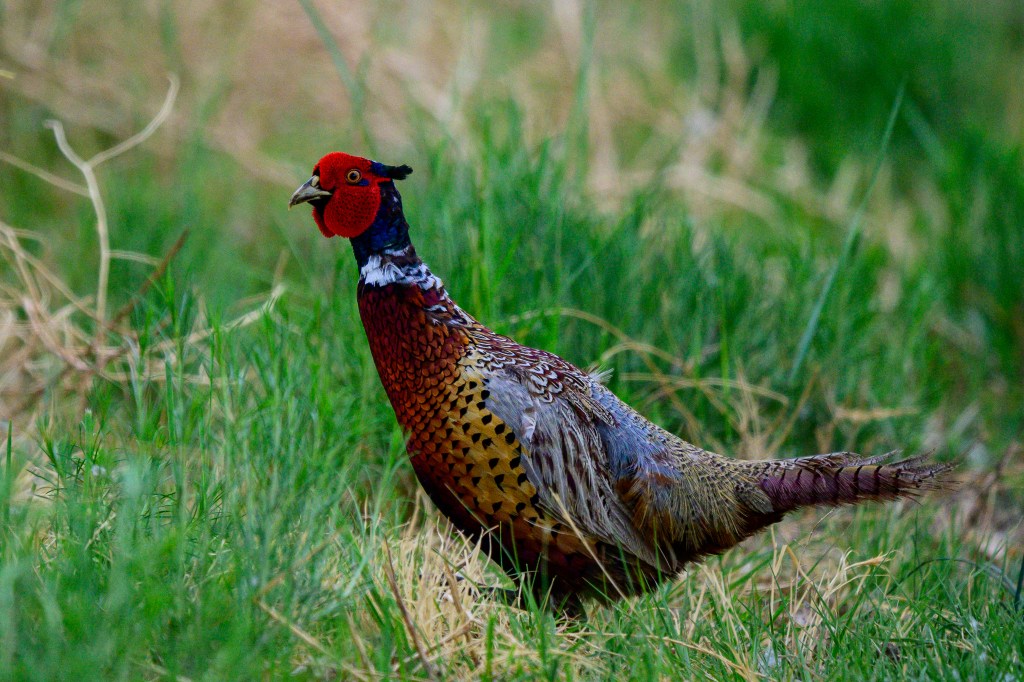
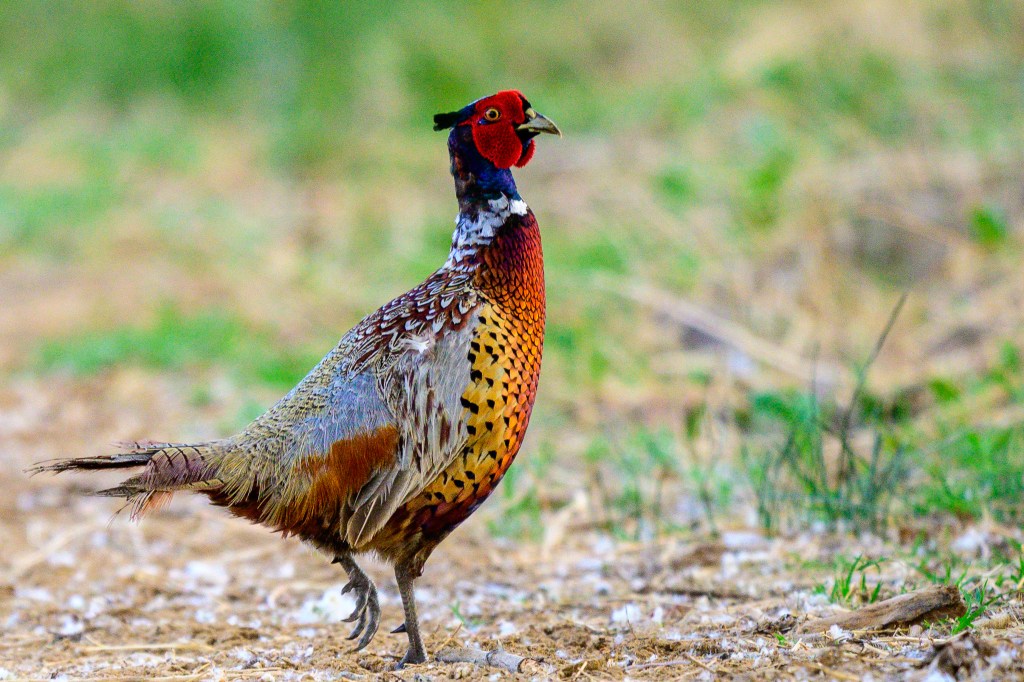
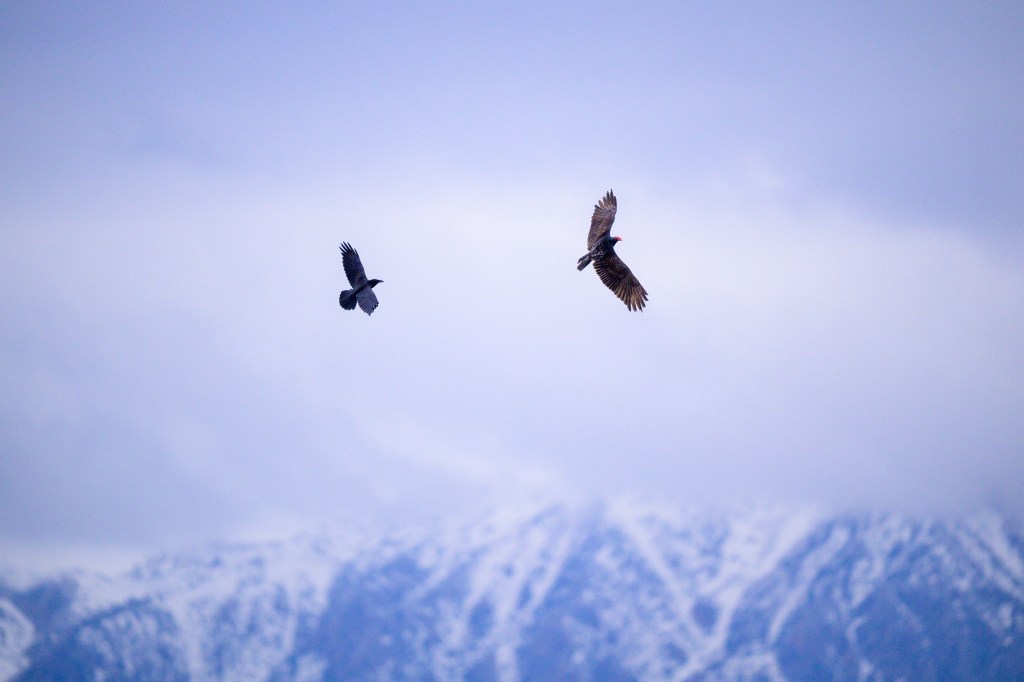
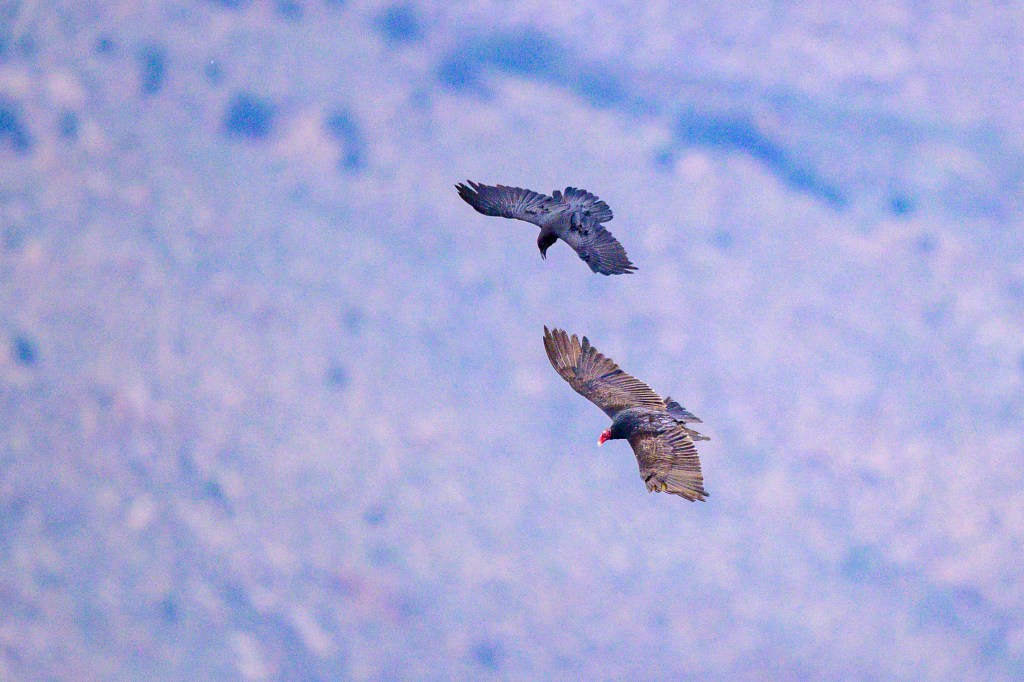
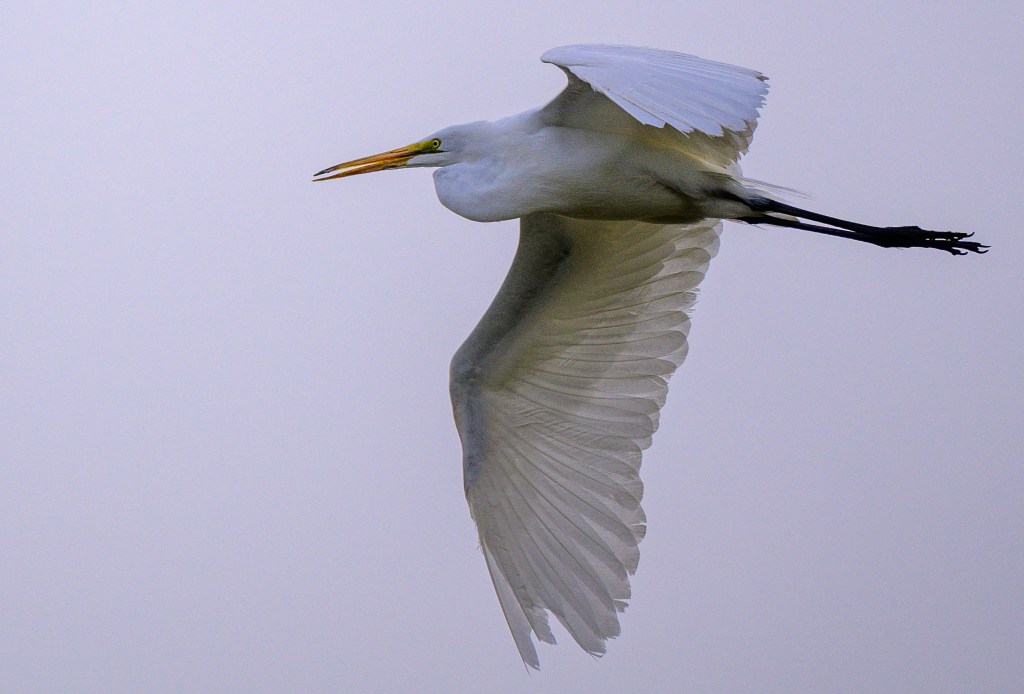
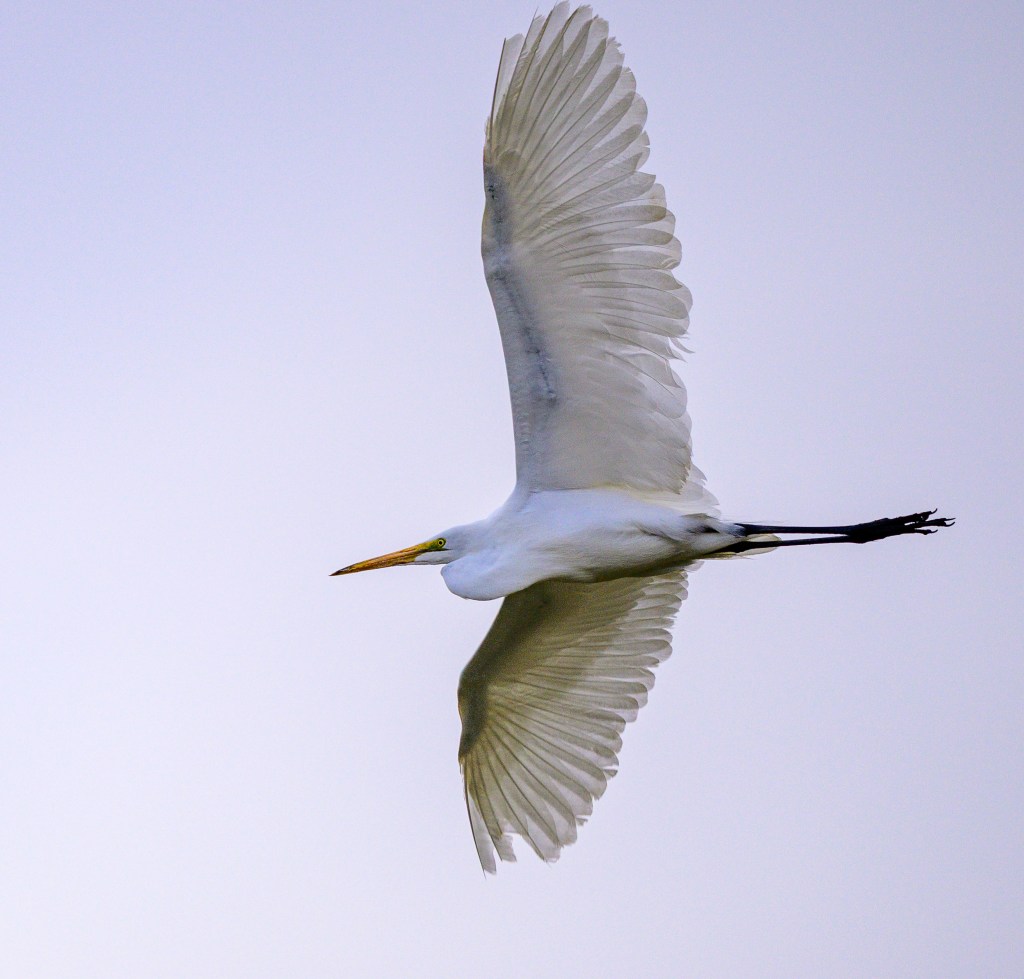
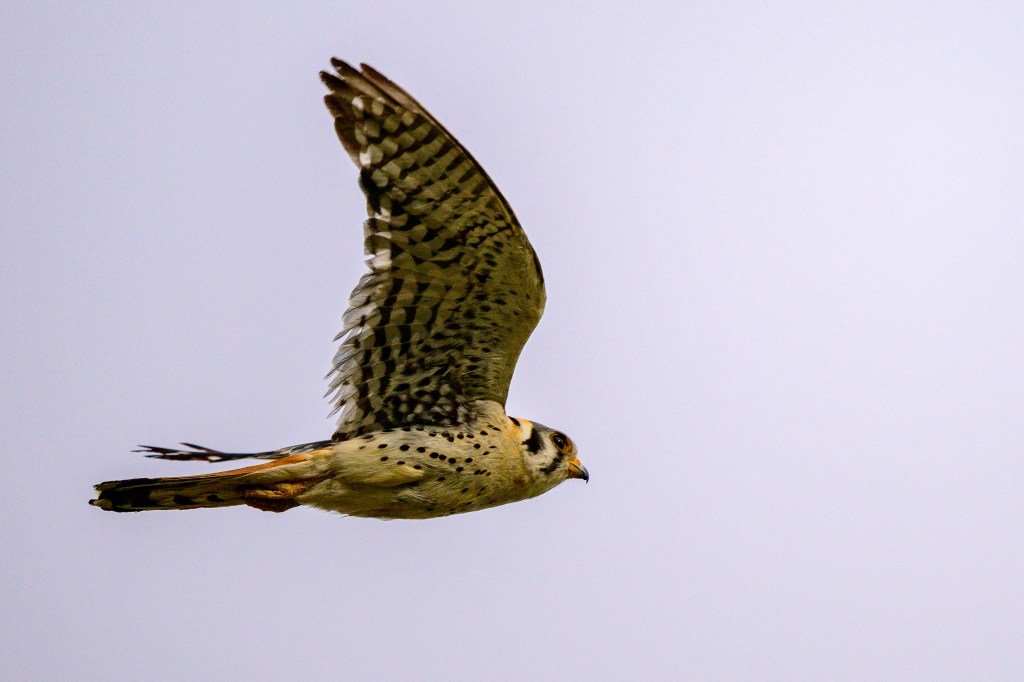
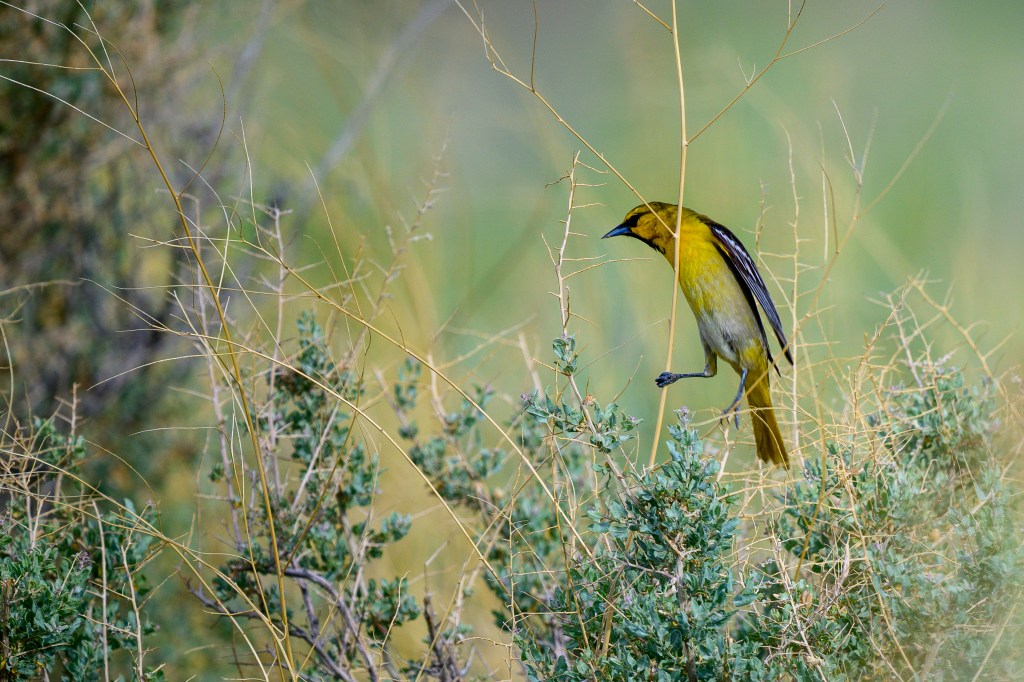
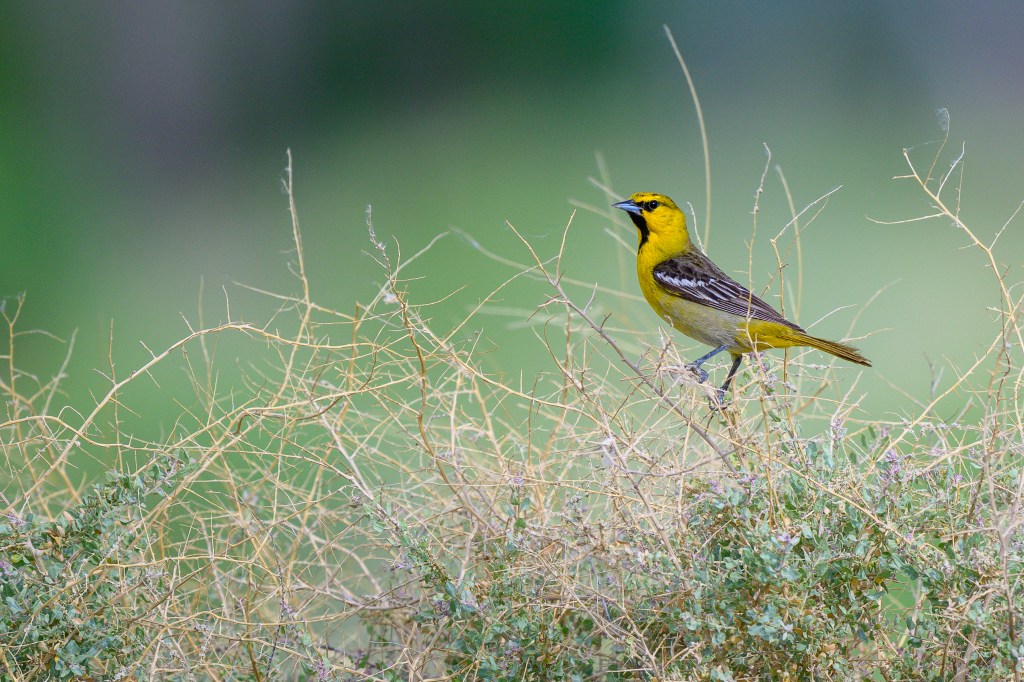
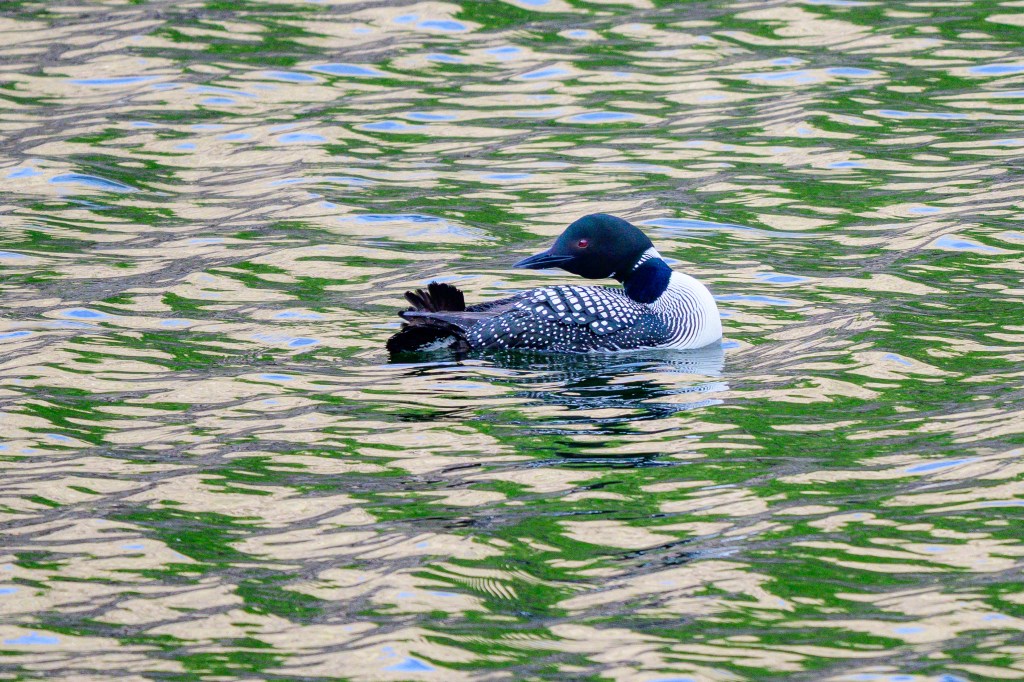
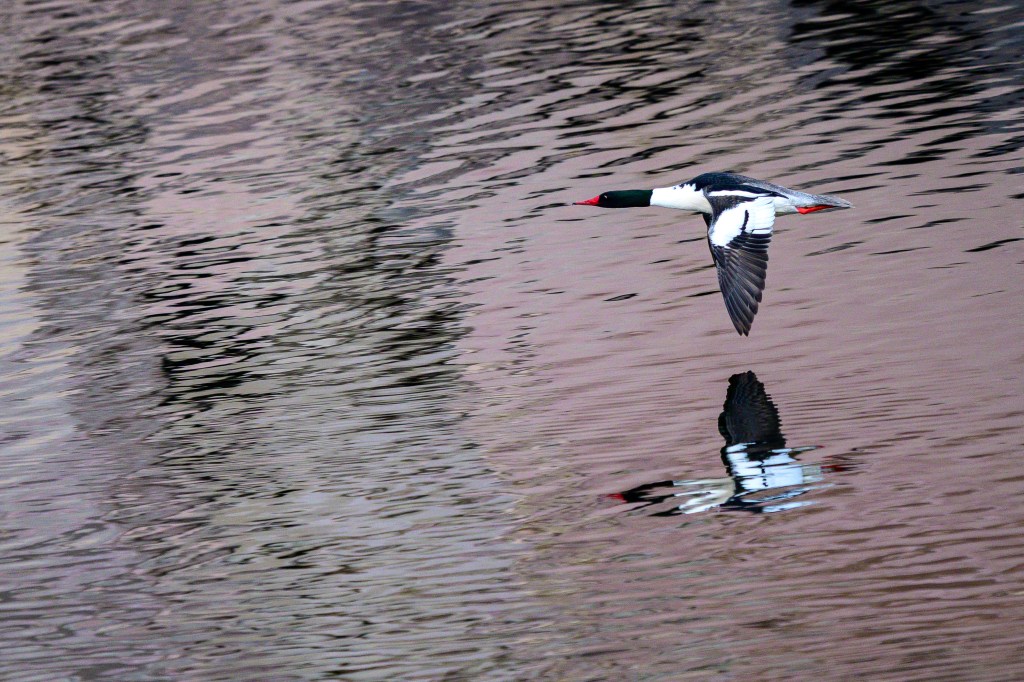
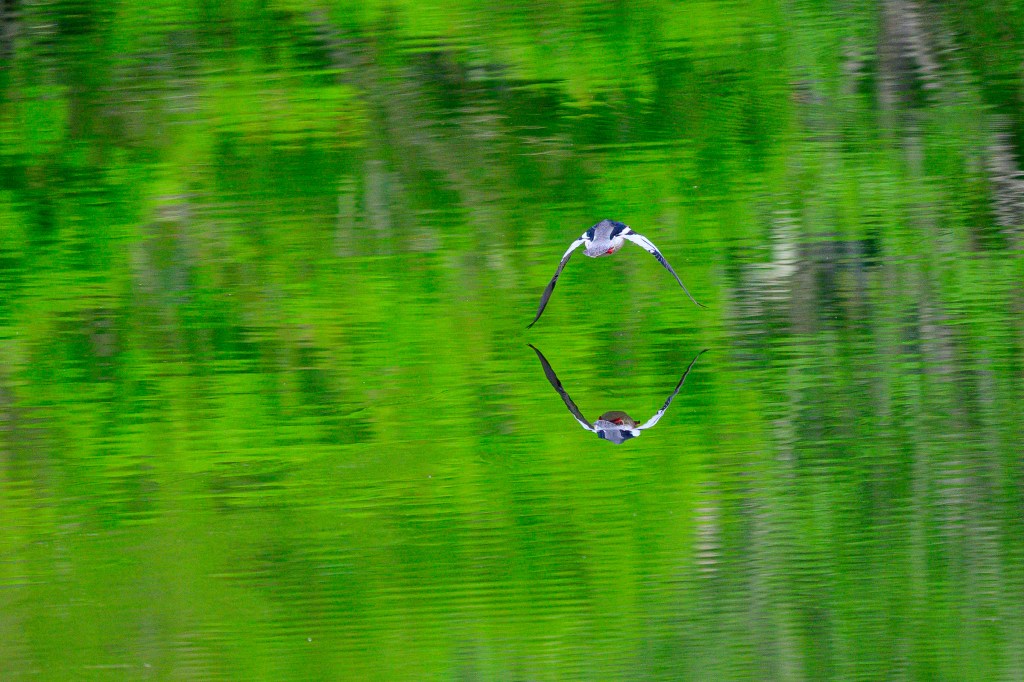
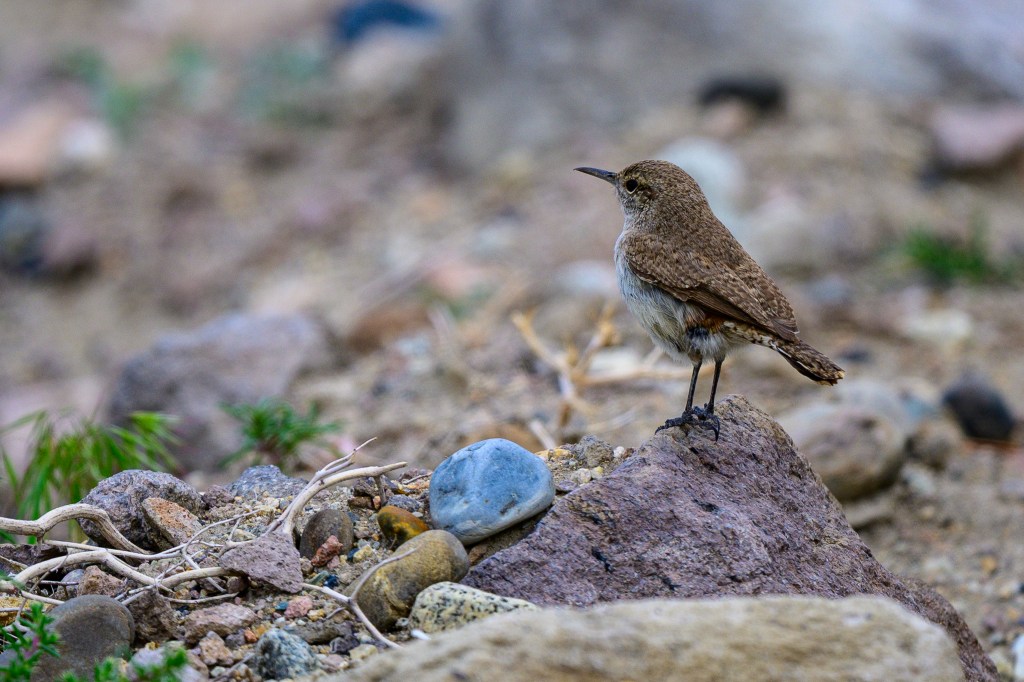

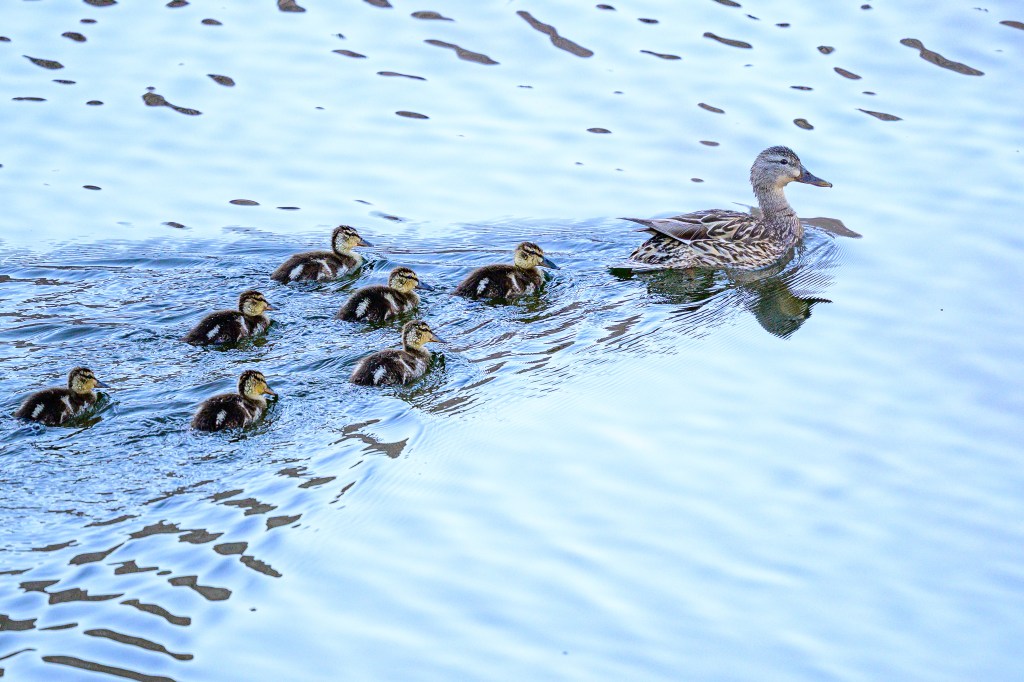
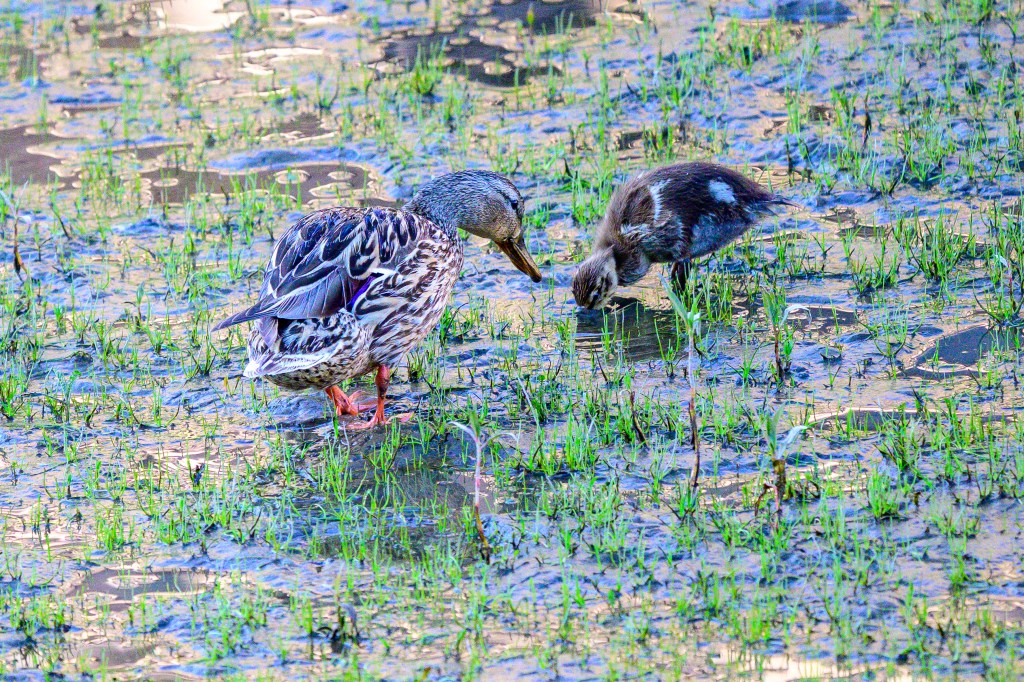
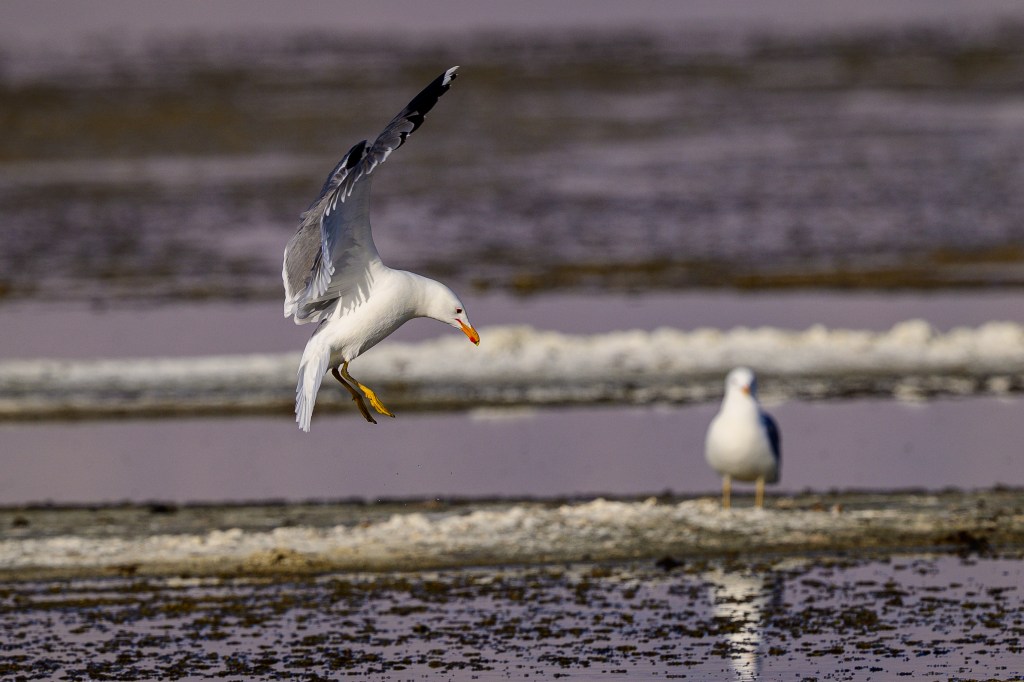
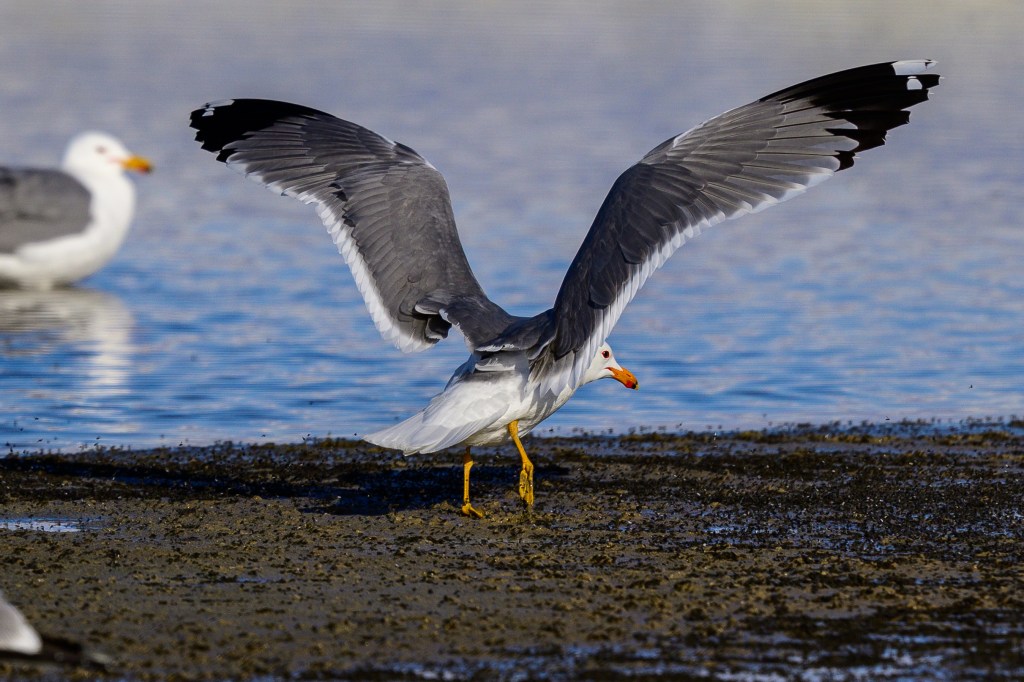

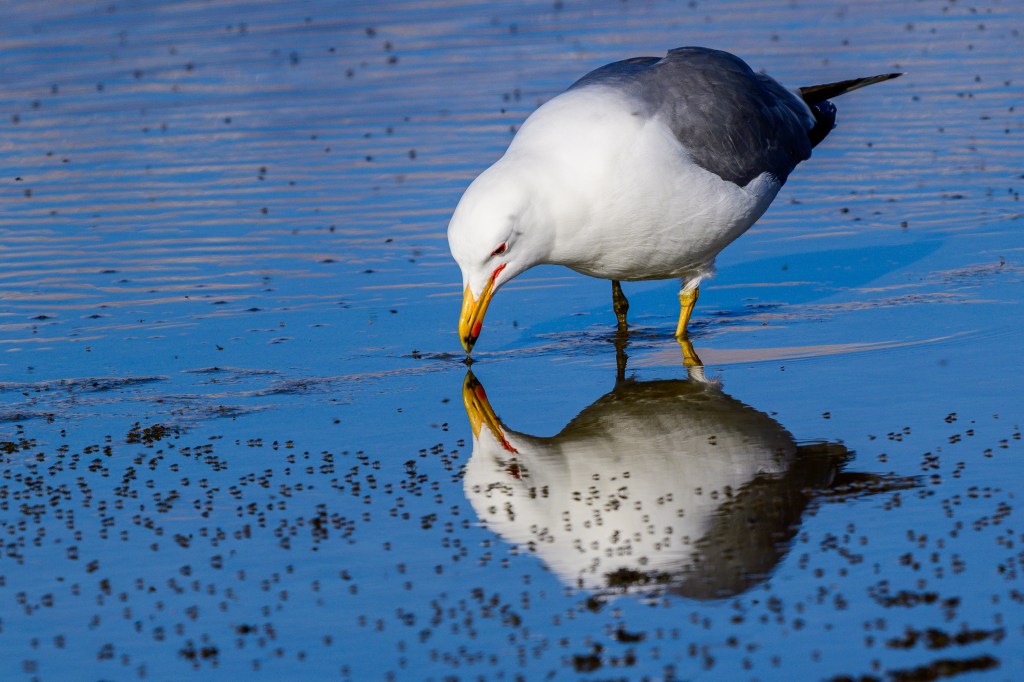

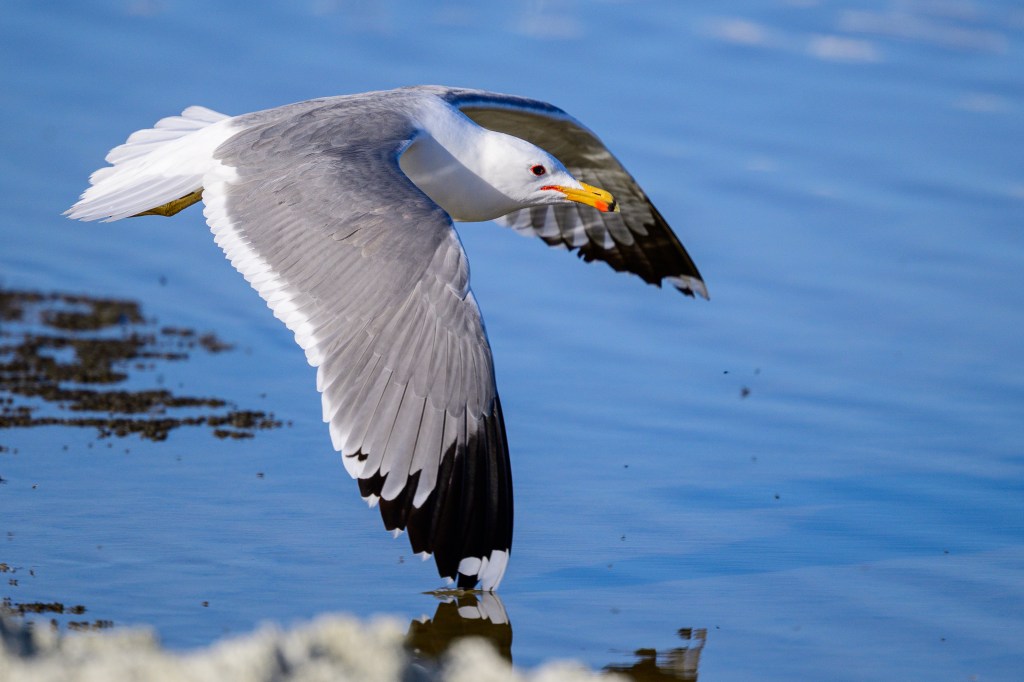


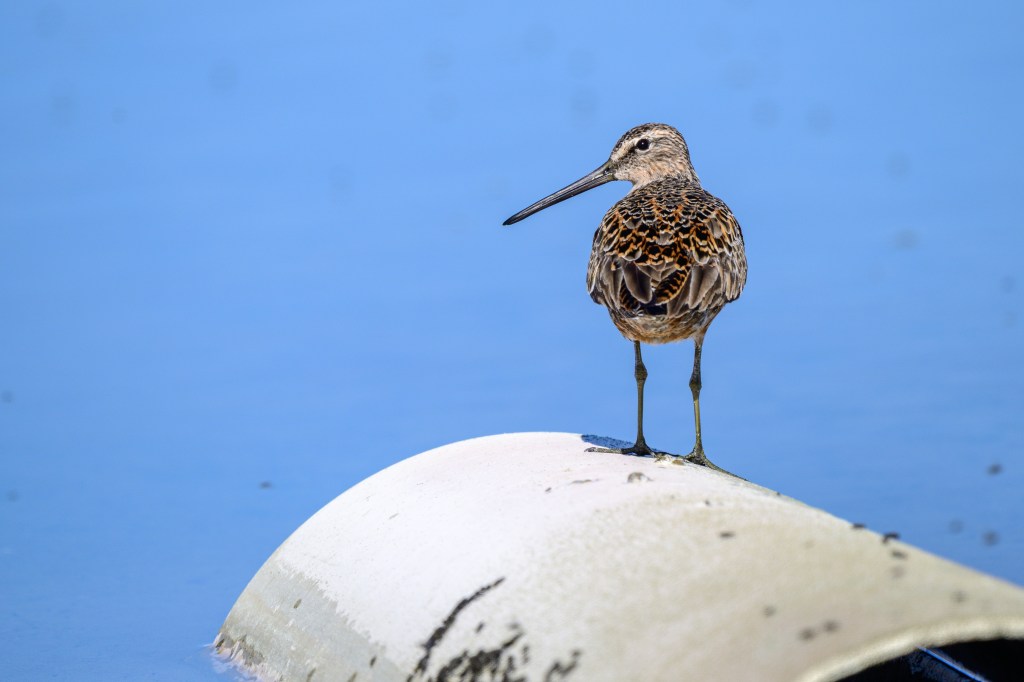
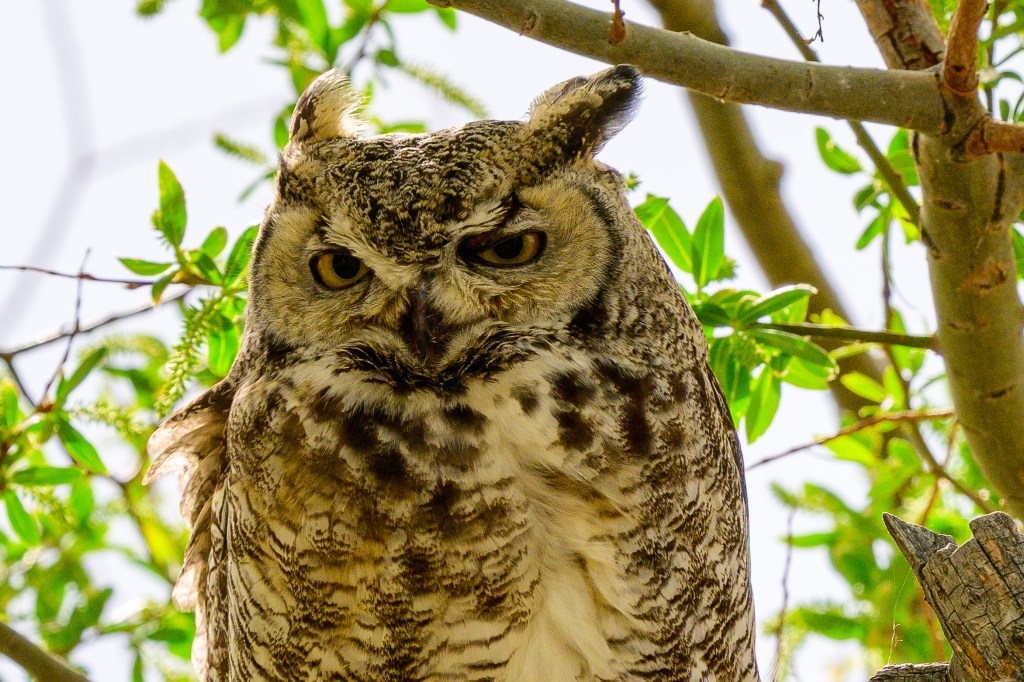
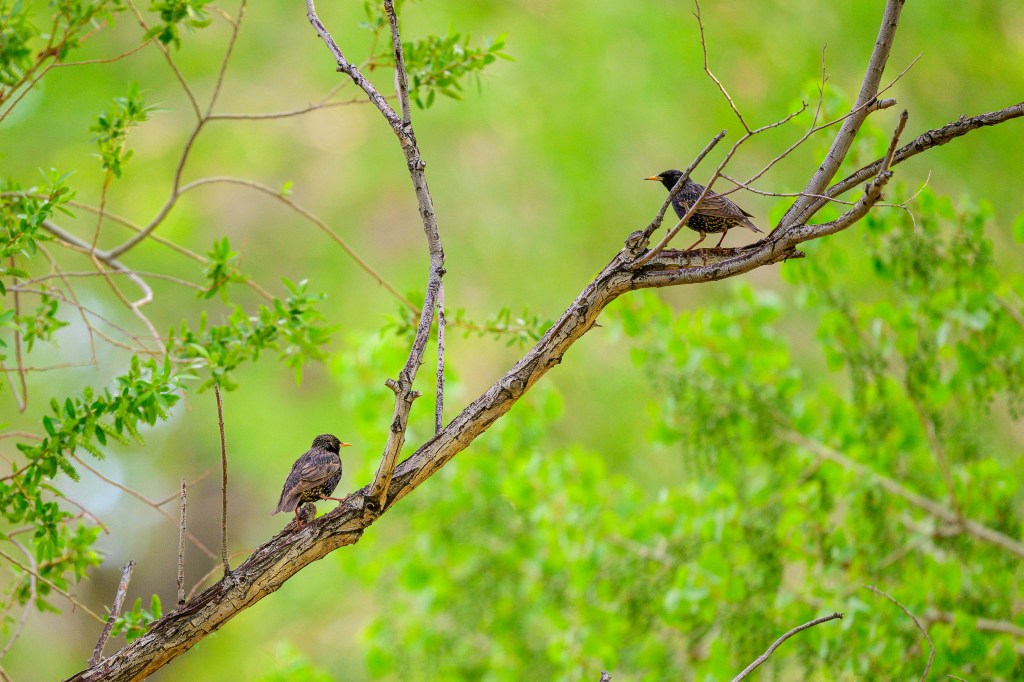
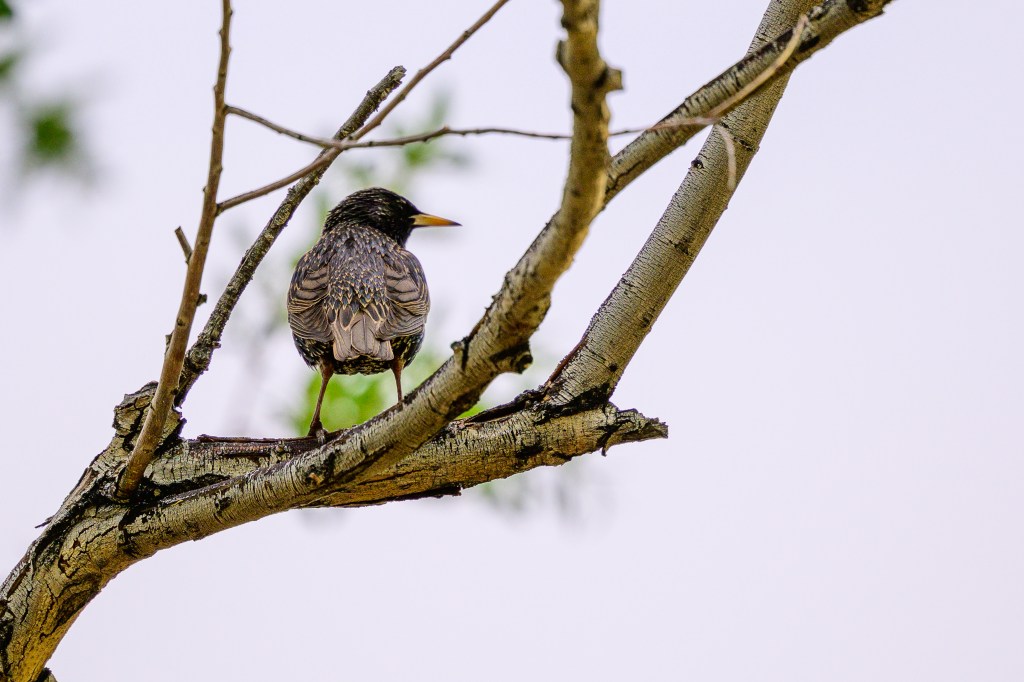
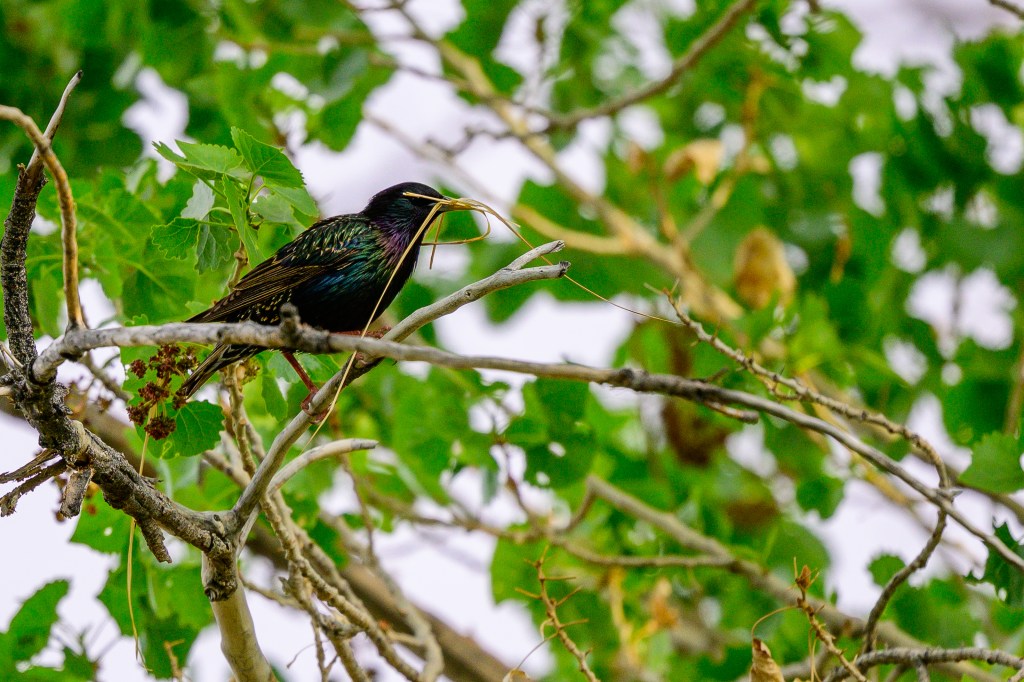
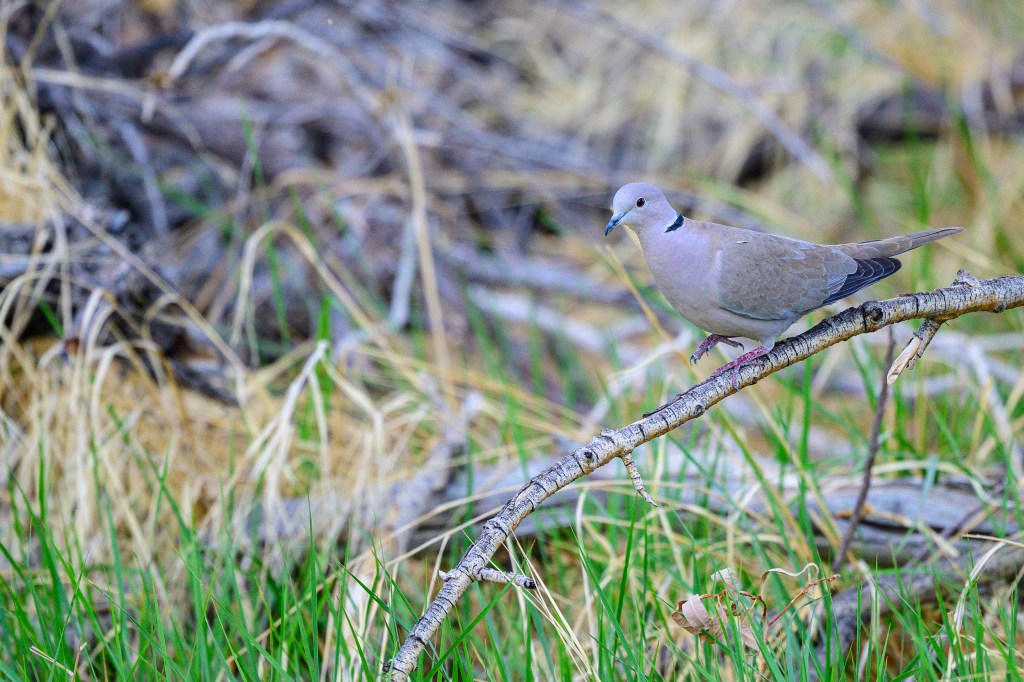
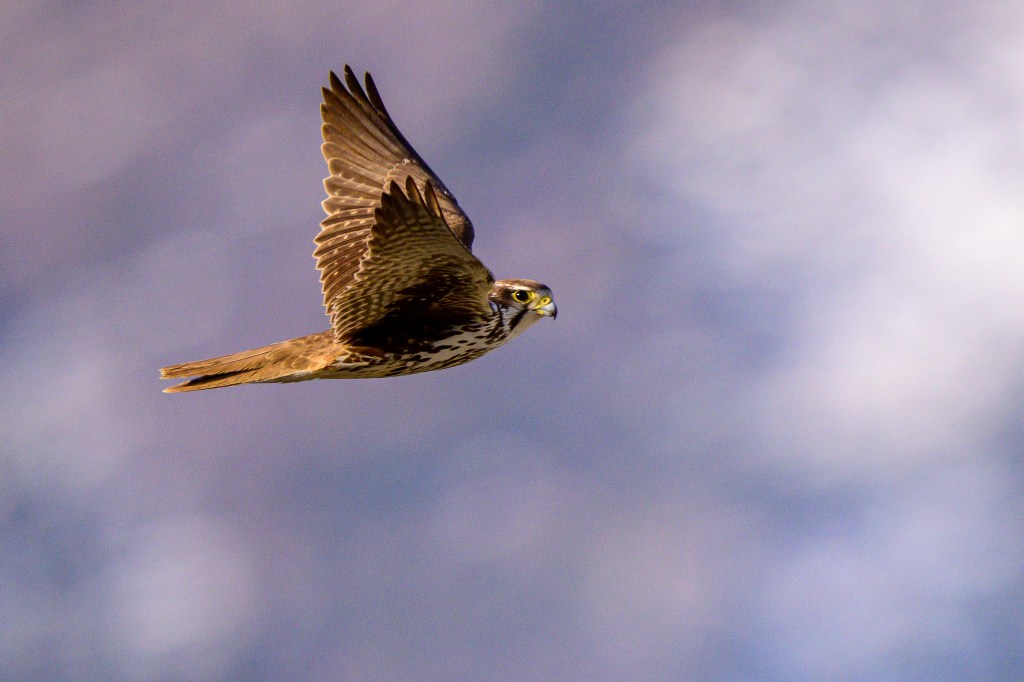
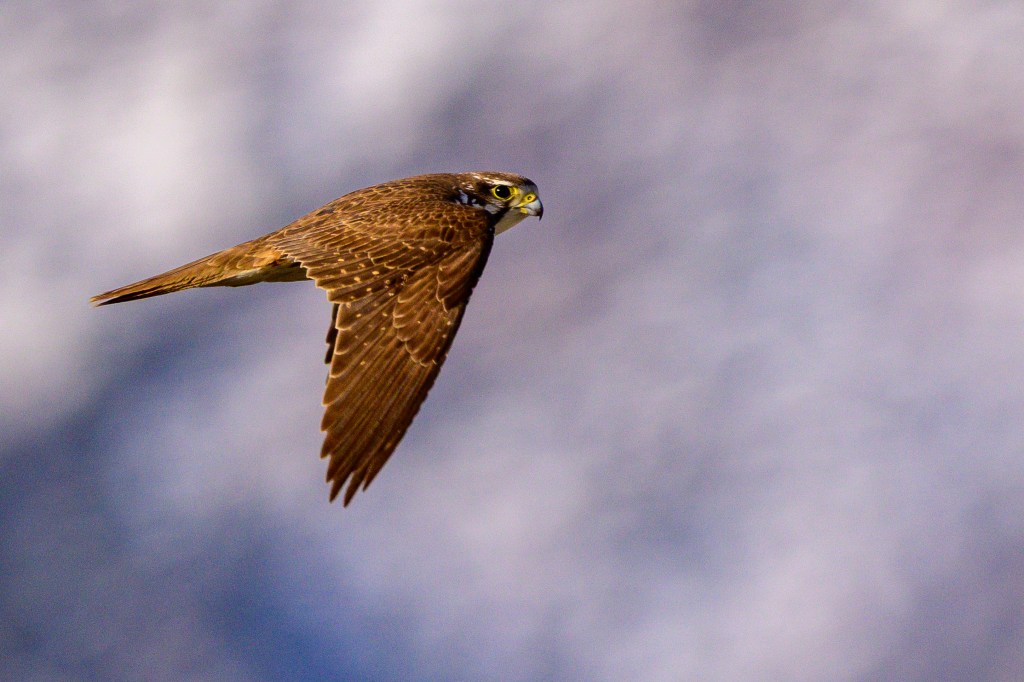
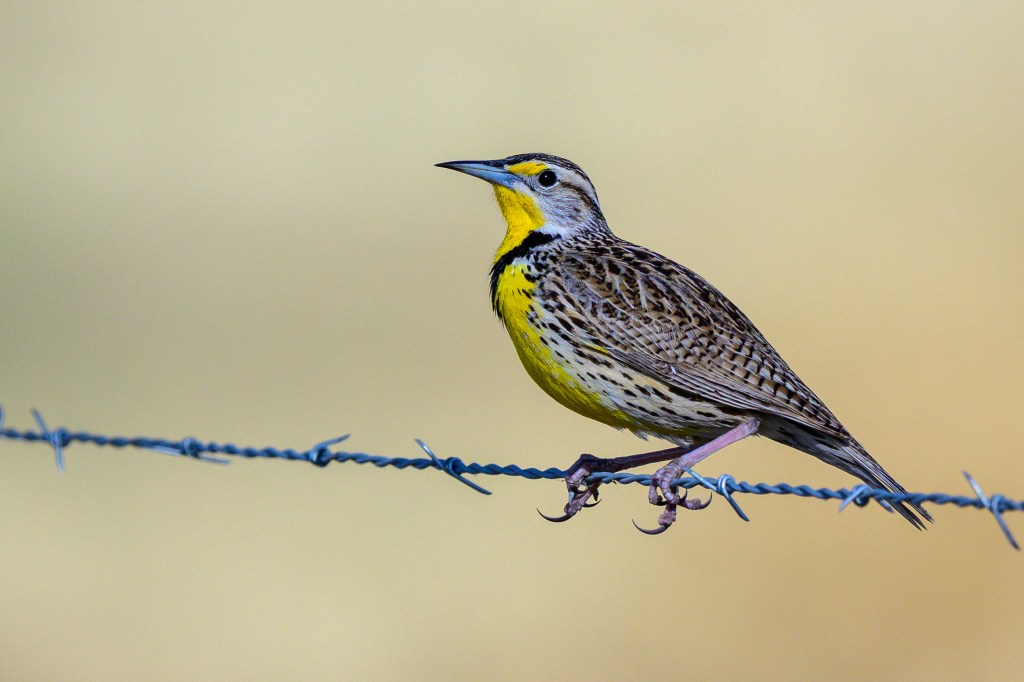
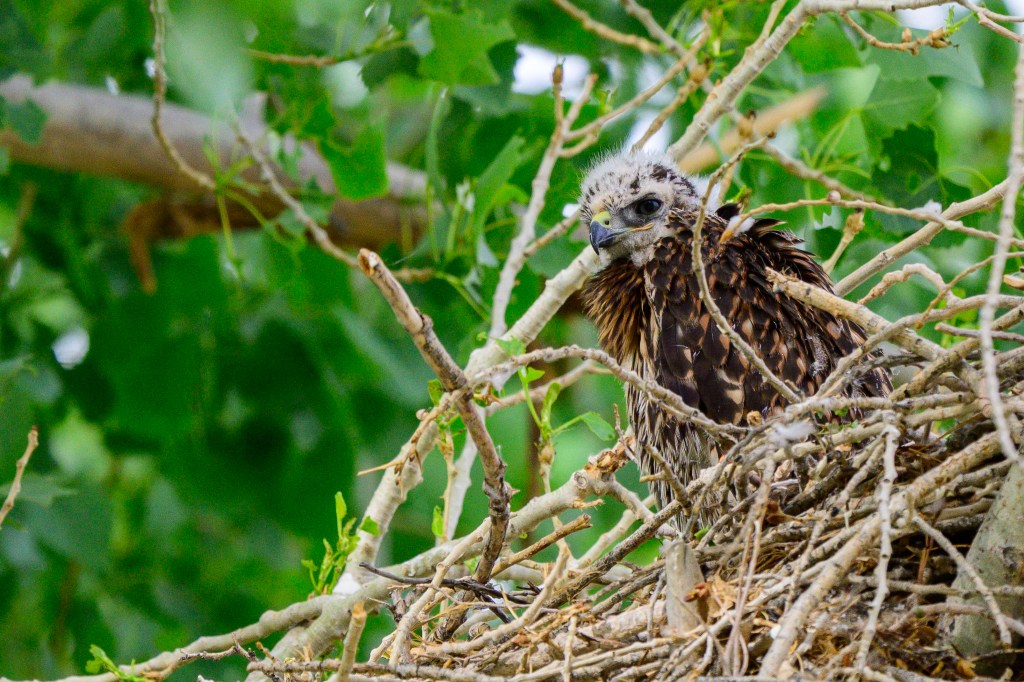
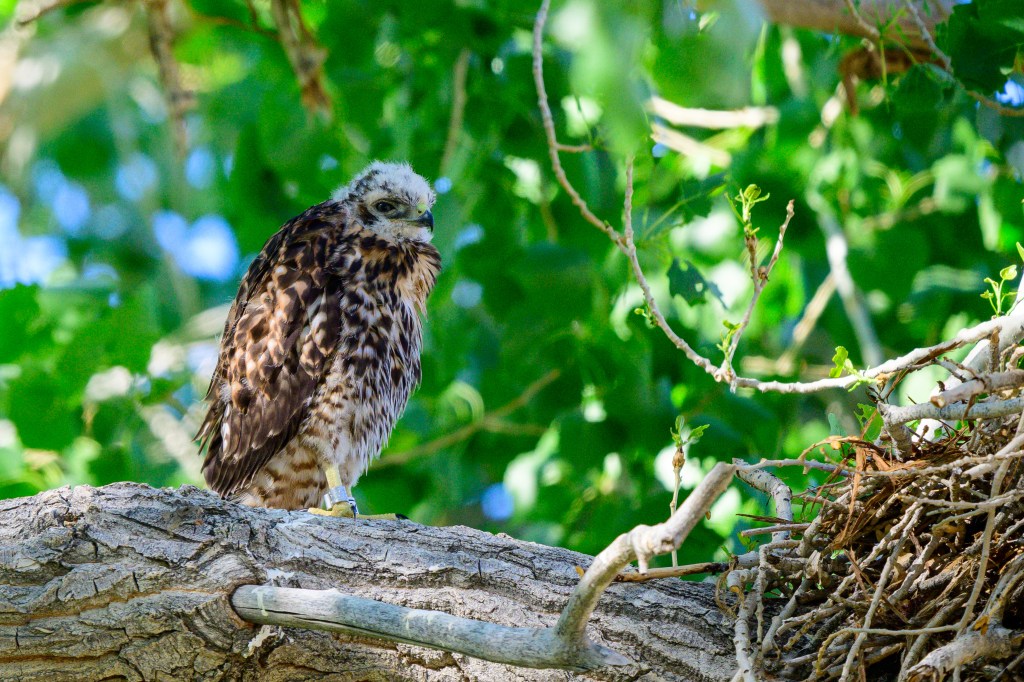
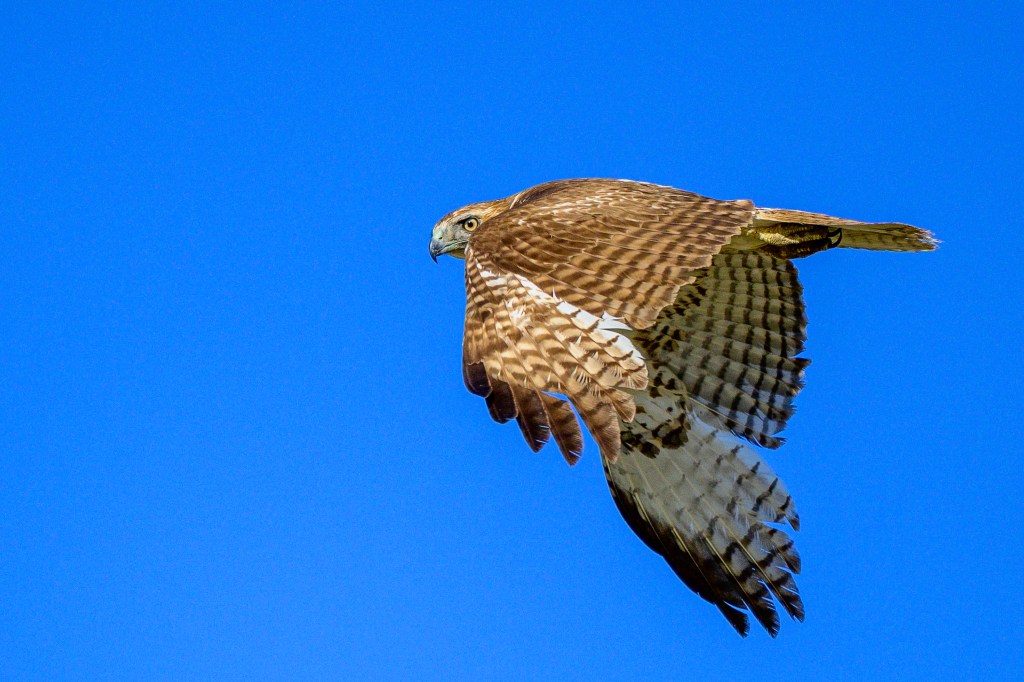
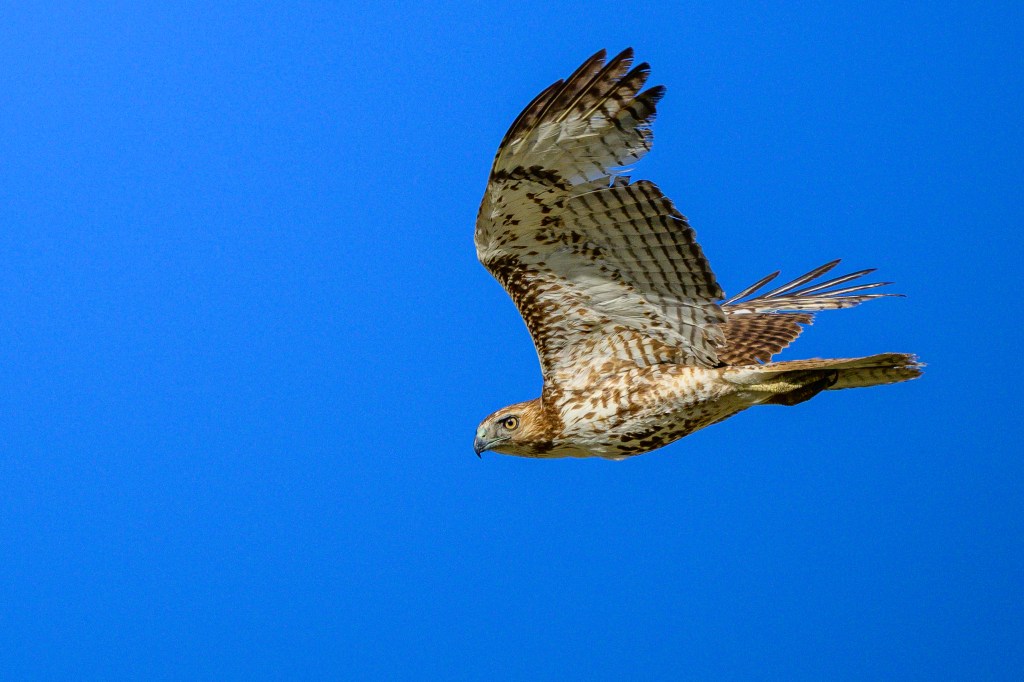
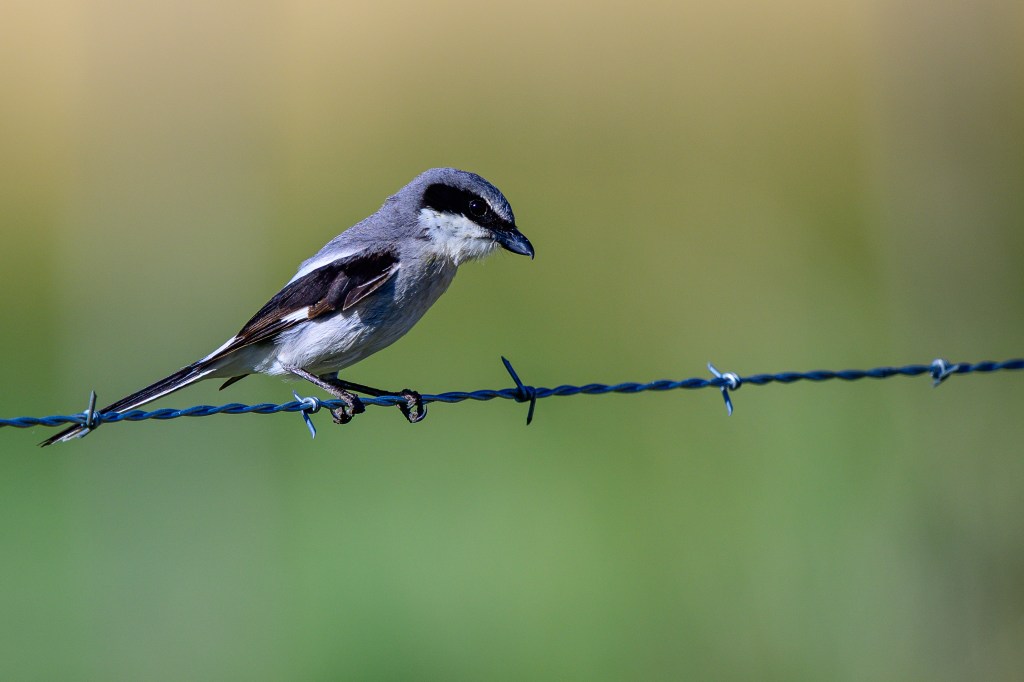
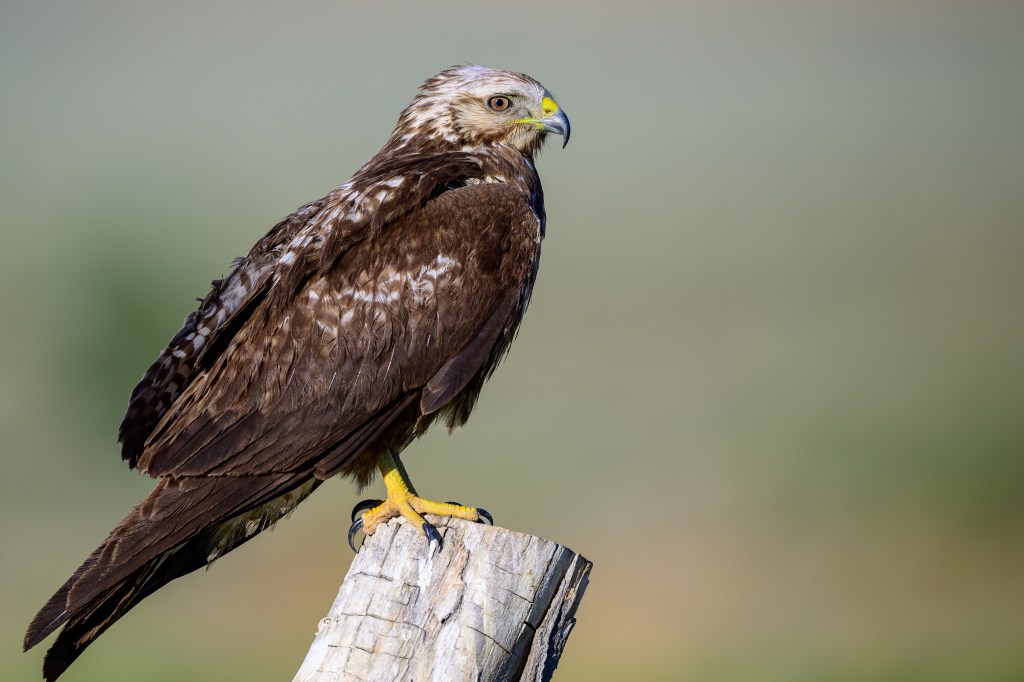
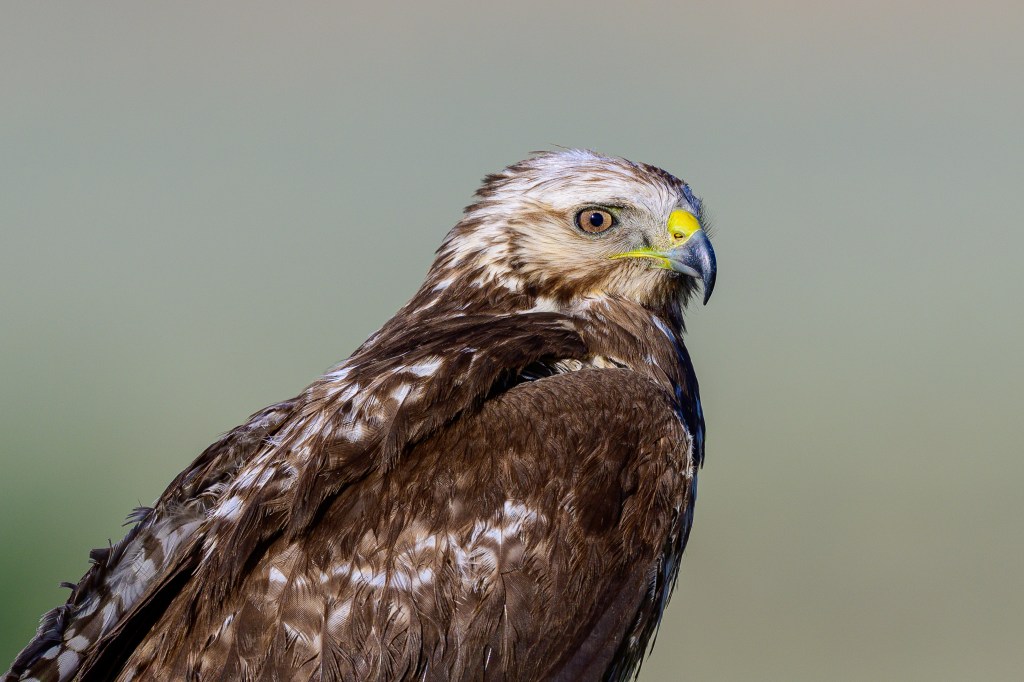
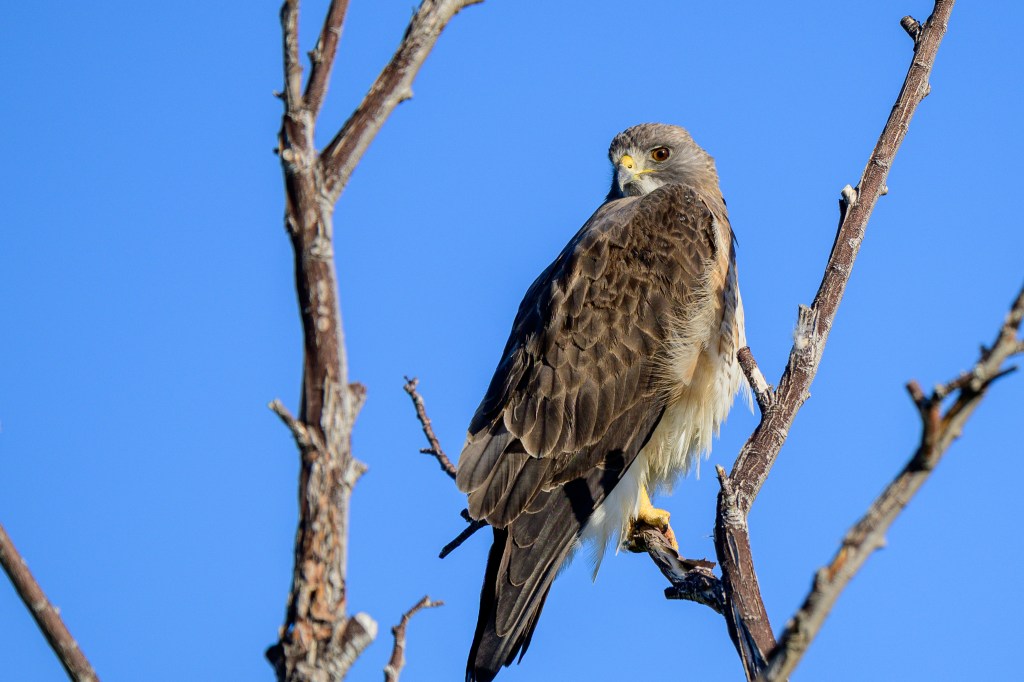
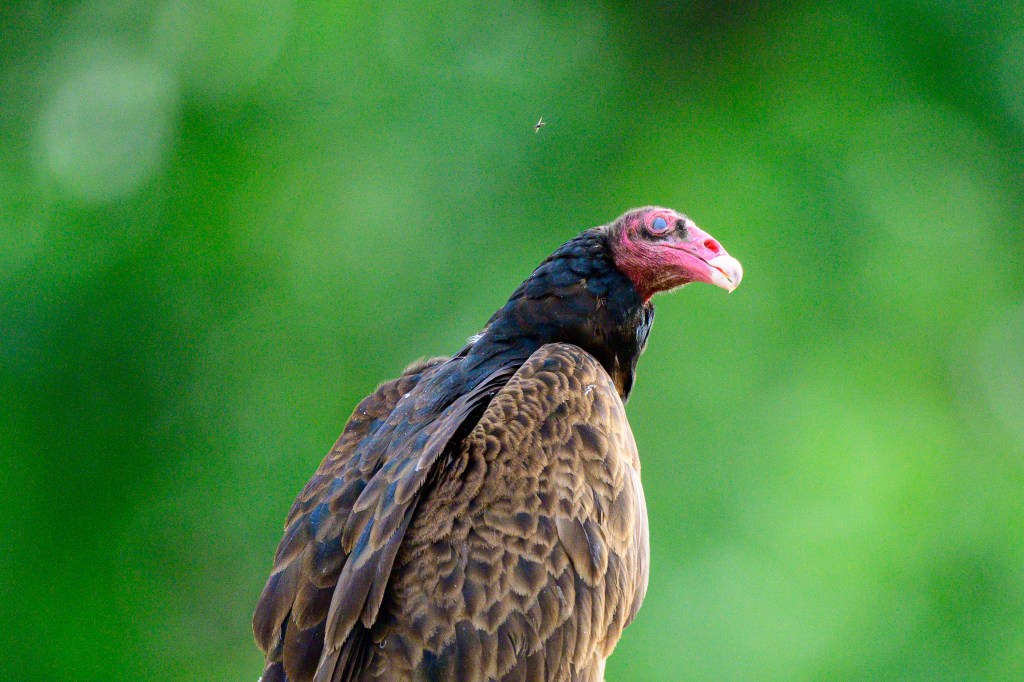
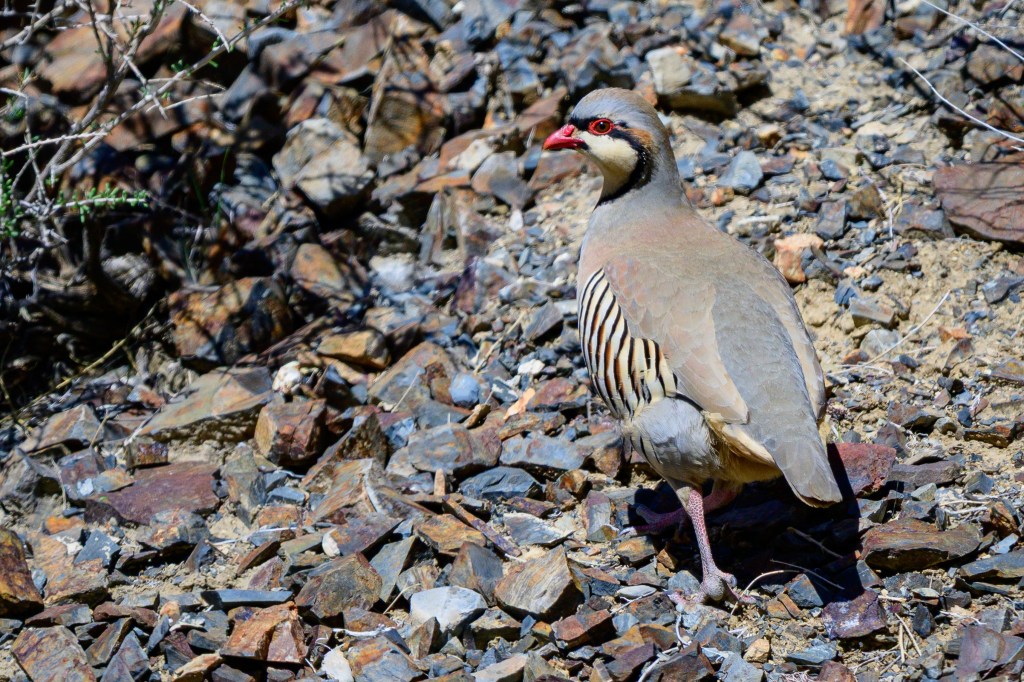
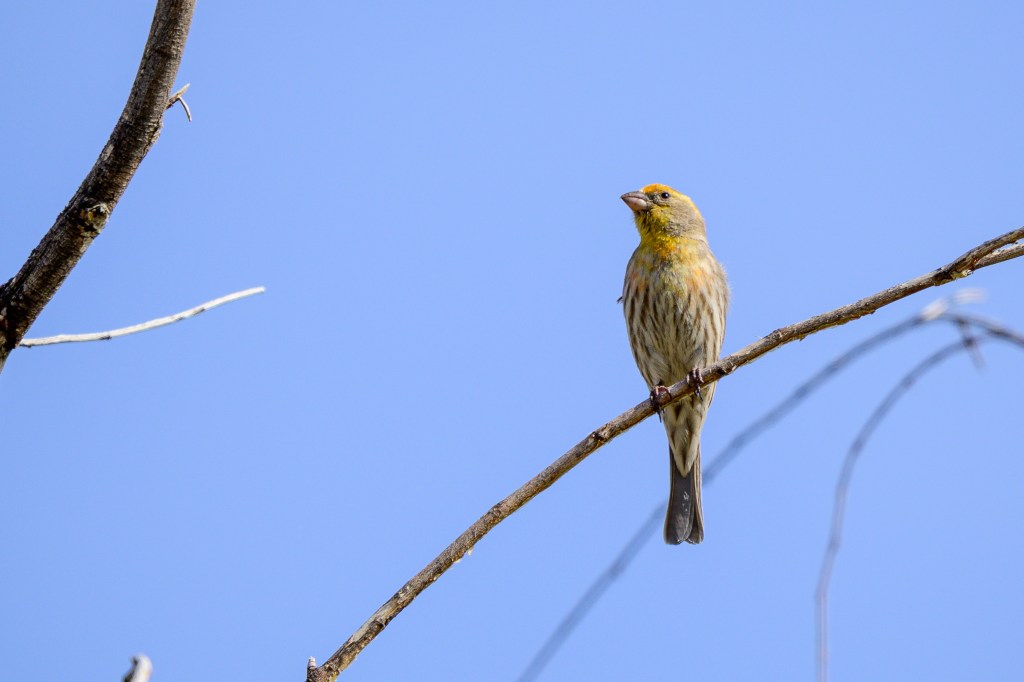

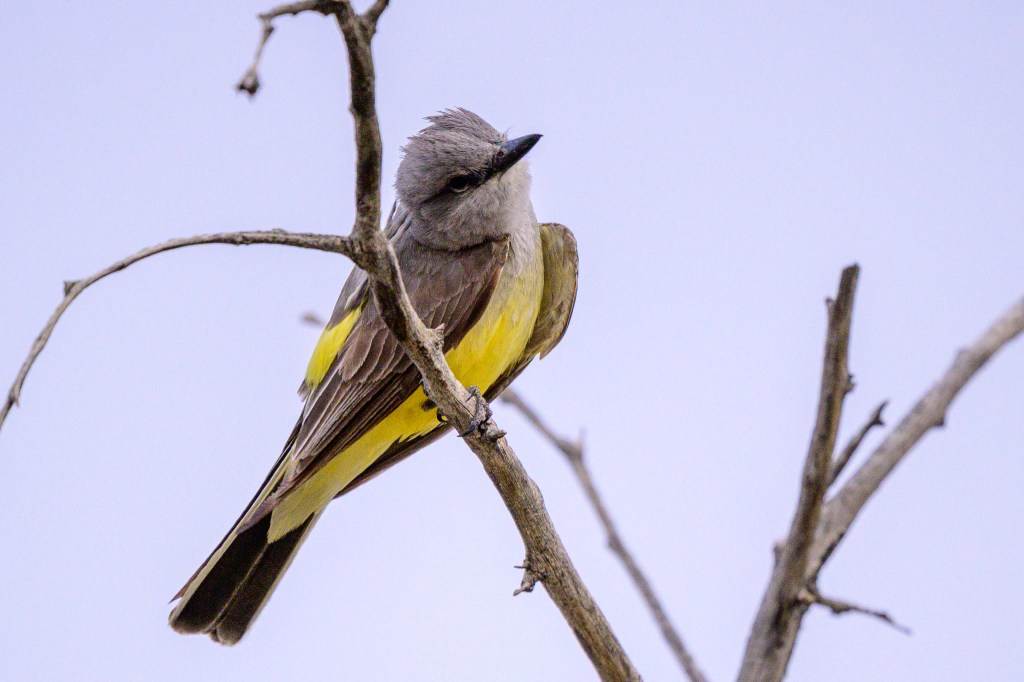
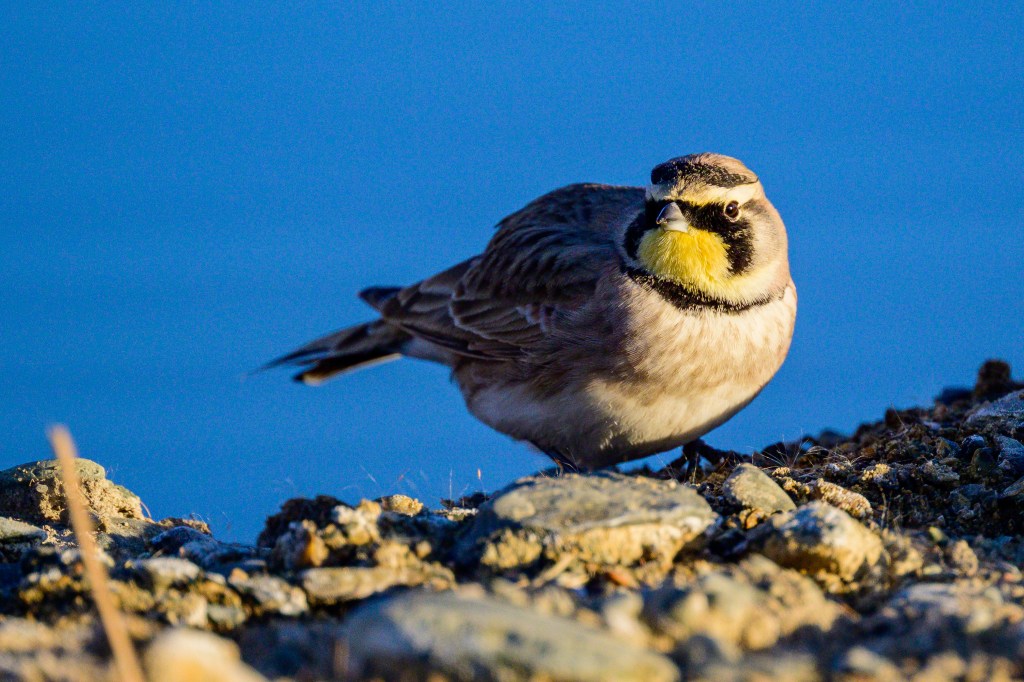
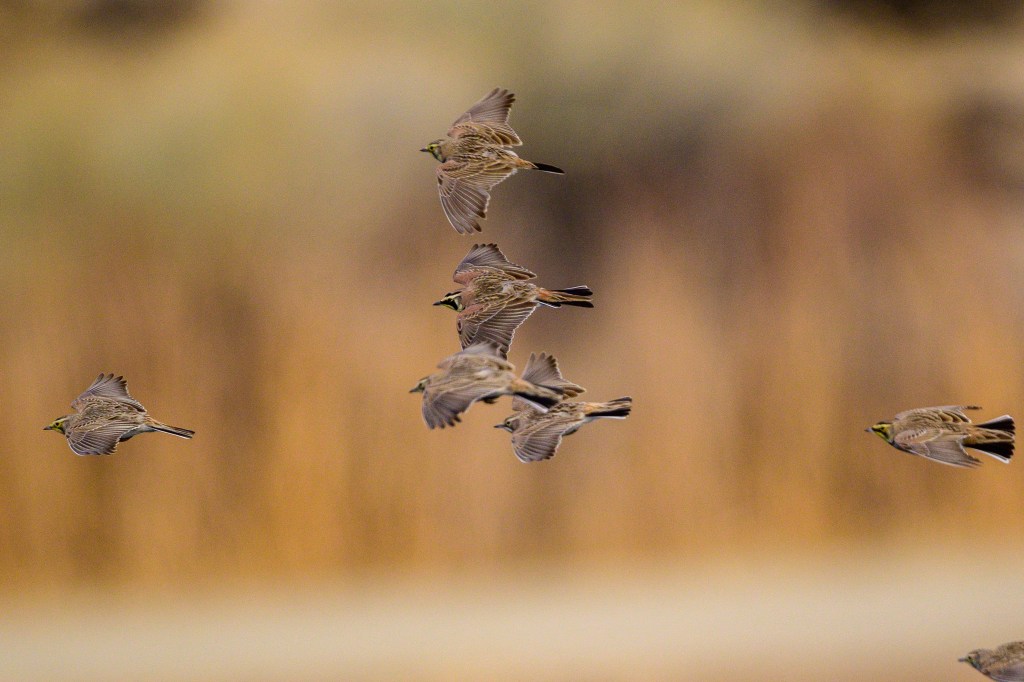

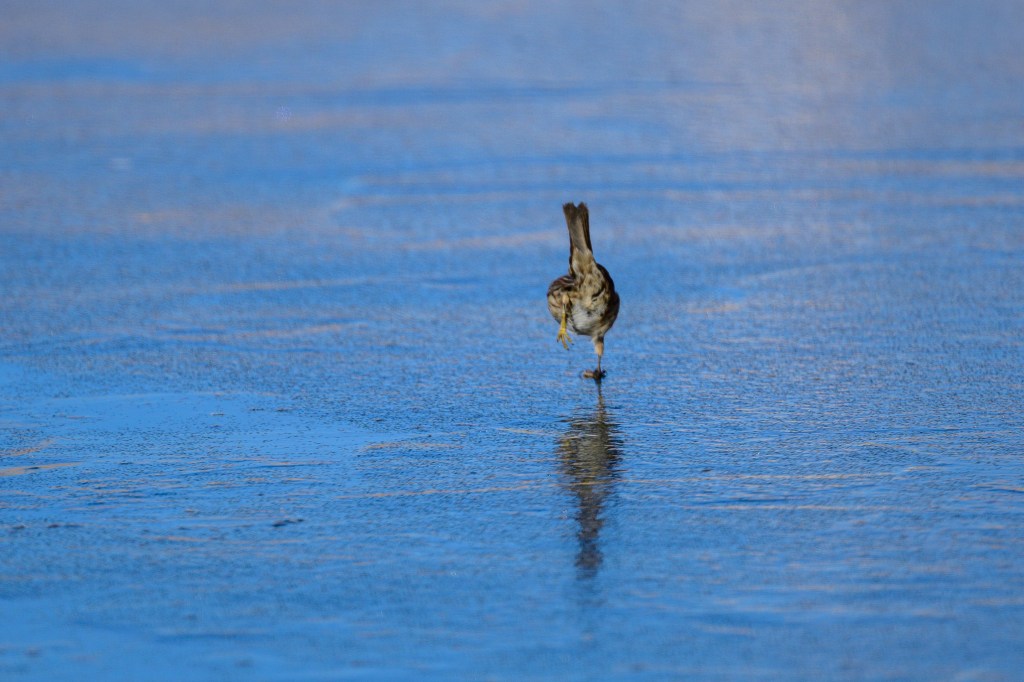
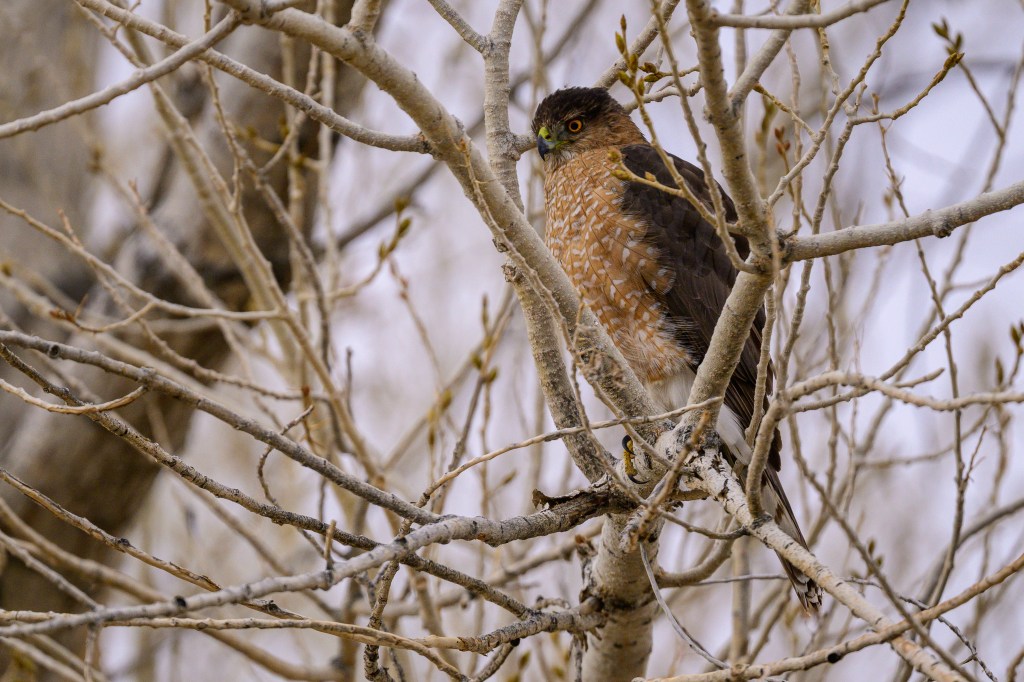
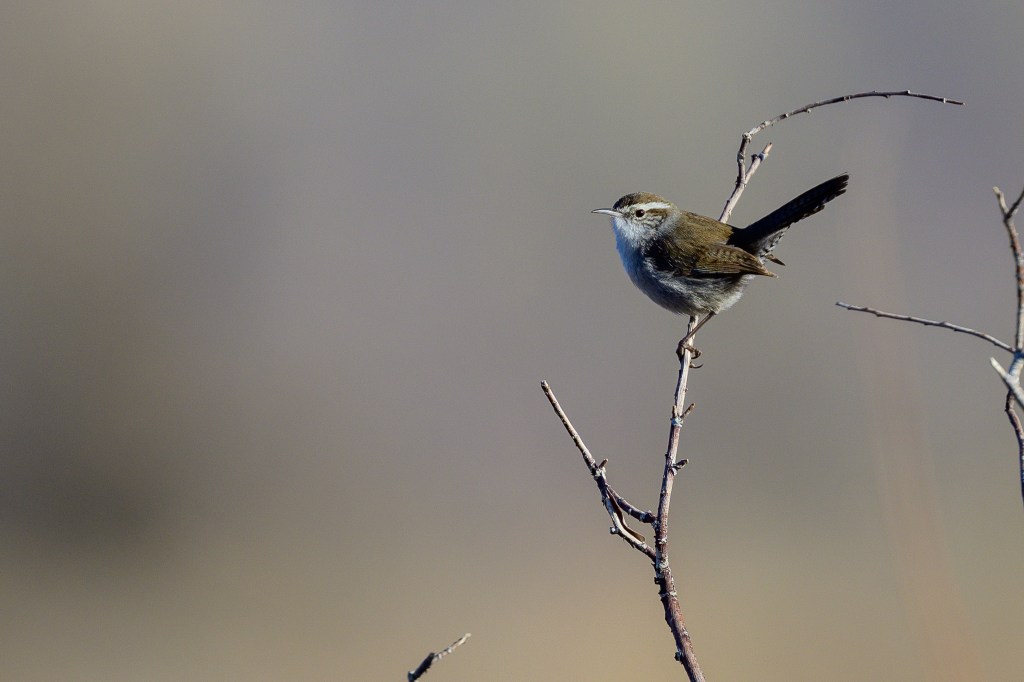
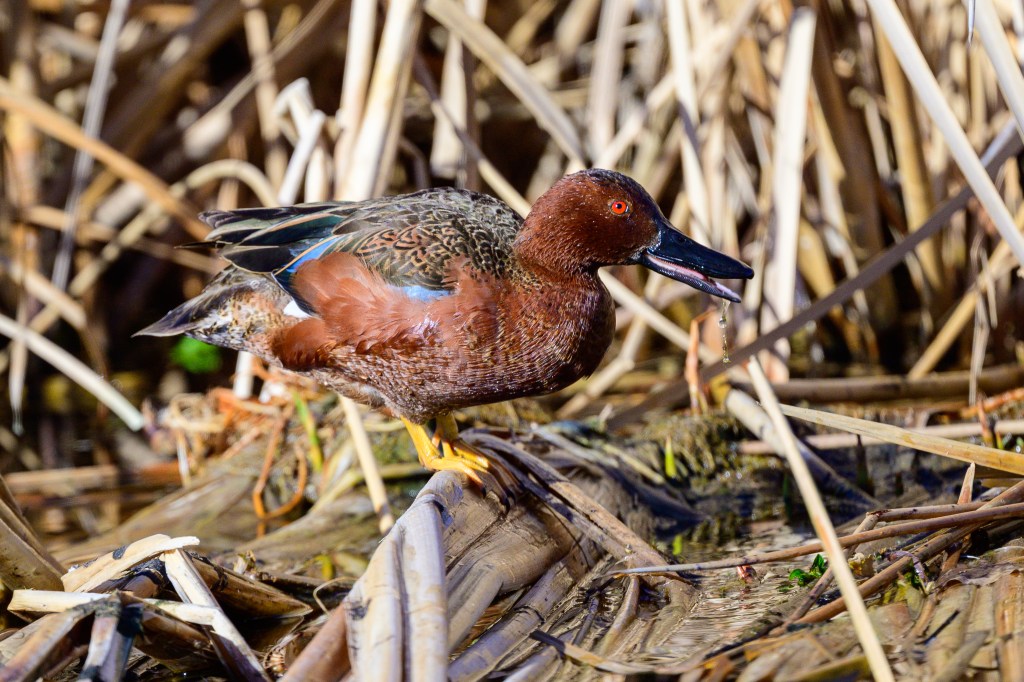
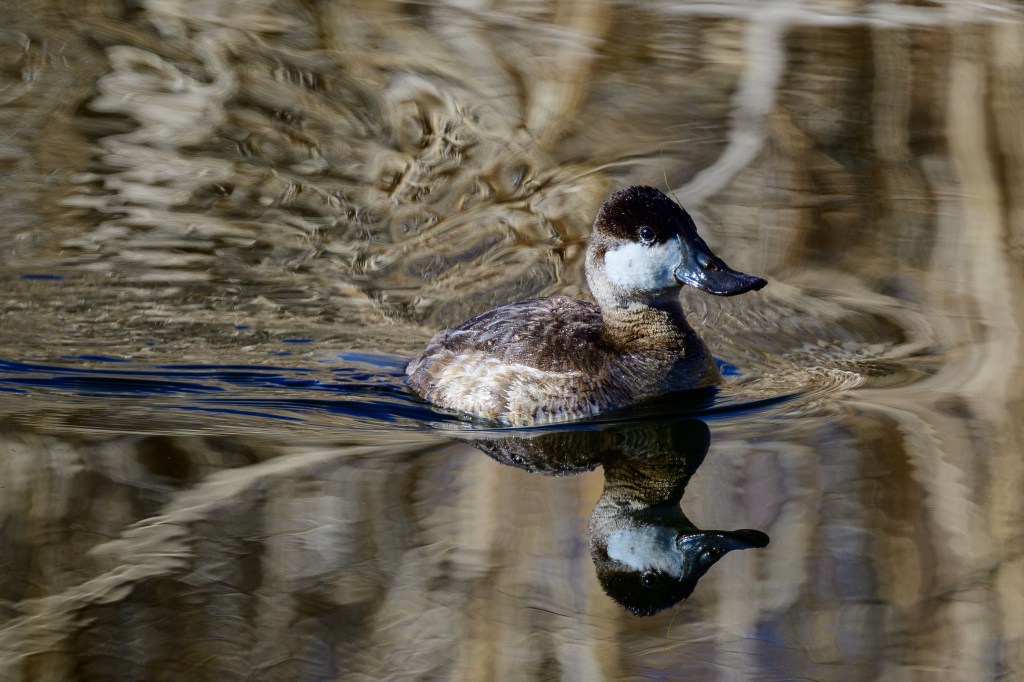
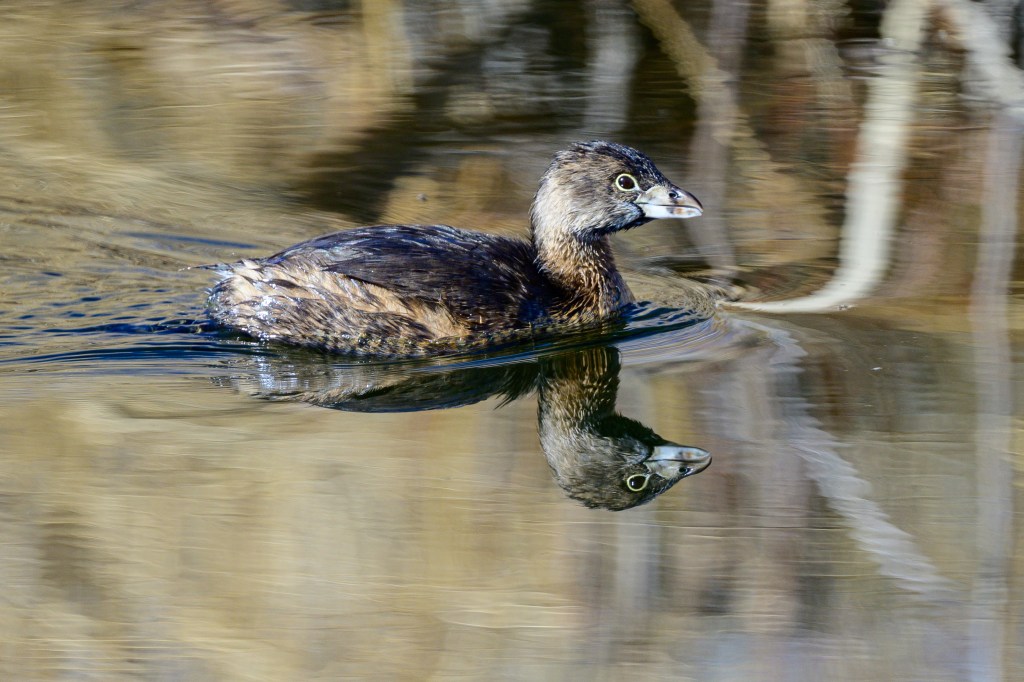
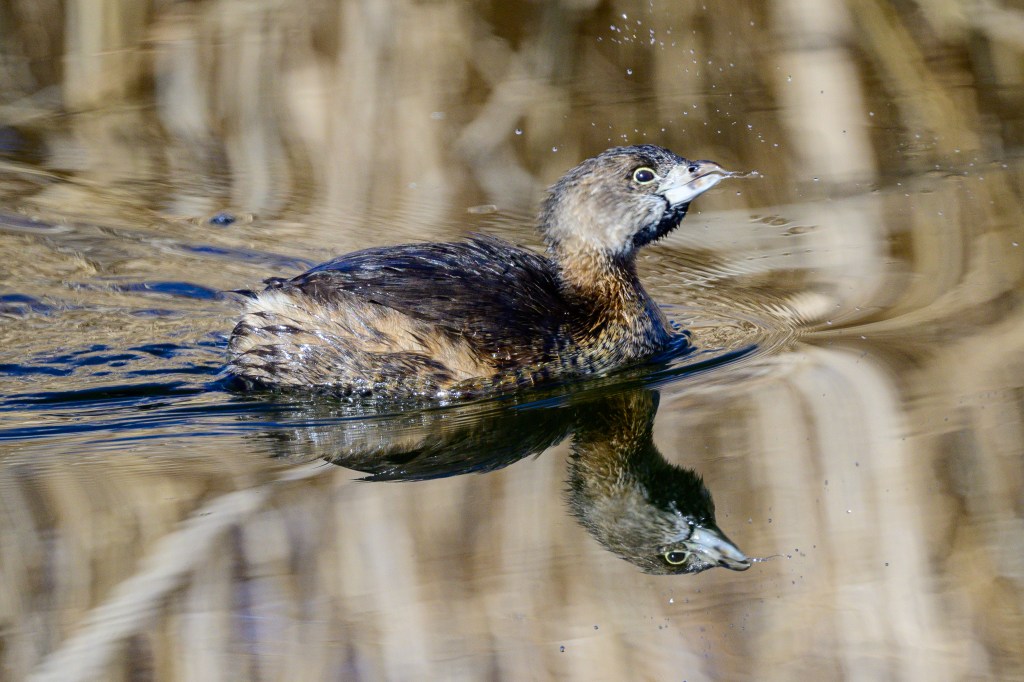
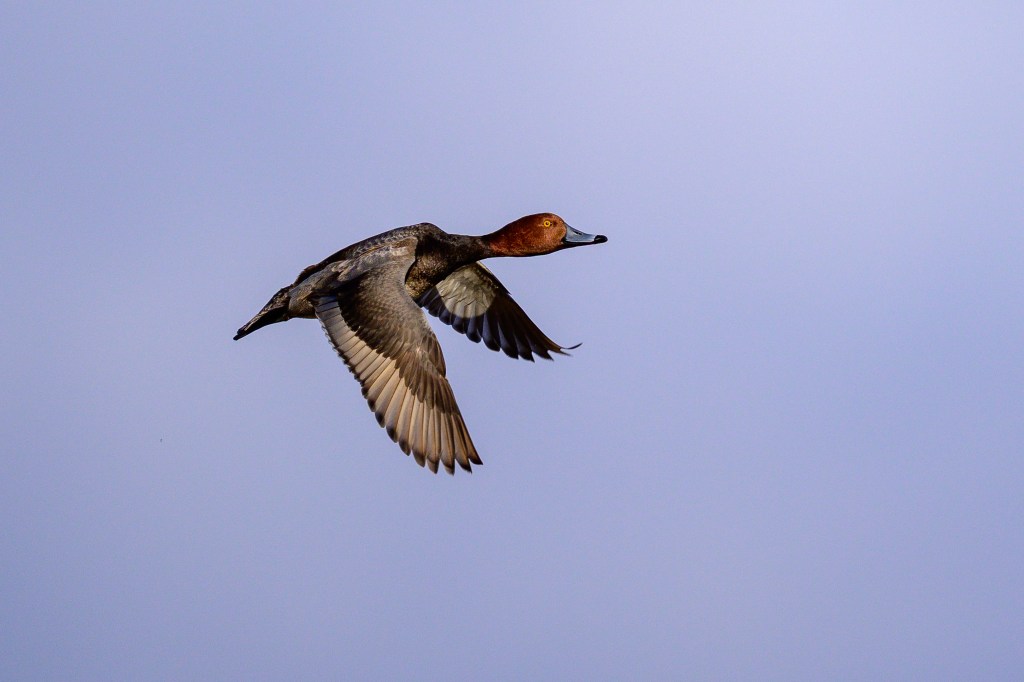
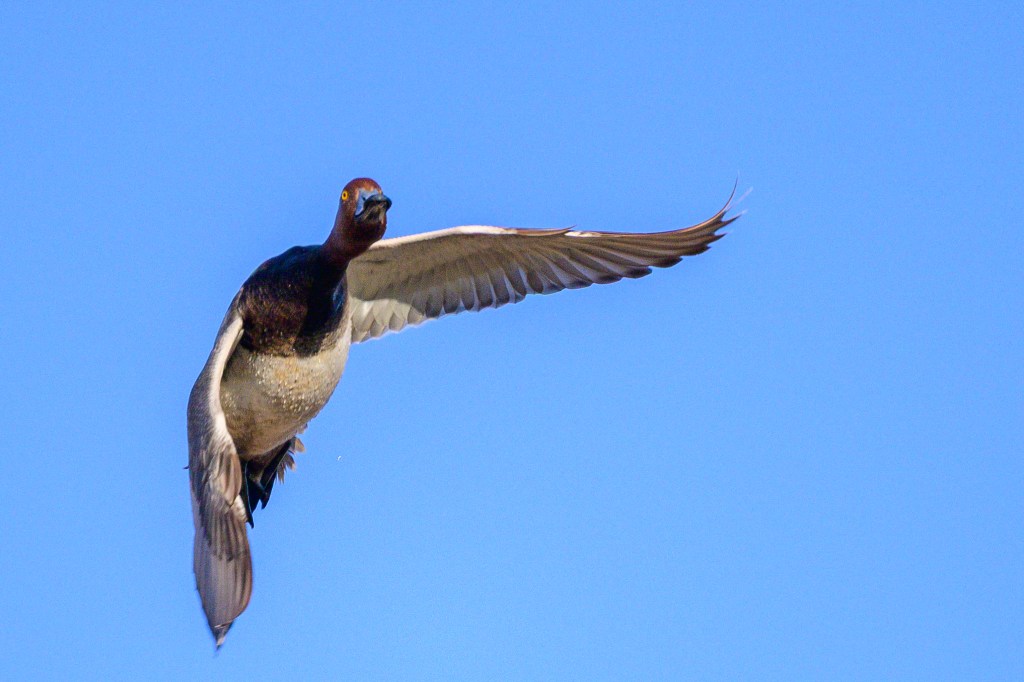
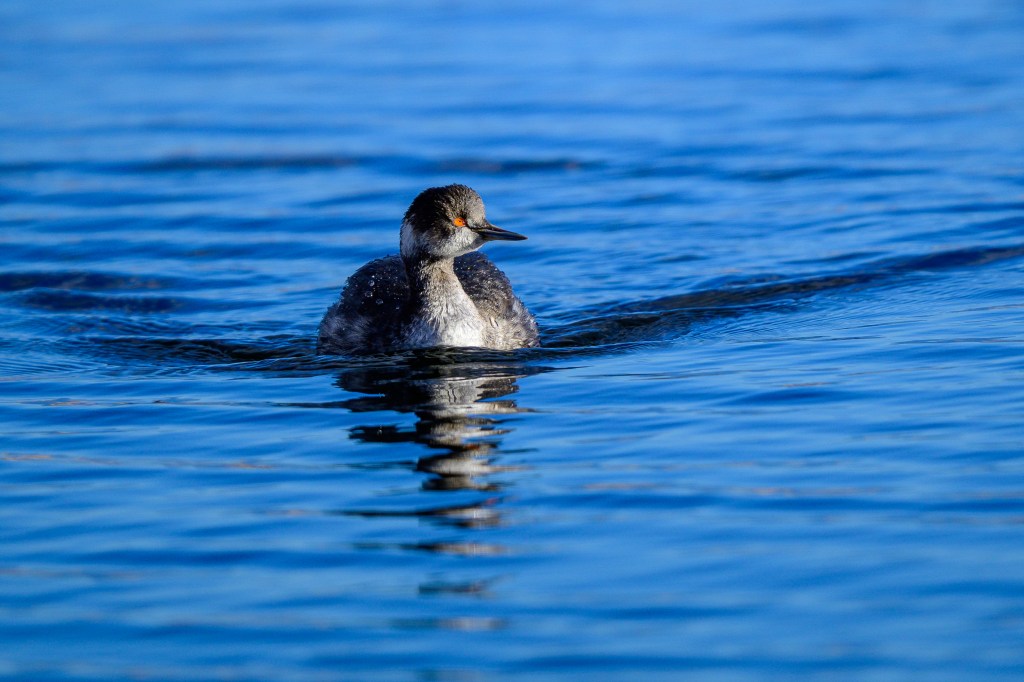
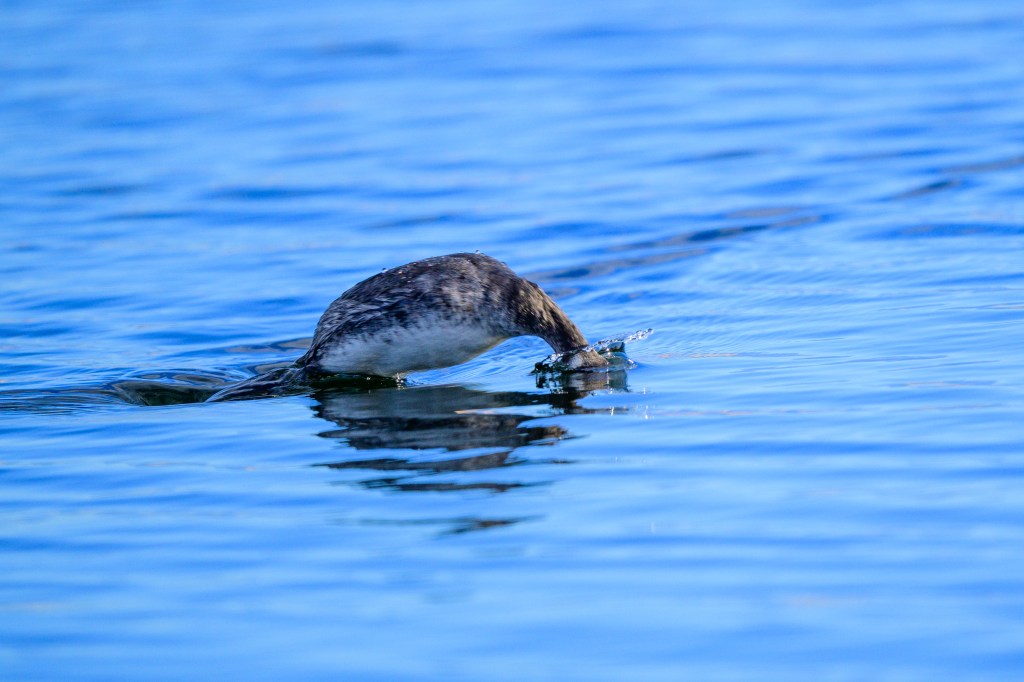

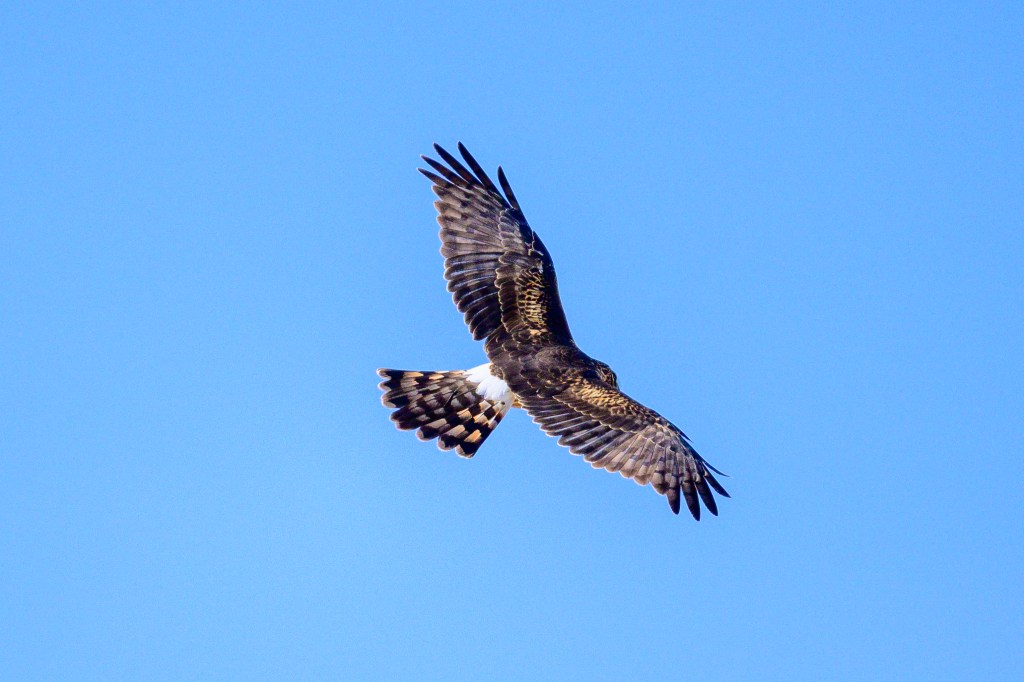

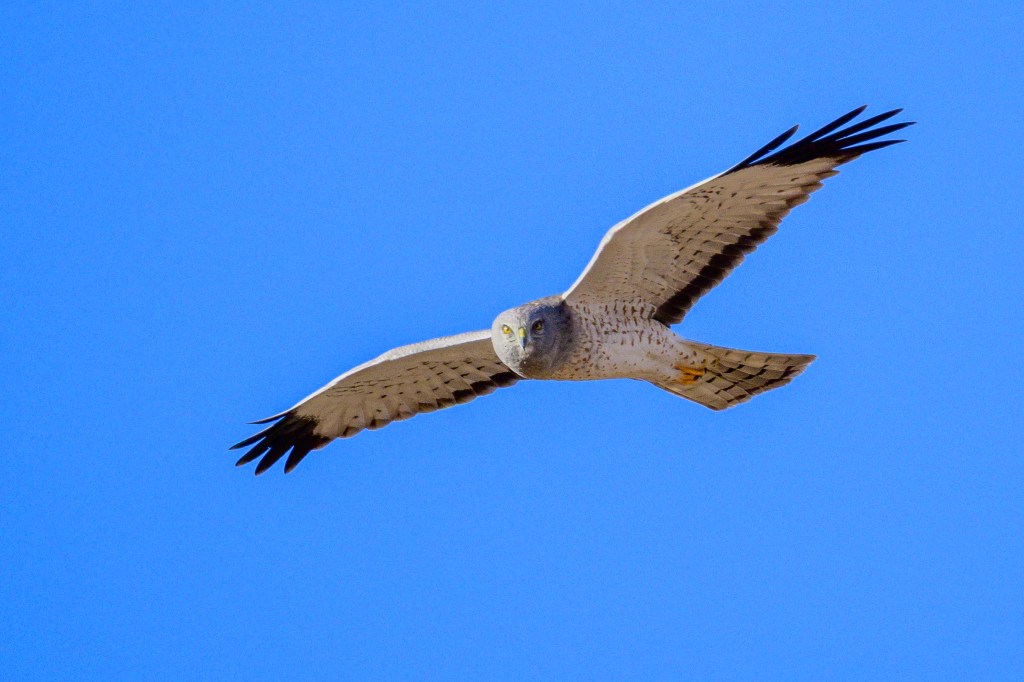
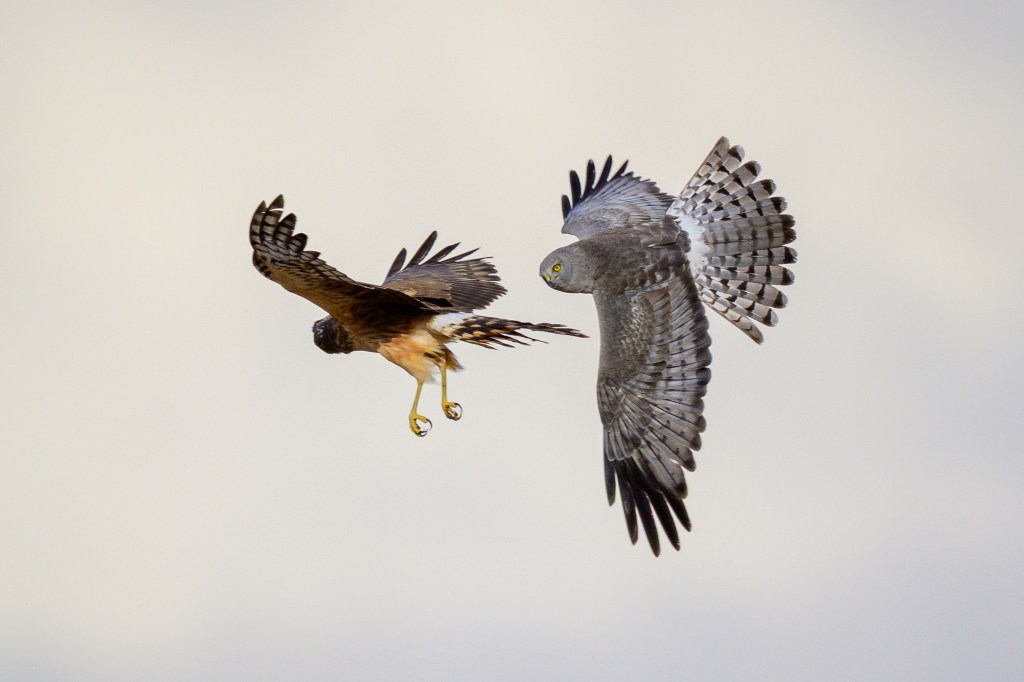
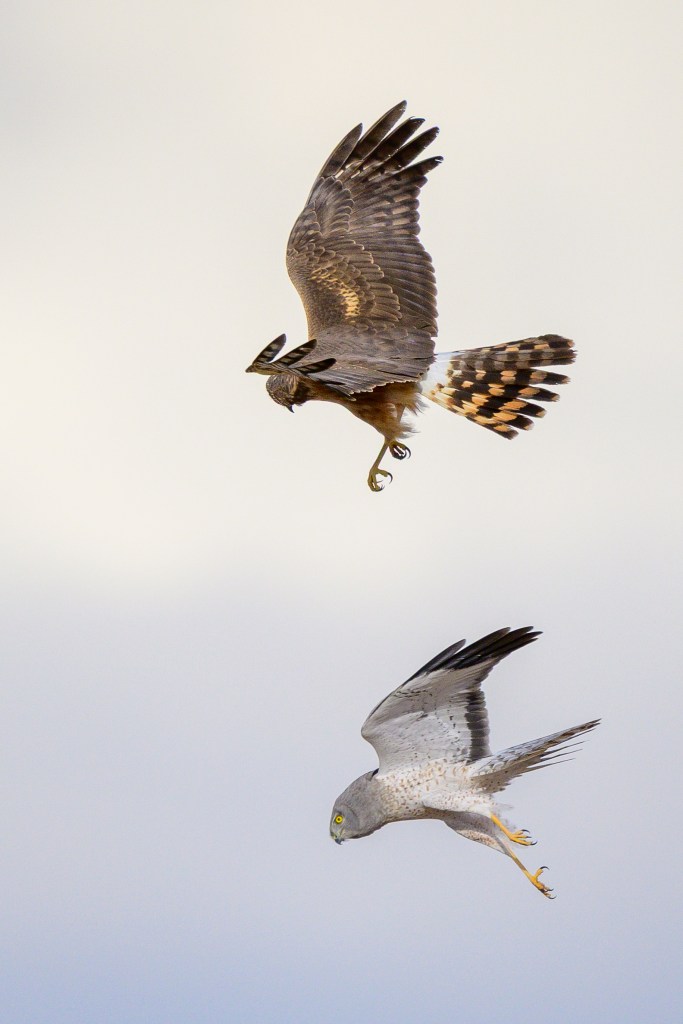
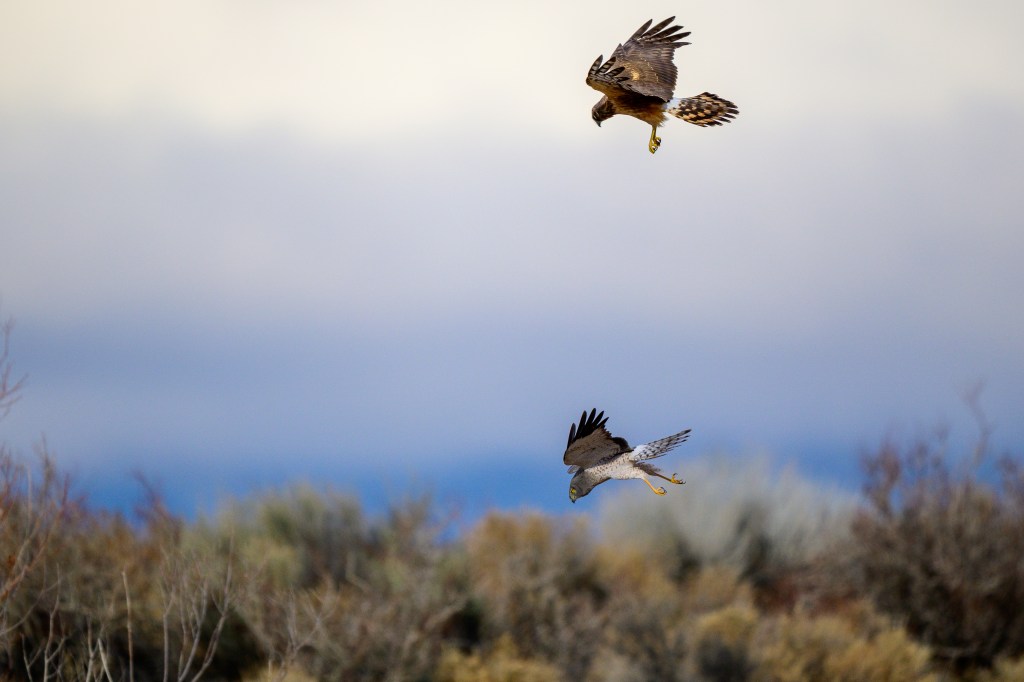
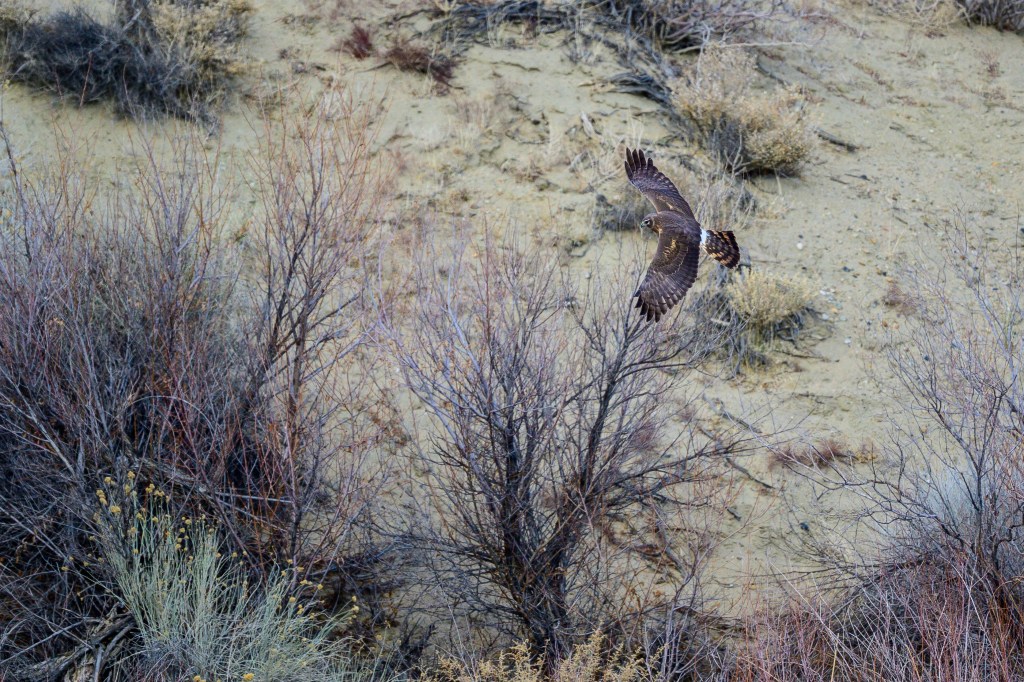


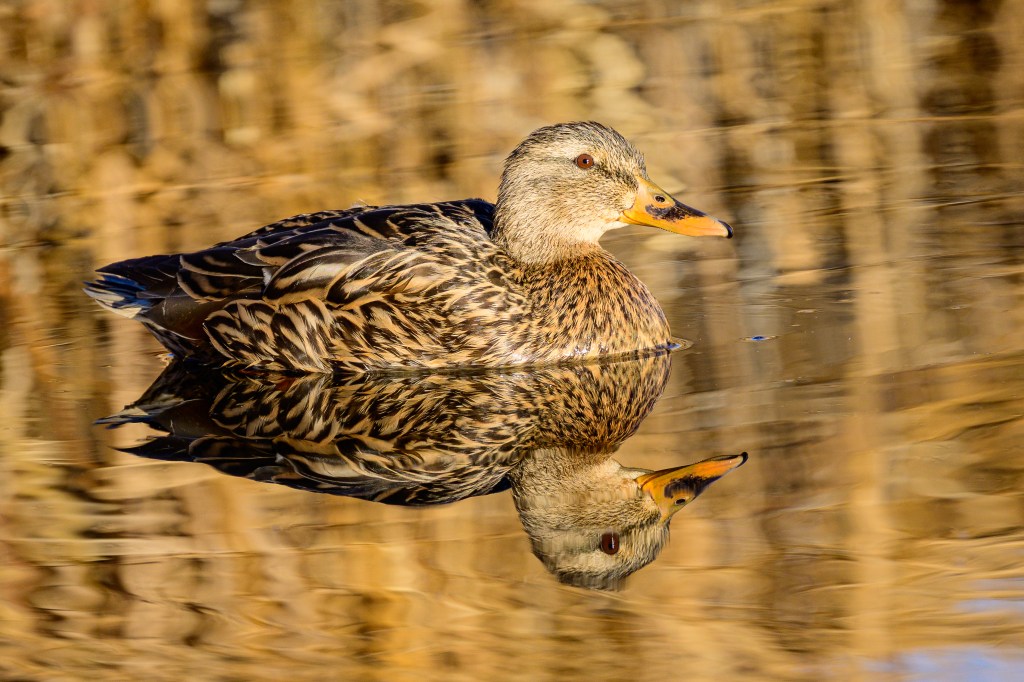

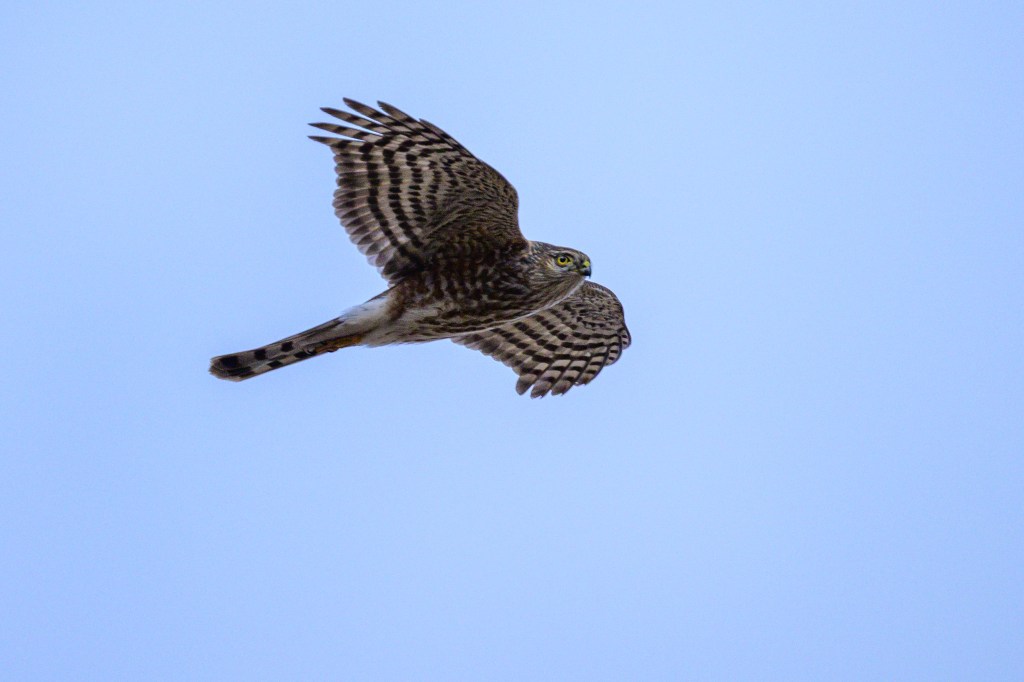
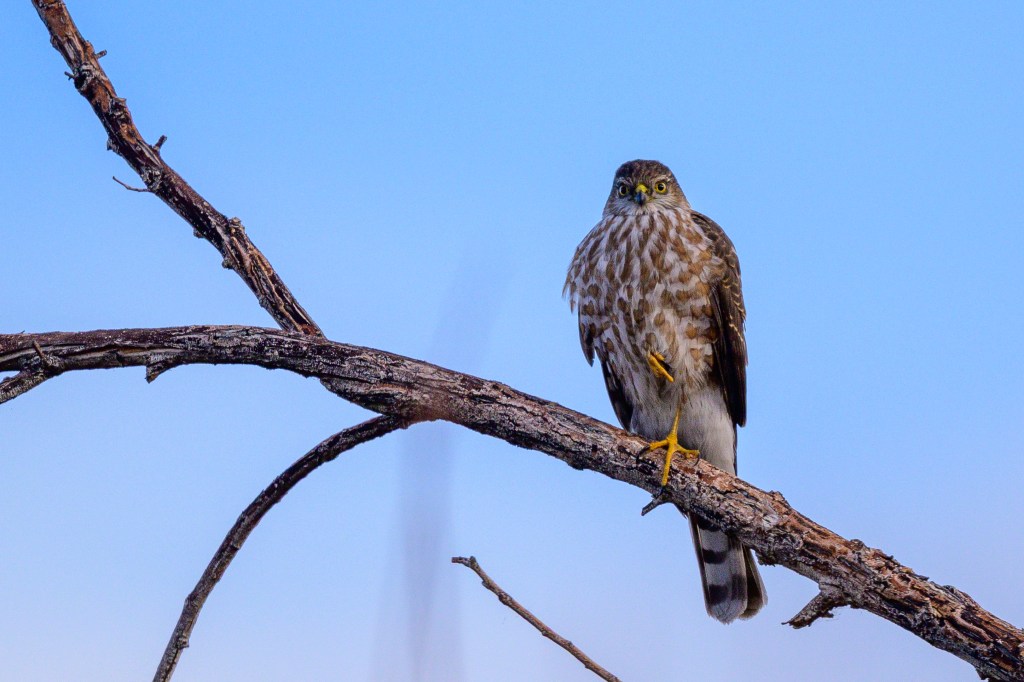
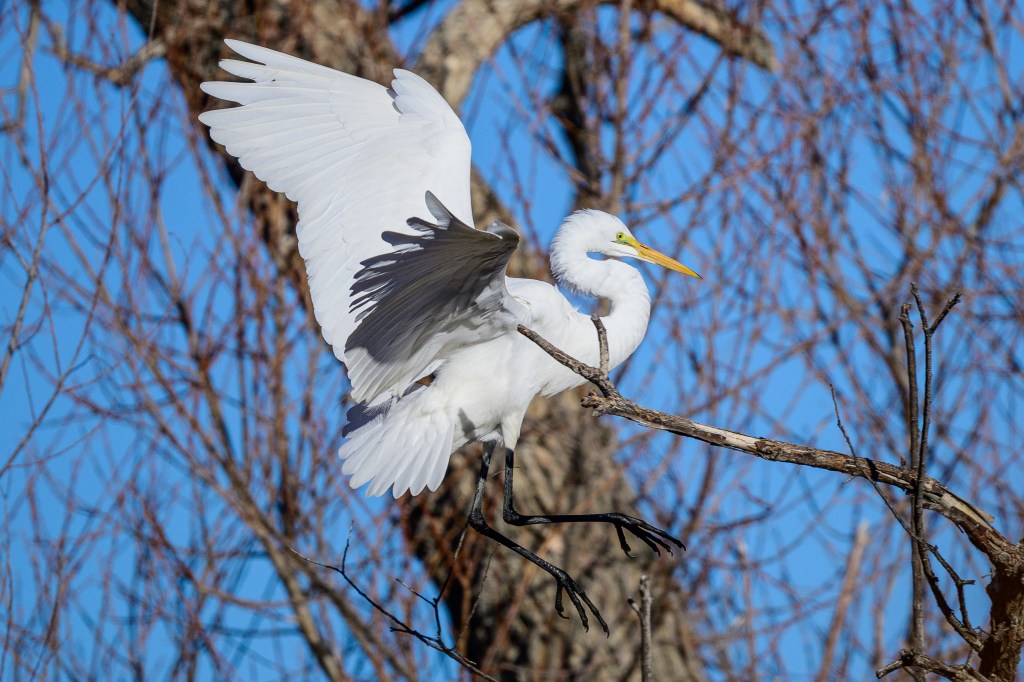
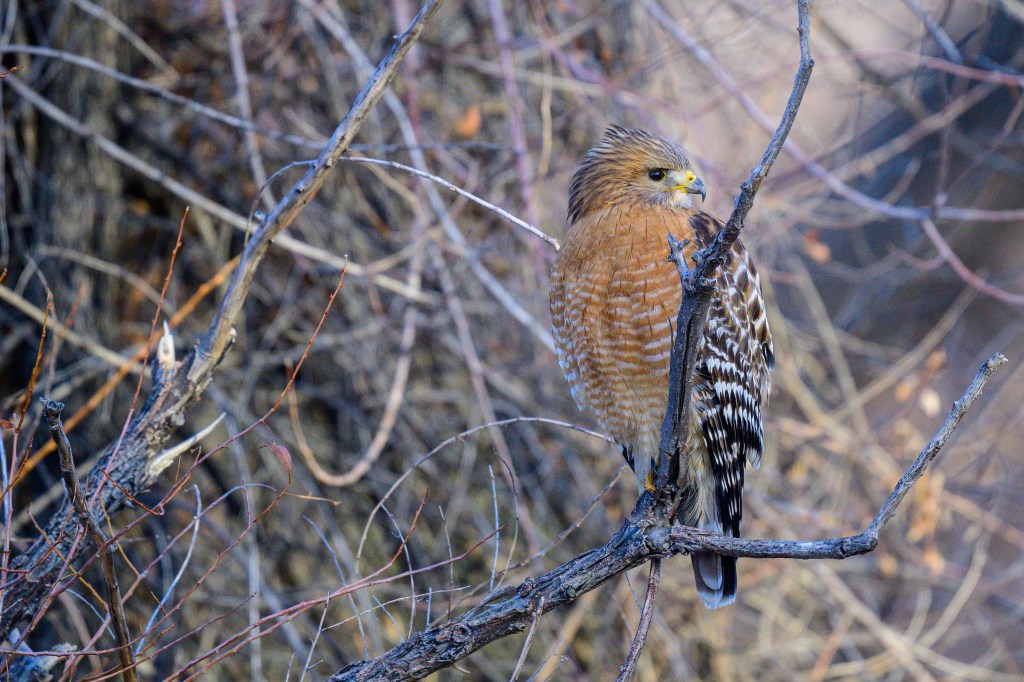
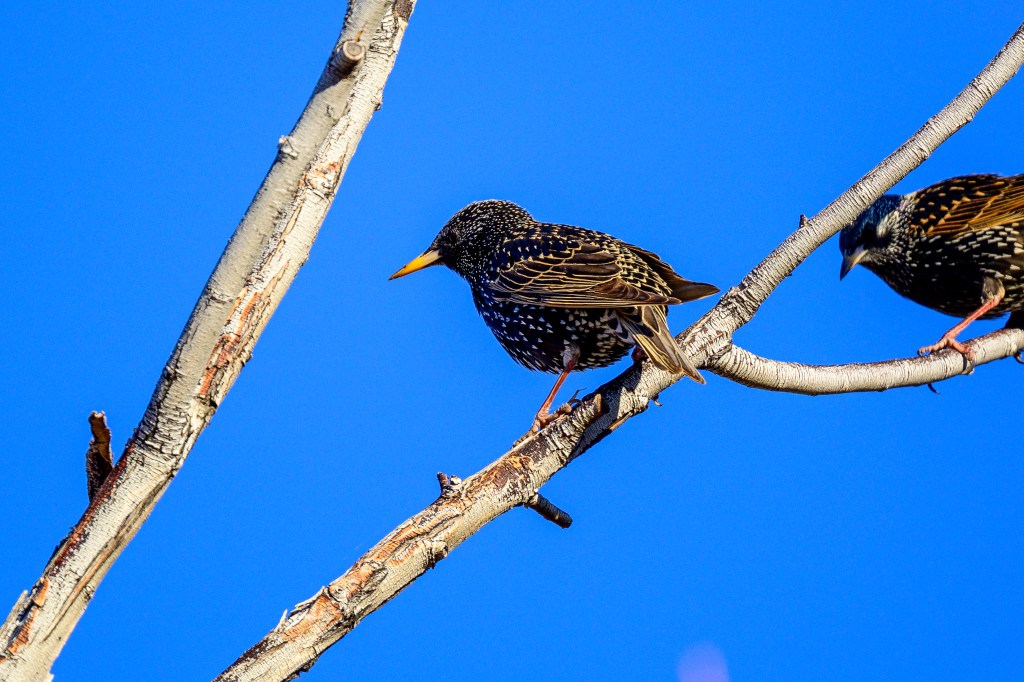
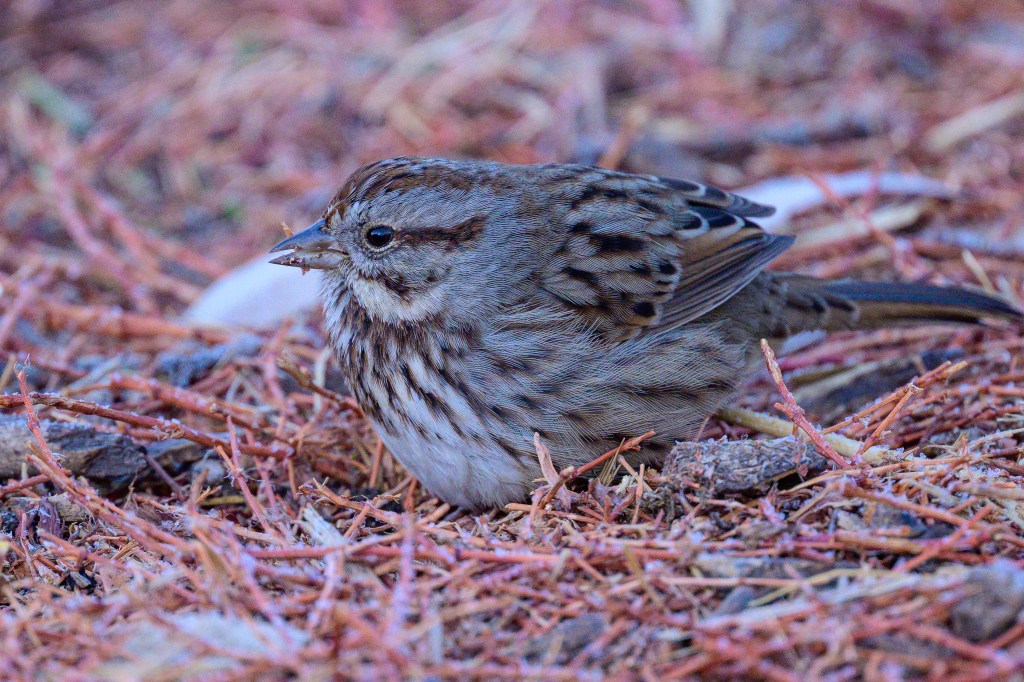
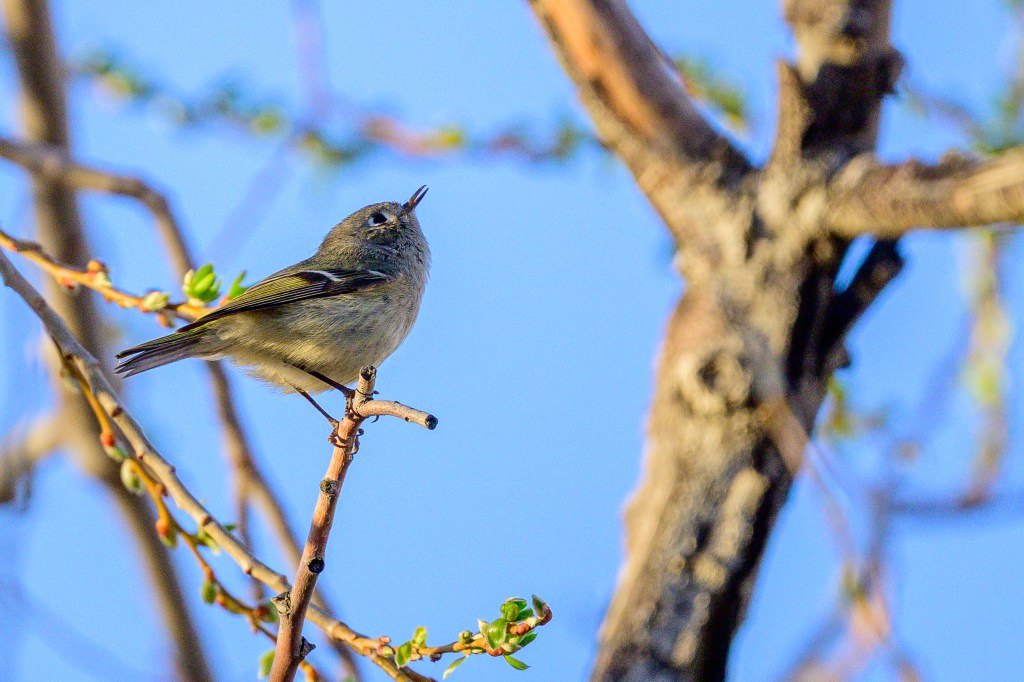
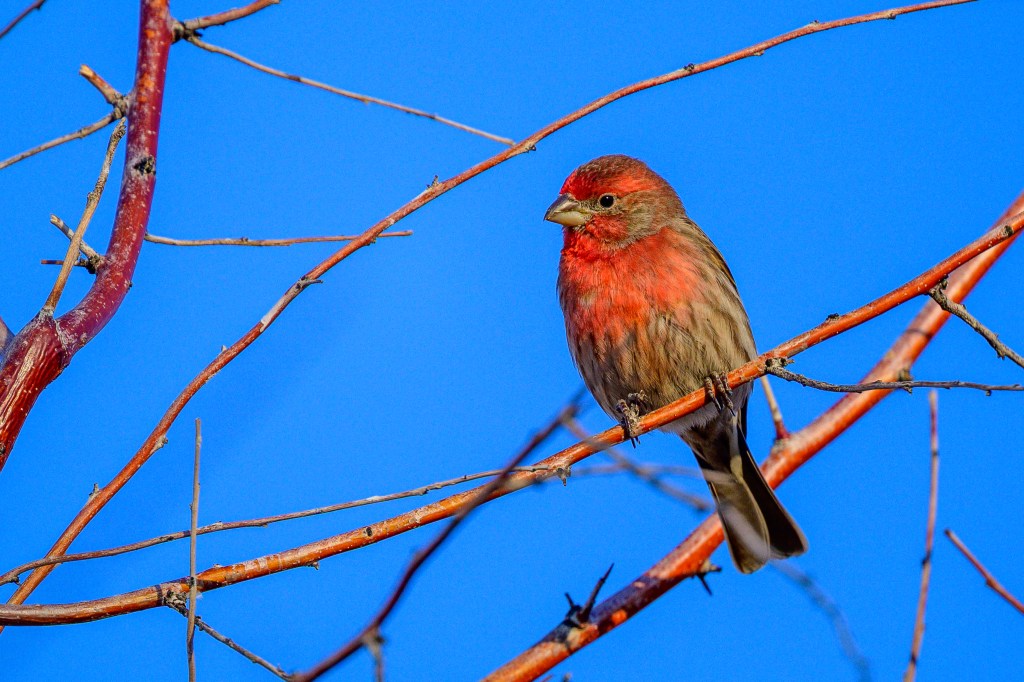

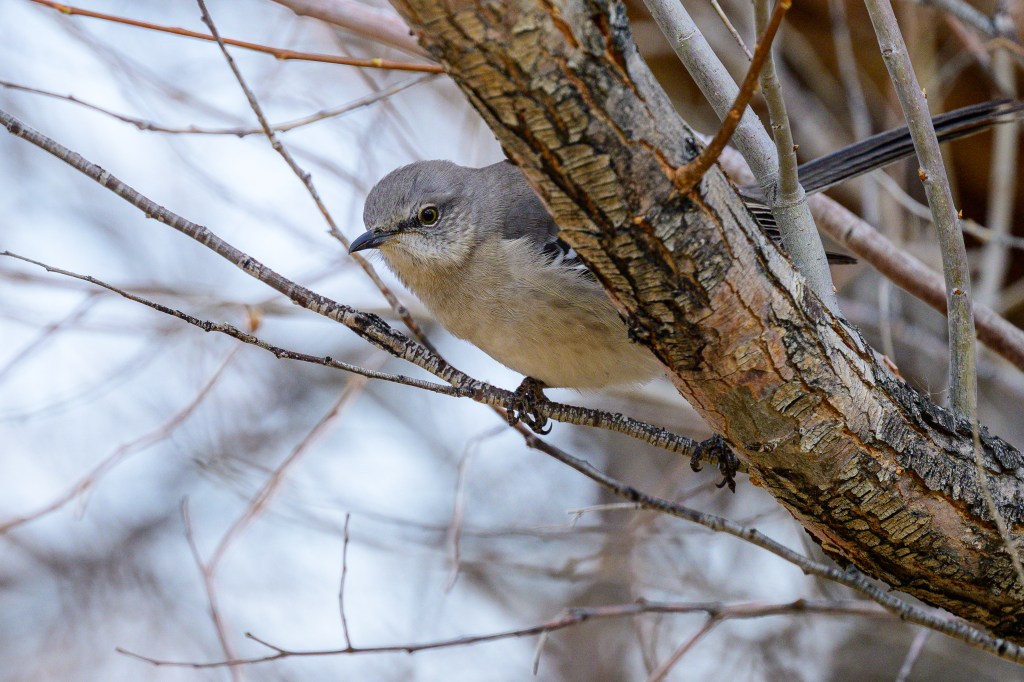
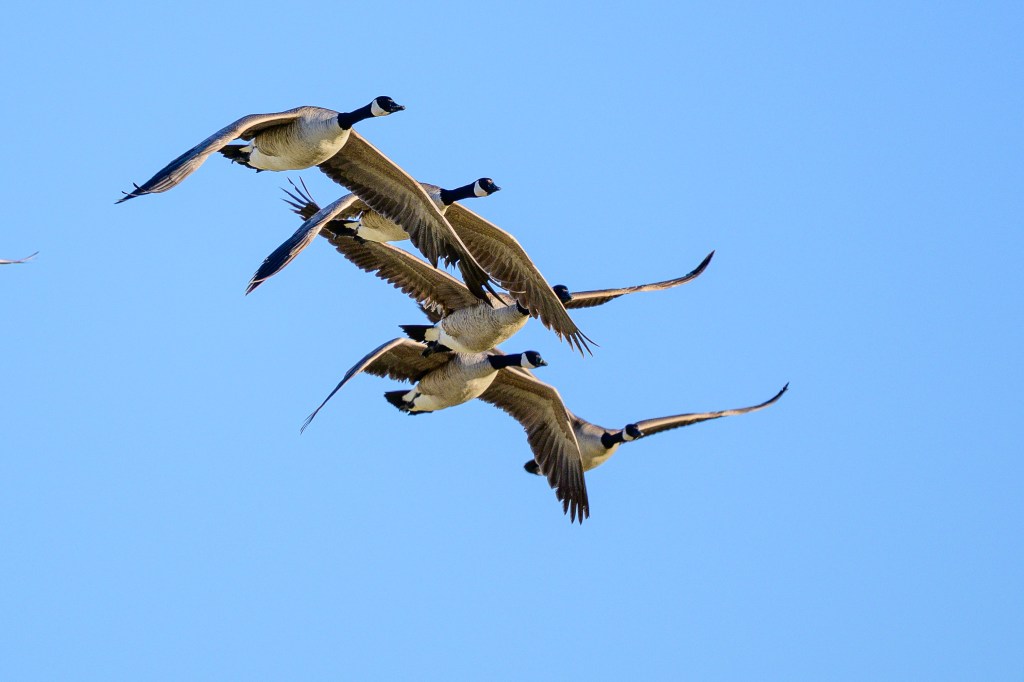

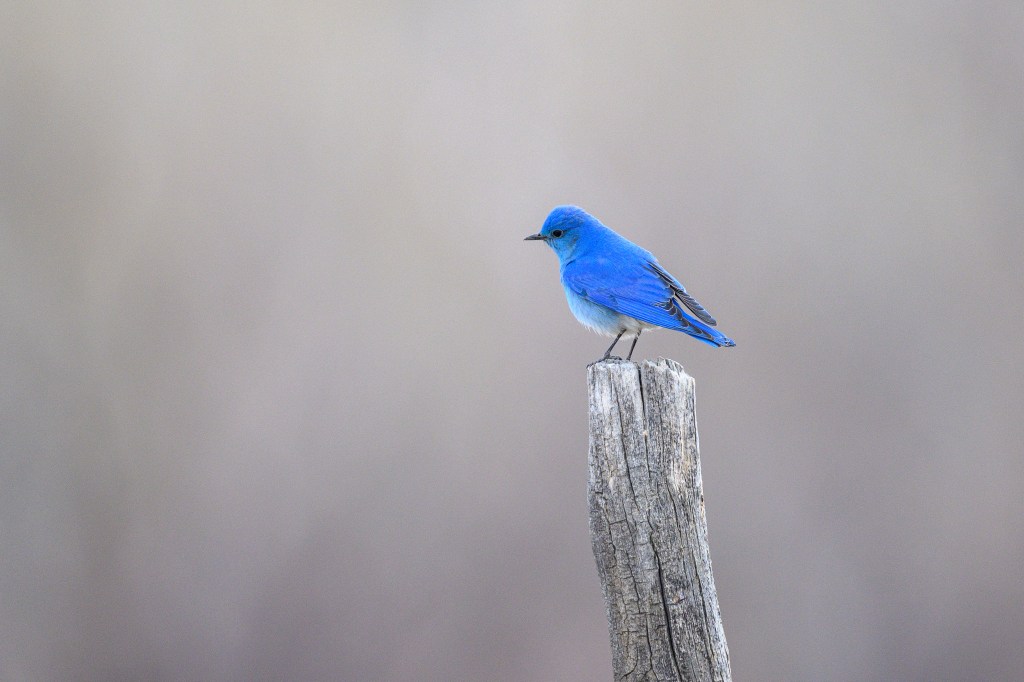

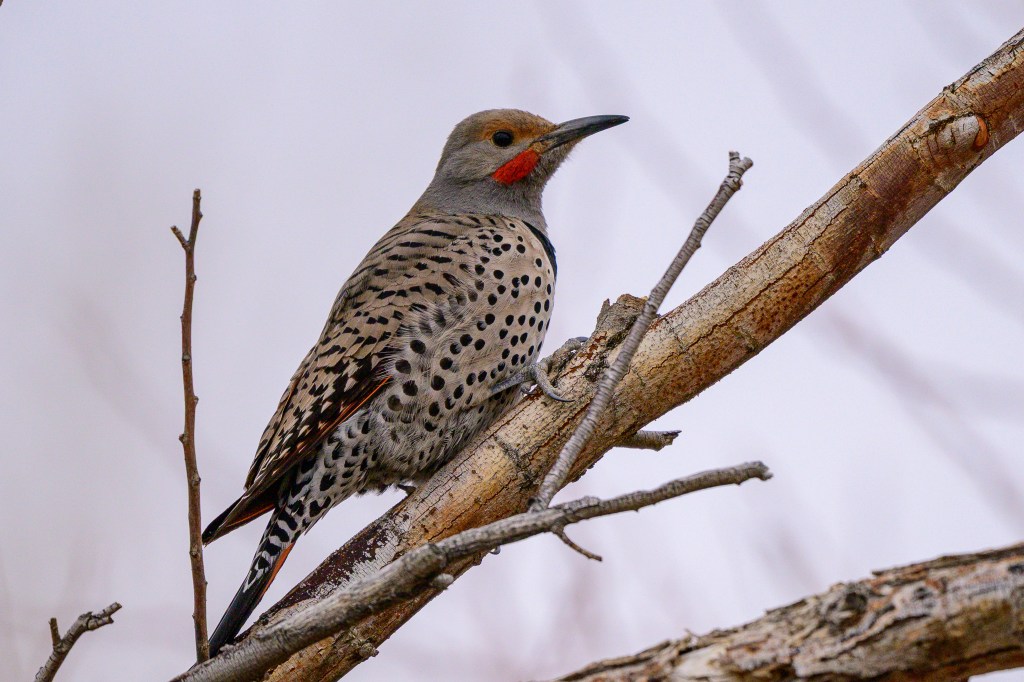
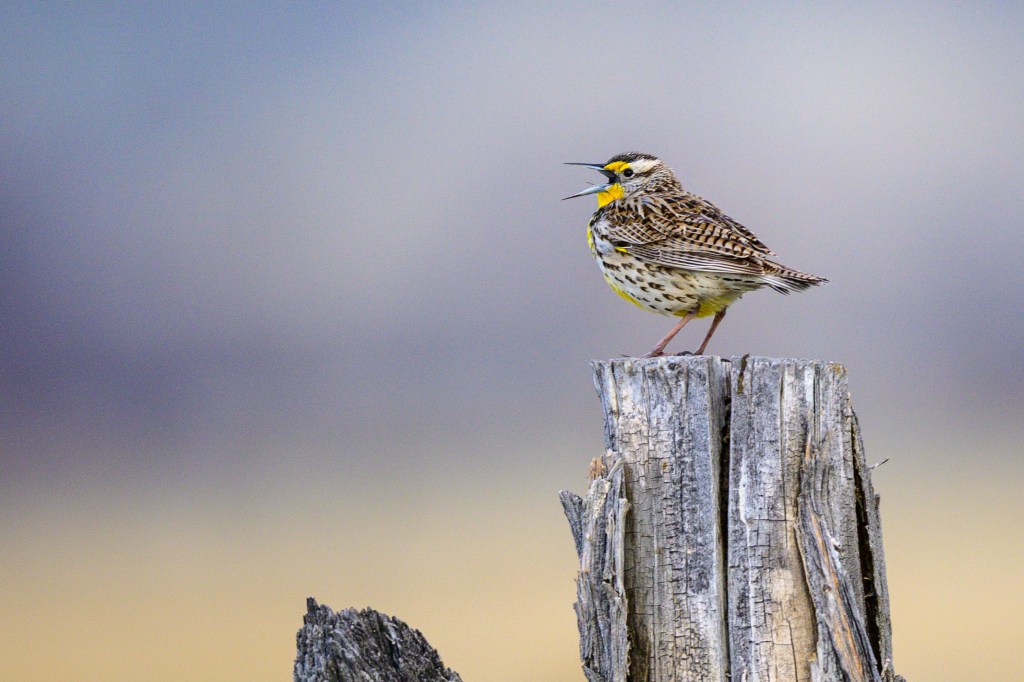
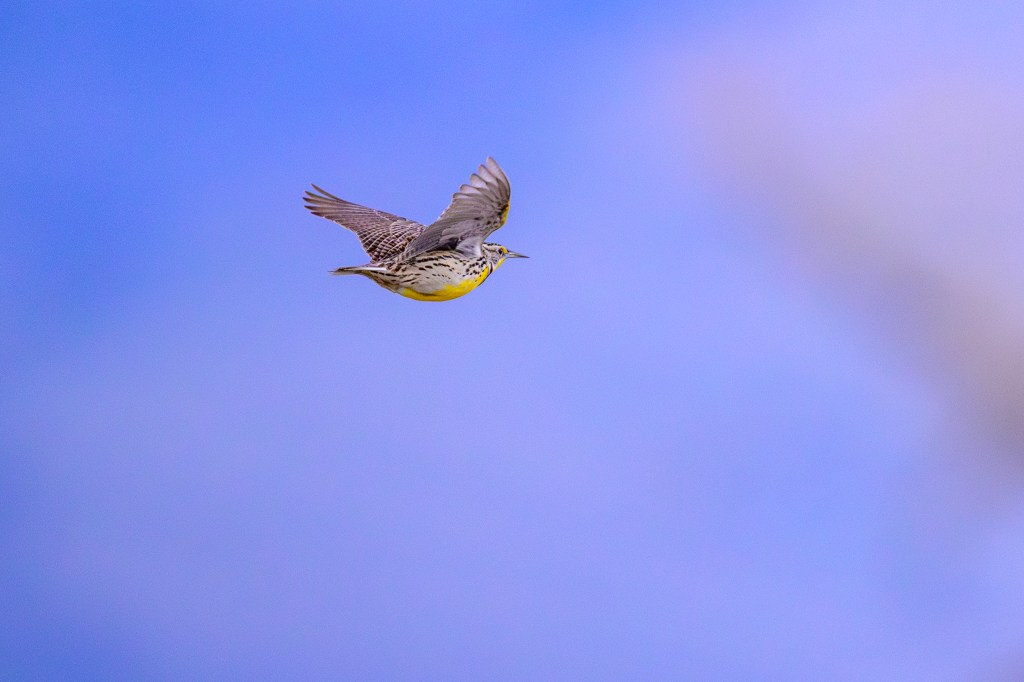

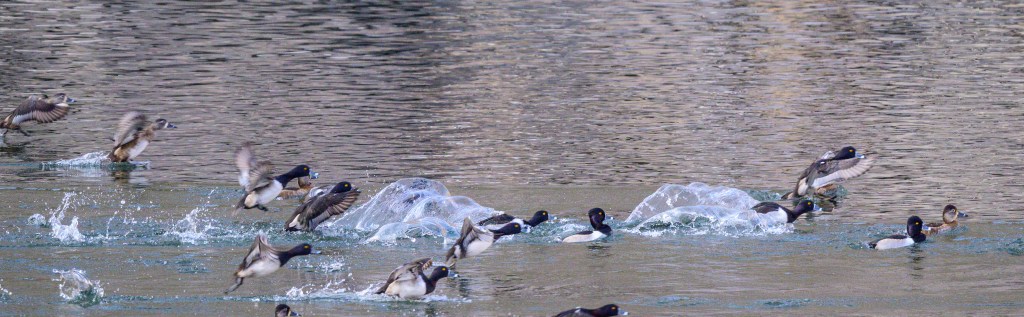
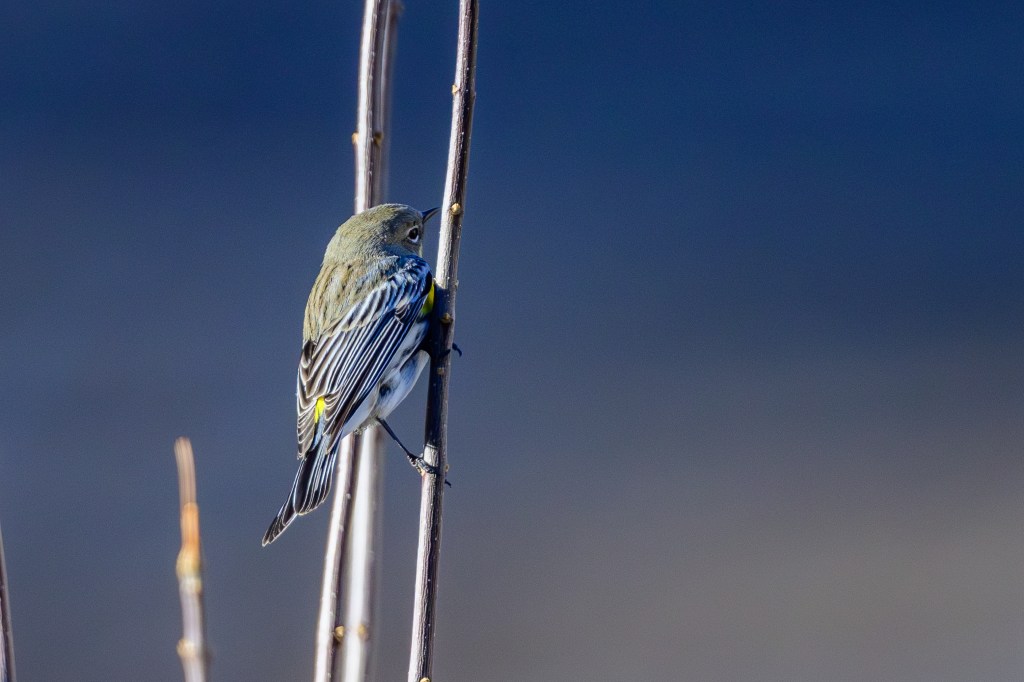
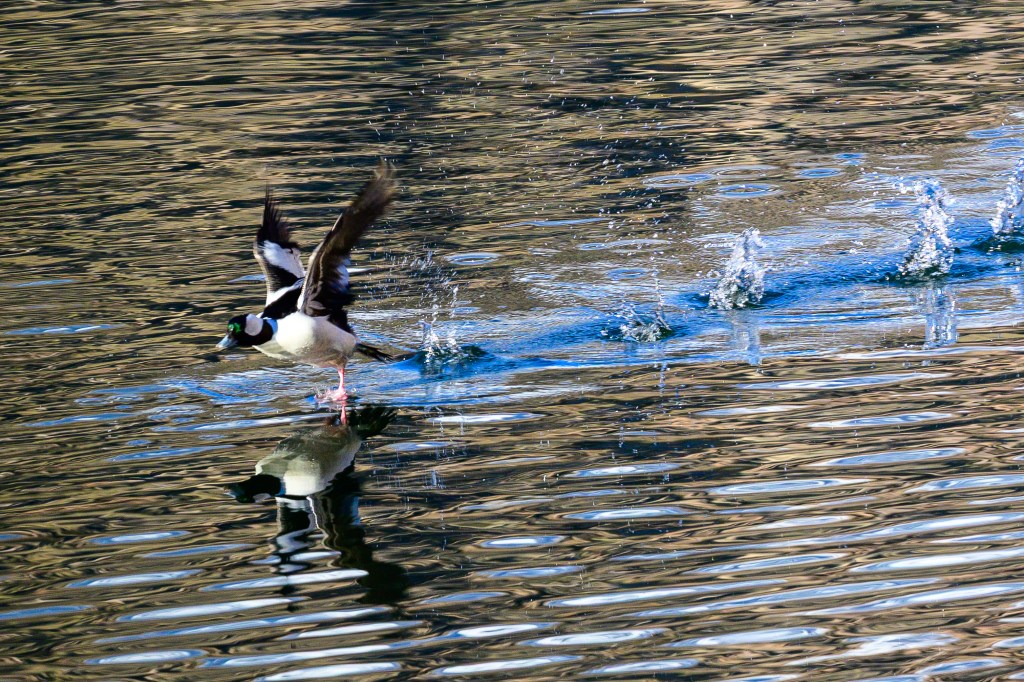
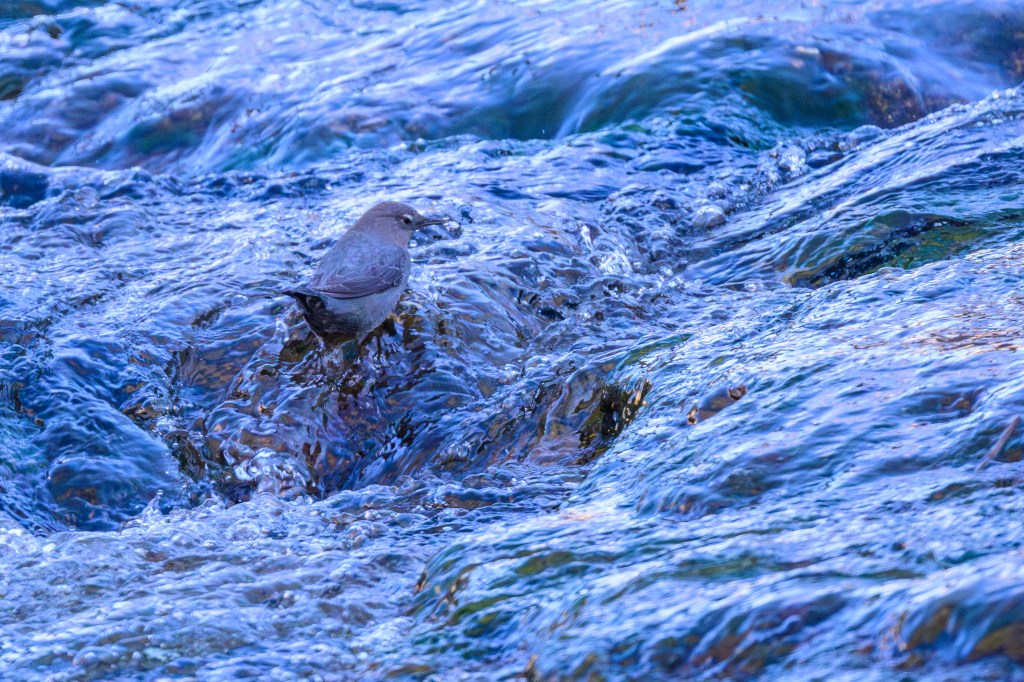

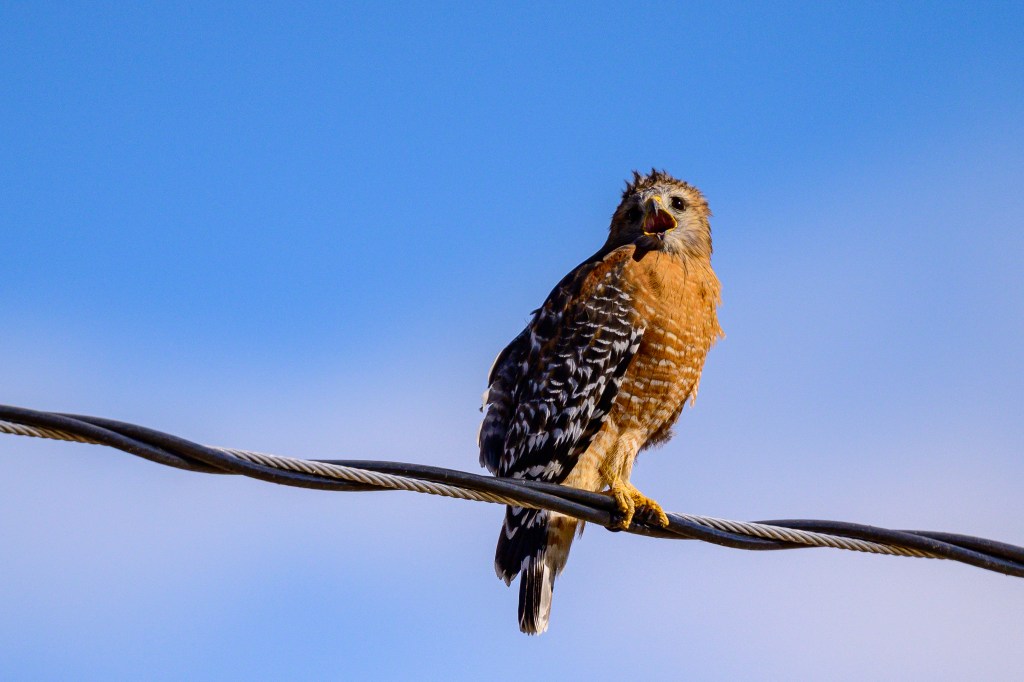
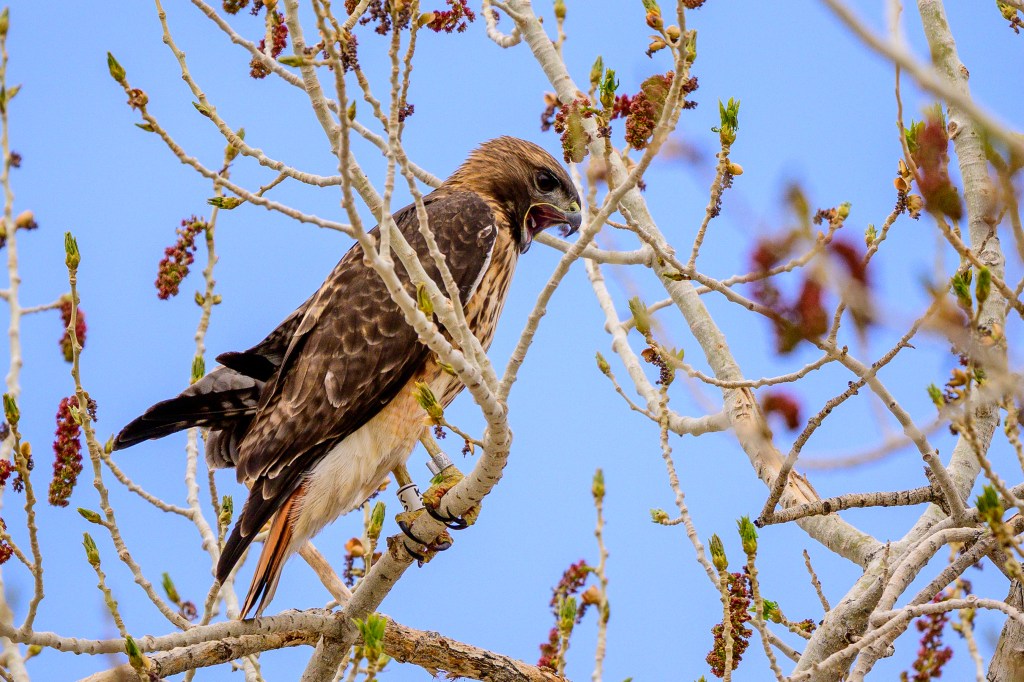
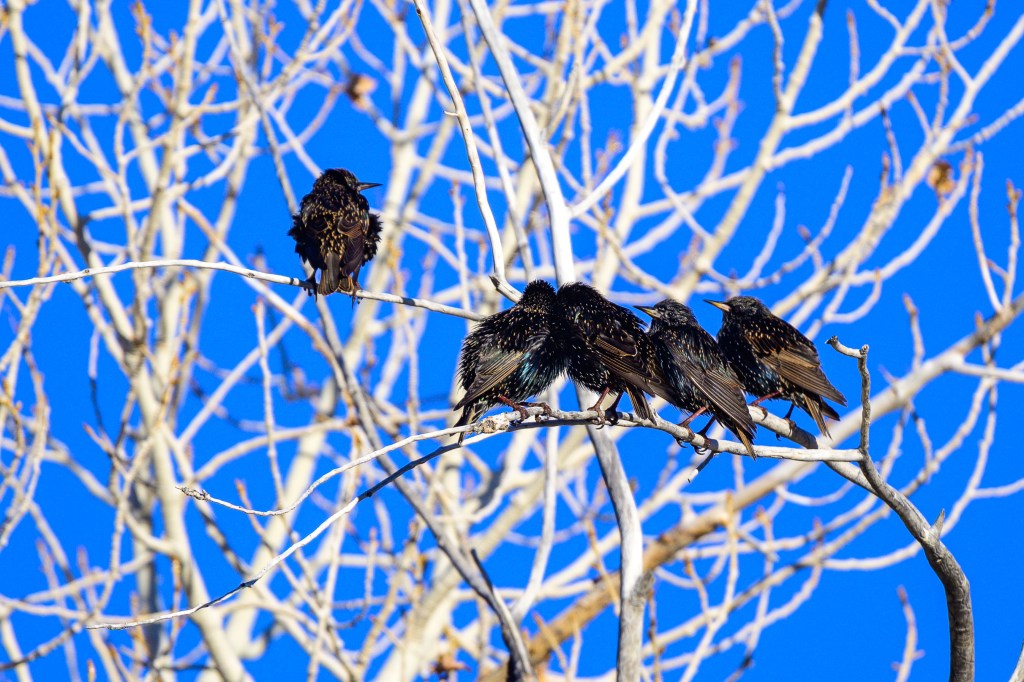
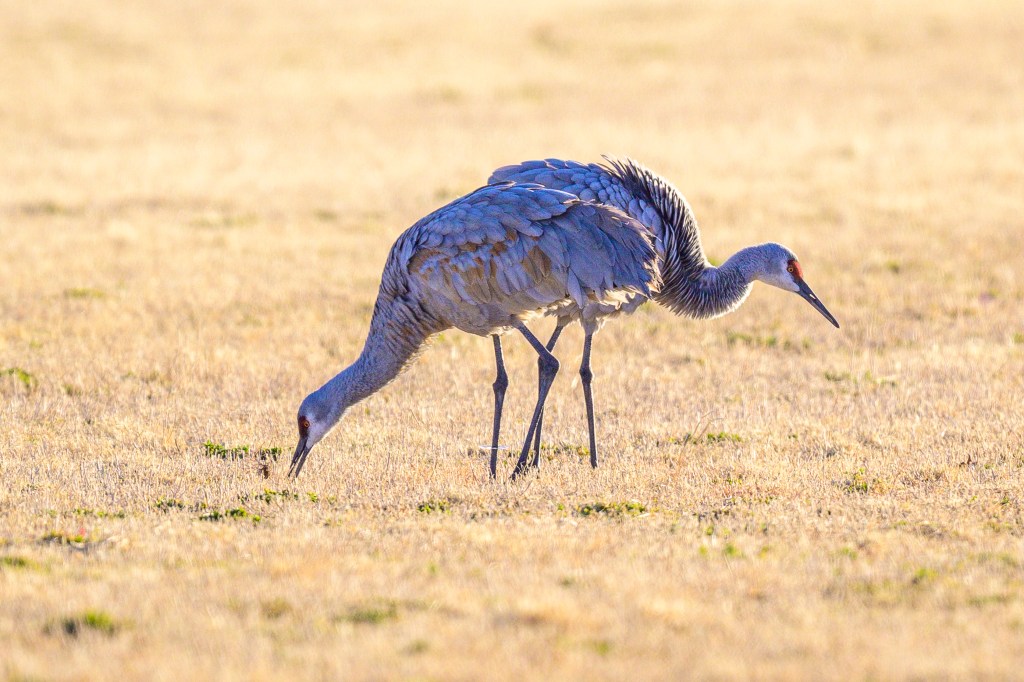

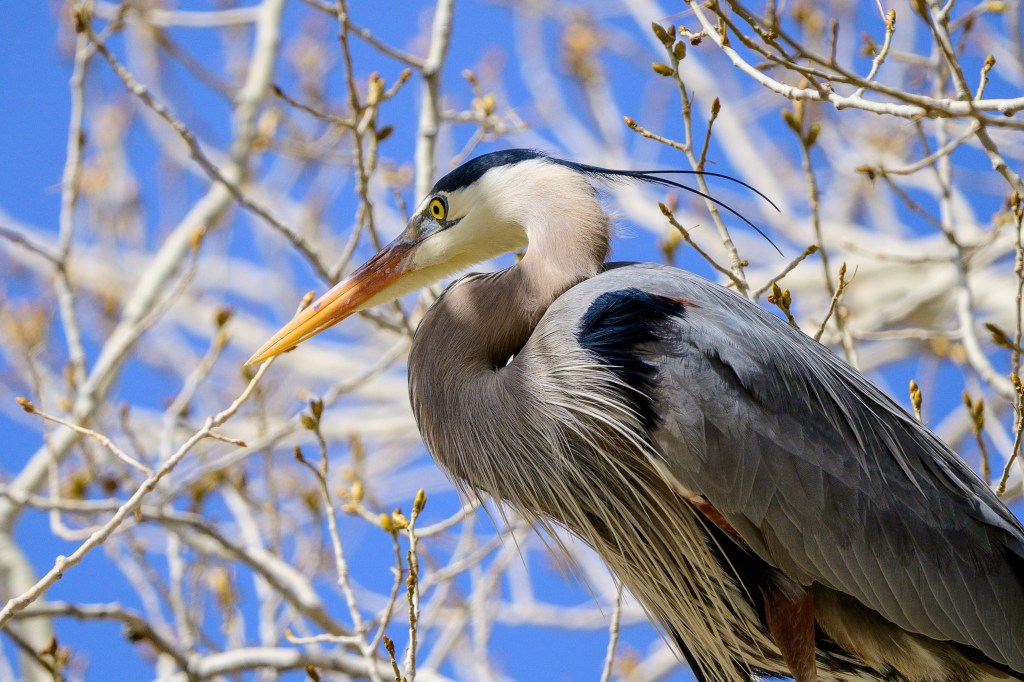

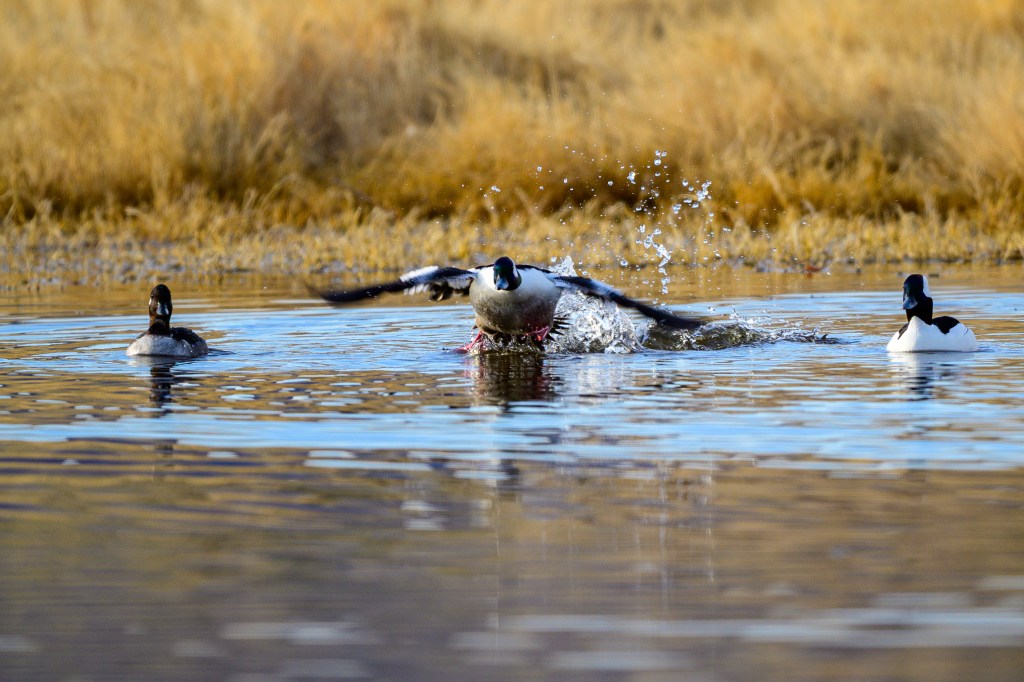
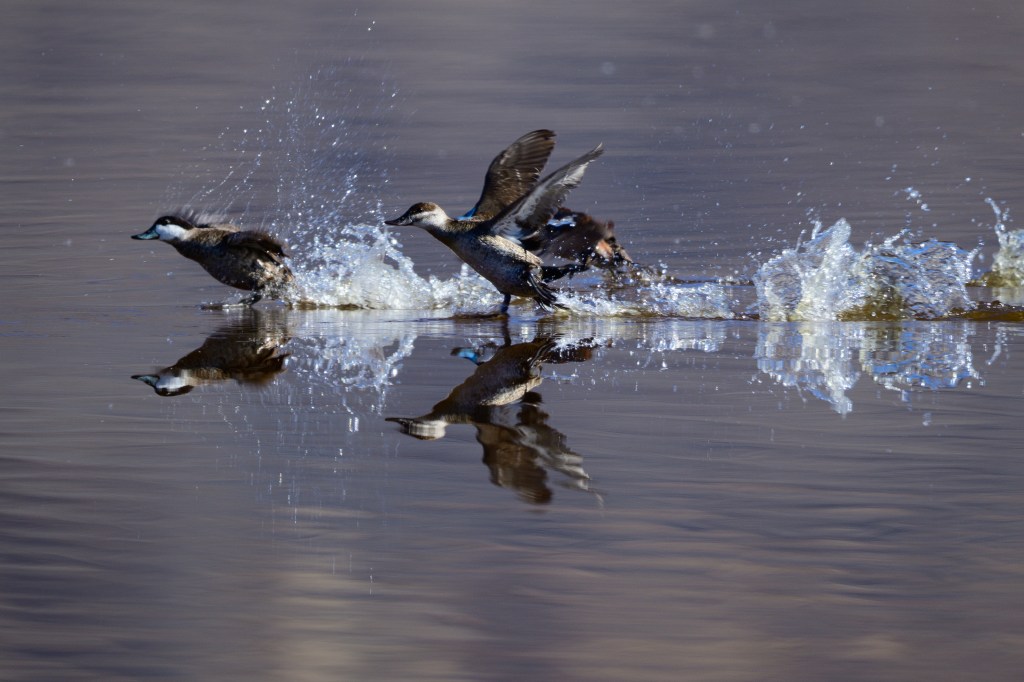
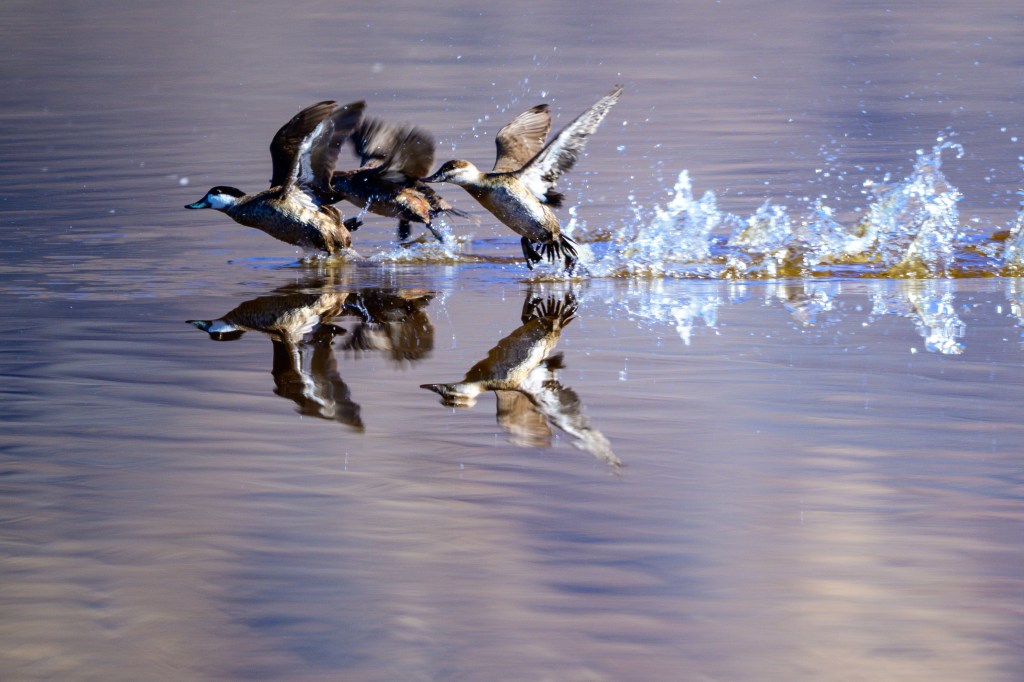
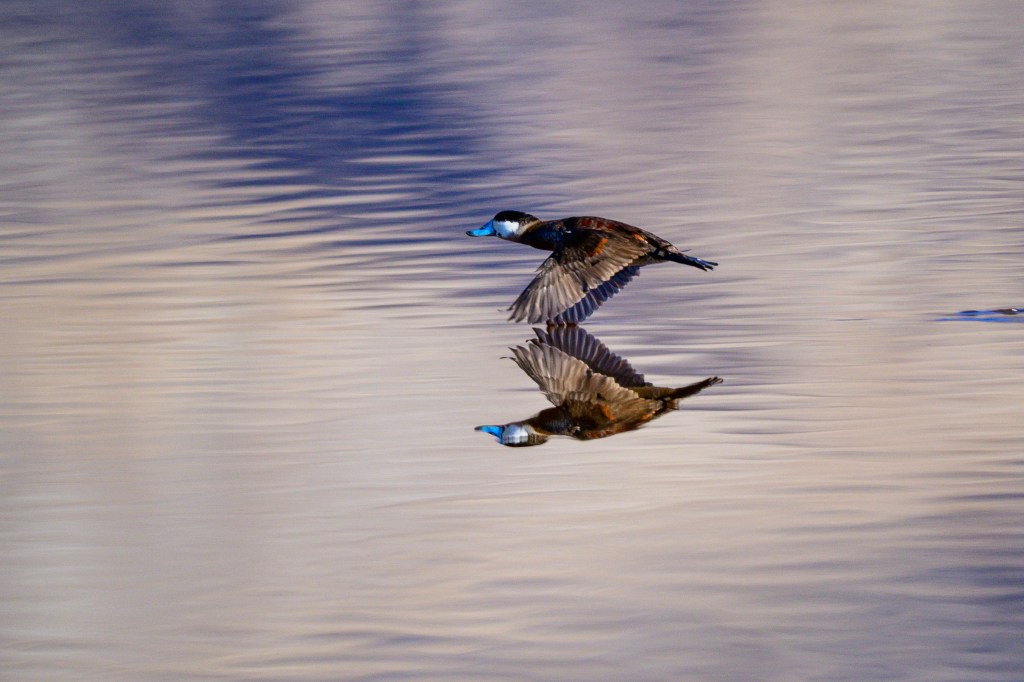

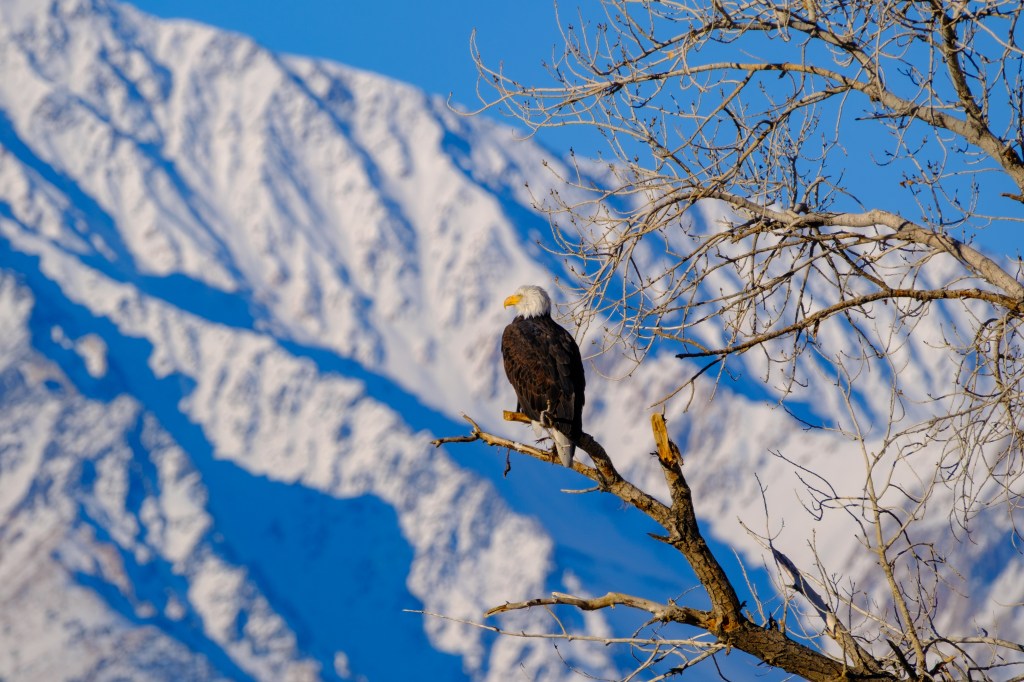
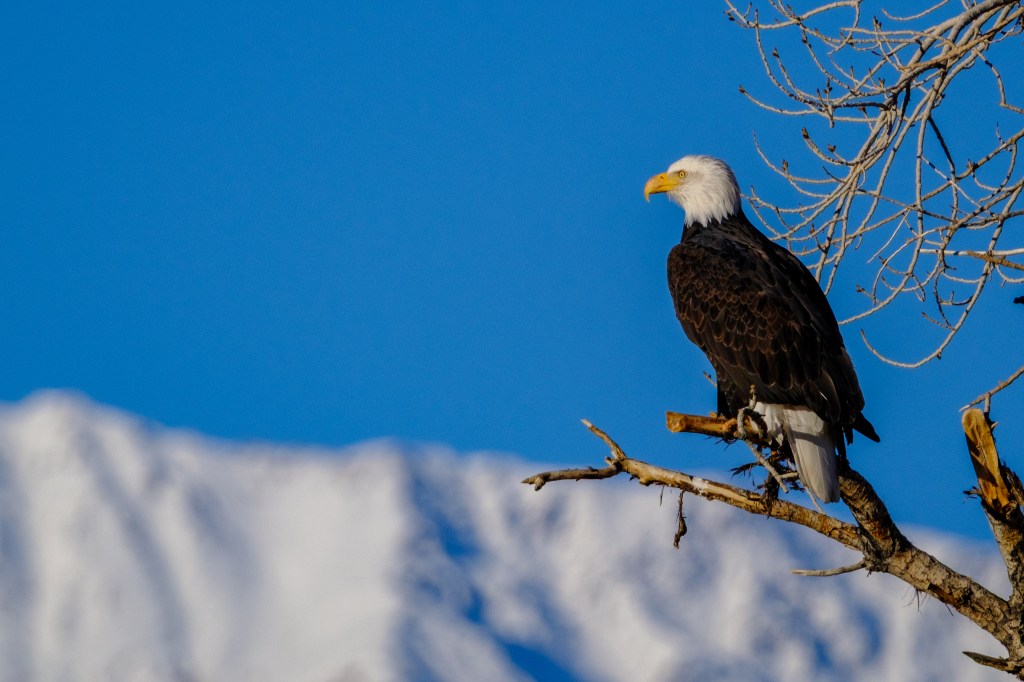

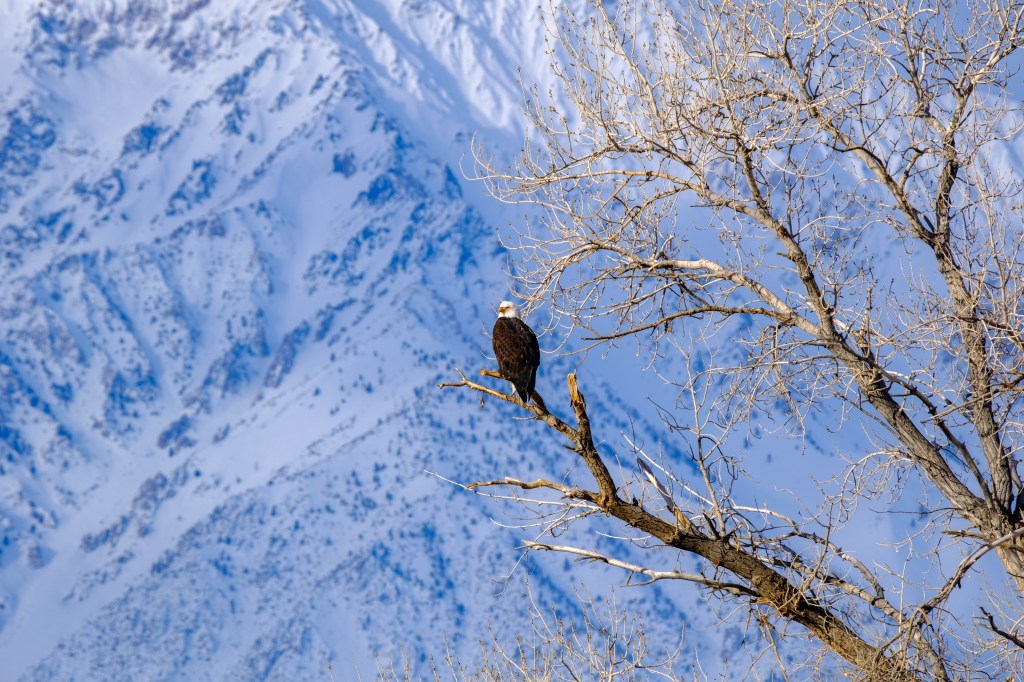
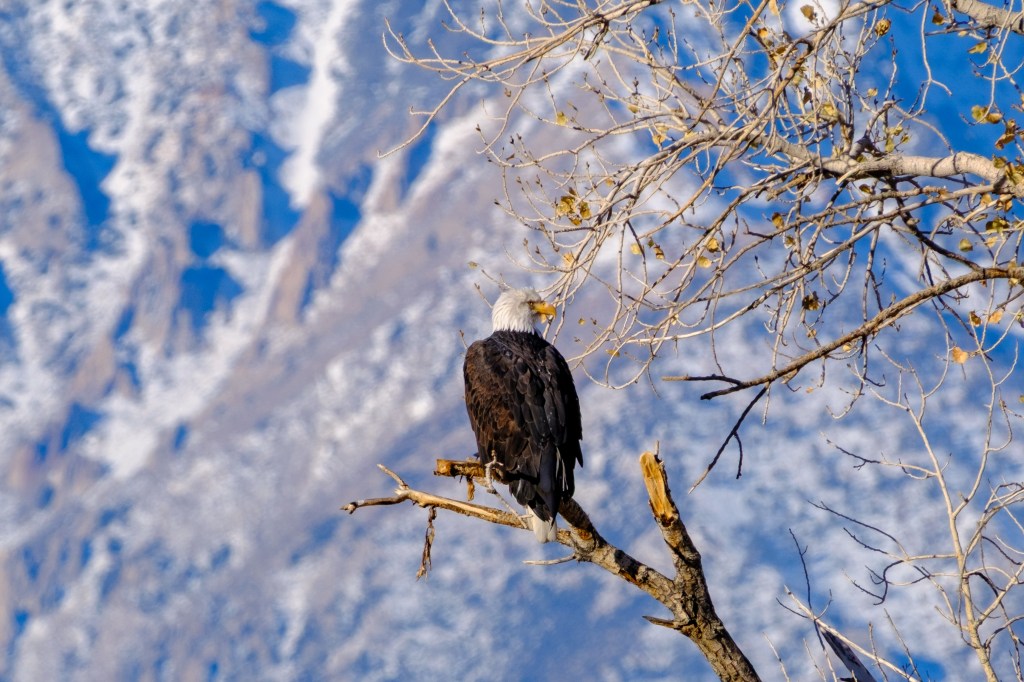
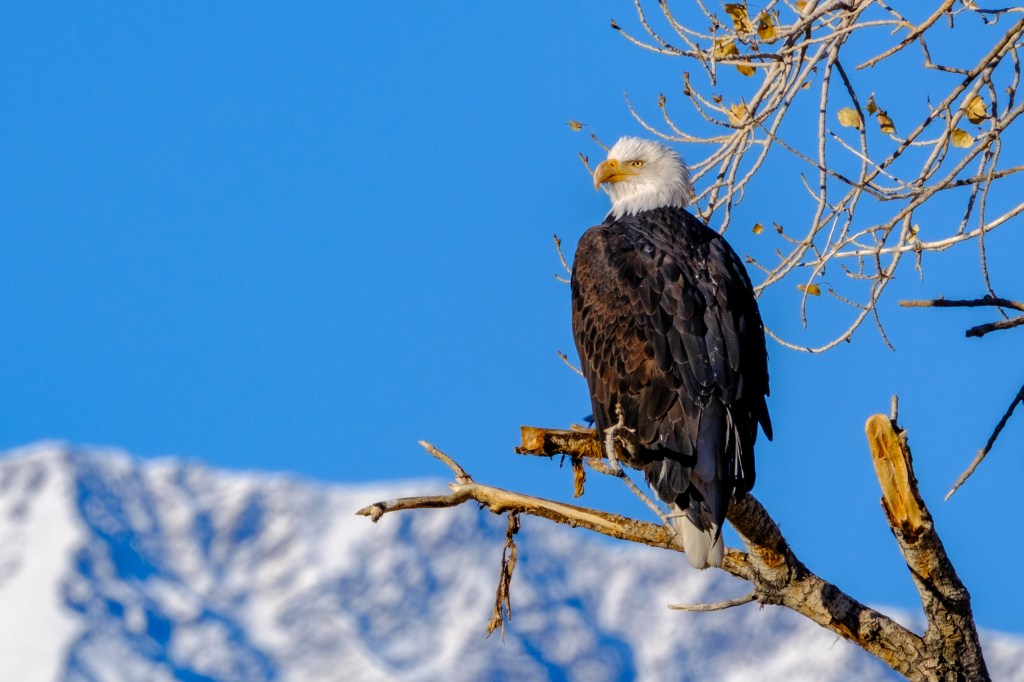
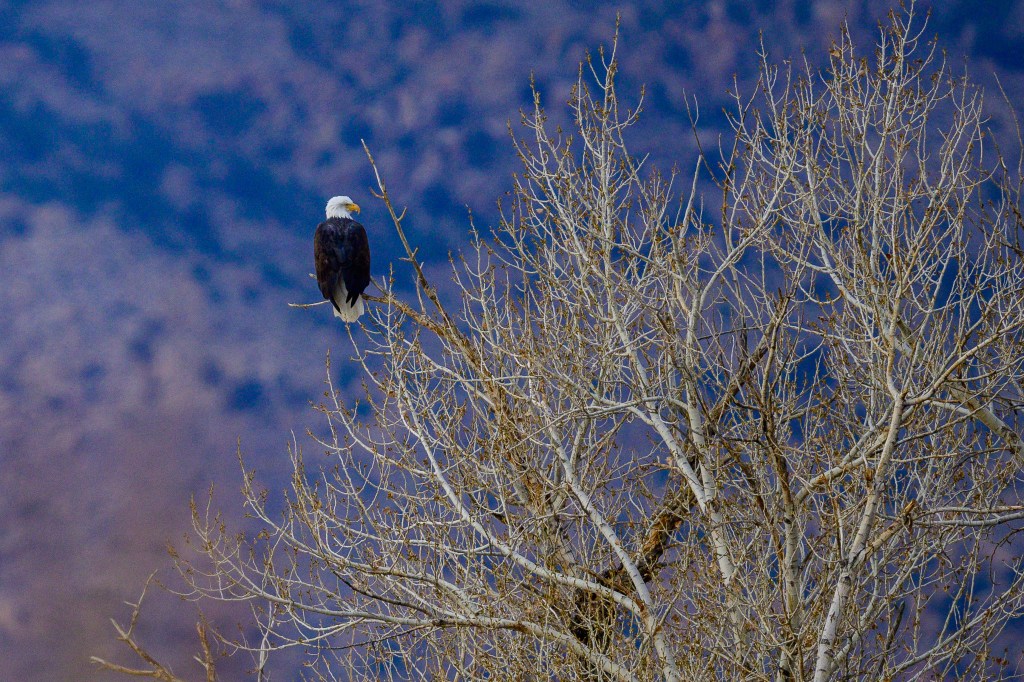
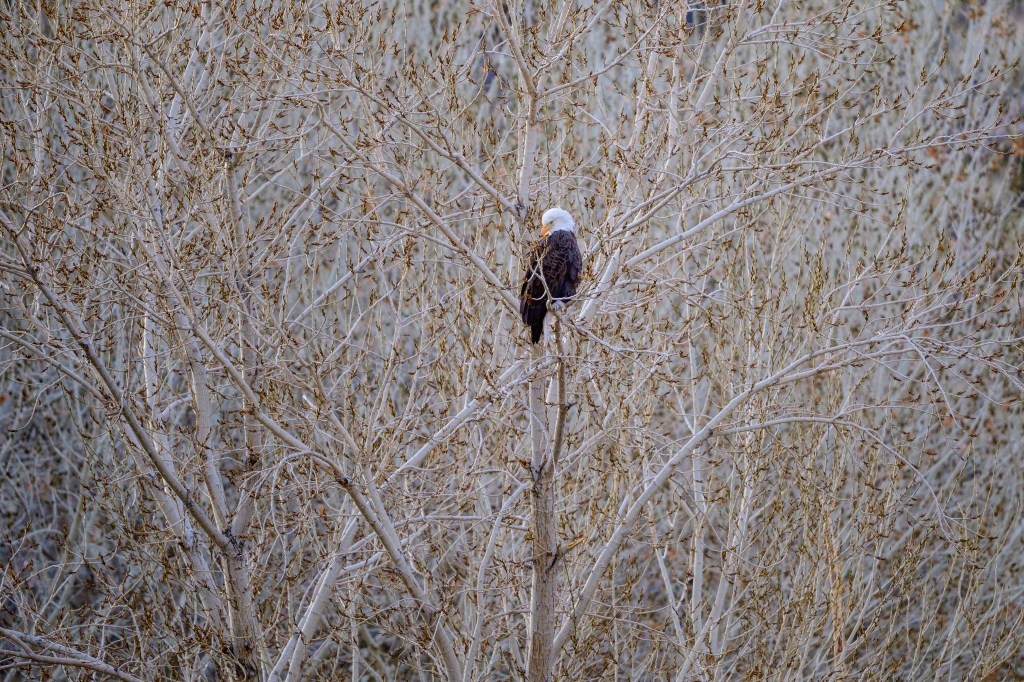
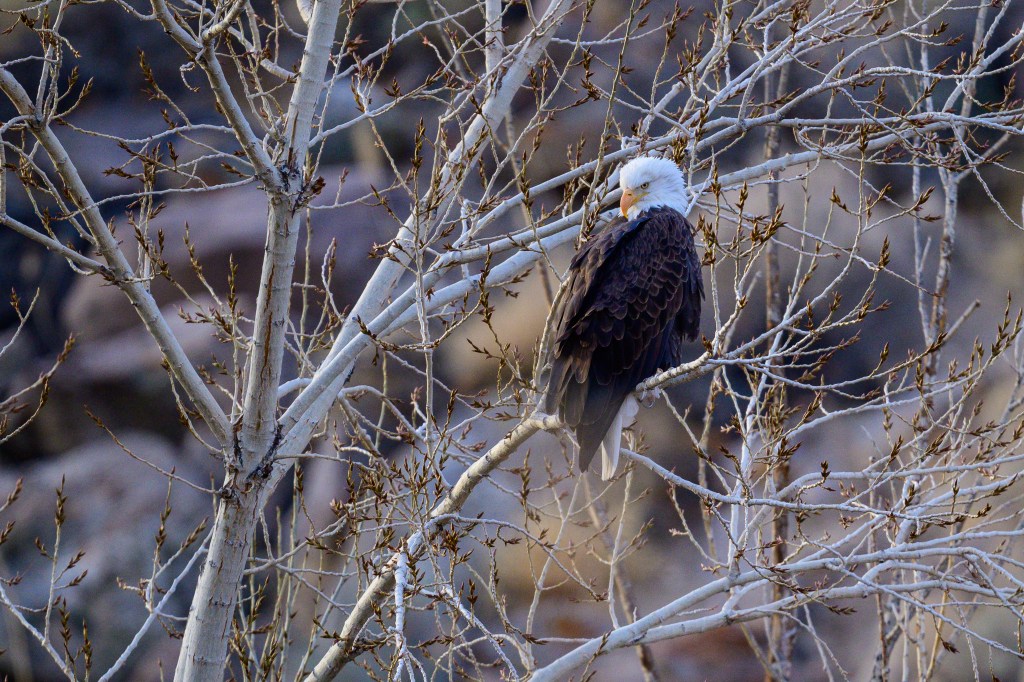
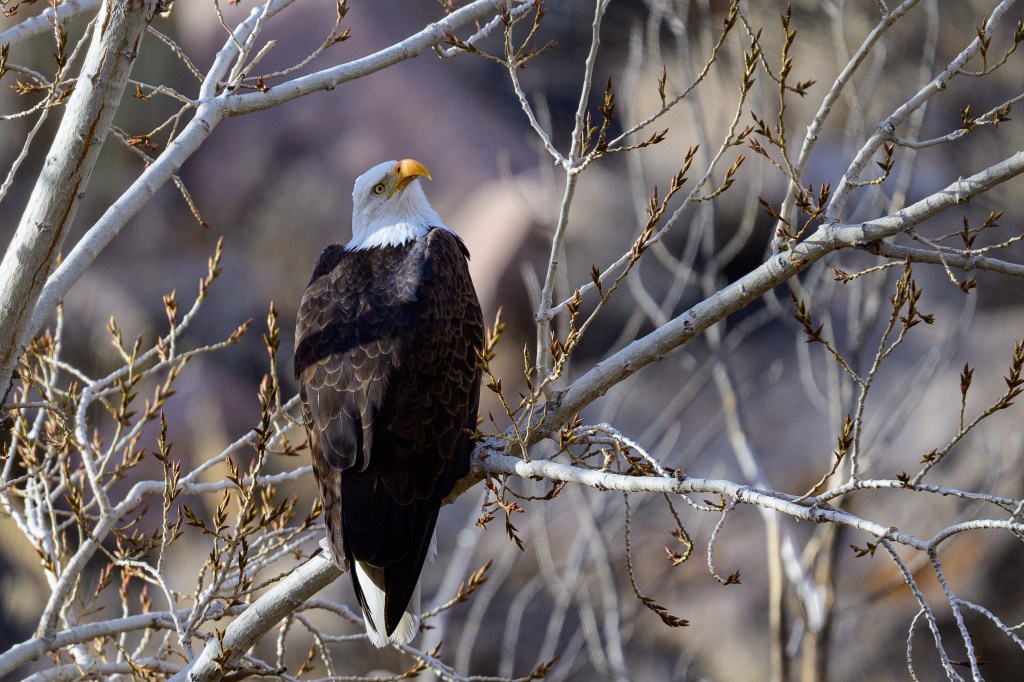

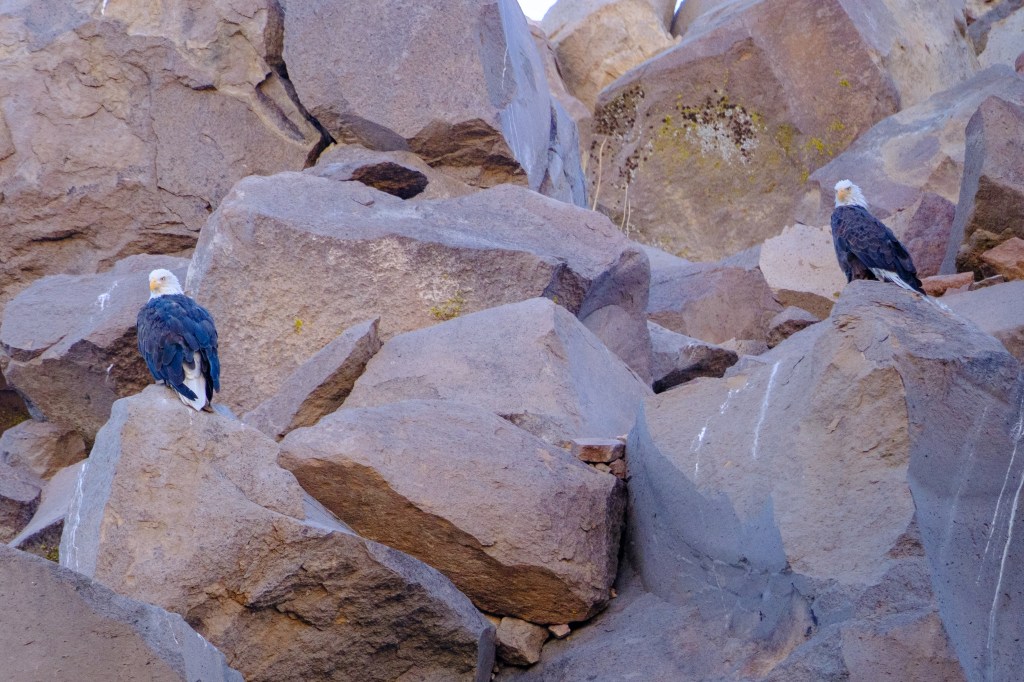
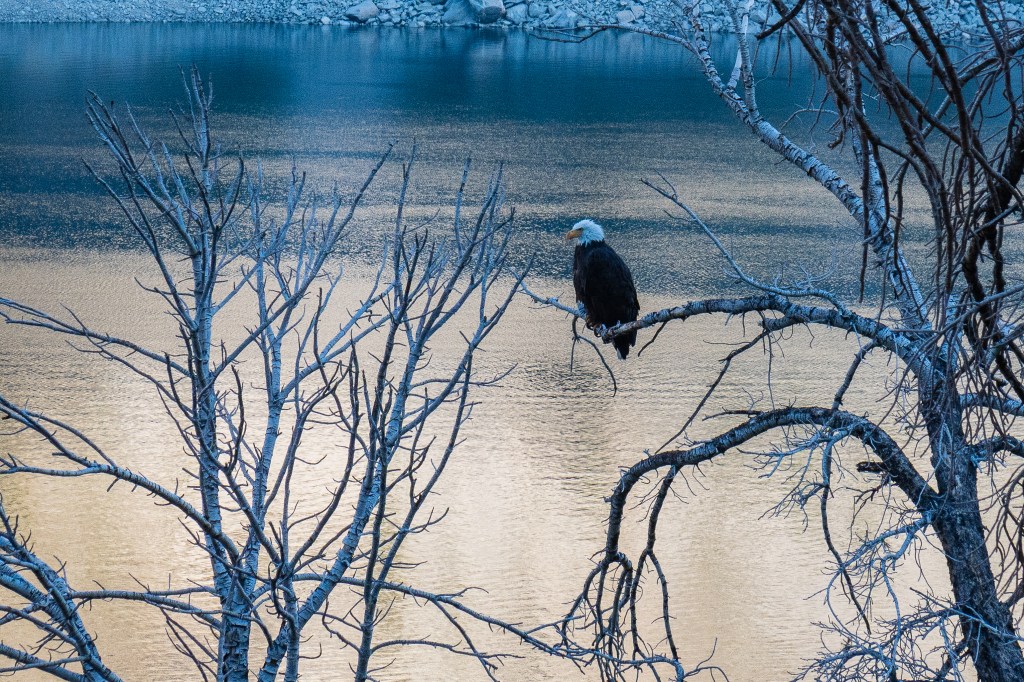
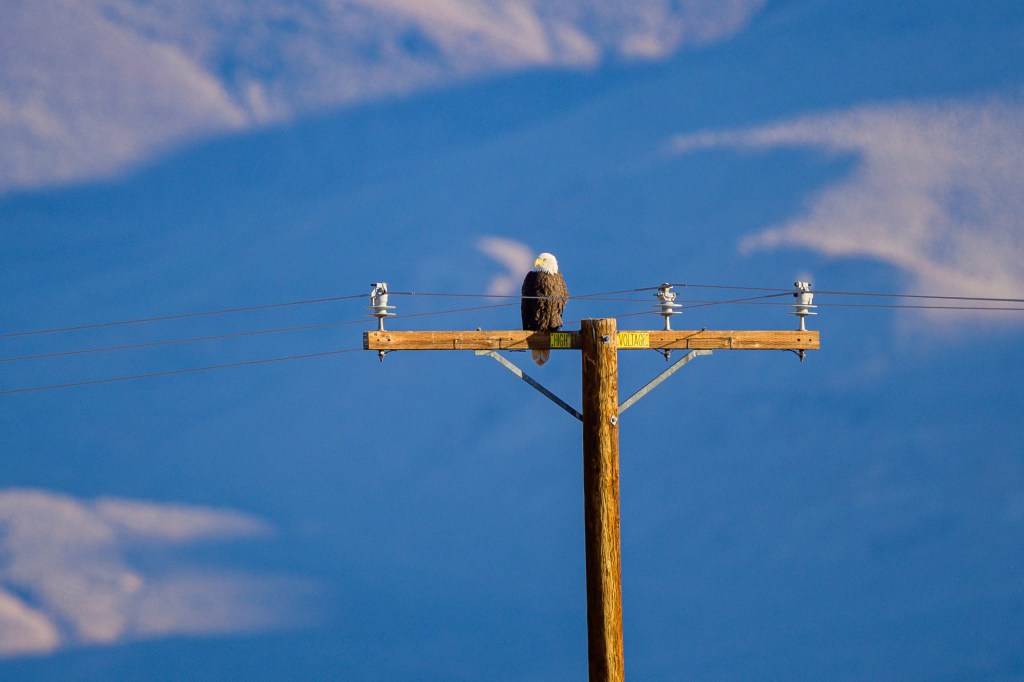
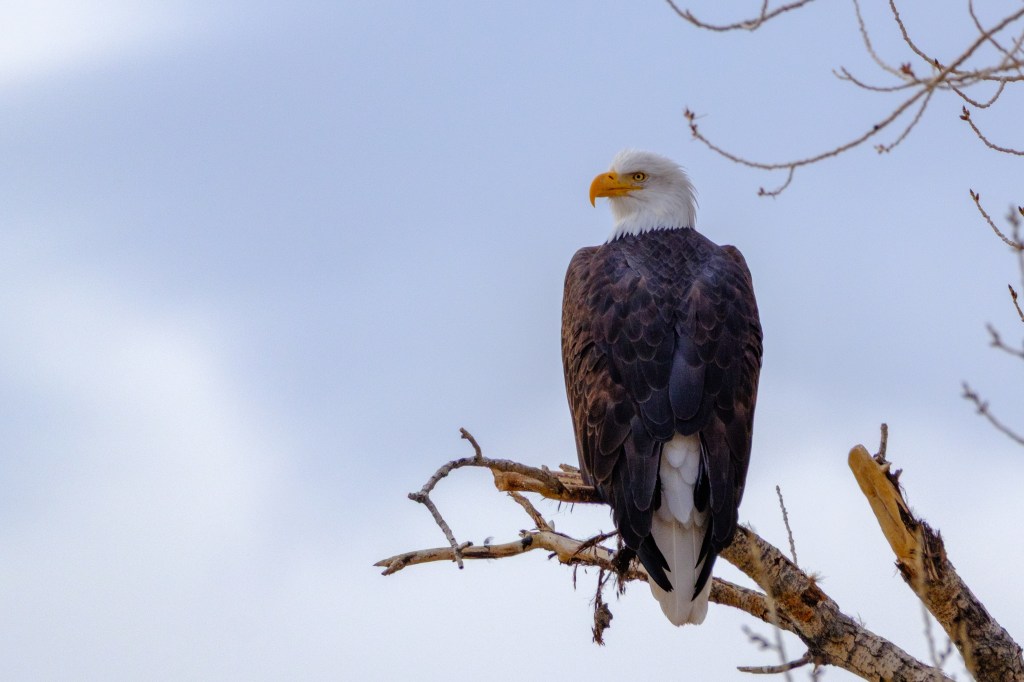
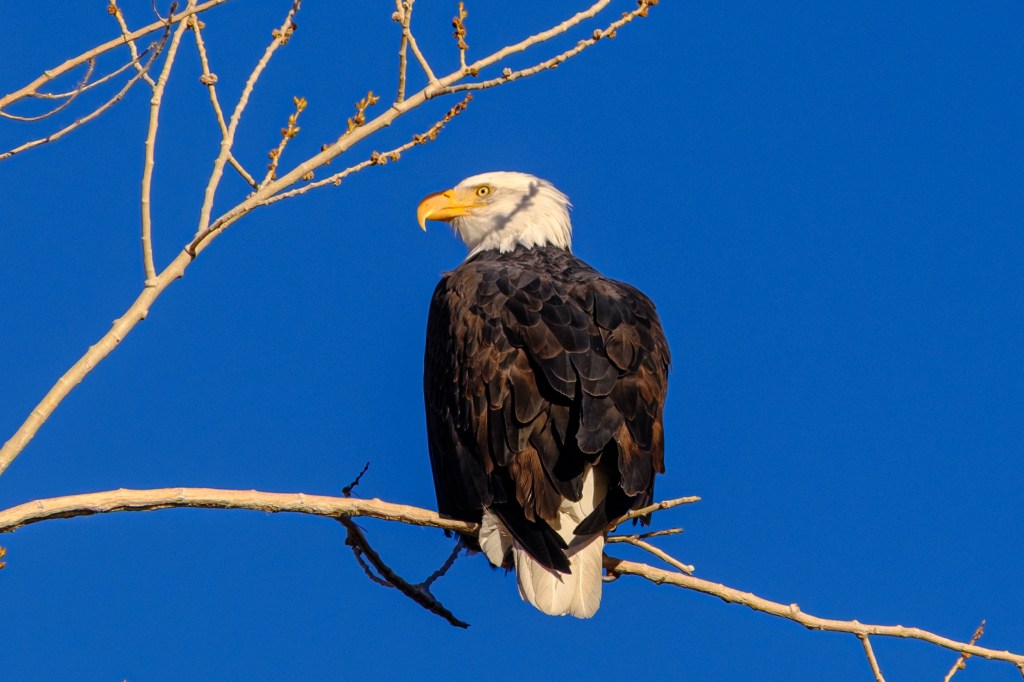
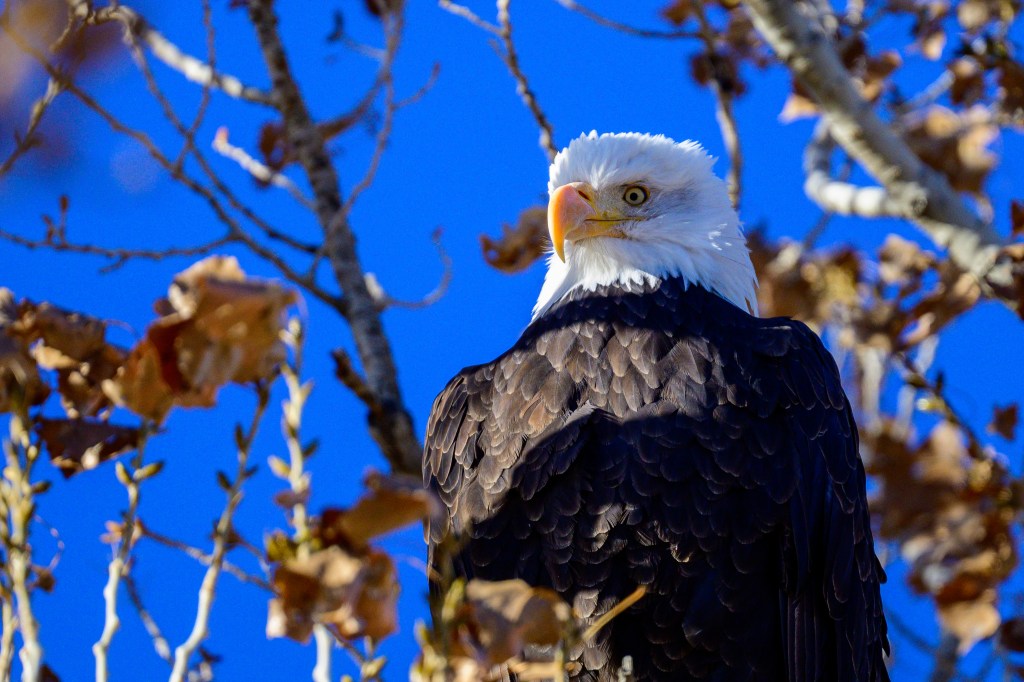
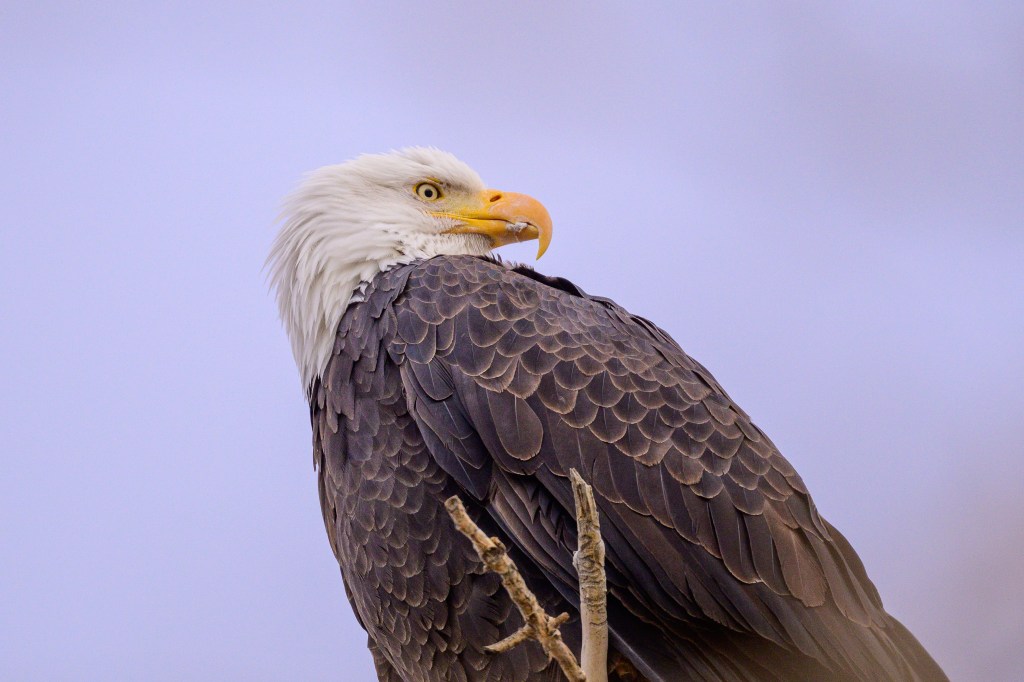
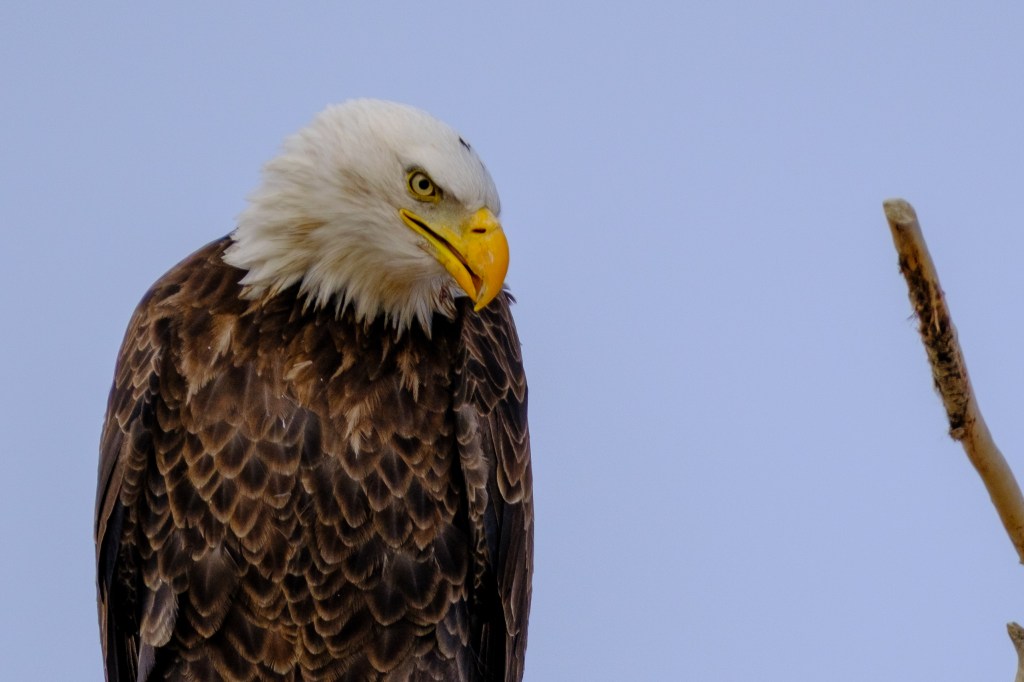
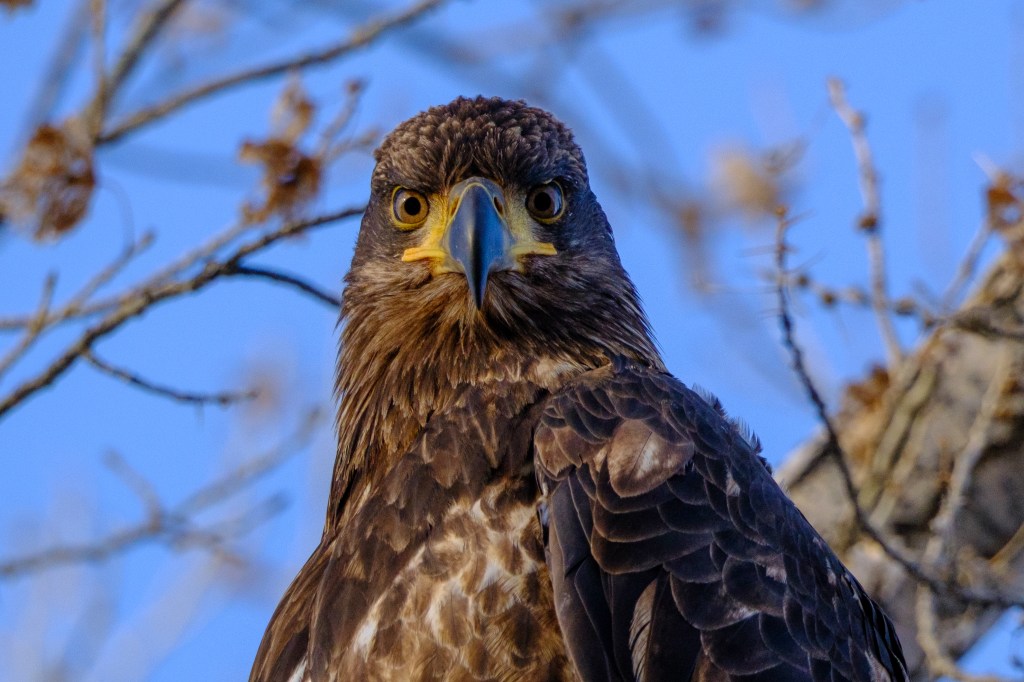
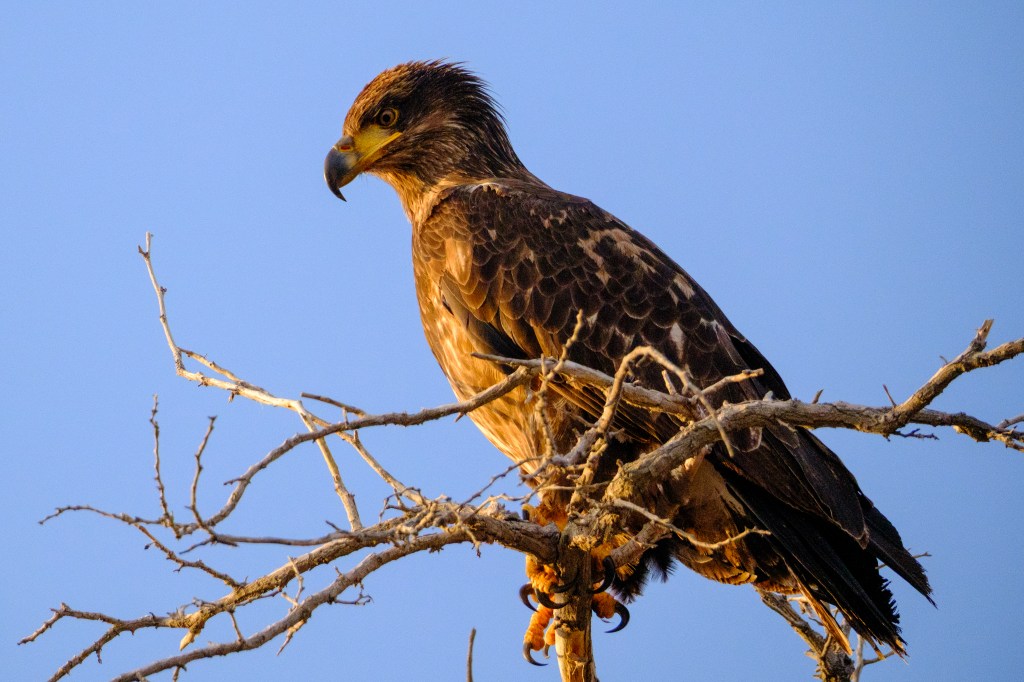
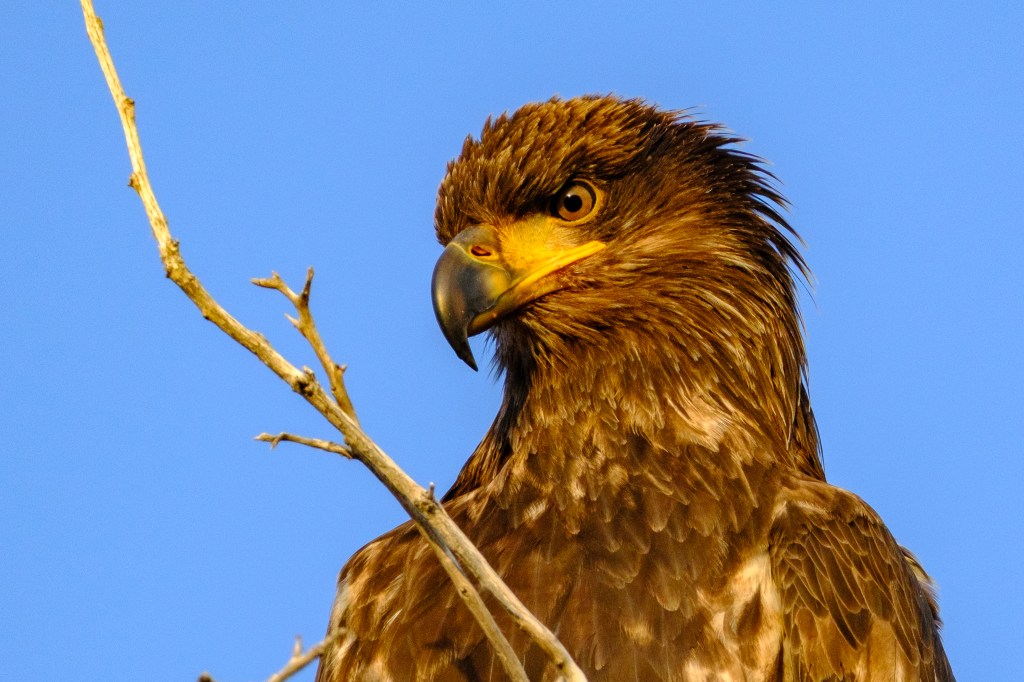
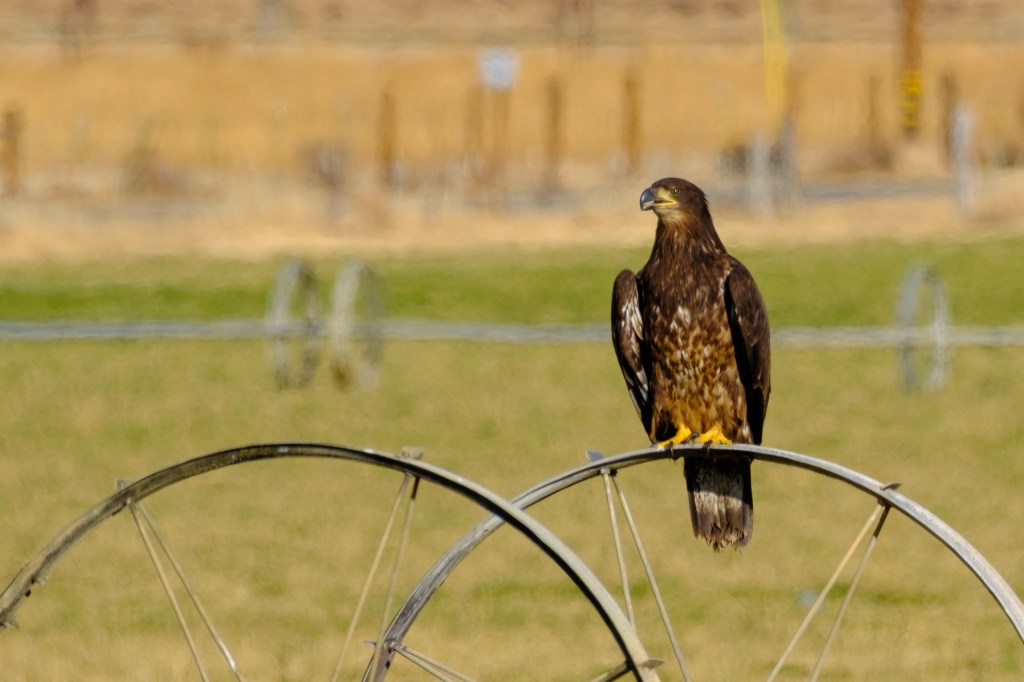

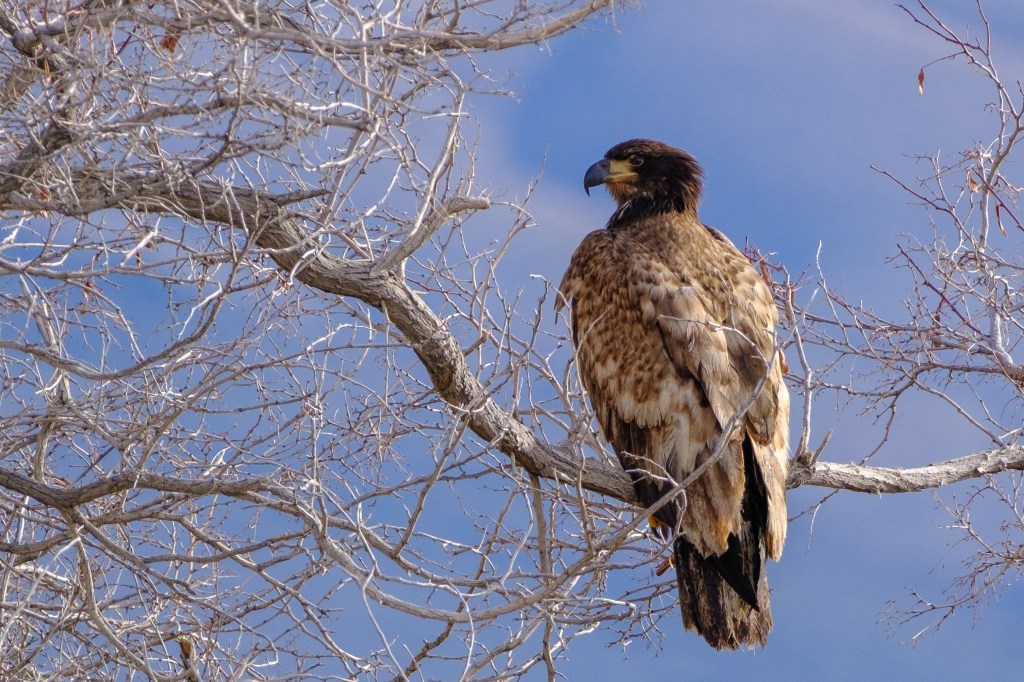


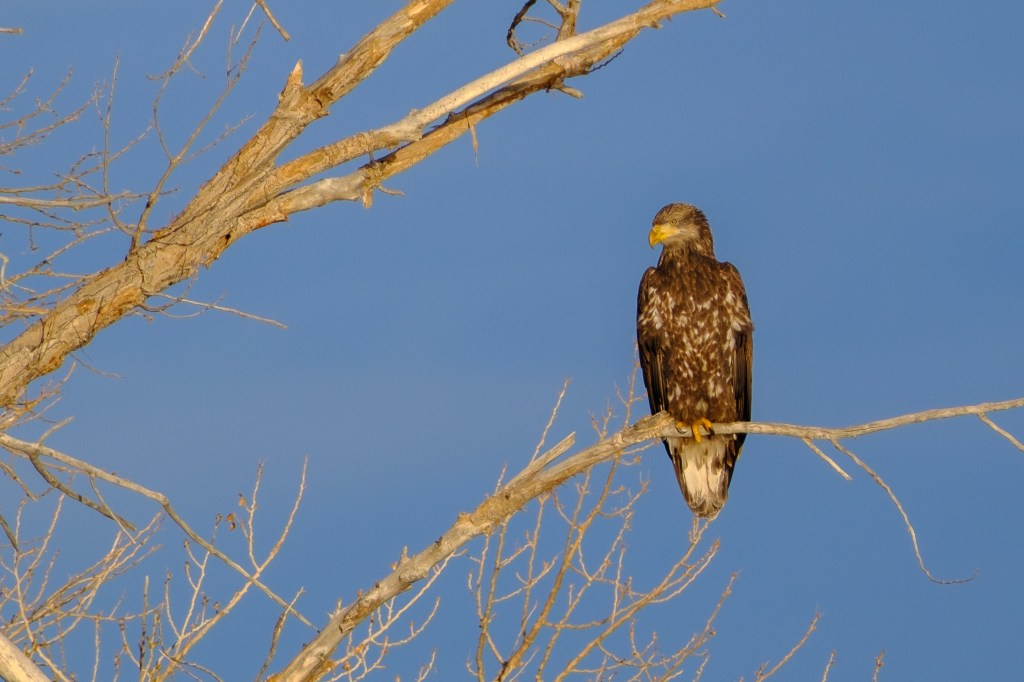
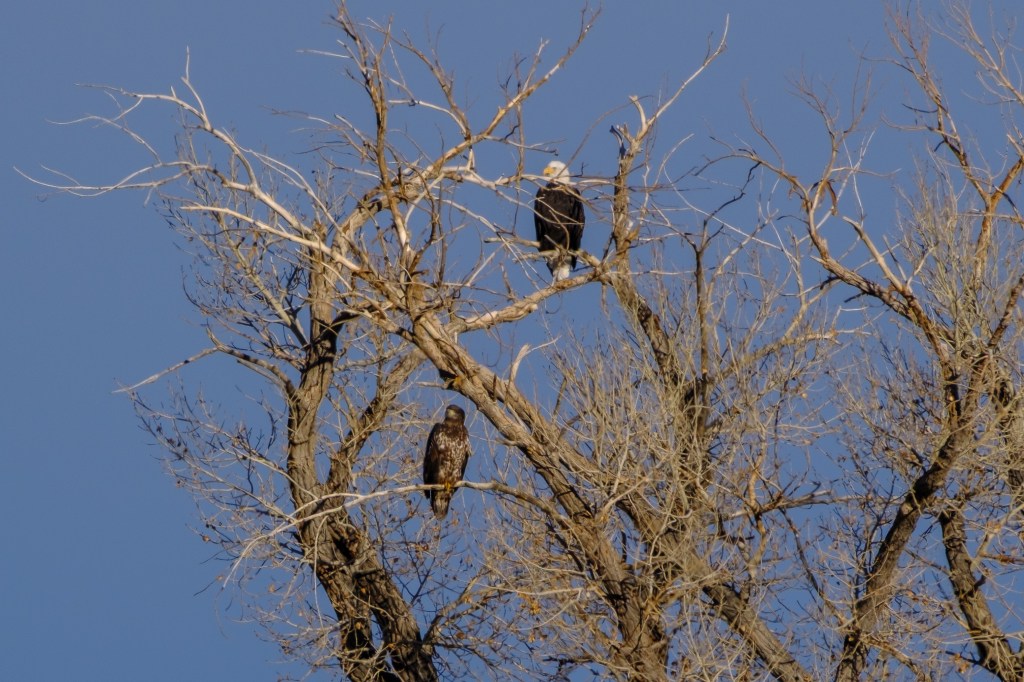
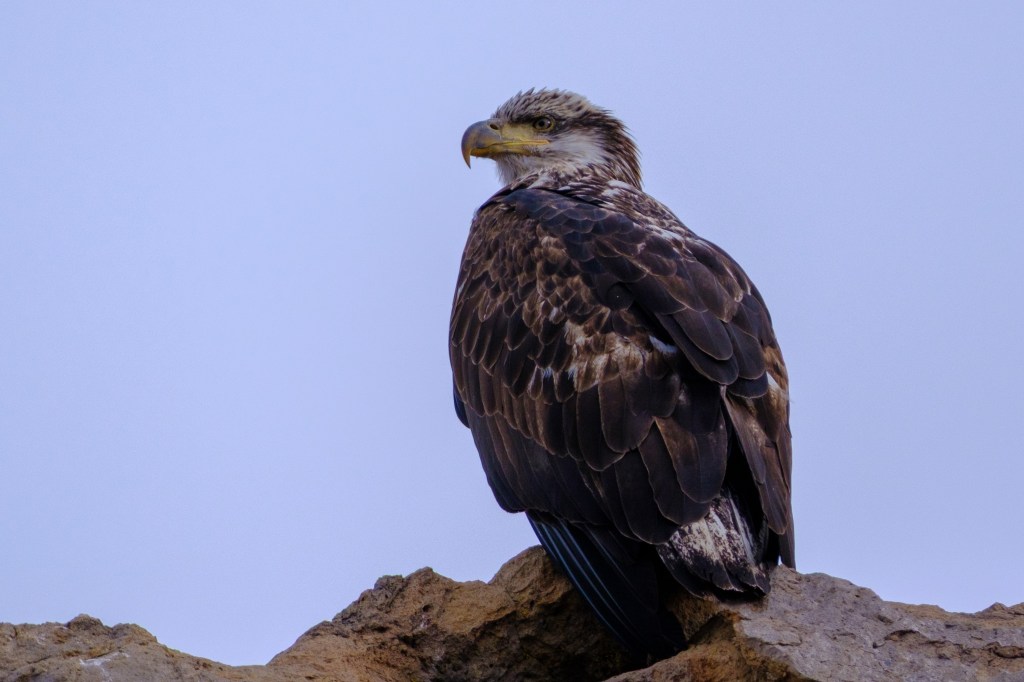
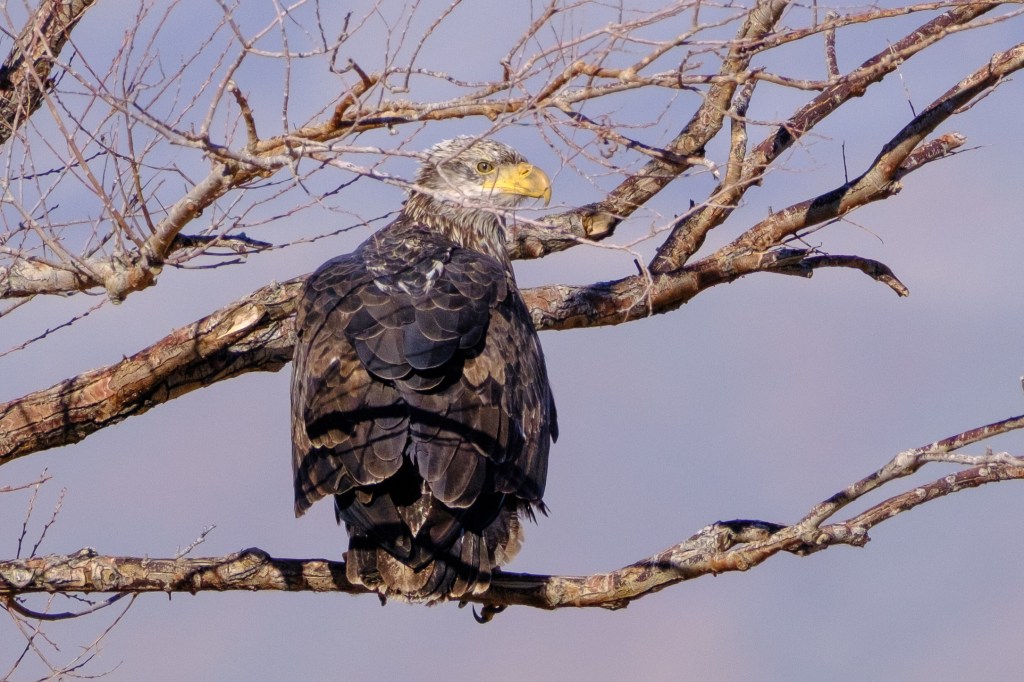
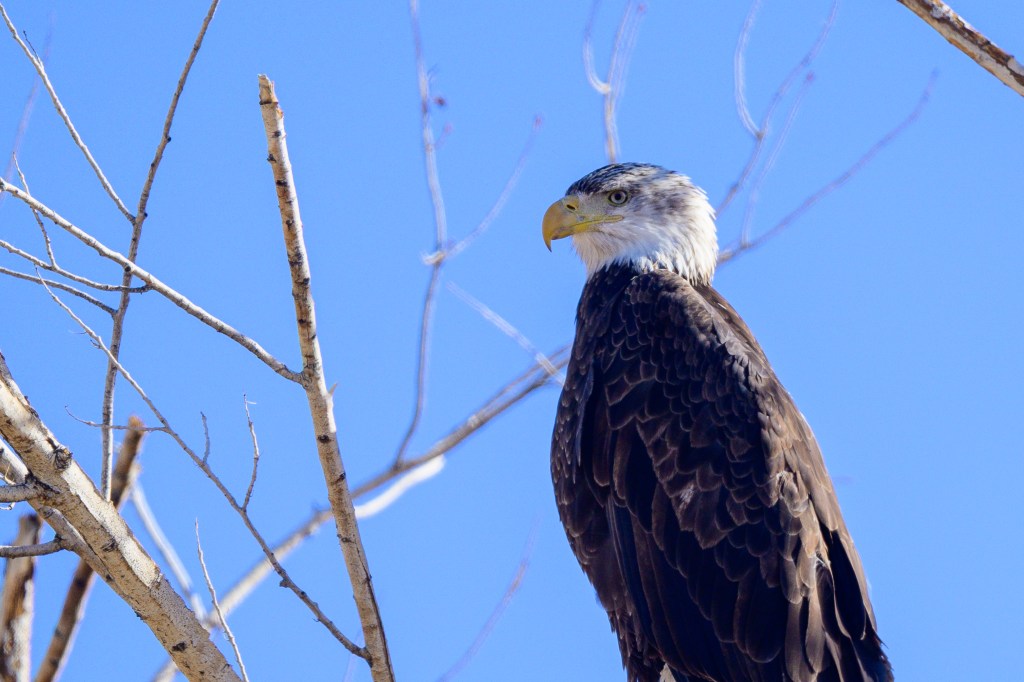
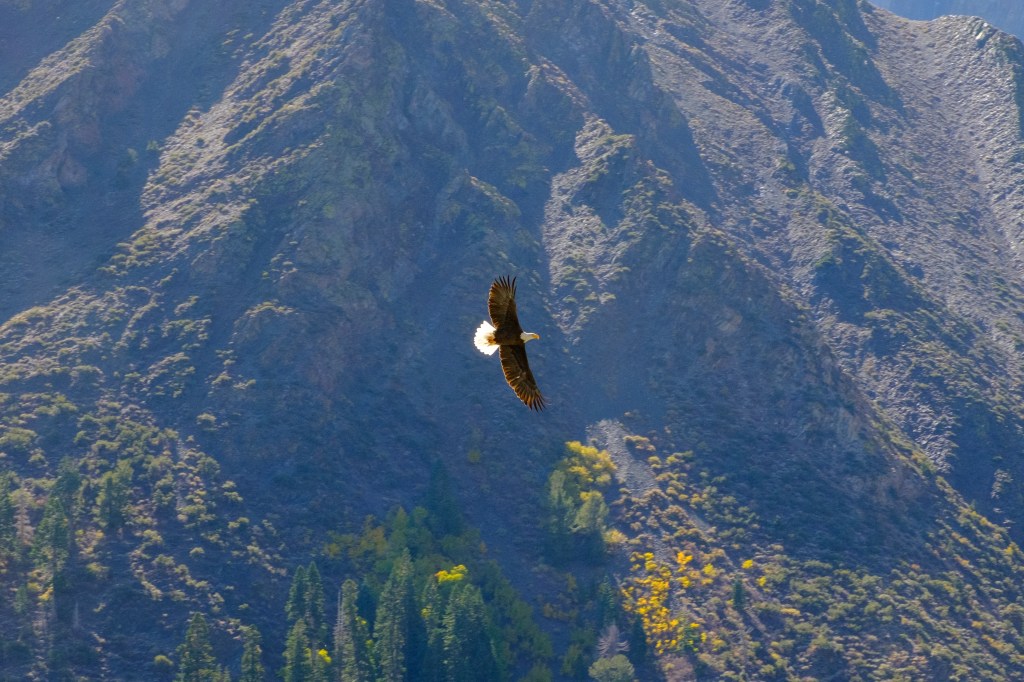
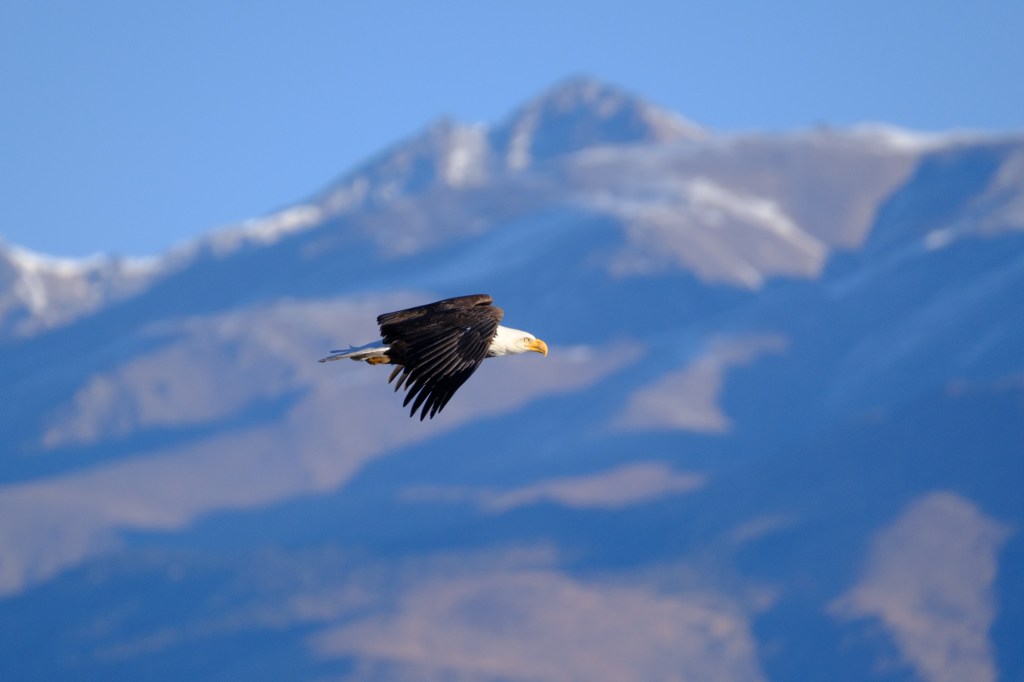
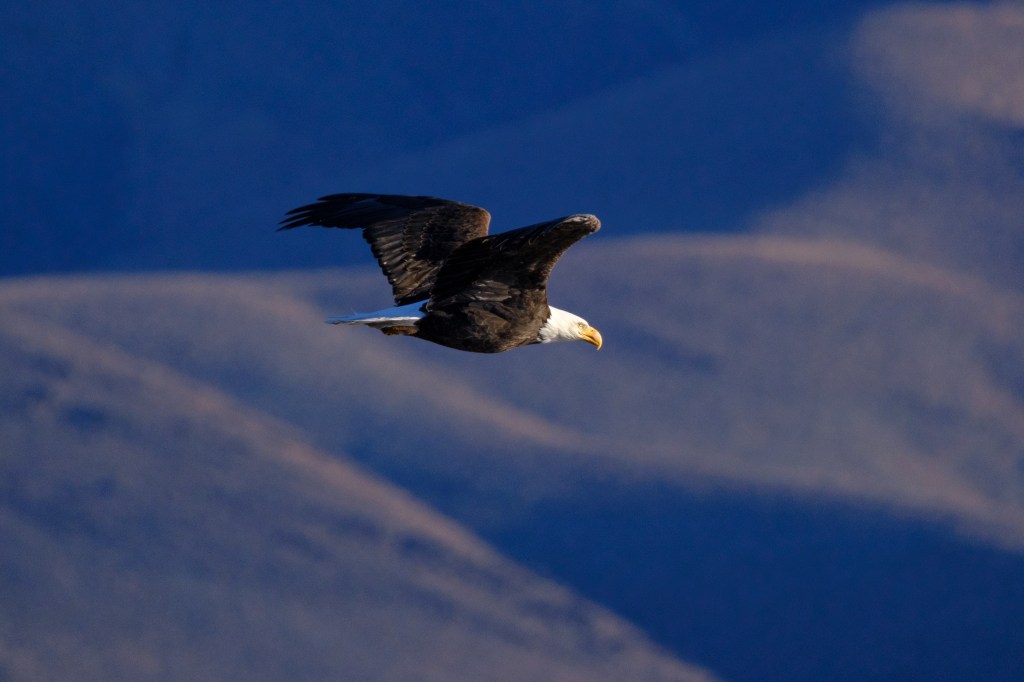
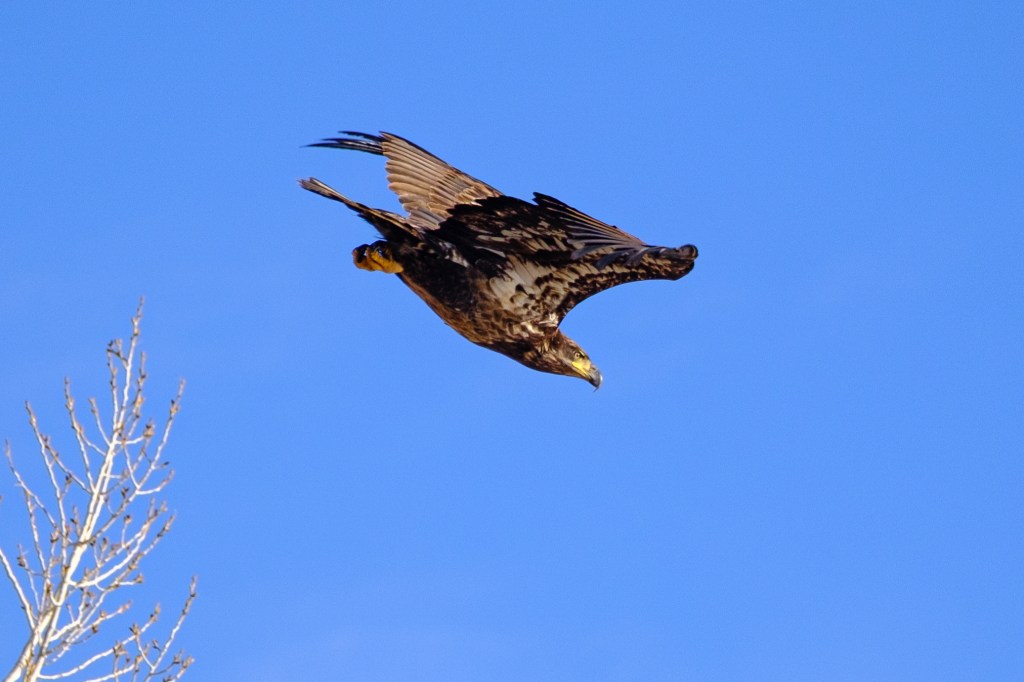
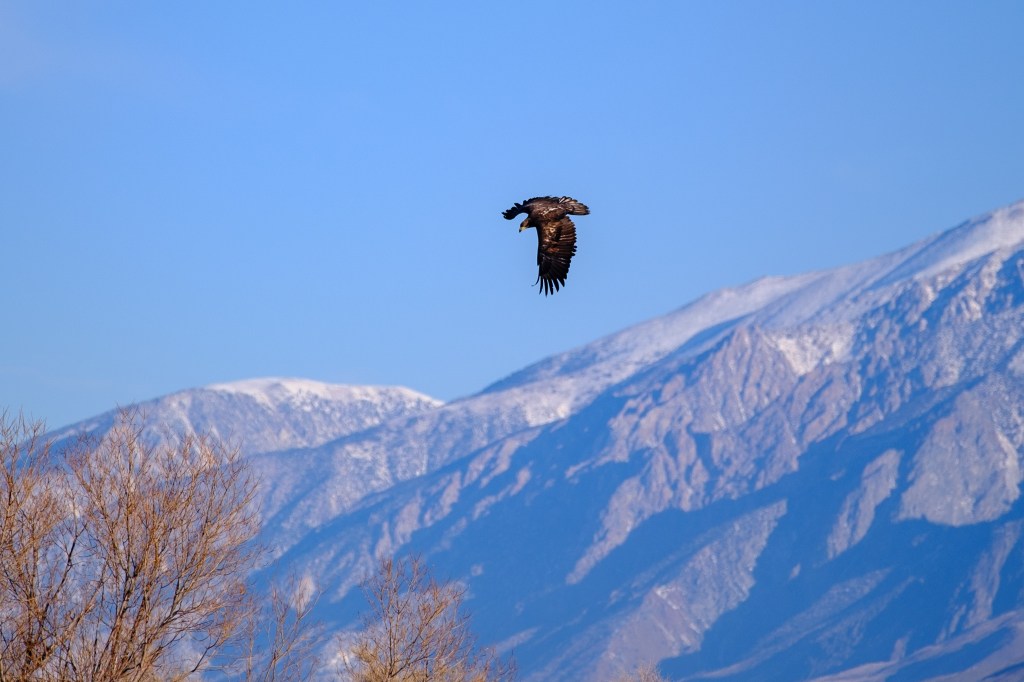

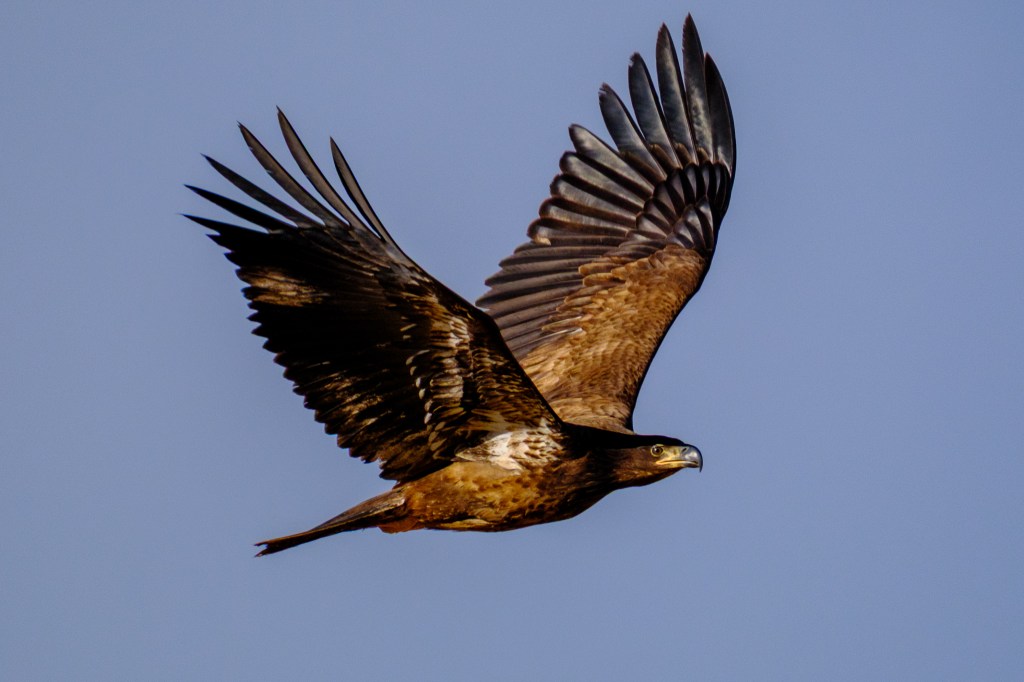
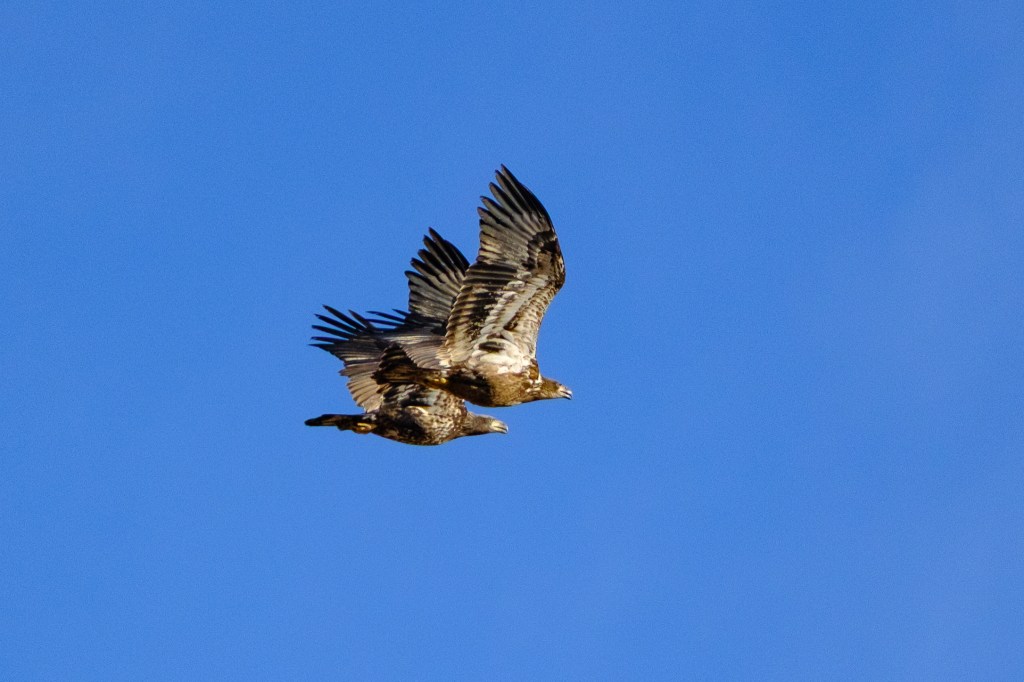
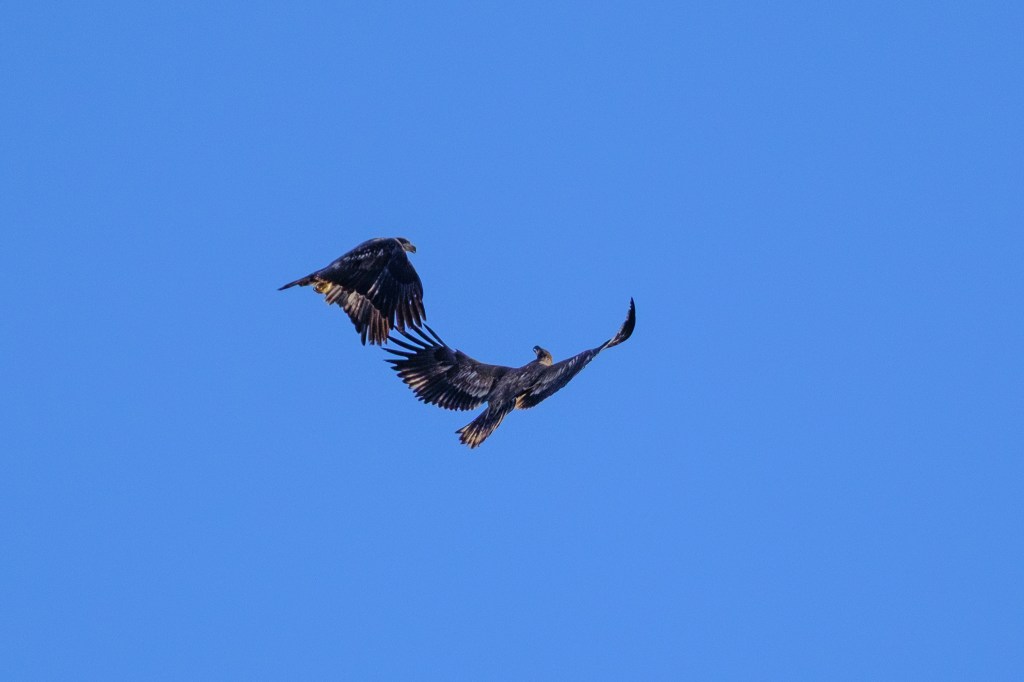
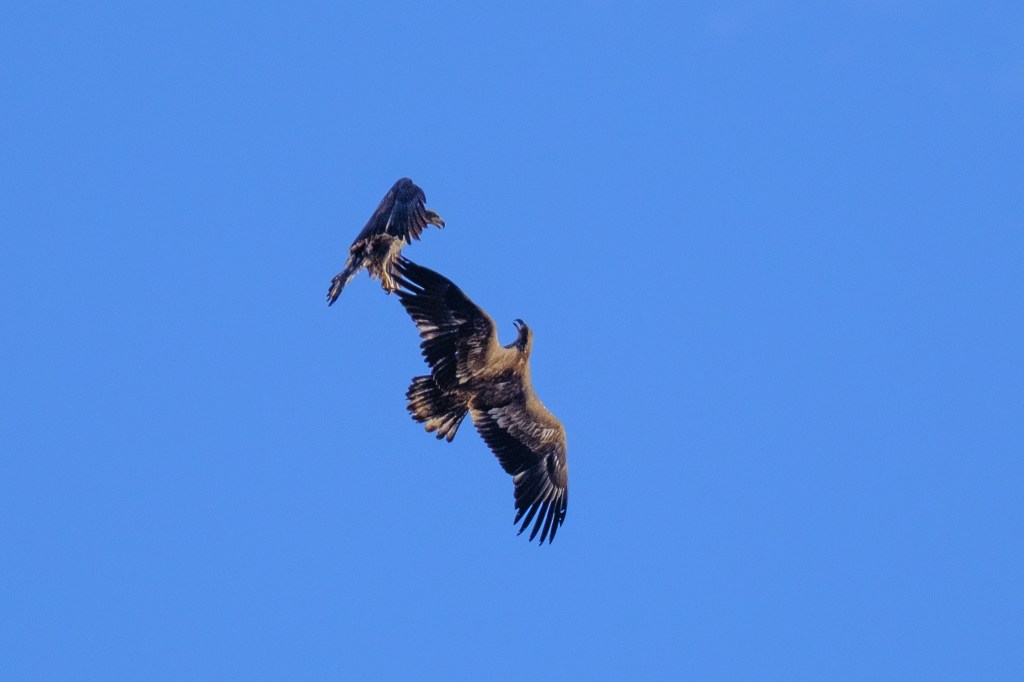


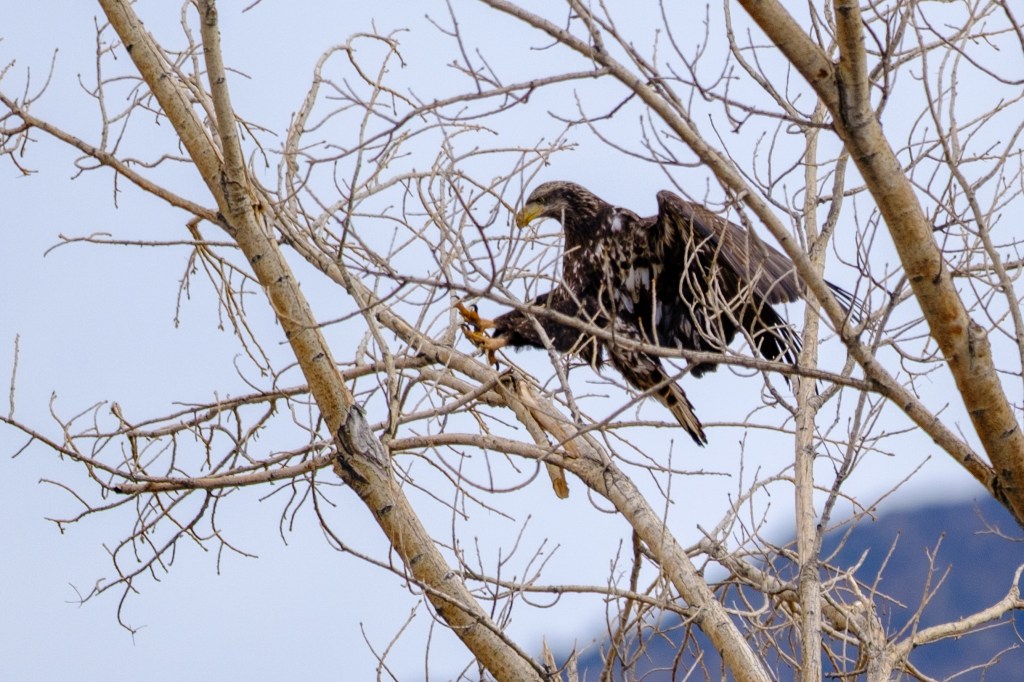

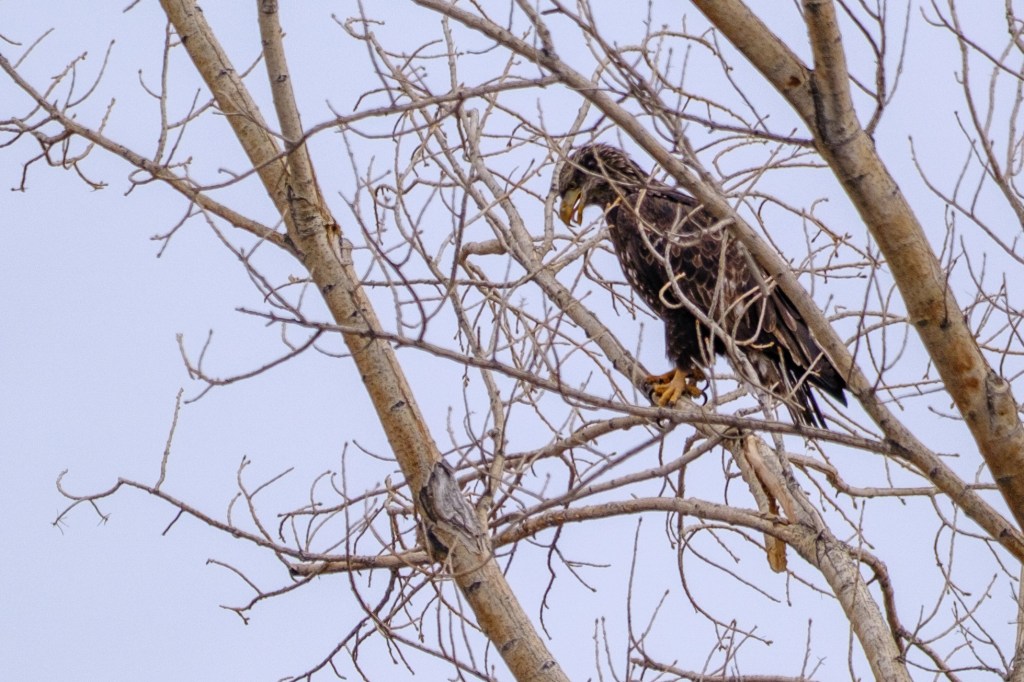


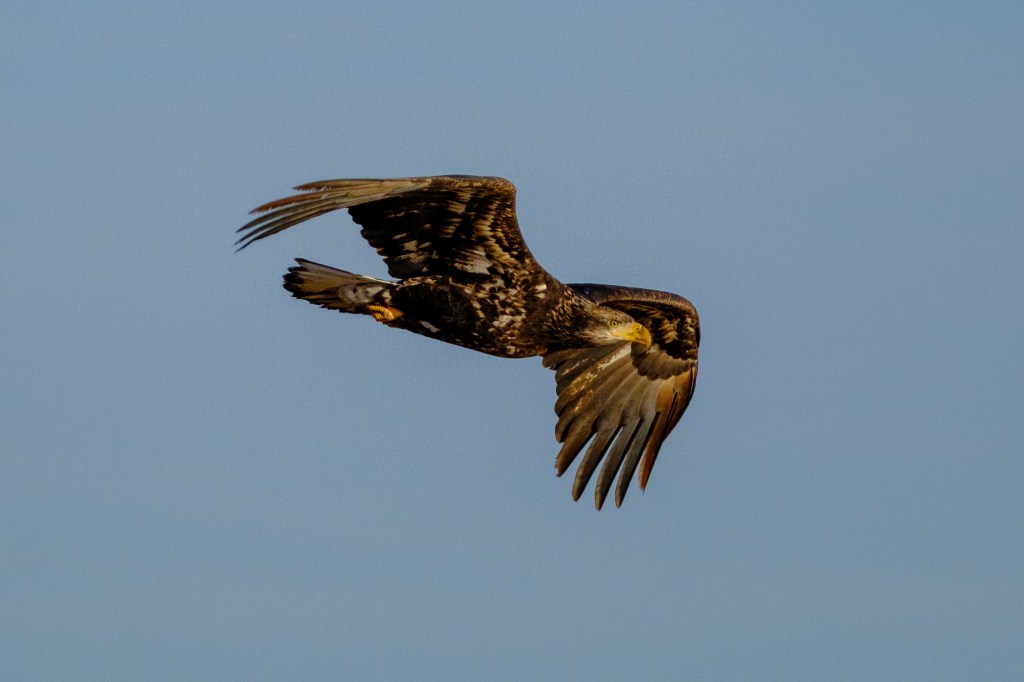
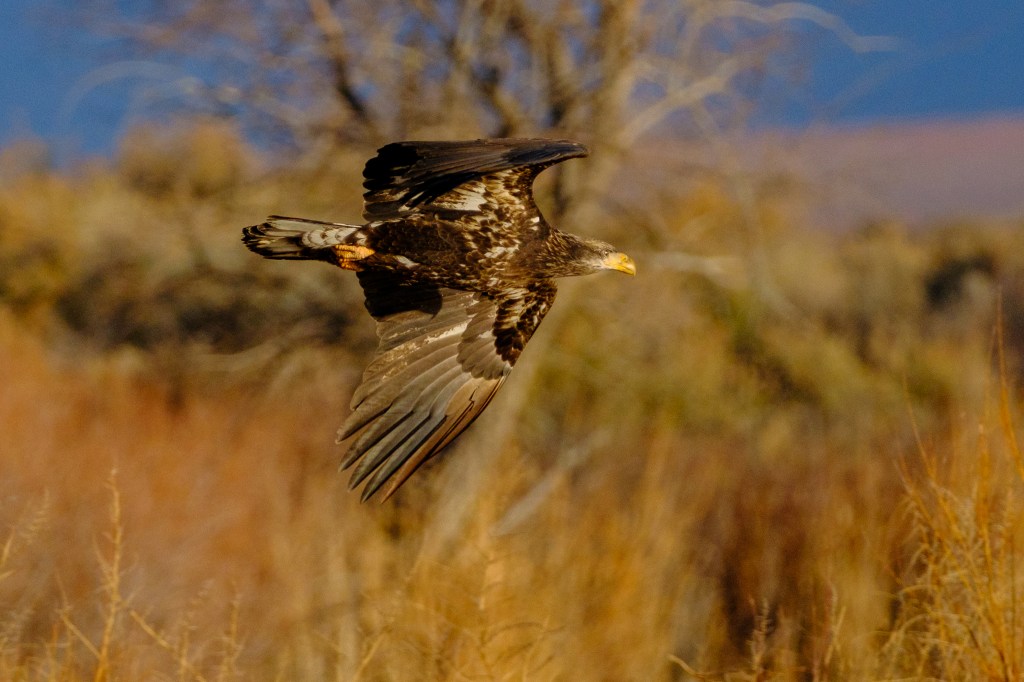
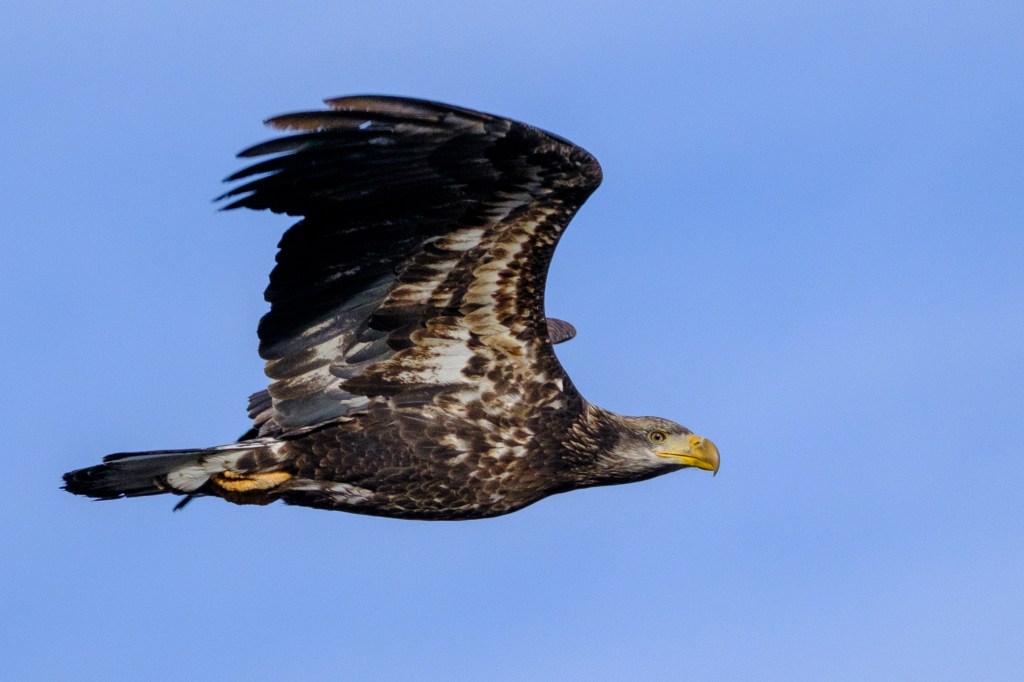


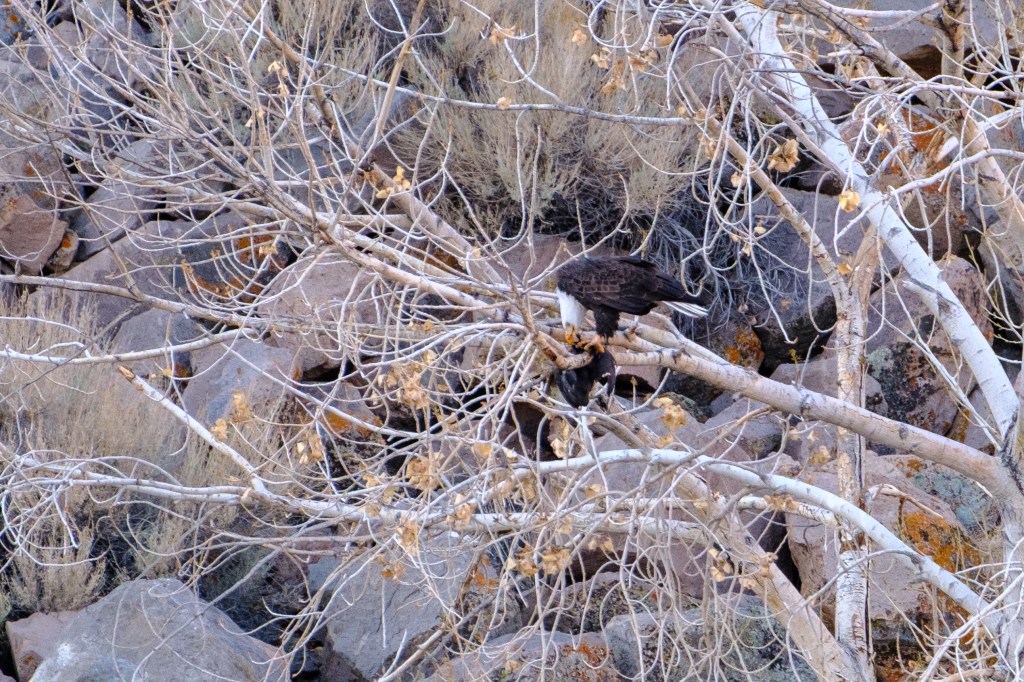
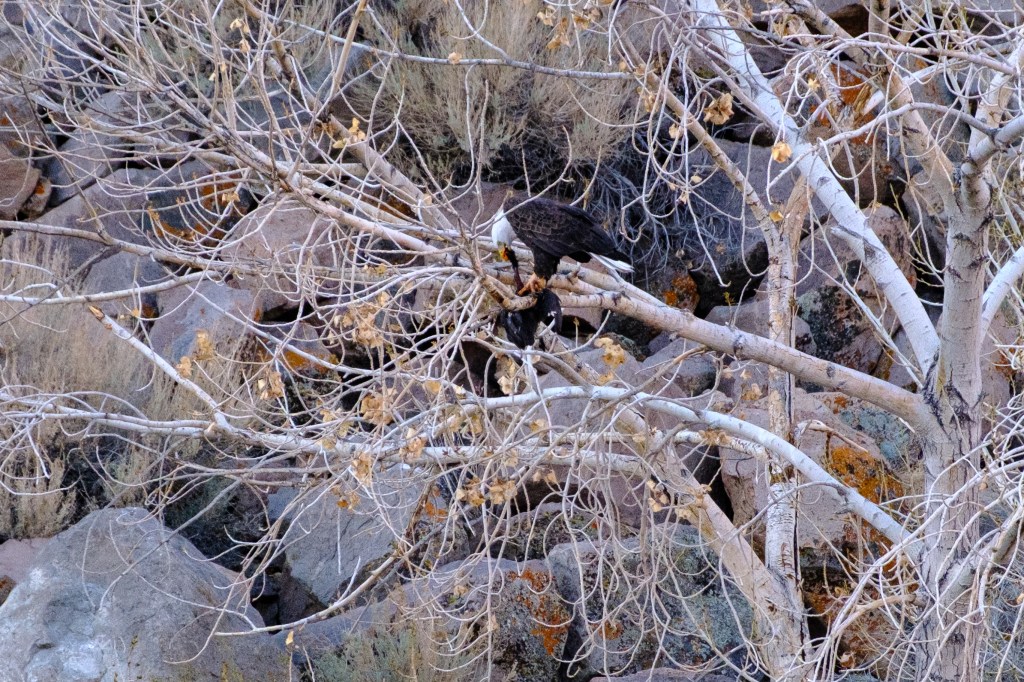
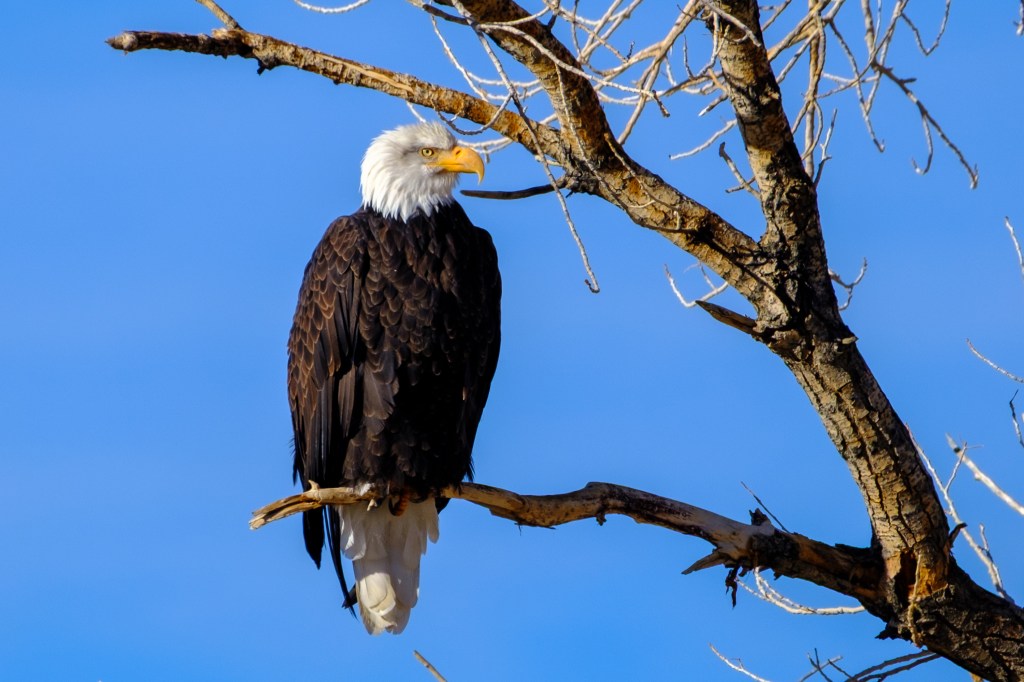
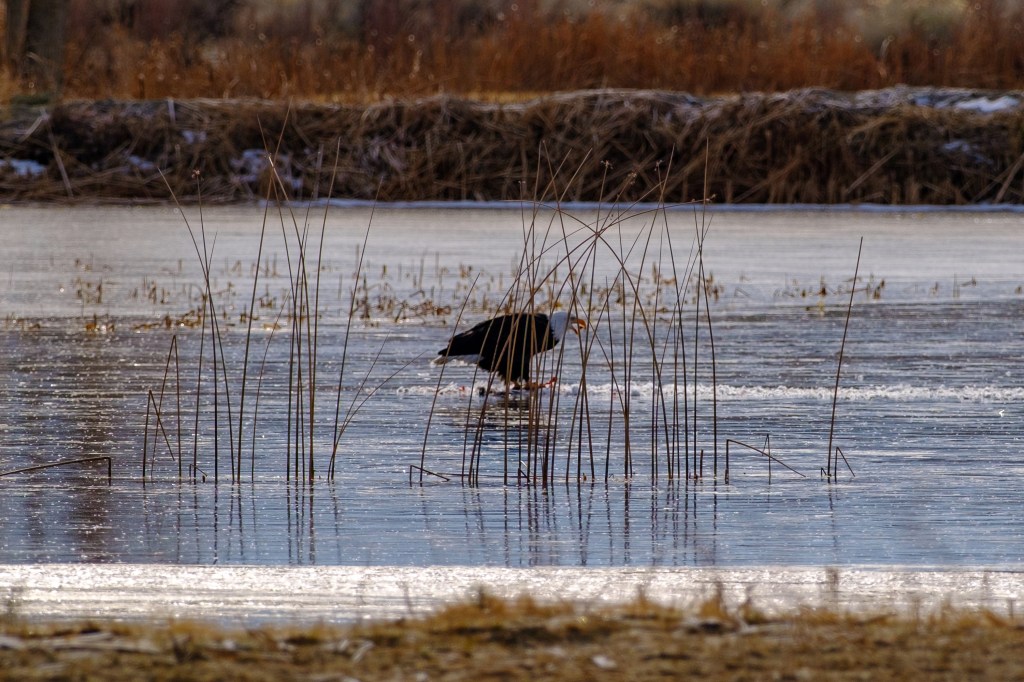
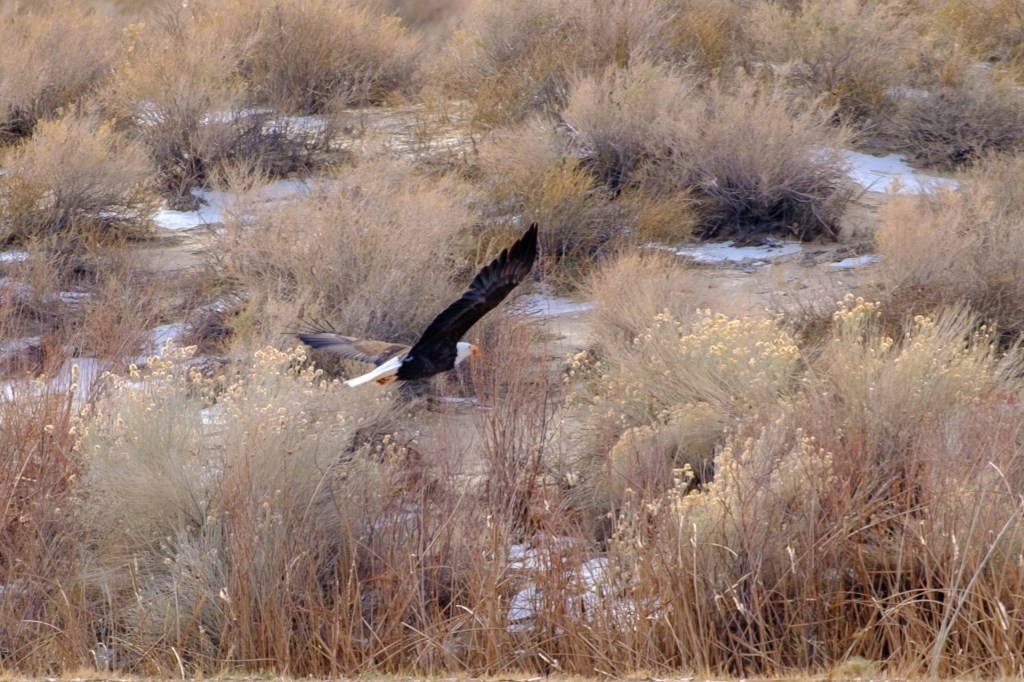
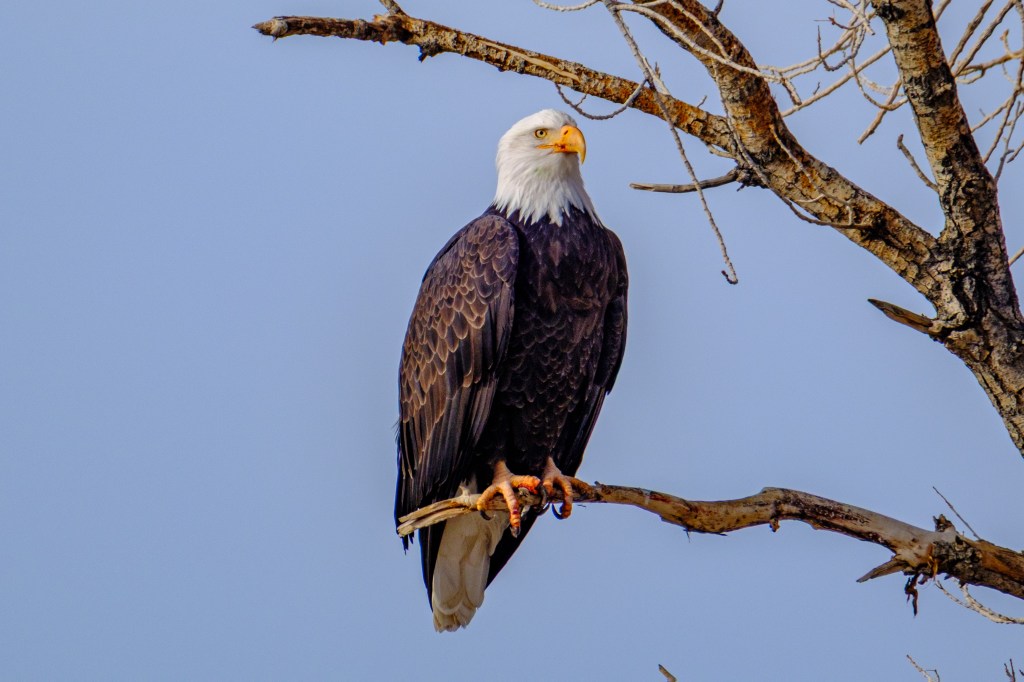
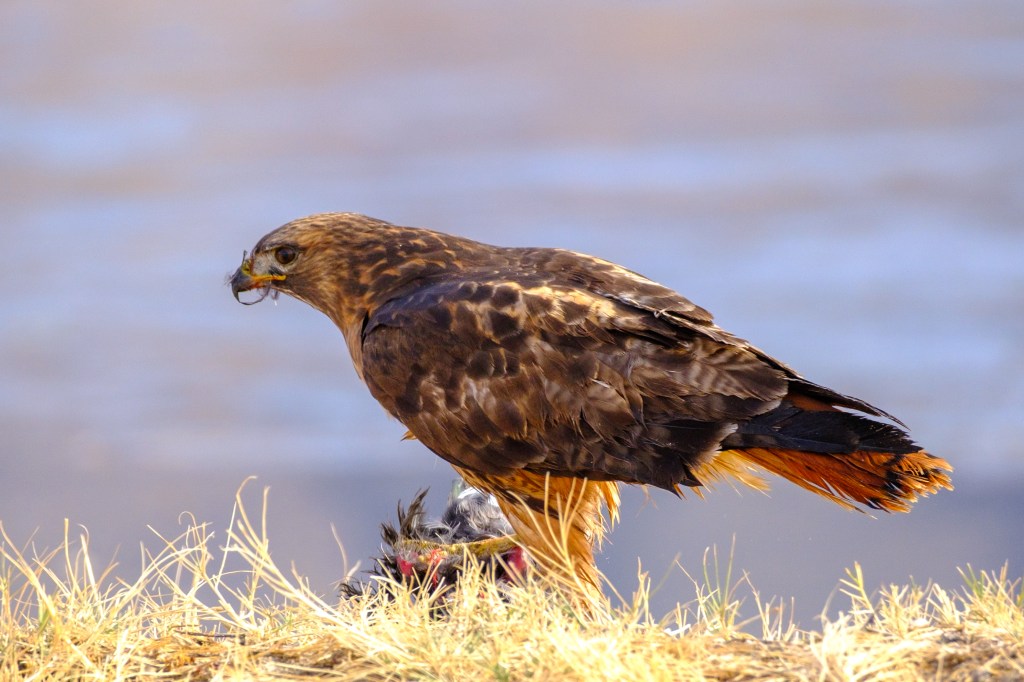
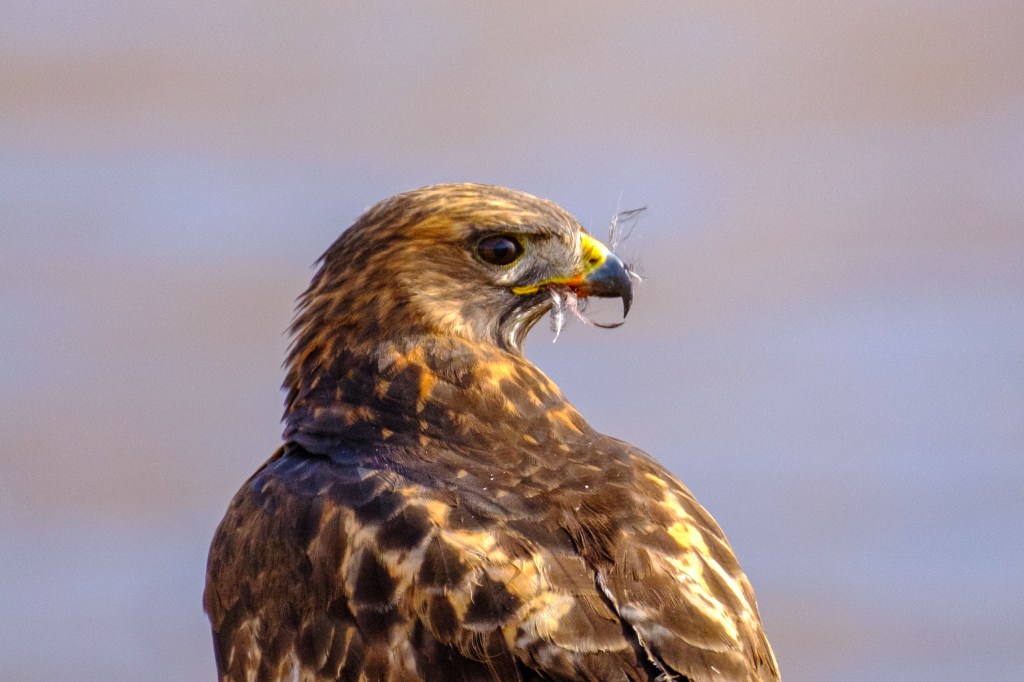


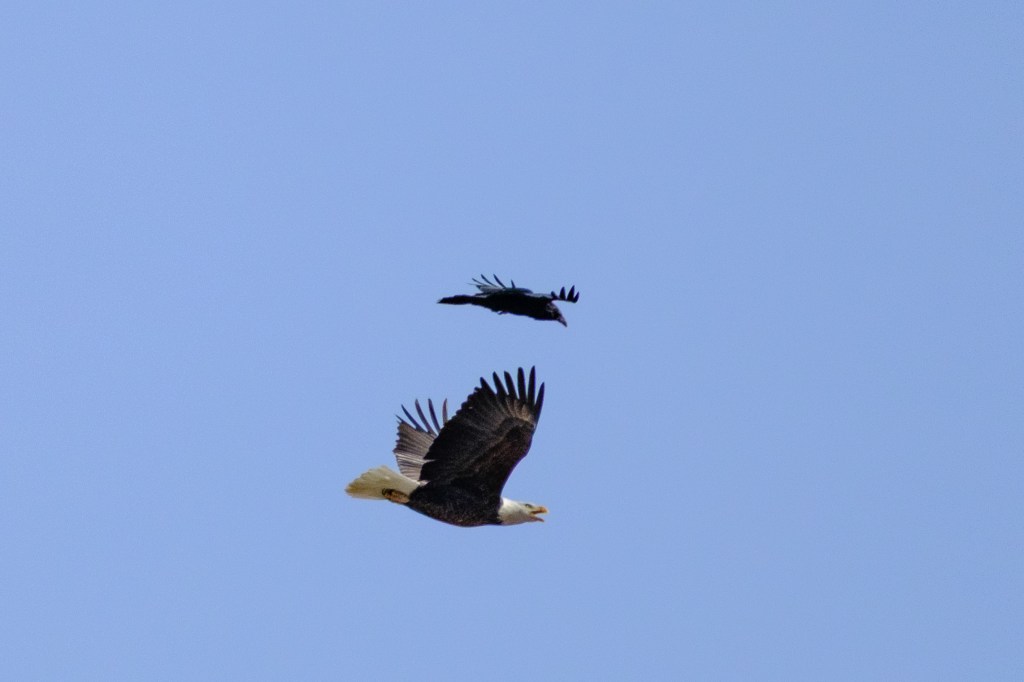
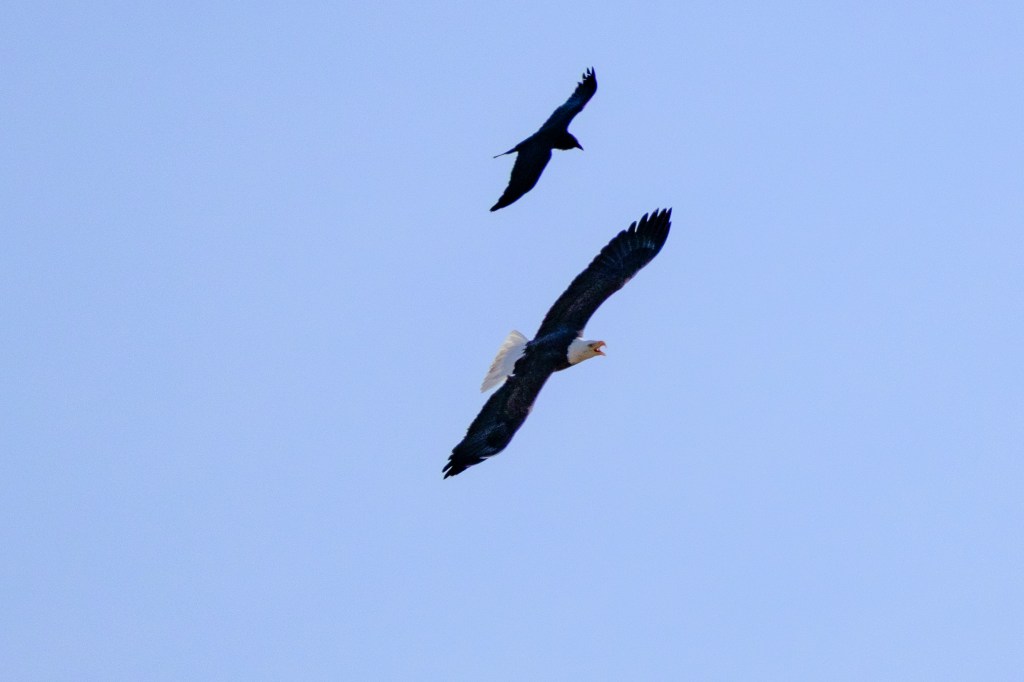
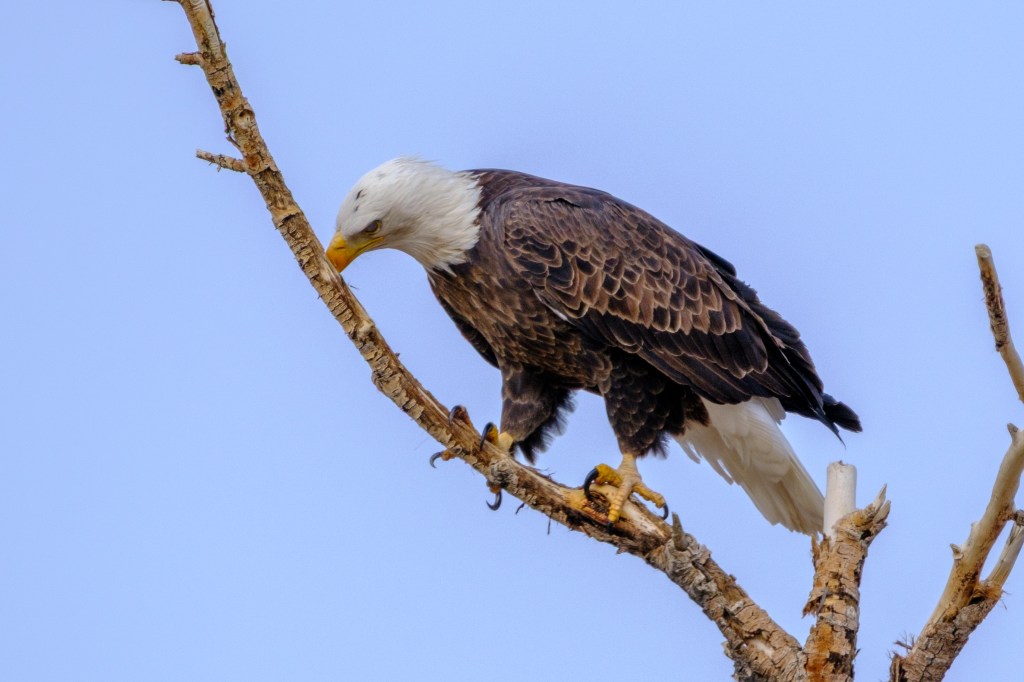
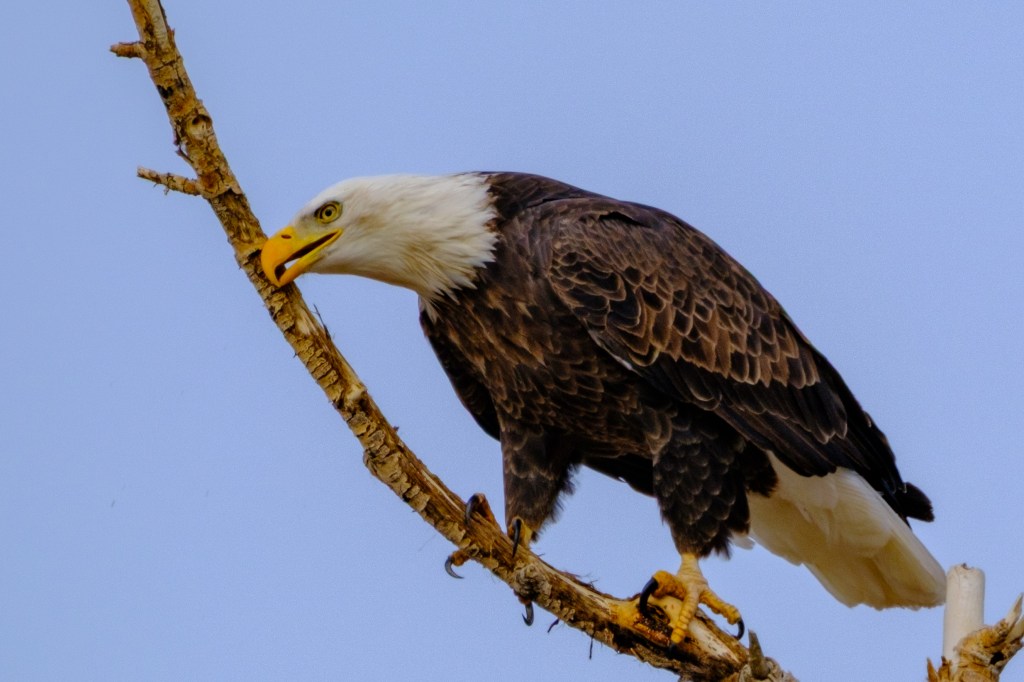
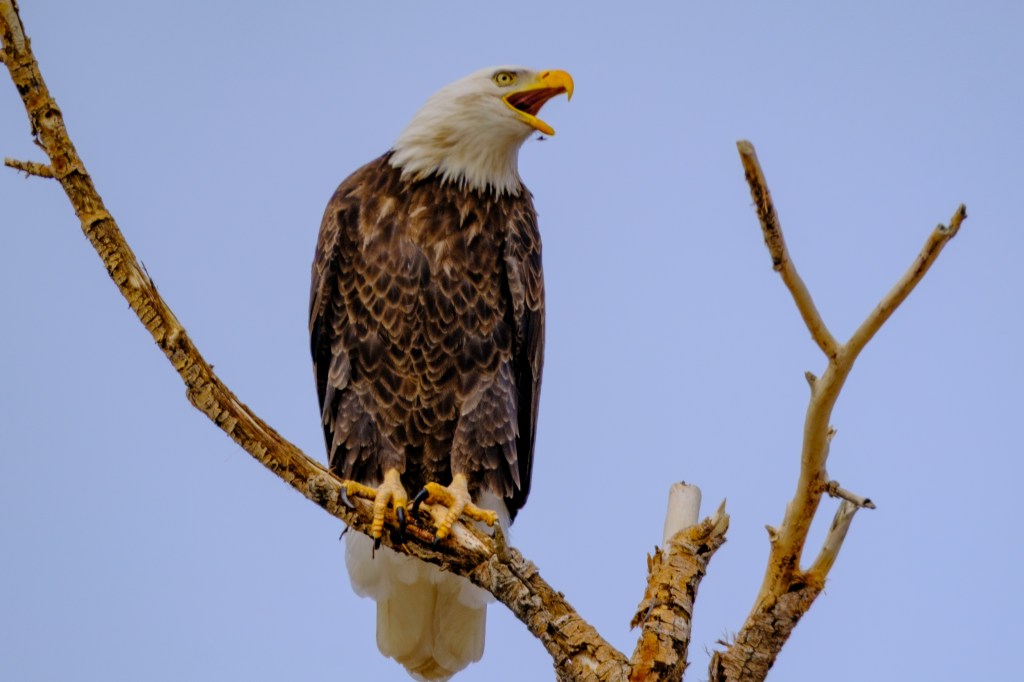
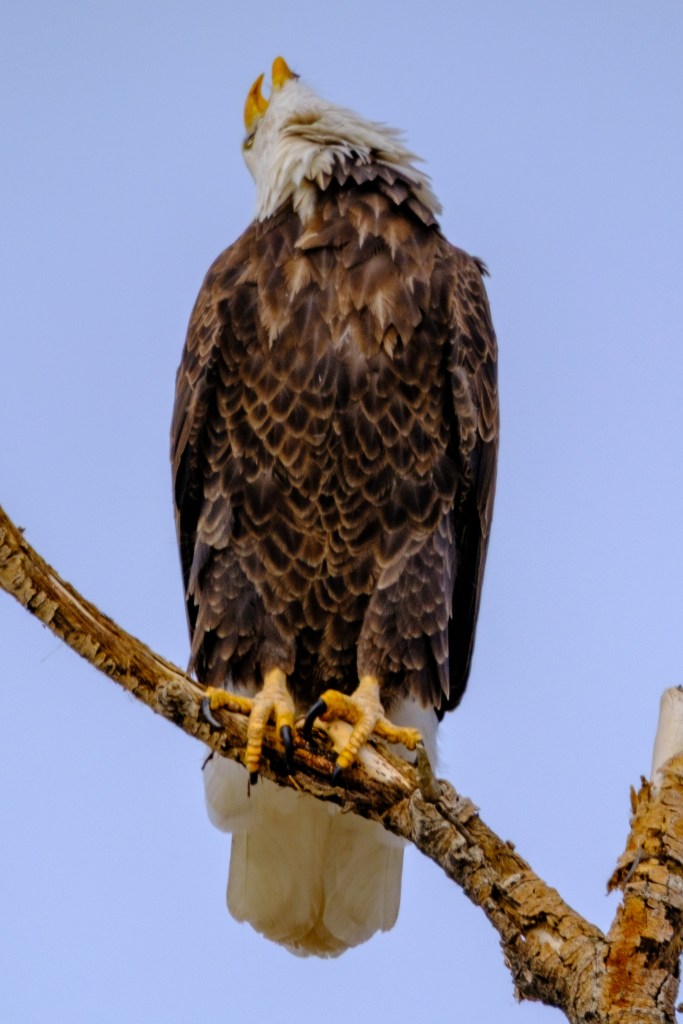
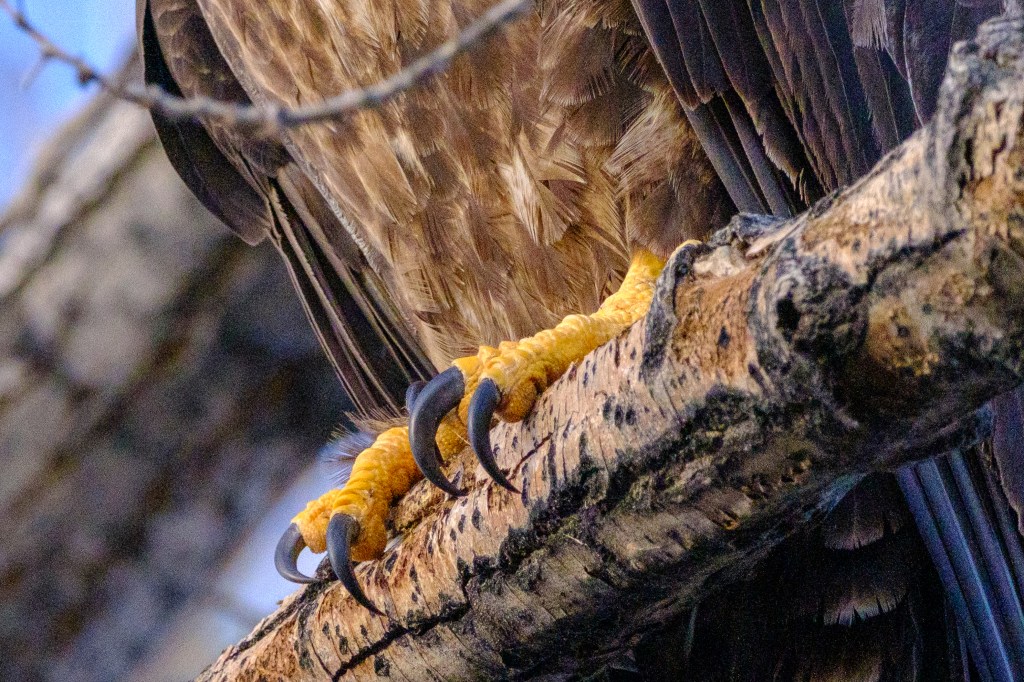
 Birds of Bishop