
I’ve photographed birds for 5 years. Previously, for decades, I spent time as a mountain climber/photographer. I’ve done over a thousand climbs and I spent years shooting Kodachrome slides on five continents. This article is about Mt. Waddington, my favorite climb.
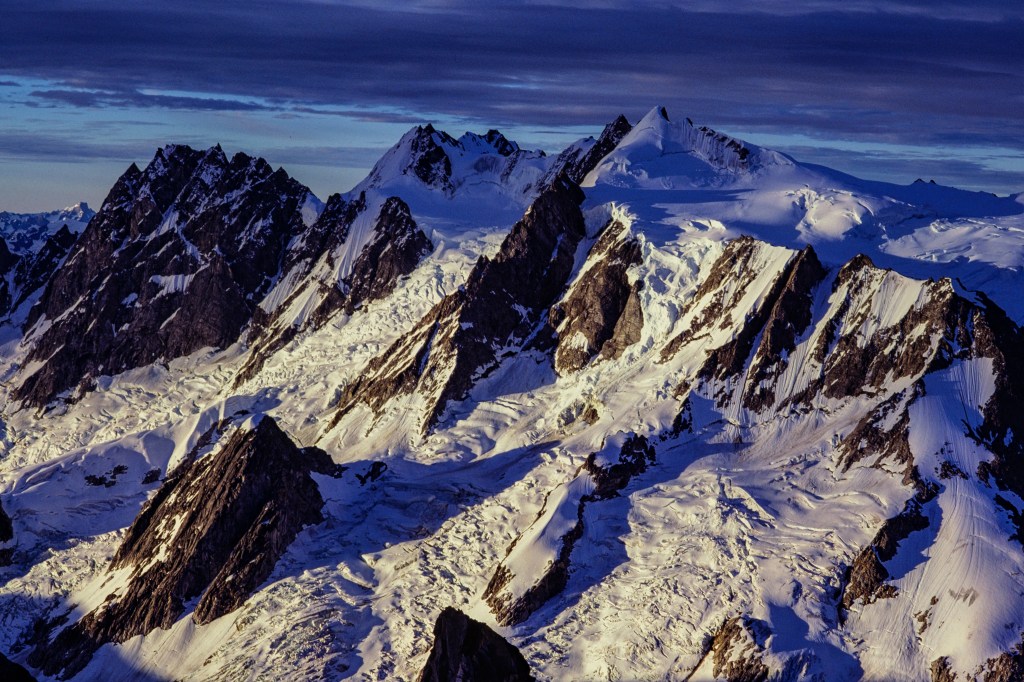
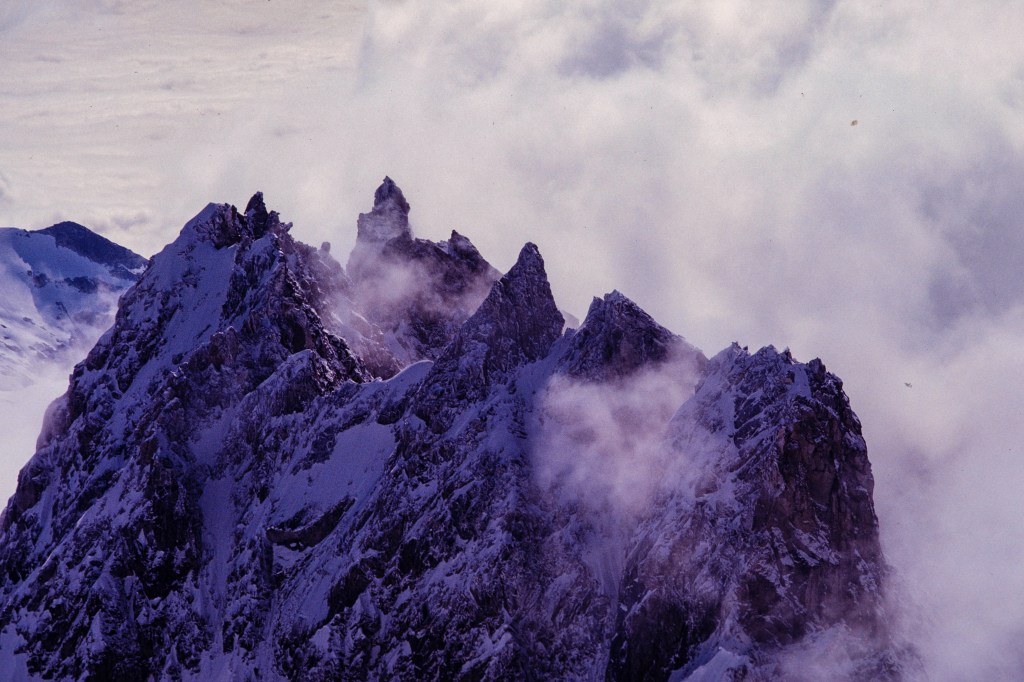
Mt. Waddington is in the British Columbia Coast Range, between the Klinaklini and Homathko Rivers. Bad weather and the remote location conceal the peak; it was not discovered until 1925. At 13,186 ft, it is higher than any peak in the better-known Canadian Rockies. For a decade, climbers from the US and Canada attempted to reach the summit. The peak was known to climbers during this competitive era and it is featured in books about the history of climbing in North America. Two US climbers, Fritz Weissner and Bill House, reached the top in 1936. Many climbers today are unaware of this isolated area. This is a region of dangerous rivers, dense forests, giant glaciers, and grizzly bears.
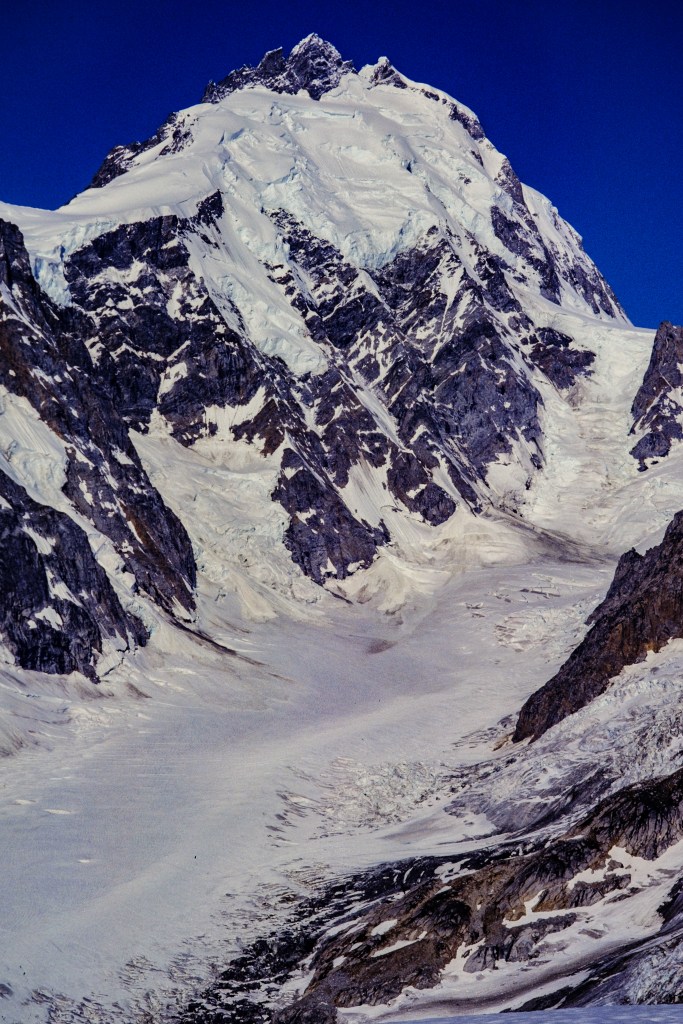
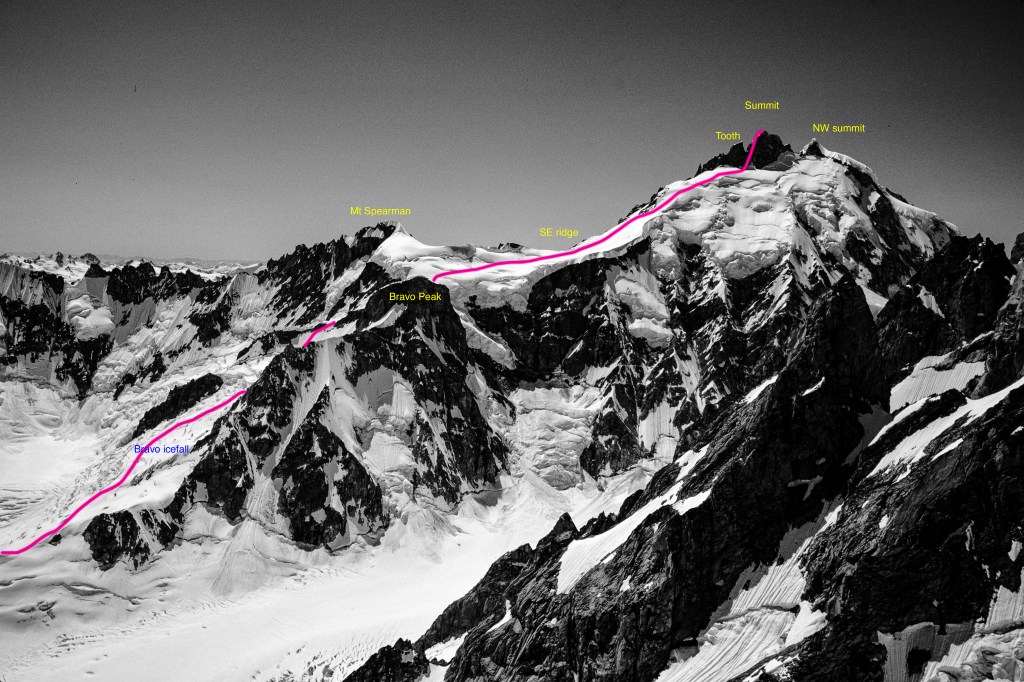
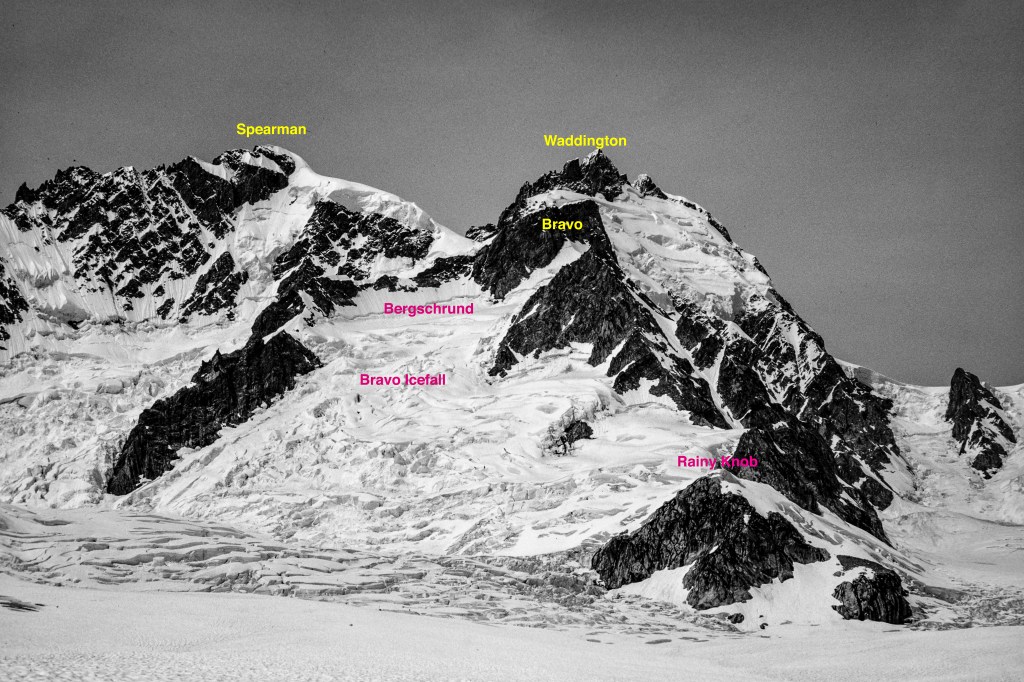
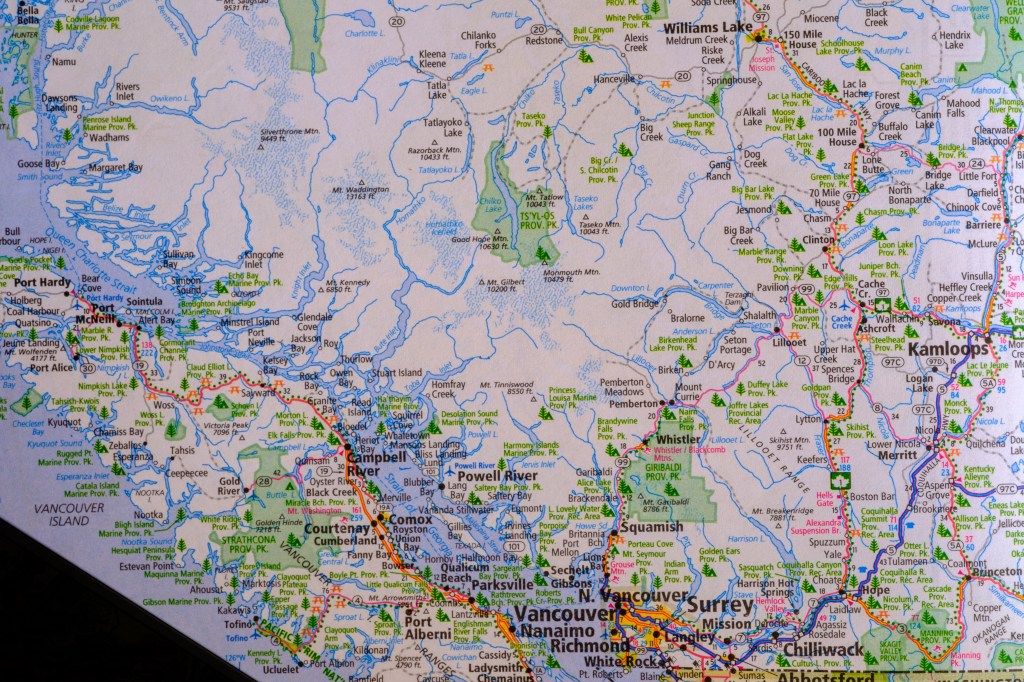
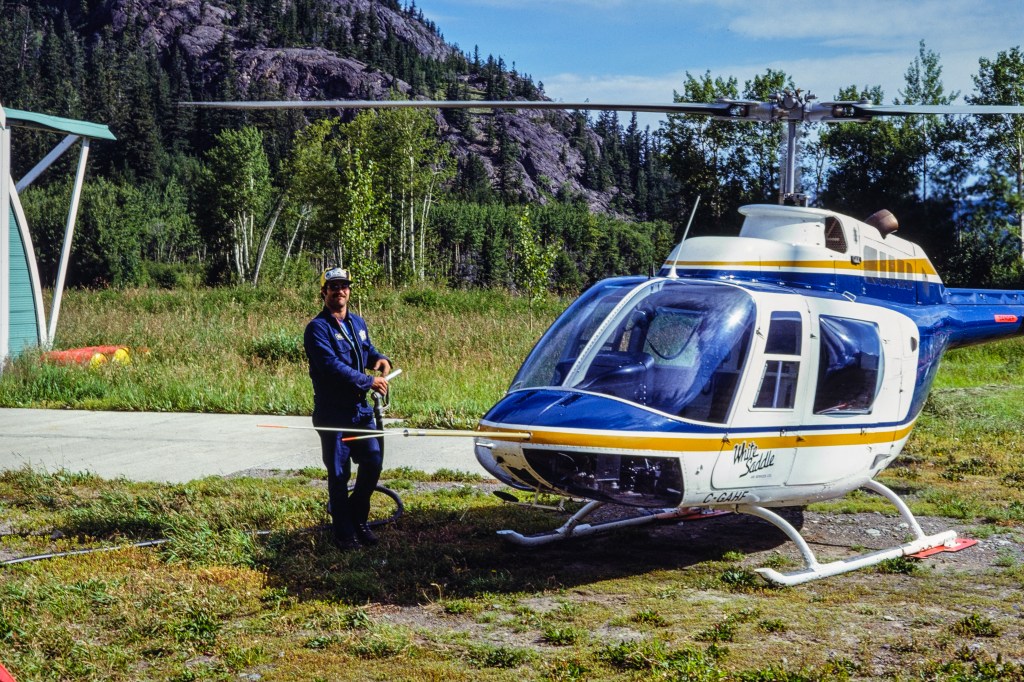
The map below shows Waddington is about 100 miles northwest of Vancouver. To get there in 1980, you had to drive about 500 miles; first east on Highway 1, then north to Williams Lake, then west on gravel road to Tatla Lake, past towns with Russian-style churches, then south to the helicopter service owned by Mike King.
Our 1980 attempt
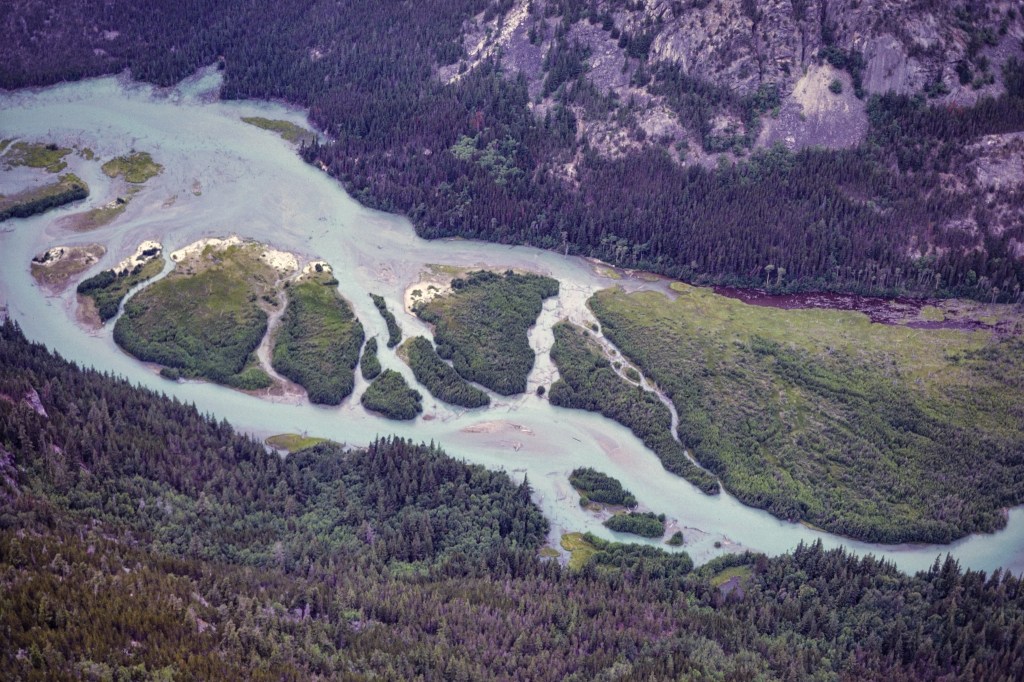
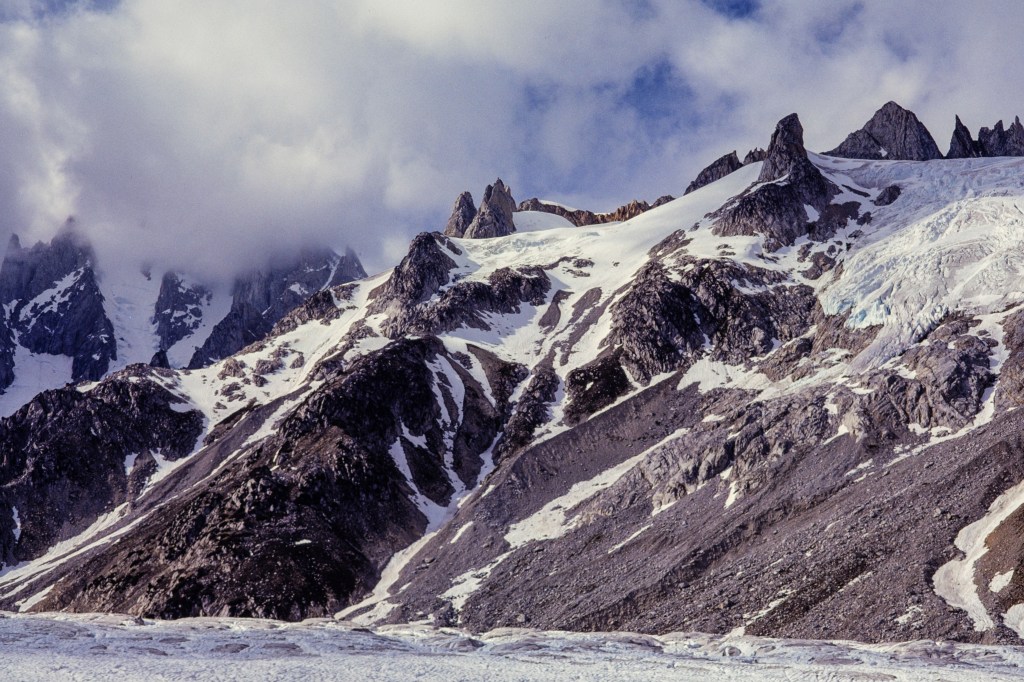
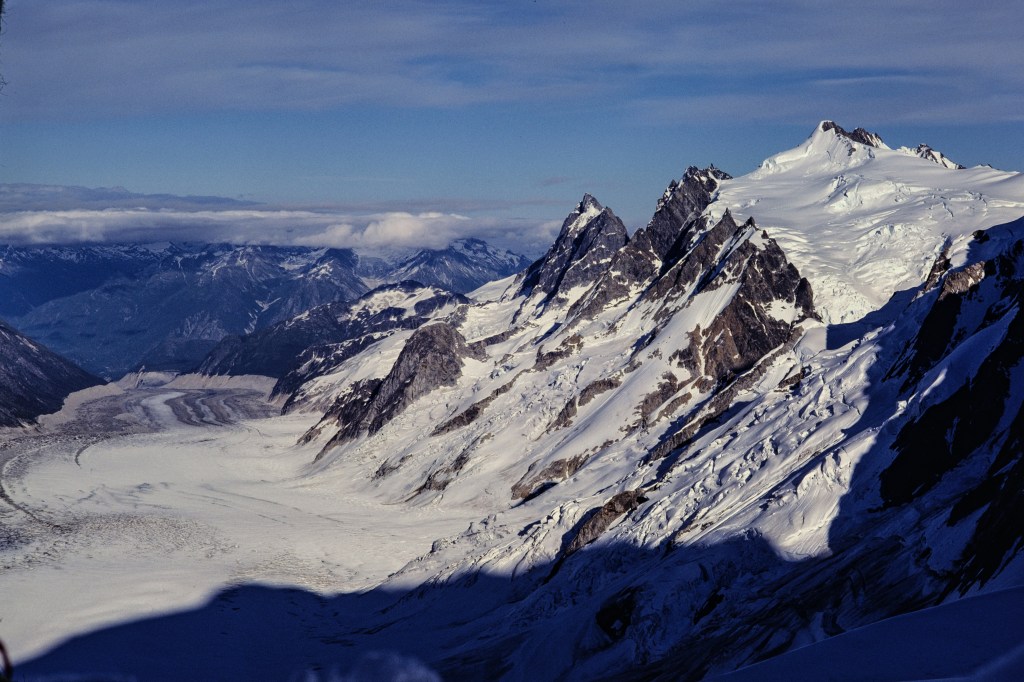
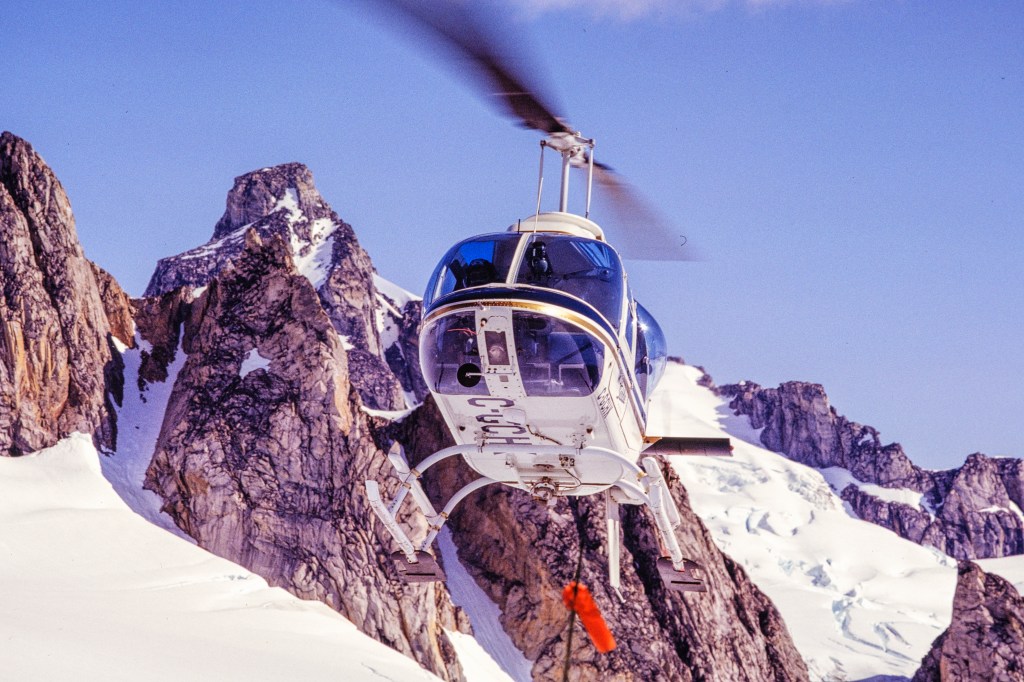
I learned of Waddington when I started climbing in 1967. By July 1980, I had 100 climbs under my belt, including Denali and big peaks in Peru and Asia. Chris LaRocca (then a college student) and I decided to tackle Waddington. We flew by helicopter to the Tiedemann Glacier at the base of our route. As the chopper circled to land, I saw a world of rock and ice; stunning, but intimidating. No plants, little color, no life. This was before satellite phones and personal locator beacons; if we had trouble, no one was going to help us. I considered asking the pilot to just fly us back out. But we stayed for 2 weeks.
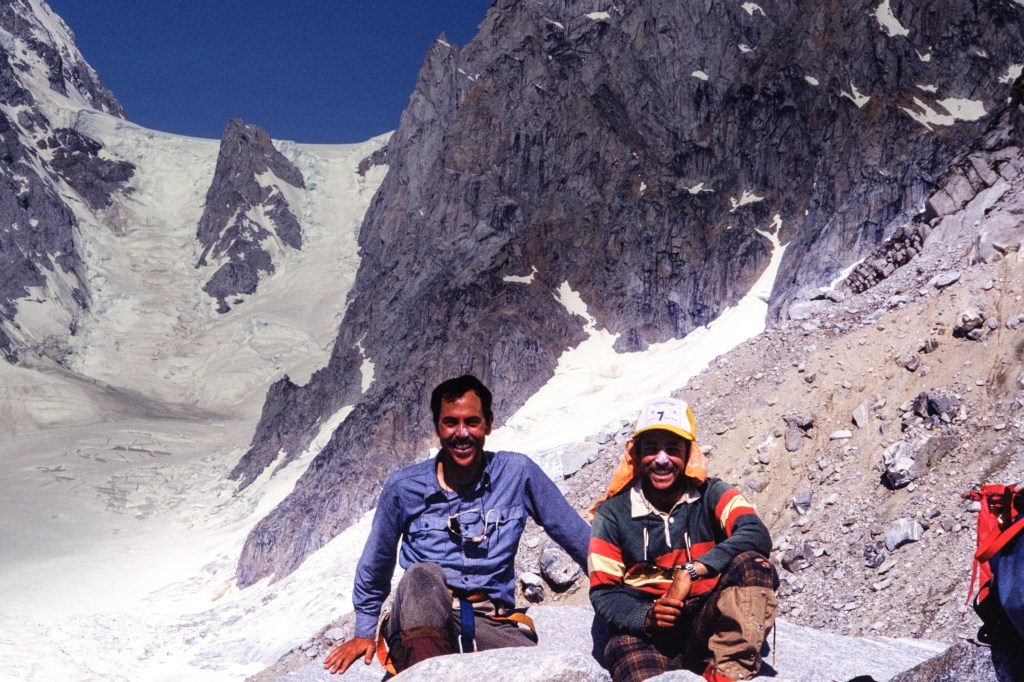
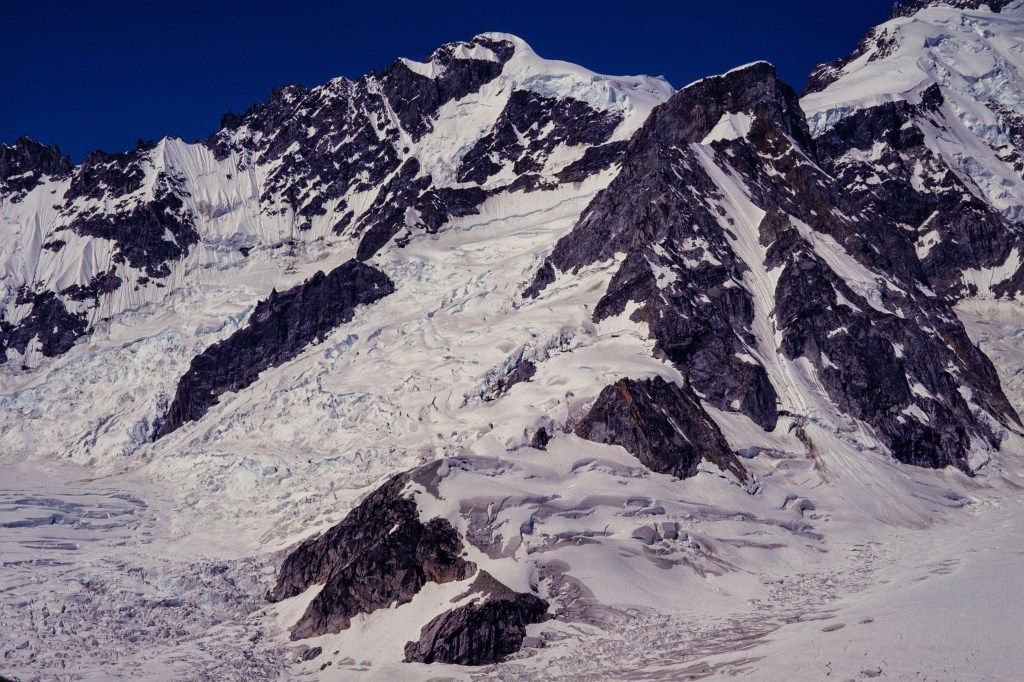
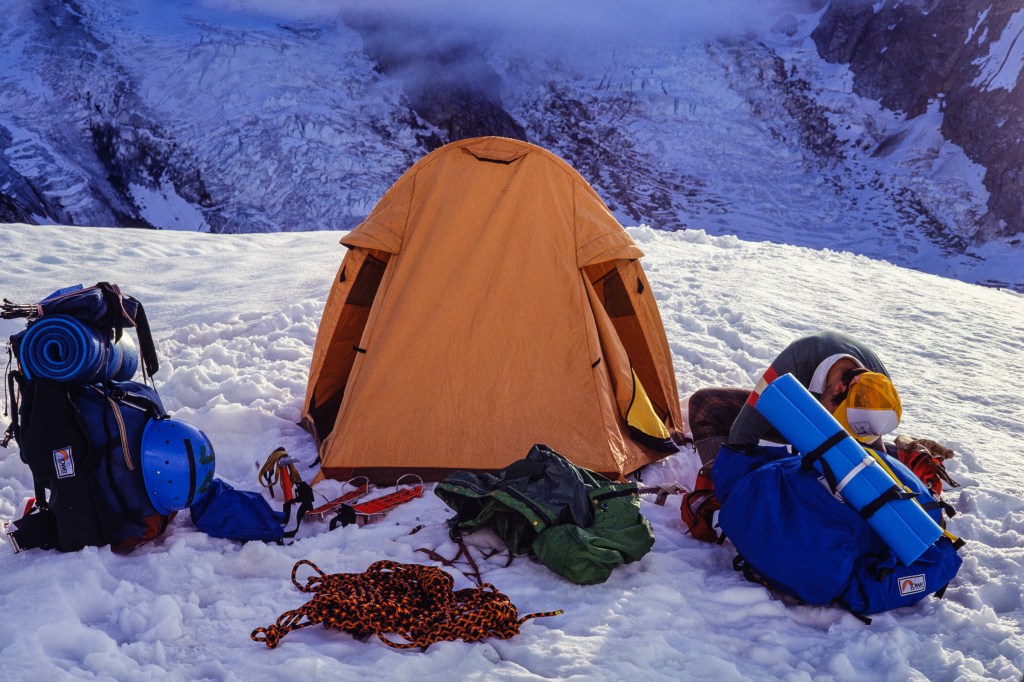
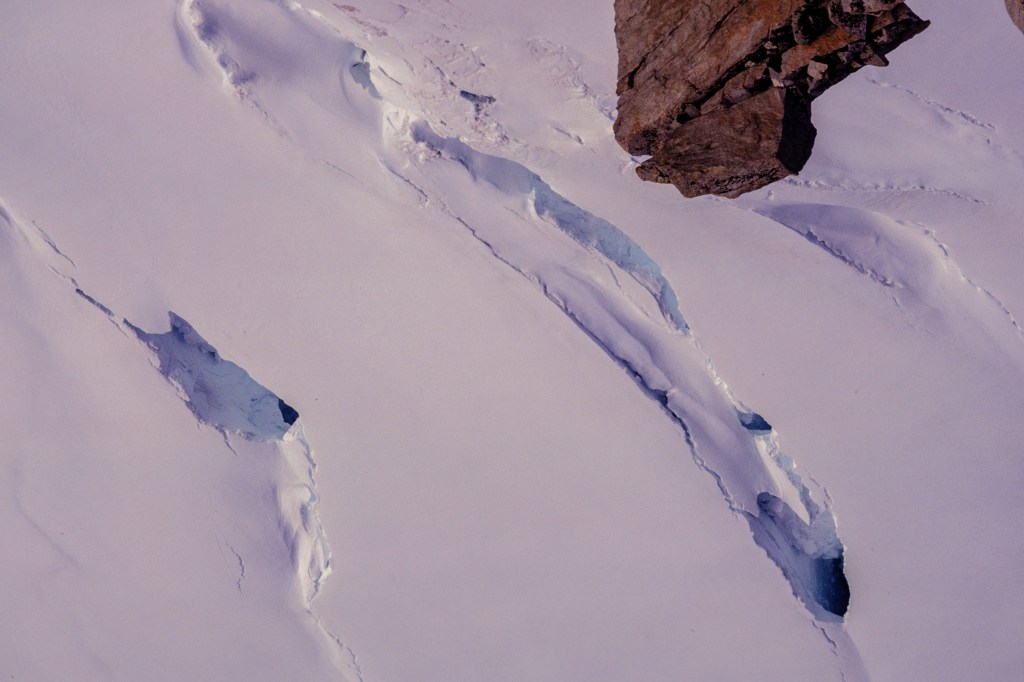
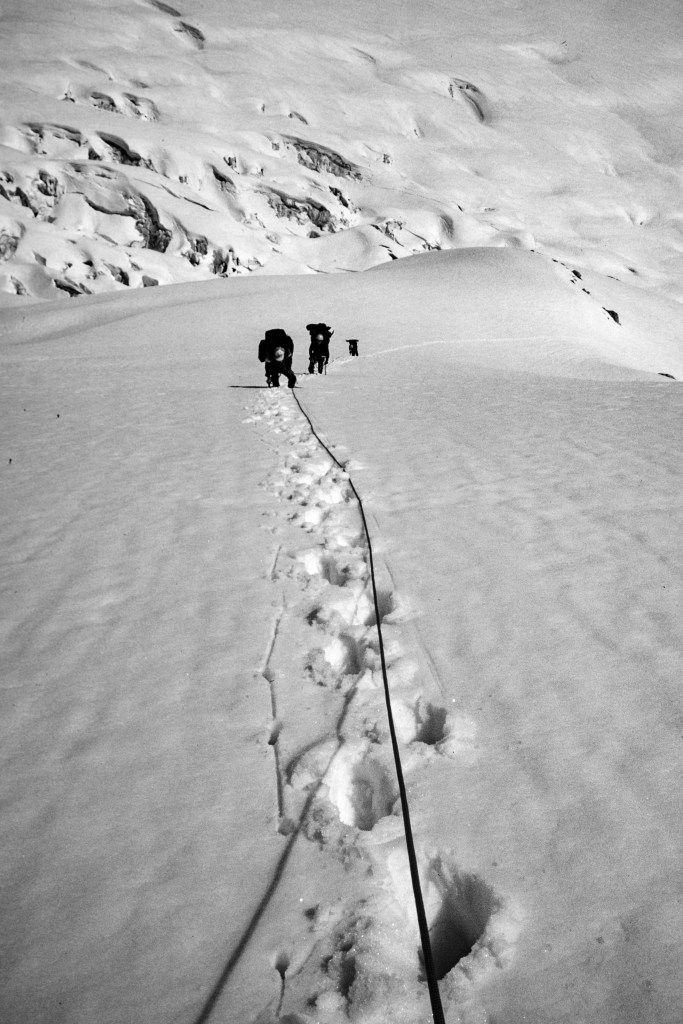
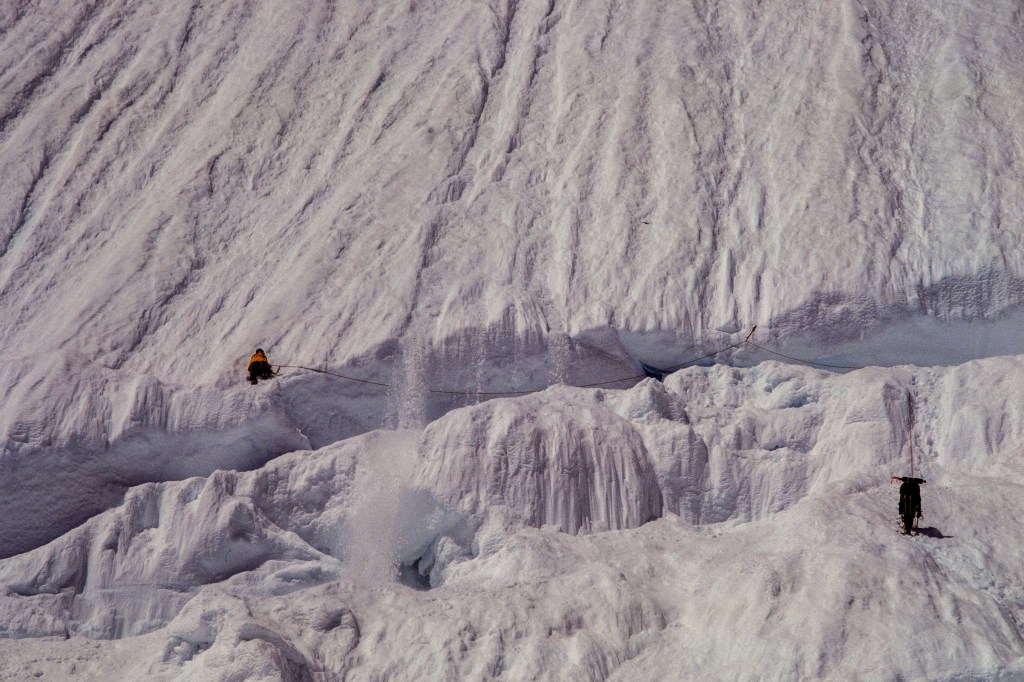
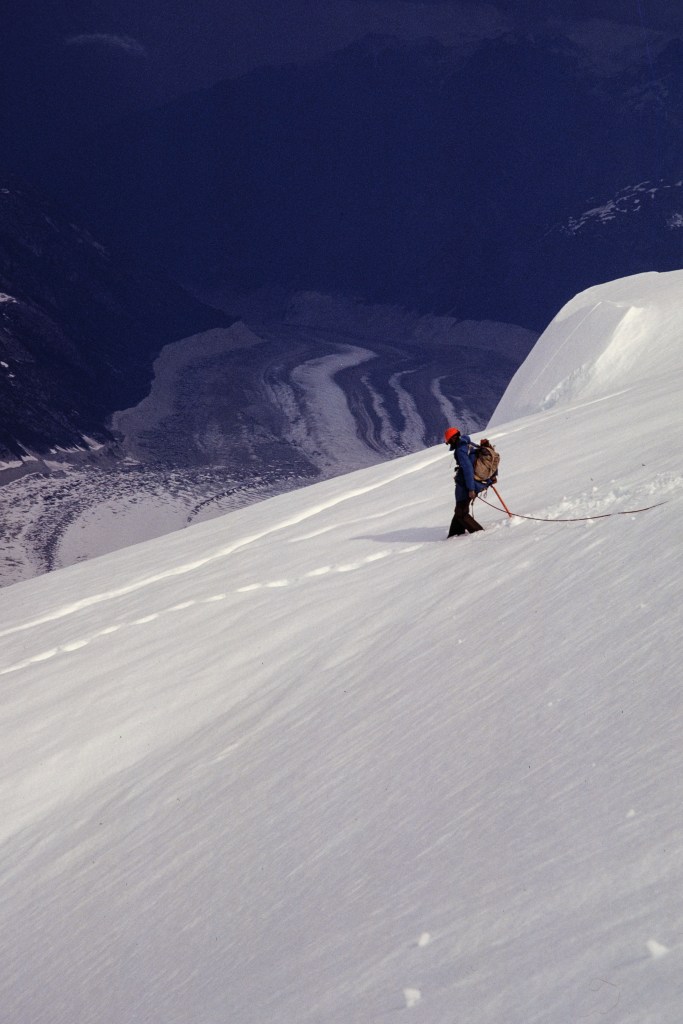
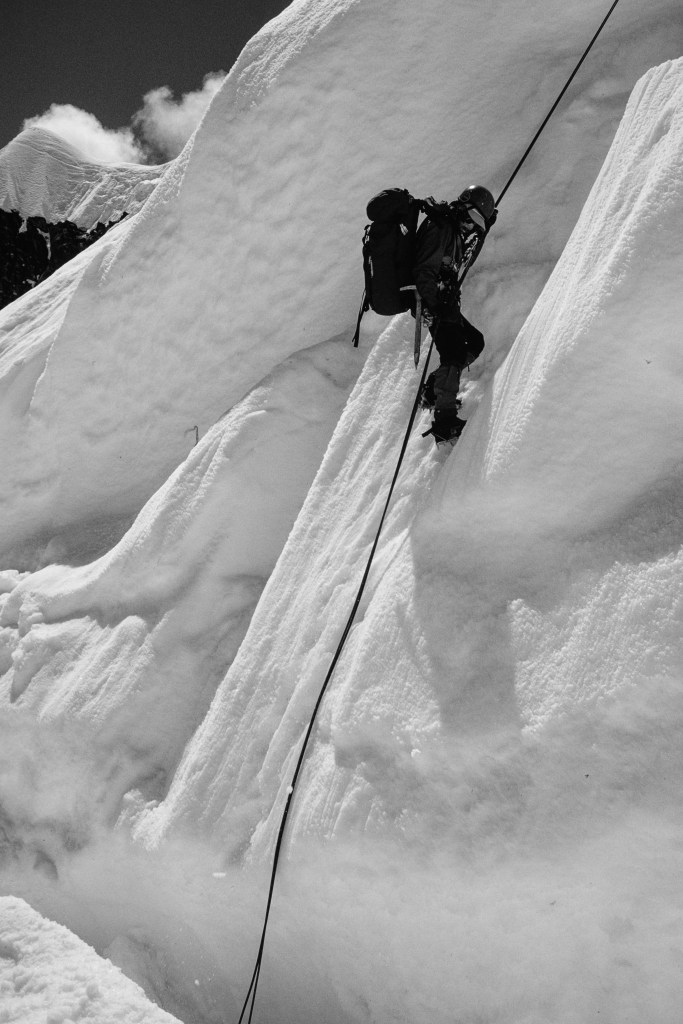
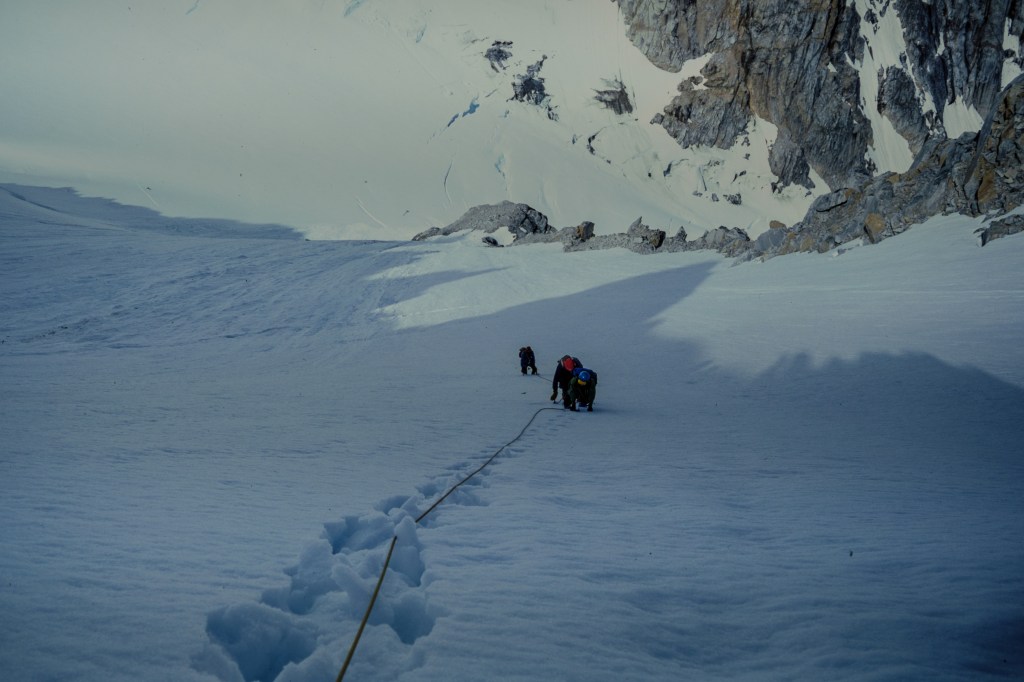
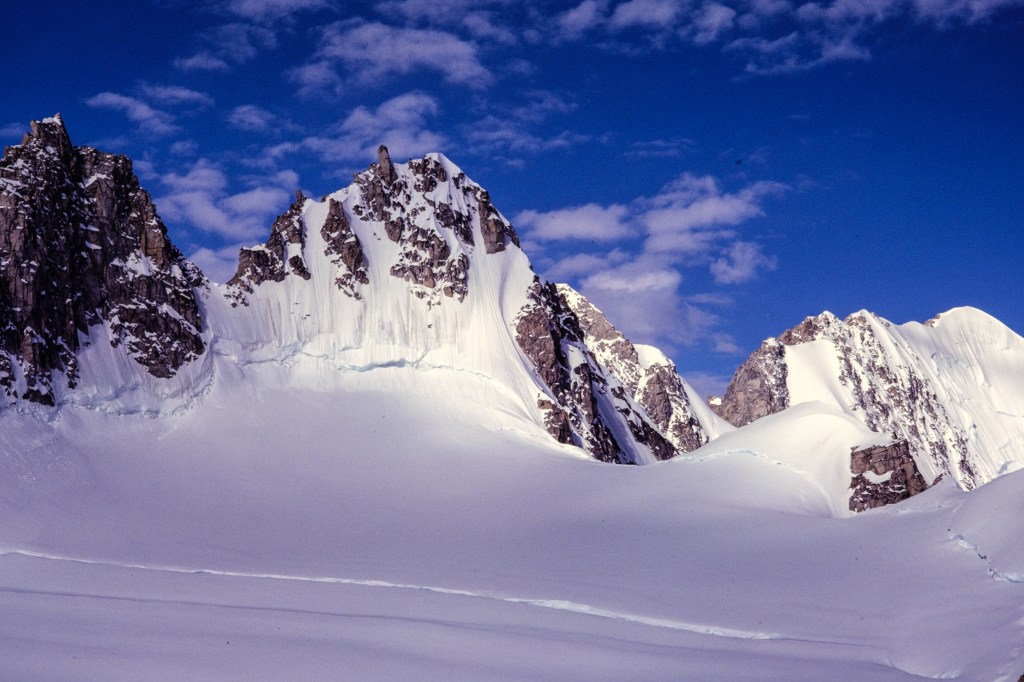
For the next two days we weaved through the crevasses and seracs of the Bravo Glacier. Four Canadians died here in 1960, crushed by falling ice.
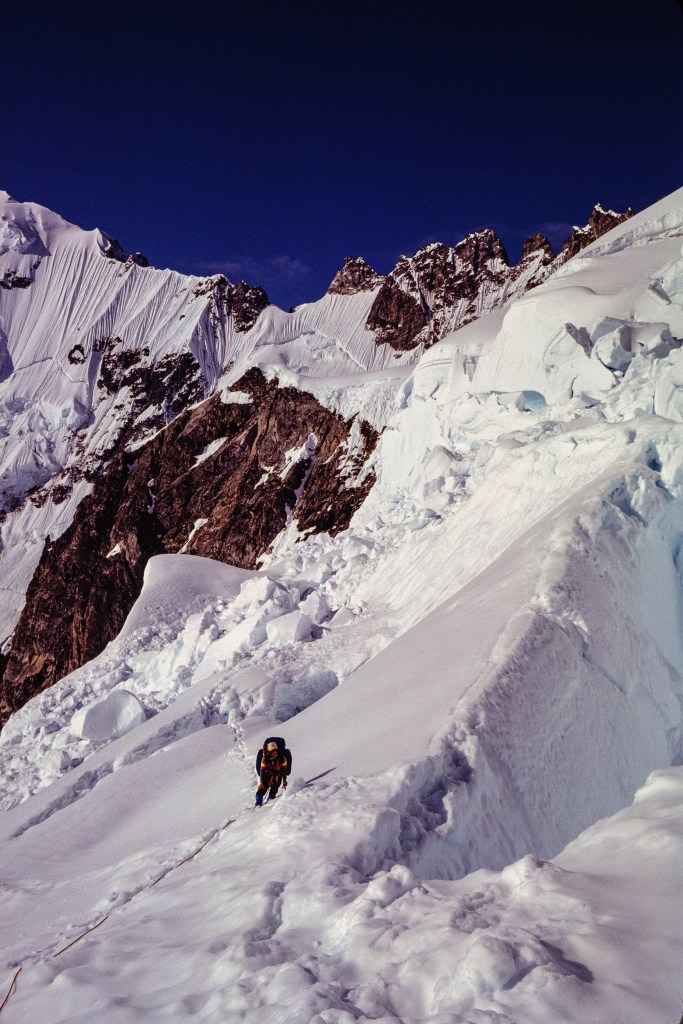
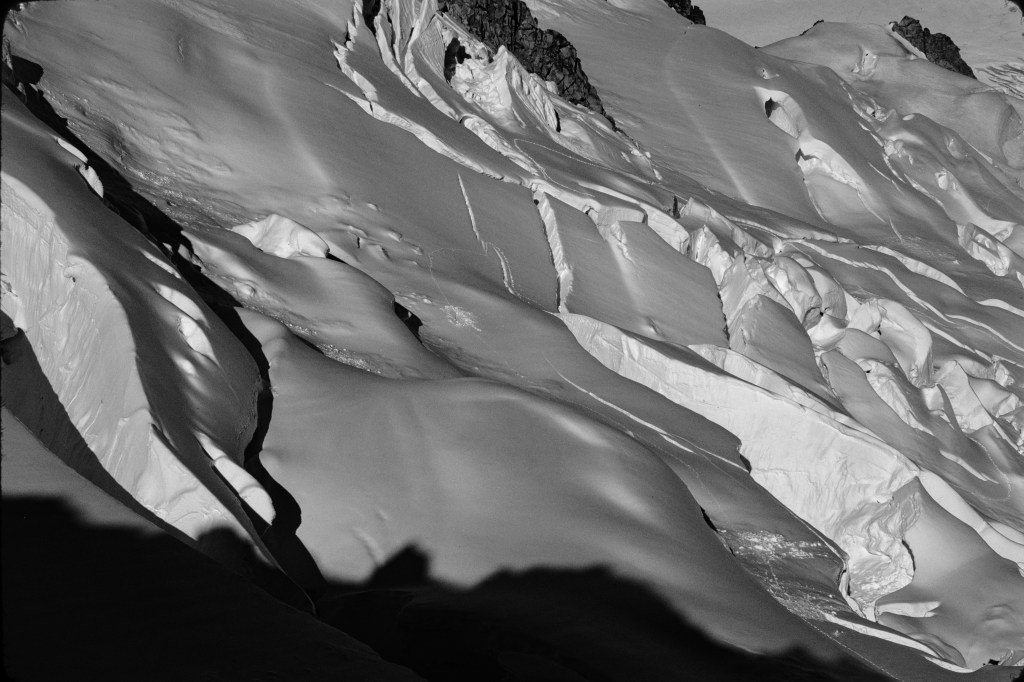
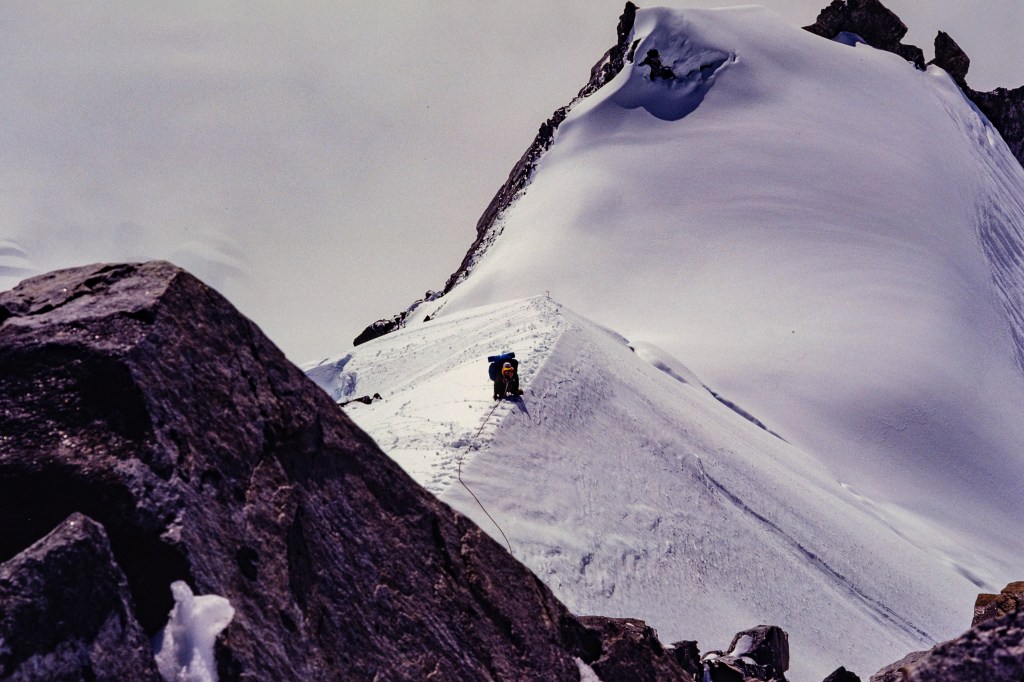
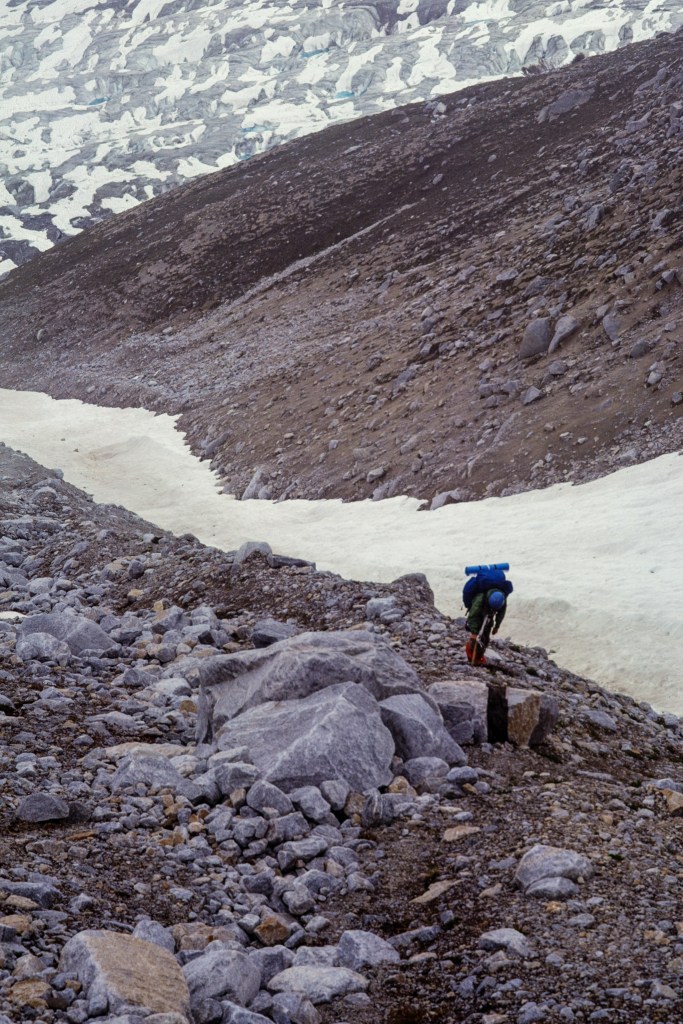
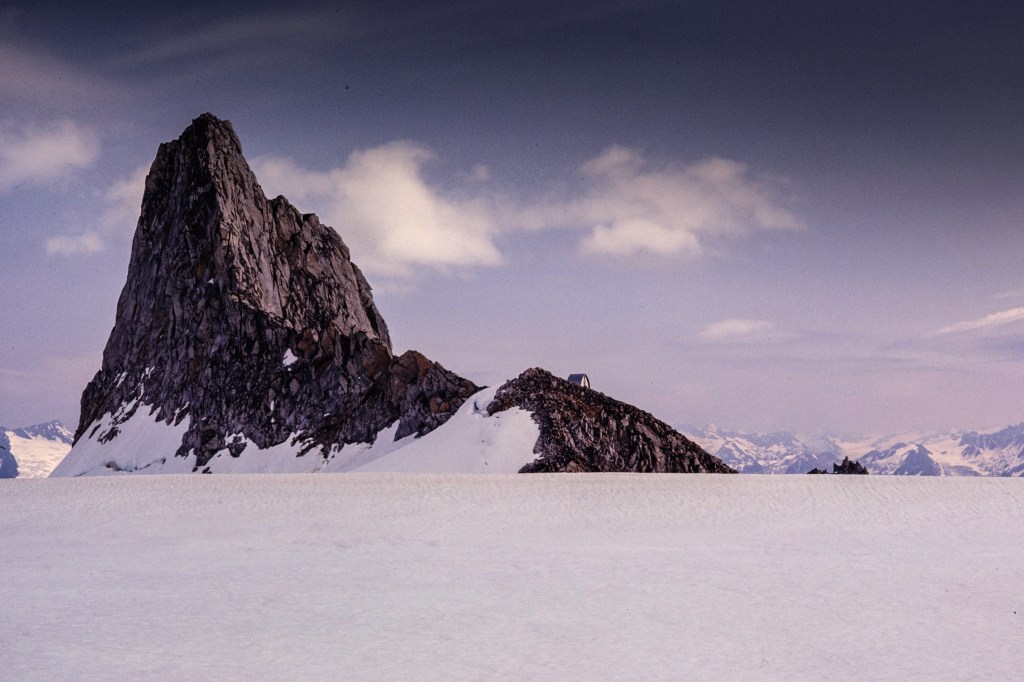
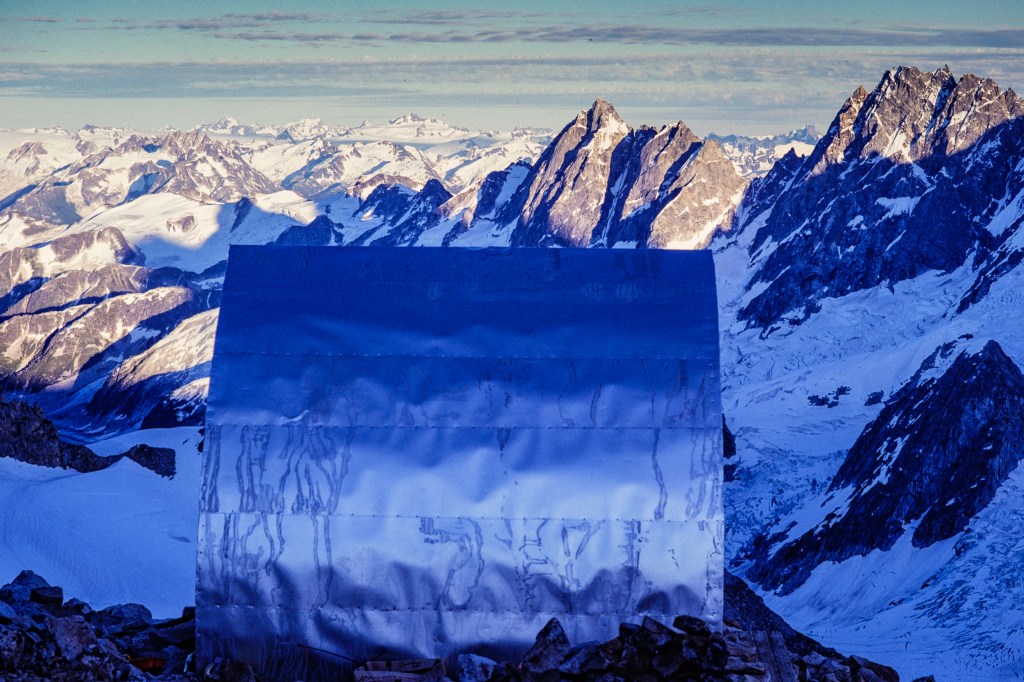
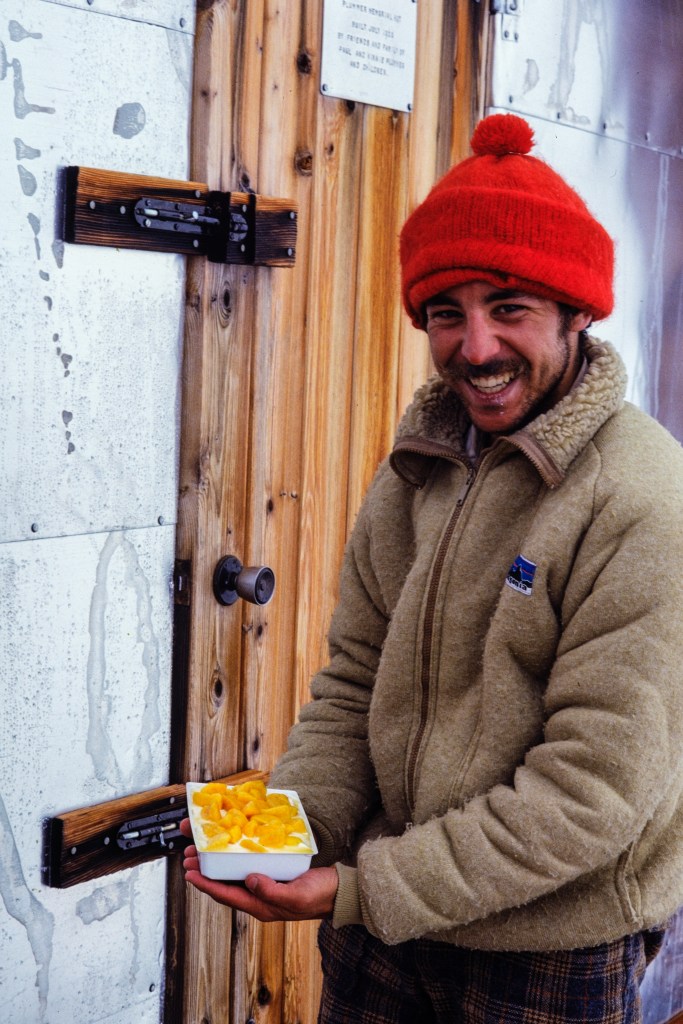
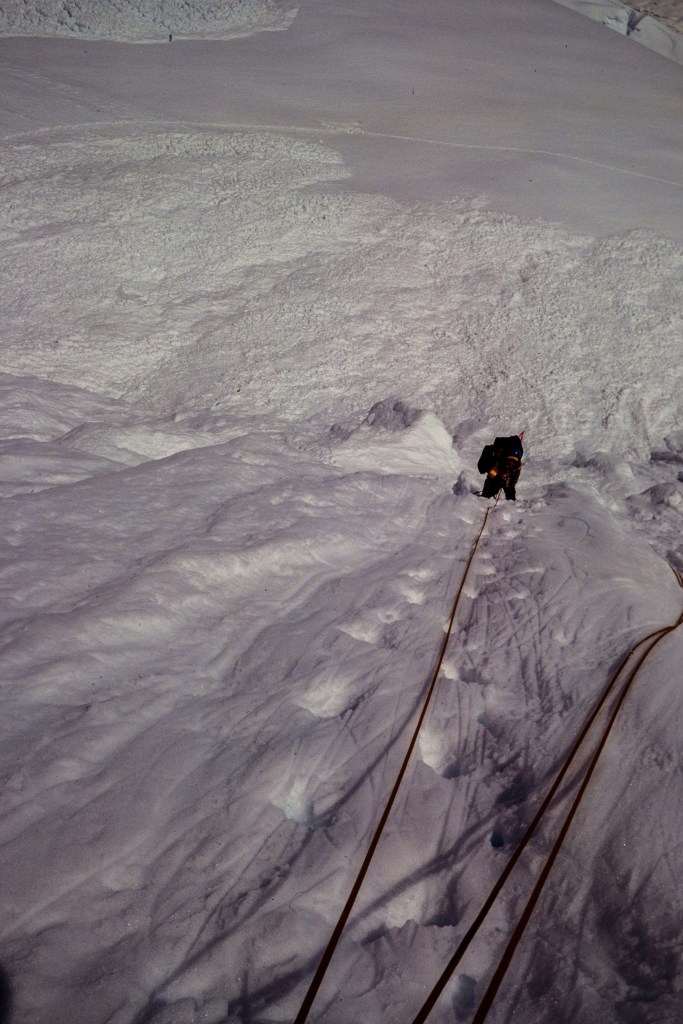
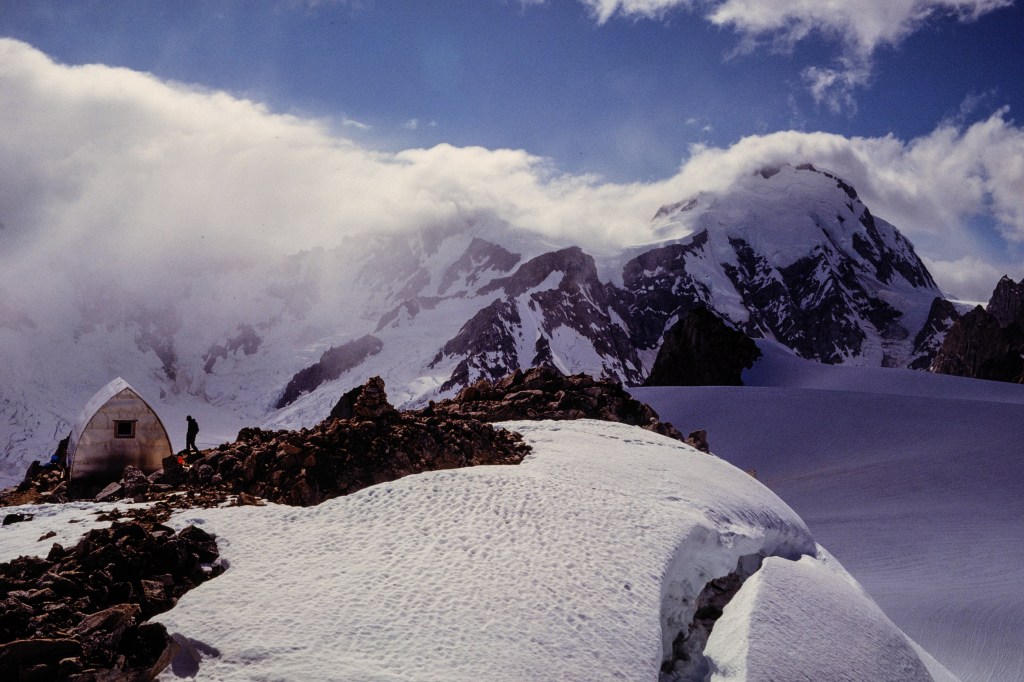
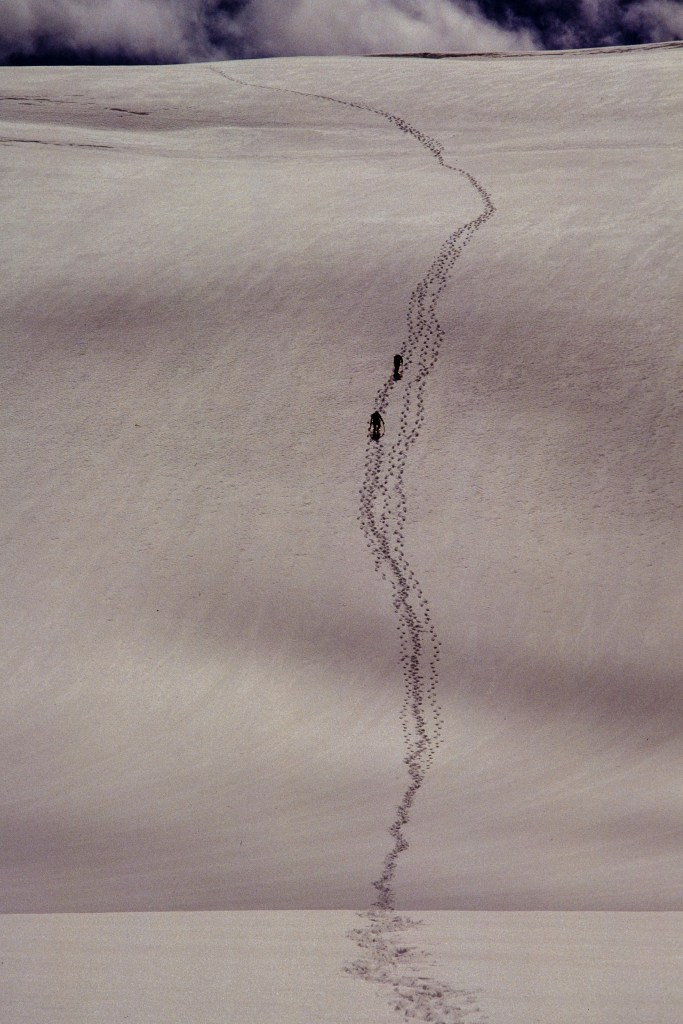
Although we crossed the Bravo Icefall, we failed to get very far above it. We retreated, crossed the Tiedemann Glacier, and climbed up to the Plummer Hut. We managed to do three climbs from there.

Our 1981 attempt.
After our 1980 failure, we gathered more information and plotted a return in 1981. We invited Gus Benner and Joe Davidson to join us; they foolishly agreed.

The Worst Night
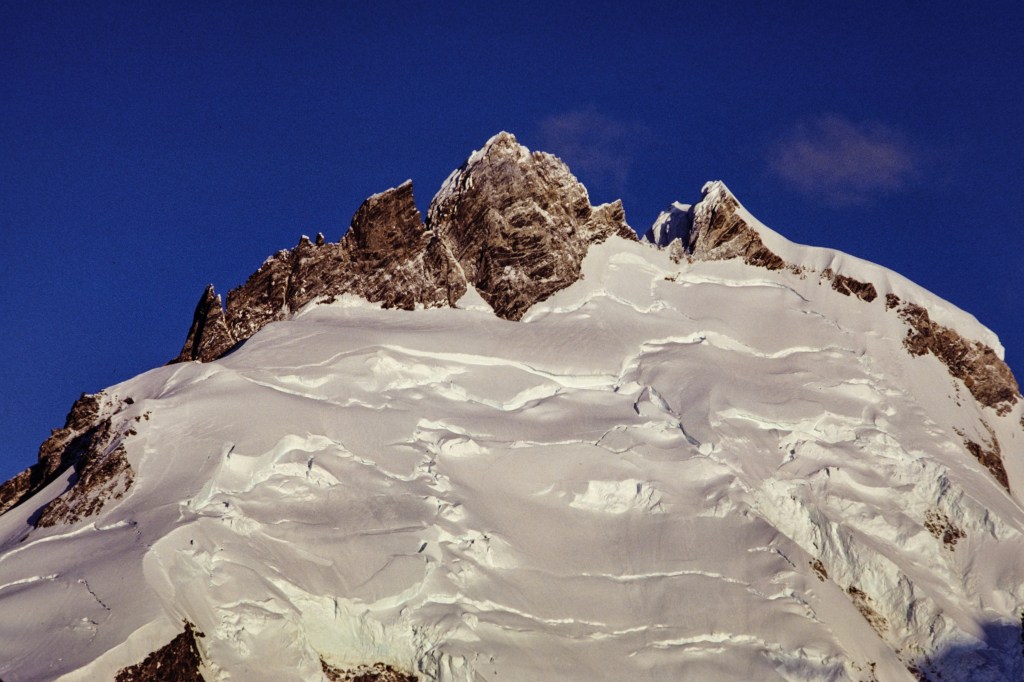
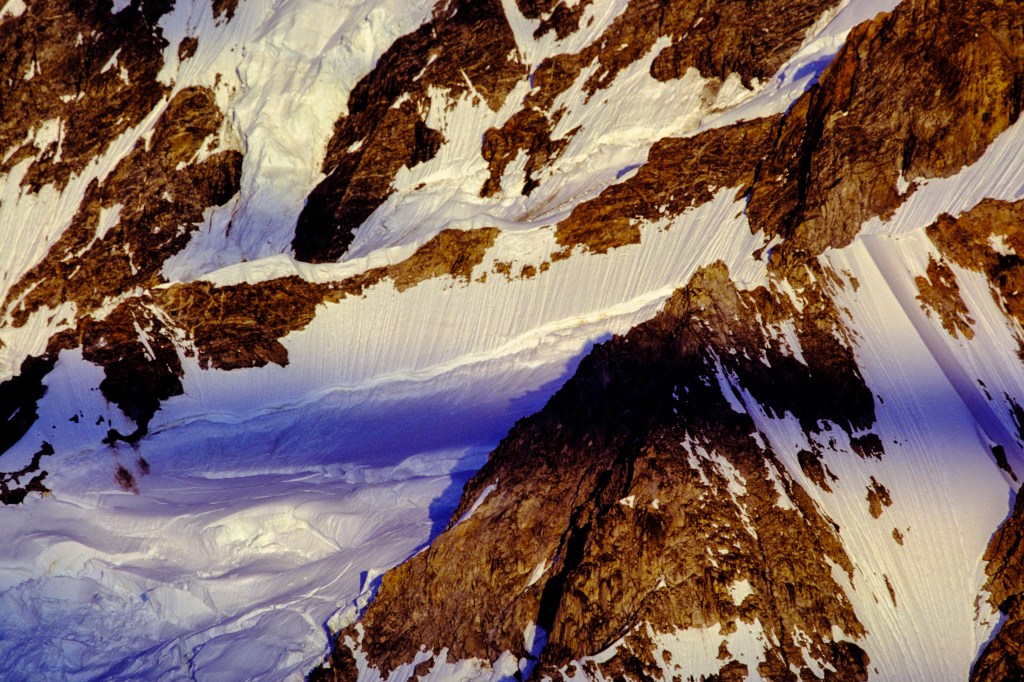
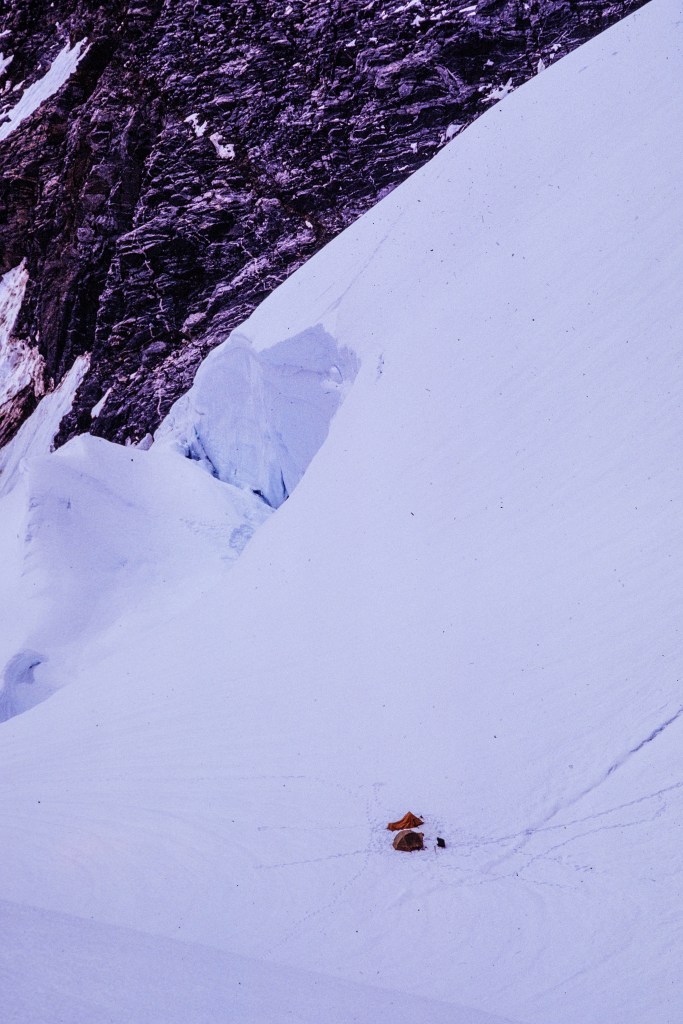
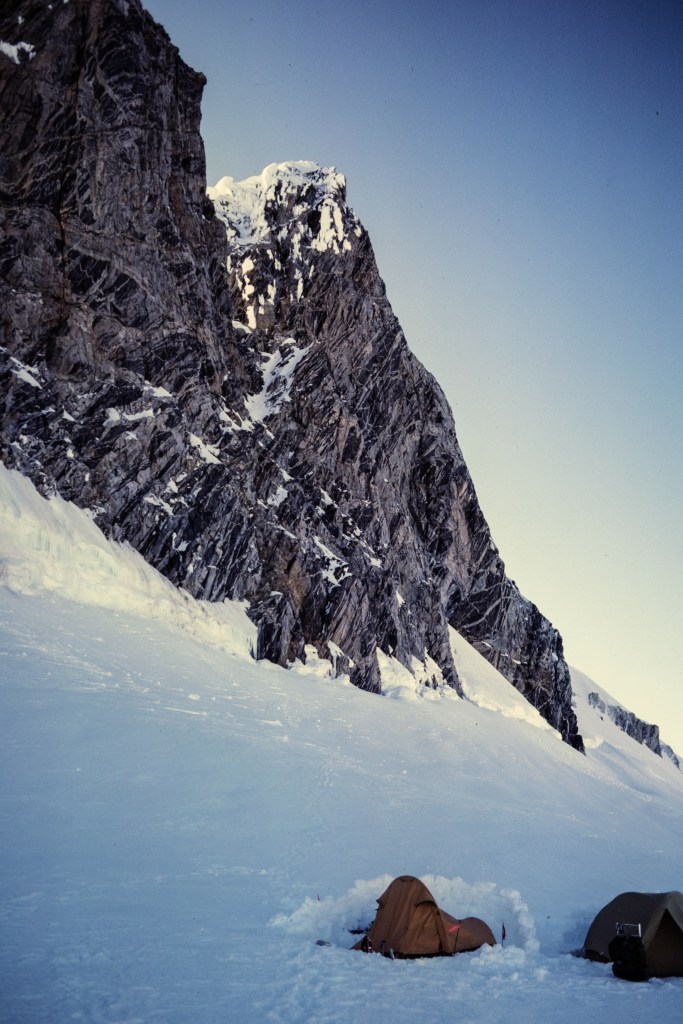
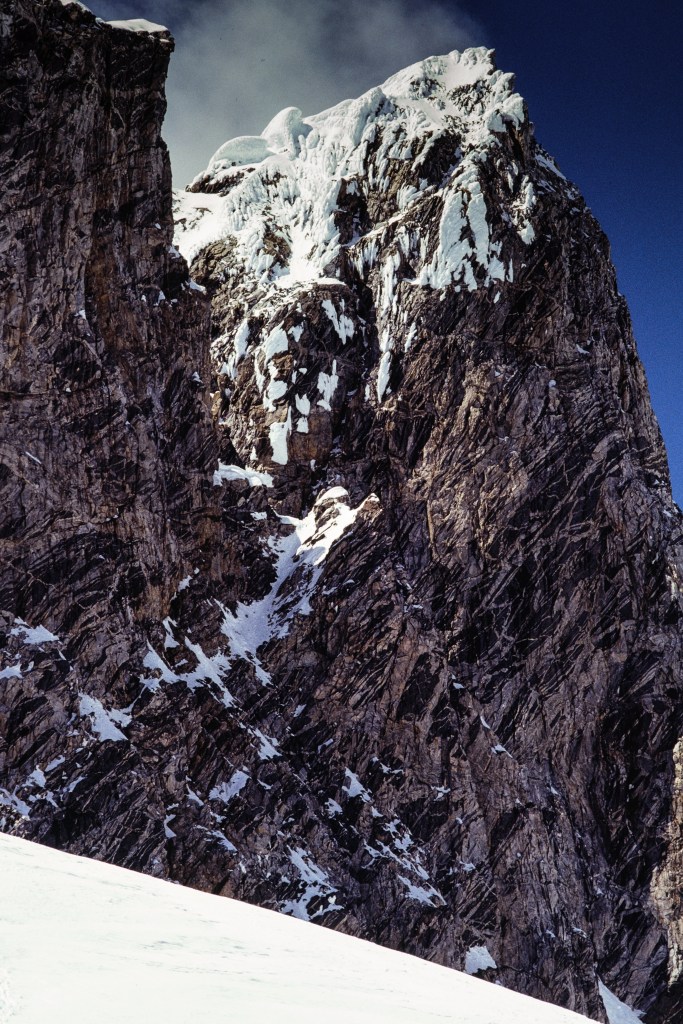
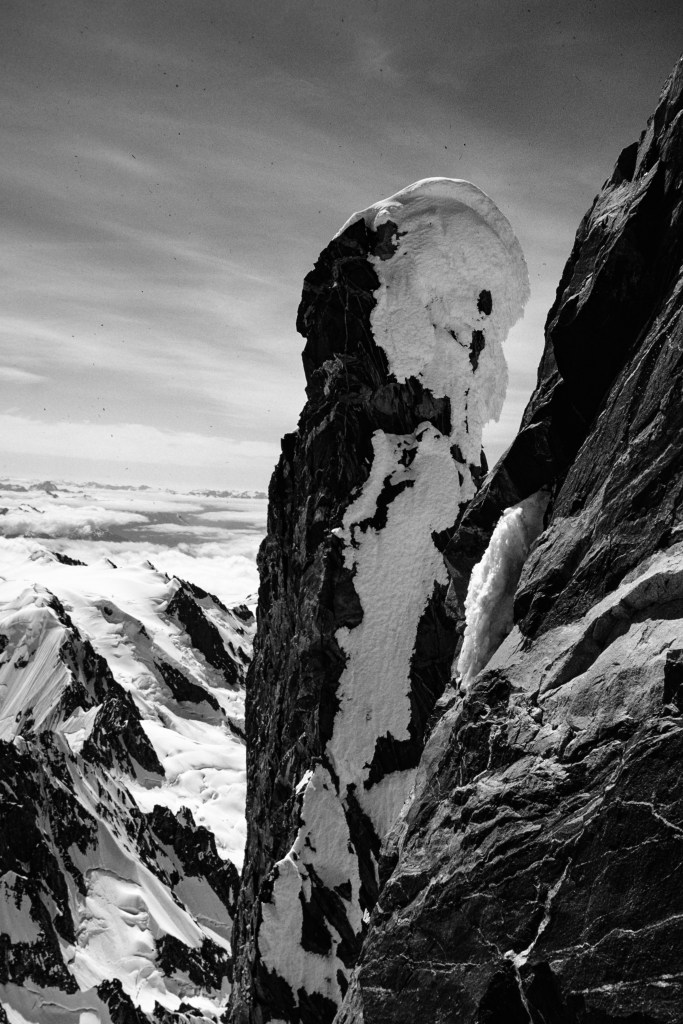
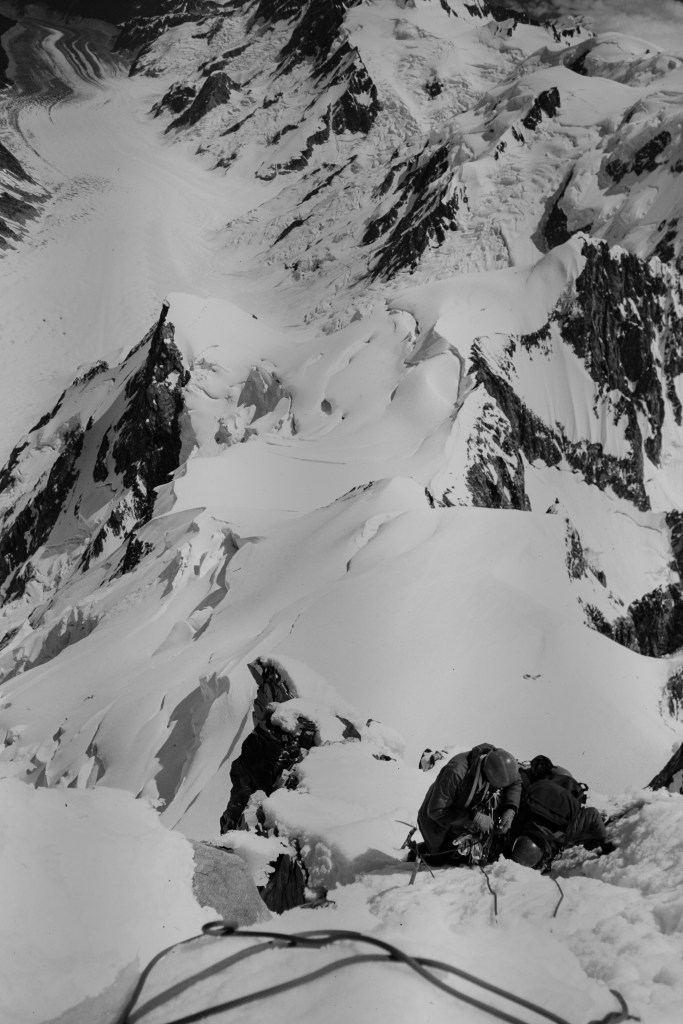
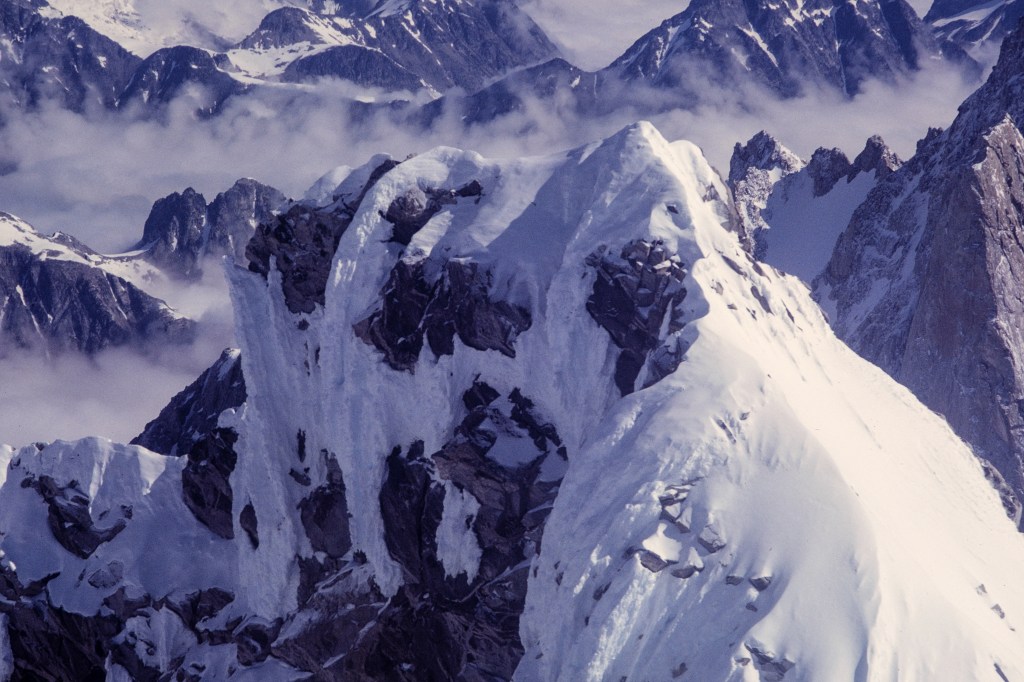
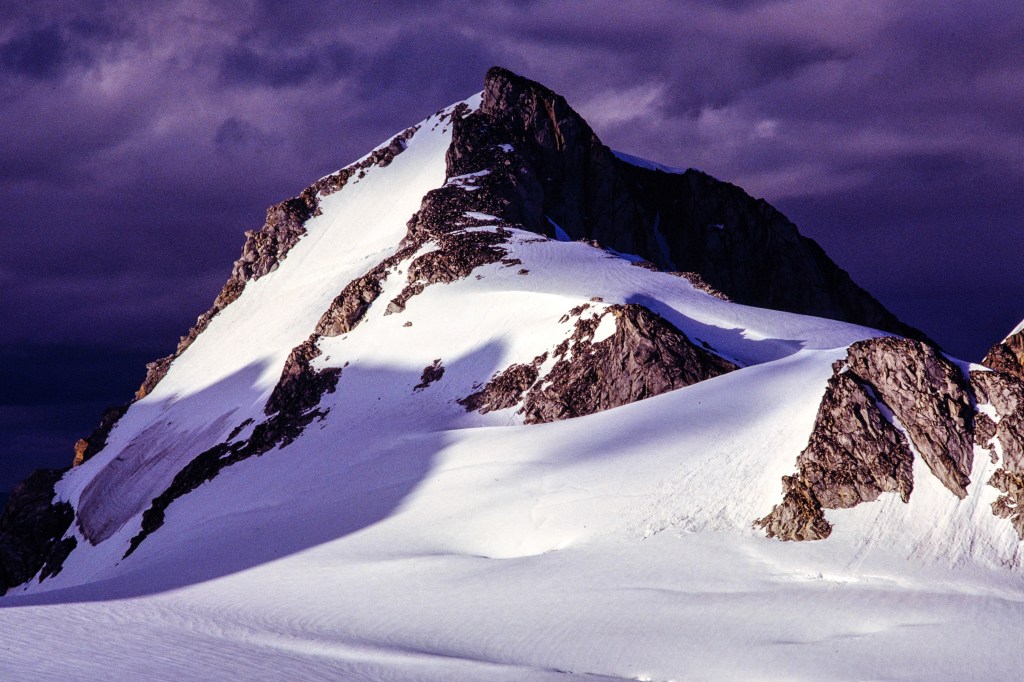
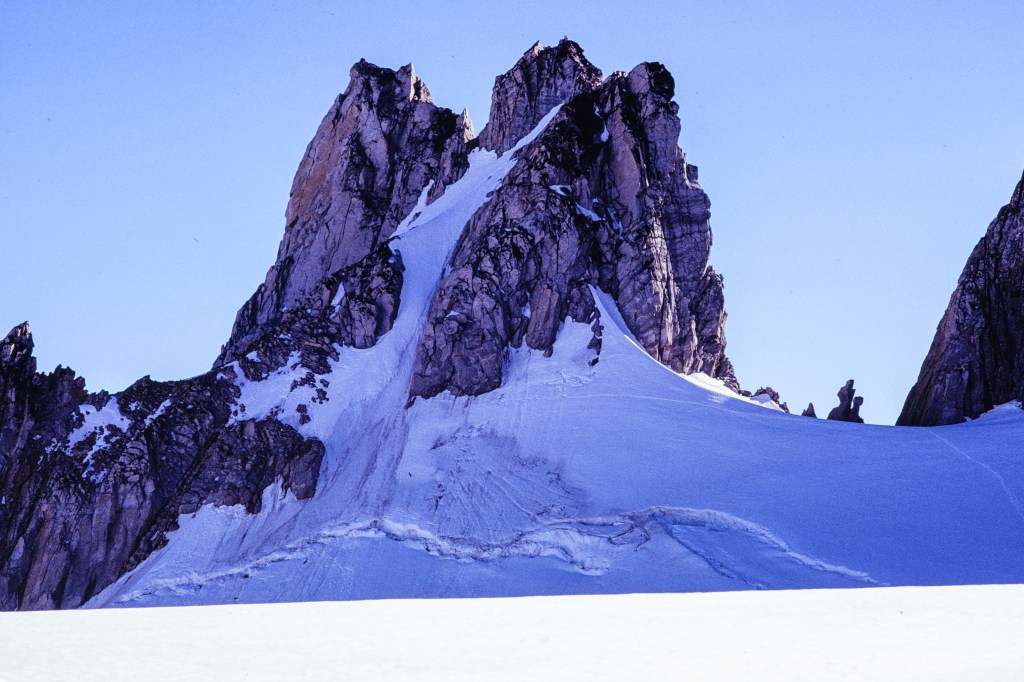
July 17-18. The worst night – pure misery. My diary notes (written July 19) describe this: “We left camp at 5:15am, hoping to make the top. The route winds up steep, crevassed snow slopes. By 10am we were at the base of the summit tower…. We climb about 700 feet of rock and ice, protecting ourselves with ice screws, nuts, and pitons…. At 5pm we made the bad decision to bivy [bivouac = sleep in the open]. Chris and I shared a small ledge. It started to snow heavily at 6pm. We and our gear were tied off to the rock. Chris sat on the pack and I sat on the rope. [In the photo below, we were sitting on the summit tower, to the right of the gap between the Tooth and the Summit.]
“What followed was the most miserable night of my life. It snowed steadily to 9pm, then fitfully to 2am. My wool knickers were soaked and so was part of my parka. The wind was the worst, bringing unbearable chill. Leaning against the rock wall was too cold, so I sat hunched over my knees all night.
“…Had the storm gone on full force all night, some or all of us would probably have died from hypothermia. I cannot express in words how agonizing the cold was. All night I shivered on and off, and my teeth chattered. I did exercises to stay warm and used mental games to pass the time. Whenever I checked my watch, only 15 minutes had gone by – I tried to wait longer, but the elapsed time was always just 15 minutes. Chris was the youngest and I think he suffered the most. He asked if we would die. I said ‘absolutely not’ with all the authority I could muster, but I doubt he was convinced.
“At 4am the sun began to lighten the sky and it was clear we would survive… the sun did not really warm us until 6am and around 7 we slowly stood up and moved about. No one suggested going up. We set up the first rappel and started down about 8:30am. I was still shivering. By 2pm we were off the rock tower. For 3 more hours we slogged back to the tents in wet snow. We repeatedly sank to our crotches and set off wet avalanches. Melted snow and drank the water, then slept for 13 hours.”
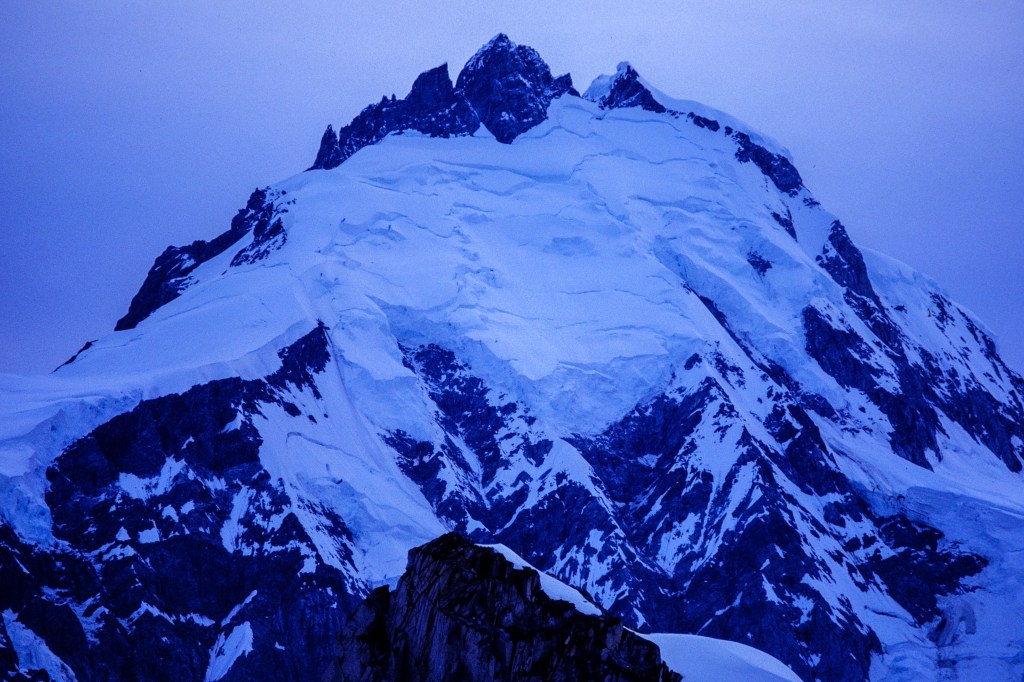
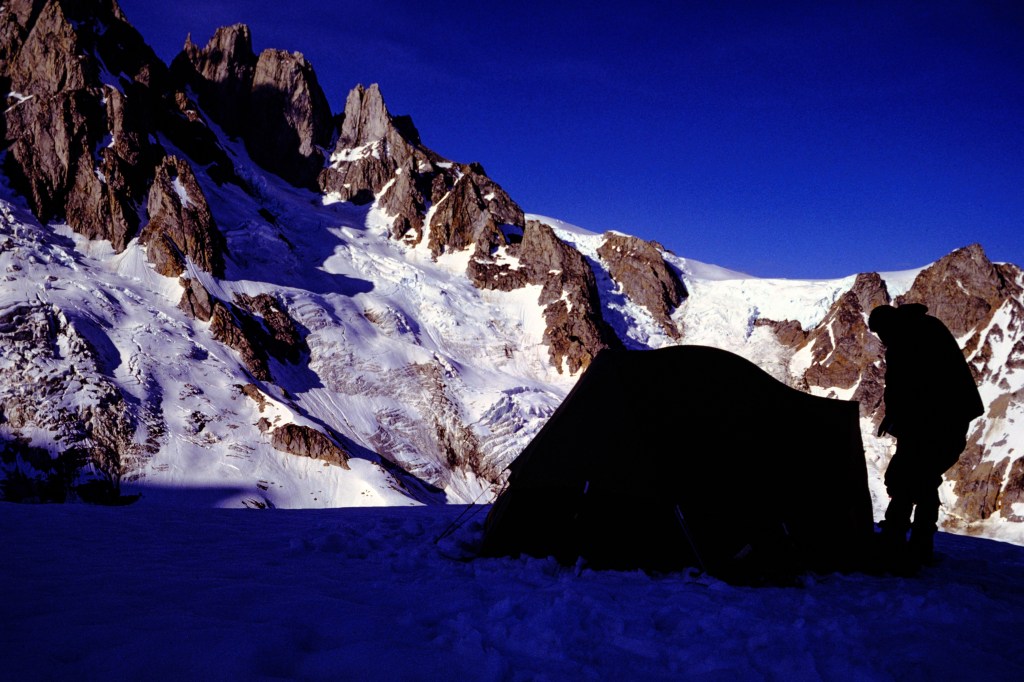
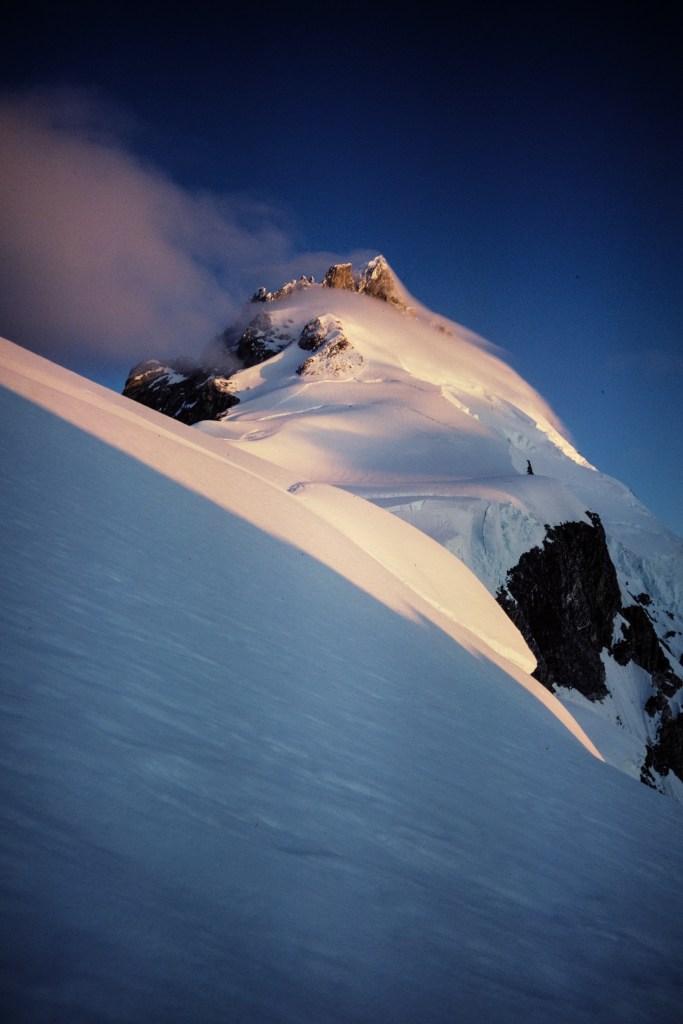
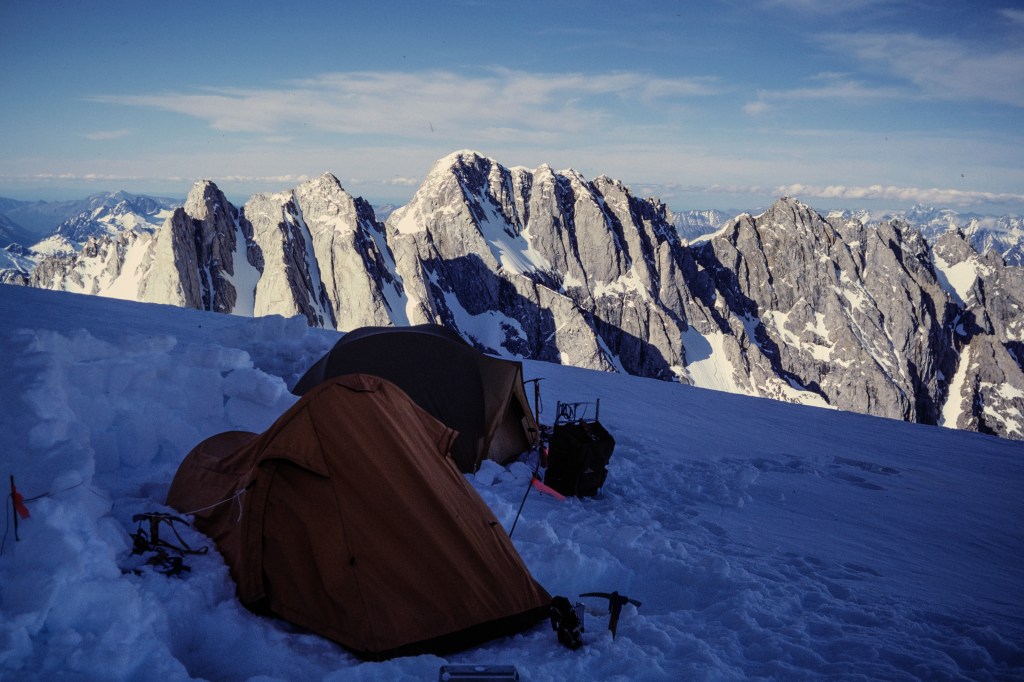
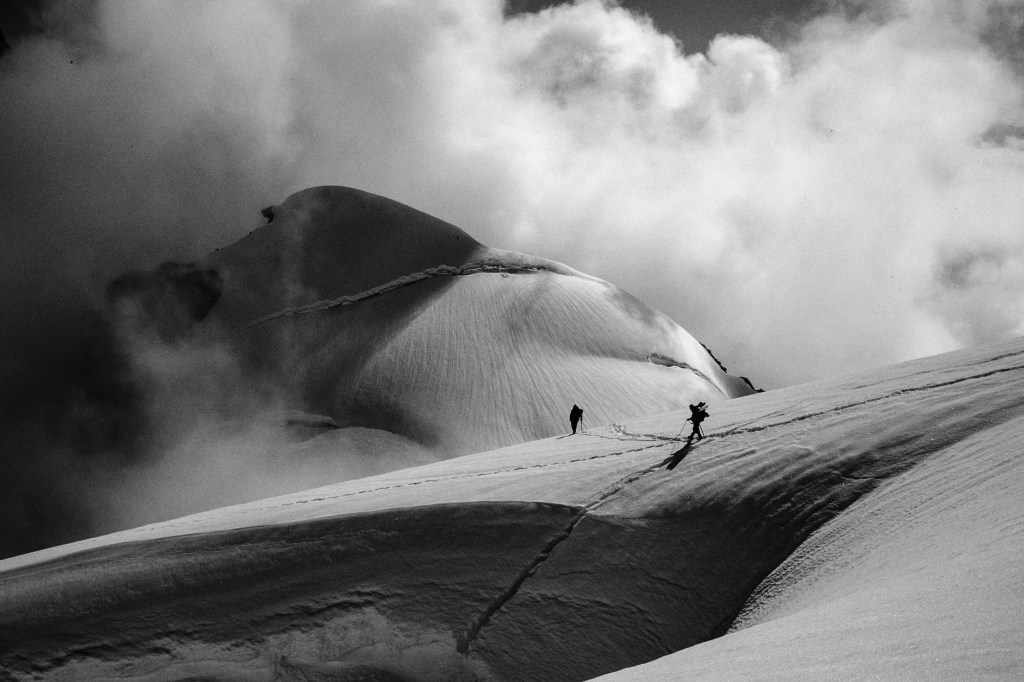
July 19. We rested. Chris and I climbed nearby Bravo Peak. On July 20 we moved our camp to the base of the final tower, about 11,800. Because of wind, we built snow walls around our tents.


The Best Day
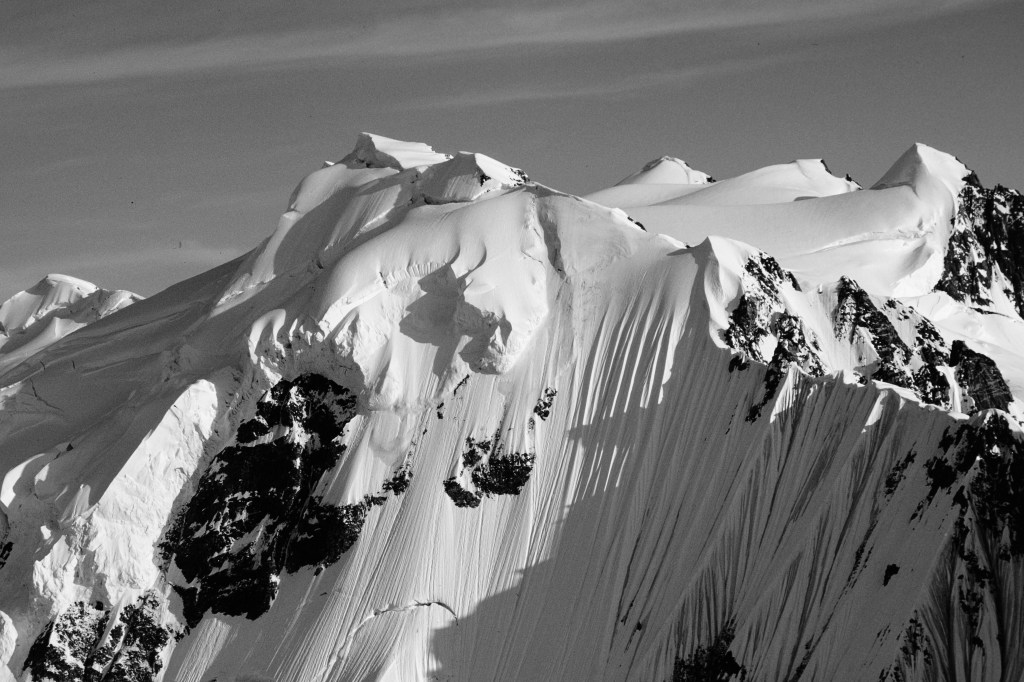
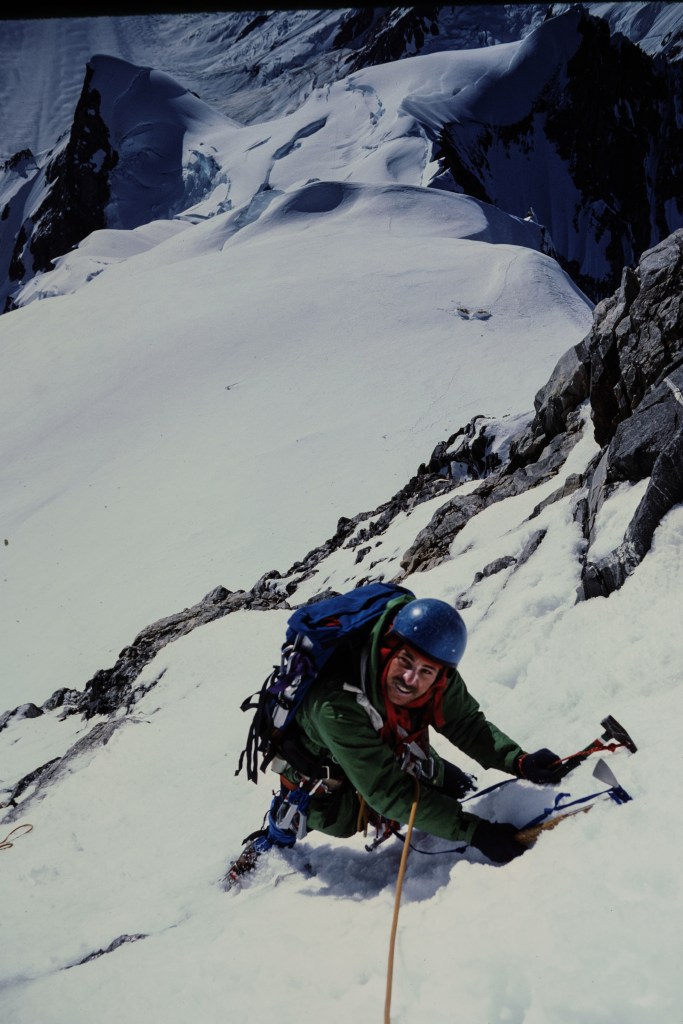
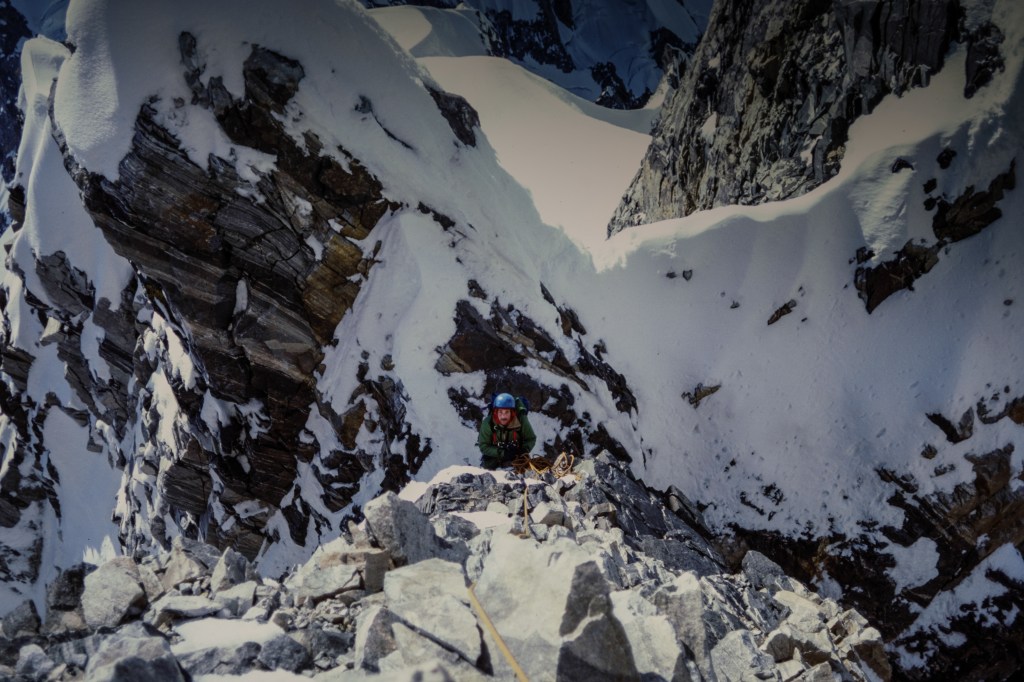
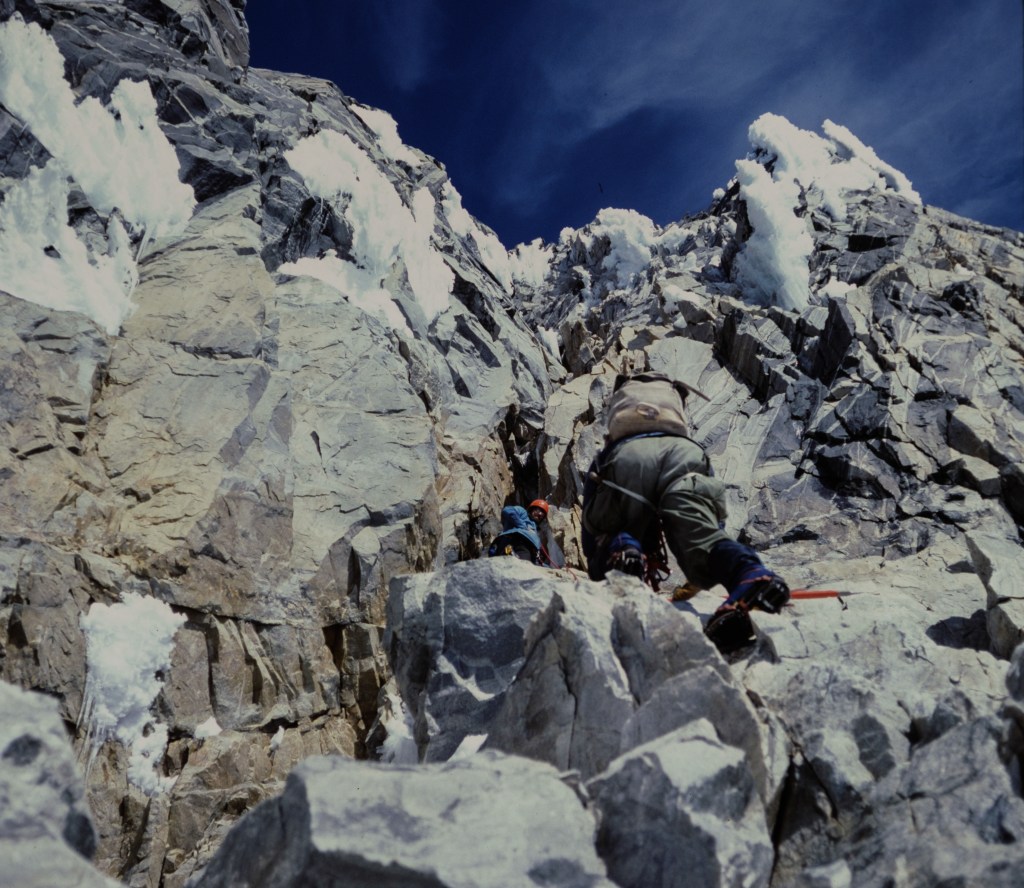
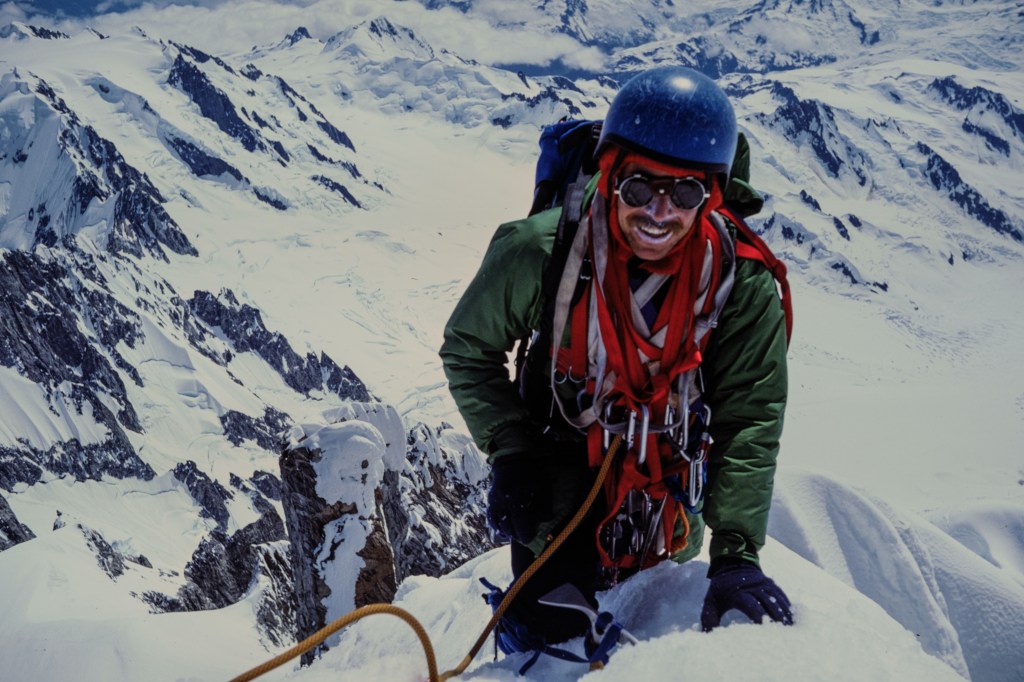
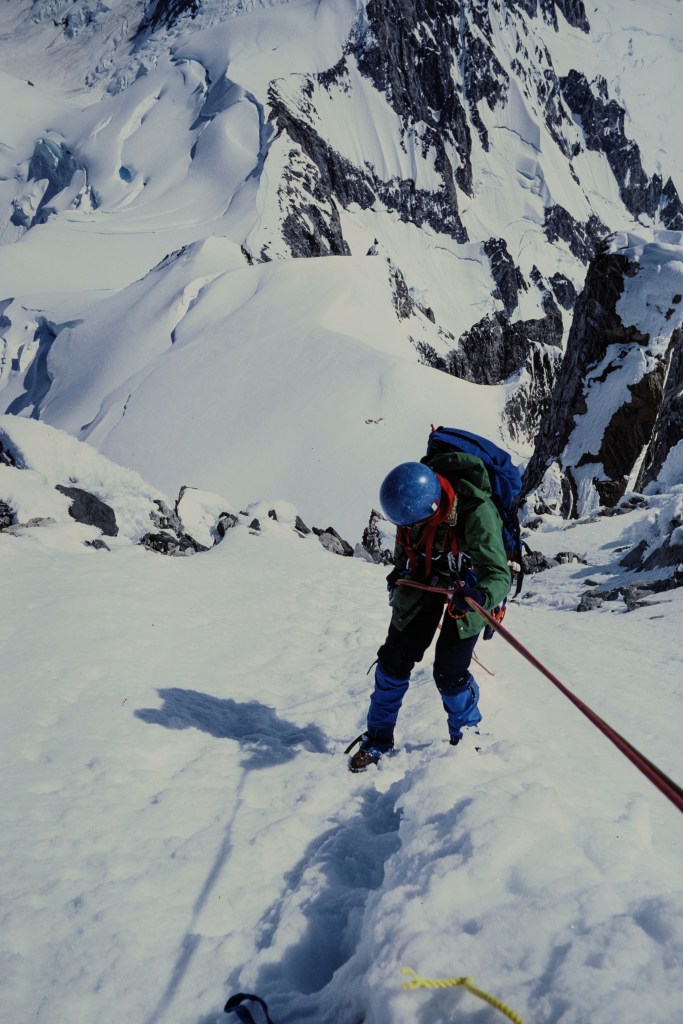
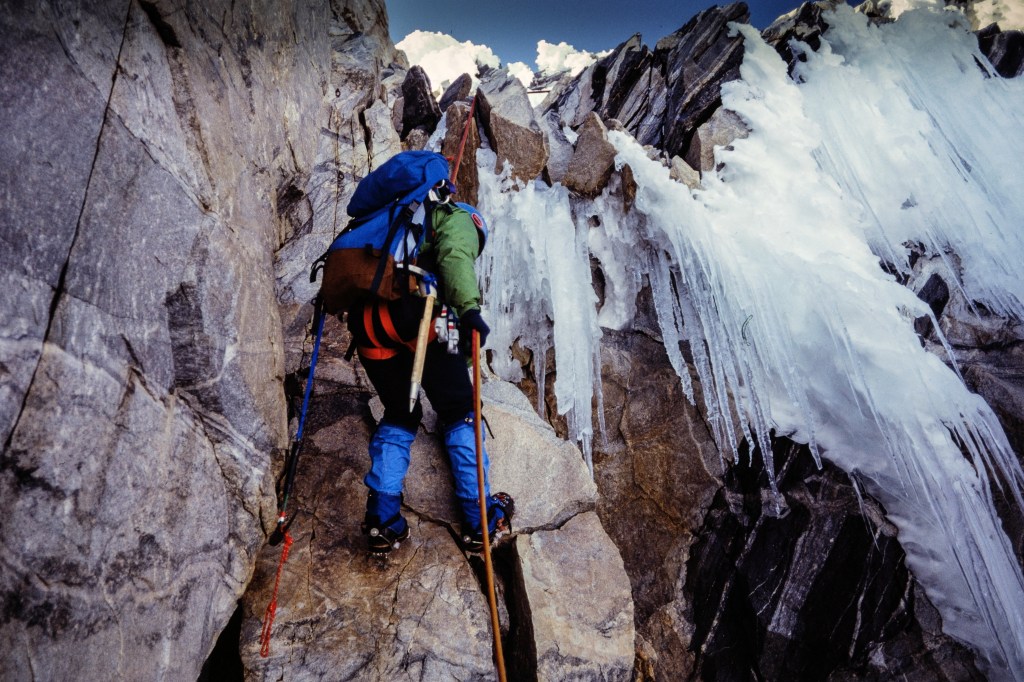
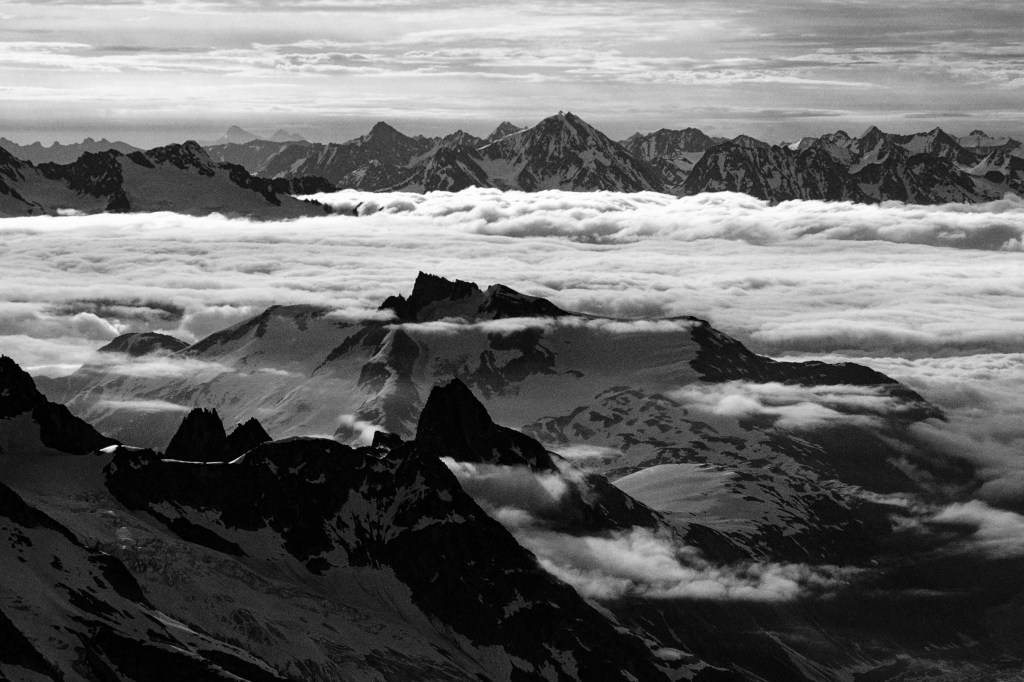
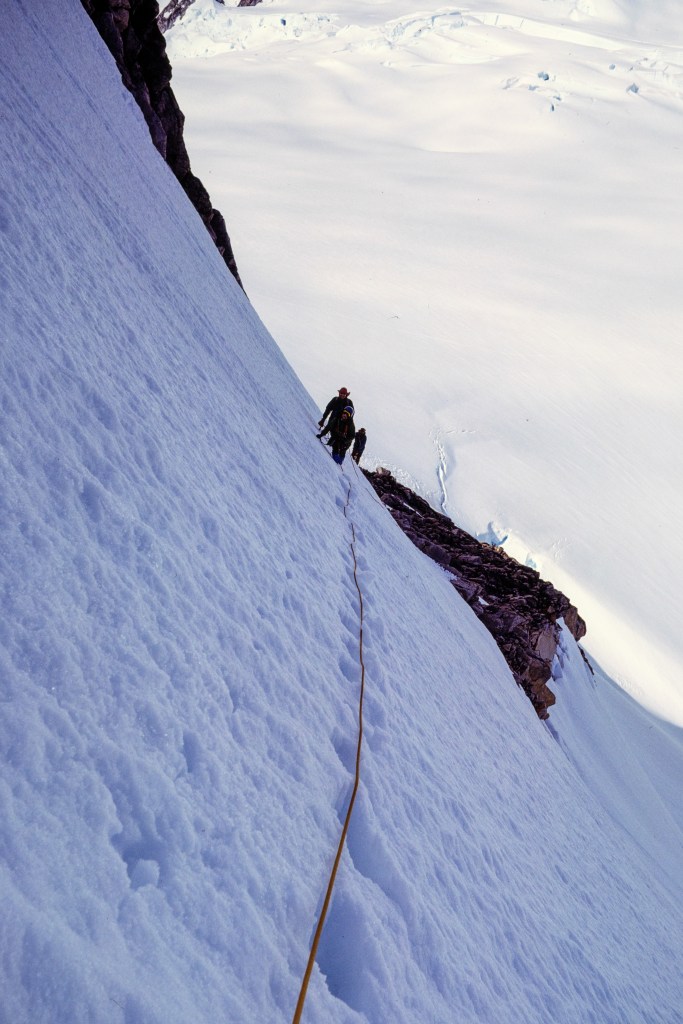
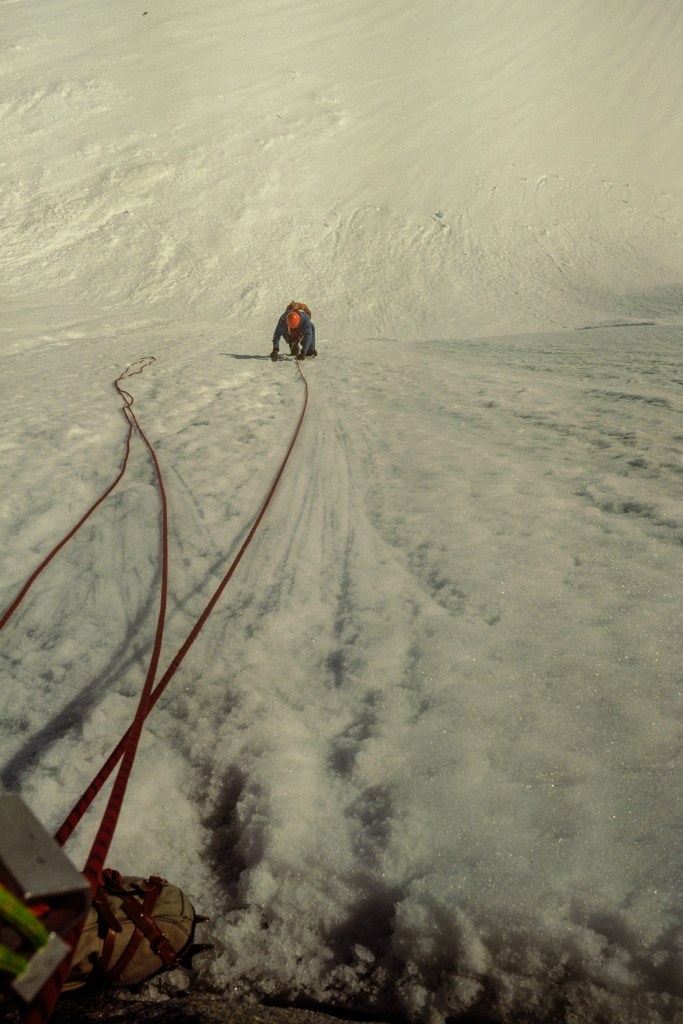
Diary entry: “July 21. Awake 2am. Ready to go by 4, but still too dark — we catnap with our boots on until 5:30. Then we start. As soon as we go my mood changes – I am excited, happy, and feel strong. Up to the notch between the main summit and the Tooth. Into a long rock gully. We are climbing on both rock and ice, wearing crampons which scrape on the rock. We protect ourselves with pitons and nuts in rock, screws in the ice. A chockstone blocks progress in the gully – we quickly overcome this by stepping up on nylon sling. Exit the gully on a ledge to left, then up and back right into the slot. Then the slope breaks back and we are on easier mixed rock and snow. I hear Gus call out – he is on top, 2pm. The top is a tiny snow tower; only two can go up at a time – are we actually standing on anything solid? Peaks stretch away for miles. Lovely sun. Then down and down and down, a mix of rappels and downclimbing with ice tools. At 9:30pm we are back at the tents. Water, food. I am smiling as I fall asleep.”
Aftermath
We hiked up to the Plummer Hut and climbed additional peaks (Heartstone, Dentiform, Serra III).



 Birds of Bishop