Wilson’s Phalarope

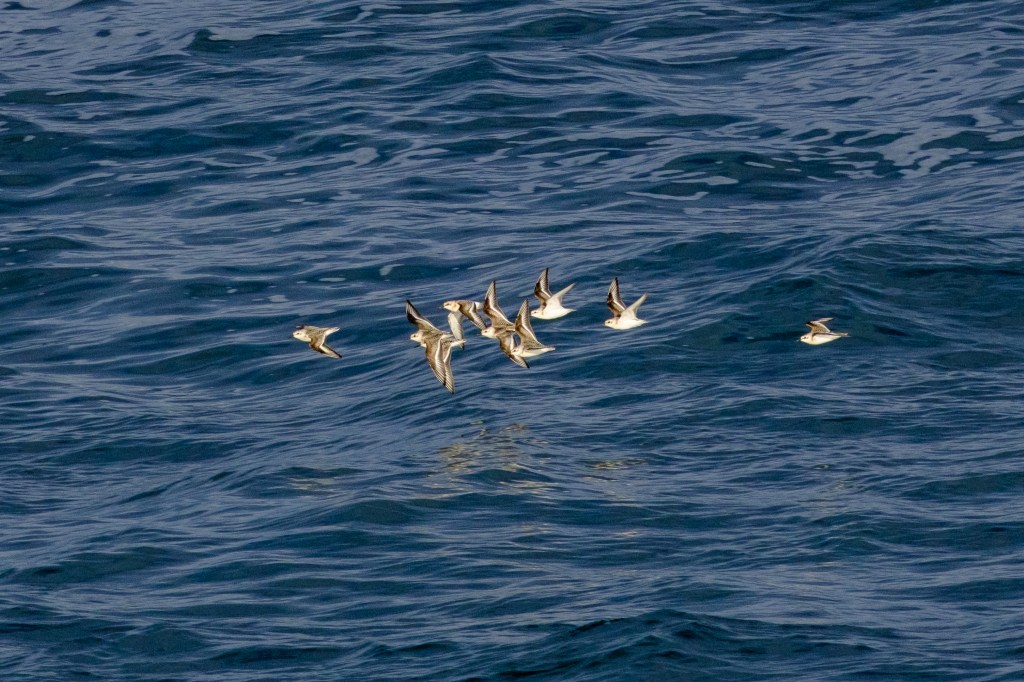
            These shorebirds birds are 9 inches long, have a wingspan of 17 inches, and weigh 2 oz. They mate in the Dakotas and Saskatchewan in May. The females lay eggs and promptly leave, heading south to the saline lakes of the Great Basin: Great Salt Lake, Abert’s Lake in Oregon, and Mono Lake north of Bishop. The males look after the eggs, but once the chicks are hatched, the males also head south. The chicks are born with feathers and find their own food; soon they also go south. The birds show up at Mono Lake from mid-June to August. Surveys at Mono Lake done 35 years ago estimated up to 80,000 phalaropes in a year, but survey methods then and now are pretty crude. The females arrive first, then males, then juveniles. They hang out for a month doubling their weight on brine shrimp and alkali flies — an unlimited, but monotonous, buffet. They use the time and food energy to molt, discarding their old feathers and growing new ones. Then they fly south – a 3-day non-stop to South America, about 3000-4000 miles. They spend the Boreal winter at inland saline lakes near the Andes Mountains of Argentina, Bolivia, and Chile. In spring of the next year, they fly north and do this all over again.

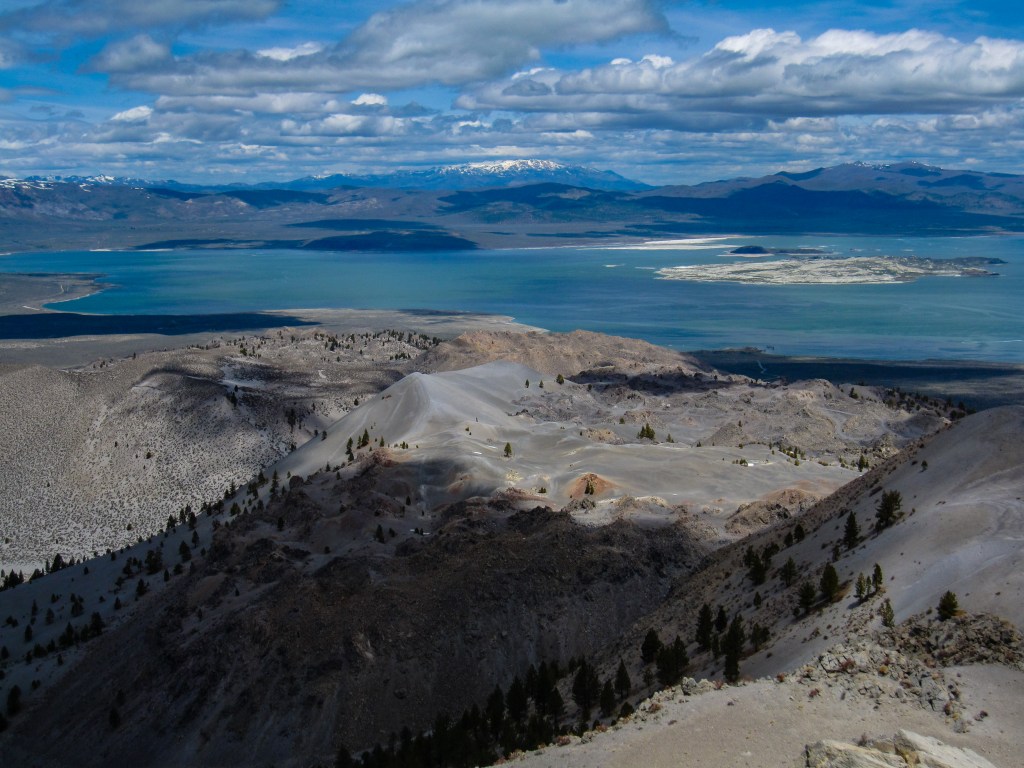
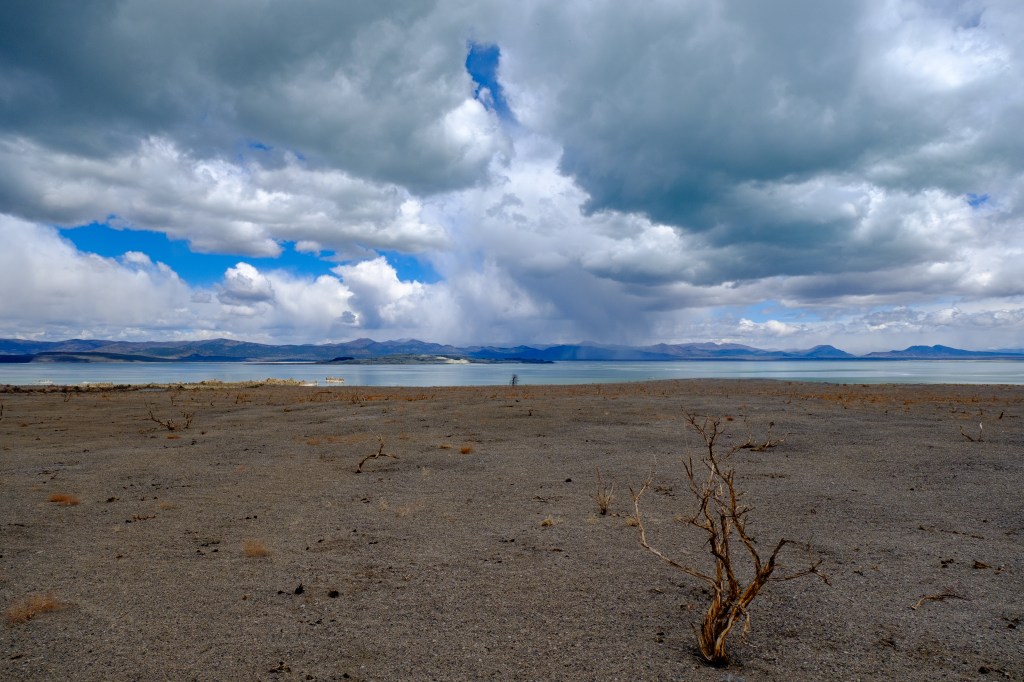
Below are photos of Mono Lake, where thousands of Phalaropes gather every summer. The first photo was taken from the Mono Craters, a group of volcanos south of the lake. In the foreground is volcanic ash and rubble. In the middle distance on the right is an island called Paoha. Most California Gulls migrate from the coast to this island in the summer, nest, and raise their chicks. In the far distance are the snowy summits of the Sweetwater Mountains, which straddle the California-Nevada border.

Mono Lake from Mono Craters. Looking north.

The winter view below, looking south, shows the Lake from near Conway Summit. The large road is Highway 395. The town of Lee Vining is in the distance on the right. Rain and snow are coming down from the clouds.

Mono Lake, looking south.

Sunrise from the Lake’s south shore.

Mono Lake sunrise.

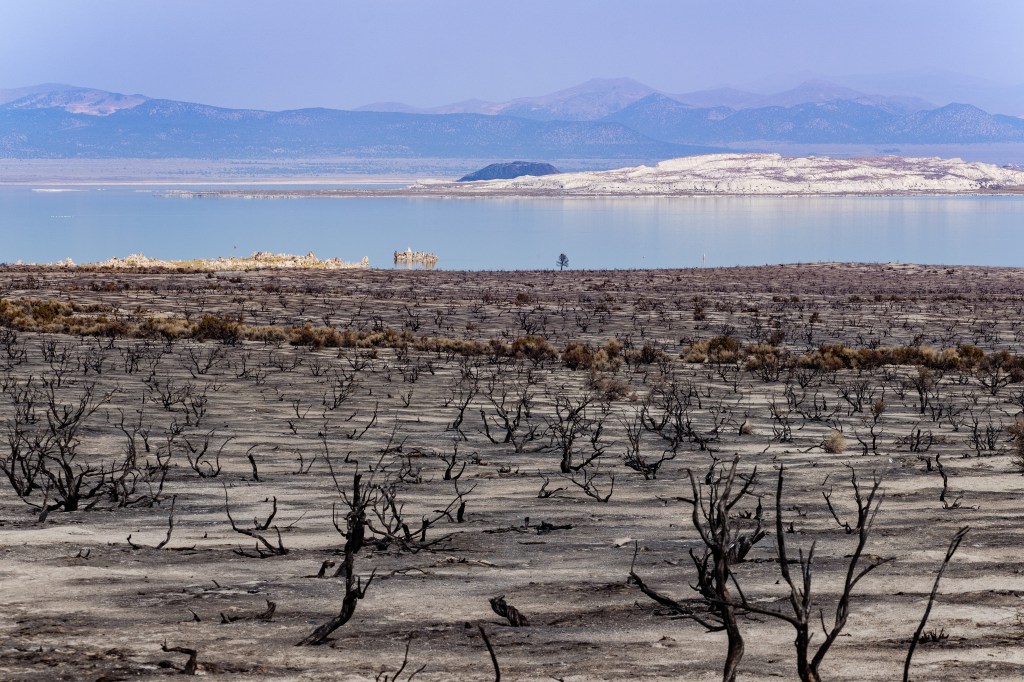
Lightning started a fire just a few years ago. It burned off sagebrush and rabbitbrush from a large area on the Lake’s south shore.

Mono Lake south shore. South Tufa area on left, Navy Beach on right. Burned from lighting fire.

Another view of the burned area.

Mono Lake south shore. Burned area.

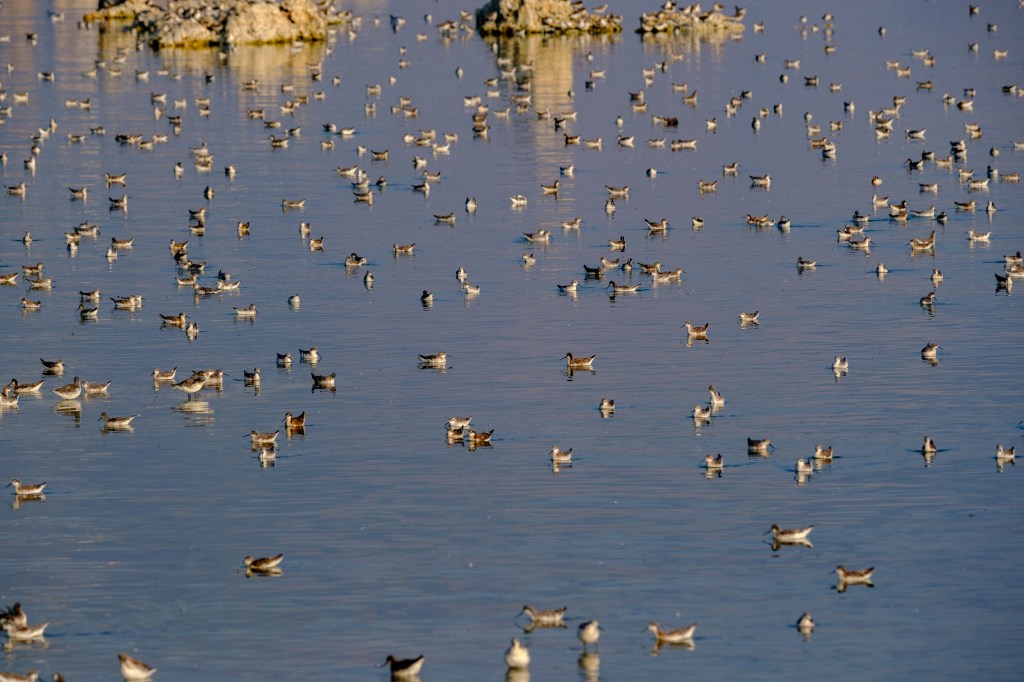
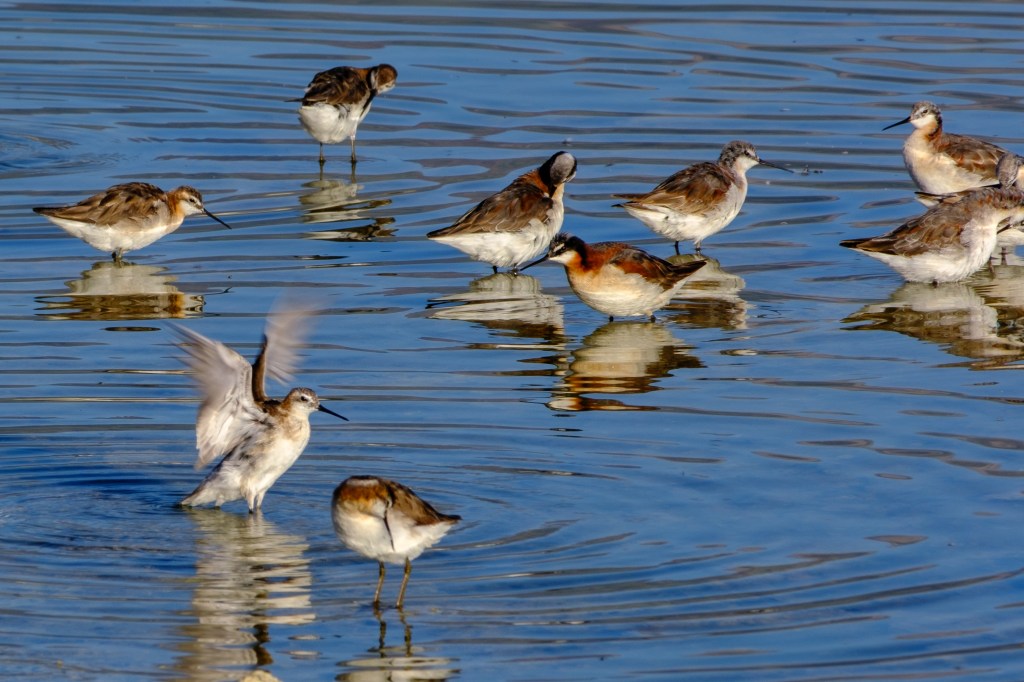
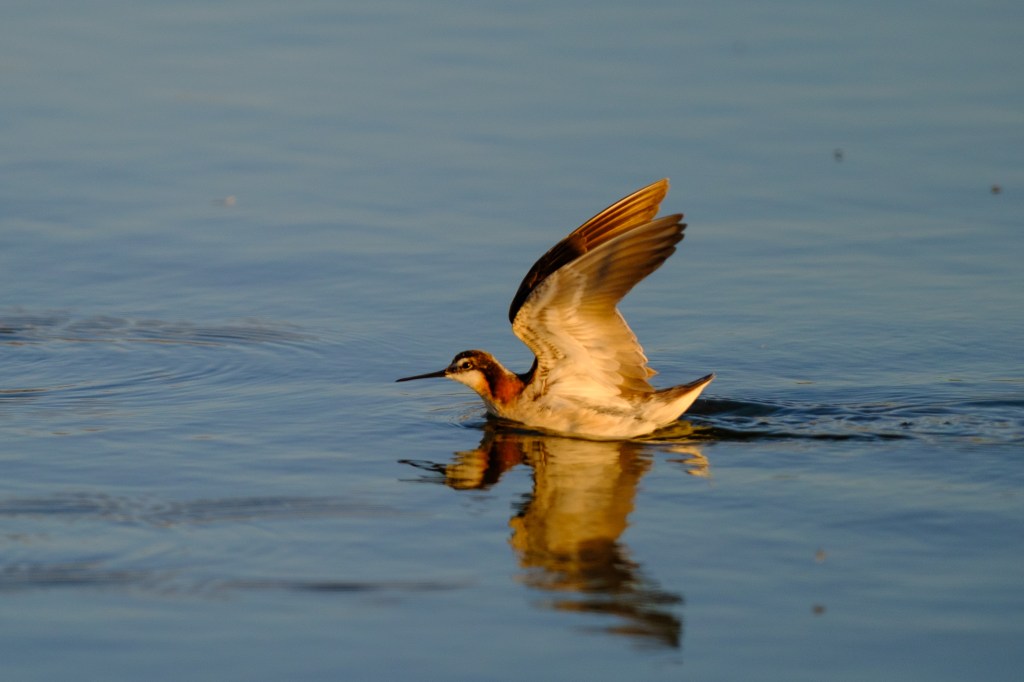
Below are pictures of Wilson’s Phalaropes floating, preening, and feeding. These images were taken from the South Tufa area of Mono Lake, which has easy road access and a boardwalk that leads to the water. The female birds have a black facial stripe that morphs into a cinnamon color on the back of the neck; very elegant. Colors for the males and juveniles are muted; a blah look.
Wilson’s Phalaropes. Mono Lake. Two bird on the right are females in breeding plumage.
Wilson’s Phalaropes are wading birds, but also happy swimming about.
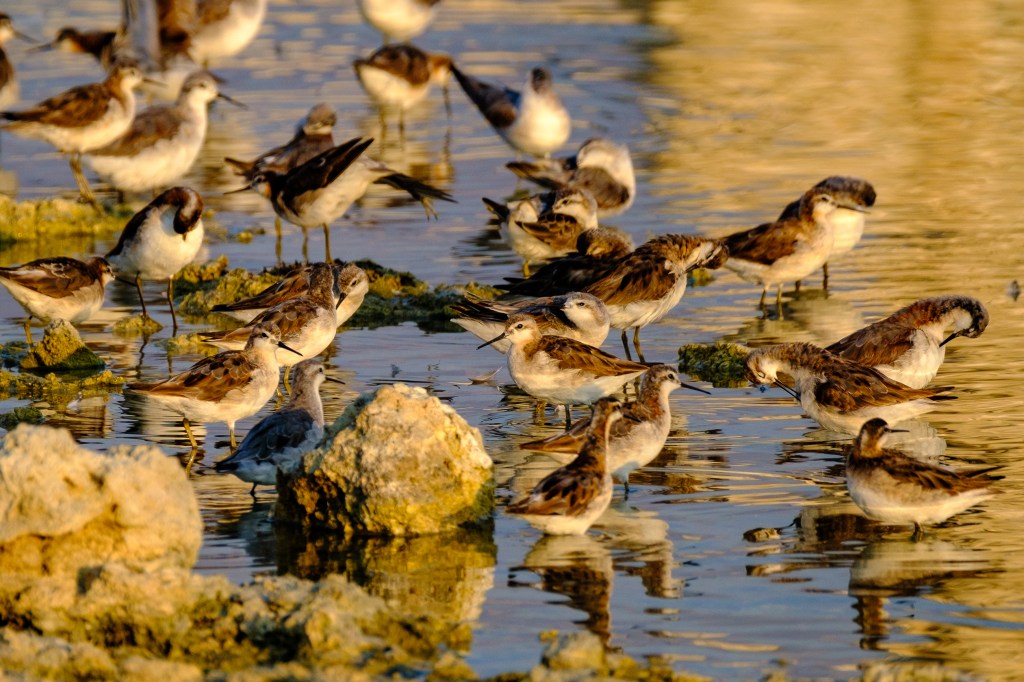
Lots of preening here. These birds are molting, getting entirely new outfits.
Preening.
Preening. Some are also feeding.

The image above shows some birds feeding. All they have to eat here are brine shrimp, which are less than a half-inch long, and small alkali flies. They grasp brine shrimp or flies with the tip of their bills, then open the bill so that a water droplet containing the food moves up to the mouth using surface-tension. Two California biologists studied this with high-speed cameras and their article shows photos of water droplets moving up a bird’s bill from tip to mouth in 0.01 seconds. (Rubega MA, Obst BS. Surface Tension Feeding in Phalaropes: Discovery of a Novel Feeding Mechanism. The Auk: A Quarterly Journal of Ornithology. 1993;110(2):169-173.)

Until 2021, I knew nothing about this bird. Roberta and I visited Mono Lake’s South Tufa beach early on July 2 and found thousands of them at the shore, floating on the water, and flying about in flocks of hundreds, even thousands. We came back on July 6 and 13 to get more photos. The birds made little noise; just faint gurgling sounds. At the shore they seemed restless, either eating or preening themselves. The scene was one of the most exciting wildlife events I’ve ever seen, comparable to seeing animal herds on the Serengeti.

Below are two images of Phalaropes landing.

This female has just landed.
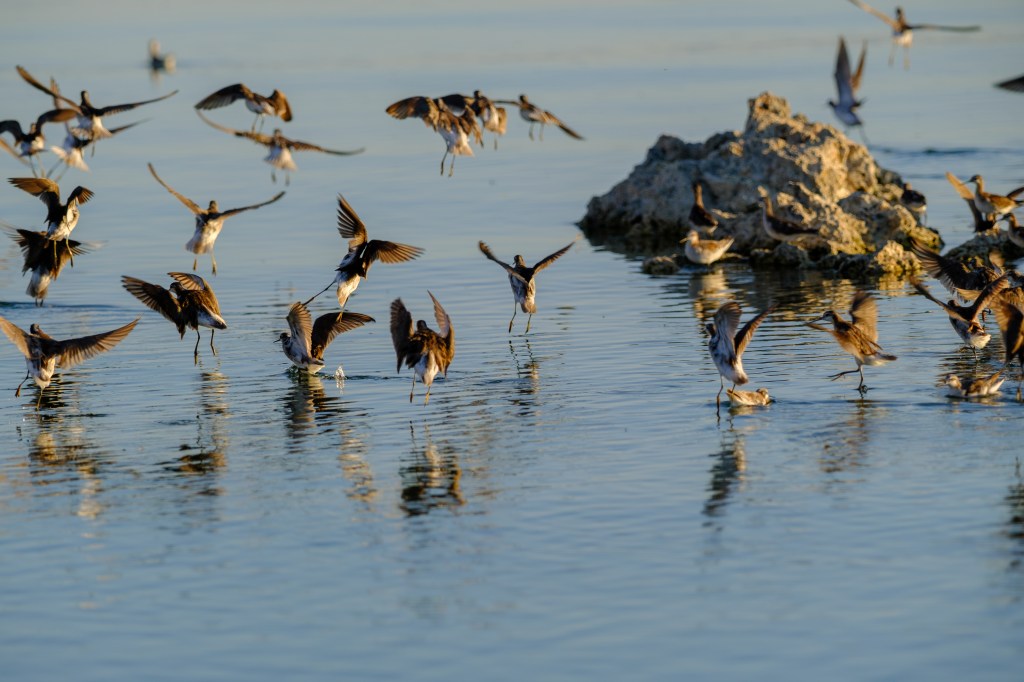
This is a different bird, also landing. As they come down, they take a few steps on the water.
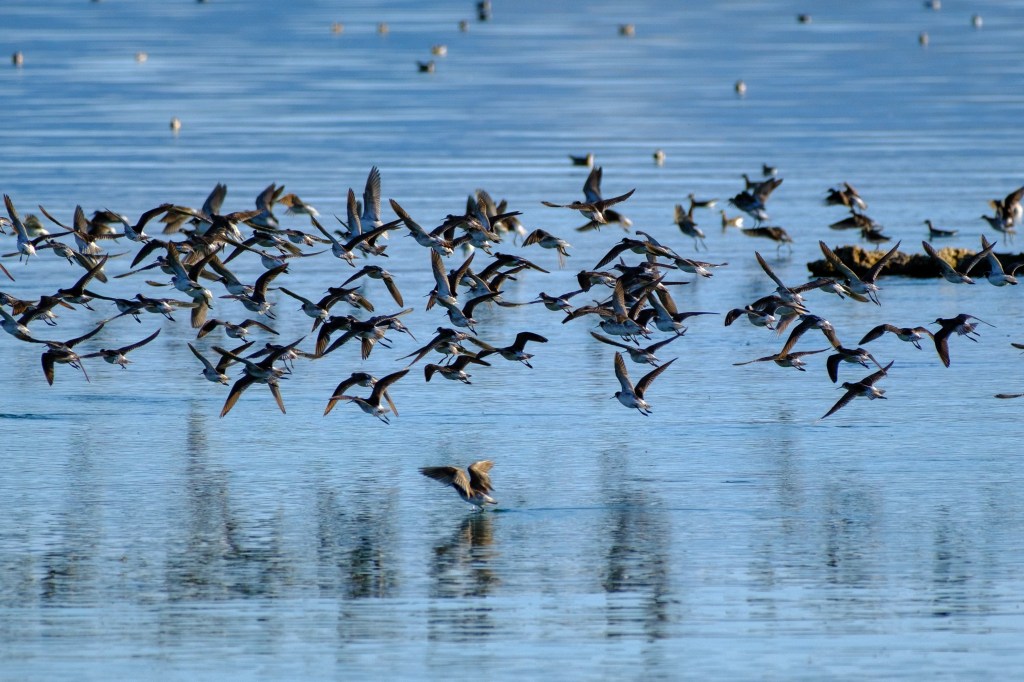
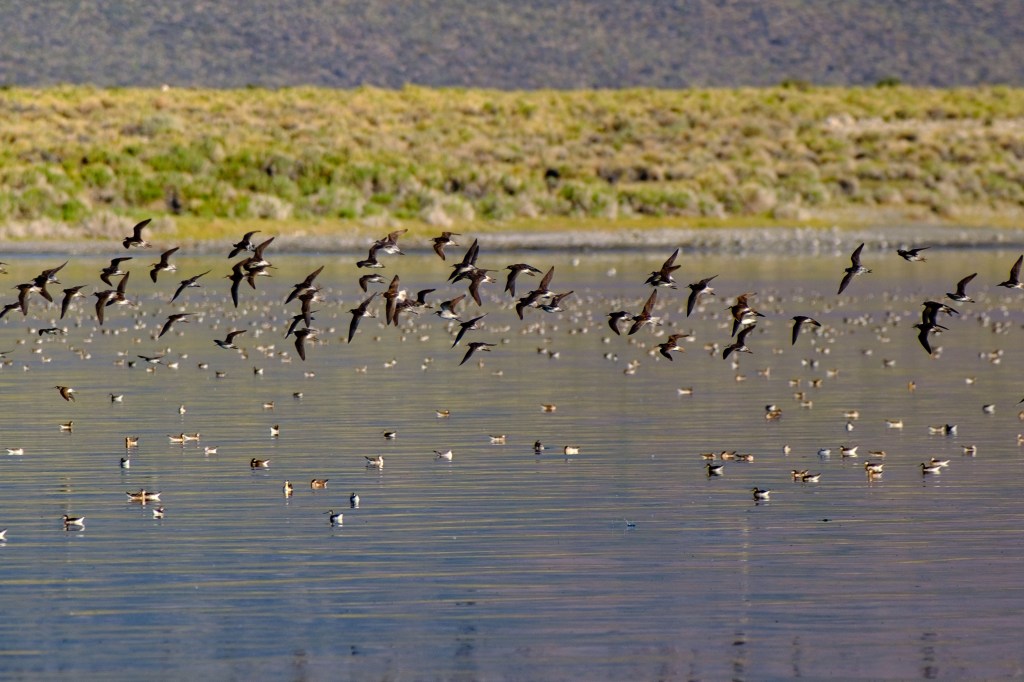
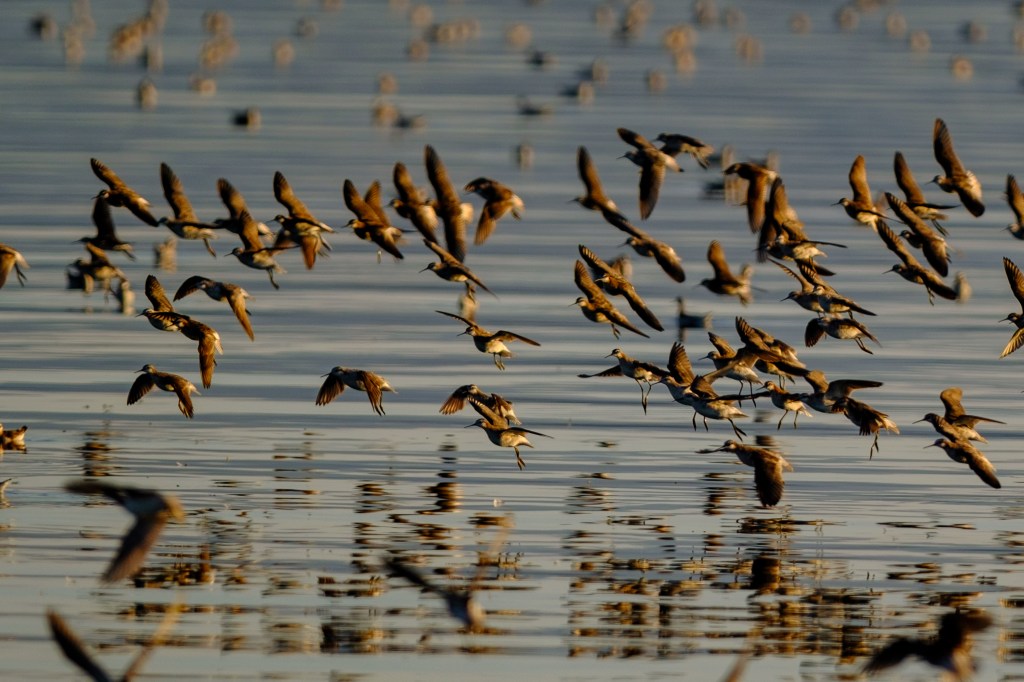
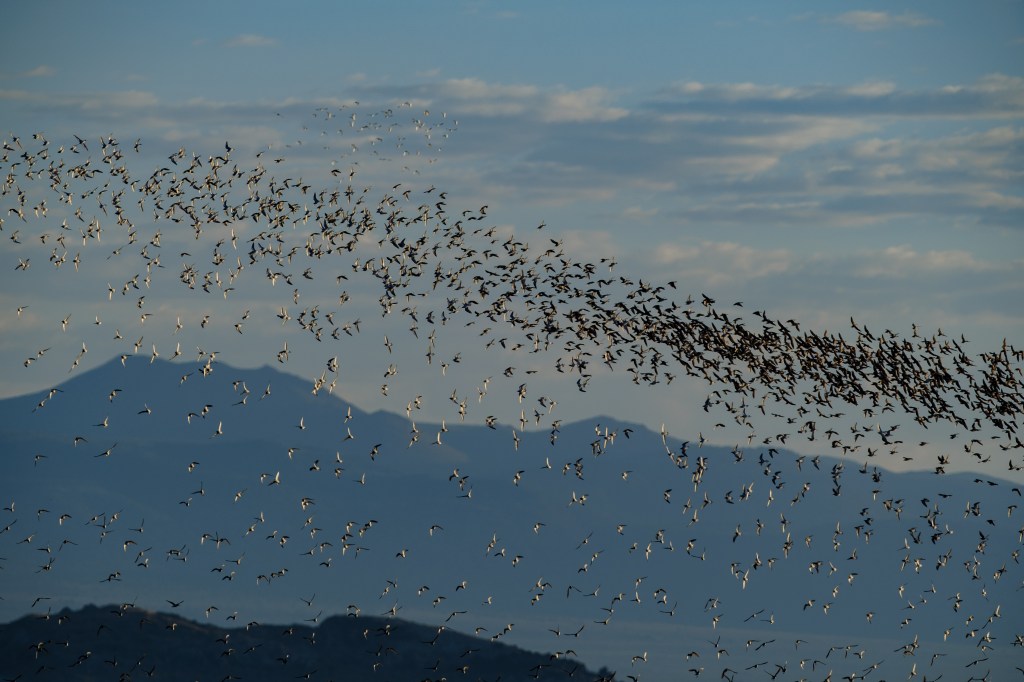
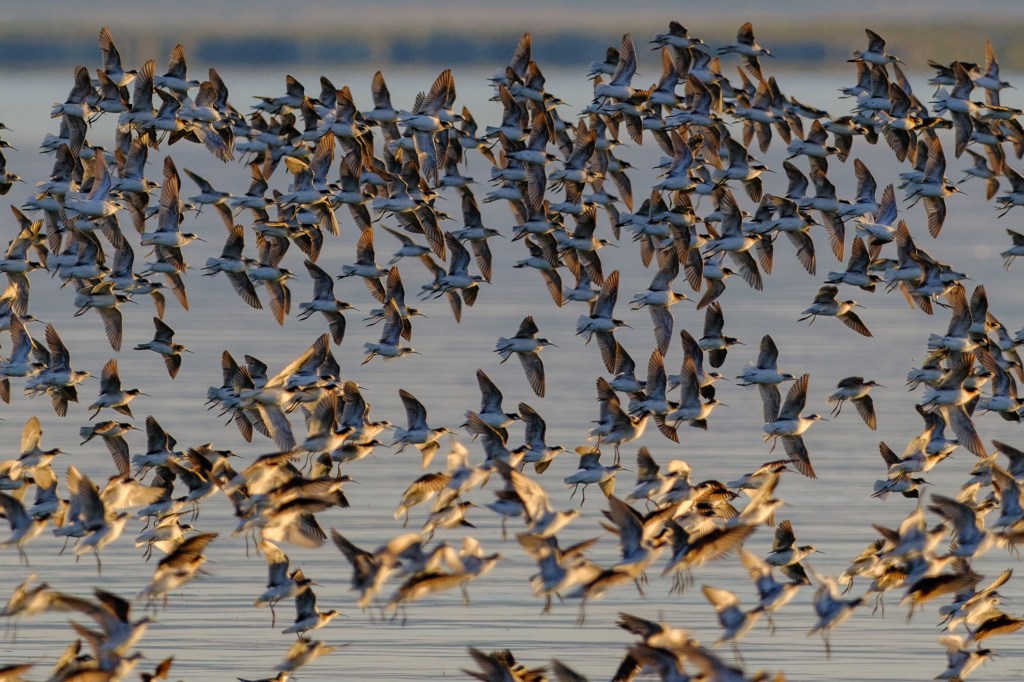
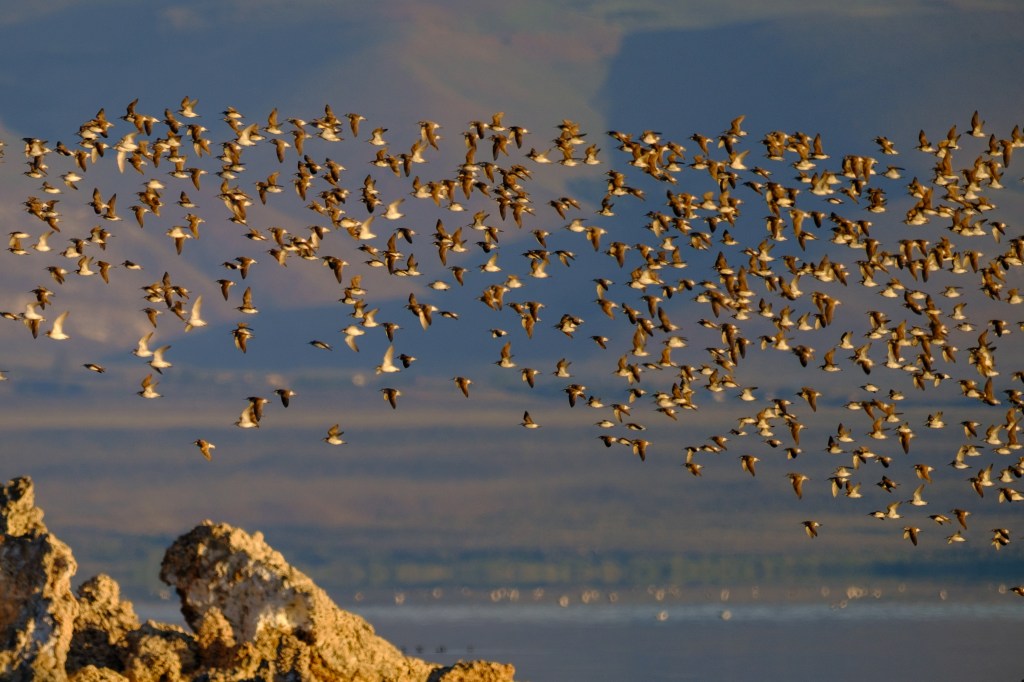
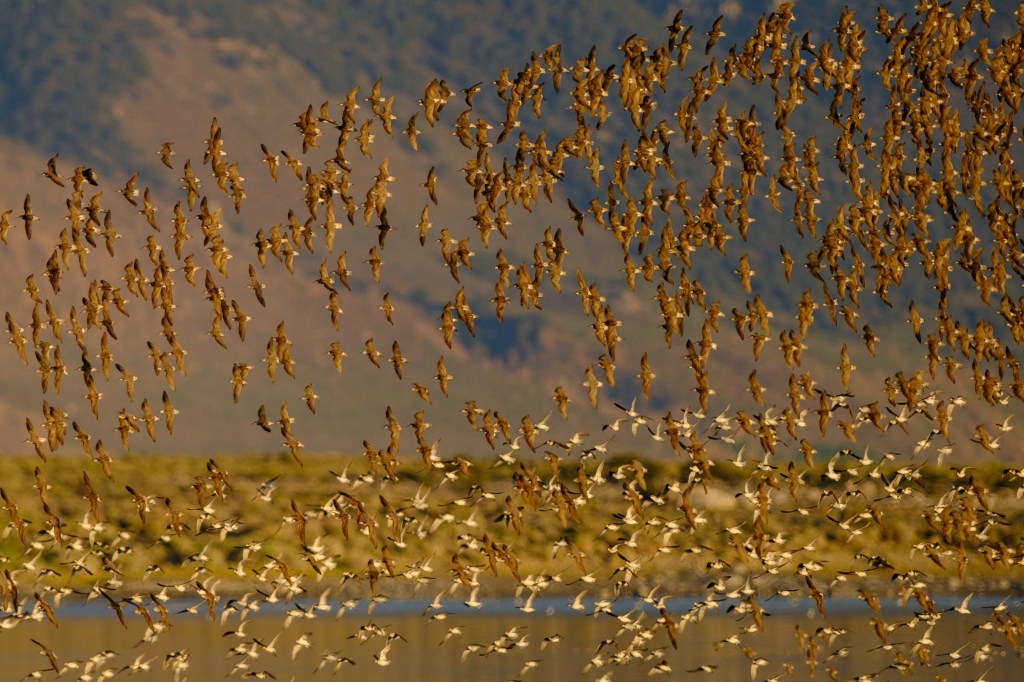
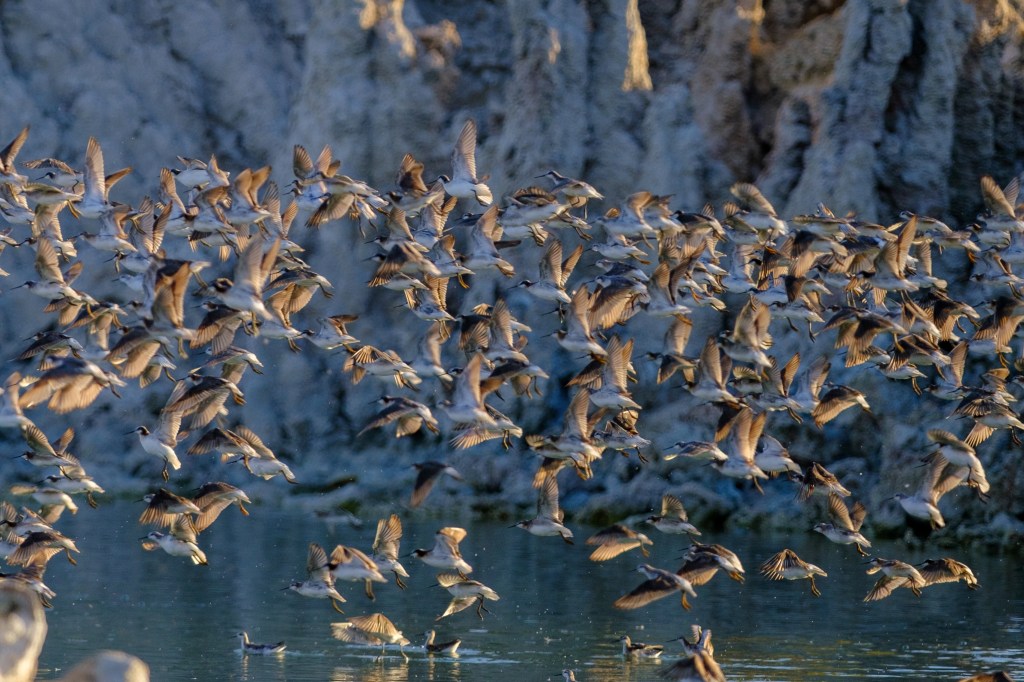
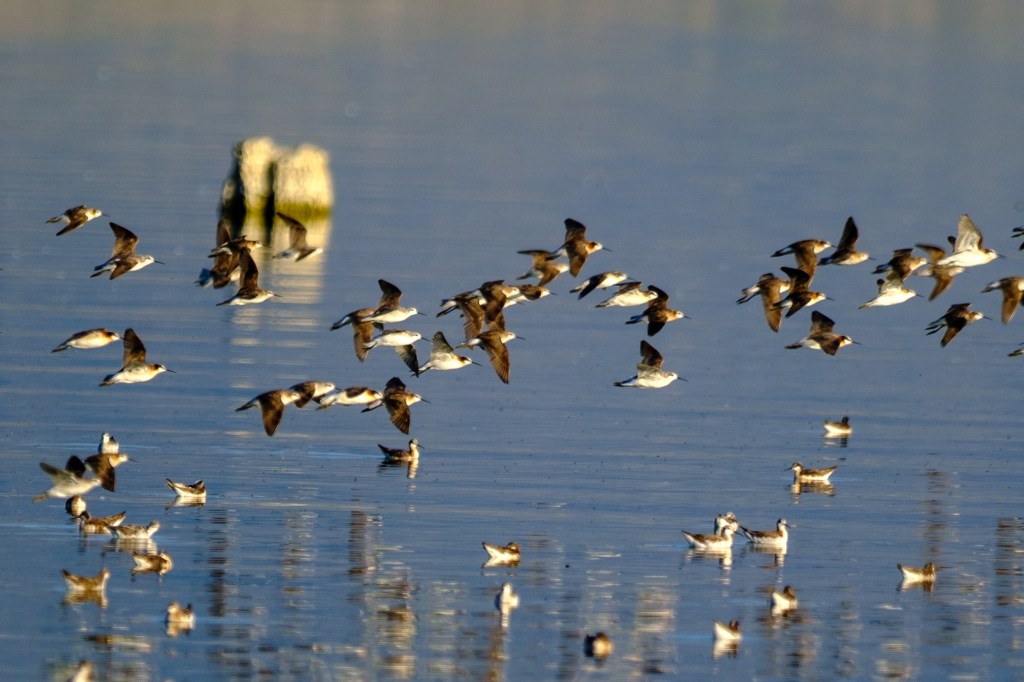
Every few minutes a flock of hundreds or thousands took off, zoomed about (at speeds up to 50 mph) near the water surface or high above the water, and then landed on the water. Large flocks made a “whooshing” sound as they went past. The landings looked like a controlled crash; the birds spread their wings, put out their feet, and take several steps on the water before flopping down. Their bellies are white, backs are a mix of browns. So depending on their angle in flight, they make look white, brown, grey, or black. As they change direction, the color of the flock changes — a fast moving plume of black smoke seems to turn white. Sometimes a dark-appearing flock crosses the path of another flock that looks white.
Taking off.
The flying birds here look brown.
We see the bellies, so these birds look white.
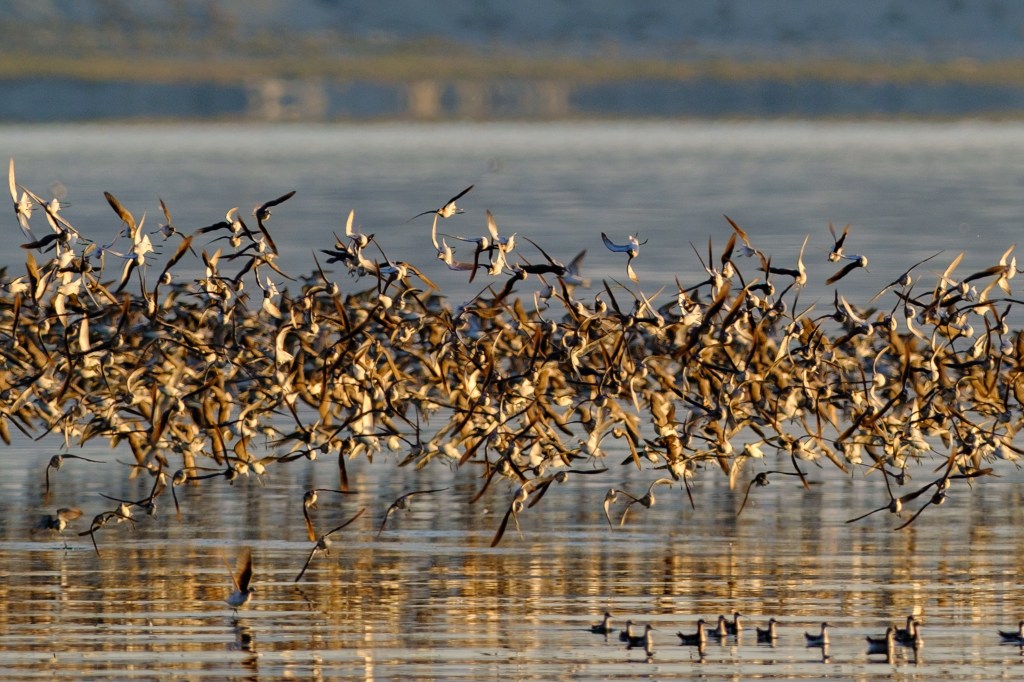
This group is landing.
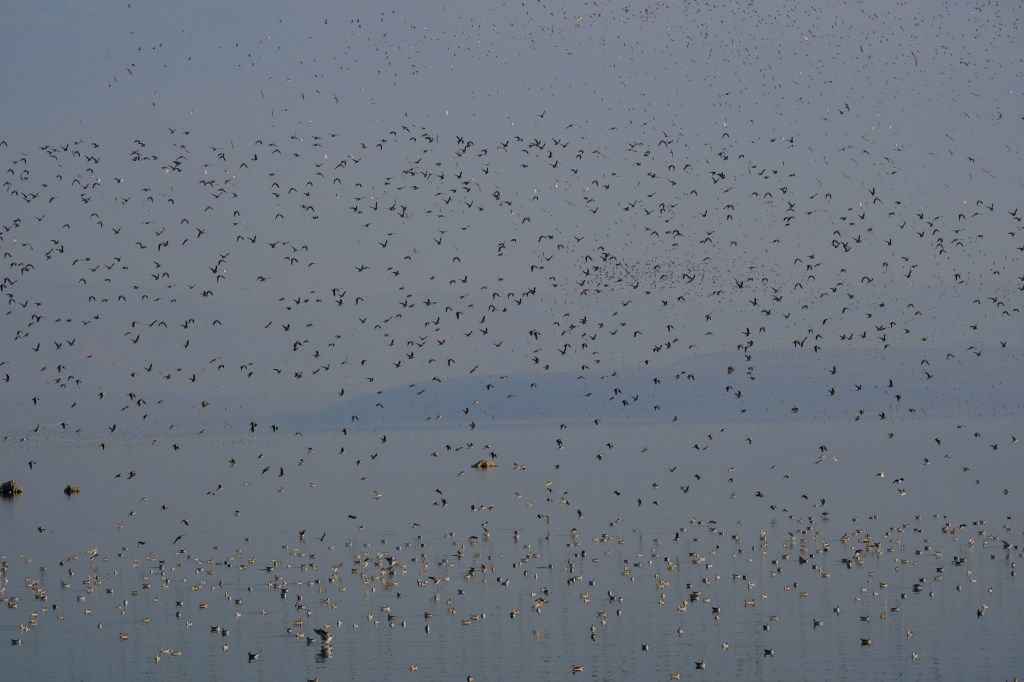
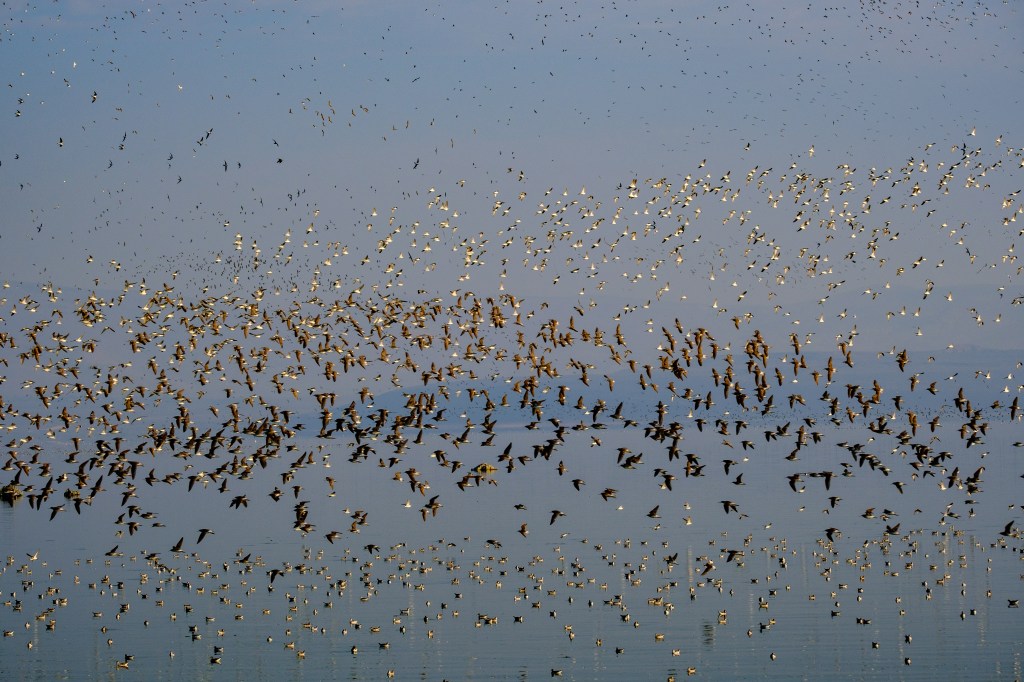
Some groups look dark, some white.
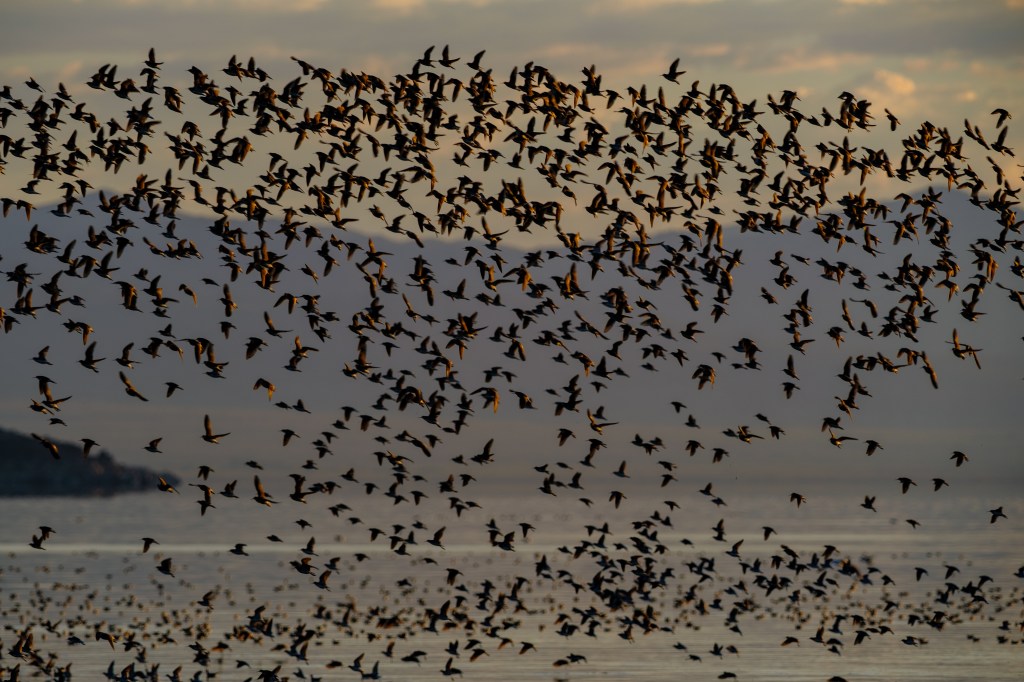
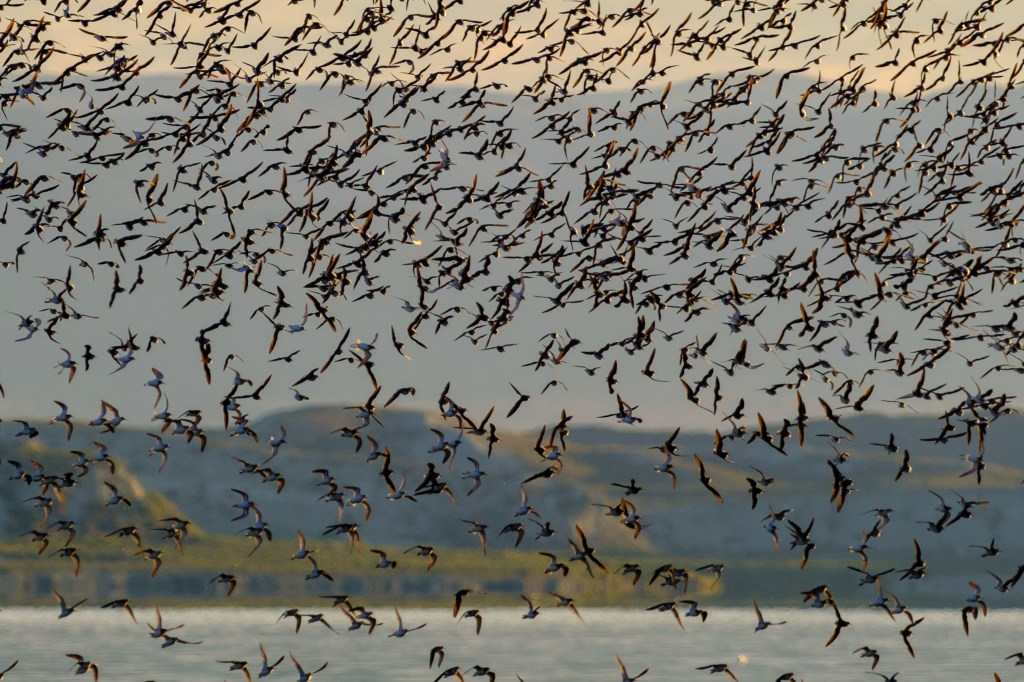
How many birds are in this photo?

In some photos, individual birds are upside down! Does air turbulence from the flock tip them over? Or are they just banking a turn very hard? How do they avoid crashing into each other? As they land, they seem to touch at times. 

At the top of this group, right of center, one bird is upside down. Feet point into the air.
Landing.
The more you magnify this photo, the more birds you can see. Could there be a thousand birds in this picture?

Why do they fly about so much? I assume they are getting their muscles in shape for the 3000-mile trip to South America. They are training, just as a human trains for a marathon. Are they also practicing how to fly as a group? When they head south, they usually lift off at night, head for the coast, and fly over the ocean. I wonder what it would look like to see a flock pass overhead against the stars or the moon?

Who was Wilson?

            Alexander Wilson (1766 to 1813) was born in Scotland. He moved to America in 1794 (age 27) in the hope of escaping poverty. He lived in Pennsylvania. Before his death at age 47, he published 9 books of bird illustrations; American Ornithology (1808-1814). His name is attached to Wilson’s Storm-Petrel, Wilson’s Plover, Wilson’s Snipe, Wilson’s Phalarope, and Wilson’s Warbler.
            In 2023, the American Ornithological Society announced a plan to revise North American bird names. Instead of naming birds for people (all white males of European heritage), names will be revised to describe the birds. They plan to revise 10 names in 2024, including Wilson’s Warbler and Snipe. Europeans did not discover these birds; they were known to indigenous people for thousands of years.

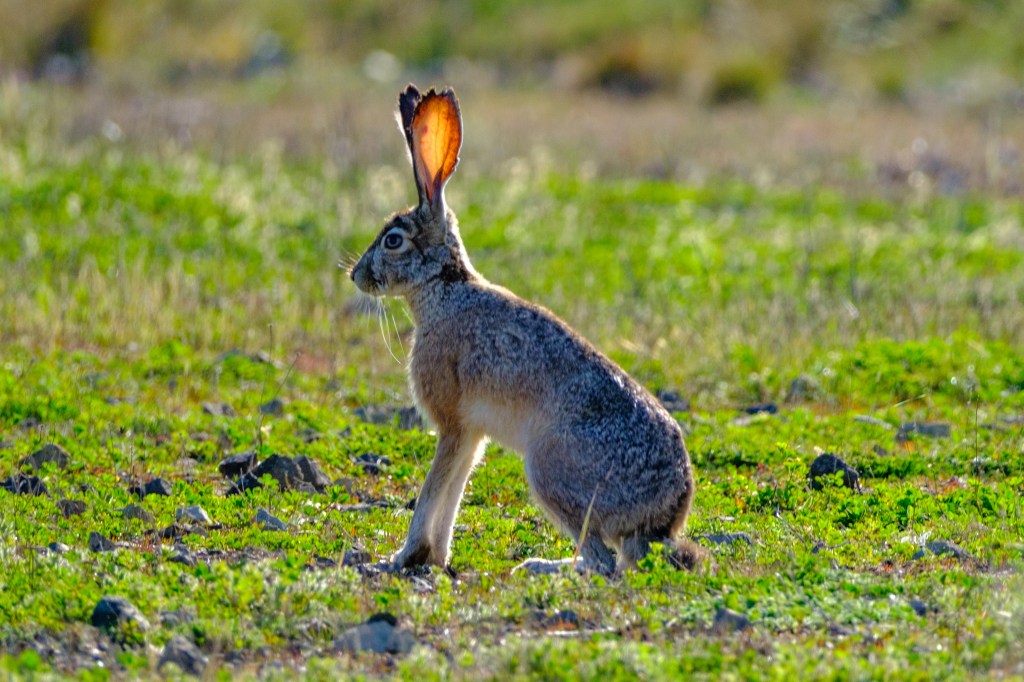
A couple of additional photos remind us that Phalaropes are not the only creatures at Mono Lake. Roberta spotted this Desert Cottontail on April 2, 2024.

Aw, mira que cute.

Takeoff

Gravity binds humans to the earth. We travel freely in two dimensions: back and forth, side to side. But our ability to move up and down is limited. We can climb a cliff or descend a cavern, but we must cling to a surface or tether ourselves with rope. Without equipment, our muscles can only lift us into the air for a moment. The ballerina, high-jumper, or gymnast is focused on landing even before they take off. Balloons, wingsuits, hang-gliders, Piper Cubs, jets, and rockets let us stay aloft longer. With a boarding pass, any human can fly faster and higher than a falcon. Yet clever engineering provides only temporary and complicated release from the ground. Our usual lives are earthbound.
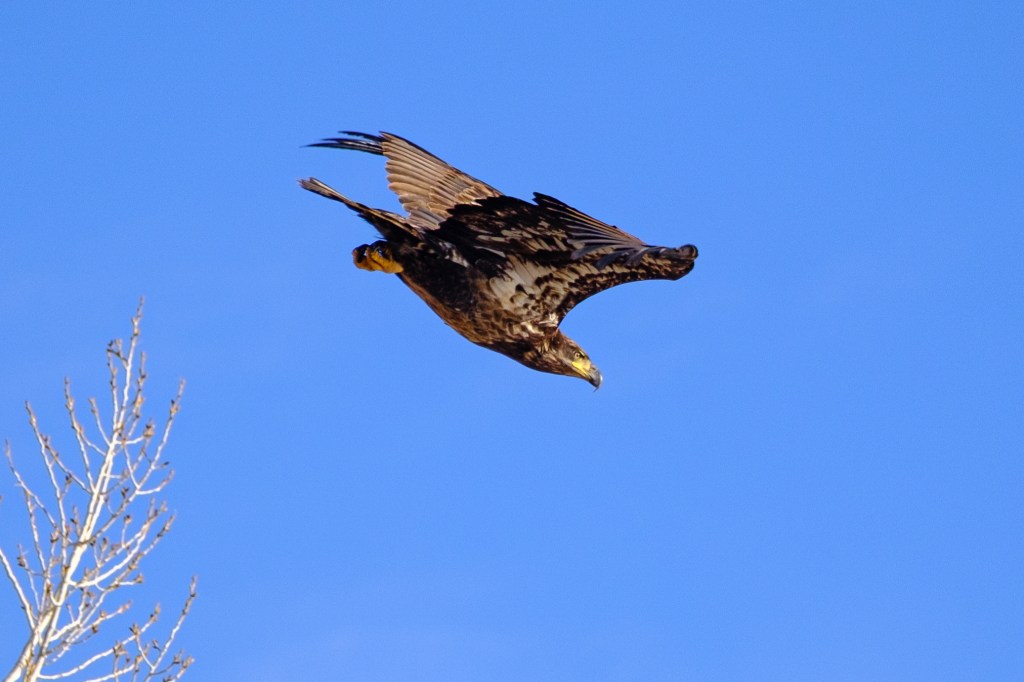
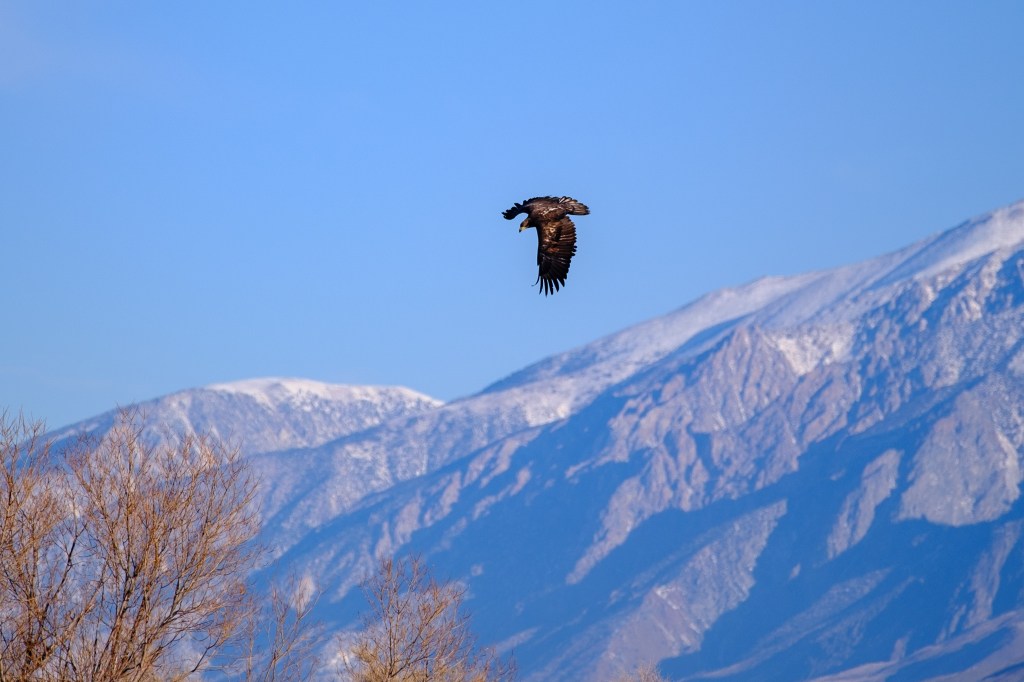
Birds, however, live in three dimensions. Hundreds of times a day, herons and hummingbirds take to the air using only muscles and feathers. They make this transition as easily as we step off a curb. Some can fly for days without landing. Some sleep in the air, fight in the air, and eat in the air. Not all birds fly. Some birds near Bishop prefer the ground; Roadrunners and California Quail. But the essence of most birds is flight.

To photograph a flying bird, I often start with a non-flying bird on a branch, on the ground, or floating on a pond. I aim the camera and let it automatically focus and set the lens aperture. I take pictures of the perched bird. Then I wait.

If nothing happens in a minute, I continue my walk. But if the bird takes off, or seems likely to do that, I depress the shutter button and keep it down while panning the camera to follow the bird. This method sometimes captures the moment of takeoff, when a bird transitions from earth to air. This blog article displays photos of bird launches.

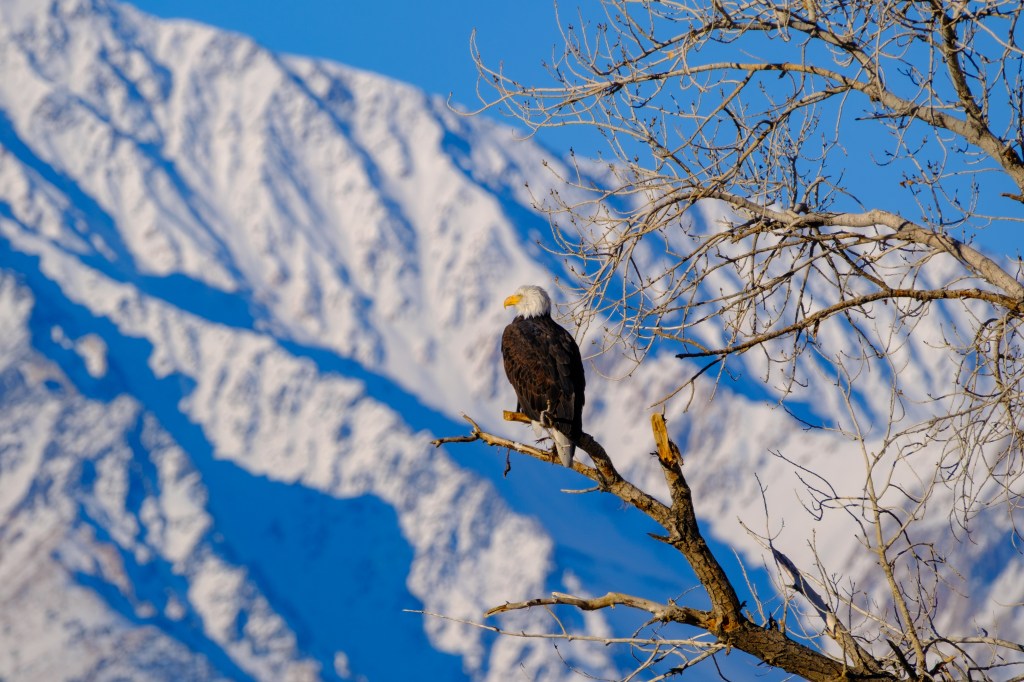
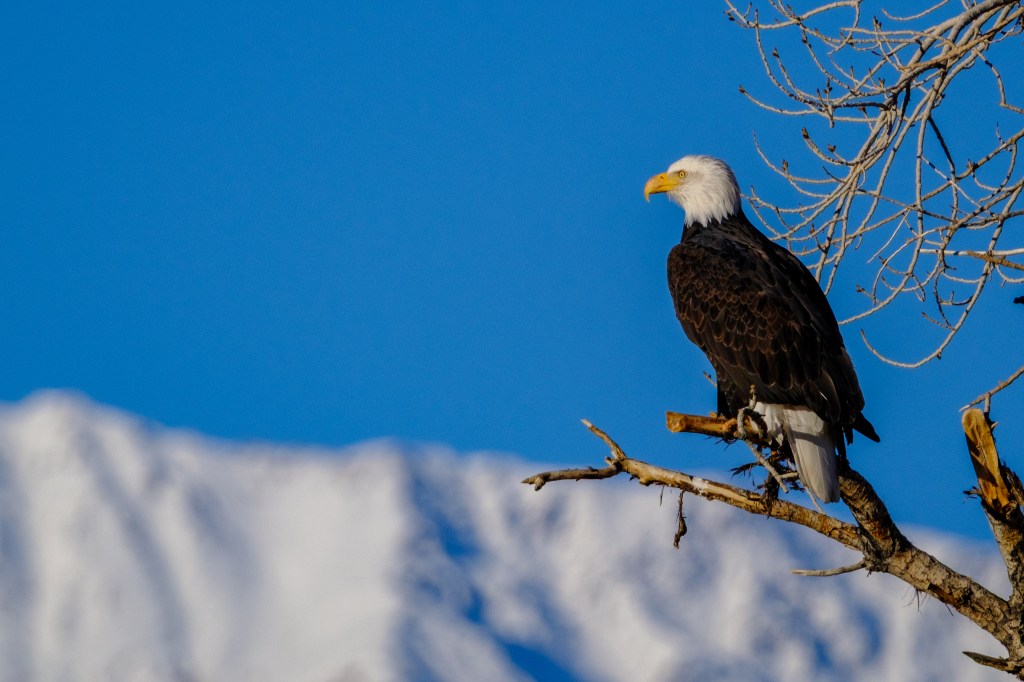
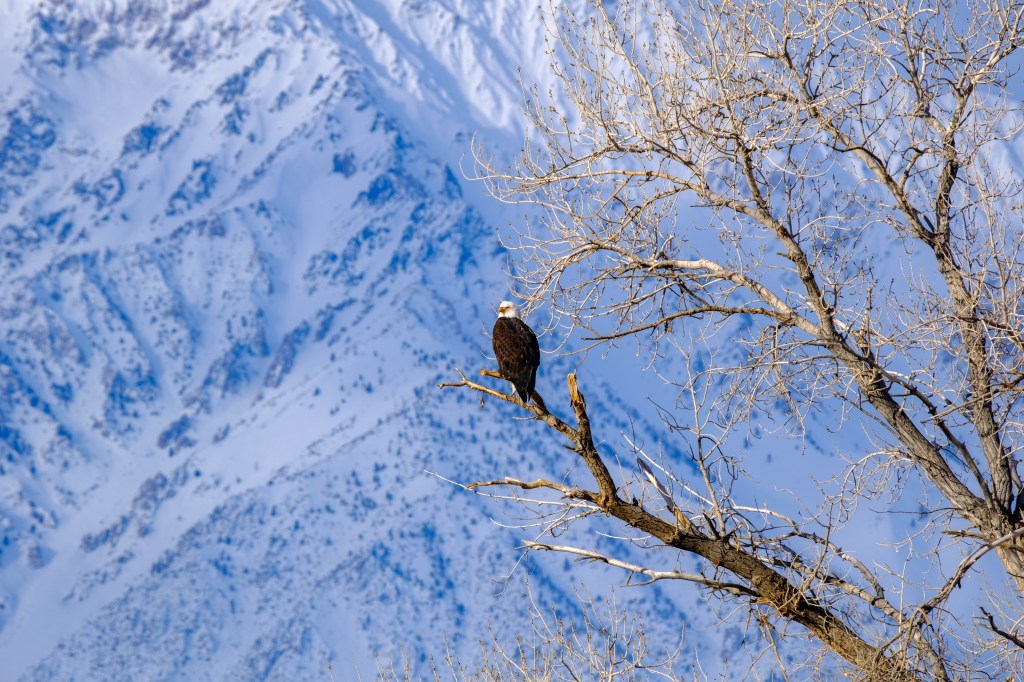
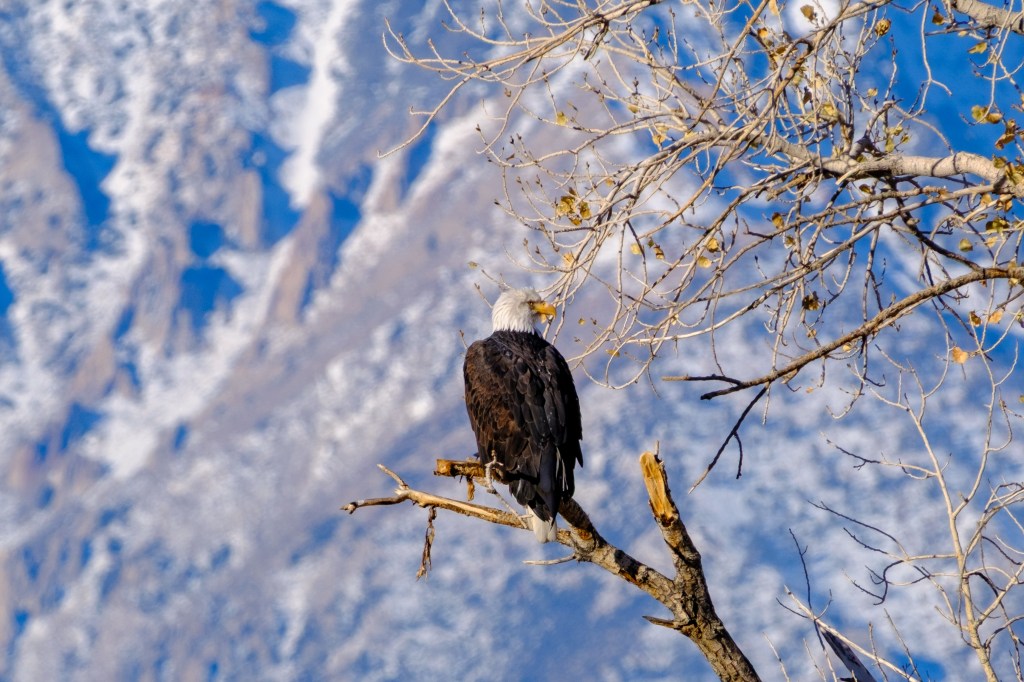
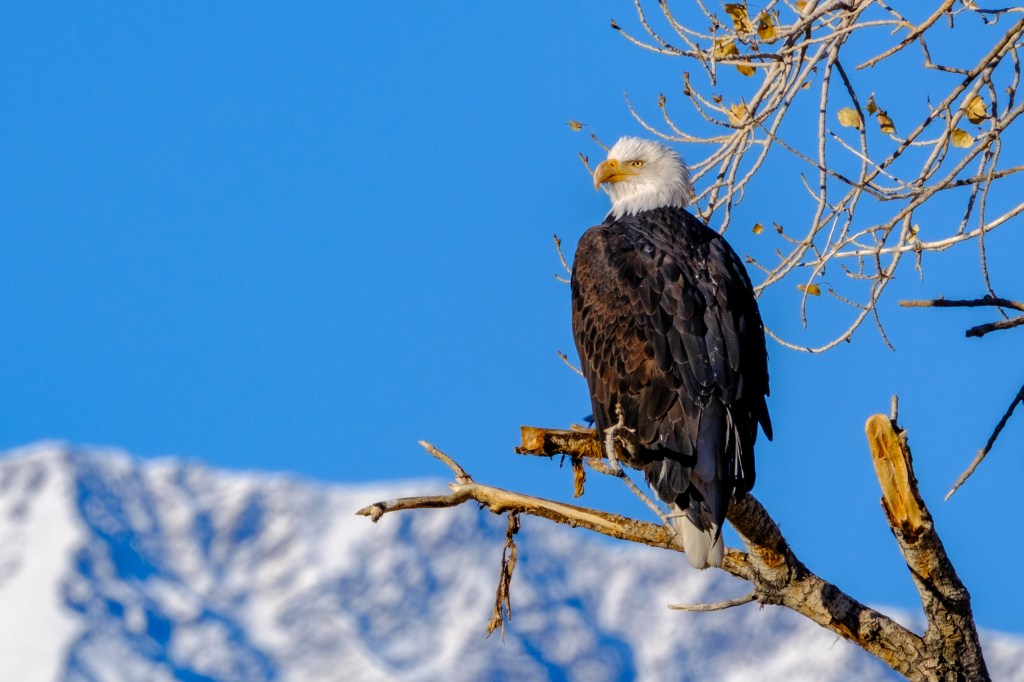
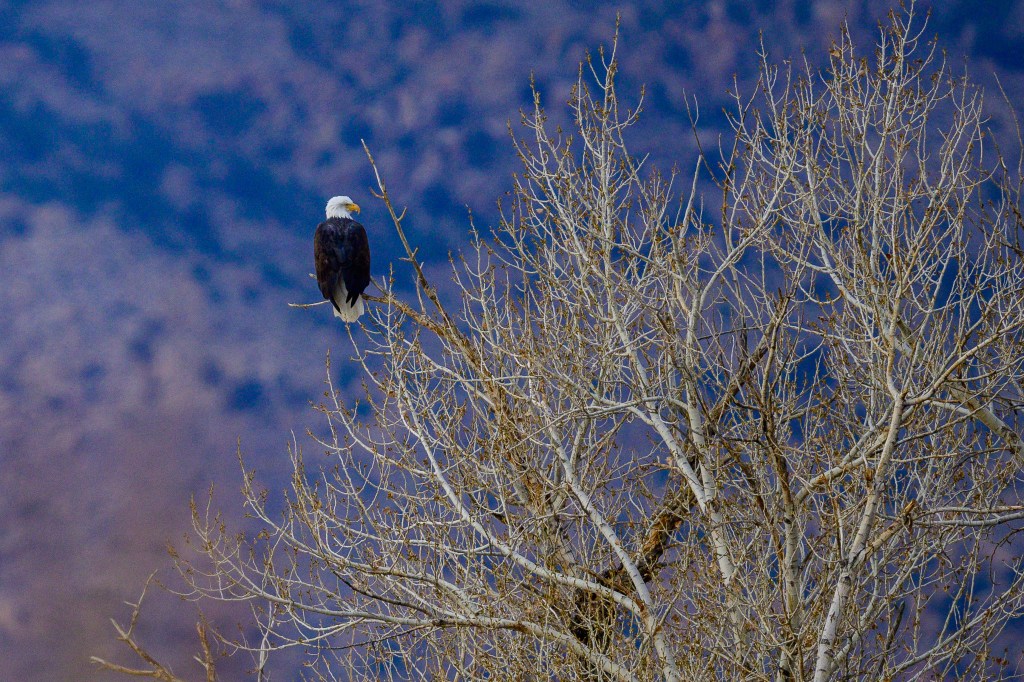
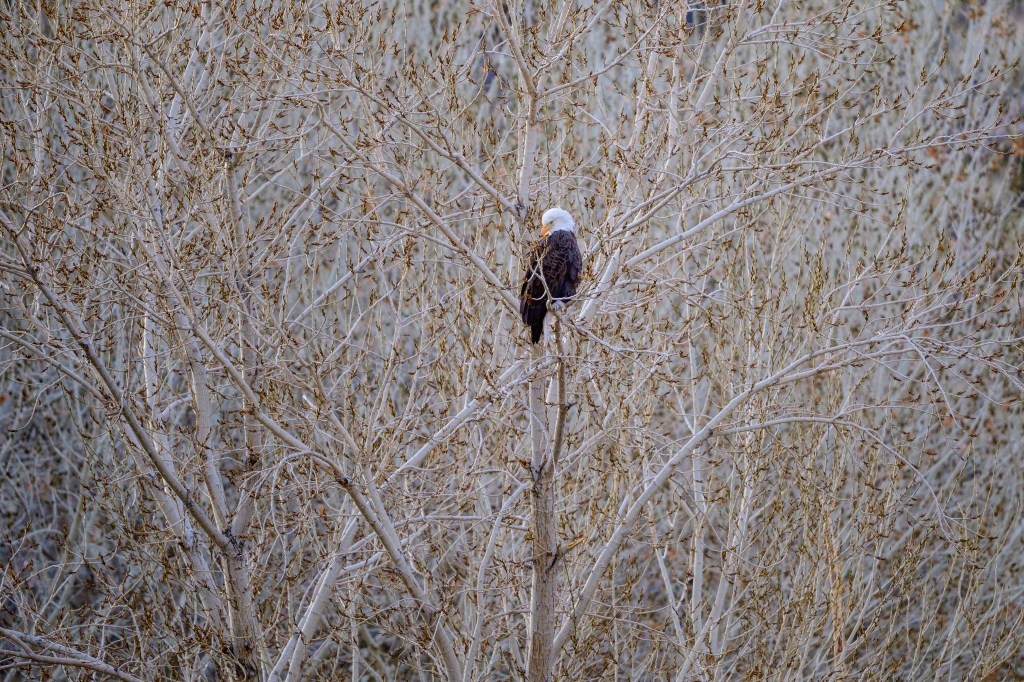
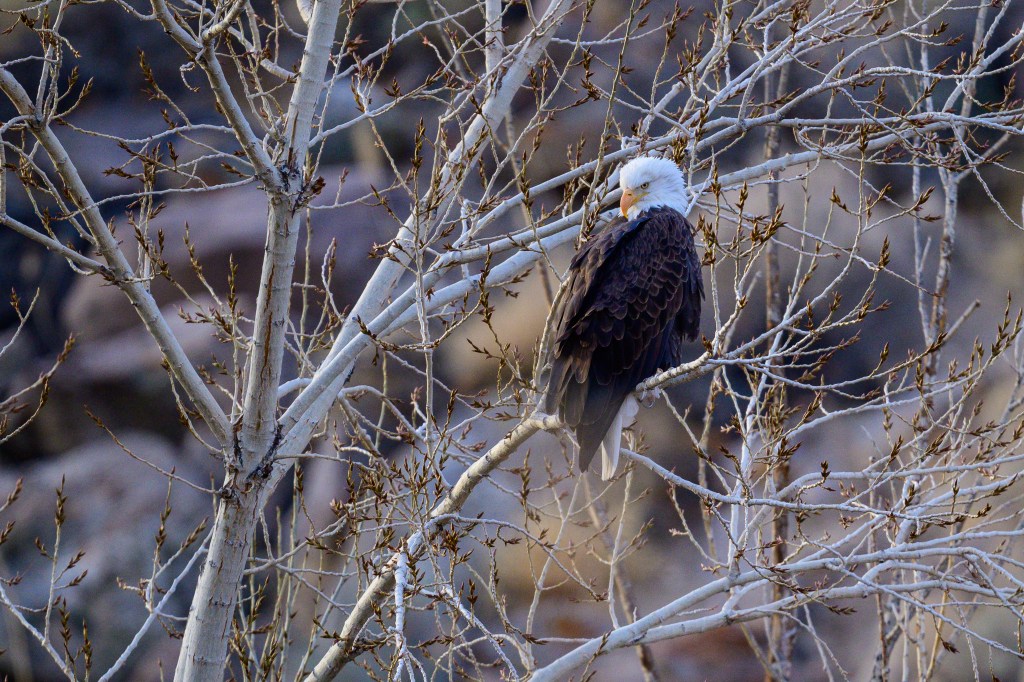
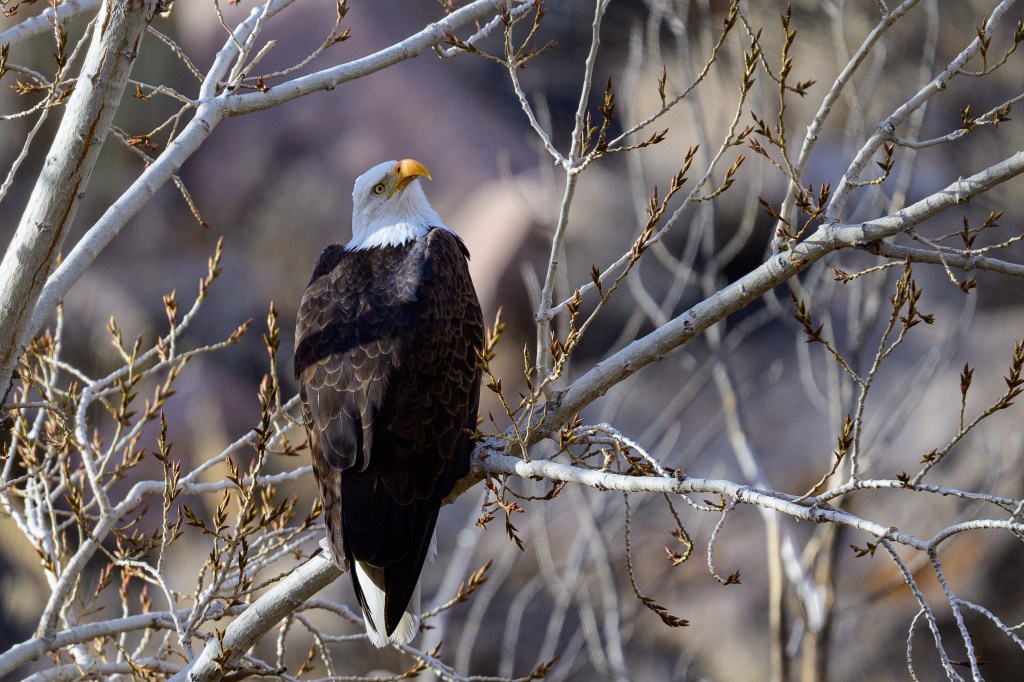
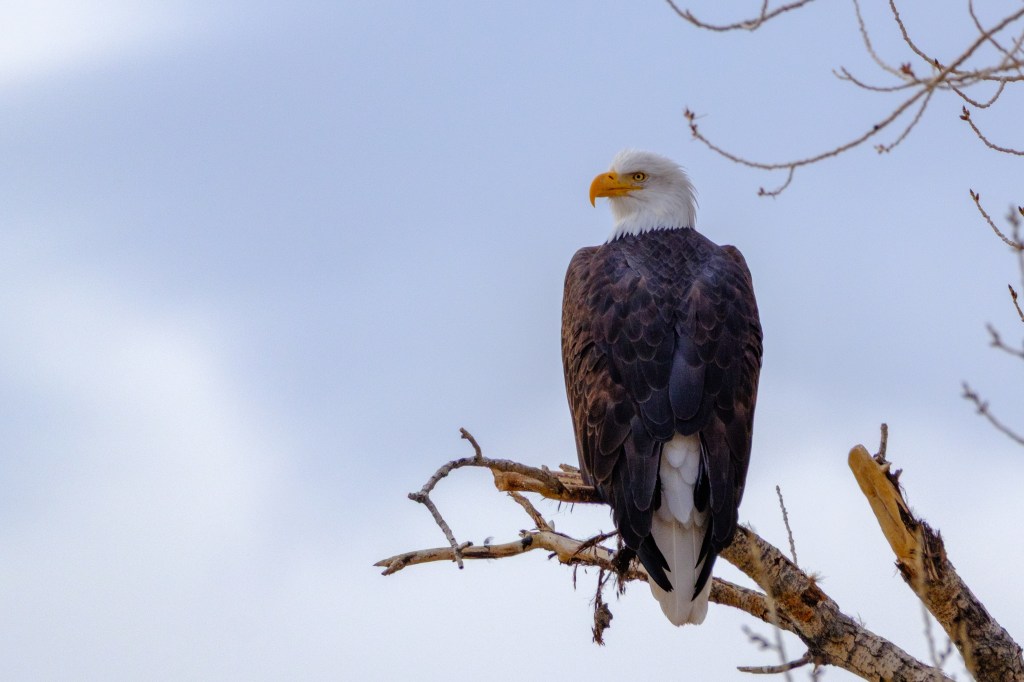
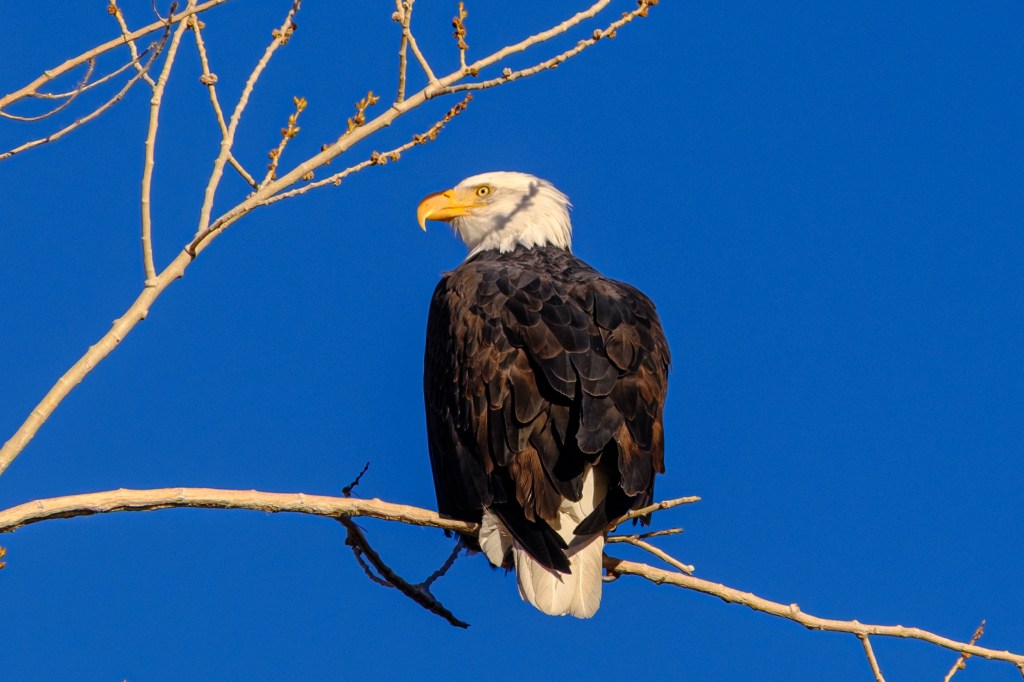
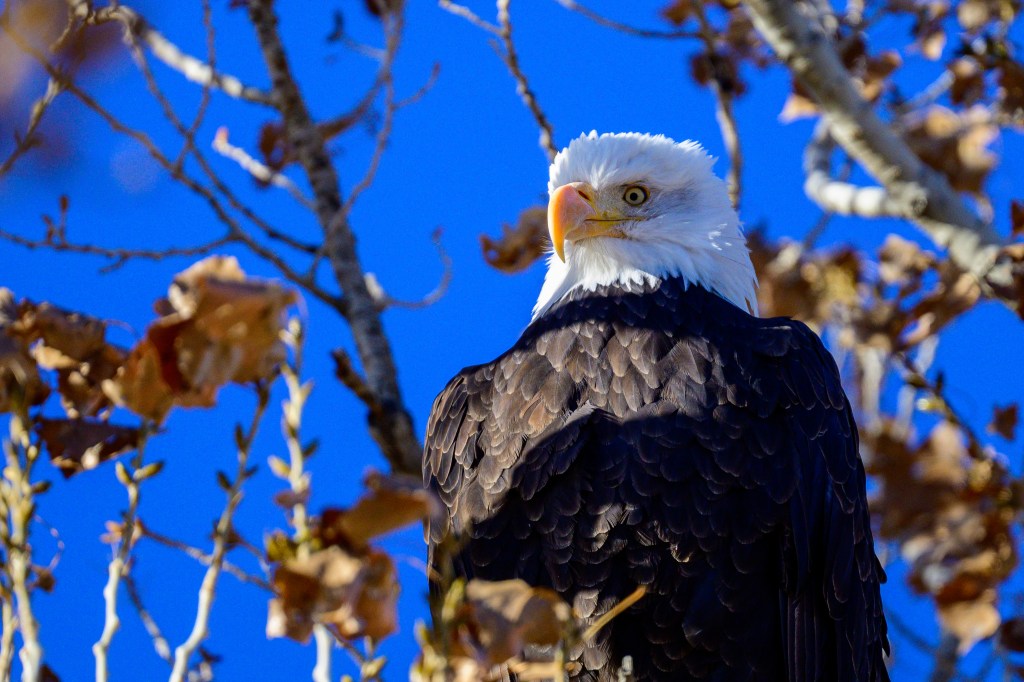
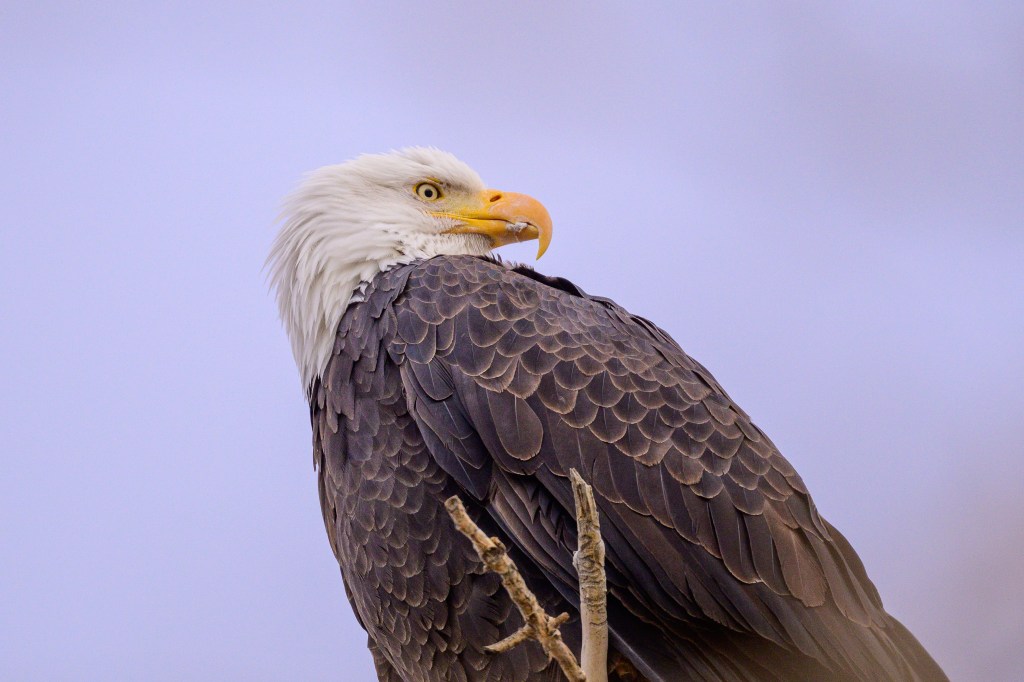
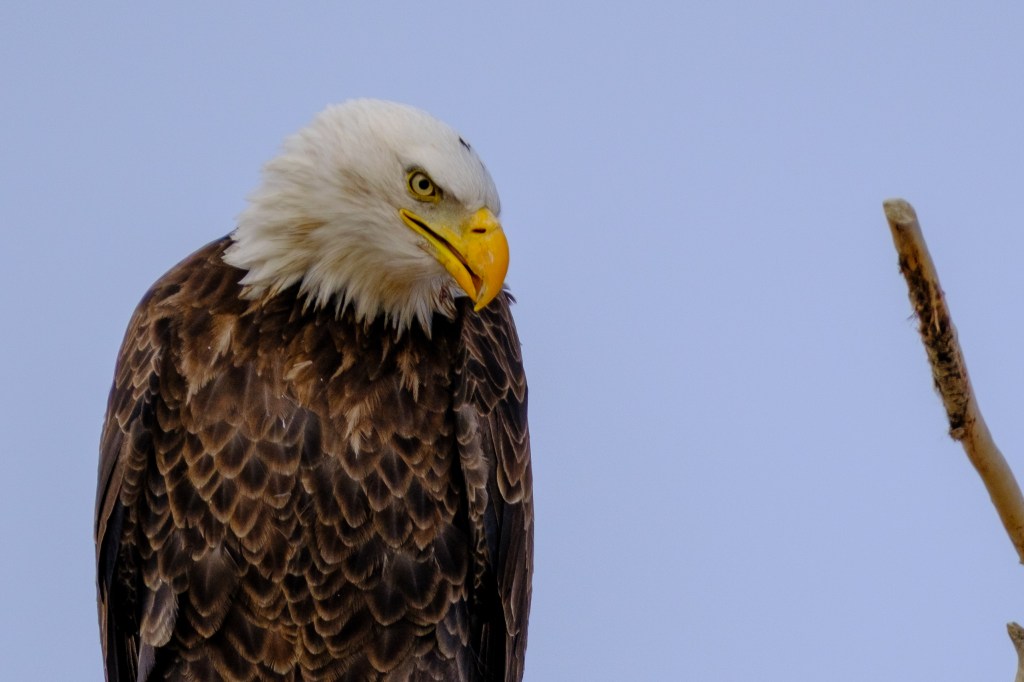
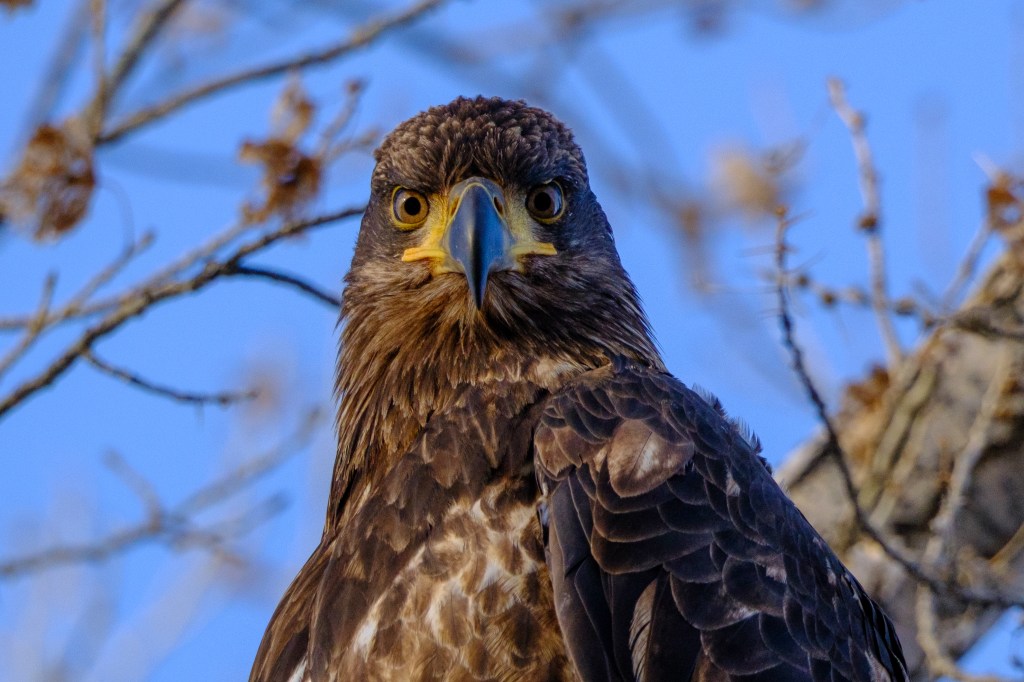
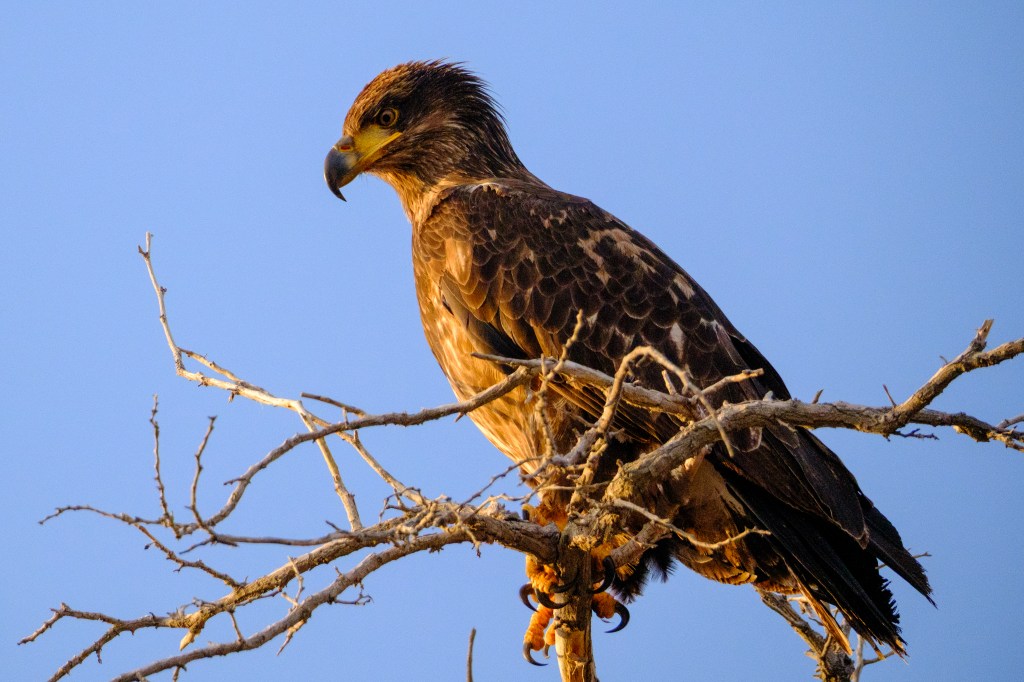
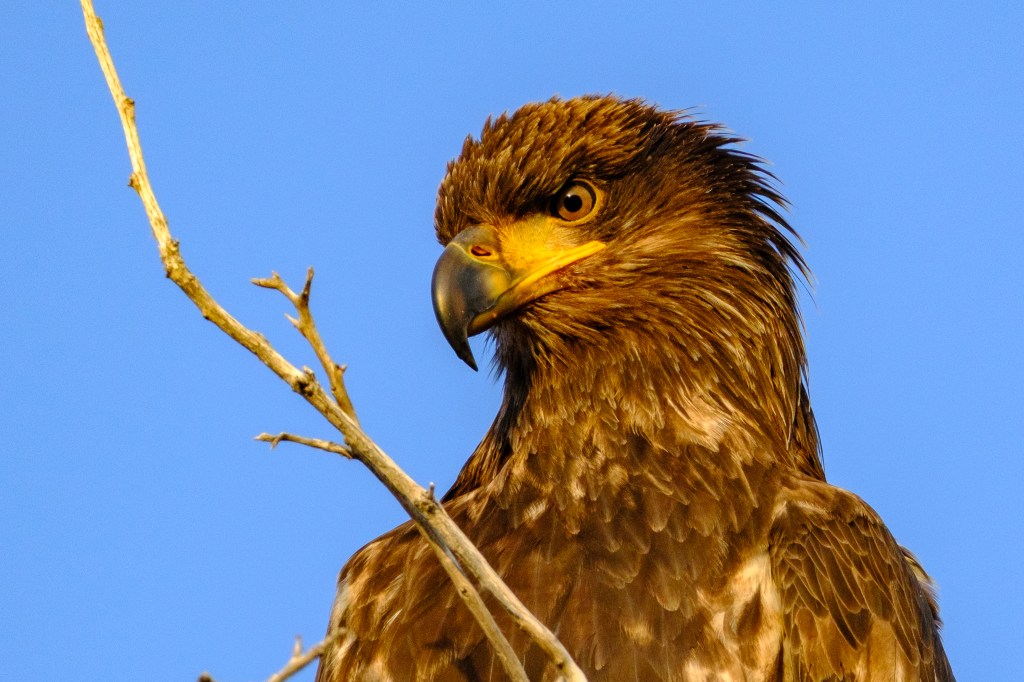
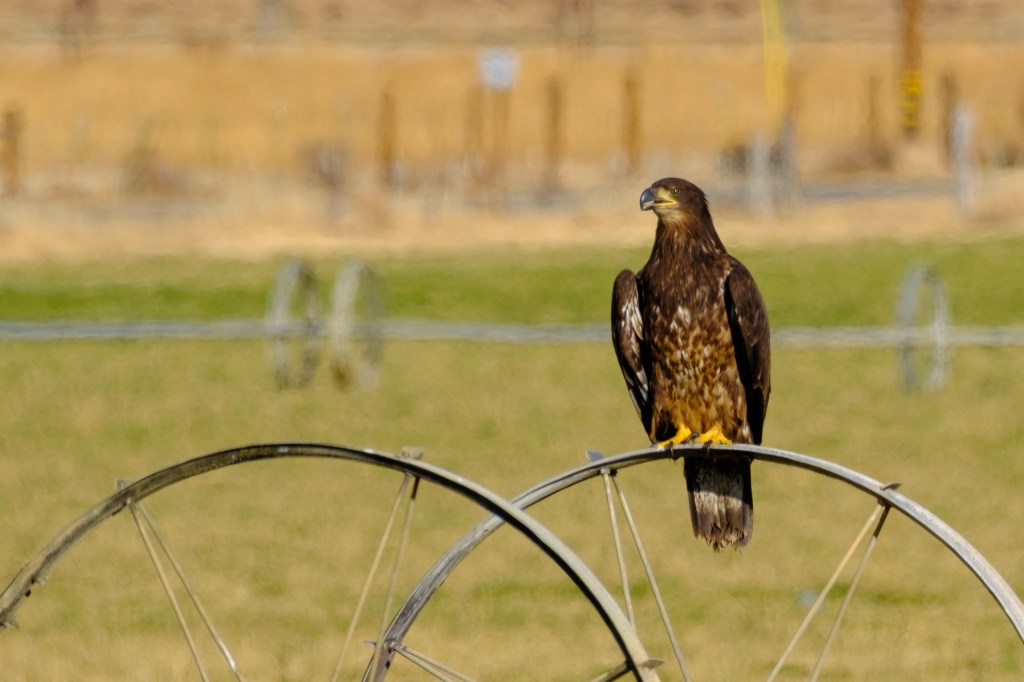
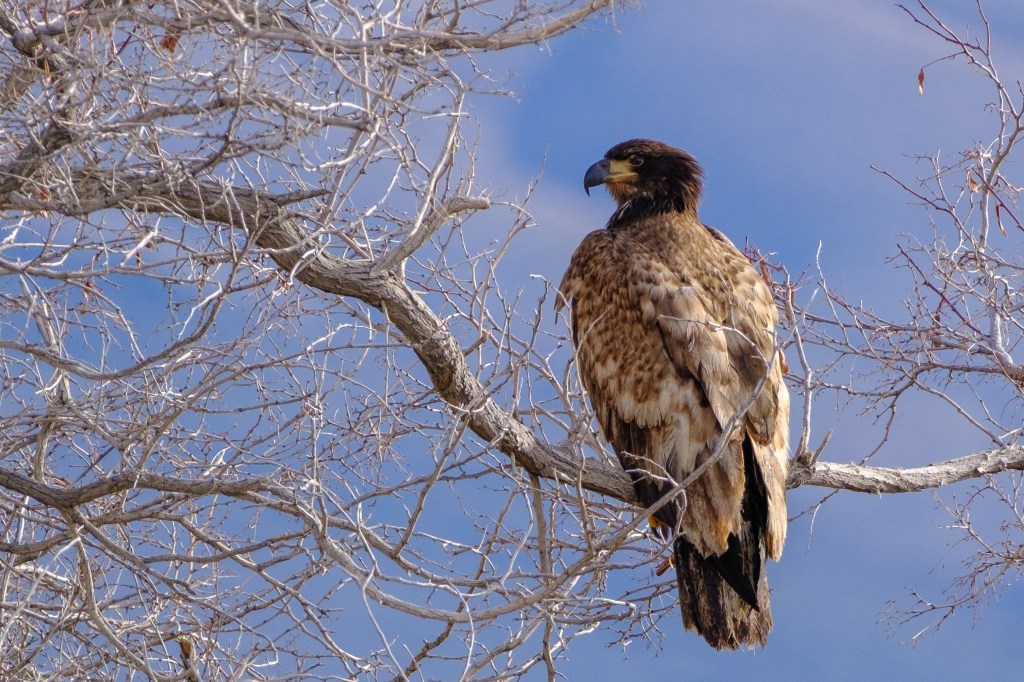
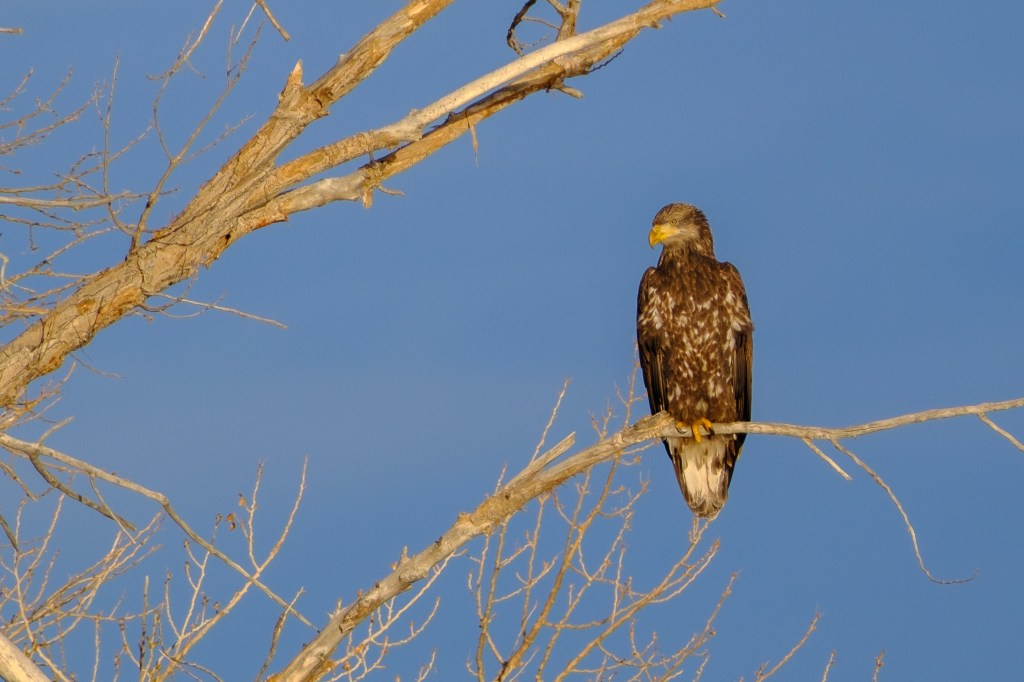
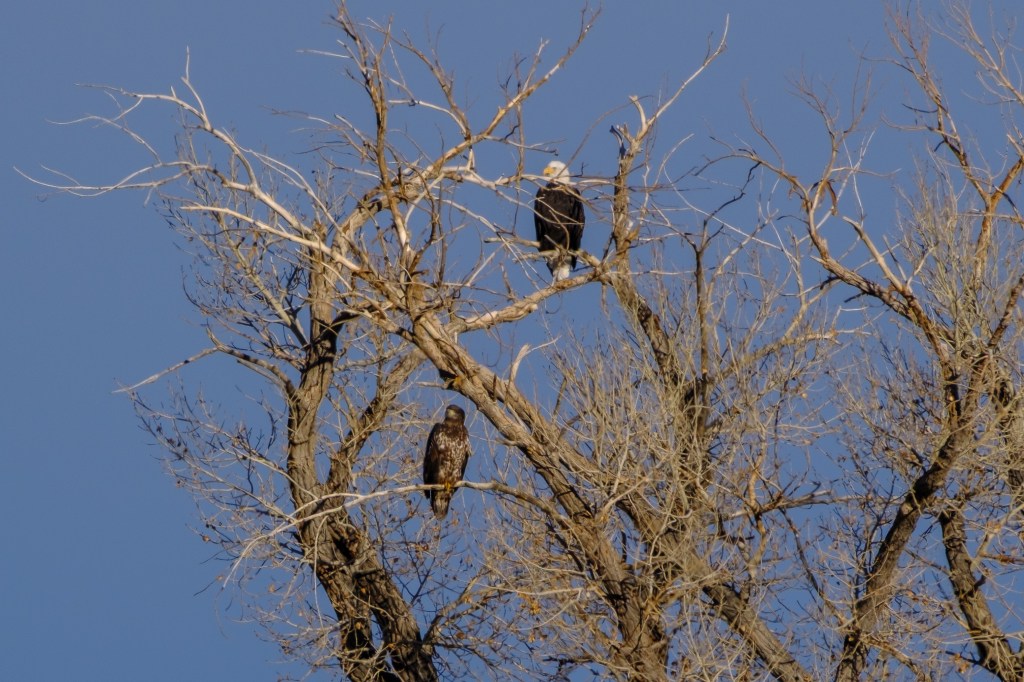
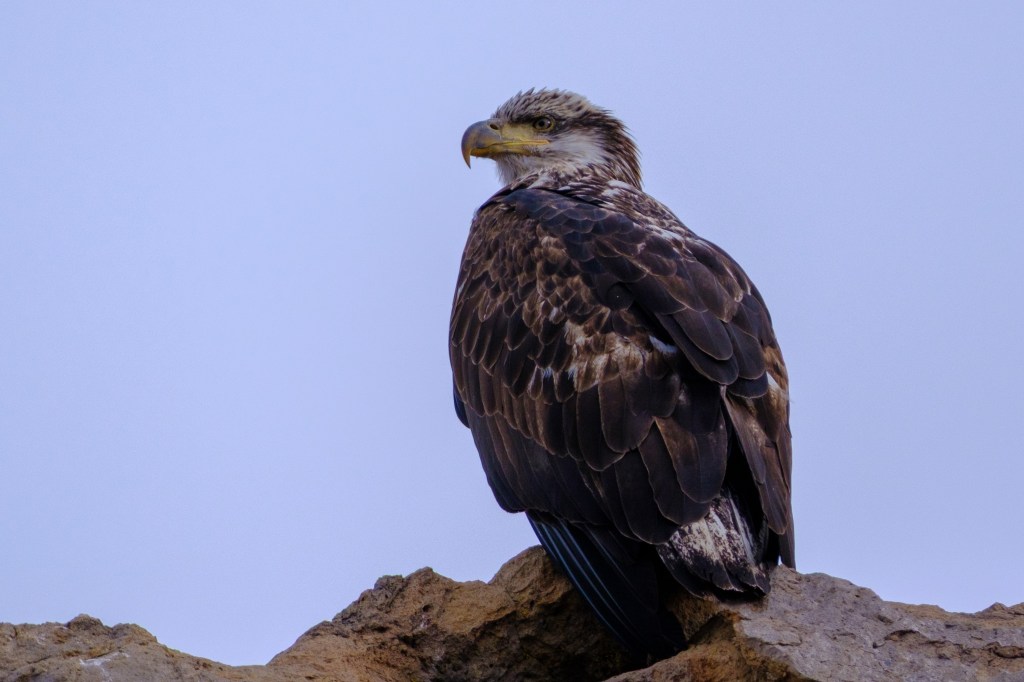
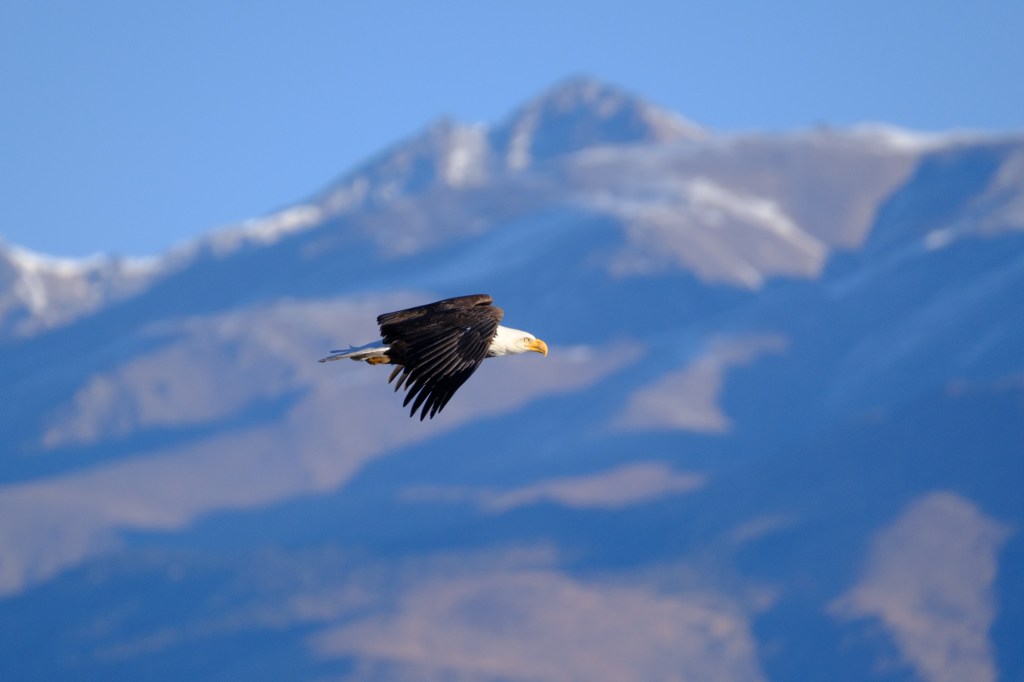
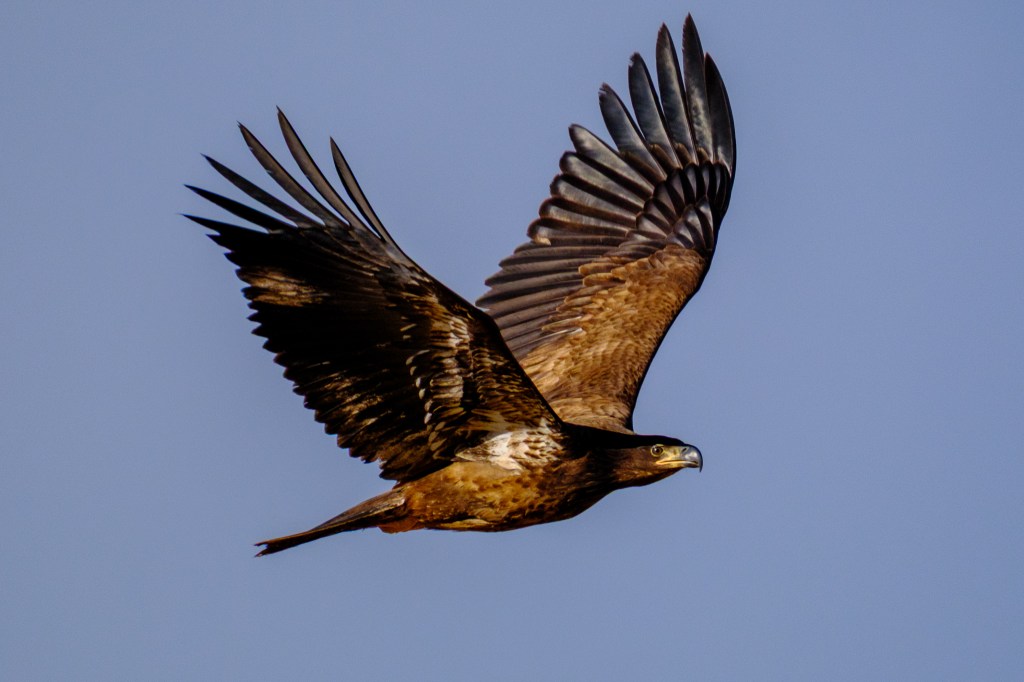
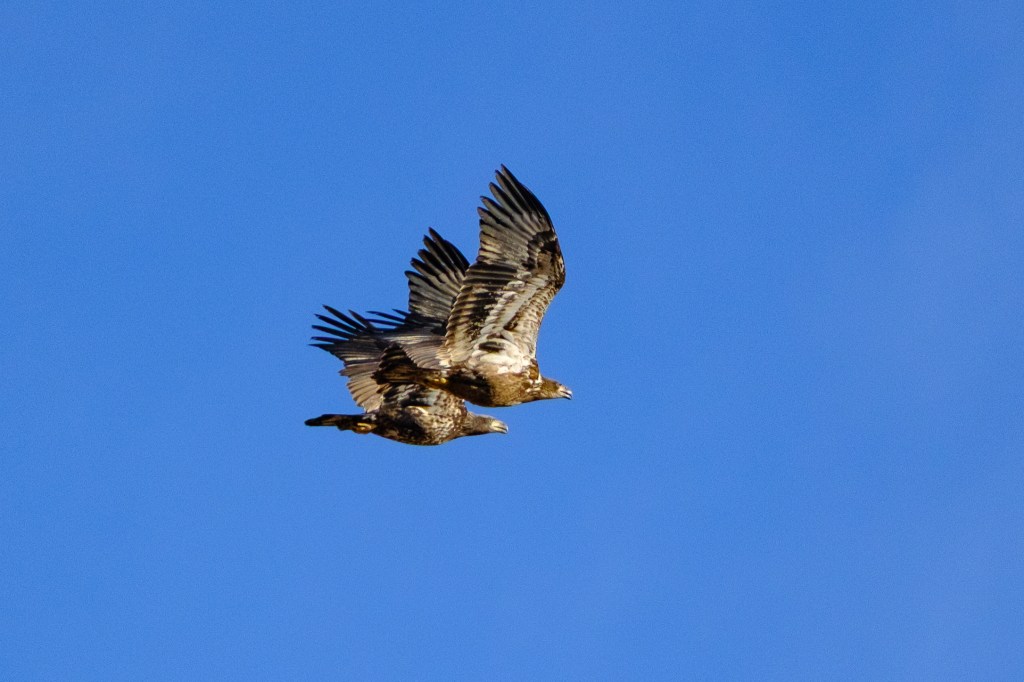
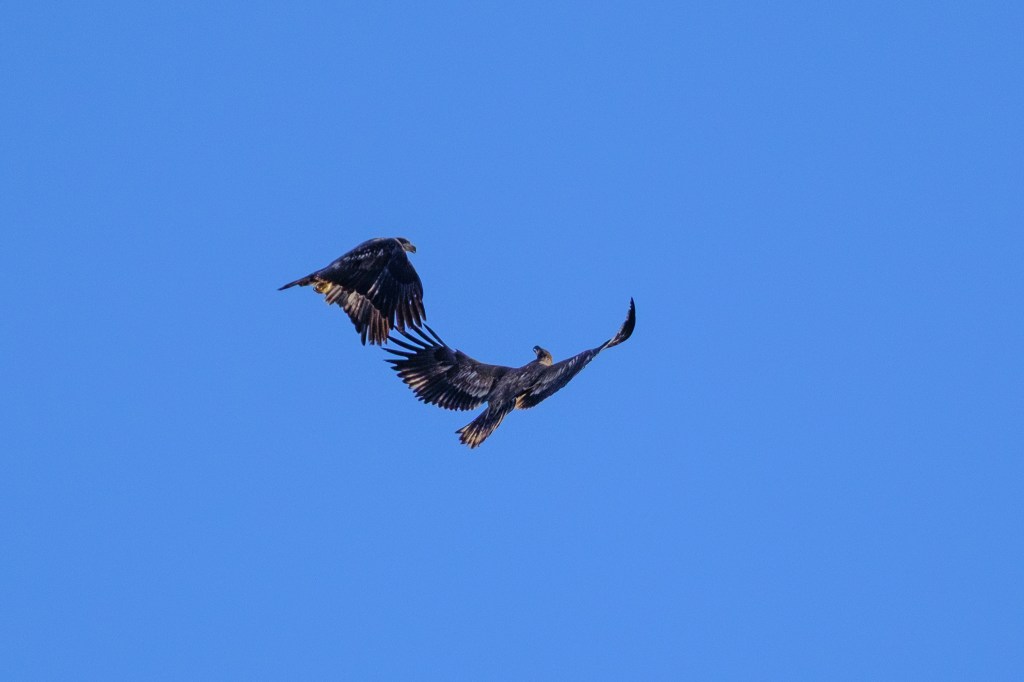
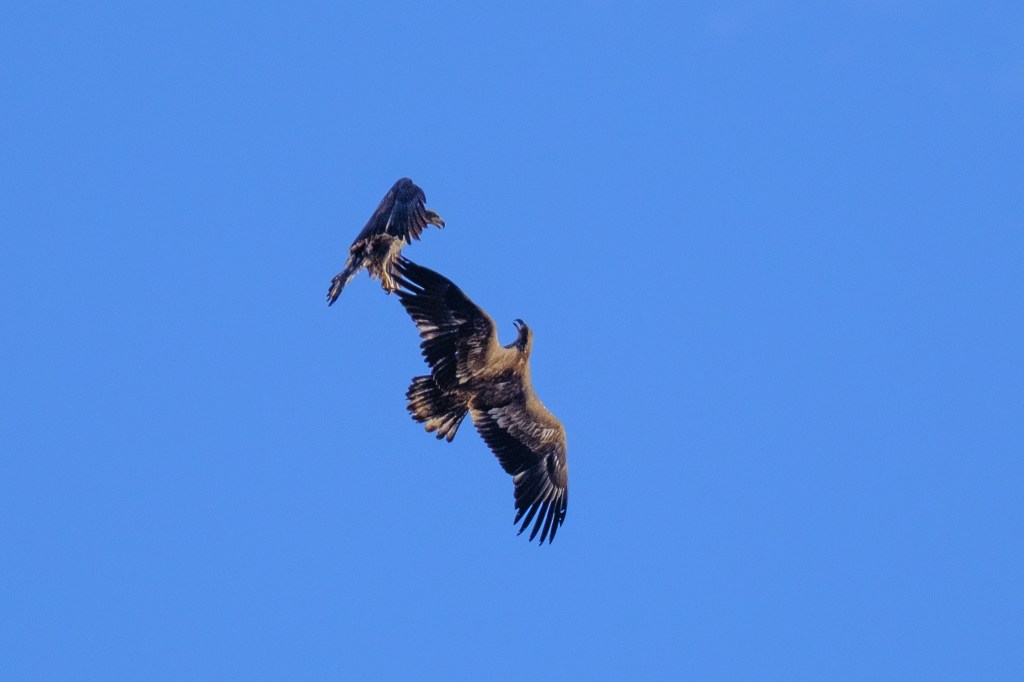
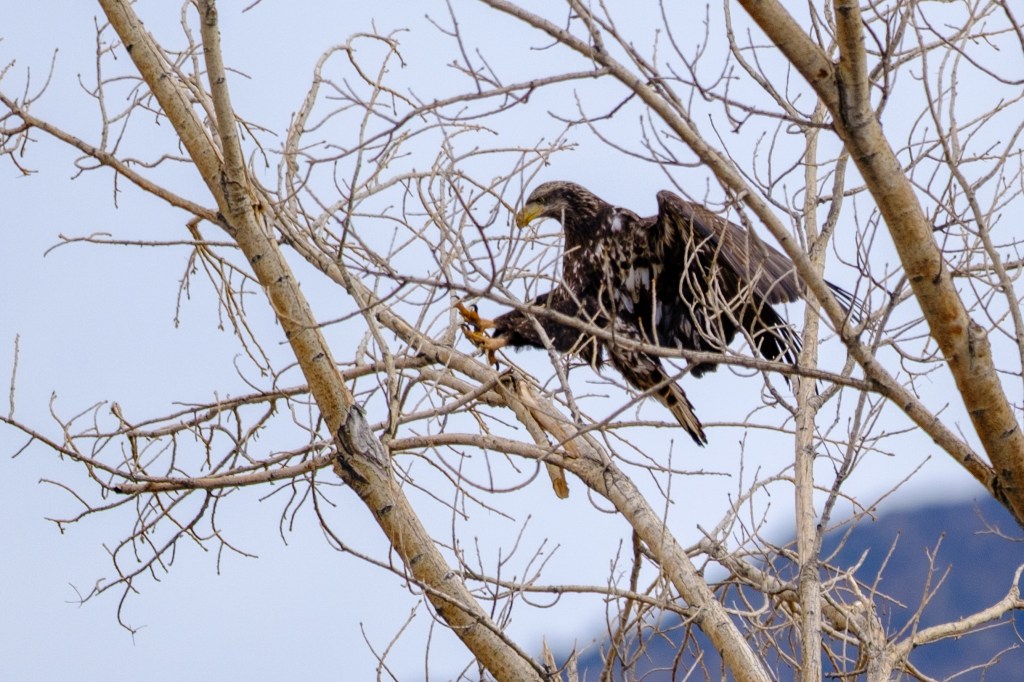
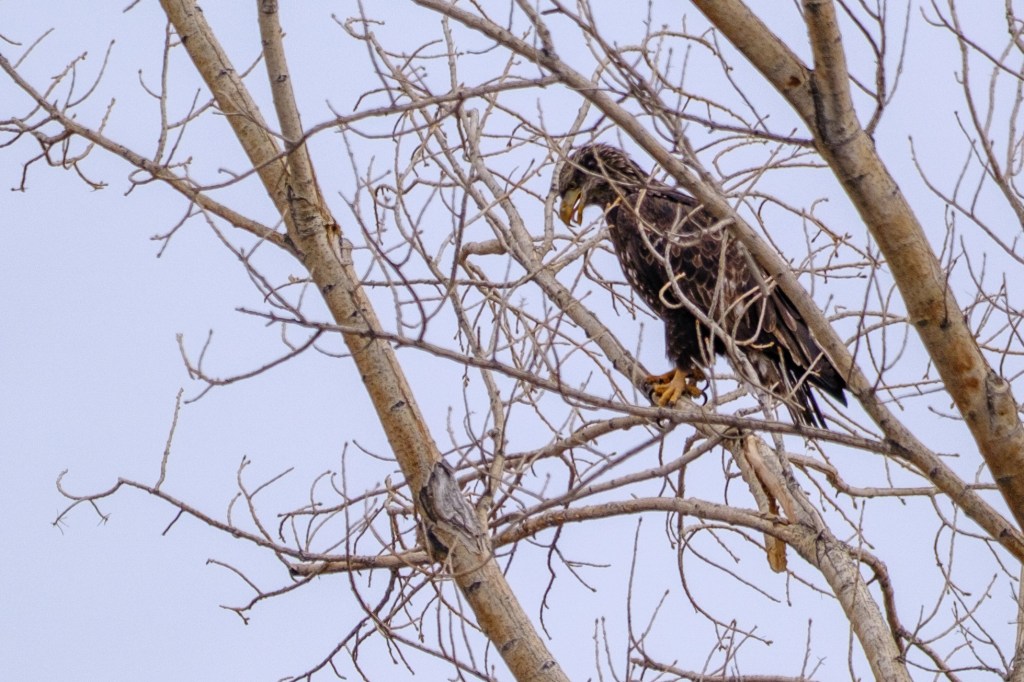
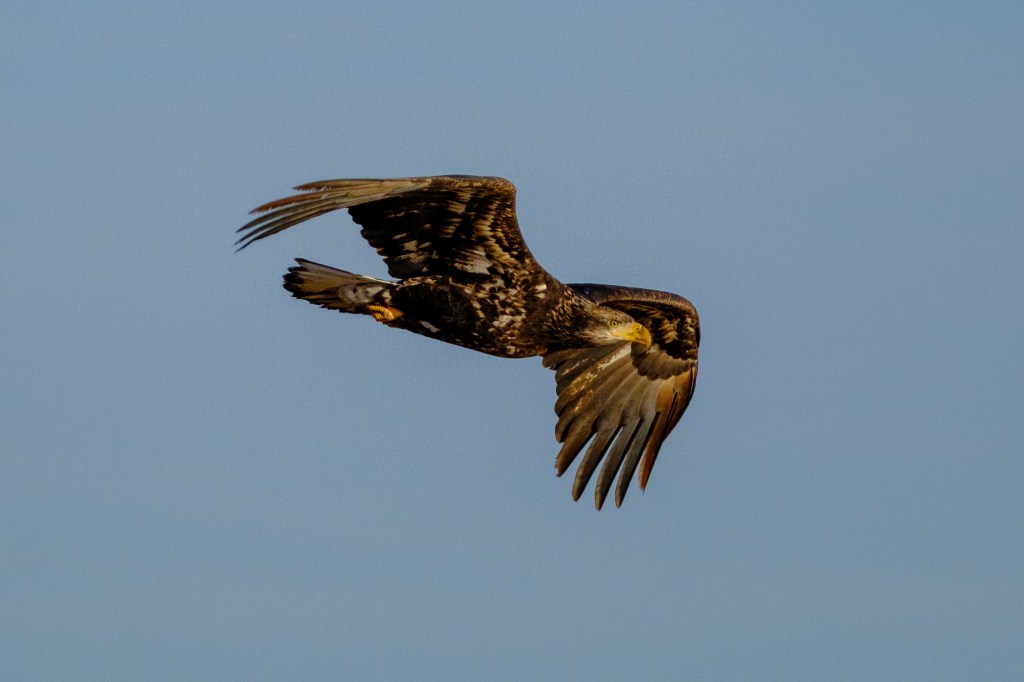
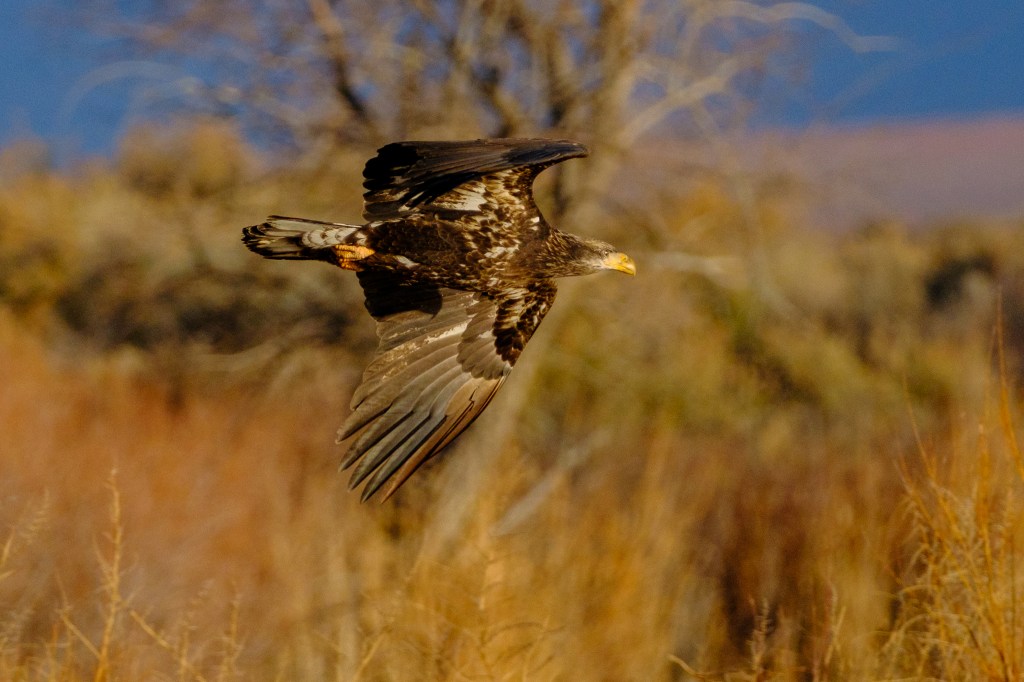
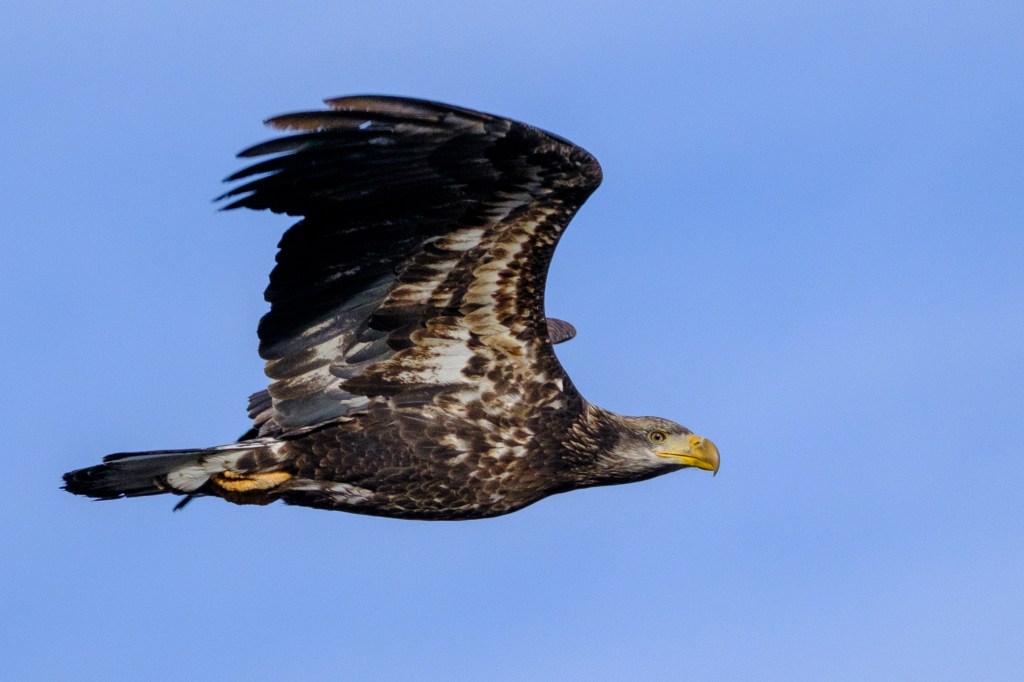
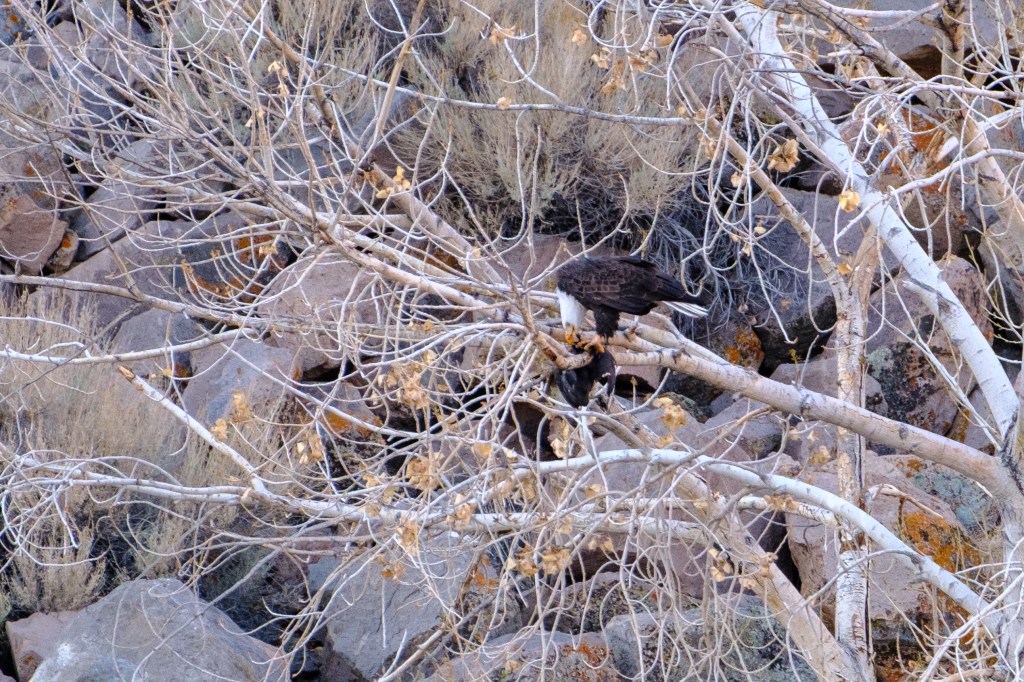
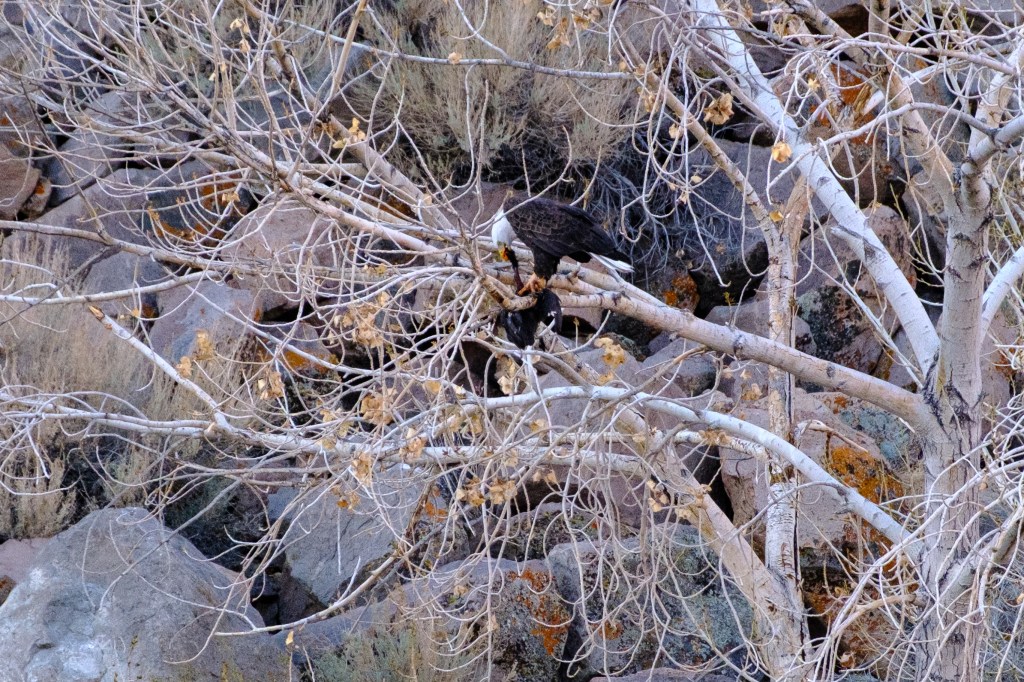
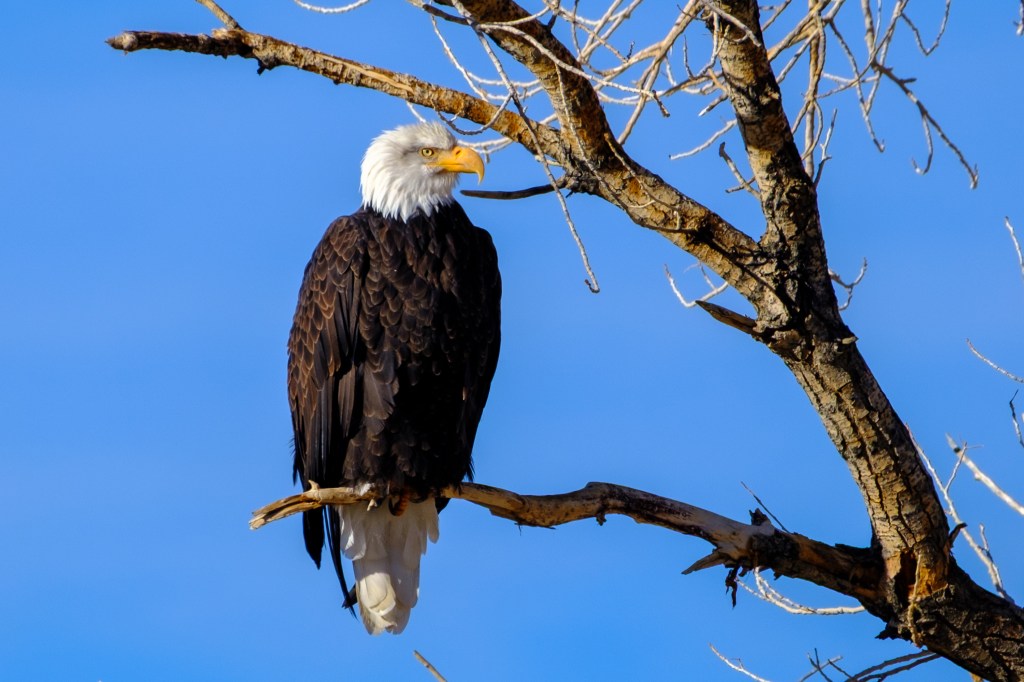
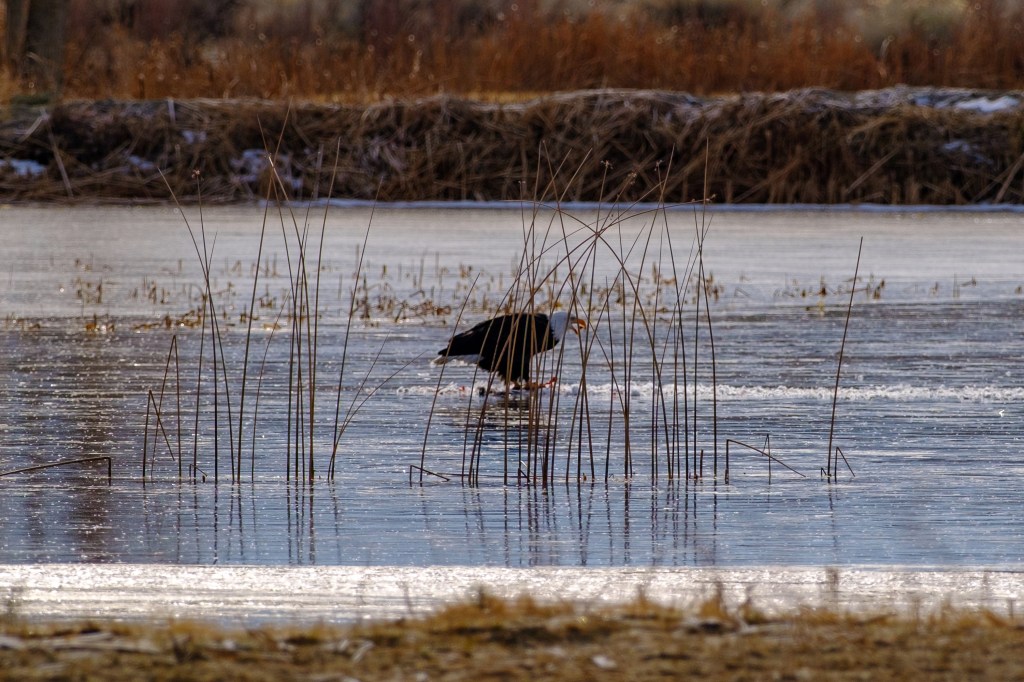
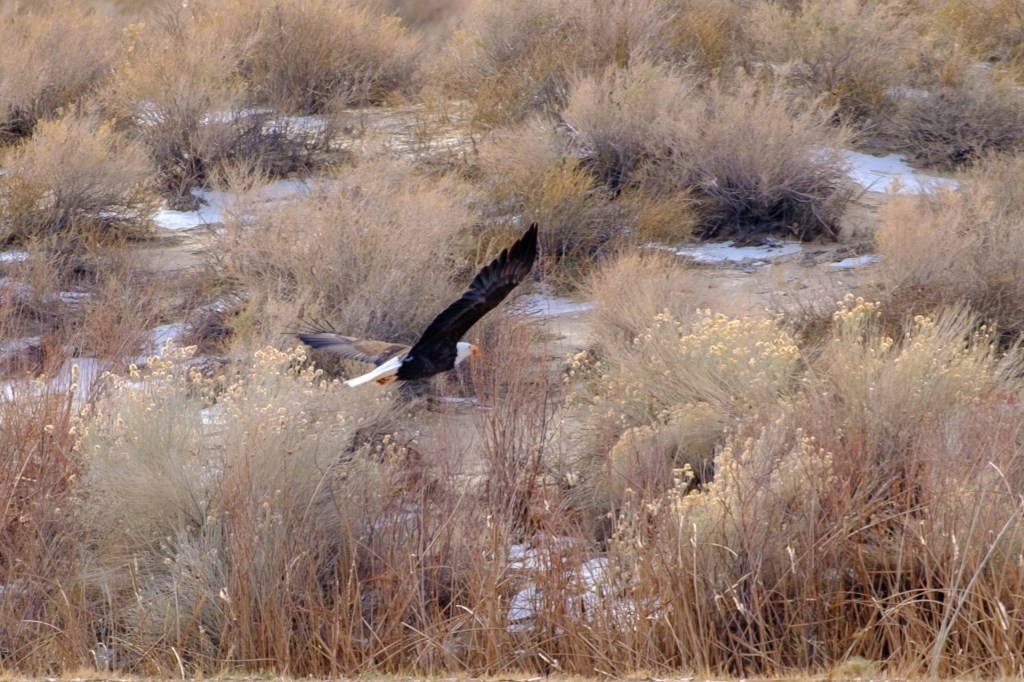
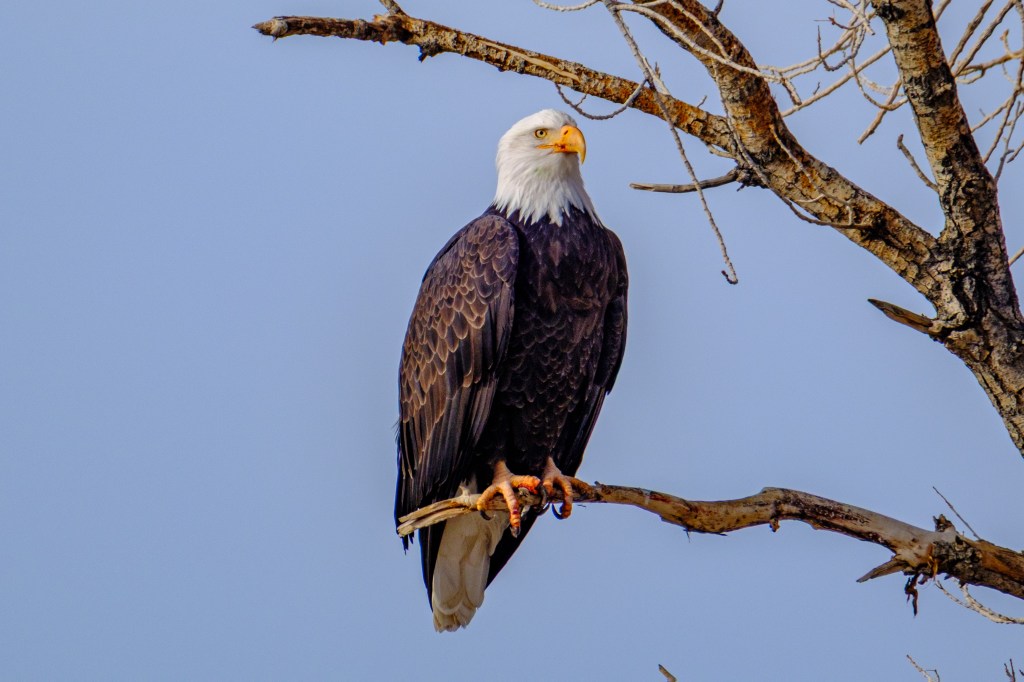
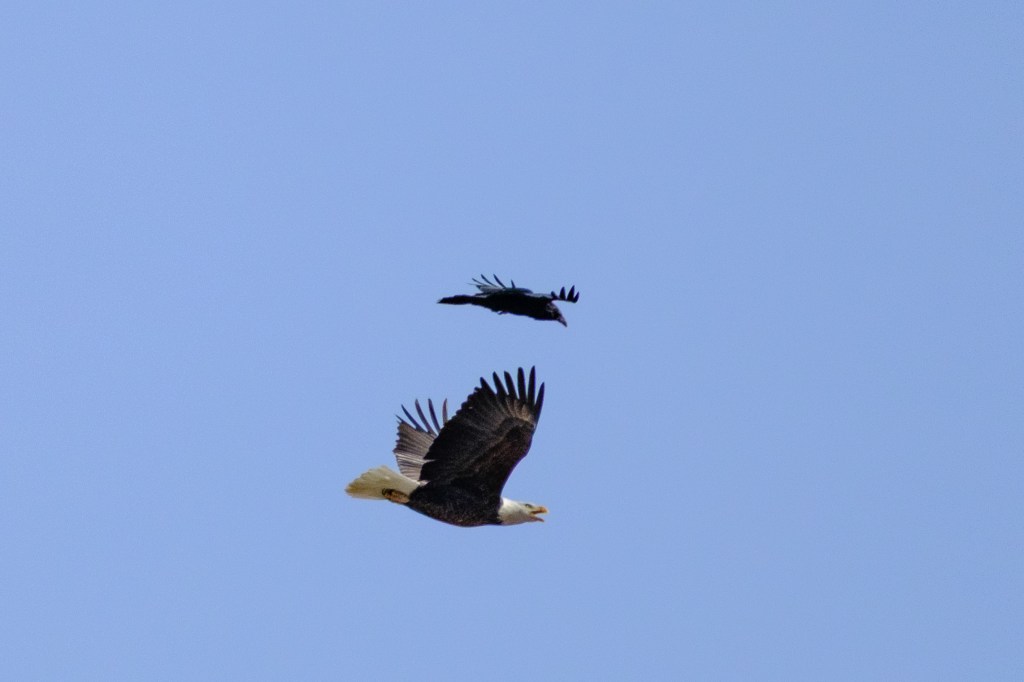
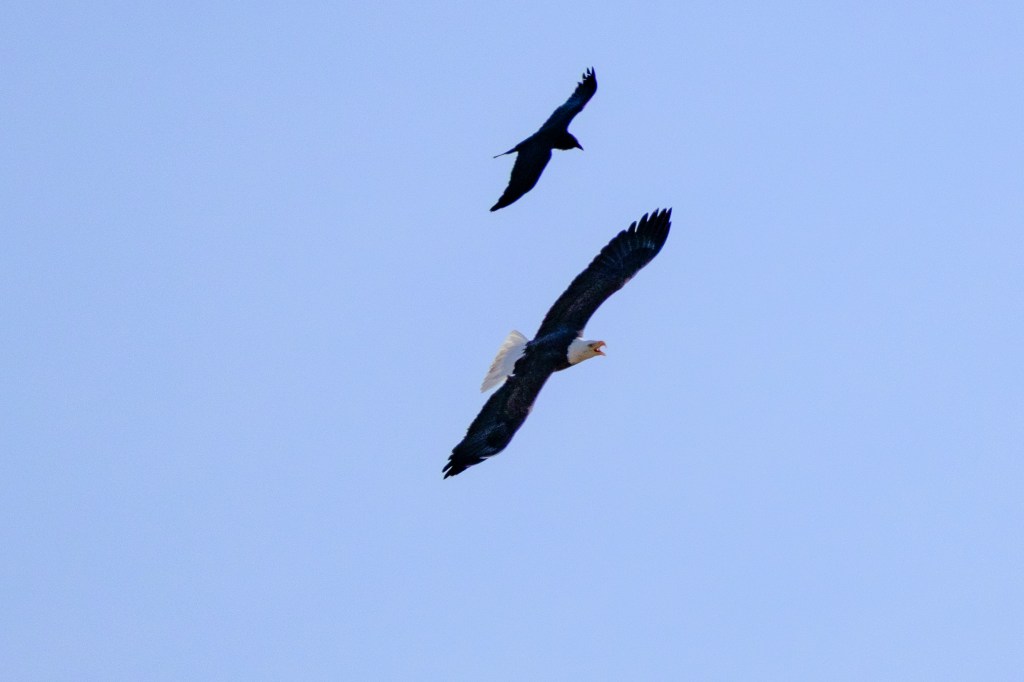
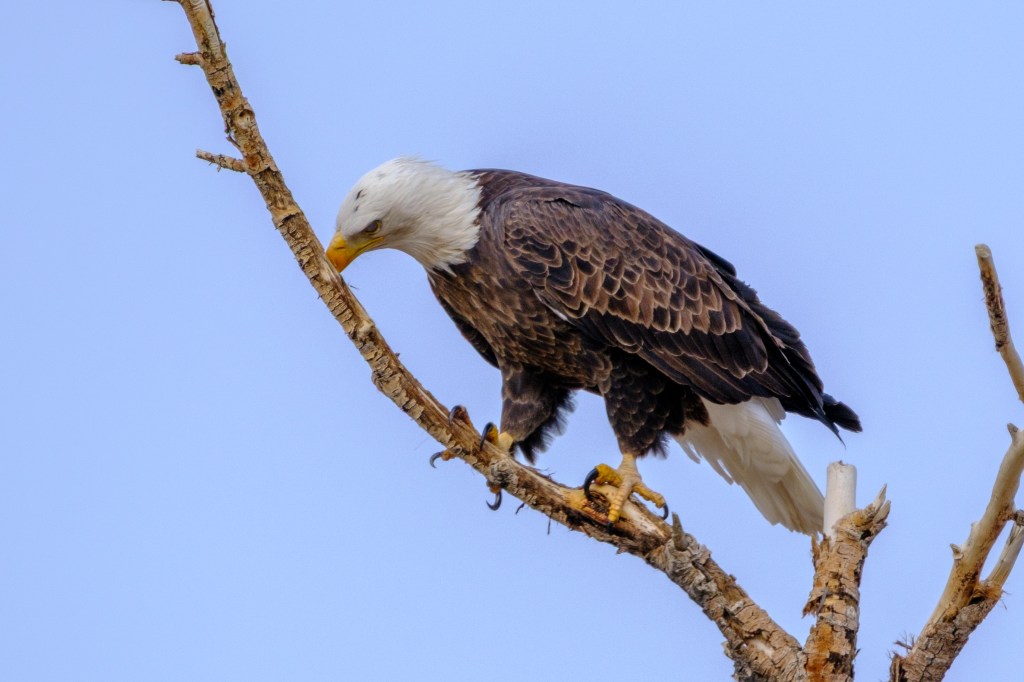
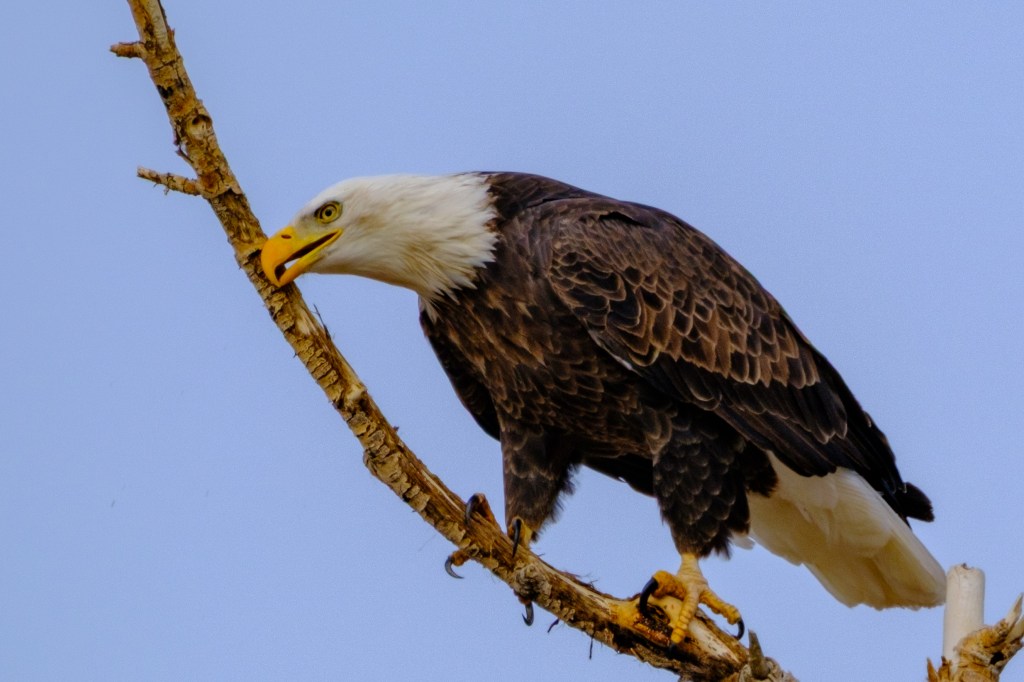
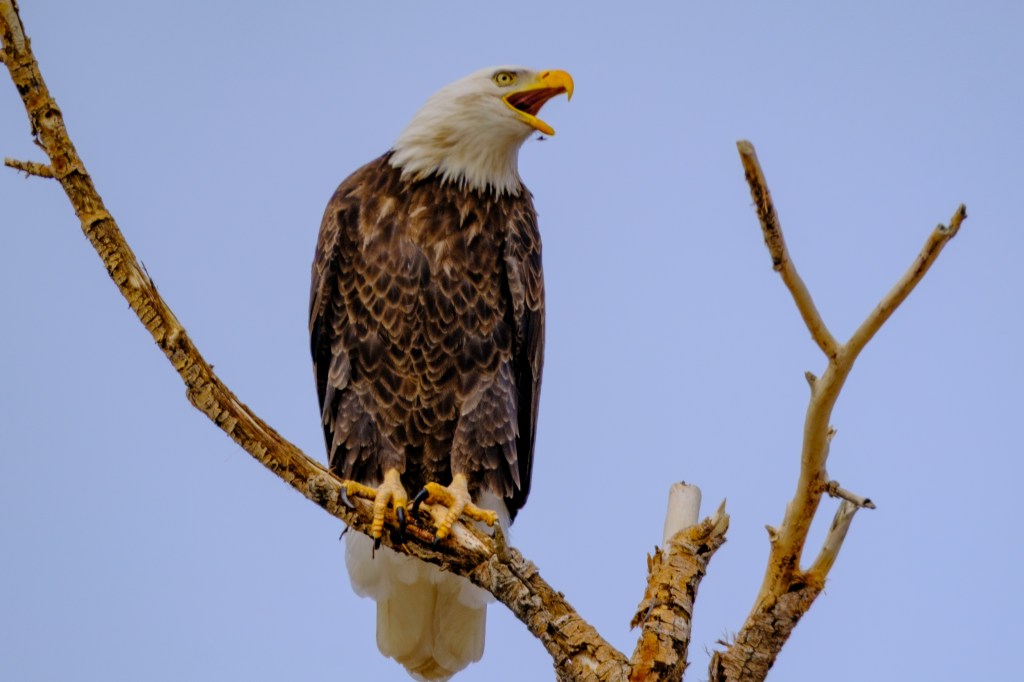
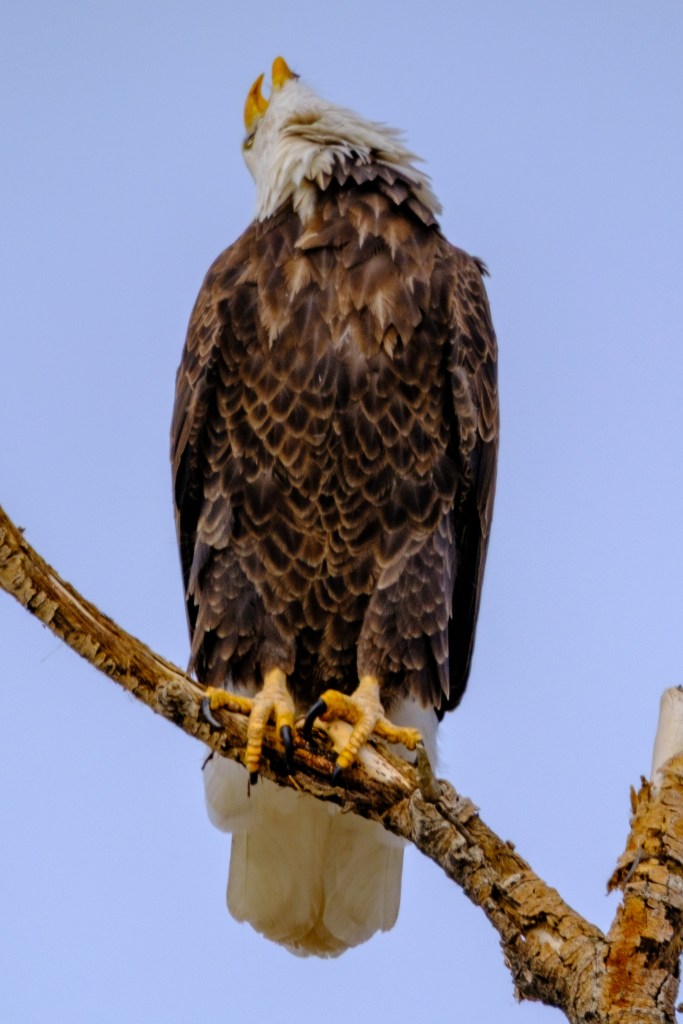
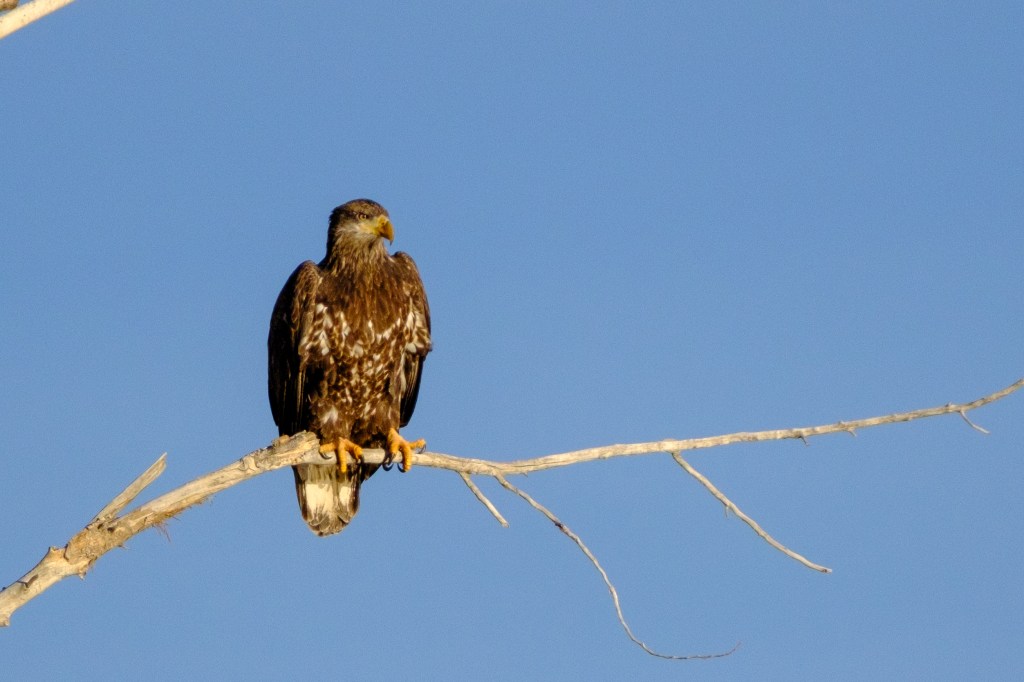
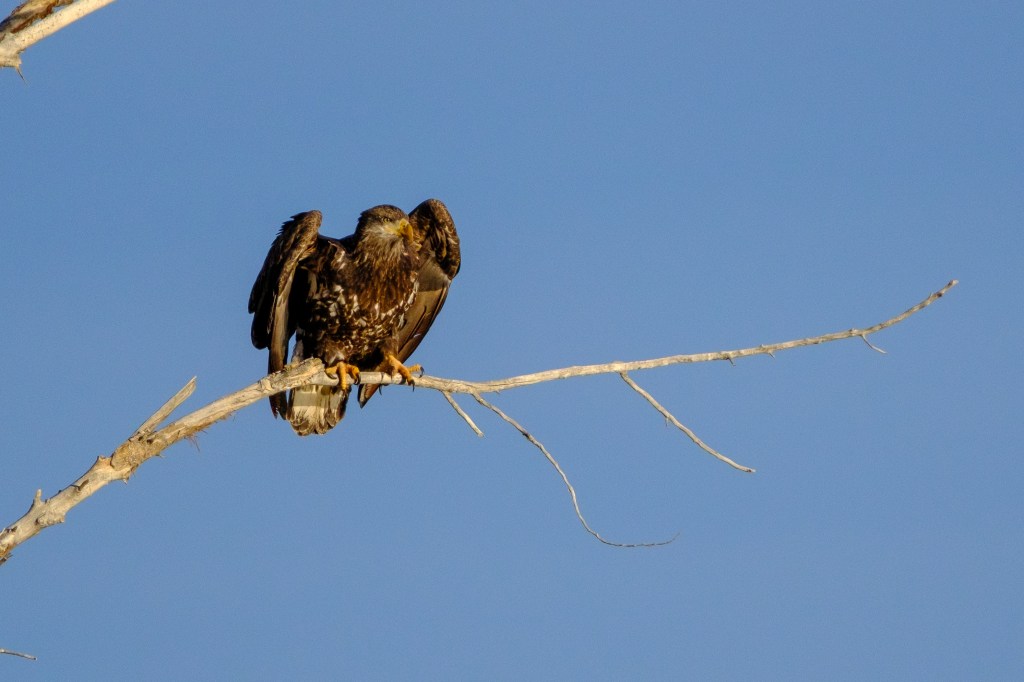
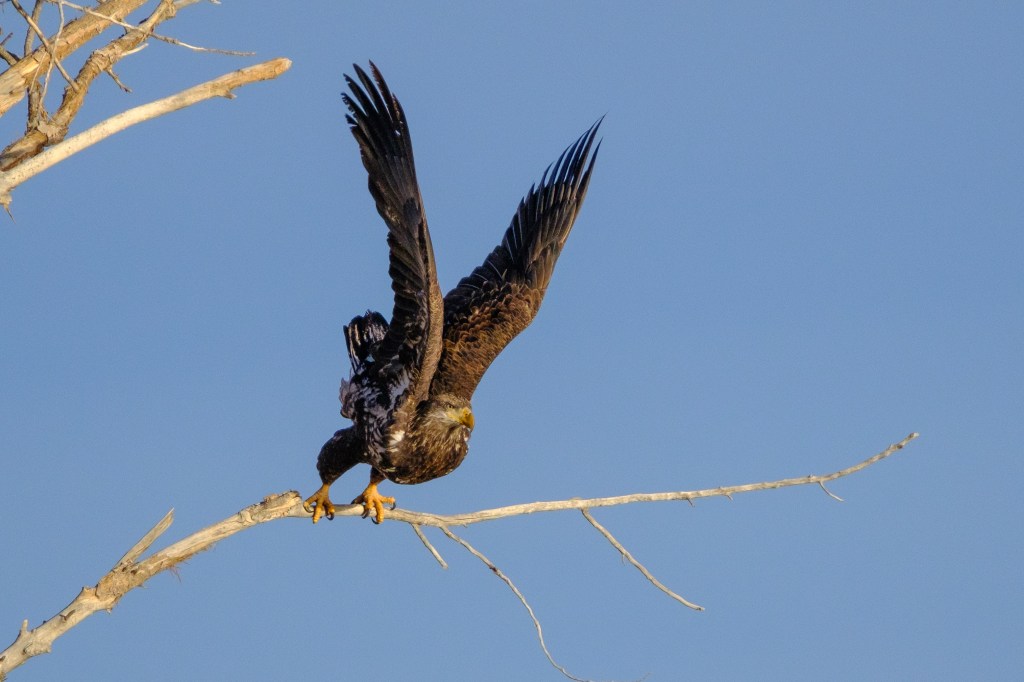
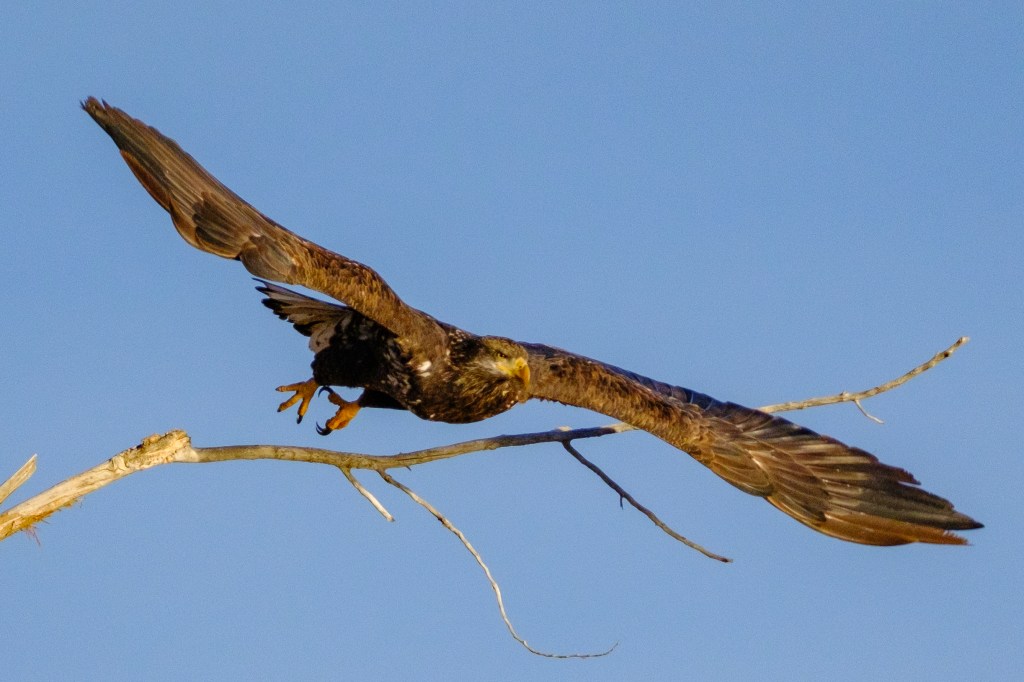
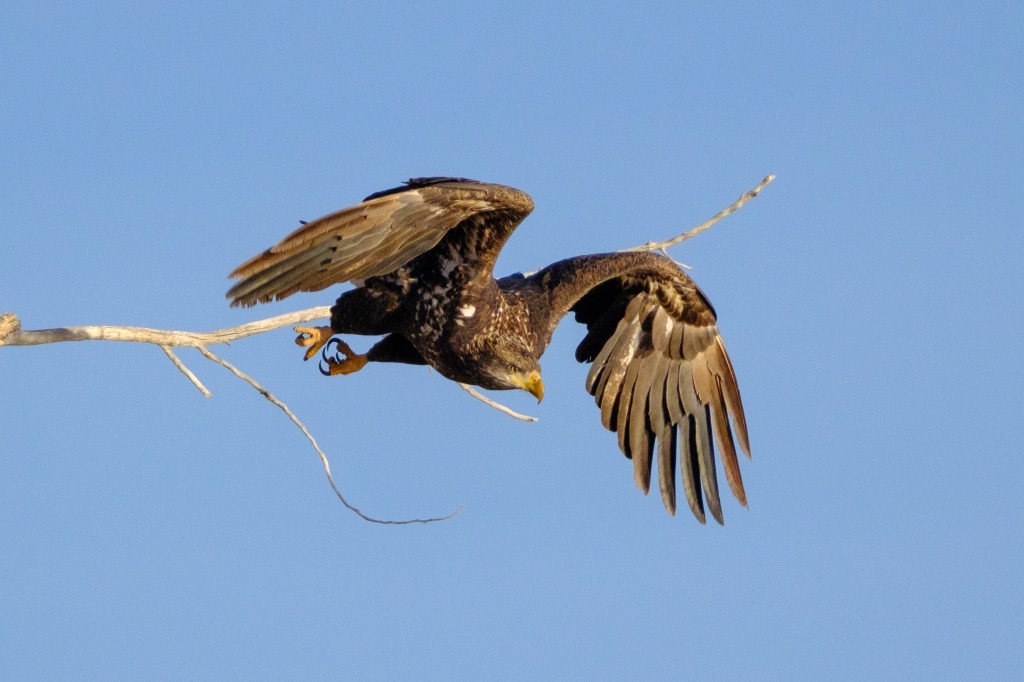
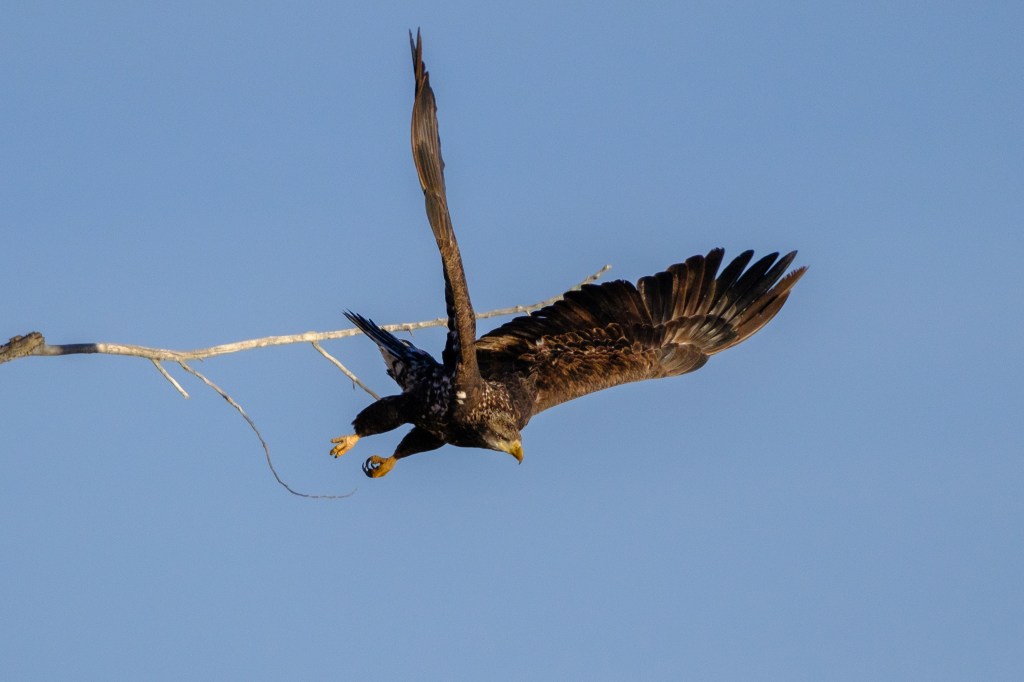
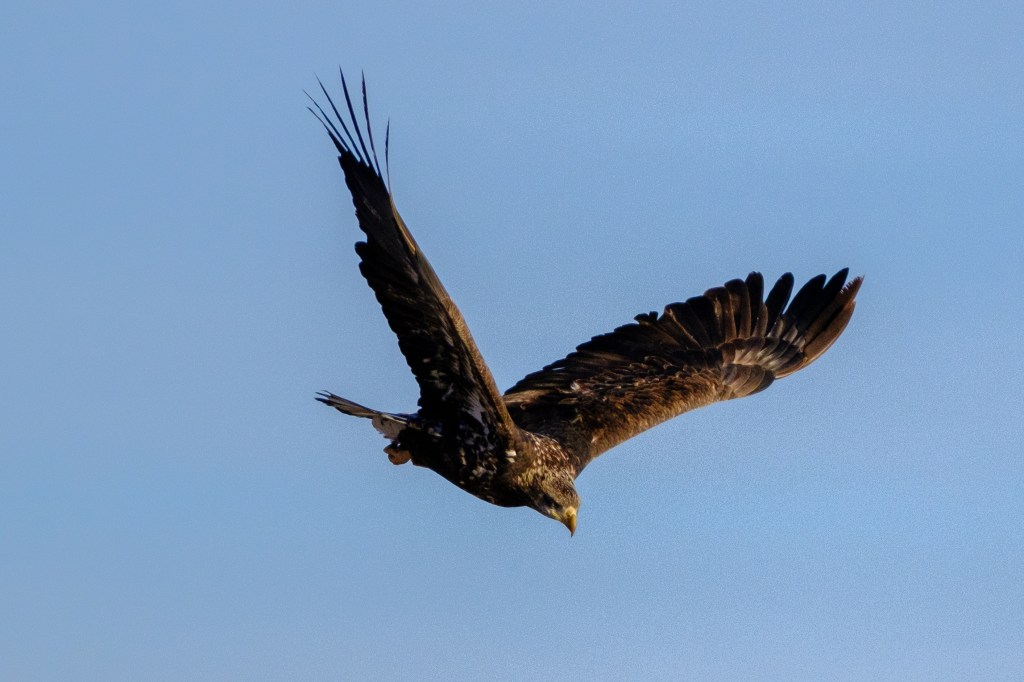
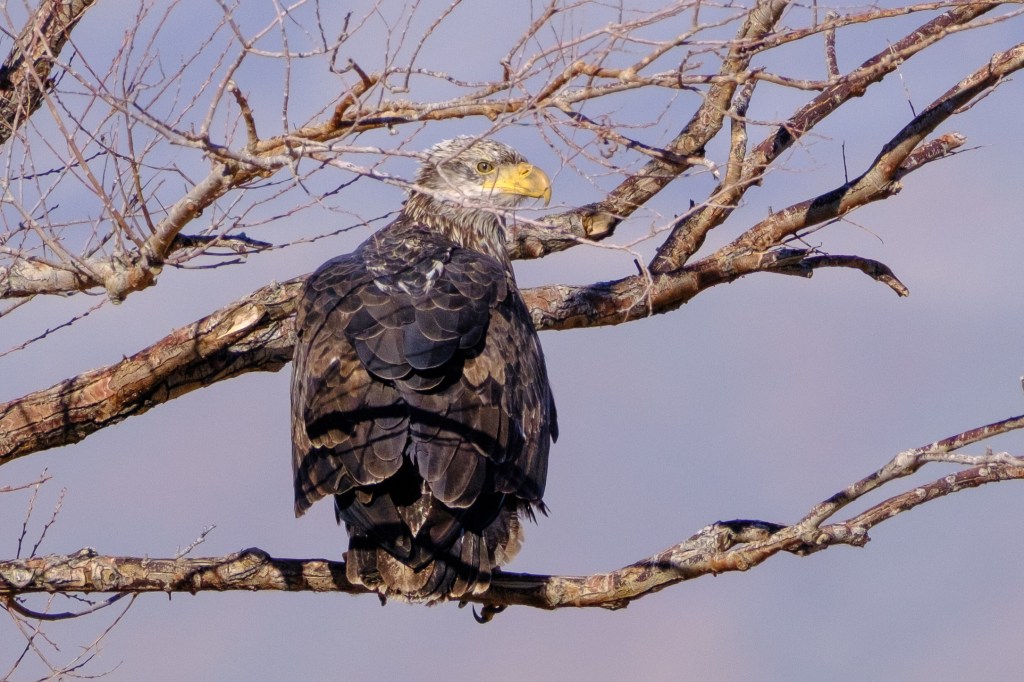
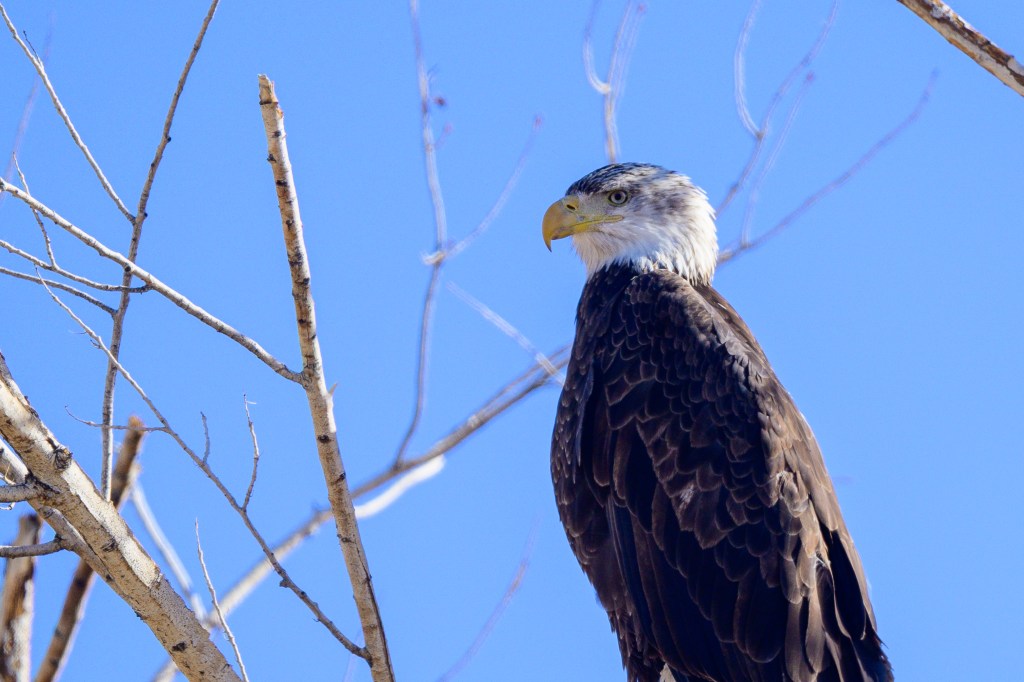
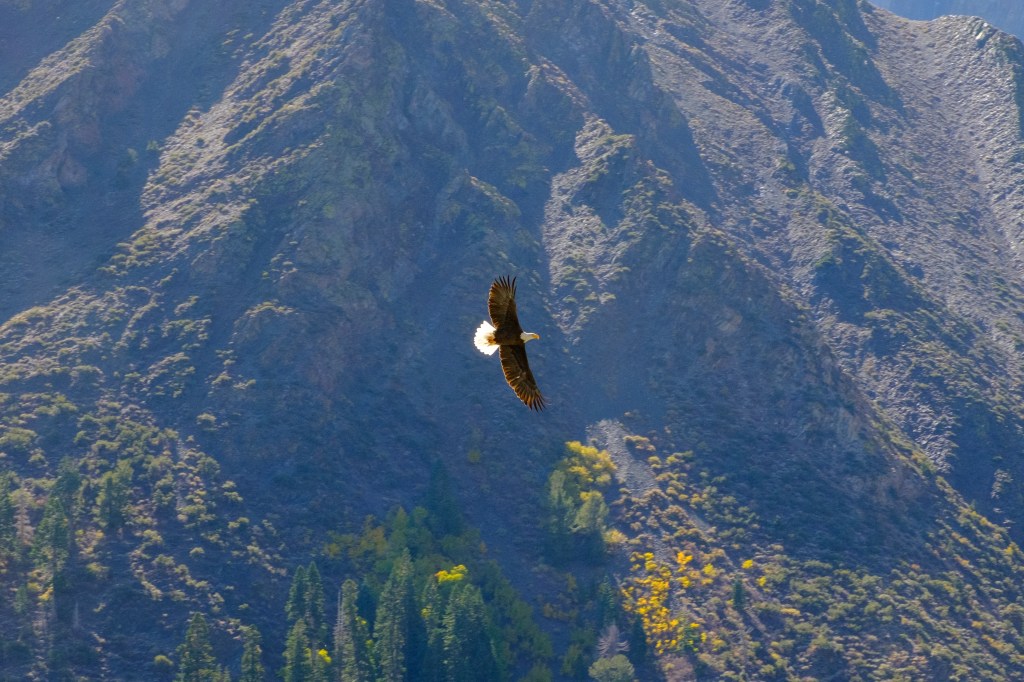
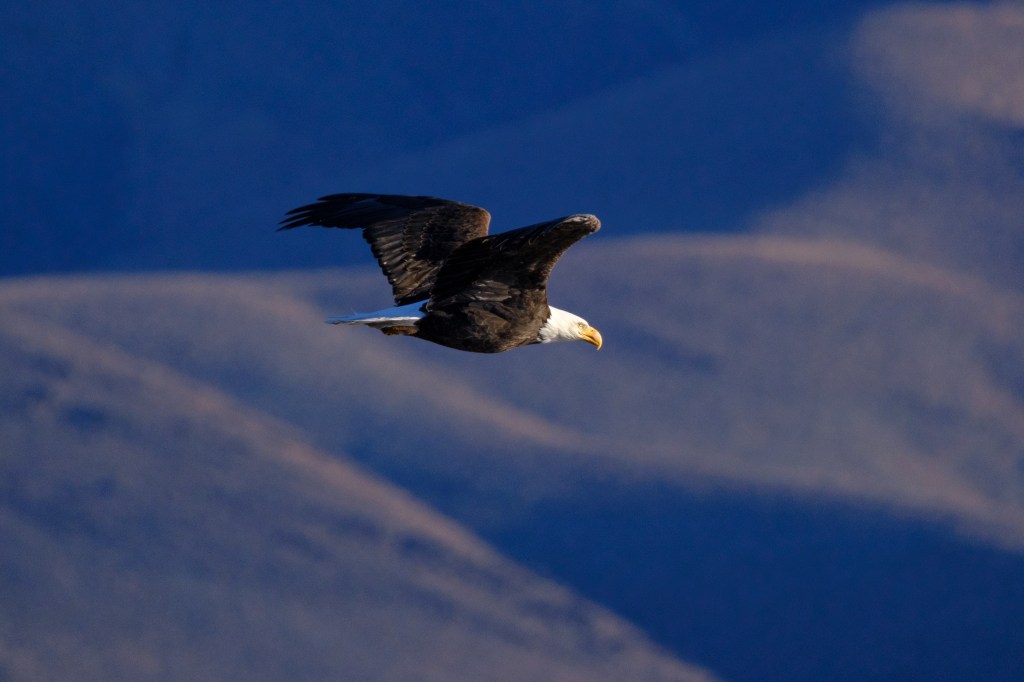
Bald Eagles appear at the Buckley Ponds from November to February. They come to eat fish and American Coots. Below are images of a juvenile Bald Eagle at the Buckley Ponds in January of 2024. The bird used a common liftoff routine: leap and flap. First the legs crouch and the wings start to rise. The wings unfurl as high as possible. Then the legs push off the branch as the wings come down to push on the air. If the bird starts high enough, it may dive to increase speed. Faster airflow over the wings produces lift, so the bird stays aloft using less energy. In this sequence of photos, the time from first movement to leaving the branch was one second. The time from the first photo to the last was 4 seconds.

By pushing off with its legs, the bird gains airspeed to produce lift. There is another advantage to a push; it lets the bird get clear of branches or wires before using the wings. This may prevent injuries.

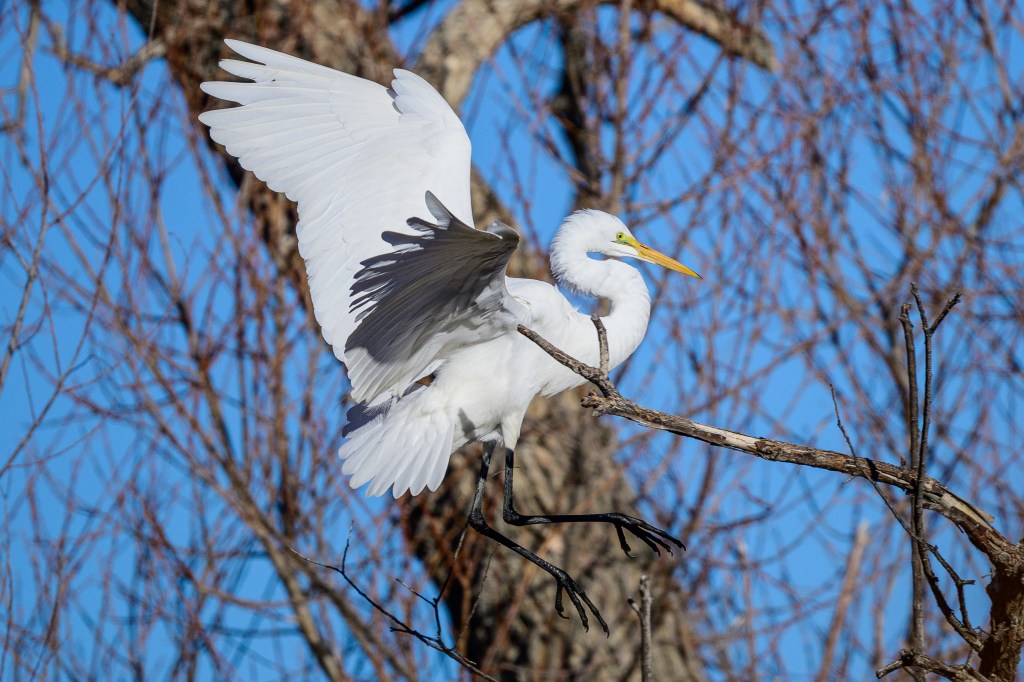
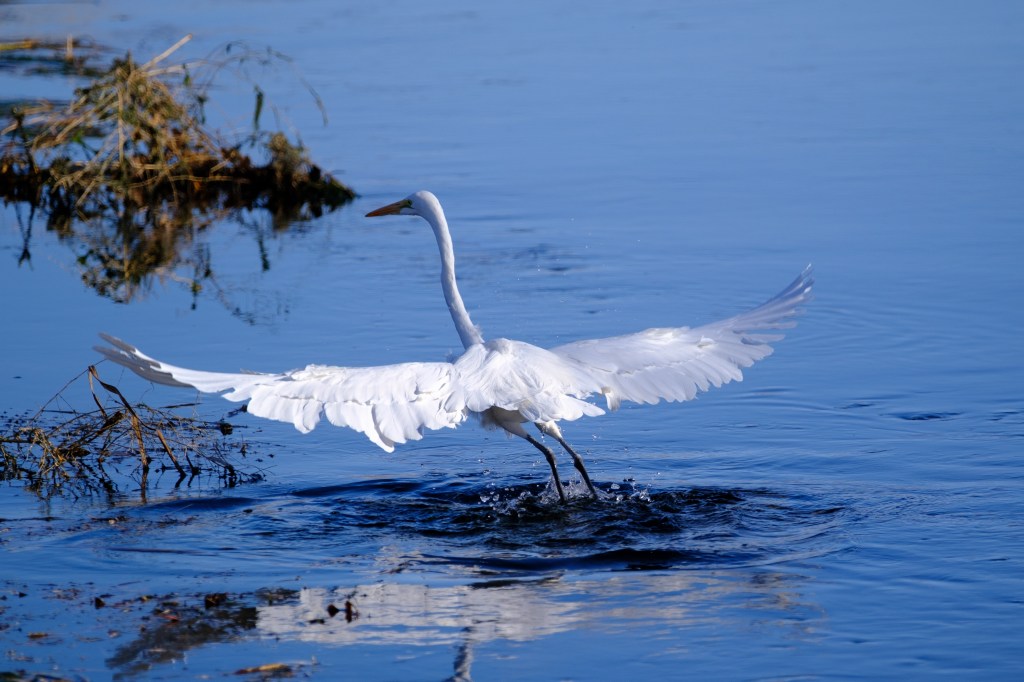
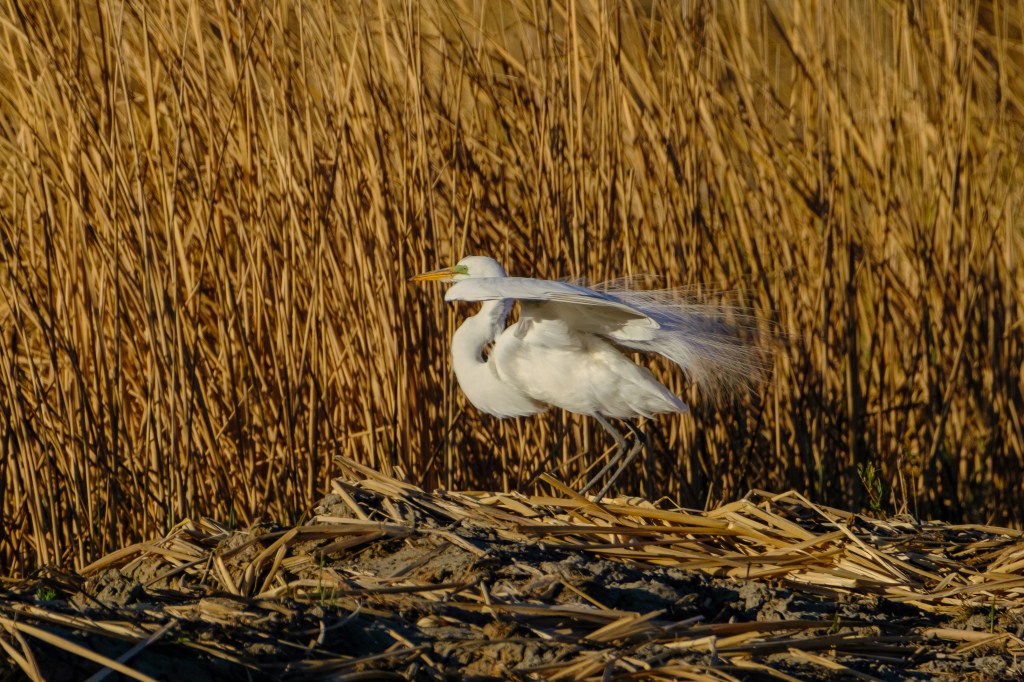
A Great Egret uses a similar leap and flap technique, pushing off the bottom of the Bishop Creek Canal with its long legs.

Great Egret. Bishop Creek Canal.

Another Great Egret crouches to start flight from the shore of the Buckley Ponds. The area between the eye and bill, the “lore,” is green. This color appears during mating season. The filamentous feathers (plumes) that trail behind are also part of mating plumage.

Belted Kingfishers are common along the Bishop Creek Canal. They don’t like my approach and the photo below shows a typical response. The bird always flies off away from me. For a moment it seems suicidal, plunging down. Then a burst of flapping lifts it up.

Belted Kingfisher. Bishop Creek Canal.
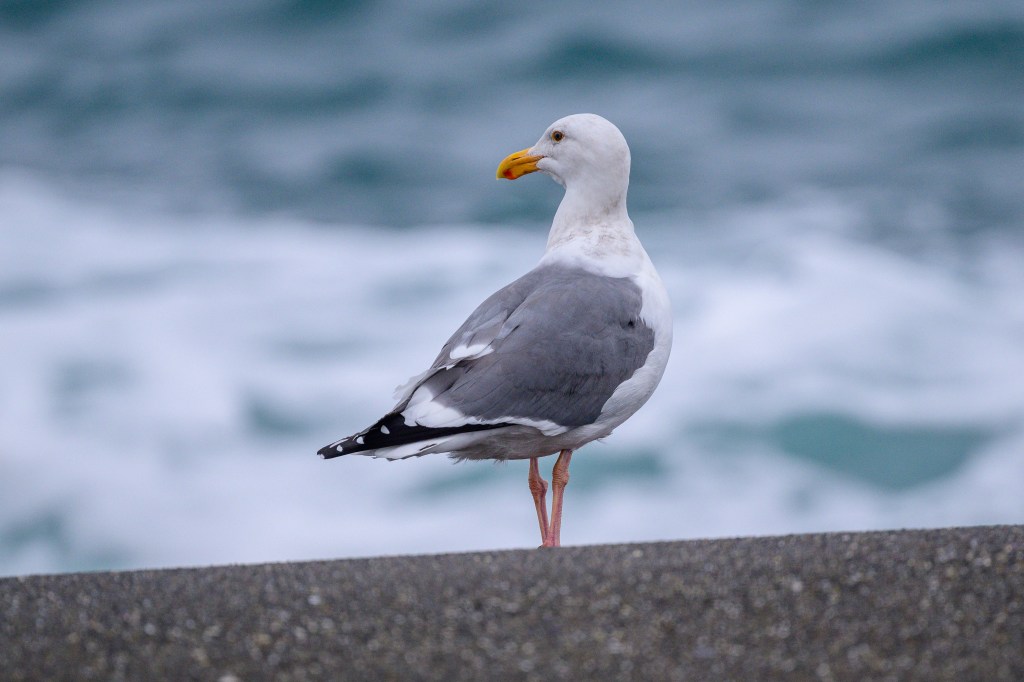
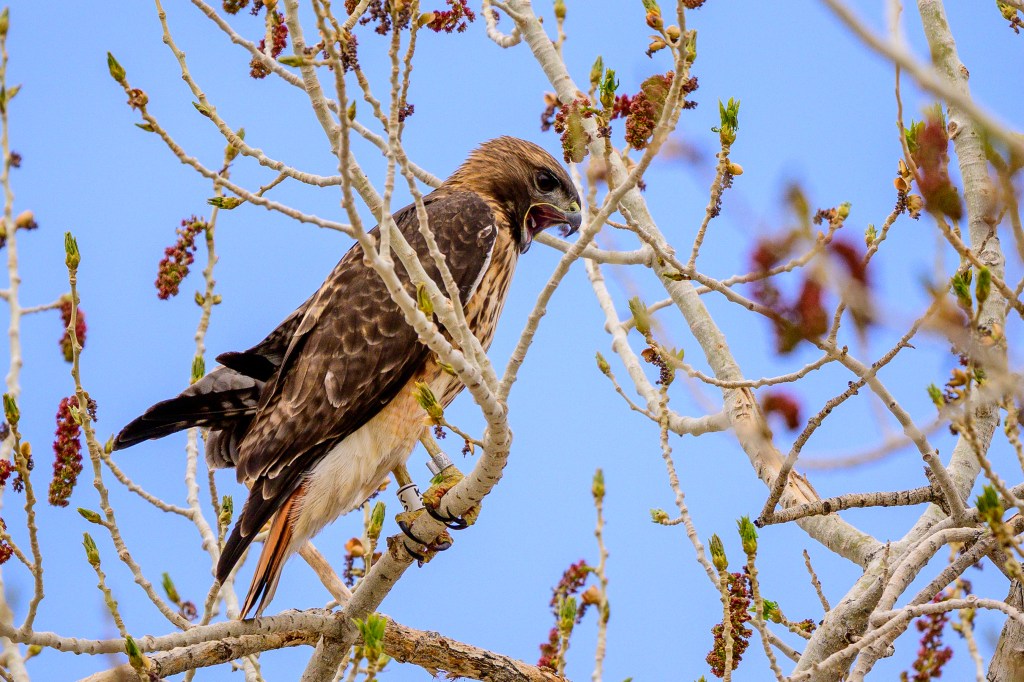
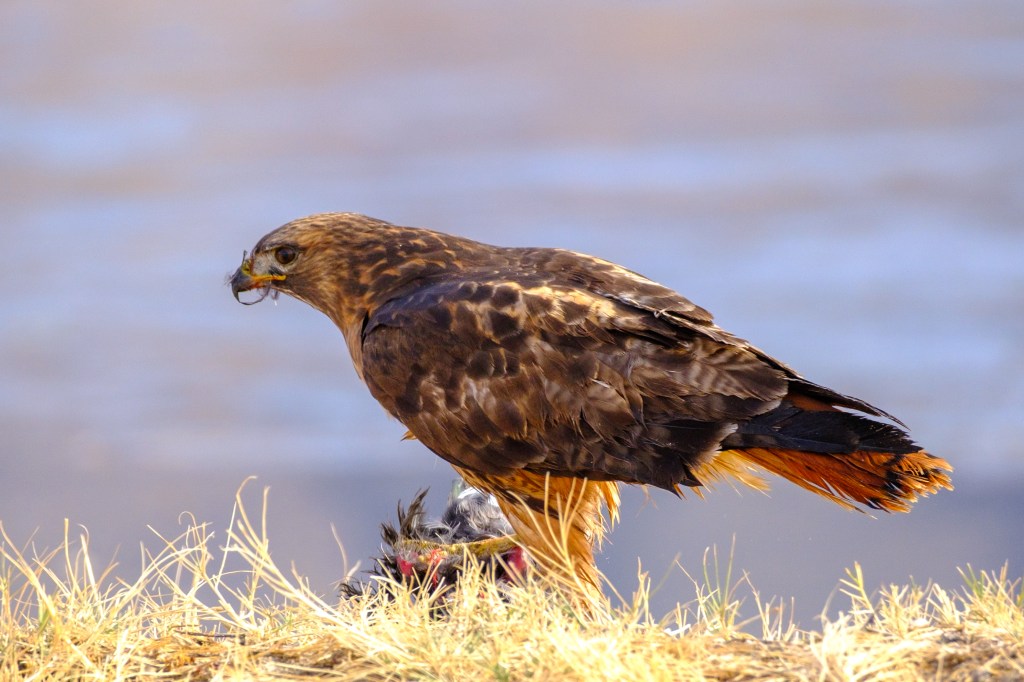
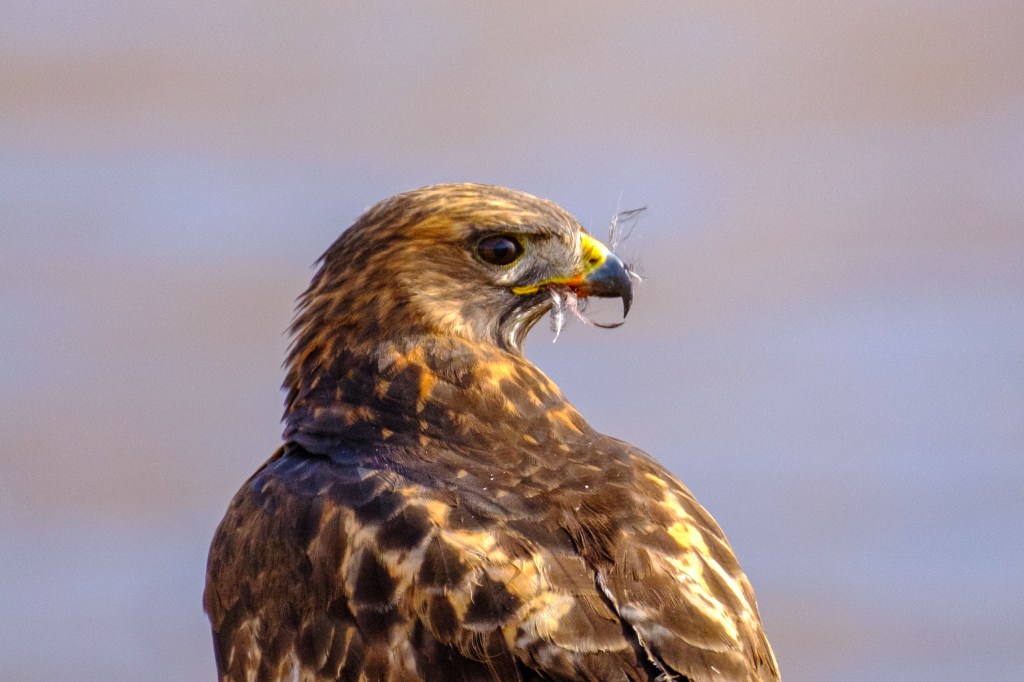
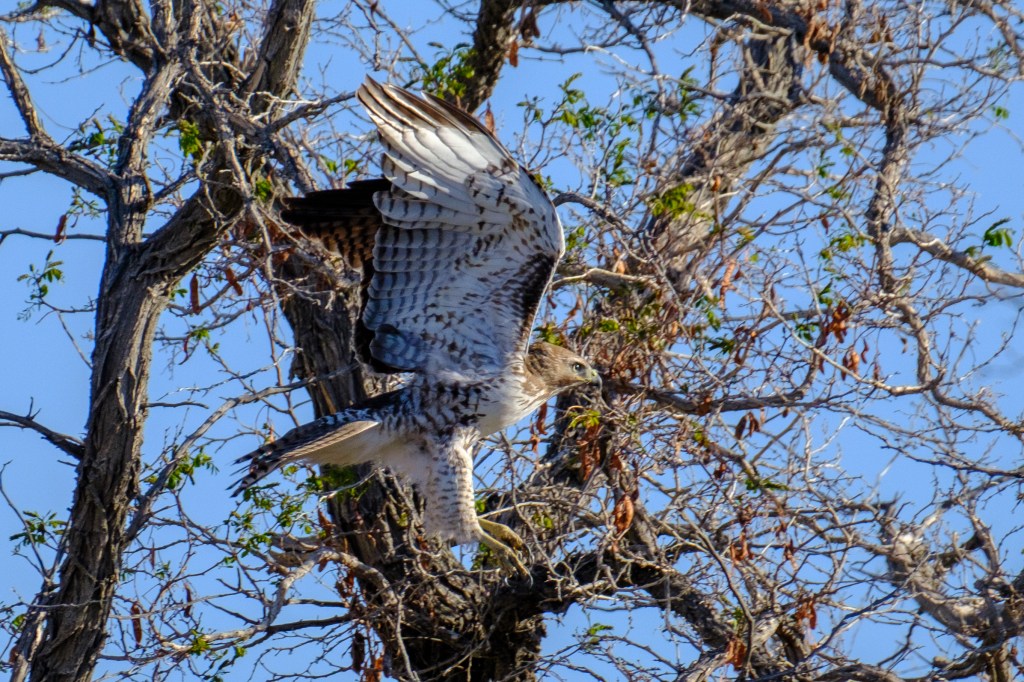
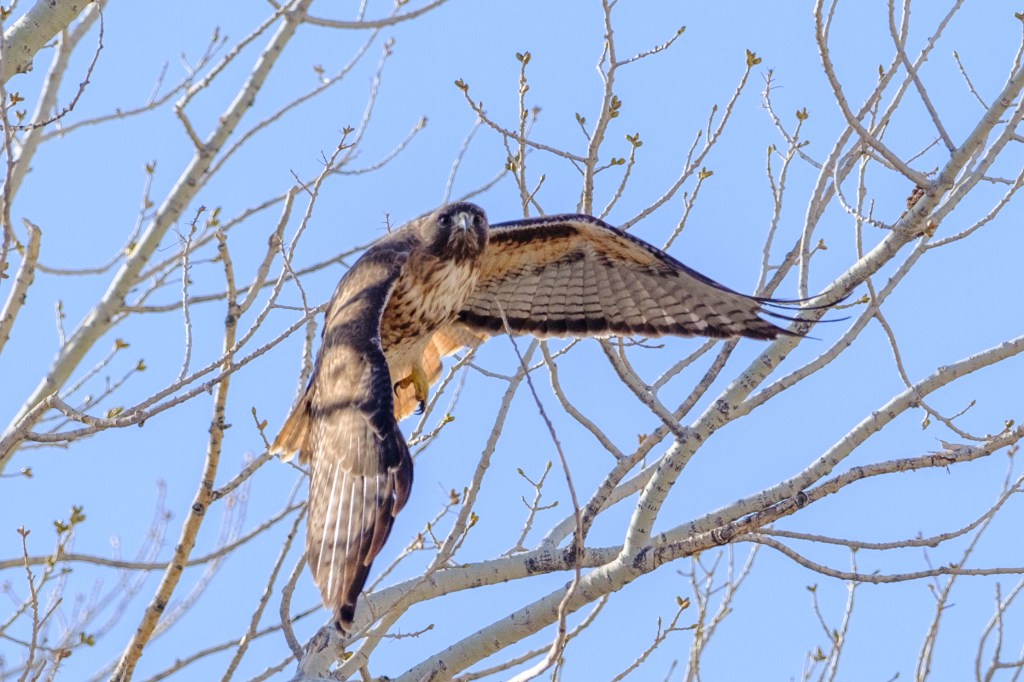
Red-tailed hawks push off hard with their feet, then a couple of wing flaps gets them into forward flight and the feet retract up.

Red-tailed Hawk. Bishop Creek Canal.

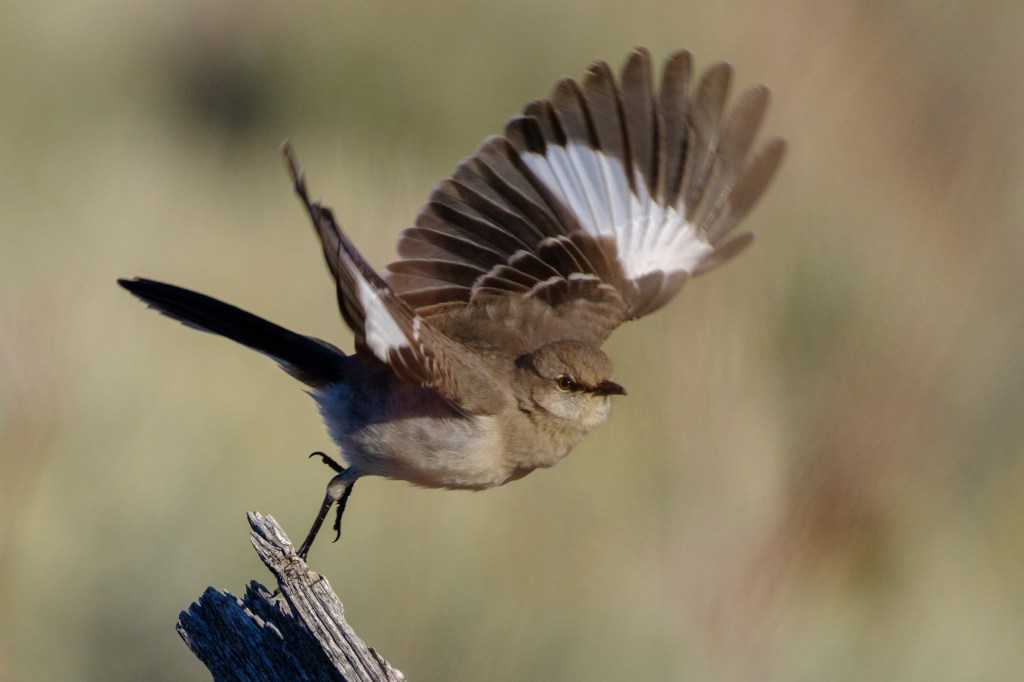
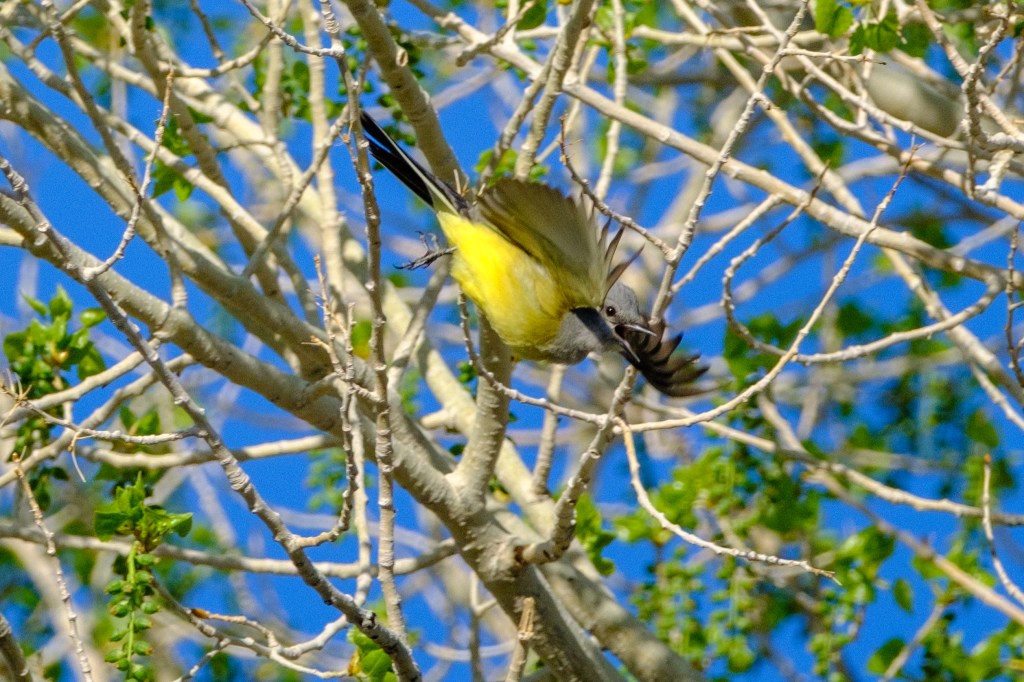
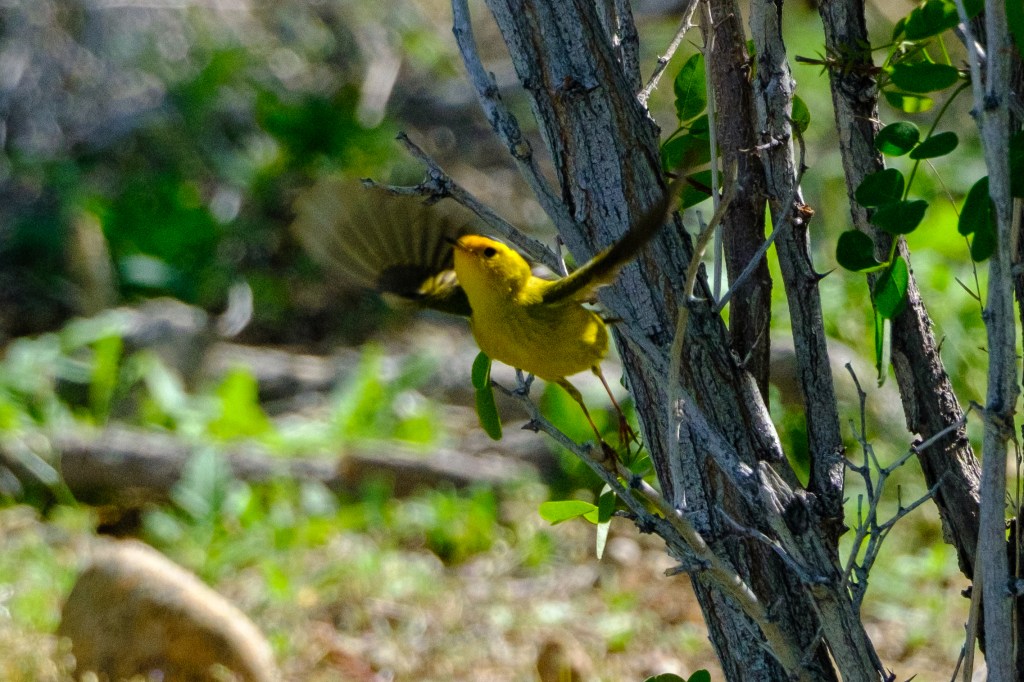
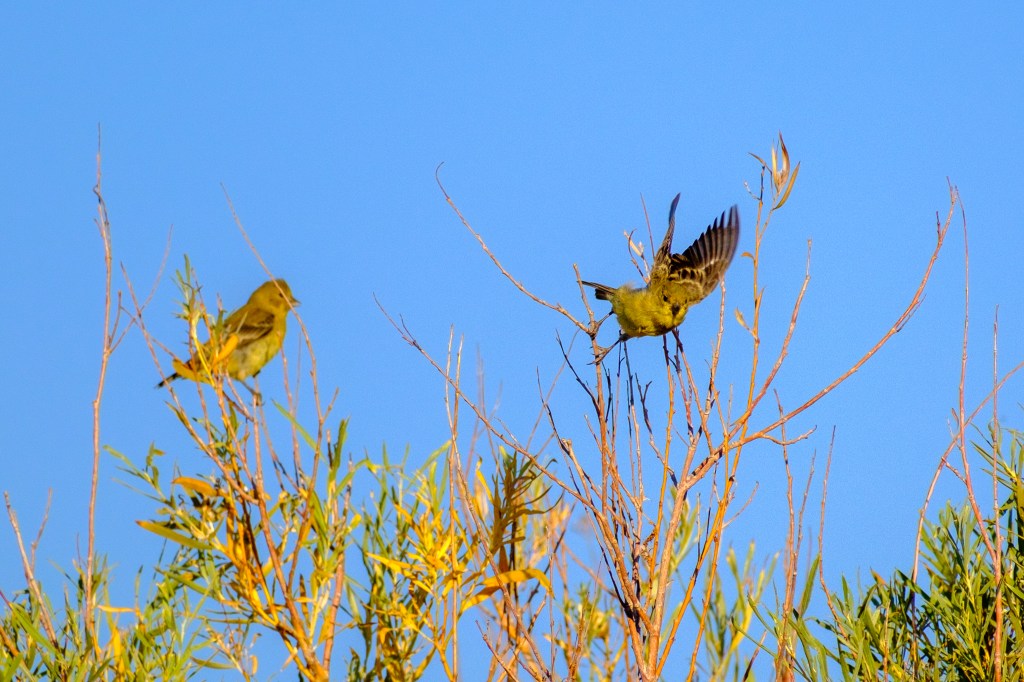
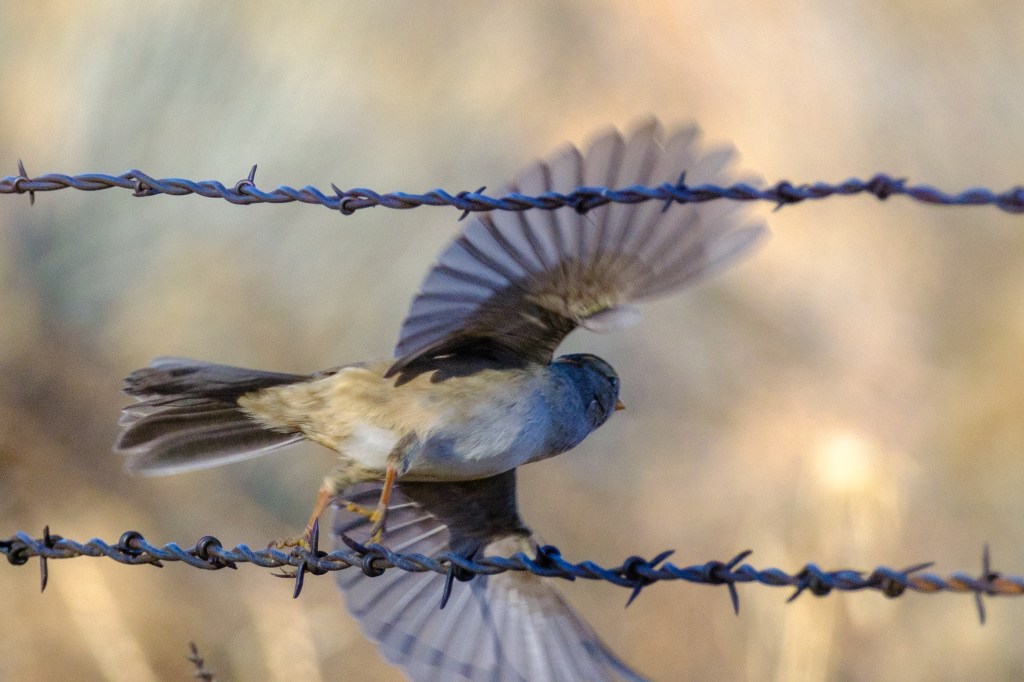
Below are several photos that show songbirds blasting off from brush near the Bishop Creek Canal.

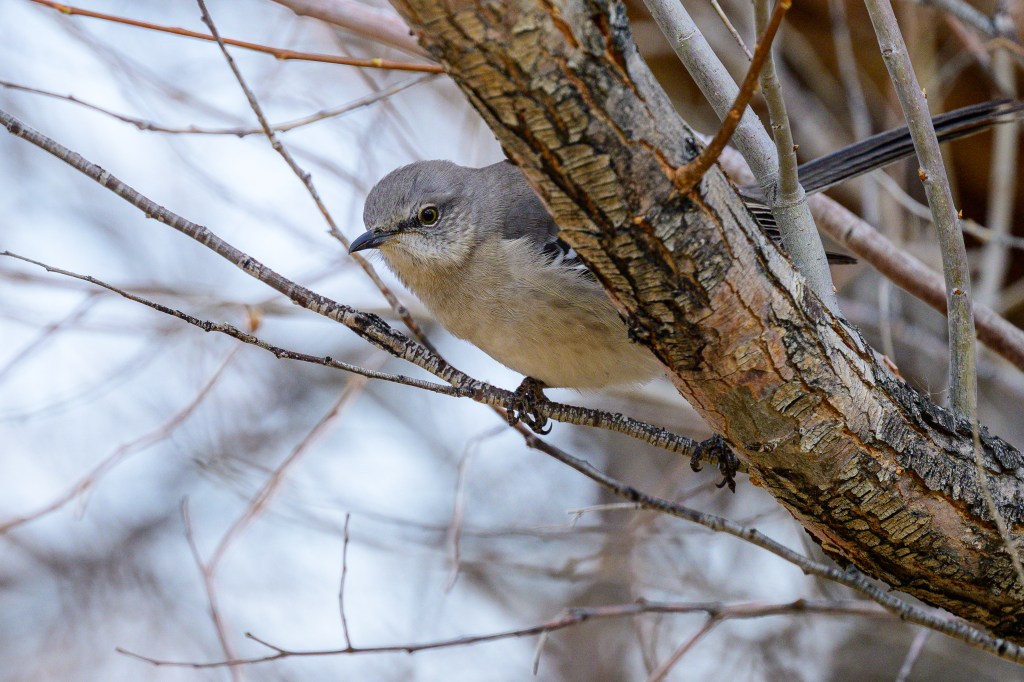
Northern Mockingbird. Gus Cashbaugh Lane, near Bishop Creek Canal.
Western Kingbird. Bishop Creek Canal.
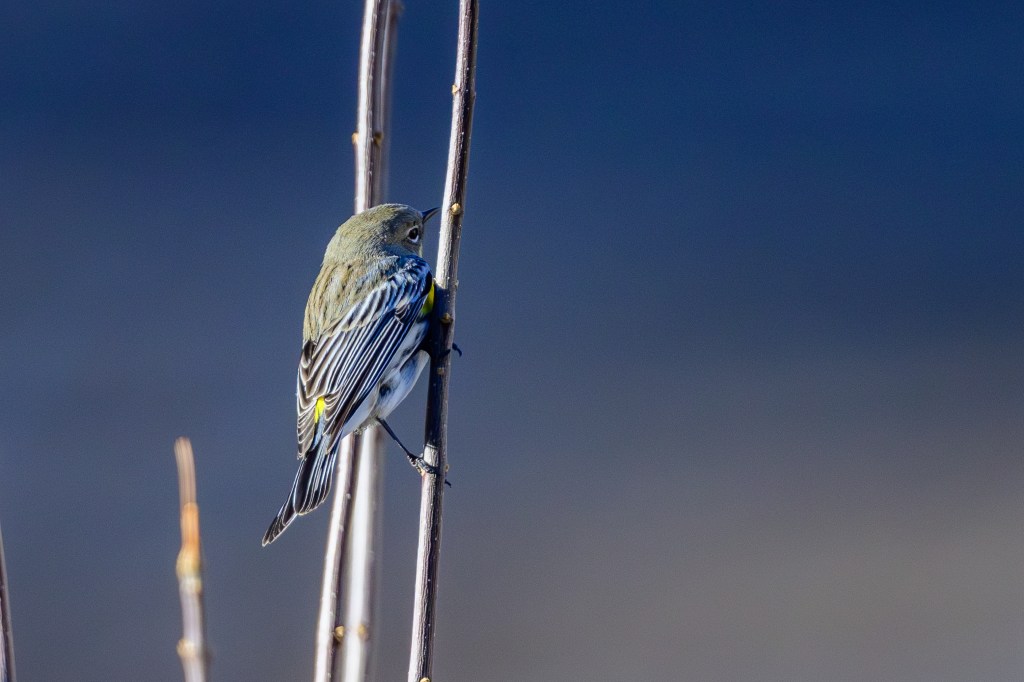
Yellow-rumped Warbler. Bishop Creek Canal.
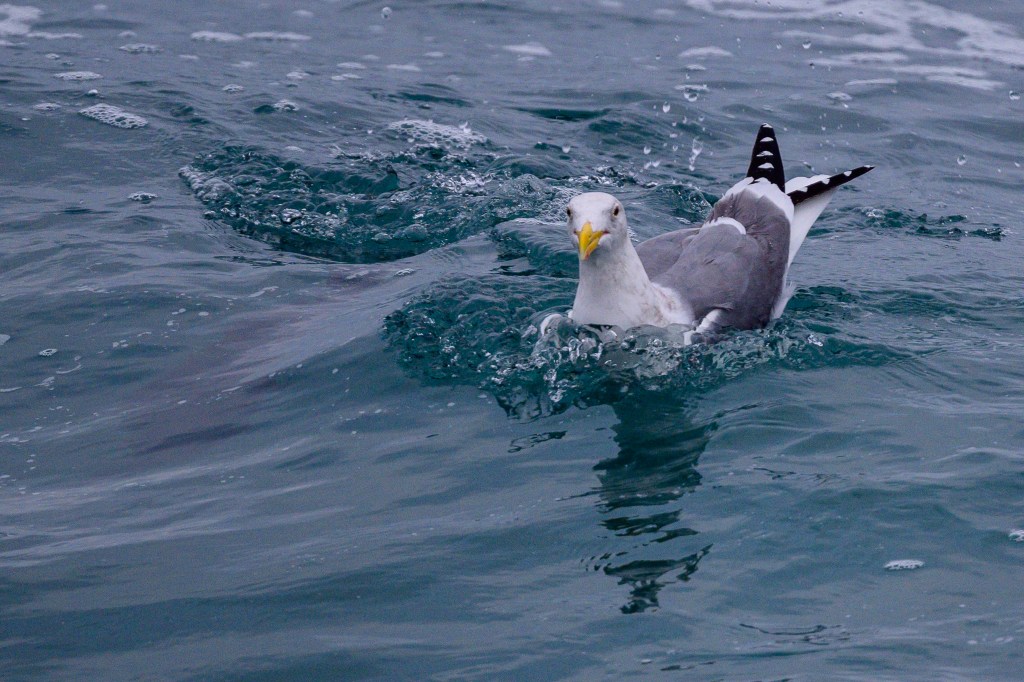
Wilson’s Warbler. Bishop Creek Canal.
Bullock’s Oriole. Bishop Creek Canal.
Lesser Goldfinch. Bishop Creek Canal.
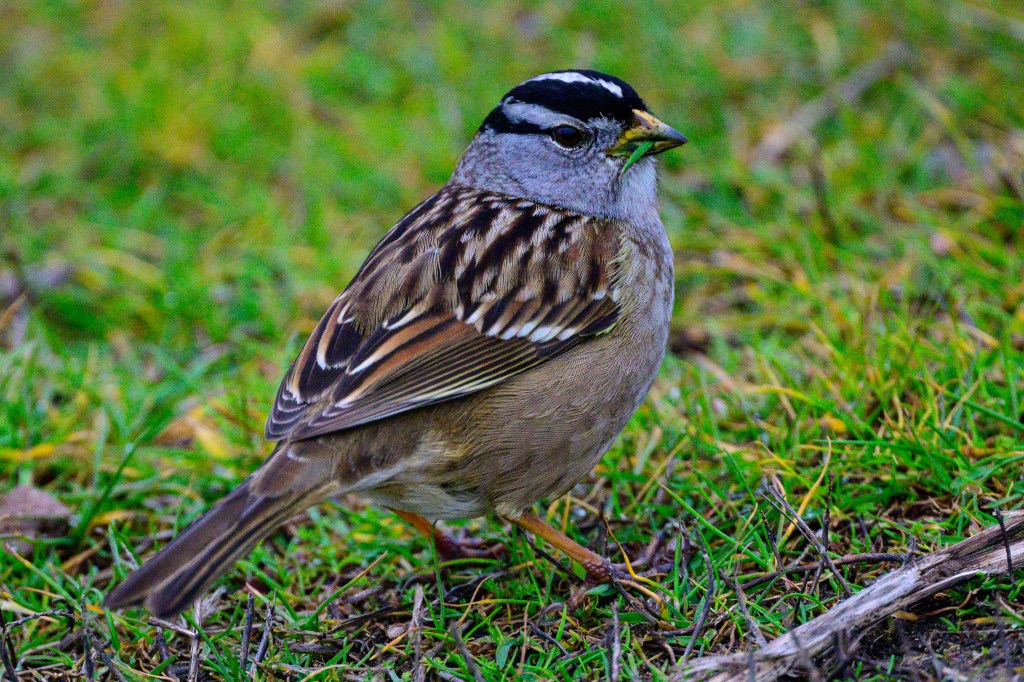
White-crowned Sparrow. Bishop Creek Canal.

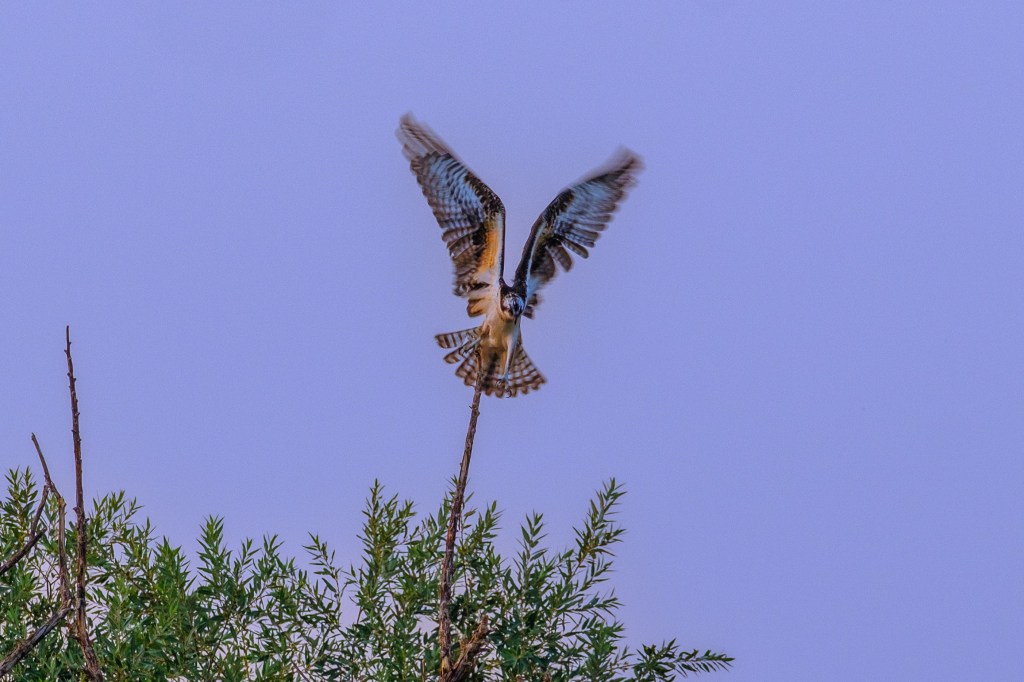
The Osprey below did not push off. It daintily stepped into space, like a person stepping into a jacuzzi. It fell for a moment and then the wings grabbed the air.

Osprey. Bishop Creek Canal.

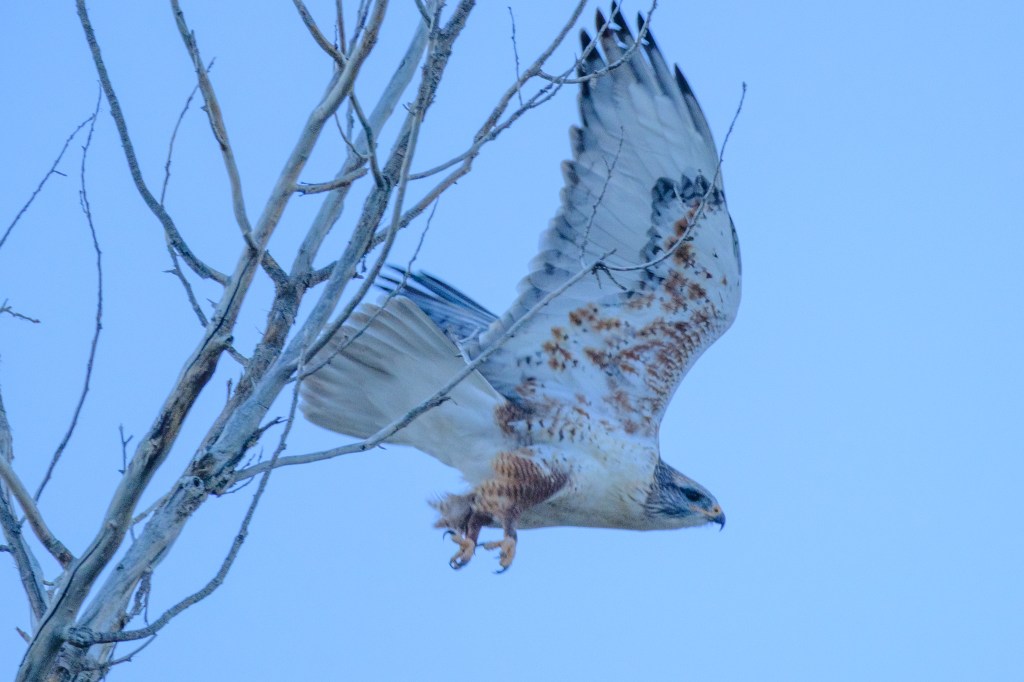
In the morning shade, a Ferruginous Hawk launches.

Ferruginous Hawk. Gus Cashbaugh Lane, near Bishop Creek Canal.

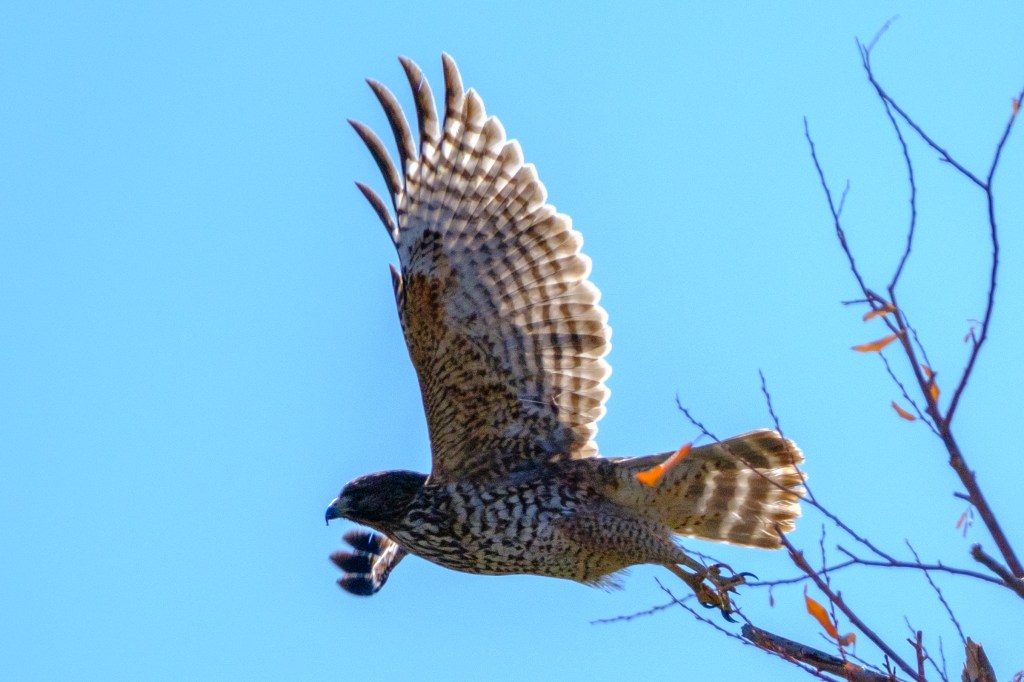
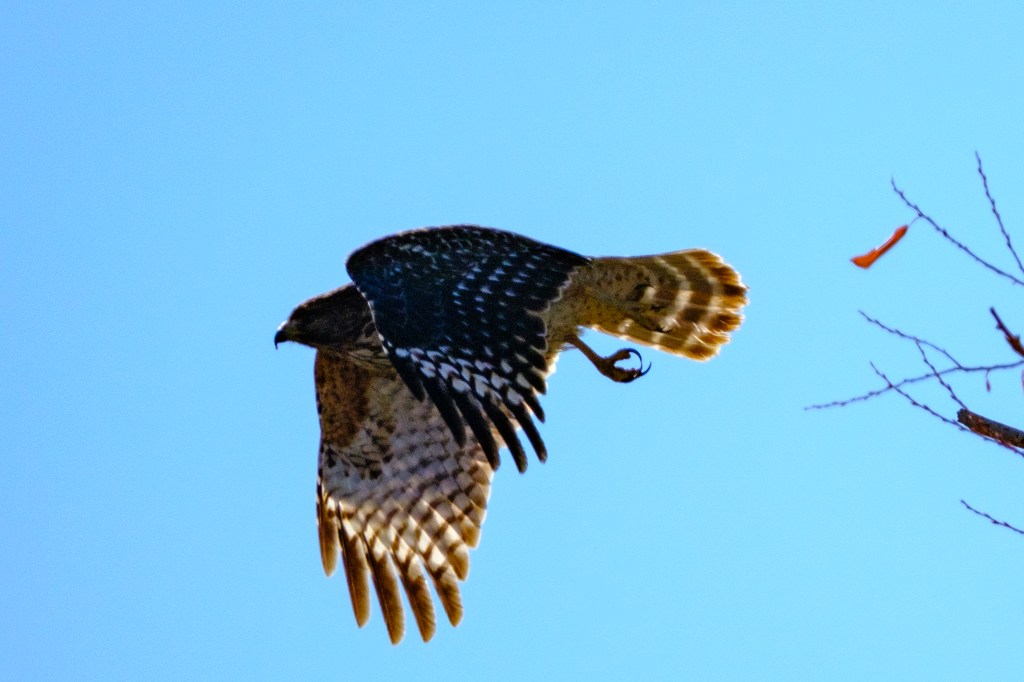
The next two photos show a Red-shouldered Hawk leaping from a tree. In the second photo you can see a feature of this bird; “windows” in the wings. The wings have long primary feathers near the tips. In the near wing there is a band of white color several inches from the tips of the feathers. This colored band is somewhat translucent; in the far wing, light shines through this “window.” Also note the landing gear retracting upward to streamline the bird.

Red-shouldered Hawk. Warm Springs Road near Bishop Creek Canal.

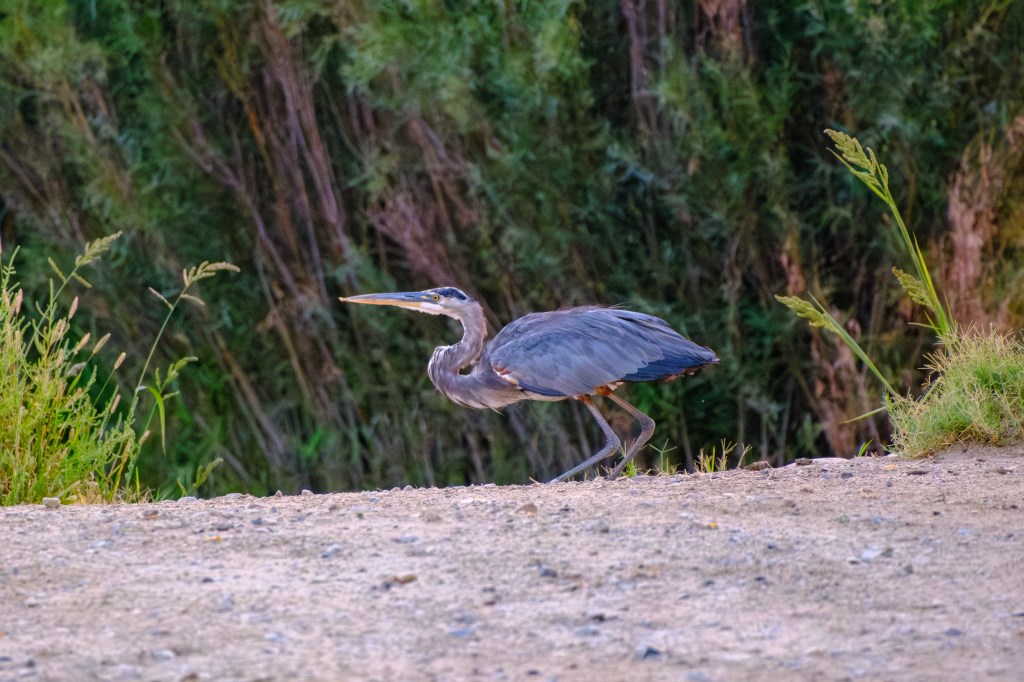
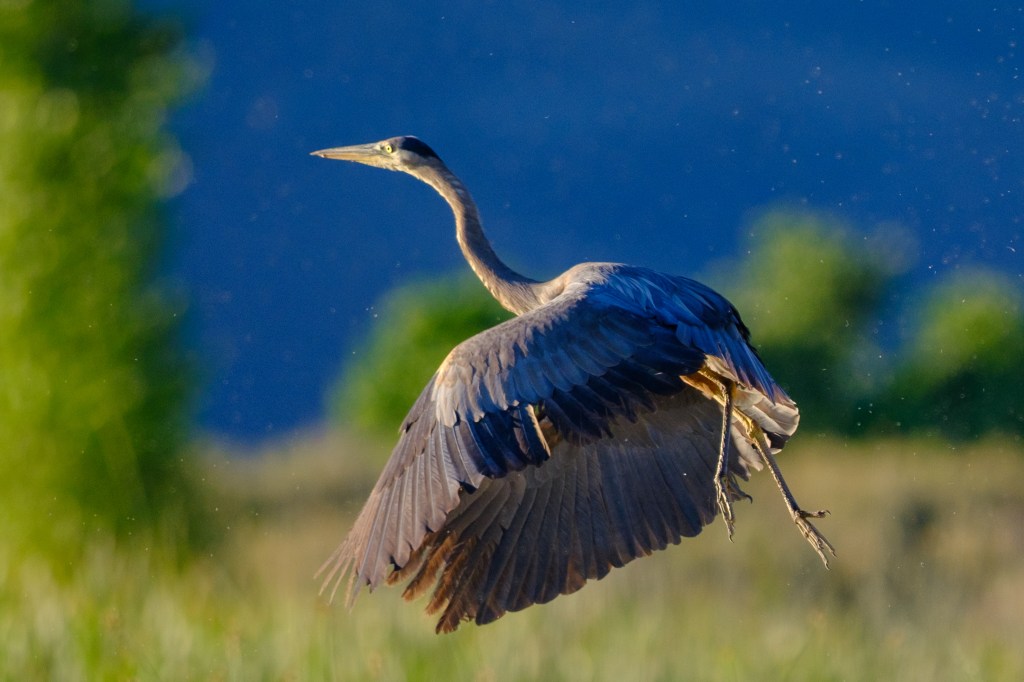
Great Blue Herons crouch, then jump up, as shown in the next three photos. For a moment it looks as if the Heron will crash, but powerful wing beats keep them aloft. In the third photo there are white specks in the air; those are mosquitos in the morning light.

Great Blue Heron. Bishop Creek Canal.
Great Blue Heron. Buckley Ponds

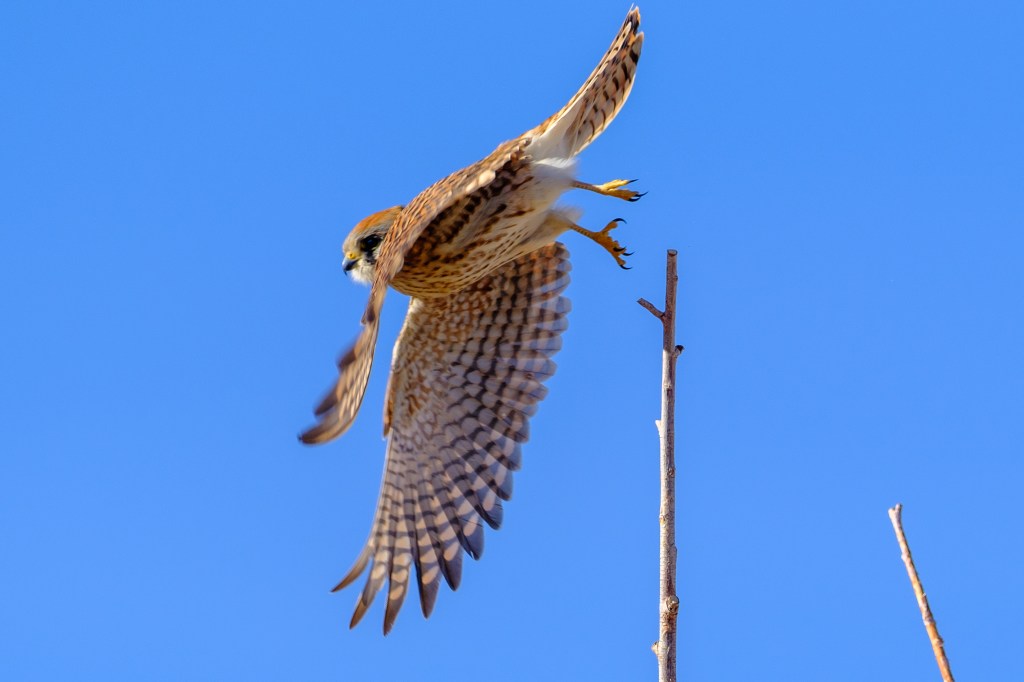
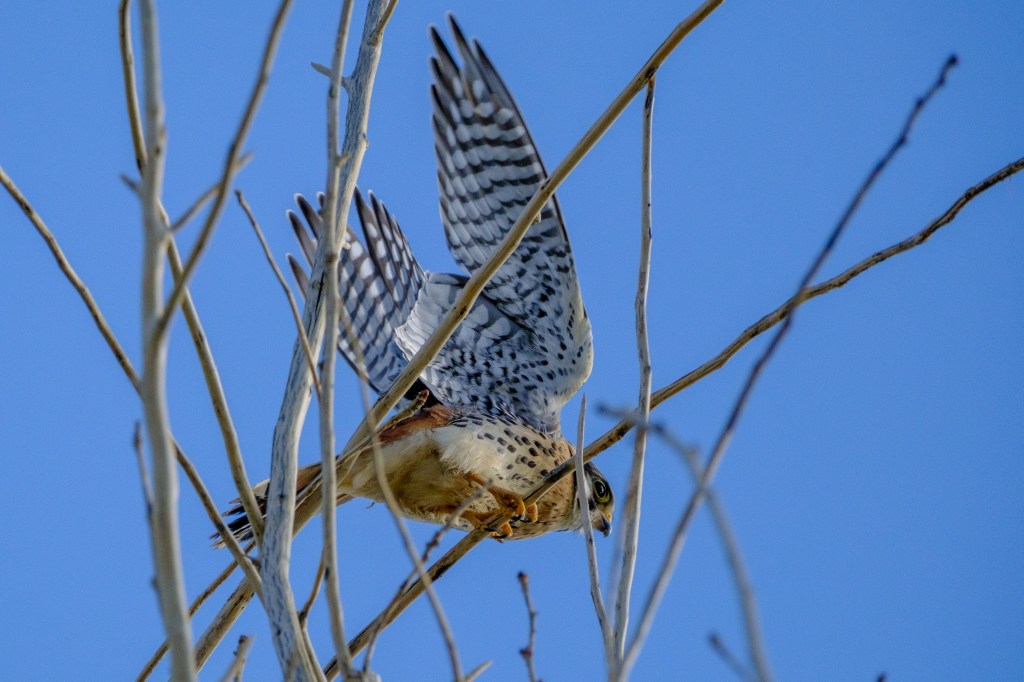
A female American Kestrel has just left her perch. Her wings are rusty-brown. In the second photo, a male Kestrel has started to crouch and spread his wings. His wings are blue-grey.

American Kestrel (female). Bishop Creek Canal.
American Kestrel (male). Buckley Ponds.

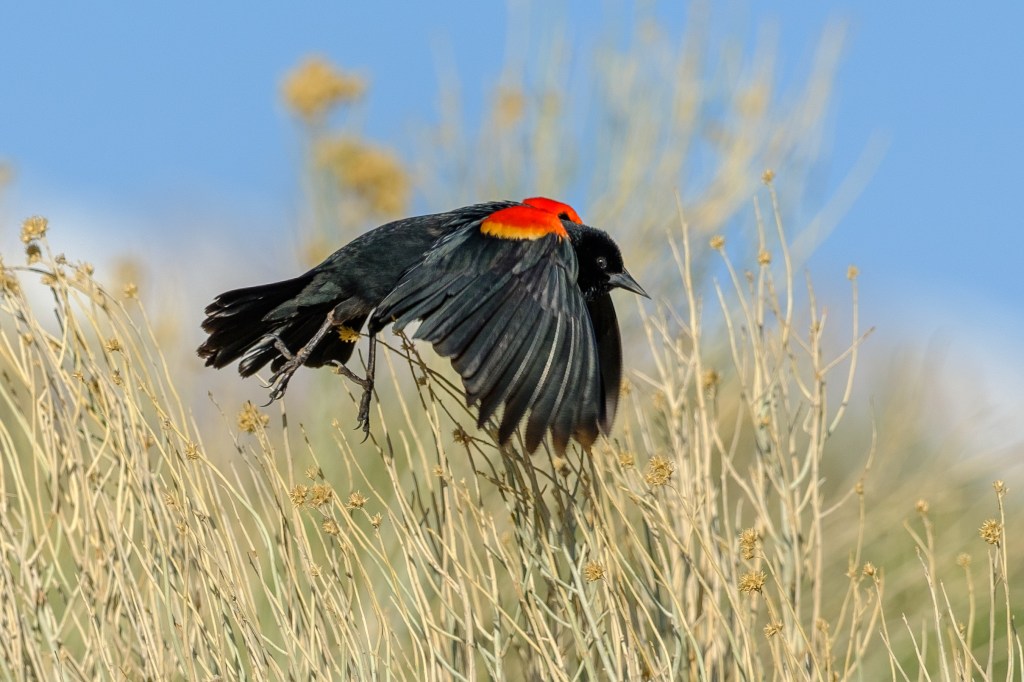
Lots of birds are at the Buckley Ponds. A Red-winged Blackbird uses the leap and flap method. These birds gather in the hundreds in spring and stay for months, raising their young.

Red-winged Blackbird leaps from Rabbitbrush. Buckley Ponds.

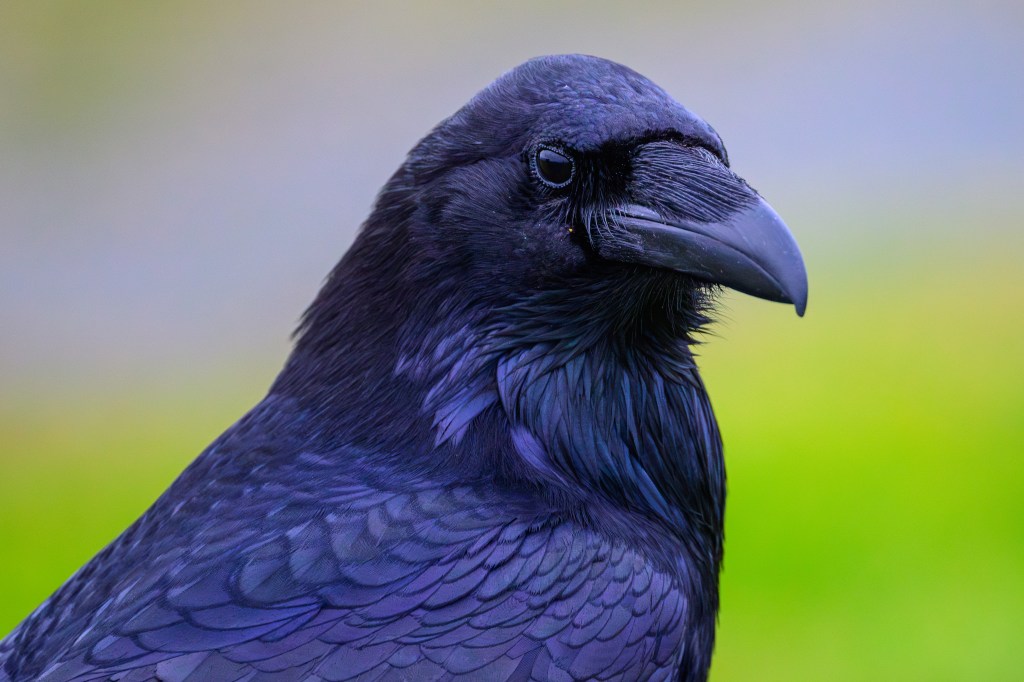
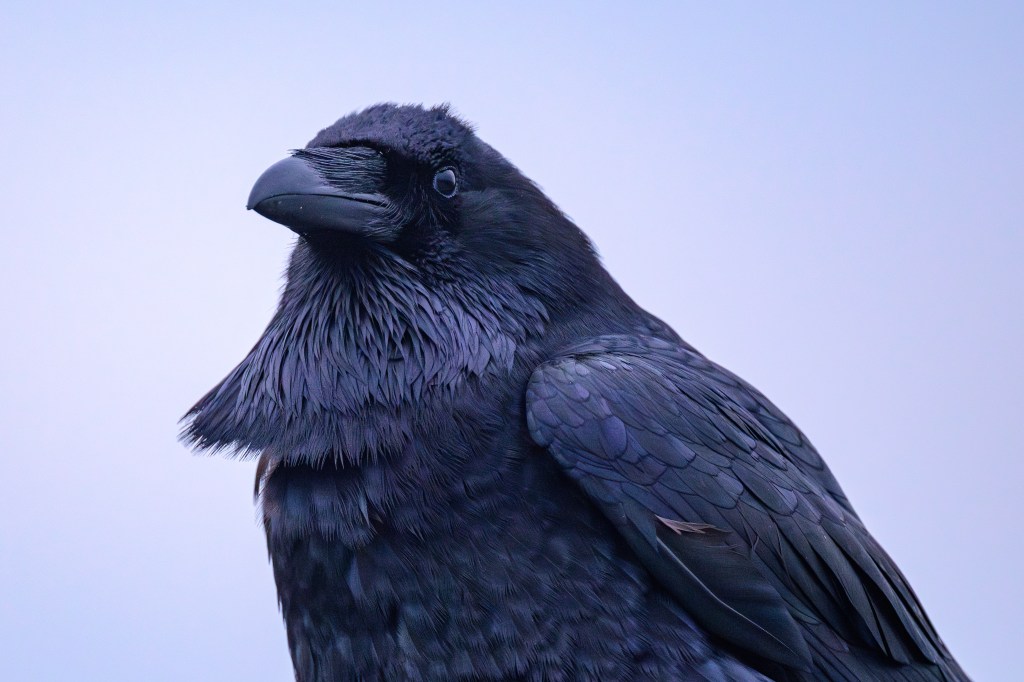
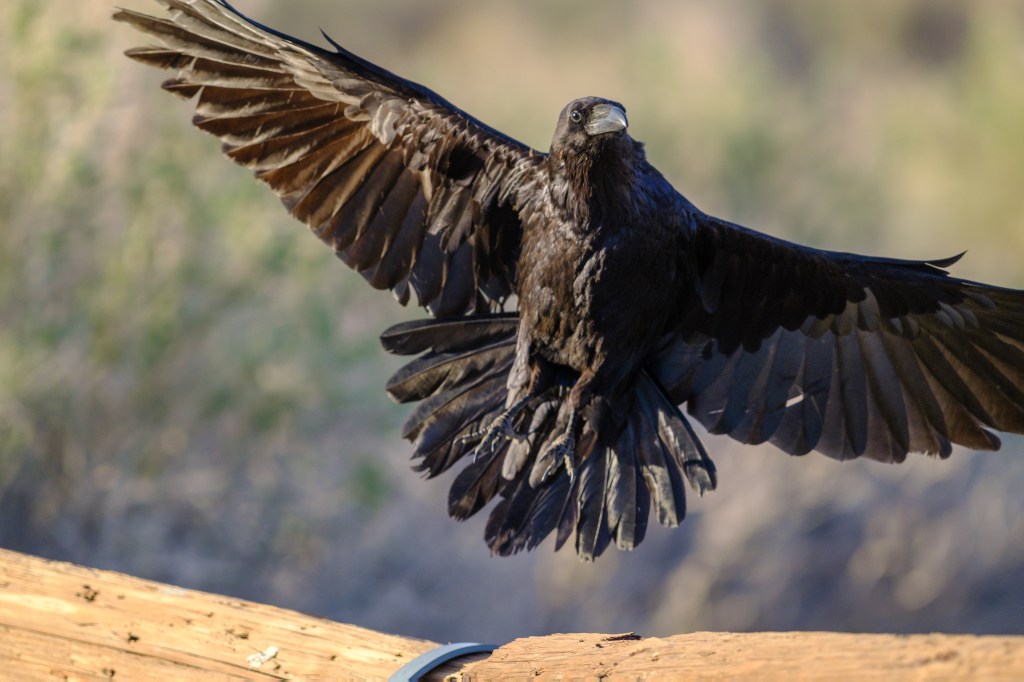
The Common Raven does not like to be photographed. They depart when I point the lens at them. This one springs from a wooden barrier.

Common Raven. Buckley Ponds.

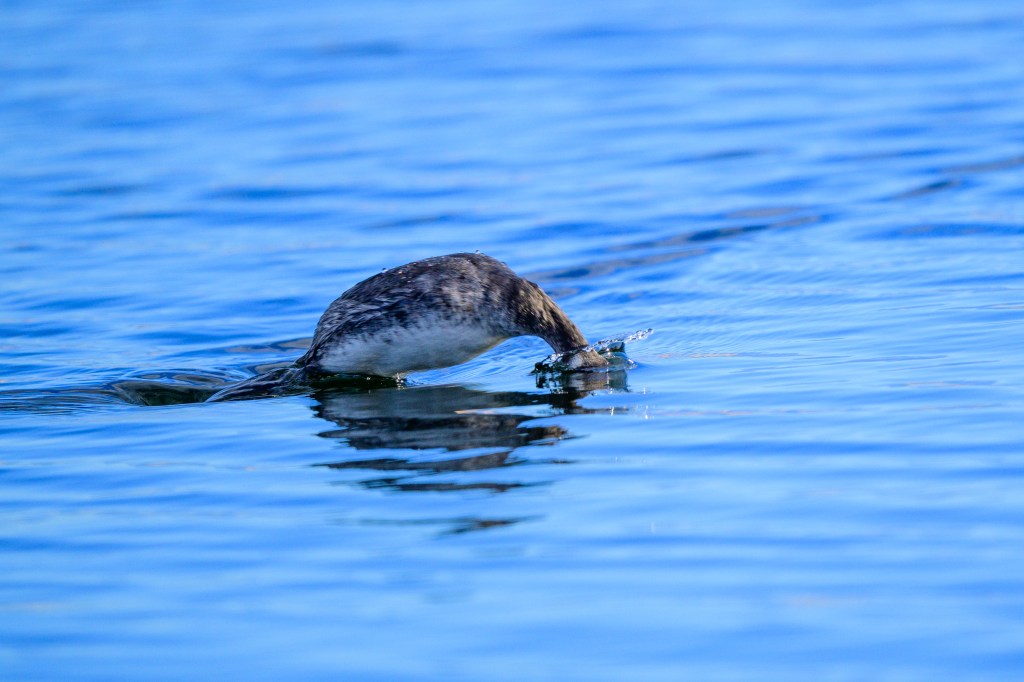
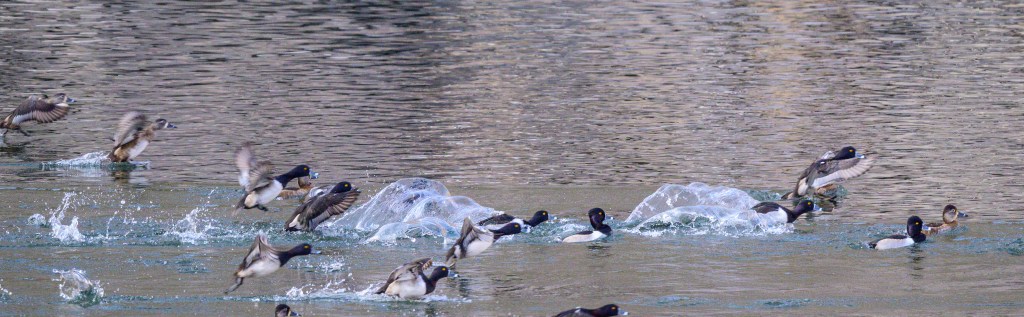
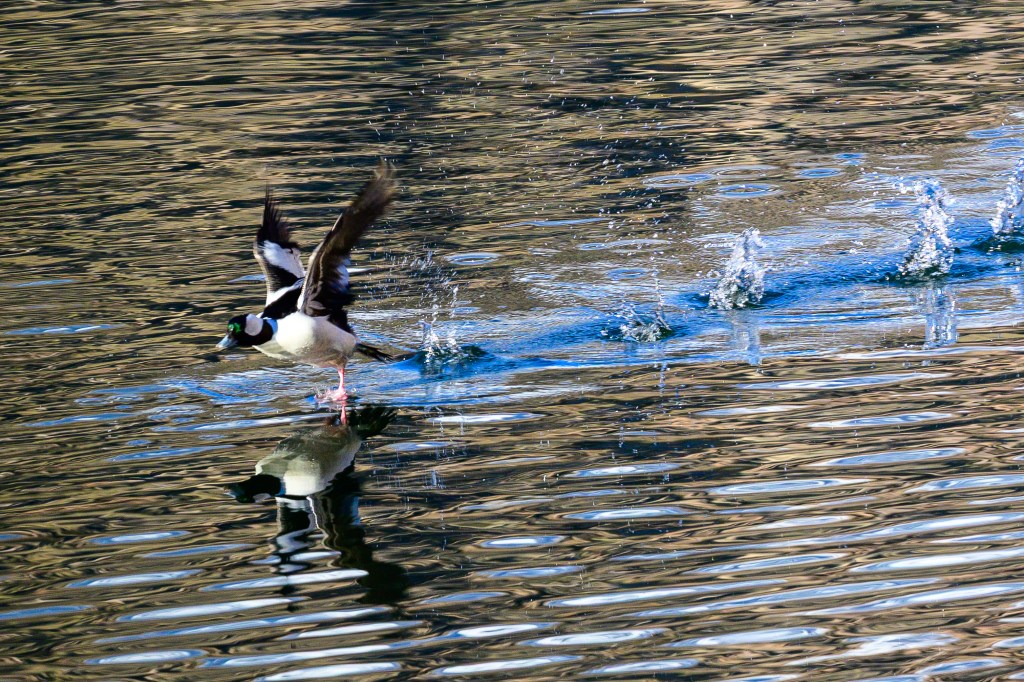
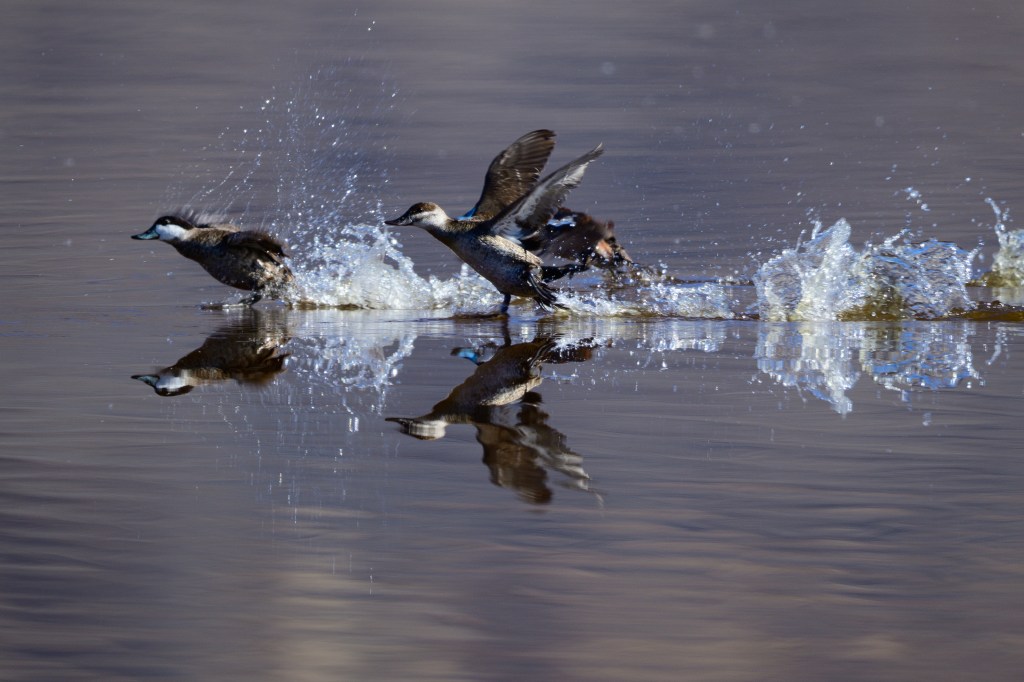
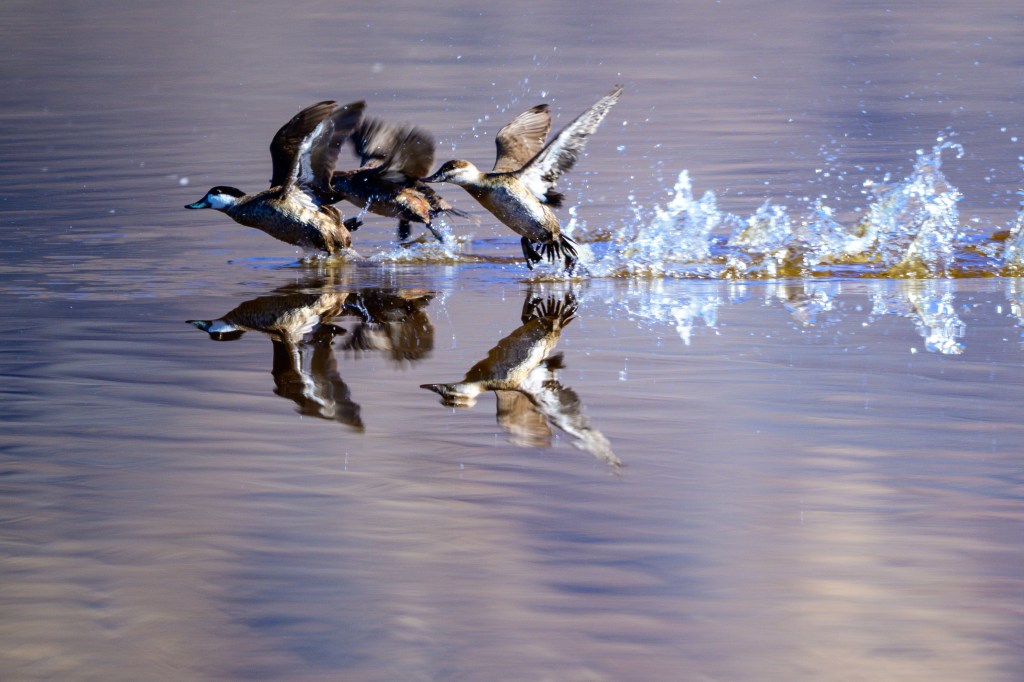
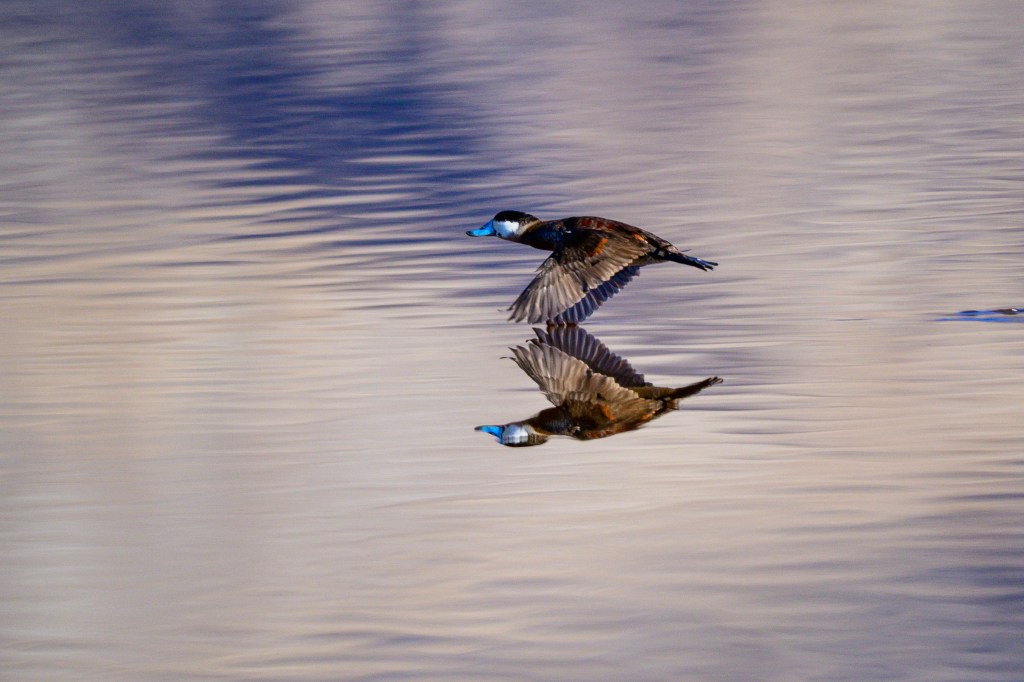
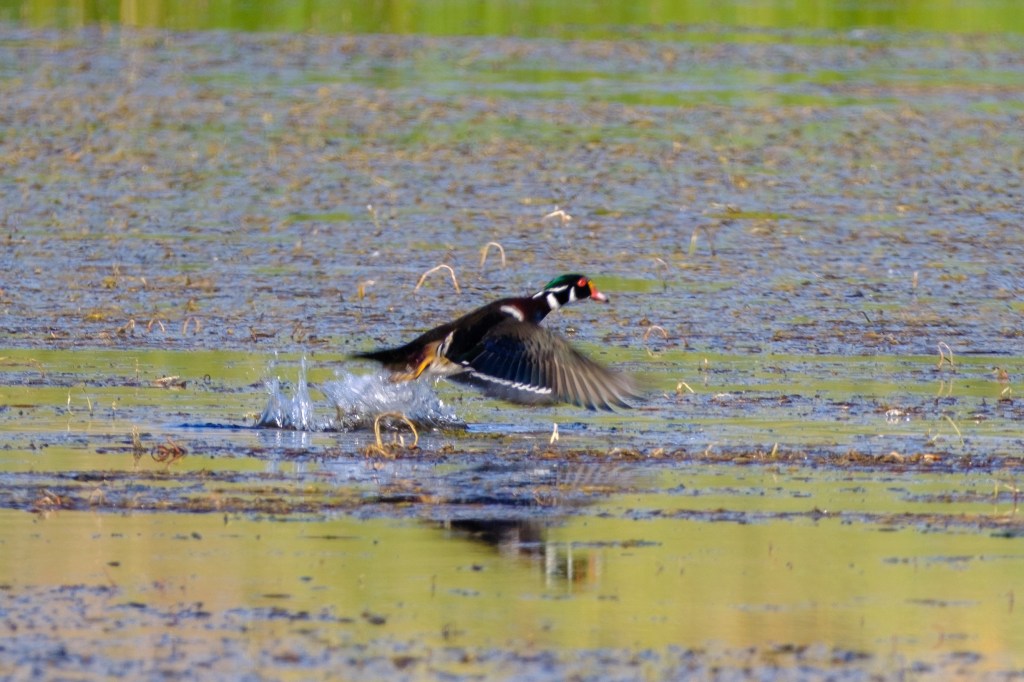
A Wood Duck uses webbed feet to shove off the water at the Buckley Ponds.

Wood Duck (male). Buckley Ponds.

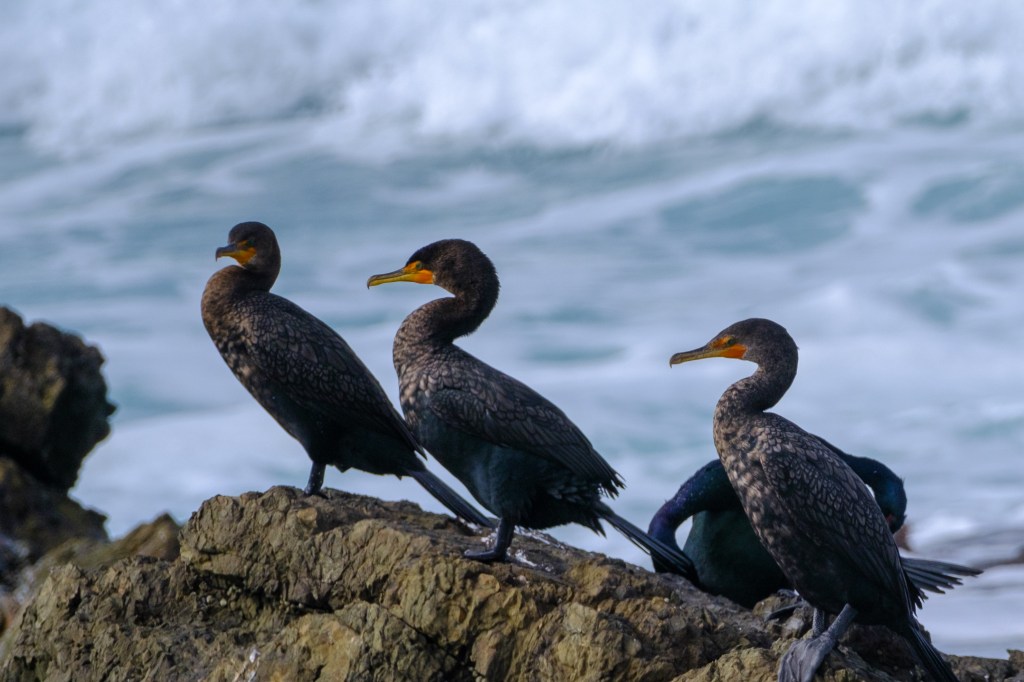
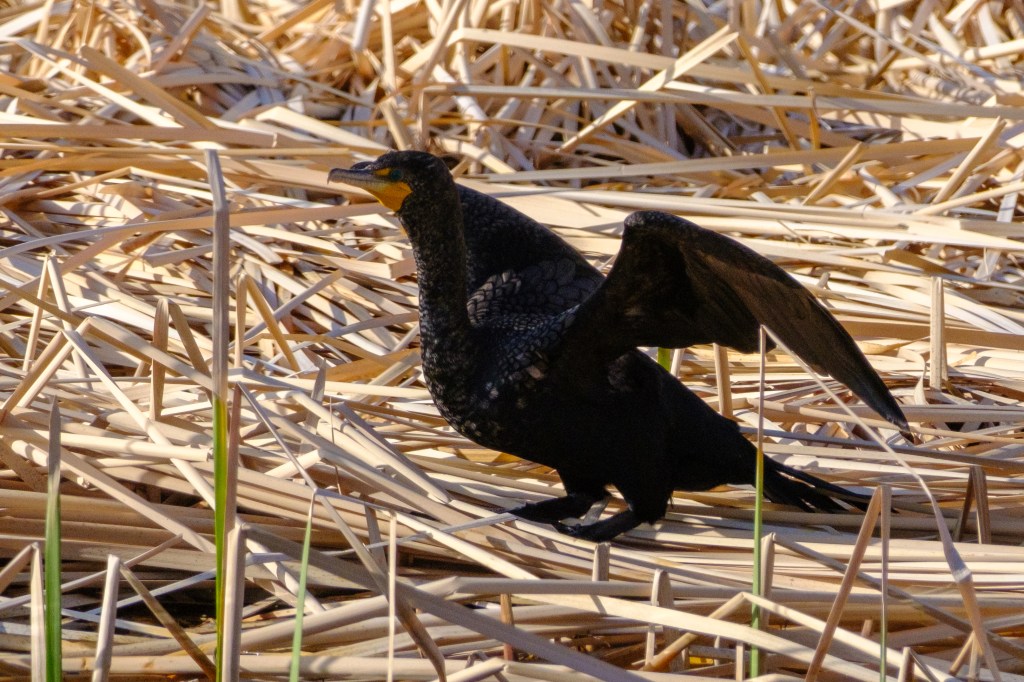
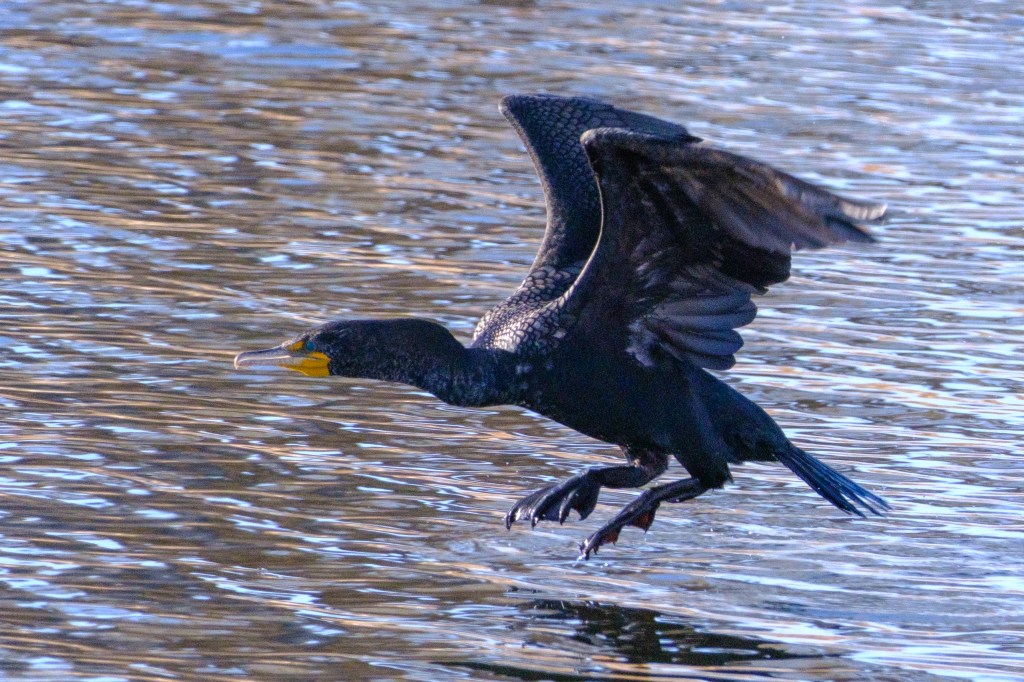
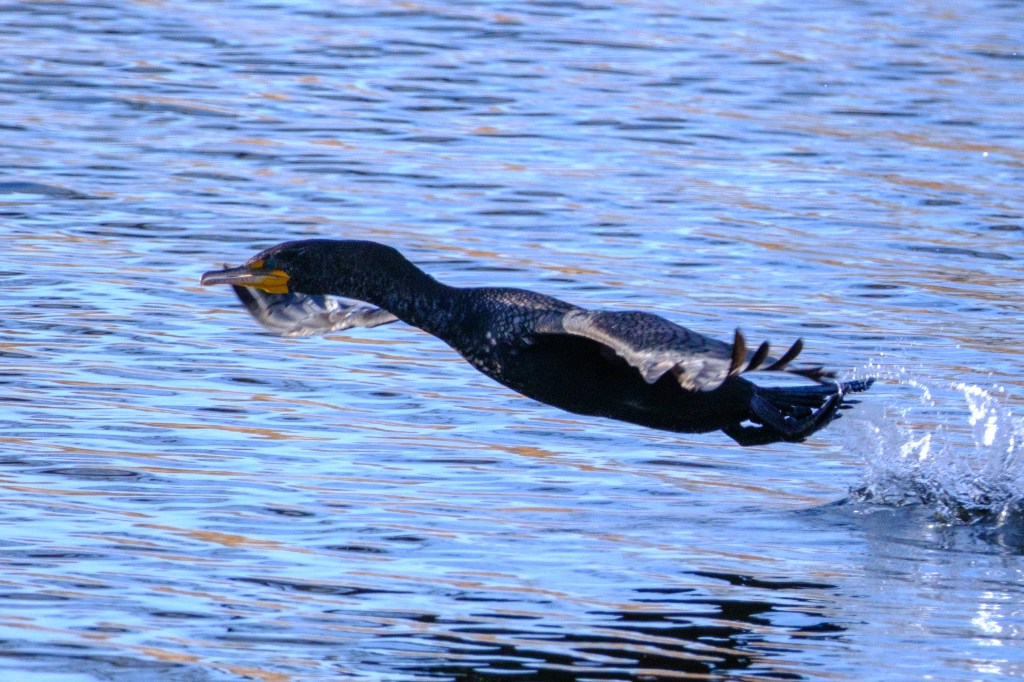
Double-Crested Cormorants are the only cormorant species in the Eastern Sierra. This one vaults over the water and then shoves on the water with its webbed feet. Each push is synchronized with a wing downbeat. The second photo shows preparation for a push; I think the bird looks like a dragon from Game of Thrones.

Double-crested Cormorant. Buckley Ponds.

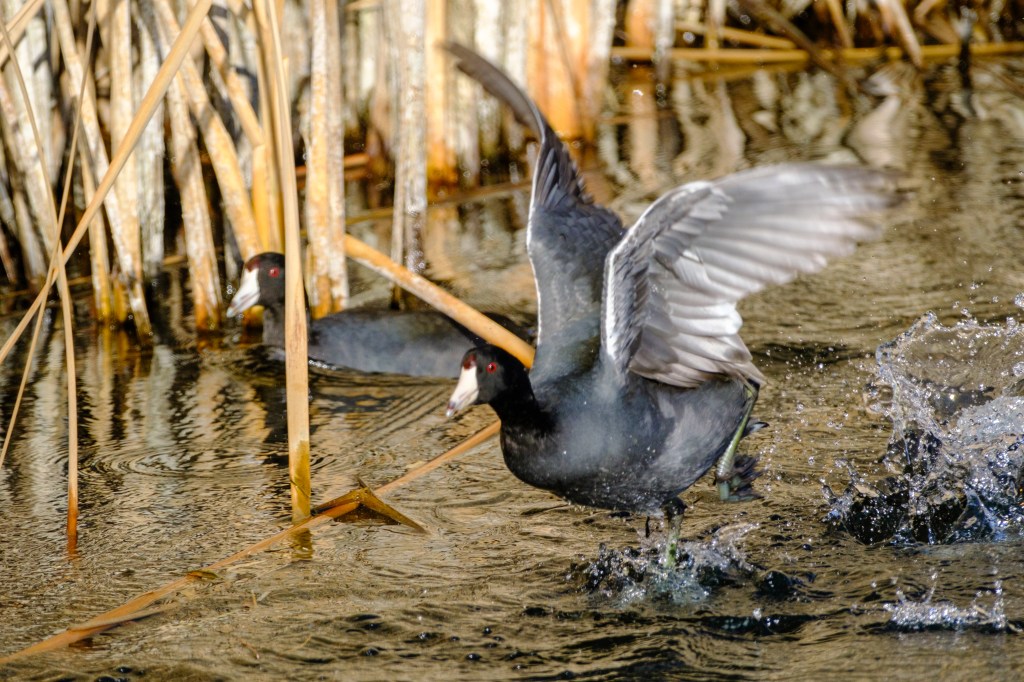
About three hundred American Coots winter at the Buckley Ponds. Their green feet propel them on the surface, splashing like mad to climb into the air. The whole operation is noisy and graceless. When a Bald Eagle swoops over the Ponds, dozens of panicked Coots try to slosh their way to safety.

American Coot. Rawson Canal next to Buckley Ponds.

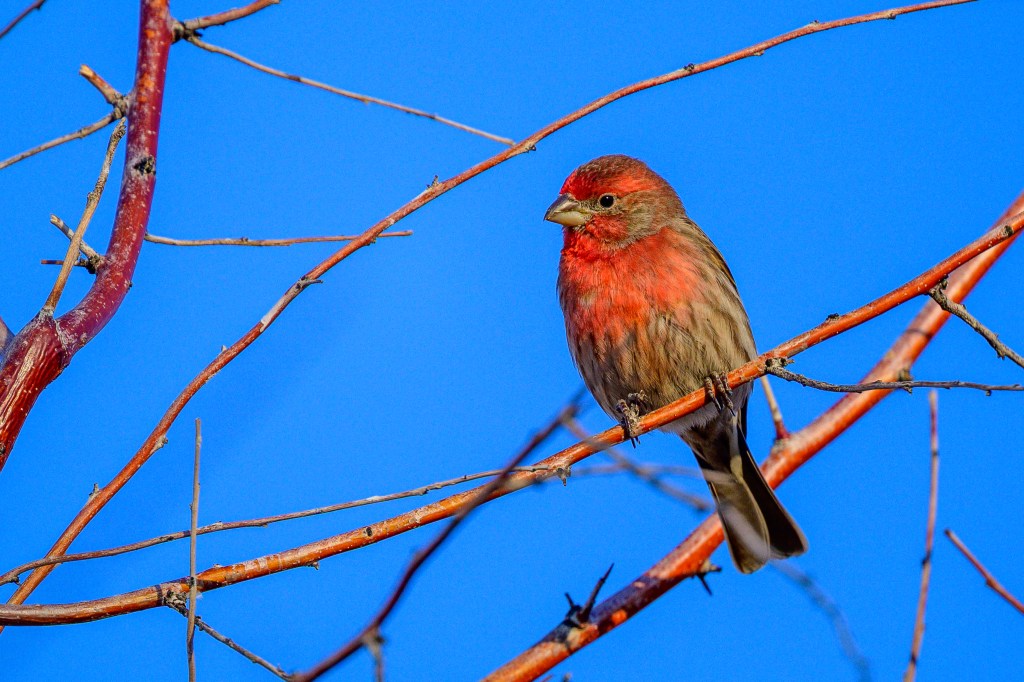
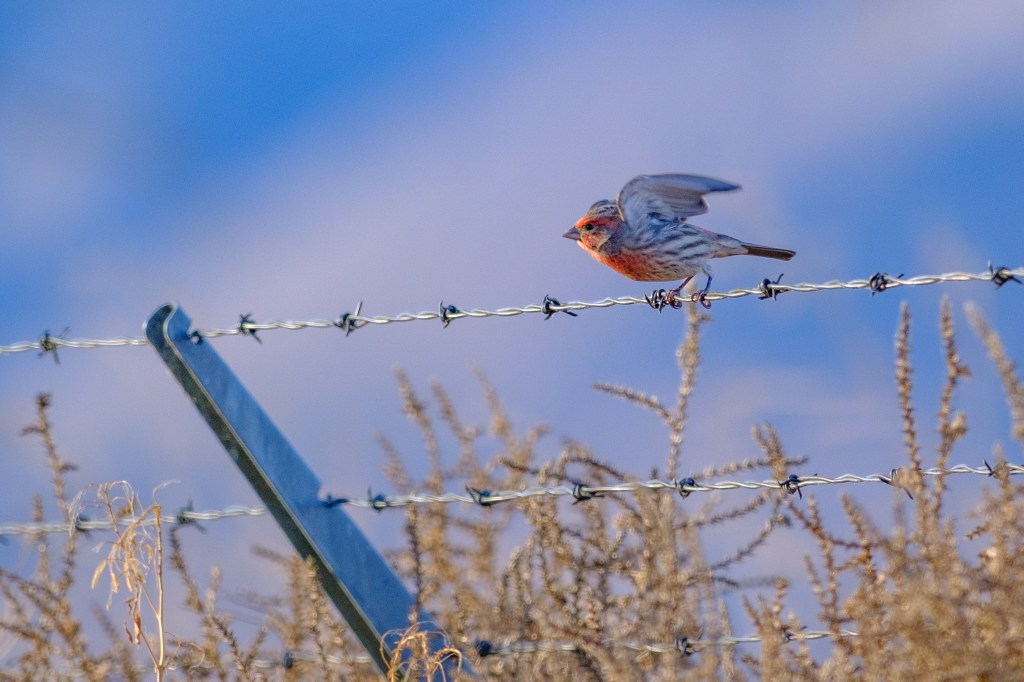
The House Finch below leaves the fence that surrounds the Bishop Sewage Ponds.

House Finch, South Airport Road.

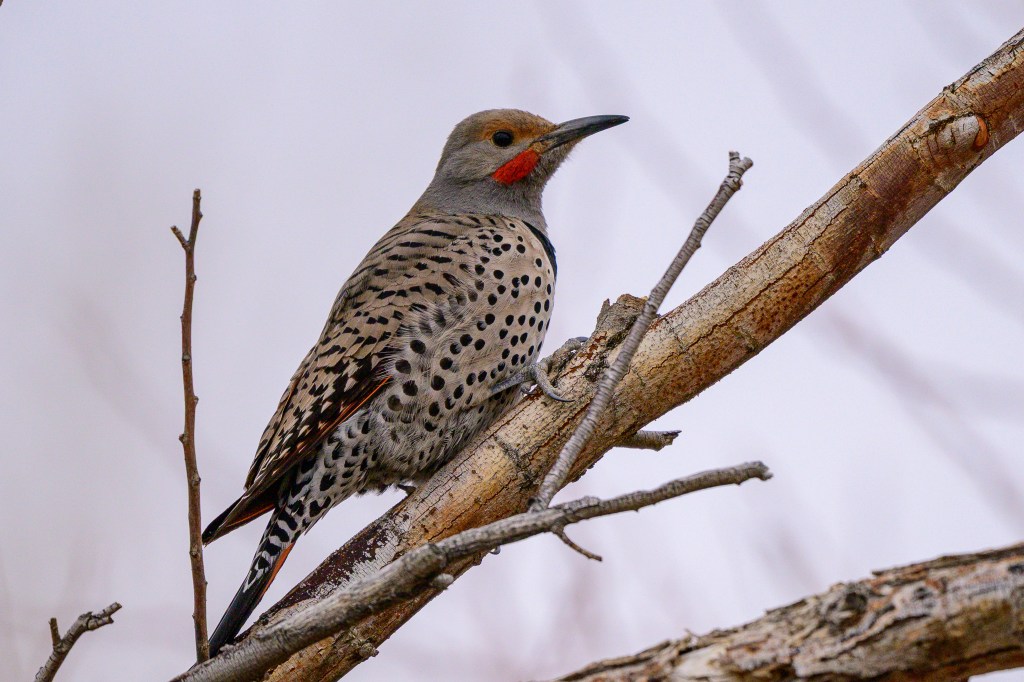
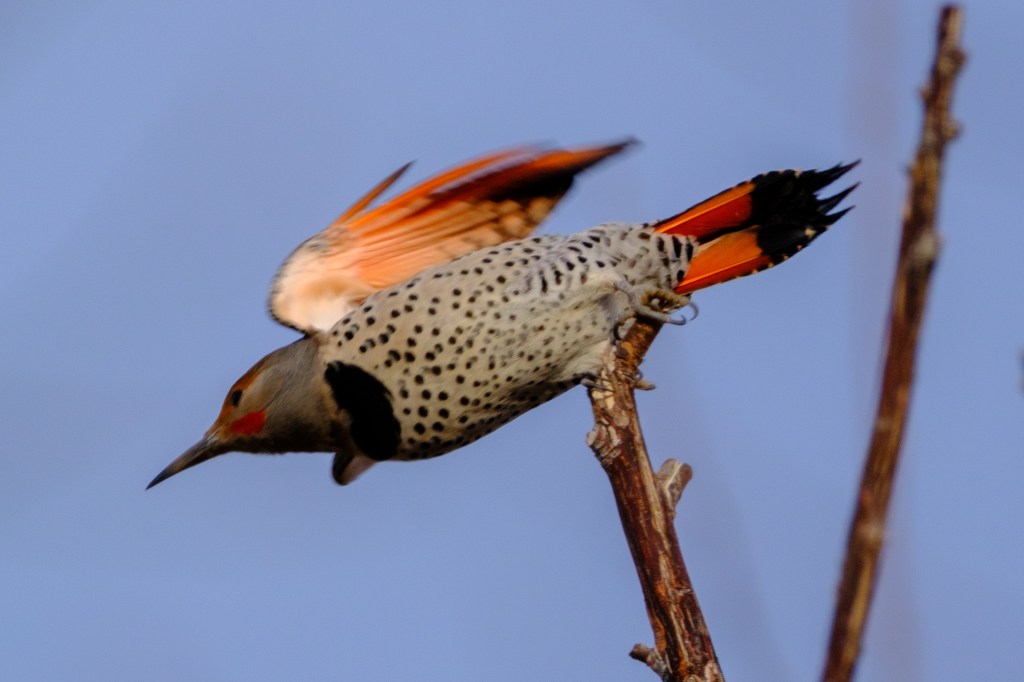
A male Northern Flicker blasts off on South Airport Road.

Northern Flicker, South Airport Road.

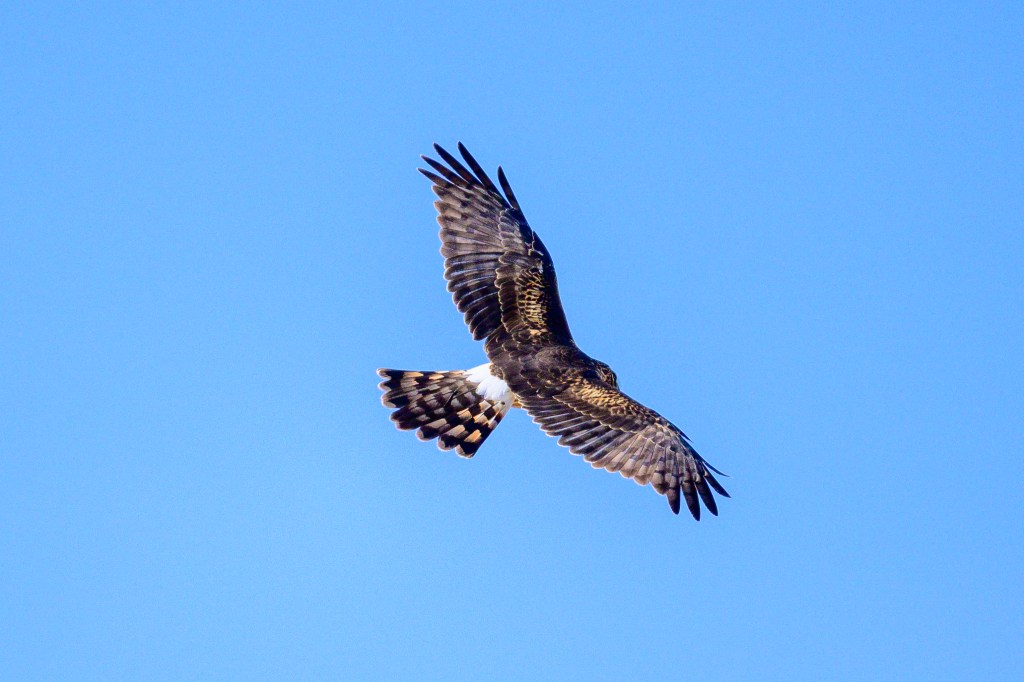
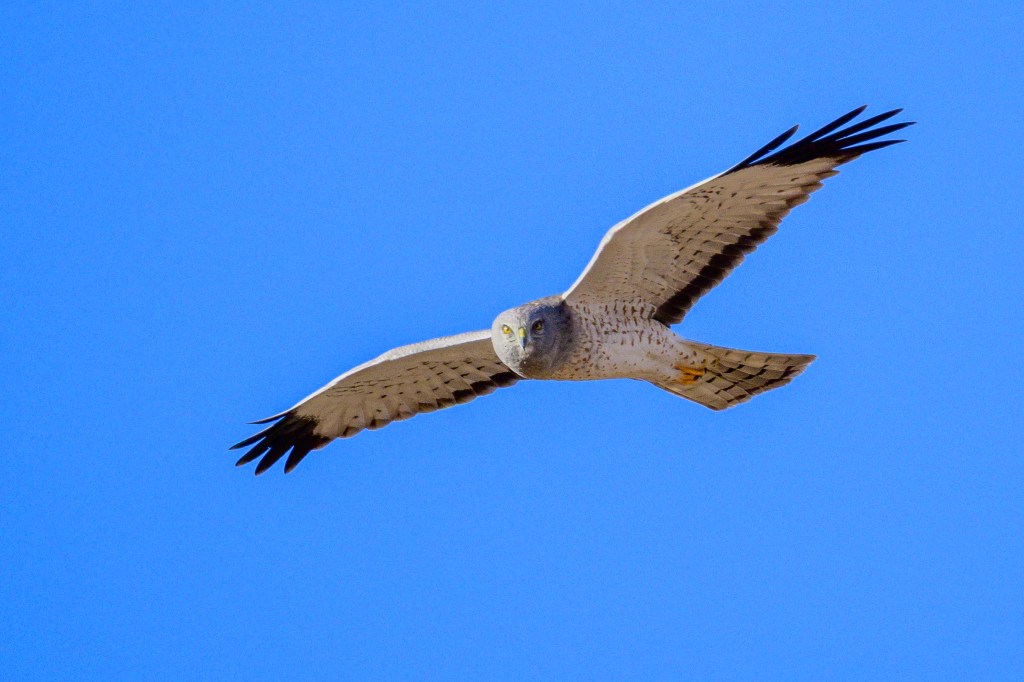
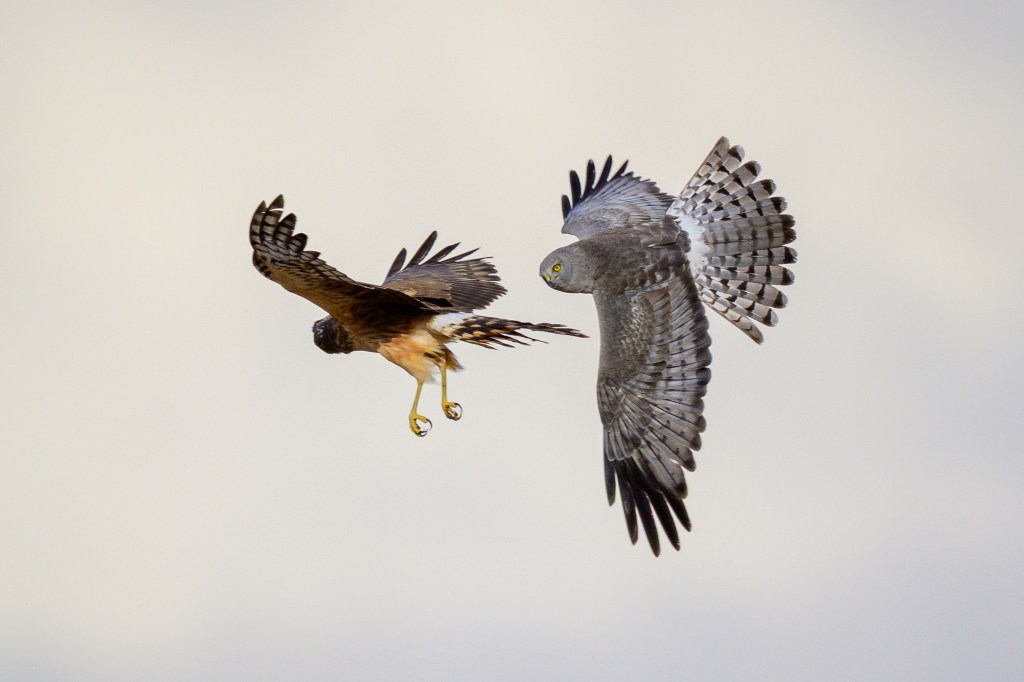
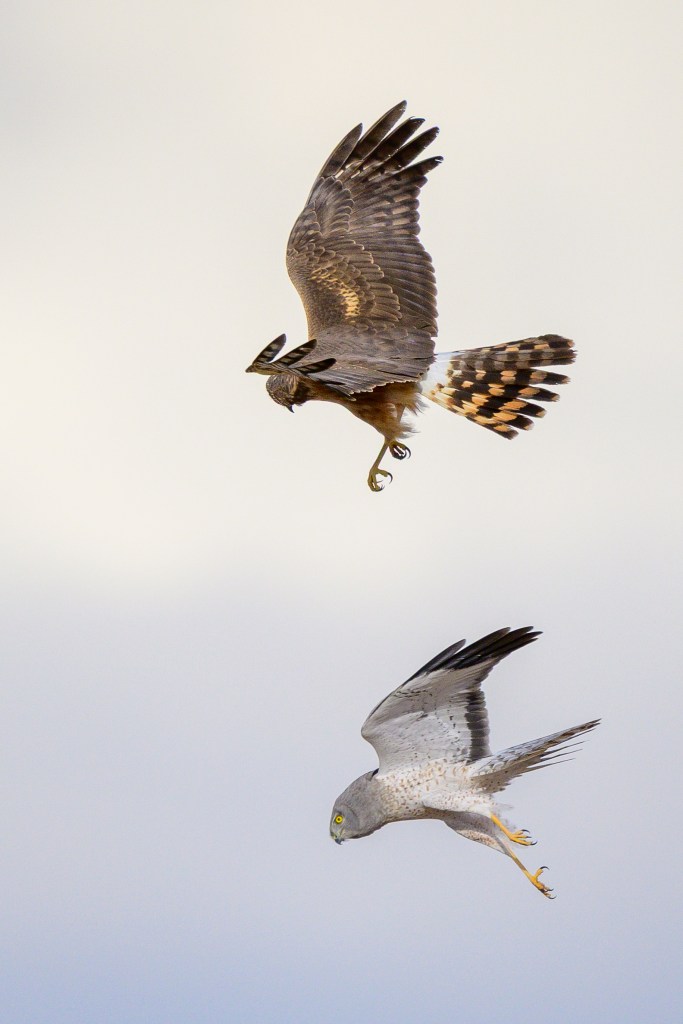
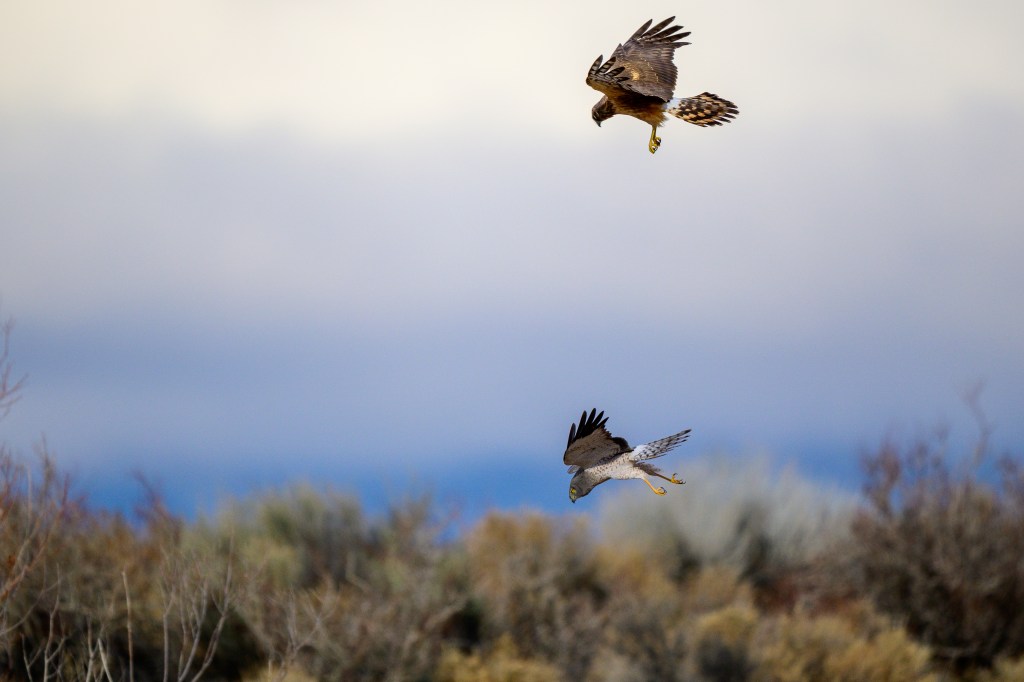
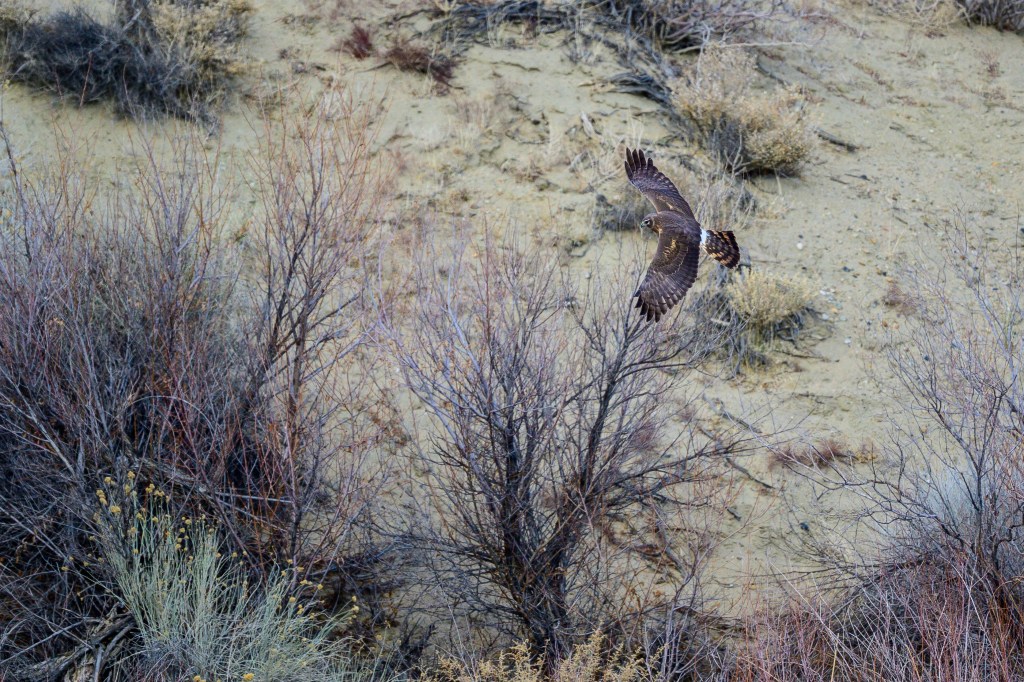
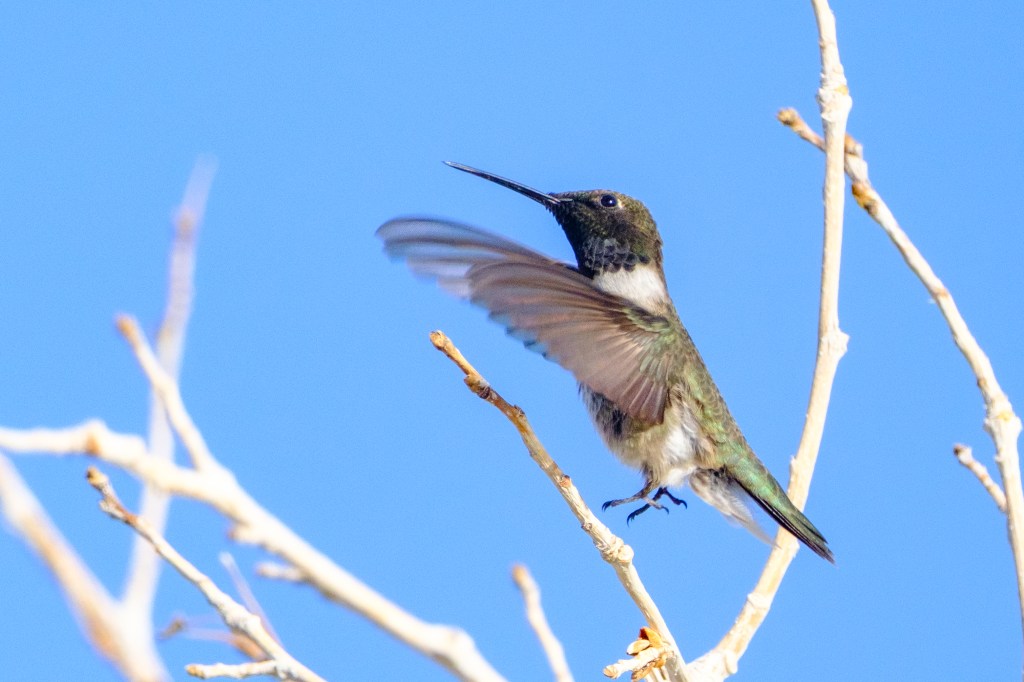
Many birds, such as Kestrels, Kingfishers, and Harriers, can fly in place for a while, but they need some wind to do this. According to Sibley, only hummingbirds can truly hover. The hummingbird can flap its wings so fast that it just rises up, as demonstrated by a Black-chinned Hummingbird.

Black-chinned Hummingbird. Green Gate road off Dixon Lane.

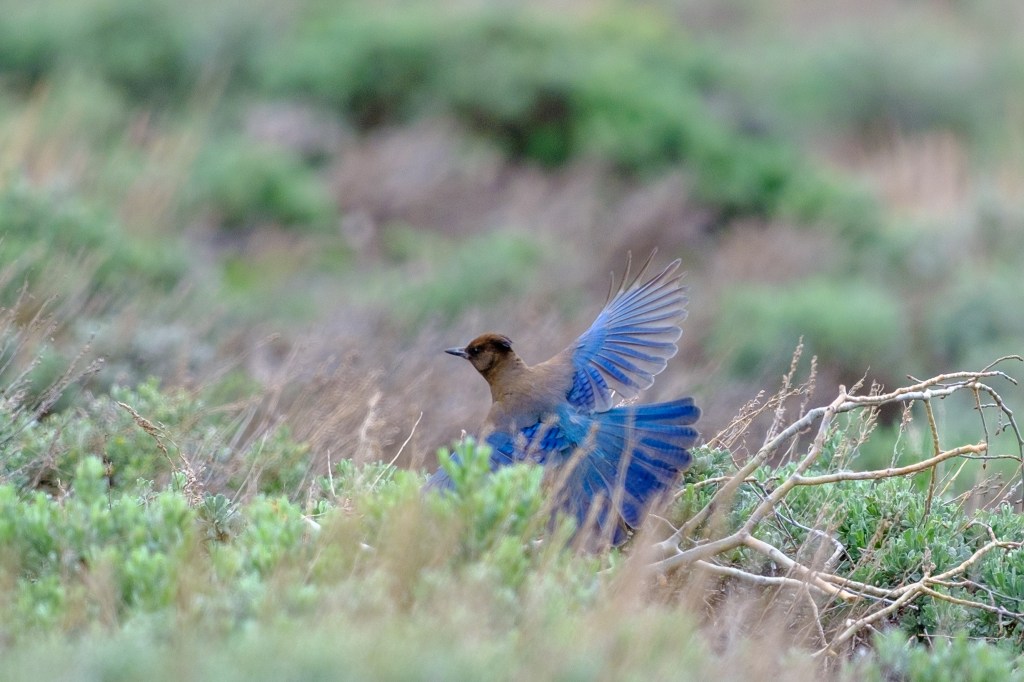
A Steller’s Jay on McGee Creek starts to fly.

Steller’s Jay. McGee Creek.

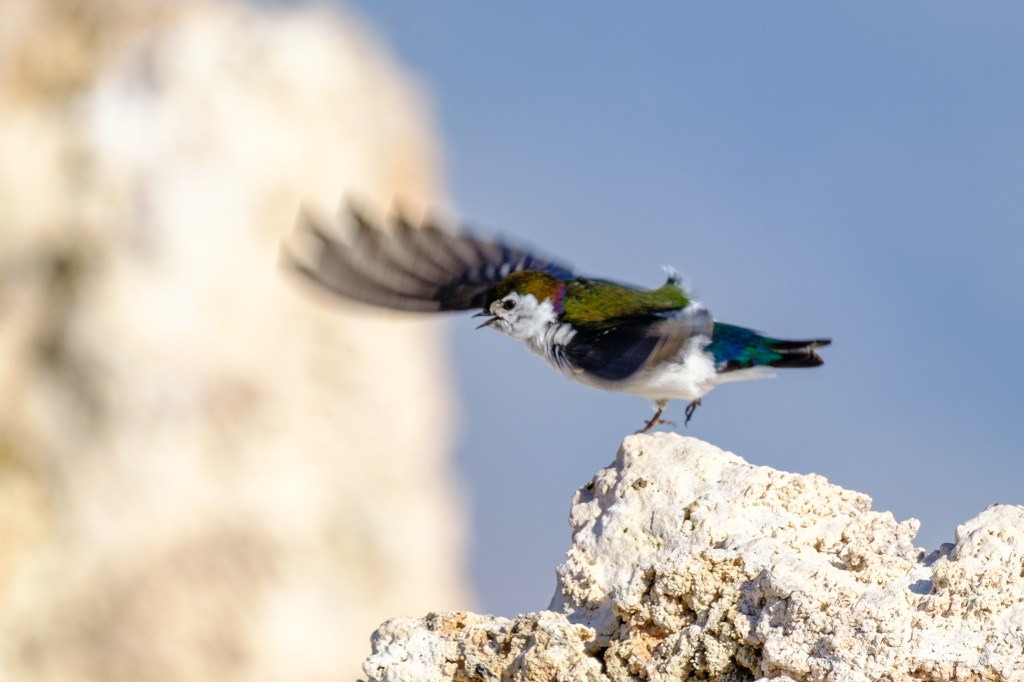
This Violet-Green Swallow is cleared for takeoff from a tufa tower at Mono Lake. These pocket-rockets are hard to photograph when flying, so I try to focus when they land on the tufa. Their rest breaks are short and they soon rocket off to hunt bugs in the air.

Violet-green Swallow. South Beach, Mono Lake.